Blockchain Technology: Transforming Trust in the Digital Era
Published on: November - 2025
Blockchain Technology
Blockchain technology has rapidly evolved from a niche concept powering cryptocurrencies to a global innovation reshaping industries. At its core, blockchain is a decentralized, secure, and transparent digital ledger system that records transactions across multiple computers. Because these records cannot be altered without consensus, blockchain brings an unprecedented level of trust, efficiency, and security to digital operations.
What Is Blockchain Technology?
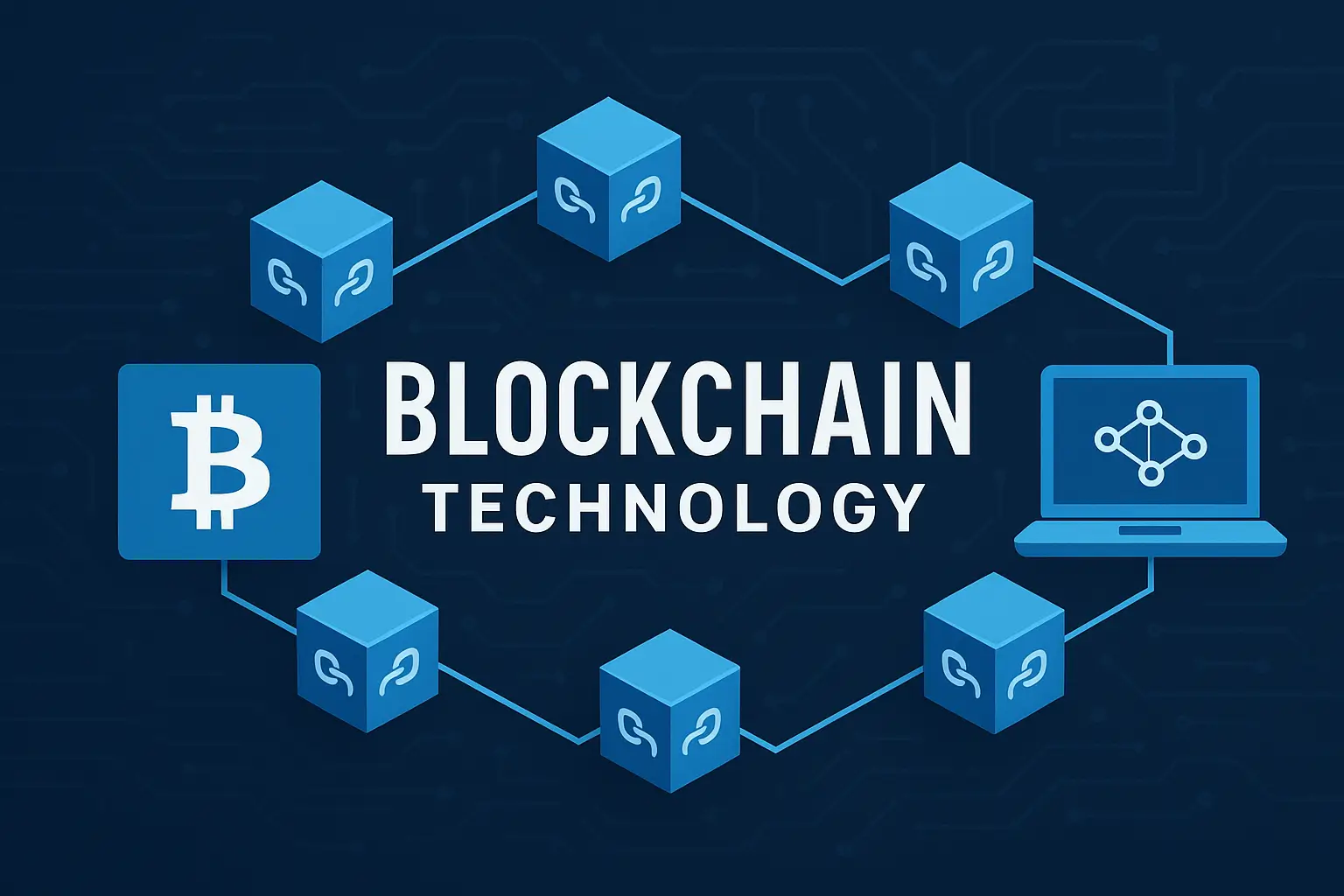
Blockchain is a distributed database where data is stored in "blocks." Each block contains information and is linked to the previous one through cryptographic hashes, forming a secure chain. Unlike traditional centralized systems, blockchain operates on a peer-to-peer network, eliminating the need for intermediaries. This decentralization makes it resistant to fraud, data tampering, and single-point failures.
Why Is Blockchain Gaining Global Attention?
In recent years, blockchain has captured the interest of governments, enterprises, financial institutions, and tech innovators. The reason is simple: it solves some of the biggest challenges in digital systems today—security, transparency, and efficiency. Whether in supply chain management, banking, healthcare, or voting systems, blockchain ensures data integrity and traceability.
Its role in cryptocurrencies like Bitcoin was only the beginning. Today, industries use blockchain to improve their operations, reduce costs, automate workflows, and ensure trust in digital interactions.
Key Benefits of Blockchain Technology
1. Enhanced Security
Every transaction on blockchain is encrypted and linked to the previous one. Its decentralized nature ensures that data cannot be easily hacked or manipulated.
2. Full Transparency
All participants in a blockchain network share access to the same ledger. This boosts trust and reduces disputes by making information visible and verifiable.
3. Reduced Costs
By eliminating intermediaries—like banks, brokers, or third-party verification systems—blockchain lowers operational costs and speeds up processes.
4. Faster Transactions
Blockchain enables near-instant transactions globally, overcoming the delays of traditional systems, especially in cross-border payments.
5. Automation with Smart Contracts
Blockchain supports smart contracts—self-executing agreements that automatically trigger actions when conditions are met. This improves efficiency and reduces human error.
Real-World Applications of Blockchain
-
Finance & Banking: Secure payments, fraud reduction, faster settlements.
-
Supply Chain: Real-time tracking, product authenticity, transparency.
-
Healthcare: Secure patient records, faster claims processing.
-
Real Estate: Digital property transfers, transparent ownership records.
-
Voting Systems: Tamper-proof, secure, transparent digital voting.
-
Government Services: Secure document handling, digital identity management.
The Future of Blockchain Technology
The future of blockchain looks promising as more organizations integrate it into their digital transformation strategies. With advancements like Web3, decentralized applications (dApps), and tokenization of assets, blockchain is expected to play a major role in the next generation of the internet.
As trust becomes a crucial element of digital services, blockchain technology will continue to lead the way in creating secure, transparent, and scalable solutions for the modern world.
← Back to News & Media