Surveillance Radar Systems: Watch, Detect & Protect
Published on: November - 2025
Introduction
A surveillance radar system is an advanced electronic monitoring technology designed to detect, track, and identify objects across land, air, and sea. These systems use electromagnetic waves to measure the position, speed, and trajectory of moving or stationary targets. Modern radar systems are critical for situational awareness in military, commercial, and civilian applications. From securing national borders and airspace to monitoring maritime traffic and critical infrastructure, these systems provide accurate, real-time intelligence, making them indispensable in today’s security and defense frameworks.
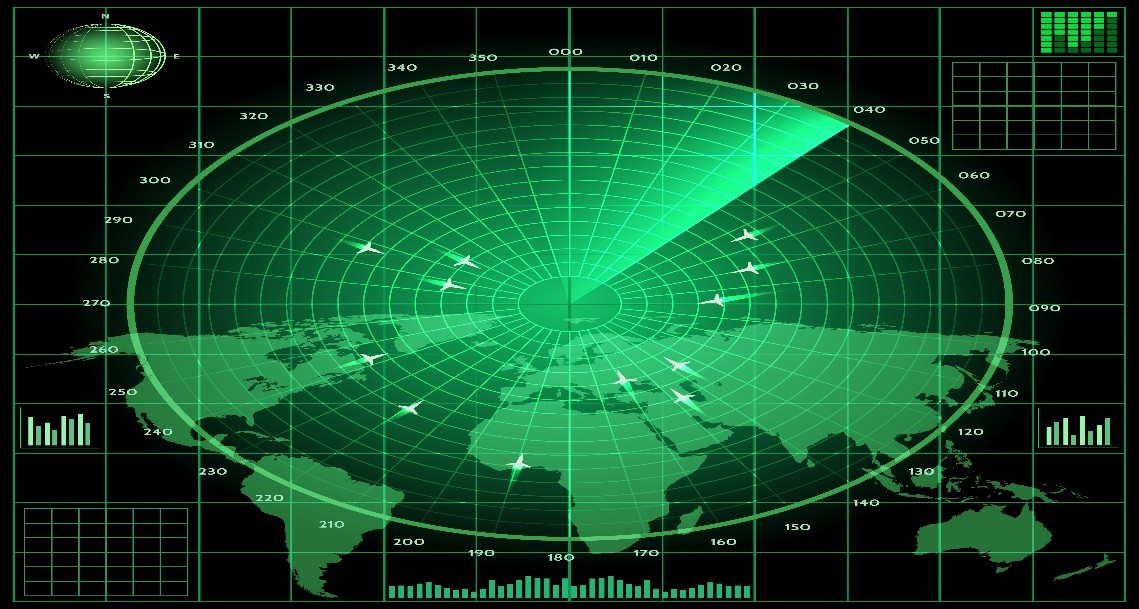
Modern surveillance radar systems empower organizations with early threat detection, enhanced operational efficiency, and real-time monitoring capabilities, transforming security operations across military, aviation, maritime, and urban infrastructures.
Understanding Surveillance Radar Systems
Key Benefits of Surveillance Radar Systems
- Defense & Military Applications: Modern radar systems help detect aerial threats, missile launches, and ground intrusions, ensuring proactive defense readiness.
- Civilian & Aviation Security: Airports and air traffic controllers use radar to track aircraft, manage safe flight corridors, and prevent collisions.
- Critical Infrastructure Protection: Facilities like power plants, ports, and urban transport hubs leverage radar for intrusion detection and perimeter security.
- Maritime Safety: Coastal surveillance radars detect illegal fishing, piracy threats, and monitor shipping lanes for safer maritime operations.
Types of Surveillance Radar Systems
- Ground Surveillance Radar (GSR): Ground surveillance radar is designed to monitor movements on land, including vehicles, personnel, and low-flying drones. These systems are widely deployed along borders, military installations, and large industrial complexes. They provide long-range detection and can operate under extreme weather conditions.
- Air Surveillance Radar (ASR): Air surveillance radars detect aircraft, unmanned aerial vehicles (UAVs), and missile threats. They are integral to air defense, airports, and national airspace monitoring systems. Modern ASRs often combine 2D and 3D detection, providing precise altitude, speed, and position data for multiple airborne objects simultaneously.
- Maritime Surveillance Radar (MSR): Maritime radar systems monitor vessels, detect piracy, track illegal fishing, and manage port security. MSRs are essential for coast guards, naval forces, and commercial shipping companies, providing real-time maritime situational awareness.
- Phased Array and 3D Radar Systems: Phased array radars offer high-speed detection and can scan multiple targets electronically without moving parts. 3D radar systems provide real-time positional data in three dimensions, improving accuracy for missile defense, airspace control, and multi-domain operations.
Key Features of Modern Surveillance Radar Systems
- Real-Time Tracking & Monitoring: Surveillance radar continuously monitors moving and stationary targets, providing instant alerts and actionable intelligence.
- Multi-Domain Detection: Advanced systems can simultaneously track land vehicles, aircraft, drones, and maritime vessels, offering a unified monitoring platform.
- Advanced Signal Processing: Modern radar systems use AI and algorithms to filter noise, reduce false alarms, and improve target identification under challenging environmental conditions.
- AI & IoT Integration: AI-enabled radars can predict potential threats, classify targets, and optimize radar performance. IoT connectivity allows integration with surveillance cameras, drones, and other monitoring networks.
- Scalability & Modular Design: Radar systems are designed for adaptability, enabling upgrades, domain-specific customization, and seamless integration with existing defense or security infrastructure.
Competitive Landscape & Leading Players
The global surveillance radar market is dominated by multinational defense and technology companies that offer cutting-edge solutions.
Key Industry Players & Offerings
- Lockheed Martin (USA) – Airborne and ground radar, integrated defense solutions.
- Thales Group (France) – Multi-domain radar, naval radar, and 3D surveillance systems.
- Raytheon Technologies (USA) – Advanced missile defense radar, phased array solutions.
- Leonardo S.p.A (Italy) – Air traffic, coastal, and maritime radar solutions.
- Saab AB (Sweden) – Tactical radar and coastal monitoring solutions.
- Northrop Grumman (USA) – Multi-domain monitoring radar systems.
- Hensoldt (Germany) – Military radar and integrated sensor systems.
- Kongsberg Gruppen (Norway) – Coastal surveillance and maritime radar solutions.
Ecosystem Insights
North America leads due to defense modernization and technological advancements. Europe focuses on coastal and border monitoring investments. Asia-Pacific sees rapid growth in maritime and border security applications.
Applications of Surveillance Radar Systems
- Military & Defense Applications: Early warning systems, border surveillance, missile tracking, and battlefield monitoring.
- Civil Aviation & Air Traffic Control: Aircraft tracking, collision prevention, and airspace management.
- Maritime Security & Coastal Monitoring: Vessel tracking, anti-piracy operations, and port monitoring.
- Critical Infrastructure & Smart Cities: Monitoring highways, pipelines, ports, and urban transport for enhanced safety and security.
Emerging Trends in Surveillance Radar Systems
AI and IoT integration for predictive analytics and threat detection. Miniaturization of radar systems for drones and mobile deployments. 5G-enabled radar networks supporting smart cities and intelligent transport. Multi-domain detection capability for air, land, and sea. Use of phased array and 3D radar for faster, more accurate tracking.
Conclusion
Surveillance radar systems are the backbone of modern security and defense operations. By combining AI, IoT, and multi-domain detection capabilities, these systems deliver unparalleled situational awareness, faster threat detection, and reliable monitoring across military, civil, and critical infrastructure sectors. As technology evolves, radar systems will continue to redefine security strategies and operational efficiency worldwide.
← Back to News & Media