What is the Global Amyotrophic Lateral Sclerosis Market Size?
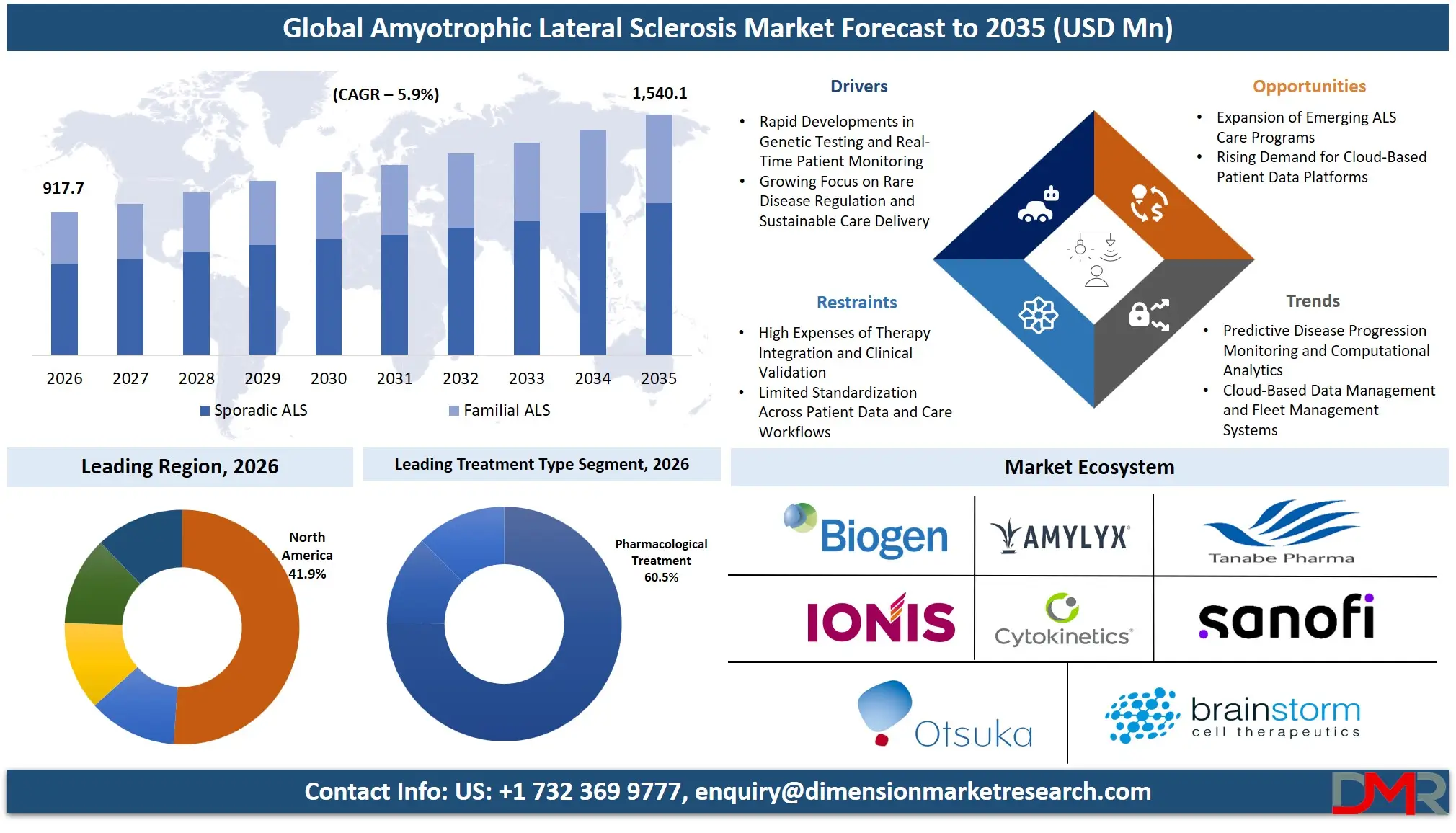
The Global Amyotrophic Lateral Sclerosis Market size is projected to be valued at USD 917.7 million in 2026 and USD 1,540.1 million by 2035, exhibiting a CAGR of 5.9% during the forecast period, driven by growing global incidence rates, rising availability of disease-modifying therapies, and the integration of biomarker-driven approaches in precision neurology.
ℹ
To learn more about this report –
Download Your Free Sample Report Here
The Global Amyotrophic Lateral Sclerosis (ALS) market has witnessed growth due to advancements in genetics linked to familial ALS, advances in diagnosis for sporadic ALS, policies for faster drug approval for neuroprotective medications, as well as increased funding by private organizations and the government for ALS studies. Additionally, other drivers include real-time patient monitoring, modeling of the respiratory system in predicting its future status, automation in capturing patient data, and high-throughput screening for developing treatments of ALS.
ℹ
To learn more about this report –
Download Your Free Sample Report Here
The US Amyotrophic Lateral Sclerosis Market
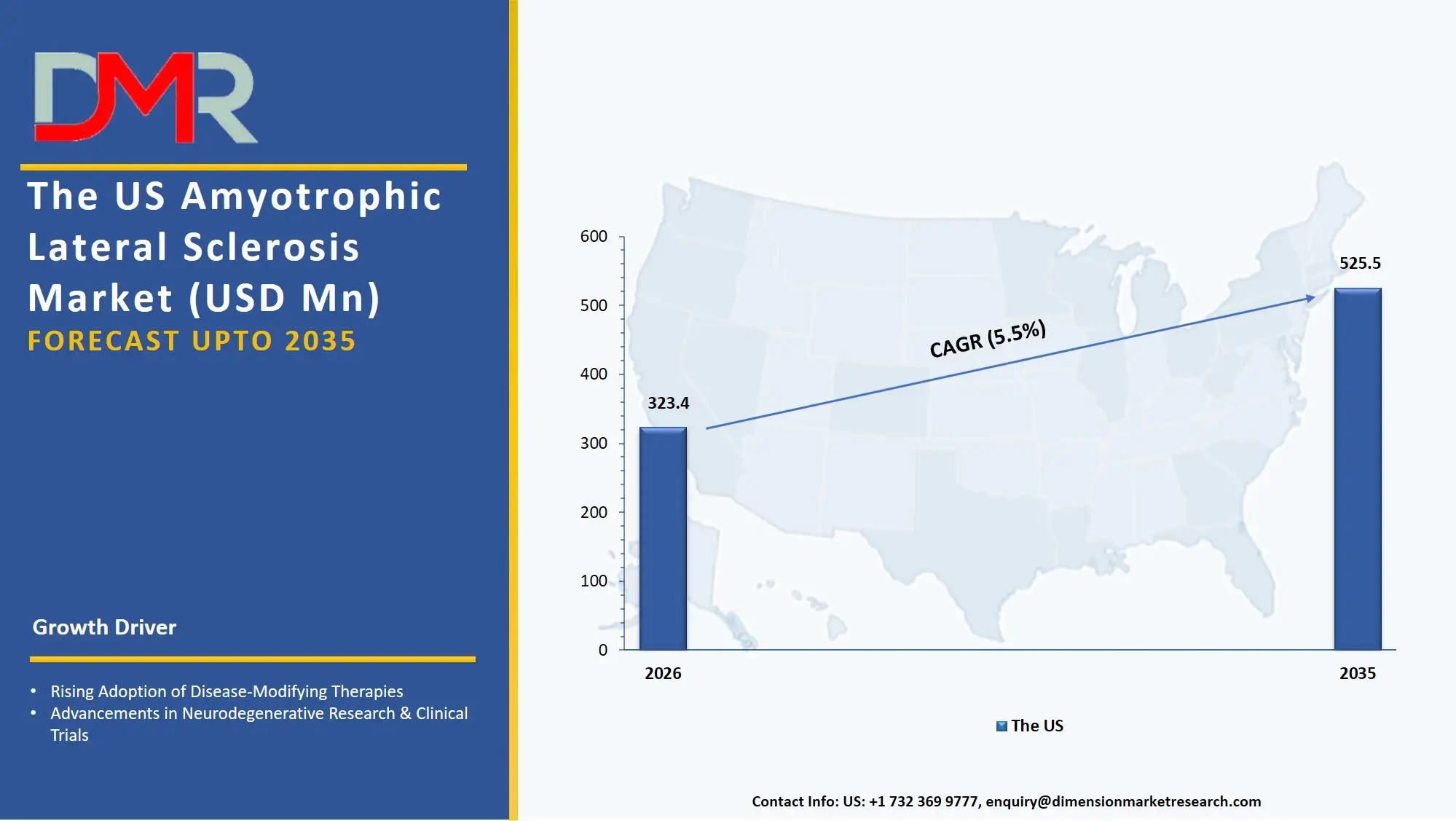
The US Amyotrophic Lateral Sclerosis Market is estimated to grow to USD 323.4 million in 2026 with a compound annual growth rate of 5.5% during the forecast period.
ℹ
To learn more about this report –
Download Your Free Sample Report Here
The US has several major government programs like ACT for ALS, the National ALS Registry by CDC, and FDA's fast track approval process for gene therapy and neuroprotection drugs. These are some important factors that provide evidence for the requirement of genetic tests, real-time measurement of lung capacity, and the need for designing clinical trials. The region is in the midst of a rapid digitisation of remote patient monitoring systems, and the US requires a high level of data interoperability, integration of real world evidence in electronic health records and verifiable AI assurance in drug development. In addition, service vendors are being pressured by programs such as the ACT for ALS and national neurodegenerative disease programs to offer integration and deployment services to ensure data continuity, security and compliance across ALS research facilities and multidisciplinary clinics.
Europe Amyotrophic Lateral Sclerosis Market
The Europe Amyotrophic Lateral Sclerosis Market is estimated to be valued at USD 282.5 million in 2026, witnessing growth at a CAGR of 5.7%, during the forecast period.
Europe's ALS market is established, with a strong regulatory and regional influence from regulatory specifications and policies such as the EU Rare Disease Strategy, the European Reference Networks for neuromuscular diseases, and national digital health strategies (e.g., France's ALS Plan and Germany's National Strategy for Rare Diseases). Another area that countries are working towards is integrated care pathways to align research and clinical workload demands and interoperability of cross-border clinical trial data and patient registries. The market is driven by advanced technologies, such as real-time genetic screening engines and high-reliability disease progression prediction algorithms with embedded predictive models for novel drug candidates. Adoption is facilitated by the use of public-private partnerships and harmonization of ALS care standards. Technologies like real-time data sharing and secure patient registries are commonly practiced in research-centric programs, and Europe is a frontrunner in the digital transformation of safe and efficient ALS therapy development.
Japan Amyotrophic Lateral Sclerosis Market
The Japan Amyotrophic Lateral Sclerosis Market is projected to be valued at USD 78.9 million in 2026, progressing at a CAGR of 6.8%, during the period spanning from 2026 to 2035.
Japan boasts a mature ALS market supported by high-performance respiratory support systems, integrated rehabilitation technology, and a wide network of clinical research innovations. Patient care, precision, and quality of life are priorities in the country, achieved by predictive disease progression models and intelligent case management systems for ALS care. Growth is stimulated by government actions under the Society 5.0 initiative and constant investment in digital health infrastructure. The high level of ALS research and development activities, industrial production of supportive devices, and care pathway automation demand efficient artificial intelligence for instantaneous decision-making based on patient data analysis. Challenges such as expensive validation for novel ALS care frameworks and legacy treatment processes are present; however, there is great potential in exporting advanced ALS care technology to Asian and Pacific markets.
Key Takeaways
- Market Size & Forecast: The Global Amyotrophic Lateral Sclerosis Market is estimated to be valued at USD 917.7 million in 2026 and is expected to grow to USD 1,540.1 million by 2035.
- Growth Rate & Outlook: The market is expected to witness growth at a compound annual growth rate of 5.9% in the forecast period.
- Primary Growth Drivers: Some of the major factors driving growth are advances in genetic profiling for familial ALS, regulatory pressure for faster drug development and reduced clinical trial failure rates, and increased public and private investment in ALS research infrastructure.
- Key Market Trends: The use of predictive disease progression monitoring, real-time respiratory function tracking, and the transition to cloud-based patient data management systems are some of the primary market trends.
- By Type: The Sporadic ALS segment is anticipated to hold the majority share of the ALS market in 2026.
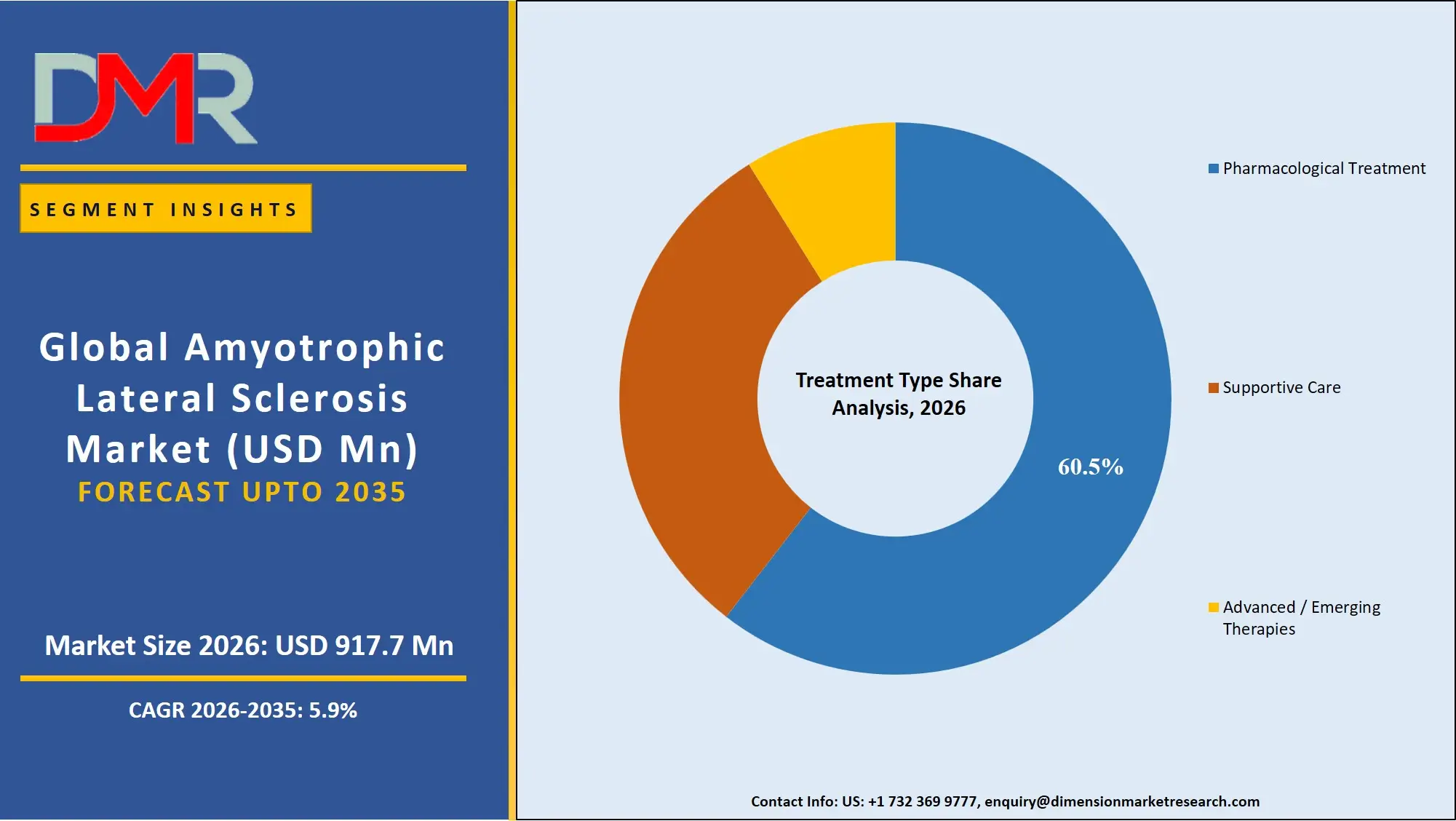
- By Treatment Type: The Pharmacological Treatment segment is expected to occupy the largest revenue share in 2026.
- By End User: Hospitals are expected to capture the largest revenue share in 2026.
- Regional Leadership: North America is predicted to dominate the market with an estimated 41.9% share in 2026, driven by high R&D spend and regulatory support for ALS therapies.
What is Amyotrophic Lateral Sclerosis?
Amyotrophic lateral sclerosis (ALS), also known as Lou Gehrig's disease, is a neurodegenerative disorder that affects nerve cells in the brain and spinal cord. Amyotrophic lateral sclerosis affects the ability to move by gradually weakening the muscles and causing loss of voluntary movement such as walking, talking, breathing, and swallowing. ALS may occur sporadically (90-95%) without any genetic association, or it may be familial (5-10%), implying heredity. Diagnosis occurs through clinical assessment, electromyography, and genetic testing. There is currently no cure for ALS, hence, treatment aims at managing its effects.
Use Cases
- Pharmacotherapy in Sporadic ALS: Clinics specializing in neurology have been developing a rapid method of genetic and biomarker testing to determine the most effective candidates for therapy using Riluzole and Edaravone, and also prevent unnecessary diagnosis procedures that could waste precious time before initiating treatment.
- Integrated Supportive Care: Respiration capabilities and nutritional state information, such as FVC and BMI progression over time, is used to create models for adjusting treatment plans and guaranteeing continued treatment with safety in mind for people with ALS.
- Remote Patient Monitoring: Homecare deployments employ digital health tools and wearable sensors to perform real-time respiratory decline prediction, fall detection, and automated care team alerts with quantifiable accuracy.
- Population Health & Government Programs: Improved knowledge of ALS enables better pandemic preparedness among high-risk groups, drug development in rare conditions, and intelligent health monitoring of patients, thus permitting the implementation of rare diseases nationally and facilitating policymaking processes.
How AI Is Transforming the Global Amyotrophic Lateral Sclerosis Market?
Artificial intelligence is revolutionizing the way ALS is viewed, and it makes the prediction of disease development risk possible as well as automatic detection of anomalies within respiratory and mobility data sets, and even creates a scenario-based treatment path for patients suffering from a certain disease. Information collected by means of wearable technology and EHRs can be analyzed by AI-based models to recognize any decline or drift in performance. This saves time, improves verifiability, and reduces costs compared to manual data analysis.
Moreover, AI enhances ALS care assurance through adaptive event-based scheduling, anticipating workflow threats to care plan accuracy, and intelligent prioritization of respiratory equipment health monitoring. It is also involved in reducing the cost of baseline testing and ongoing performance tracking, allowing ALS healthcare operators to reduce the physical footprint of in-person test campaigns and improve the reliability of care delivery and financial returns.
Market Dynamics
Key Drivers of the Global Amyotrophic Lateral Sclerosis Market
Rapid Developments in Genetic Testing and Real-Time Patient Monitoring
Fast adoption of advanced genetic testing and disease progression tracking, high-efficiency clinical data analysis, API-based interoperability with electronic health records (EHRs) and patient registries, and real-time telemetry analytics from wearable devices are pushing the market. These technologies allow real-time monitoring of ALS patient performance, early detection of respiratory decline, prediction of disease progression rates, and ease of clinical validation. As a result, there is a high level of care continuity, research efficiency, and reduced costs of manual data analysis. The advancement in genetic profiling, especially, is hastening the demand for improved ALS diagnosis and personalized treatment pathways, with more providers turning to data-driven care optimization.
Growing Focus on Rare Disease Regulation and Sustainable Care Delivery
Governments and regulatory agencies are becoming more focused on rare disease drug development and safety, and have instituted efficiency frameworks, including the EU Rare Disease Strategy and the FDA's ACT for ALS framework for neuroprotective therapies. These structures are driving demand for effective ALS treatment development capable of supporting continuous clinical evaluation and long-term patient management. In parallel, global initiatives promoting care standardization and workforce development are encouraging the adoption of evidence-based ALS treatment approaches. The increasing focus on transparency in therapy development and reduction in treatment failure rates is also enhancing the necessity of reliable and scalable ALS treatment solutions in both public and private healthcare systems.
Restraints in the Global Amyotrophic Lateral Sclerosis Market
High Expenses of Therapy Integration and Clinical Validation
Therapies for ALS are costly and time-consuming to develop, involving intensive testing in clinical environments, validation of treatment efficacy, and performance assessment over a prolonged time of new interventions. Regulatory restrictions and data privacy regulations (e.g., GDPR on patient data) also increase the cost and complexity of development. These factors create entry barriers, extend development timelines, and increase the cost of capital outlay.
Limited Standardization Across Patient Data and Care Workflows
There are multiple care systems that the healthcare industry has employed, for instance, genetic testing software, predictive models with the help of artificial intelligence, and telemonitoring technology. However, one of the main problems with data is an absence of standardization interfaces. There are no common standards when it comes to integrating ALS patients' data in comparison to other chronic illnesses.
Growth Opportunities in the Global Amyotrophic Lateral Sclerosis Market
Expansion of Emerging ALS Care Programs
Developing markets such as Brazil, Indonesia, Nigeria, the UAE, and Vietnam are investing in healthcare infrastructure and advanced neurologic care capabilities. These regions present strong growth potential due to increasing demand for early diagnosis, treatment access, and supportive care for ALS. With limited legacy healthcare infrastructure, they provide opportunities for the deployment of modern ALS care models optimized for clinical and home care environments.
Rising Demand for Cloud-Based Patient Data Platforms
The increased requirement for advanced ALS care solutions is being generated by the growth of remote care collaboration, distributed patient management, and real-time clinical monitoring applications. These technologies play a vital role in clinical research platforms, remote care settings, and neurology innovation hubs. With the rising importance of real-time patient monitoring as a major care concern, cloud-based analytics capabilities are likely to be fundamental to future ALS and neurologic care infrastructure.
Global Amyotrophic Lateral Sclerosis Market Trends
Predictive Disease Progression Monitoring and Computational Analytics
ALS patient data is being monitored for clinical anomalies in real-time, with predictive models identifying potential respiratory or mobility decline. The use of disease progression modeling and machine learning algorithms is enhancing treatment planning, patient outcome prediction, and clinical trial efficiency. This shift is transforming ALS care management from manual data review to more advanced, continuously optimized patient monitoring.
Cloud-Based Data Management and Fleet Management Systems
Cloud computing technologies are taking centre stage in the operations of ALS care networks. These platforms enable real-time storage and analysis of patient data, centralized management of care pathways, and remote monitoring of patient health status. Cloud-based systems enhance care transparency, lower infrastructure expenses, and provide quicker responses to treatment adjustments across clinical settings, as experienced by large ALS care providers.
Research Scope and Analysis
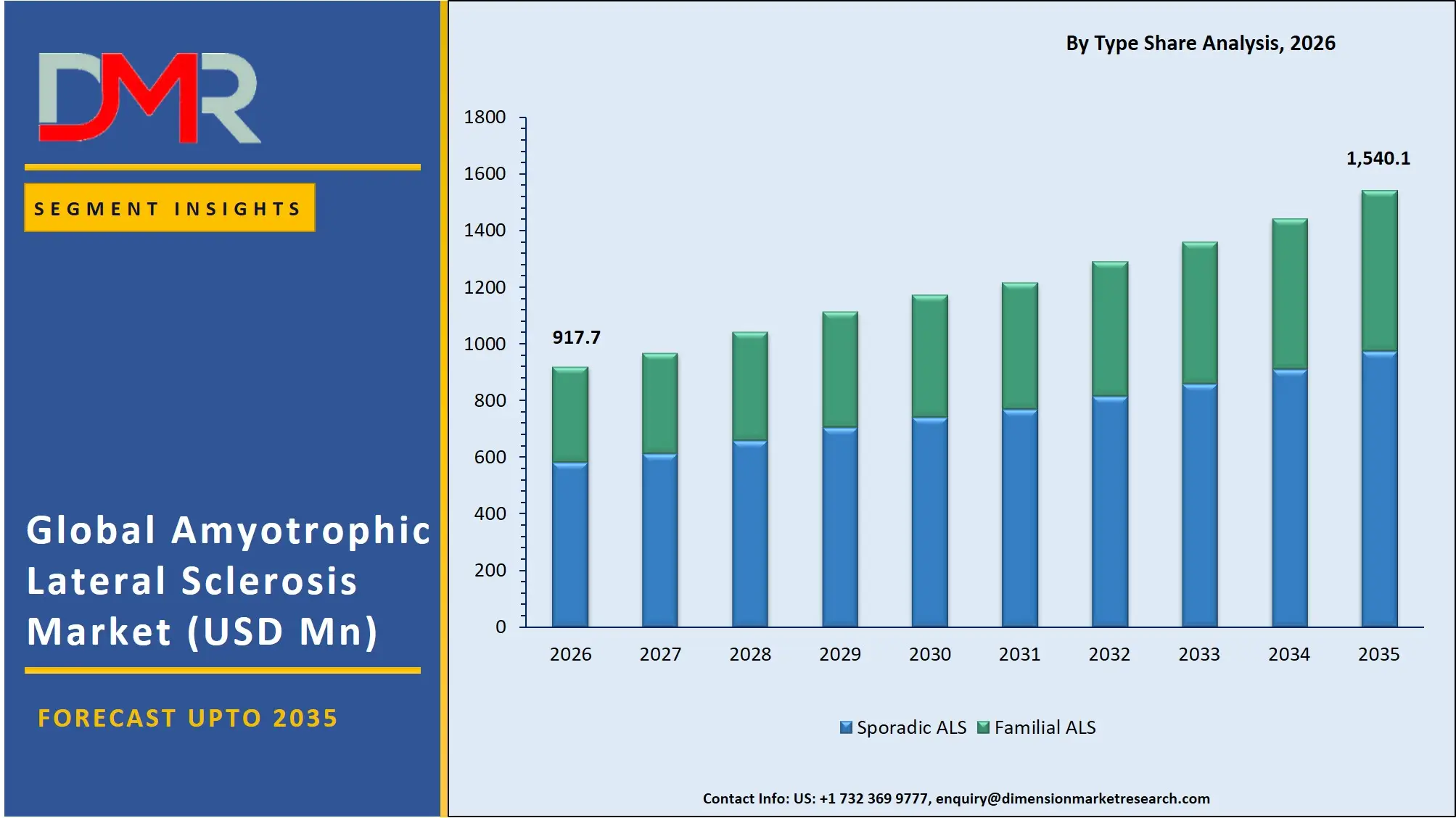
The ALS market is driven by the high prevalence of sporadic ALS, growing adoption of pharmacological and advanced therapies, and increasing demand for multidisciplinary care across hospitals, neurology clinics, homecare, and rehabilitation centers to improve patient outcomes and quality of life.
ℹ
To learn more about this report –
Download Your Free Sample Report Here
By Type Analysis
The Sporadic ALS segment is expected to remain the largest in 2026, accounting for about 90.0% of the global ALS market, driven by its dominant incidence rate (90–95% of all cases) and widespread prevalence across patient populations where early diagnosis and treatment pathways are essential. Meanwhile, the Familial ALS segment is witnessing strong growth, driven by rising demand for genetic testing, targeted therapies, and gene-based research in clinical and research settings where genetic profiling and treatment precision are critical. Adoption is further supported by advancements in diagnostic capabilities and improved treatment approaches for enhanced patient management.
By Treatment Type Analysis
The Pharmacological Treatment segment is expected to account for 60.5% share in 2026, as ALS care heavily relies on Riluzole-based and Edaravone-based therapies. The segment is further supported by increasing use of combination regimens and expanding clinical research that enhance treatment outcomes and patient management across care settings. The Advanced/Emerging Therapies segment is among the fastest-growing, driven by rapid adoption of gene therapy, stem cell therapy, and other investigational neuroprotective agents.
By End User Analysis
Hospitals represent the largest end-user in 2026, accounting for 58.3% share, driven by complex multidisciplinary care environments requiring continuous respiratory monitoring, speech therapy, and physical therapy for ALS patients. Neurology clinics form the second-largest segment, utilizing specialized care approaches for ALS patient management. The fastest-growing area is Homecare, adopting remote monitoring solutions and home respiratory support for ALS patients to reduce hospital burden and improve quality of life. Rehab centers are an emerging segment supporting physical and occupational therapy for maintaining patient function.
The Global Amyotrophic Lateral Sclerosis Market Report is segmented based on the following:
By Type
- Sporadic ALS
- Familial ALS
By Treatment Type
- Pharmacological Treatment
- Riluzole-based therapies
- Edaravone-based therapies
- Other neuroprotective / disease-modifying therapies
- Supportive Care
- Respiratory therapy
- Speech therapy
- Physical & occupational therapy
- Advanced / Emerging Therapies
- Stem cell therapy
- Gene therapy
- Other investigational therapies
By End User
- Hospitals
- Neurology clinics
- Homecare
- Rehab centers
Regional Analysis
Leading Region in the Amyotrophic Lateral Sclerosis Market
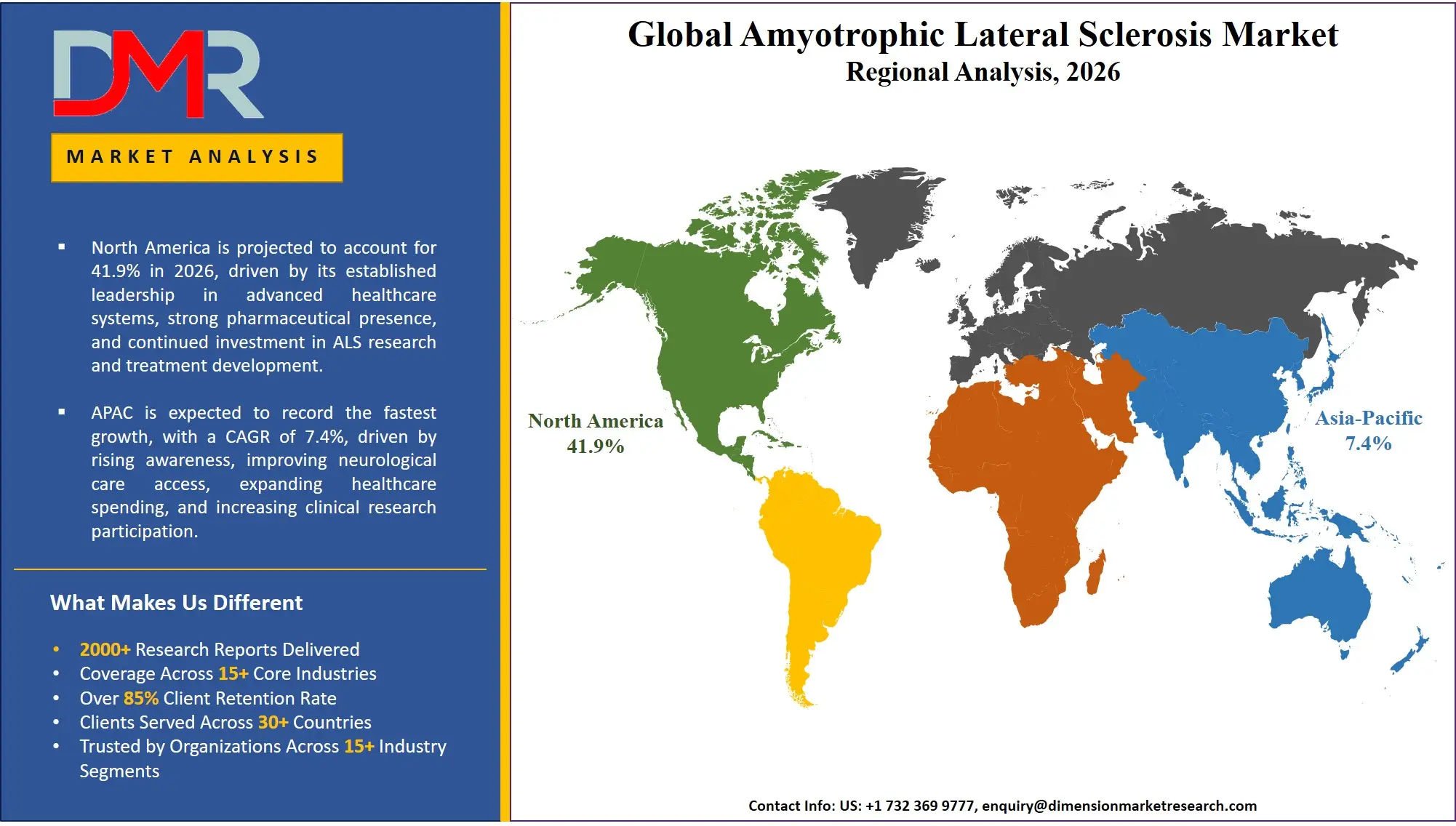
It is projected that North America will take the lead in the global ALS market, covering a market share of about 41.9% in the year 2026. The region's dominance is driven by strong neurology R&D spending (US-based ACT for ALS and NINDS programs), high drug prices relative to other regions, a mature healthcare IT supply chain for advanced interoperability and high-speed data exchange, and the presence of key ALS research centers and pharmaceutical companies. The widespread adoption of advanced genetic testing and biomarker-based drug discovery for sporadic and familial ALS further strengthens North America's leading position. Additionally, continuous investments in AI-enabled patient monitoring and interoperability capabilities further reinforce regional technological leadership.
ℹ
To learn more about this report –
Download Your Free Sample Report Here
Fastest-Growing Region in the Amyotrophic Lateral Sclerosis Market
Asia-Pacific is the fastest-growing region, supported by strong ALS healthcare deployment targets (China, India, Japan), increasing rare disease self-sufficiency initiatives, rising investments in domestic neurologic care capabilities, and growing adoption of remote patient monitoring systems. The region benefits from well-established generic drug manufacturing capacity, increasing commercial participation, and alignment with national rare disease roadmaps. Countries across the region are actively deploying ALS care infrastructure to enhance care productivity and strengthen therapy access capabilities. Growing emphasis on ALS research and structured care pathways further accelerates market expansion. Moreover, increasing government support and commercial neurology commitments are expected to sustain high growth momentum.
By Region
North America
Europe
- Germany
- The U.K.
- France
- Italy
- Russia
- Spain
- Benelux
- Nordic
- Rest of Europe
Asia-Pacific
- China
- Japan
- South Korea
- India
- ANZ
- ASEAN
- Rest of Asia-Pacific
Latin America
- Brazil
- Mexico
- Argentina
- Colombia
- Rest of Latin America
Middle East & Africa
- Saudi Arabia
- UAE
- South Africa
- Israel
- Egypt
- Rest of MEA
Competitive Landscape
The Amyotrophic Lateral Sclerosis Market is highly competitive, with innovation and strategic alliances shaping the competitive environment. In order to achieve a competitive advantage, companies are focused on the development of advanced therapy platforms (e.g., gene therapy, stem cell therapy, and small molecule neuroprotective agents), AI-powered patient monitoring, and digital twin-enabled disease progression modeling. There are high barriers to entry due to capital-intensive clinical validation infrastructure, specialized neurology expertise, and the need for mature healthcare ecosystems and regulatory compliance.
Strategic approaches to increase market presence include partnerships with neurology centers and research institutions, mergers between therapy developers and diagnostic providers, and long-term supply contracts with hospitals and homecare agencies. Moreover, research and development in interoperability frameworks and scalable care architectures are important factors in maintaining competitiveness and addressing the evolving needs of the ALS community.
Some of the prominent players in the Global Amyotrophic Lateral Sclerosis Market are:
- Biogen Inc.
- Tanabe Pharma Corporation
- Sanofi S.A.
- Ionis Pharmaceuticals, Inc.
- Amylyx Pharmaceuticals, Inc.
- BrainStorm Cell Therapeutics Inc.
- Otsuka Pharmaceutical Co., Ltd.
- F. Hoffmann-La Roche Ltd
- Sun Pharmaceutical Industries Limited
- Orion Corporation
- Cytokinetics, Incorporated
- AB Science S.A.
- Novartis AG
- Takeda Pharmaceutical Company Limited
- Aquestive Therapeutics, Inc.
- MediciNova, Inc.
- Clene Inc.
- NeuroSense Therapeutics Ltd.
- CRISPR Therapeutics AG
- QurAlis Corporation
- Other Key Players
Recent Developments
- March 2026: NeuroSense Therapeutics Ltd. reported positive late-stage clinical data for PrimeC, demonstrating slowed functional decline and improved survival in ALS patients, with plans to advance toward Phase 3 and potential commercialization by 2026.
- January 2026: Clene Inc. reported ongoing evaluation of CNM-Au8 nanocrystal therapy in ALS, with extended survival and biomarker data being analyzed from long-term extension studies, supporting its potential as a disease-modifying therapy candidate.
- August 2025: Ionis Pharmaceuticals, Inc. received the US FDA approval for a novel RNA-targeted therapy (Tryngolza), marking a major milestone in RNA therapeutics and reinforcing its leadership in antisense platforms, which are also central to its ALS pipeline strategy.
- January 2024: QurAlis Corporation announced continued advancement of its precision medicine pipeline for genetically defined ALS subtypes, including SOD1 and FUS mutations, supported by expanded financing and ongoing clinical-stage development programs in neurodegenerative disease therapeutics.
Report Details
| Report Characteristics |
| Market Size (2026) |
USD 917.7 Mn |
| Forecast Value (2035) |
USD 1,540.1 Mn |
| CAGR (2026–2035) |
5.9% |
| The US Market Size (2026) |
USD 323.4 Mn |
| Historical Period |
2021 – 2025 |
| Forecast Period |
2027 – 2035 |
| Base Year |
2025 |
| Estimated Year |
2026 |
| Segments Covered |
By Type (Sporadic ALS, Familial ALS), By Treatment Type (Pharmacological Treatment, Supportive Care, Advanced / Emerging Therapies), By End User (Hospitals, Neurology clinics, Homecare, Rehab centers) |
| Regional Coverage |
North America – The US and Canada; Europe – Germany, The UK, France, Russia, Spain, Italy, Benelux, Nordic, & Rest of Europe; Asia-Pacific – China, Japan, South Korea, India, ANZ, ASEAN, Rest of APAC; Latin America – Brazil, Mexico, Argentina, Colombia, Rest of Latin America; Middle East & Africa – Saudi Arabia, UAE, South Africa, Turkey, Egypt, Israel, & Rest of MEA |
Frequently Asked Questions
How big is the Global Amyotrophic Lateral Sclerosis Market?
▾ The Global Amyotrophic Lateral Sclerosis Market size is estimated to have a value of USD 917.7 million in 2026 and is expected to reach USD 1,540.1 million by the end of 2035.
Which region held the largest share of the Global Amyotrophic Lateral Sclerosis Market in 2026?
▾ North America is expected to account for the largest market share in 2026, with a share of about 41.9%.
Who are the key players in the Global Amyotrophic Lateral Sclerosis Market?
▾ Some of the major key players in the Global Amyotrophic Lateral Sclerosis Market are Tanabe Pharma Corporation, Biogen Inc., Sanofi S.A., Novartis AG, Amylyx Pharmaceuticals, Inc., and many others.
What is the CAGR of the Global Amyotrophic Lateral Sclerosis Market from 2026 to 2035?
▾ The market is growing at a CAGR of 5.9% over the forecasted period.
What factors are driving the growth of the Global Amyotrophic Lateral Sclerosis Market?
▾ The market is driven by advances in genetic testing and biomarker discovery, regulatory pressure to accelerate drug development and reduce clinical trial failure rates, and increasing government investment in rare disease research infrastructure.
What are the major trends in the Global Amyotrophic Lateral Sclerosis Market?
▾ The key market trends include the adoption of predictive disease progression monitoring and real-time respiratory function tracking, along with a growing shift toward cloud-based patient data platforms and data-enabled care management systems.
Which region is expected to grow the fastest in the Global Amyotrophic Lateral Sclerosis Market?
▾ Asia Pacific is the fastest-growing region in the market during the forecast period.
How is the Global Amyotrophic Lateral Sclerosis Market segmented?
▾ The market is segmented by type, treatment type, and end user.