Market Overview
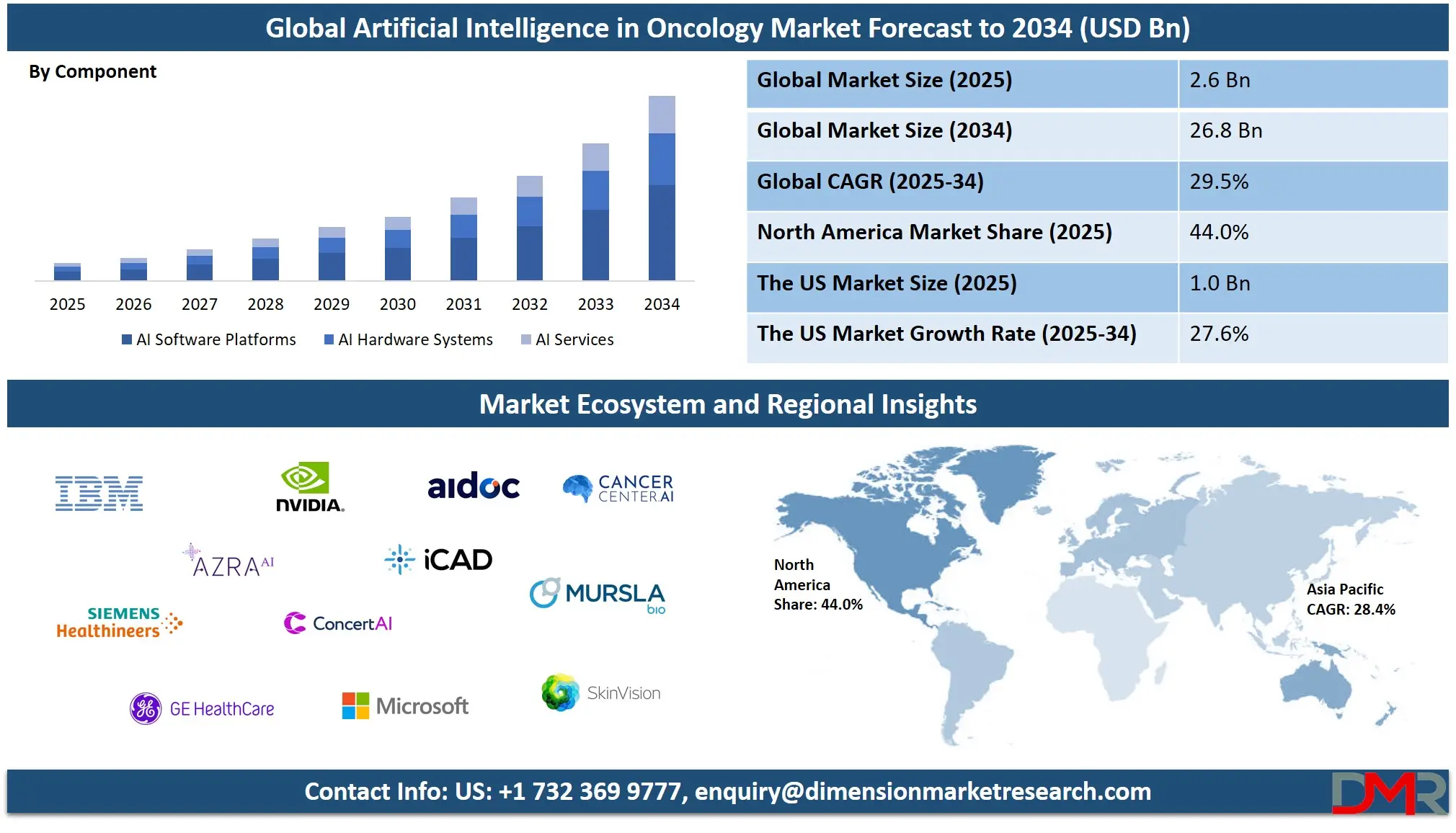
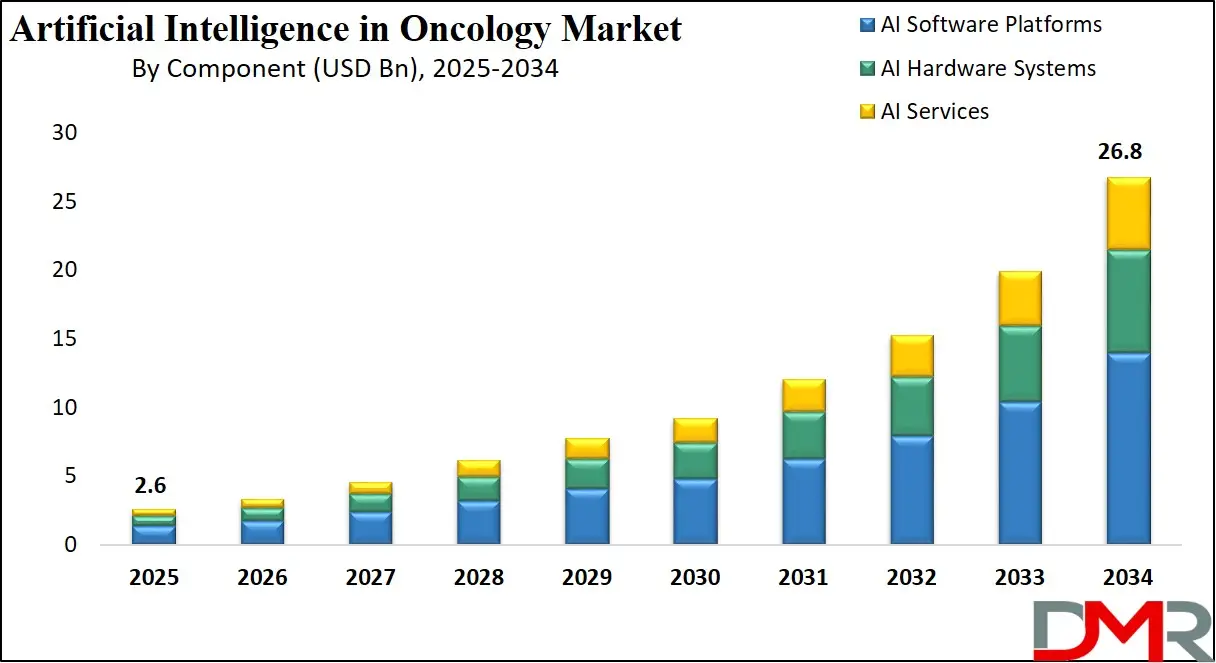
The global Artificial Intelligence in Oncology market was valued at USD 2.6 billion in 2025 and is projected to reach USD 26.8 billion by 2034, expanding at a CAGR of 29.5%, driven by rapid adoption of machine learning, clinical decision support systems, medical imaging analytics, and precision oncology solutions across cancer diagnosis, treatment planning, and drug discovery.
ℹ
To learn more about this report –
Download Your Free Sample Report Here
Artificial Intelligence in Oncology refers to the application of advanced computational models that learn from large volumes of clinical, imaging, and molecular data to support cancer care across the full disease lifecycle. It combines machine learning, deep learning, natural language processing, and computer vision to interpret radiology scans, pathology slides, genomic profiles, and electronic health records. By recognizing complex patterns that are difficult for humans to detect, these systems assist clinicians in early tumor detection, precise cancer classification, therapy selection, and outcome prediction, enabling more accurate, personalized, and efficient oncology workflows.
The global Artificial Intelligence in Oncology Market represents the worldwide commercialization and adoption of these intelligent technologies across hospitals, cancer centers, research institutions, and pharmaceutical companies. It includes software platforms, AI enabled medical devices, cloud based analytics, and clinical support tools designed to improve diagnostic accuracy, streamline treatment planning, and accelerate oncology research. Growth in this market is driven by the rising cancer burden, increasing availability of digital health data, rapid advances in computational power, and the need for precision medicine that can tailor therapies to individual patient profiles.
ℹ
To learn more about this report –
Download Your Free Sample Report Here
At a broader level, the market also encompasses the integration of artificial intelligence into drug discovery, biomarker identification, and clinical trial optimization, which shortens development timelines and improves the success rate of new oncology therapies. Global adoption is supported by expanding healthcare digitization, regulatory approvals for AI driven diagnostic tools, and growing investments from technology firms and life science companies. Together, these factors position the global Artificial Intelligence in Oncology Market as a critical pillar in the future of cancer care, enabling more predictive, data driven, and outcome focused healthcare systems worldwide.
The US Artificial Intelligence in Oncology Market
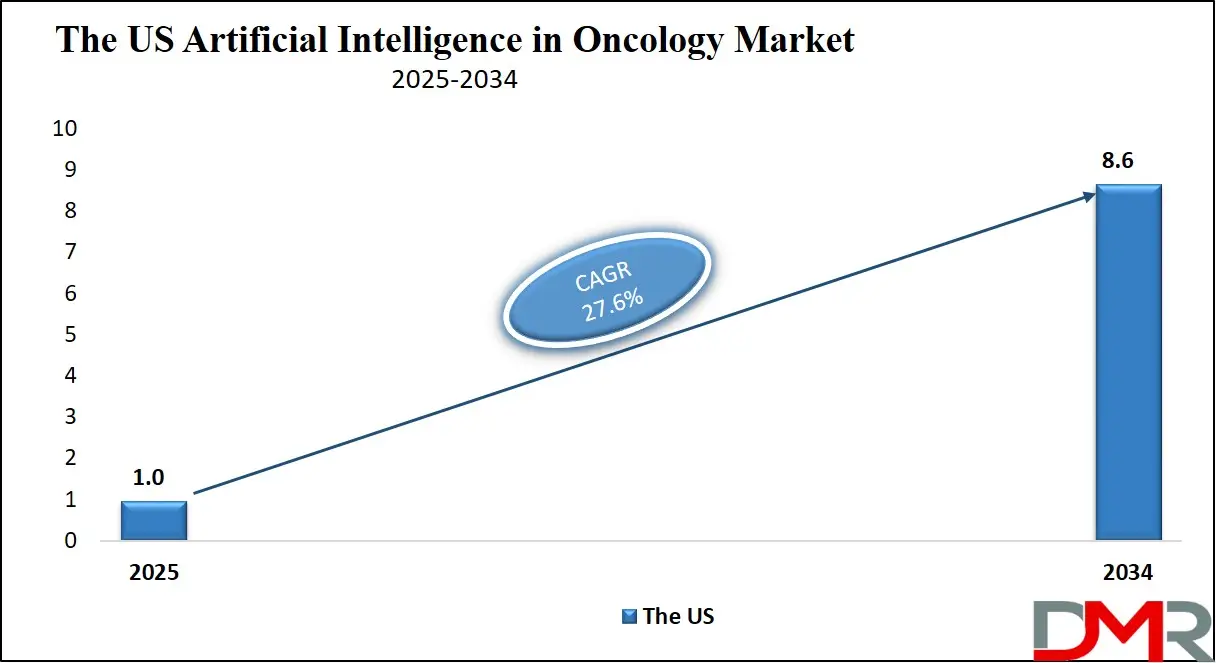
The U.S. Artificial Intelligence in Oncology Market size was valued at USD 1.0 billion in 2025. It is further expected to witness subsequent growth in the upcoming period, holding USD 8.6 billion in 2034 at a CAGR of 27.6%.
The US Artificial Intelligence in Oncology market is shaped by a highly advanced healthcare ecosystem that rapidly adopts digital health technologies, precision medicine, and data driven clinical tools. Hospitals, cancer centers, and diagnostic laboratories across the country are increasingly integrating machine learning and deep learning platforms into radiology, pathology, and genomic analysis to improve early cancer detection and diagnostic accuracy. Strong investments from technology companies, pharmaceutical firms, and venture capital groups are accelerating the development of AI powered clinical decision support systems, making the United States a global leader in oncology innovation.
ℹ
To learn more about this report –
Download Your Free Sample Report Here
In addition, the US market benefits from a mature regulatory framework, extensive electronic health record penetration, and a large base of ongoing clinical trials that generate high quality oncology data. These factors support the deployment of natural language processing, computer vision, and predictive analytics across treatment planning and patient monitoring. Growing demand for personalized therapies, combined with rising cancer prevalence and healthcare spending, continues to drive adoption of artificial intelligence solutions, positioning the US as a key revenue generating and technology defining region within the global AI in oncology landscape.
Europe Artificial Intelligence in Oncology Market
In 2025, the Europe Artificial Intelligence in Oncology market was valued at approximately USD 676 million, reflecting a significant adoption of AI-driven solutions across hospitals, cancer centers, and research institutions. The growth is primarily fueled by the increasing prevalence of cancer in the region, the expansion of precision medicine initiatives, and the integration of digital health technologies into oncology care. European healthcare providers are leveraging AI-powered imaging analytics, predictive modeling, and clinical decision support systems to improve early cancer detection, diagnostic accuracy, and personalized treatment planning, strengthening patient outcomes.
The market in Europe is also supported by government initiatives and funding programs aimed at promoting artificial intelligence in healthcare, as well as strong collaborations between technology firms, pharmaceutical companies, and academic research centers. Machine learning, deep learning, and natural language processing are increasingly being applied to radiology, pathology, and genomic data to optimize therapy selection, monitor disease progression, and accelerate oncology research. With a CAGR of 28.0% expected in the coming years, Europe is positioned as a key regional market contributing significantly to the global Artificial Intelligence in Oncology landscape.
Japan Artificial Intelligence in Oncology Market
In 2025, the Japan Artificial Intelligence in Oncology market was valued at approximately USD 182 million, driven by the country’s advanced healthcare infrastructure, rising cancer prevalence, and rapid adoption of digital health solutions. Japanese hospitals, cancer centers, and research institutes are increasingly implementing AI-powered imaging analytics, predictive modeling, and clinical decision support systems to enhance early cancer detection, improve diagnostic precision, and support personalized treatment planning. The growing focus on precision oncology and real-world evidence utilization is further fueling the demand for AI technologies across multiple cancer types.
The market’s growth is also supported by strong government initiatives promoting artificial intelligence in healthcare, collaborations between technology providers and pharmaceutical companies, and ongoing investment in AI-driven oncology research. Machine learning and deep learning algorithms are applied to radiology, pathology, and genomic data to optimize therapy selection, monitor disease progression, and accelerate drug discovery. With a projected CAGR of 30.0% over the coming years, Japan is expected to be a high-growth regional market, contributing significantly to the global Artificial Intelligence in Oncology landscape.
Global Artificial Intelligence in Oncology Market: Key Takeaways
- Rapid Market Expansion Driven by AI Adoption: Rapid growth in the Artificial Intelligence in Oncology market is driven by adoption of machine learning, clinical decision support systems, and imaging analytics.
- Precision Medicine and Personalized Care as Growth Catalysts: AI integrates genomic, clinical, and imaging data to improve early detection, personalized treatment, and patient outcomes.
- Dominance of Software Platforms and Cloud-Based Solutions: Software platforms and cloud-based solutions lead the market, offering scalable, real-time analytics for hospitals, cancer centers, and research institutions.
- Regional Market Insights: North America leads the market, while Europe and Japan show strong growth due to government support, digital health adoption, and precision oncology initiatives.
- Diverse Clinical Applications and End-User Adoption: AI applications include cancer detection, diagnosis, treatment planning, drug discovery, and patient monitoring, with hospitals and pharmaceutical companies driving adoption.
Global Artificial Intelligence in Oncology Market: Use Cases
- AI-Based Cancer Detection and Imaging: Artificial intelligence analyzes radiology scans and medical images to identify tumors at early stages, improving diagnostic accuracy and reducing human error in cancer screening.
- AI-Driven Pathology and Biopsy Analysis: Machine learning models evaluate digital pathology slides to classify cancer types and detect abnormal cells, supporting faster and more reliable diagnoses.
- AI-Powered Treatment Planning: AI systems process patient data, clinical guidelines, and genetic information to recommend personalized therapy options and optimize treatment decisions.
- AI in Drug Discovery and Clinical Research: Artificial intelligence accelerates oncology drug development by identifying biomarkers, predicting drug responses, and improving clinical trial efficiency.
Impact of Artificial Intelligence on the global Artificial Intelligence in Oncology market
Artificial intelligence has significantly transformed the global oncology landscape by enhancing the accuracy and speed of cancer detection through advanced imaging analytics and predictive modeling. This has led to earlier diagnoses, reduced diagnostic errors, and improved clinical decision making across radiology and pathology workflows. AI’s ability to integrate multi-modal data including genomic, clinical, and imaging datasets has accelerated precision oncology, enabling personalized treatment strategies that improve patient outcomes.
In addition, AI adoption in treatment planning and drug discovery has streamlined oncology research and development, reducing time to market for novel therapies. Natural language processing and machine learning tools have optimized clinical trial design, patient selection, and real-world evidence analysis, boosting operational efficiency for pharmaceutical companies and research institutes. These advancements are driving rapid market growth, increasing healthcare provider investment in AI-enabled platforms, and reshaping the competitive dynamics of the global Artificial Intelligence in Oncology market.
Global Artificial Intelligence in Oncology Market: Stats & Facts
- World Health Organization (WHO / IARC)
- In 2022, an estimated 20 million new cancer cases occurred globally, and 9.7 million cancer deaths were reported, reflecting a major global health burden.
- Approximately 1 in 5 people develop cancer in their lifetime, with about 1 in 9 men and 1 in 12 women dying from the disease.
- The number of people alive within five years of a cancer diagnosis was estimated at 53.5 million worldwide based on 2022 data.
- Lung cancer remains the most commonly occurring cancer worldwide with about 2.5 million new cases accounting for over 12% of all new cases in 2022.
- Female breast cancer was the second most common cancer globally, with 2.3 million new cases in 2022.
- Ten cancer types collectively accounted for around two‑thirds of global cancer cases and deaths in 2022.
- WHO projects a 77% increase in global cancer burden by 2050 compared with 2022 figures.
- Around one‑third of global cancer deaths are attributable to modifiable risk factors such as tobacco, high body mass index, and alcohol consumption.
- OECD Health at a Glance (2025)
- In OECD countries in 2023, cancer was the second leading cause of death after circulatory diseases, representing 21% of all deaths.
- Age‑standardised cancer mortality rates declined from 204 per 100 000 in 2019 to 191 per 100 000 in 2023 across OECD member states.
- Across OECD countries, the average cancer incidence rate was 291 per 100 000 population in 2022, with higher rates among men than women.
- Lung cancer accounted for 22% of cancer deaths among men and 17% among women in OECD nations.
- Colorectal cancer represented 11% of cancer‑related deaths in OECD countries for both sexes.
- Prostate cancer accounted for roughly 10% of cancer mortality among men in 2023 across OECD countries.
- In several OECD countries, including Norway, the United States, and Denmark, cancer incidence rates exceeded 350 per 100 000 population.
- In 2024, the average availability of online digital health services reached 82%, up from 79% in 2023, reflecting improvements in digital infrastructure supporting electronic health records and AI‑facilitated care delivery.
- Official OECD indicators emphasize that digitalising health systems (including AI, EHRs, telemedicine, and digital therapeutics) is becoming more widespread, enhancing continuity of care and accelerating timeliness of delivery across member countries.
Global Artificial Intelligence in Oncology Market: Market Dynamics
Global Artificial Intelligence in Oncology Market: Driving Factors
Rapid Adoption of Precision Medicine and Personalized Oncology
The increasing demand for precision medicine is driving the adoption of AI in oncology. Machine learning algorithms and predictive analytics allow clinicians to tailor treatment plans based on patient genetics, tumor profiling, and clinical history, improving therapeutic outcomes and reducing adverse effects. Hospitals and cancer centers are integrating AI-based decision support systems and imaging analytics to optimize cancer diagnosis and therapy, which accelerates clinical workflow and enhances patient care quality globally.
Rising Cancer Burden and Healthcare Digitization
The growing prevalence of cancer worldwide is prompting healthcare providers to adopt AI-powered diagnostic tools and predictive models. Integration of digital health records, radiology imaging data, and pathology results into AI systems facilitates early detection, accurate staging, and prognosis analysis. This combination of high cancer incidence and healthcare digitization increases investment in AI-enabled oncology solutions, further supporting market expansion.
Global Artificial Intelligence in Oncology Market: Restraints
Data Privacy and Regulatory Challenges
The use of sensitive patient data for AI model training raises privacy concerns and regulatory compliance challenges. Strict healthcare regulations, including HIPAA and GDPR, can slow AI adoption in oncology. Limited access to standardized, high-quality datasets also hinders algorithm development and the deployment of AI-powered clinical decision support systems.
High Implementation Costs and Infrastructure Requirements
Deploying AI solutions in oncology requires significant investment in advanced computing systems, cloud storage, and integration with hospital IT infrastructure. Smaller healthcare providers and emerging markets may find these costs prohibitive, limiting widespread adoption of AI-based imaging analytics, predictive modeling, and personalized treatment platforms.
Global Artificial Intelligence in Oncology Market: Opportunities
Expansion in Emerging Markets and Tele-oncology
Emerging regions such as Asia Pacific, Latin America, and the Middle East present growth potential due to rising cancer incidence and healthcare modernization. AI-enabled tele-oncology platforms can provide remote diagnostic support, virtual tumor boards, and real-time treatment planning, increasing access to quality cancer care and driving market penetration.
Integration with Genomics and Drug Discovery
AI offers opportunities to accelerate oncology research by analyzing genomic data and predicting drug response. Machine learning and deep learning models can identify novel biomarkers, optimize clinical trial design, and reduce drug development timelines. Integration of AI in precision oncology research supports personalized therapies and strengthens collaborations between technology providers and pharmaceutical companies.
Global Artificial Intelligence in Oncology Market: Trends
Adoption of Multi-Modal AI Platforms
The market is shifting toward multi-modal AI systems that combine imaging, genomic, and clinical data to improve diagnostic precision and treatment planning. These platforms leverage computer vision, NLP, and predictive analytics to provide comprehensive patient insights and optimize personalized cancer care.
Collaboration between Technology Firms and Healthcare Providers
Strategic partnerships between AI technology companies, hospitals, and pharmaceutical firms are increasing. Joint development of AI-powered oncology tools, such as radiology imaging software and clinical decision support systems, enhances solution accuracy, accelerates regulatory approvals, and expands market reach globally.
Global Artificial Intelligence in Oncology Market: Research Scope and Analysis
By Component Analysis
In the global Artificial Intelligence in Oncology market, AI software platforms are expected to lead the component segment, capturing a significant share of 52.0% in 2025. These platforms include clinical decision support systems, imaging analytics software, pathology interpretation tools, and predictive oncology models that are widely adopted by hospitals, cancer centers, and diagnostic laboratories. Their ability to analyze complex medical data, support early cancer detection, optimize treatment planning, and improve clinical decision making makes them the preferred choice among healthcare providers seeking to enhance efficiency and accuracy in oncology workflows.
AI hardware systems also play a crucial role in this market segment by providing the necessary infrastructure to run complex AI algorithms and process large volumes of clinical, imaging, and genomic data. This includes high-performance computing servers, GPU-based diagnostic systems, AI-enabled imaging devices, and edge AI medical equipment. These systems ensure that AI software platforms operate efficiently, delivering real-time analysis and high accuracy in diagnostics and treatment planning. Together, AI software platforms and hardware systems form an integrated ecosystem that drives the adoption of artificial intelligence across oncology practices worldwide.
By Cancer Type Analysis
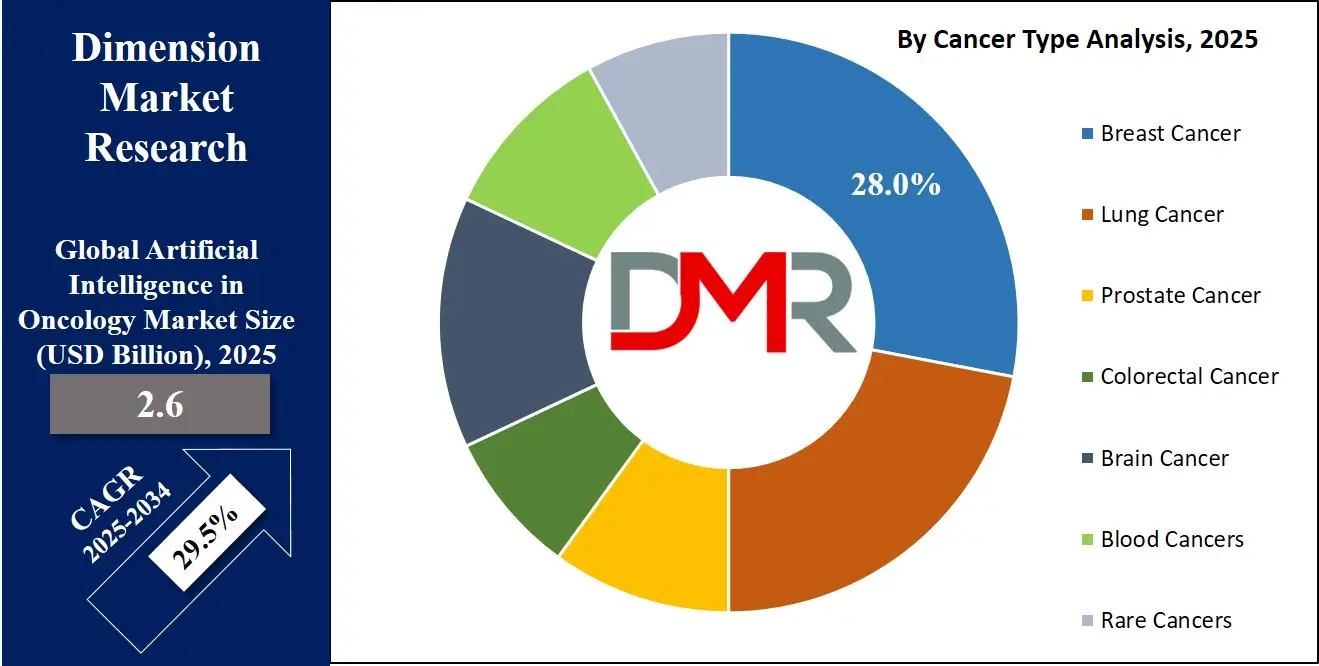
In the global Artificial Intelligence in Oncology market, breast cancer is expected to dominate the cancer type segment, capturing around 28.0% of the total market share in 2025. This is primarily due to the high prevalence of breast cancer worldwide and the widespread adoption of AI-driven imaging and diagnostic tools for early detection and screening.
ℹ
To learn more about this report –
Download Your Free Sample Report Here
Machine learning and computer vision technologies are increasingly used in mammography analysis, digital pathology, and tumor classification, enabling clinicians to identify abnormalities with greater accuracy and speed. The integration of predictive analytics and AI-based decision support also helps in personalized treatment planning, improving patient outcomes and survival rates in breast cancer care.
Lung cancer is another critical segment within this market, driven by its high global incidence and mortality rate. AI technologies are applied in analyzing CT scans, radiology images, and histopathology slides to detect nodules, stage tumors, and predict disease progression. Deep learning algorithms and imaging analytics improve diagnostic precision, reduce false positives, and support early intervention strategies. The growing adoption of AI in lung cancer screening and management, coupled with the need for personalized therapy approaches, contributes significantly to market growth in this segment, positioning it as a key focus area for AI oncology solutions.
By Technology Type Analysis
In the global Artificial Intelligence in Oncology market, machine learning is expected to dominate the technology type segment, capturing approximately 32.0% of the total market share in 2025. Machine learning algorithms are extensively used in analyzing large volumes of clinical, imaging, and genomic data to support cancer diagnosis, prognosis, and treatment planning. These systems can detect complex patterns, predict patient outcomes, and assist clinicians in making data-driven decisions, improving the accuracy and efficiency of oncology workflows. Machine learning applications span across diagnostic imaging, pathology analysis, risk stratification, and personalized therapy recommendations, making it a core technology in AI-driven oncology solutions.
Deep learning also plays a significant role in this market segment by enabling advanced image recognition and pattern detection capabilities. Through neural networks, deep learning systems can analyze radiology scans, pathology slides, and digital biopsy images with high precision, identifying subtle tumor characteristics that may be overlooked by traditional methods. These algorithms are particularly effective in breast, lung, and brain cancer detection, tumor segmentation, and treatment response prediction. The growing integration of deep learning models into clinical decision support systems and imaging platforms enhances diagnostic accuracy, reduces manual workload, and strengthens the overall adoption of AI technologies in oncology care.
By Deployment Model Analysis
In the global Artificial Intelligence in Oncology market, cloud-based deployment is expected to dominate the segment, capturing around 58.0% of the total market share in 2025. Cloud-based AI platforms offer scalable computing power, centralized data storage, and real-time analytics capabilities that enable hospitals, cancer centers, and research institutions to access advanced oncology tools without heavy upfront infrastructure investment. These platforms support AI-driven imaging analysis, predictive modeling, and clinical decision support systems, allowing healthcare providers to streamline workflows, enhance collaboration, and improve patient care while maintaining flexibility and cost efficiency across multiple locations.
On-premise deployment also holds an important position in this market segment, catering to healthcare providers and research institutions that require secure and localized data processing. On-premise AI systems are installed within hospital or laboratory IT infrastructure, ensuring full control over sensitive patient data and compliance with stringent privacy regulations. These systems support high-performance computing for imaging analytics, pathology interpretation, and treatment planning, offering reliability and integration with existing clinical workflows. Although adoption is lower compared to cloud-based solutions, on-premise deployment is preferred in scenarios where data security, latency, and regulatory compliance are critical considerations.
By Clinical Application Analysis
In the global Artificial Intelligence in Oncology market, cancer detection and diagnosis are expected to dominate the clinical application segment, capturing around 38.0% of the total market share in 2025. AI technologies, including machine learning, computer vision, and predictive analytics, are extensively used to analyze radiology scans, pathology slides, and biopsy data to detect tumors at early stages with high accuracy. These systems help clinicians identify cancer types, stage the disease, and reduce diagnostic errors, enabling timely intervention and improving patient outcomes across breast, lung, and other high-incidence cancers.
Treatment planning and decision support also play a critical role in this market segment by leveraging AI algorithms to personalize therapy strategies based on patient data, genetic profiles, and clinical guidelines. AI-driven decision support systems assist oncologists in selecting the most effective treatment options, predicting therapy response, and optimizing care pathways. This reduces trial-and-error in treatment, improves resource utilization, and ensures evidence-based management of cancer patients. The integration of predictive models, clinical data analysis, and real-world evidence in treatment planning enhances precision medicine adoption and strengthens the overall efficiency of oncology care.
By End User Analysis
In the global Artificial Intelligence in Oncology market, hospitals and cancer centers are expected to dominate the end user segment, capturing around 48% of the total market share in 2025. These healthcare facilities are increasingly adopting AI-powered solutions, including imaging analytics, predictive modeling, and clinical decision support systems, to enhance diagnostic accuracy, optimize treatment planning, and improve patient outcomes. The integration of AI into hospital workflows allows for faster analysis of radiology scans and pathology data, early cancer detection, and personalized therapy management, making hospitals and cancer centers the primary drivers of market growth.
Pharmaceutical and biotechnology companies also represent a significant portion of this market segment as they leverage AI technologies to accelerate drug discovery, biomarker identification, and clinical trial design. Machine learning and deep learning algorithms help these companies predict drug responses, optimize trial protocols, and reduce development timelines for oncology therapies. By integrating AI into research and development processes, pharmaceutical and biotechnology firms can enhance efficiency, minimize costs, and increase the success rate of new cancer treatments, supporting the overall growth and innovation within the global AI in oncology market.
The Artificial Intelligence in Oncology Market Report is segmented on the basis of the following:
By Component
- AI Software Platforms
- Clinical Decision Support Systems
- Imaging Analytics Software
- Pathology Interpretation Software
- Treatment Planning Software
- AI Hardware Systems
- GPU Servers
- AI Imaging Devices
- Edge AI Medical Devices
- AI Services
- System Integration
- Cloud Deployment
- Data Annotation
- Maintenance and Support
By Cancer Type
- Breast Cancer
- Lung Cancer
- Prostate Cancer
- Colorectal Cancer
- Brain Cancer
- Blood Cancers
- Rare Cancers
By Technology Type
- Machine Learning
- Deep Learning
- Natural Language Processing
- Computer Vision
- Multimodal AI
By Deployment Model
- Cloud-Based
- On-Premise
- Hybrid
By Clinical Application
- Cancer Detection and Diagnosis
- Radiology Analysis
- Pathology Analysis
- Biopsy Analysis
- Tumor Staging
- Treatment Planning and Decision Support
- Therapy Selection
- Treatment Response Prediction
- Care Pathway Optimization
- Radiation Therapy and Surgical Guidance
- Radiation Dose Planning
- Tumor Contouring
- Robotic Surgery Guidance
- Drug Discovery and Oncology Research
- Biomarker Discovery
- Molecule Screening
- Clinical Trial Analytics
- Patient Monitoring and Outcome Prediction
- Disease Progression Tracking
- Relapse Prediction
- Survival Analytics
By End User
- Hospitals and Cancer Centers
- Pharmaceutical and Biotechnology Companies
- Diagnostic Laboratories and Imaging Centers
- Research Institutes
- Specialty Clinics and Contract Research Organizations
Global Artificial Intelligence in Oncology Market: Regional Analysis
Region with the Largest Revenue Share
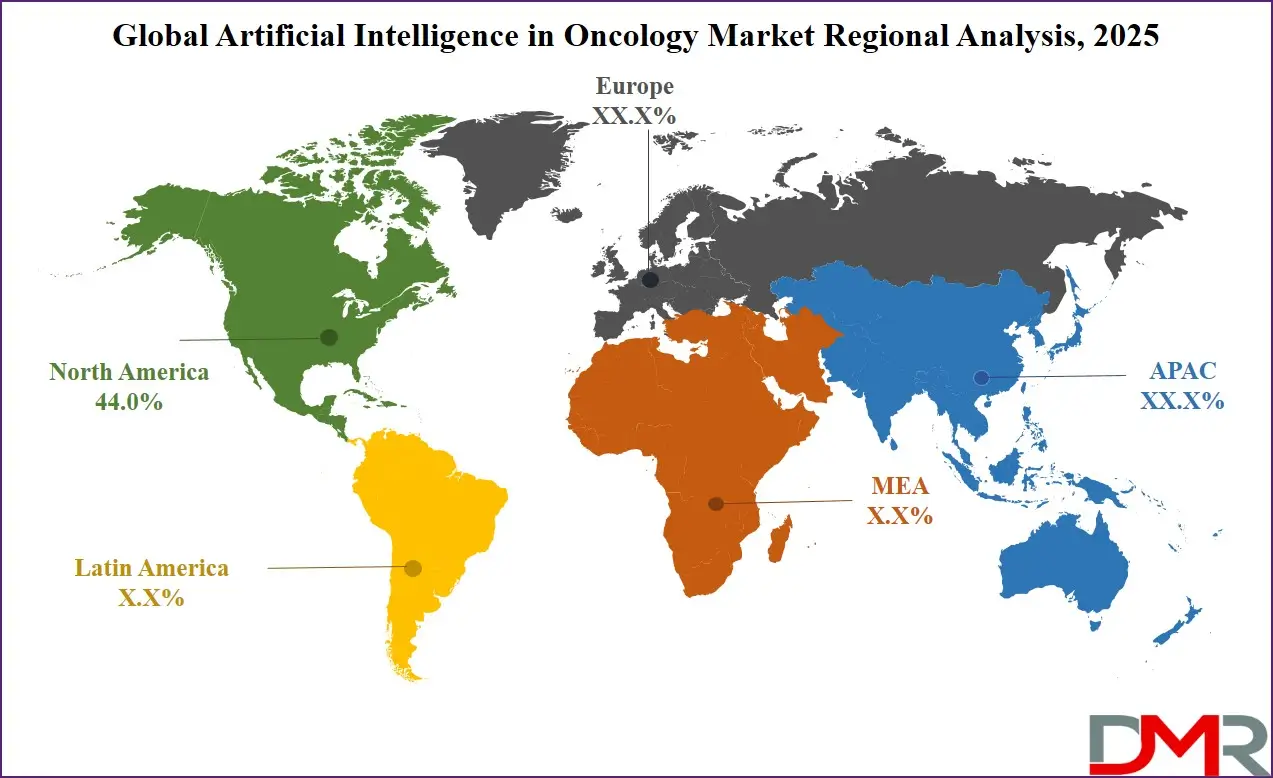
North America is expected to lead the global Artificial Intelligence in Oncology market, accounting for approximately 44.0% of total market revenue in 2025. The region’s dominance is driven by advanced healthcare infrastructure, high adoption of digital health technologies, extensive use of electronic health records, and strong investments in AI-powered diagnostic and treatment solutions.
ℹ
To learn more about this report –
Download Your Free Sample Report Here
Widespread integration of machine learning, deep learning, and predictive analytics in hospitals, cancer centers, and research institutions enhances early cancer detection, personalized therapy planning, and clinical decision support, positioning North America as a key contributor to the growth of the global oncology AI market.
Region with significant growth
The Asia Pacific region is expected to witness significant growth in the Artificial Intelligence in Oncology market over the coming years. Rapidly expanding healthcare infrastructure, increasing cancer prevalence, and growing adoption of digital health technologies are driving demand for AI-powered diagnostic and treatment solutions. Governments and private healthcare providers are investing in AI-enabled imaging analytics, predictive modeling, and tele-oncology platforms to improve access to quality cancer care. Additionally, rising awareness of precision medicine and ongoing clinical research initiatives are further accelerating the deployment of AI in oncology across countries such as China, India, Japan, and South Korea.
By Region
North America
Europe
- Germany
- The U.K.
- France
- Italy
- Russia
- Spain
- Benelux
- Nordic
- Rest of Europe
Asia-Pacific
- China
- Japan
- South Korea
- India
- ANZ
- ASEAN
- Rest of Asia-Pacific
Latin America
- Brazil
- Mexico
- Argentina
- Colombia
- Rest of Latin America
Middle East & Africa
- Saudi Arabia
- UAE
- South Africa
- Israel
- Egypt
- Rest of MEA
Global Artificial Intelligence in Oncology Market: Competitive Landscape
The global Artificial Intelligence in Oncology market features a highly competitive landscape driven by continuous innovation, strategic partnerships, and technology integration. Companies are focusing on developing advanced AI-powered diagnostic tools, imaging analytics platforms, and predictive modeling systems to strengthen their market presence. The market is also witnessing collaborations between technology providers and healthcare institutions to accelerate product development, obtain regulatory approvals, and expand clinical adoption. Investment in research and development, expansion of AI applications across cancer detection, treatment planning, and drug discovery, and emphasis on personalized oncology solutions are key factors shaping competition and driving growth in the global market.
Some of the prominent players in the global Artificial Intelligence In Oncology market are:
- IBM
- Azra AI
- Siemens Healthineers
- GE Healthcare
- NVIDIA Corporation
- ConcertAI
- Aidoc
- iCAD, Inc.
- Microsoft Corporation
- Cancer Center.ai
- Mursla Bio
- SkinVision
- Kheiron Medical Technologies
- Therapixel
- Tempus AI
- Paige AI
- Flatiron Health
- PathAI
- Digital Diagnostics
- Median Technologies
- Other Key Players
Global Artificial Intelligence in Oncology Market: Recent Developments
- January 2026: Optum Ventures participated in an USD 11.1 million funding round for an oncology AI startup developing AI operating systems to accelerate deployment of cancer care solutions across health systems and specialty networks.
- November 2025: Startup Iambic raised USD 100 million to support clinical trials of AI‑discovered cancer drugs, focusing investment on accelerating oncology drug development using machine learning and predictive analytics.
- August 2025: NeOnc Technologies completed the strategic acquisition of advanced AI and 3D bioprinting intellectual property to strengthen its AI‑enabled drug discovery and tumor modeling efforts in complex oncology research.
- June 2025: A company launched a global AI‑oncology consortium initiative aimed at advancing predictive cancer research by uniting pharmaceutical, academic, and data science experts to accelerate AI‑driven therapeutic discovery and clinical translation.
Report Details
| Report Characteristics |
| Market Size (2025) |
USD 2.6 Bn |
| Forecast Value (2034) |
USD 26.8 Bn |
| CAGR (2025–2034) |
29.5% |
| The US Market Size (2025) |
USD 1.0 Bn |
| Historical Data |
2019 – 2024 |
| Forecast Data |
2026 – 2034 |
| Base Year |
2024 |
| Estimate Year |
2025 |
| Report Coverage |
Market Revenue Estimation, Market Dynamics, Competitive Landscape, Growth Factors and etc. |
| Segments Covered |
By Component (AI Software Platforms, AI Hardware Systems, AI Services), By Clinical Application (Cancer Detection and Diagnosis, Treatment Planning and Decision Support, Radiation Therapy and Surgical Guidance, Drug Discovery and Oncology Research, Patient Monitoring and Outcome Prediction), By Cancer Type (Breast Cancer, Lung Cancer, Prostate Cancer, Colorectal Cancer, Brain Cancer, Blood Cancers, Rare Cancers), By Technology Type (Machine Learning, Deep Learning, Natural Language Processing, Computer Vision, Multimodal Artificial Intelligence), By Deployment Model (Cloud-Based, On-Premise, Hybrid), and By End User (Hospitals and Cancer Centers, Pharmaceutical and Biotechnology Companies, Diagnostic Laboratories and Imaging Centers, Research Institutes, Specialty Clinics and Contract Research Organizations) |
| Regional Coverage |
North America – The US and Canada; Europe – Germany, The UK, France, Russia, Spain, Italy, Benelux, Nordic, & Rest of Europe; Asia-Pacific – China, Japan, South Korea, India, ANZ, ASEAN, Rest of APAC; Latin America – Brazil, Mexico, Argentina, Colombia, Rest of Latin America; Middle East & Africa – Saudi Arabia, UAE, South Africa, Turkey, Egypt, Israel, & Rest of MEA |
| Prominent Players |
IBM, Azra AI, Siemens Healthineers, GE Healthcare, NVIDIA Corporation, ConcertAI, Aidoc, iCAD, Inc., Microsoft Corporation, Cancer Center.ai, Mursla Bio, SkinVision, Kheiron Medical Technologies, Therapixel, Tempus AI, Paige AI, Flatiron Health, and Others. |
| Purchase Options |
We have three licenses to opt for: Single User License (Limited to 1 user), Multi-User License (Up to 5 Users) and Corporate Use License (Unlimited User) along with free report customization equivalent to 0 analyst working days, 3 analysts working days and 5 analysts working days respectively. |
Frequently Asked Questions
How big is the global Artificial Intelligence in Oncology market?
▾ The global Artificial Intelligence in Oncology market size was valued at USD 2.6 billion in 2025 and is expected to reach USD 26.8 billion by the end of 2034.
What is the size of the US Artificial Intelligence in Oncology market?
▾ The US Artificial Intelligence in Oncology market was valued at USD 1.0 billion in 2025. It is expected to witness subsequent growth in the upcoming period as it holds USD 8.6 billion in 2034 at a CAGR of 27.6%.
Which region accounted for the largest global Artificial Intelligence in Oncology market?
▾ North America is expected to have the largest market share in the global Artificial Intelligence in Oncology market, with a share of about 44.0% in 2025.
Who are the key players in the global Artificial Intelligence in Oncology market?
▾ Some of the major key players in the global Artificial Intelligence in Oncology market are IBM, Azra AI, Siemens Healthineers, GE Healthcare, NVIDIA Corporation, ConcertAI, Aidoc, iCAD, Inc., Microsoft Corporation, Cancer Center.ai, Mursla Bio, SkinVision, Kheiron Medical Technologies, Therapixel, Tempus AI, Paige AI, Flatiron Health, and Others.