What is the Bio-based Chemicals Market Size?
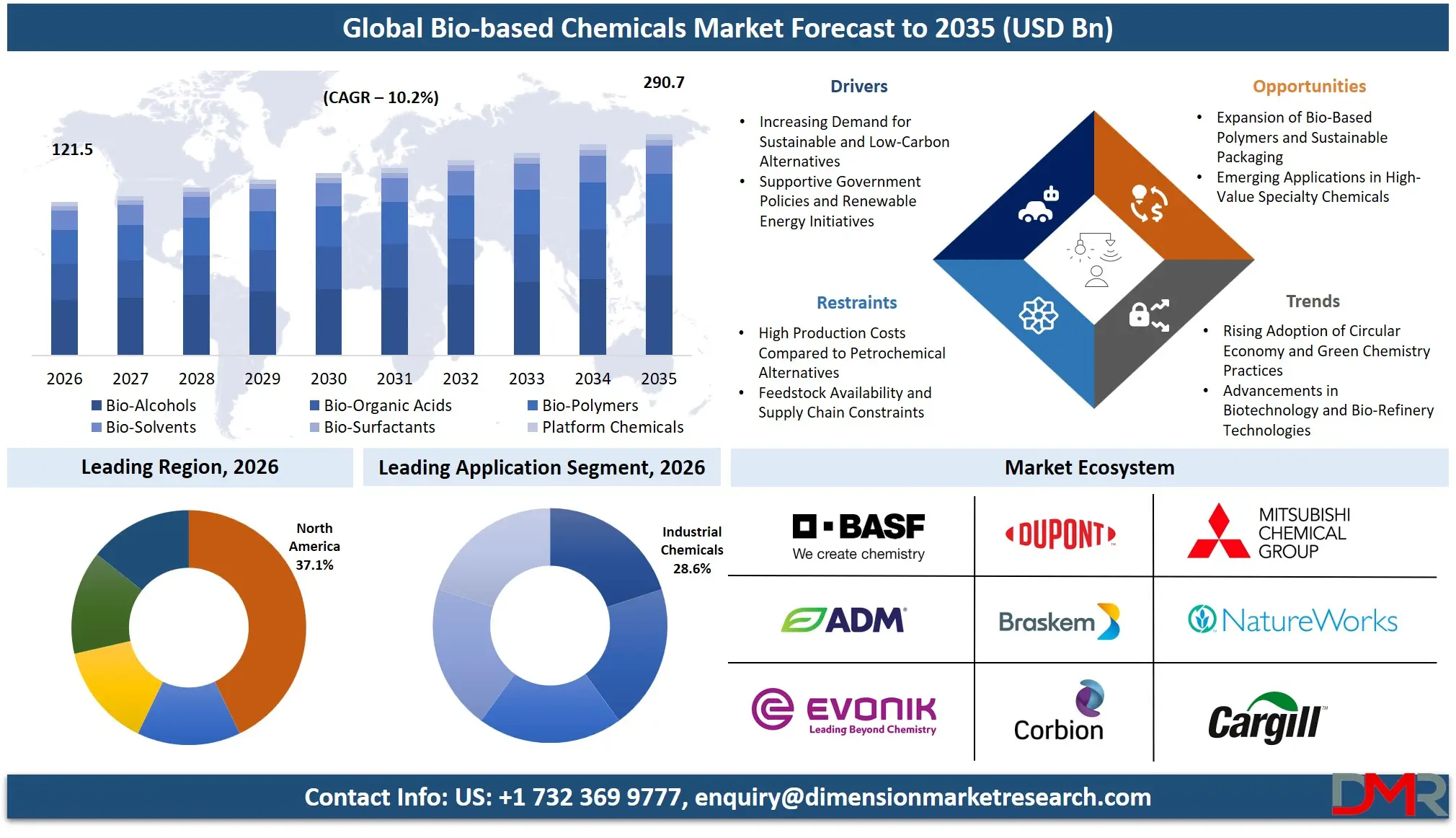
The Global Bio-based Chemicals Market is expected to reach a value of USD 121.5 billion in 2026, and it is further anticipated to reach USD 290.7 billion by 2035, growing at a CAGR of 10.2% during the forecast period.
ℹ
To learn more about this report –
Download Your Free Sample Report Here
Bio-based chemicals market has experienced considerable growth owing to the rising rate of sustainability transition where industries have been opting for renewable carbon sources instead of relying on the usage of fossil fuels for manufacturing of petrochemicals. Bio-based chemicals market includes platform chemicals, biopolymers, biosolvents and biosurfactants that aid industries in replacing traditional petroleum-based components in value chains. Rising need for circular economy approaches, bio-based packaging options, low-carbon synthetic biology routes and enzymatic processes leads to the demand for dedicated biorefinery facilities. Consumer packaged goods and automotive firms are among the top users, whereas bio-alcohols and biopolymers have been the most used products because of their drop-in capability and reduced GHG emissions across the lifecycle. Chemicals, packaging, agriculture and personal care industries are some of the main stakeholders looking for performance, sustainability and non-toxic material formulations.
The US Bio-based Chemicals Market
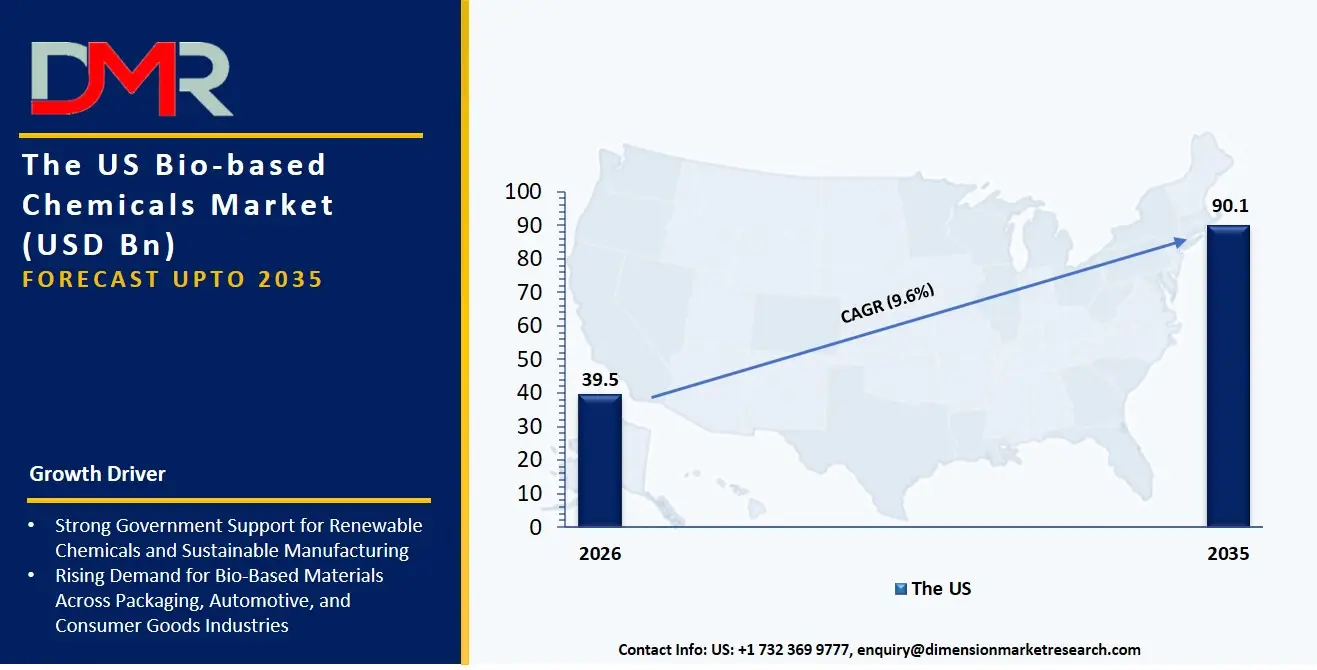
The US Bio-based Chemicals Market is projected to reach USD 39.5 billion in 2026 at a compound annual growth rate of 9.6% over its forecast period, which is further poised to reach a value of USD 90.1 billion by 2035.
ℹ
To learn more about this report –
Download Your Free Sample Report Here
The United States still remains the biggest and most advanced market of bio-based chemicals because of the bio-manufacturing modernization activities conducted by Fortune 500 firms along with the expanding presence of commercialized integrated biorefinery facilities. The market has featured the high need for innovations in bio-polymers as organizations try to substitute fossil-based plastics for packaging and textile use with compostable PLA and robust Bio-PE. In addition, the introduction of precision fermentation and artificial intelligence-based metabolic engineering technology results in the similar need for bio-organic acid manufacturing services to control new strains development and downstream processing for succinic and itaconic acids.
The Europe Bio-based Chemicals Market
The Europe Bio-based Chemicals Market is estimated to be valued at USD 34.8 billion in 2026 and is further anticipated to reach USD 81.4 billion by 2035 at a CAGR of 9.9%. These regulatory frameworks such as the Single-Use Plastics Directive and the EU's Circular Economy Action Plan have a great influence on the European market and thus the requirement for the use of starch-based polymers and bio-solvents. The rapid development of the bio-based surfactants is also taking place in Europe because companies in the personal care and cosmetics industry such as those in Germany and France are striving to maintain a balance between their efficacy and the environmental requirements such as ecotoxicity. Furthermore, initiatives such as the Bio-based Industries Consortium are compelling chemical companies to make specific bio-alcohol production from lignocellulosic agricultural residues.
The Japan Bio-based Chemicals Market
The Japan Bio-based Chemicals Market is projected to be valued at USD 12.3 billion in 2026. It is further expected to witness robust growth, holding USD 28.1 billion in 2035 at a CAGR of 9.6%. Japan represents a particular case study since there is an attempt on the side of local companies to switch to the bio-economy due to the shortage of resources and the state policy aimed at carbon neutrality. Bio-platform chemicals and biomethanol production represent the major share of the investments made by huge conglomerates shifting the feedstocks for the C1 chemistry from foreign naphtha to local biomass. Moreover, there is a great necessity to integrate into the current value chain in order to cover the distance between thermochemical refineries and enzymatic modules.
Key Takeaways
- Market Size & Forecast: The Global Bio-based Chemicals market is projected to reach USD 121.5 billion in 2026, expanding dramatically to USD 290.7 billion by 2035, due to the duel effect of net zero regulations and the mandatory defossilization of the raw material input stream in the chemical industry.
- Growth Rate & Outlook: The global growth in market is forecast to occur at a CAGR of 10.2% as the result of the scaling up in production technology and growing complexity of dealing with the hybrid nature of the bio-refineries and securing sustainable feedstock.
- Primary Growth Drivers: Key forces include migration from petro-terephthalic acid to Bio-Polyethylene Terephthalate (Bio-PET), necessity of advanced fermentation technologies that prevent significant yield loss during lactic acid manufacture and implementation of the drop-in bio-alcohols with special thermo-chemical conversion technology.
- Key Market Trends: The major trends comprise industry-specific bio-solvents, using of AI-driven tools in biocatalysis for the automatic optimization of enzyme pathways and the switch to bio-polymers due to preference of the compostable packaging by consumer goods companies.
- By Product Type Analysis: The bio-alcohol segment, which includes bioethanol and biobutanol, will have a majority presence in the market owing to the mandates related to blending with fuels. However, the bio-polymers segment is the fast-growing segment, with PLA and PHA commanding higher prices owing to their use as an alternative to durable plastics used in packaging.
- By Application Analysis: Packaging and industrial chemicals segments will be the most profitable segments in the coming years due to strict regulations on the use of single-use plastics. The automotive sector will be the fastest growing segment for the application of bio-based chemicals due to the usage of bio-composites and bio-polyamides.
- Regional Leadership: North America will is projected to take the leadership position in this market with 38.7% of the market share in 2026 owing to its highly developed agricultural system, which fully exploits its crop infrastructure of corn and starches.
What is the Bio-based Chemicals?
Bio-based Chemicals are renewable intermediate and end chemicals that are produced using biological feedstock such as sugarcane, corn, agricultural waste, algae, and organic waste in place of chemical molecules that have been traditionally extracted from crude oil. Unlike the petrochemicals which utilize the non-renewable natural resources, bio-based chemicals are pertinent to the how of sustainable carbon management which entails Fermentation whereby sugars are broken down to form bio-organic acids, Biocatalysis & Enzyme Processing which enables the synthesis of complex platform chemicals such as 1,3-propanediol, and finally Thermochemical Conversion whereby forestry residues are gasified to form biomethanol. Since 90% of chemical companies are looking at hybrid bio-refining processes, it becomes necessary for bio-based chemicals to be used for decarbonization of the supply chain, reduced ecotoxicity, and recycling of end of life materials for brand equity.
Use Cases
- Bio-Polymer Compostable Packaging: Food and beverages manufacturers engage biopolymer experts to design PLA and PHA formulations that can compost at industrial composting centers, substituting polyethylene films with clarity and food safe barrier.
- Bio-Organic Acid Green Solvent Formulation: Industrial chemical producers employ fermentation lactic and succinic acids for migration from ethoxylates to glycolipid bio-surfactants, preparing downstream formulation landscape for compliance with REACH and EPA Safer Choice criteria.
- Bio-Alcohol Fuel Drop-in Navigation: Petroleum refineries leverage sugarcane and corn bioethanol as a high-octane, low-carbon fuel oxygenate that readily blends with current combustion engines and infrastructure, while biobutanol stands out as a high-energy-density fuel that does not require any modifications to engines.
- Hybrid Automotive Lightweighting: Automakers around the world make use of bio-platform chemicals, such as 1,3-propanediol and succinic acid for incorporation of bio-polyamides and polyurethanes into seat foam and engine cover materials with lightweight properties and visibility into supply chain carbon footprint.
How AI is Transforming the Bio-based Chemicals Market?
Artificial intelligence is revolutionizing the market for bio-based chemicals by speeding up the process of strain engineering, along with improving biorefinery efficiency. In the production of Platform Chemicals, AI-powered metabolic modeling software can be used to automatically generate an optimal microbial pathway that will convert sugars into levulinic acid or furfural, reducing the need for extensive laboratory testing and development timelines. At the same time, AI-assisted capabilities in downstream processing help manage costs of separation by spotting unusual crystal formation, anticipating changes in yield, and recommending changes in pH/temperature to support continuous manufacturing.
Biocatalysis and enzyme design projects are also built on artificial intelligence capabilities. In the field of bio-organic acid production, self-optimizing fermenters powered by AI are used to monitor process parameters and detect issues related to nutrient exhaustion, contamination events, and metabolic limitations to ensure adherence to stringent titers and productivity rates. Furthermore, generative AI assistants are assisting feedstock supply chain consulting efforts in simulation of regional yield differences and modeling of future agricultural waste availability to provide visualization of the supply risks associated with a new biorefinery project.
Market Dynamics
Key Drivers in the Global Bio-based Chemicals Market
Increasing Demand for Sustainable and Low-Carbon Alternatives
Environmental issues and measures taken by the world community to limit greenhouse gas emissions have led to an increase in the use of bio-based chemicals. The industries have started substituting petroleum-based chemicals with their renewable equivalents in order to fulfill the requirements of sustainable development and meet the higher standards of environmental legislation. In addition, consumers' desire for more environmentally friendly products has motivated producers to introduce bio-based materials into their goods. Bio-based chemicals play an important role in lowering the carbon footprint and developing a circular economy concept. As countries pass laws favoring renewable raw materials and green production technologies, there is a growing demand for bio-based chemicals in various industries.
Supportive Government Policies and Renewable Energy Initiatives
Incentives from the government, renewable energy legislation, and environmental regulations are greatly driving the growth of the market for bio-based chemicals. Policies that encourage the use of renewable raw materials and cut back on fossil fuel usage are being introduced in many nations. Funding from tax benefits, grants, subsidies, and research funds is assisting manufacturers to produce on a larger scale and innovate. Regulations that focus on lowering greenhouse gas emissions from industries are playing an important role in increasing the market size. Moreover, bioeconomies initiatives are encouraging the use of bio-based products through various sectors.
Restraints in the Global Bio-based Chemicals Market
High Production Costs Compared to Petrochemical Alternatives
Some of the main problems associated with the biobased chemicals industry are the costs of production. The feedstock, technology used for production, and special facilities that are required tend to increase the cost of production compared to petrochemicals production. Although technological developments are making it more efficient, in most cases the products are not competitive enough in terms of cost when compared to other chemicals in the same market. Price fluctuations of agricultural feedstock may also influence profit margins. This could be compounded for small-scale producers by the lack of economy of scale.
Feedstock Availability and Supply Chain Constraints
Access and continuity of feedstocks represent major issues for market players. Farming output could be affected by weather conditions, seasons, availability of land, and food manufacturing needs. This will result in changes in the quality and cost of feedstock, thus affecting the process of production. Transportation and storage of biomass materials may represent some difficulties, especially where the infrastructure is not well-developed. Furthermore, the issue of land use and sustainability certificates may represent certain complications for manufacturers. This could restrict the opportunities for large-scale production and delivery of bio-based chemicals.
Growth Opportunities in the Global Bio-based Chemicals Market
Expansion of Bio-Based Polymers and Sustainable Packaging
Increasingly rising demands for eco-friendly packaging solutions offer significant potential for bio-based chemicals. There are increasing efforts by the governments and companies to reduce the use of plastics and promote sustainability. Bio-based polymers like PLA, PHA, and Bio-PET have become increasingly popular as substitutes to traditional plastics in food packaging, consumer goods, and other industrial uses. The improvement in technology has enhanced the quality, effectiveness, and cost-effectiveness of these solutions, thereby making them more viable in the market. Consumer awareness about sustainability also plays a key role in their adoption. It can be seen that bio-based polymers offer significant growth potential for players in the market.
Emerging Applications in High-Value Specialty Chemicals
Development of specialty chemicals using renewable raw material sources and achieving high performance is a major growth area in the specialty chemicals market. Many industries including pharmaceuticals, cosmetics, electronics, and advanced materials need sustainable and functional chemicals. These bio-based platform chemicals can be used for manufacturing various valuable products. With the advances in biotechnology, synthetic biology, and bio-refining technologies, many more chemicals are now being produced from the biomass cost-effectively. The growing demand for bio-based specialty chemicals will continue to rise, due to the need for sustainable and differentiated products.
Trends in the Global Bio-based Chemicals Market
Rising Adoption of Circular Economy and Green Chemistry Practices
One of the major trends in the bio-based chemicals market is that of the increasing adoption of circular economy philosophy and green chemistry methods. Many manufacturers are now using renewables and agricultural and industrial wastes as raw materials for chemical products that have low environmental footprint. The emphasis is on minimizing waste creation, maximizing resource use efficiency, and making the products recyclable. With the help of advancements in green chemistry, manufacturing is not only safe but does not involve the emission of any harmful gases and toxic substances. Such sustainable methods have become increasingly important due to changing regulations and rising expectations of consumers.
Advancements in Biotechnology and Bio-Refinery Technologies
Technological developments in the field of biotechnology and biorefinery have been contributing to the manufacturing of bio-based chemicals. Technological advancements in microbial genetics, enzymes, synthetic biology, and fermentative techniques have increased conversion efficiencies and reduced production costs. Modern bio-refineries can now manufacture several high-value chemicals using one type of biomass, making the process economically feasible. Technology is helping to make such innovations possible by increasing the scale of operations. In addition to this, joint efforts between the chemical industry, biotechnology organizations, and educational institutes are facilitating innovation through research. With the ongoing developments in technology, it is expected that future bio-refineries will be critical for improved competitiveness and market growth.
Research Scope and Analysis
The Global Bio-based Chemicals Market Report is segmented by product type, including bio-alcohols, bio-organic acids, bio-polymers, bio-solvents, bio-surfactants, and platform chemicals. It is further categorized by feedstock, production technology, application, and end-user industry. The market serves diverse sectors such as packaging, automotive, agriculture, pharmaceuticals, textiles, construction, personal care, and consumer goods, supporting sustainable chemical production.
ℹ
To learn more about this report –
Download Your Free Sample Report Here
By Product Type Analysis
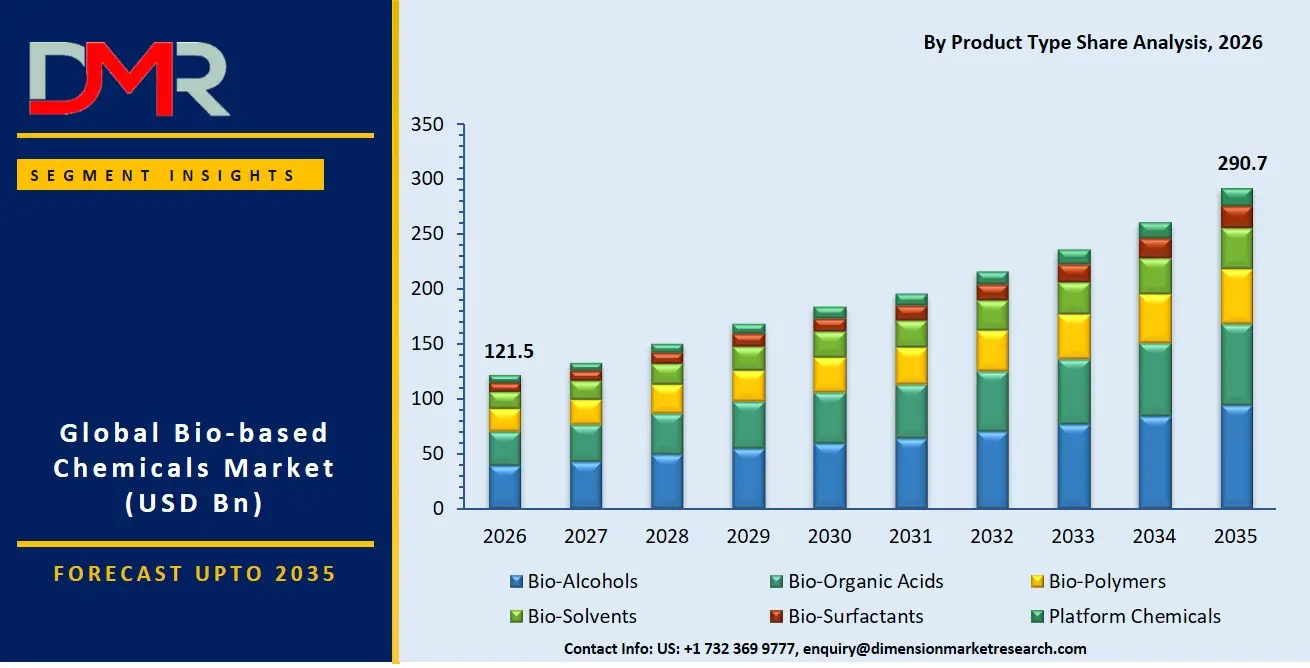
Bio-Alcohols is projected to dominate the product type segment due to their extensive utilization as renewable fuel additives, industrial solvents, and chemical intermediates. Bioethanol, in particular, accounts for a significant share because of government mandates promoting biofuel blending and efforts to reduce greenhouse gas emissions.
ℹ
To learn more about this report –
Download Your Free Sample Report Here
The widespread availability of feedstocks such as sugarcane and corn supports large-scale production and commercialization. Bio-alcohols also serve as essential building blocks for various downstream bio-based chemicals and materials. Growing investments in sustainable energy solutions, increasing demand for low-carbon fuels, and supportive regulatory frameworks worldwide continue to drive consumption. Their established supply chains and broad industrial applicability reinforce their leadership within the global bio-based chemicals market.
By Feedstock Analysis
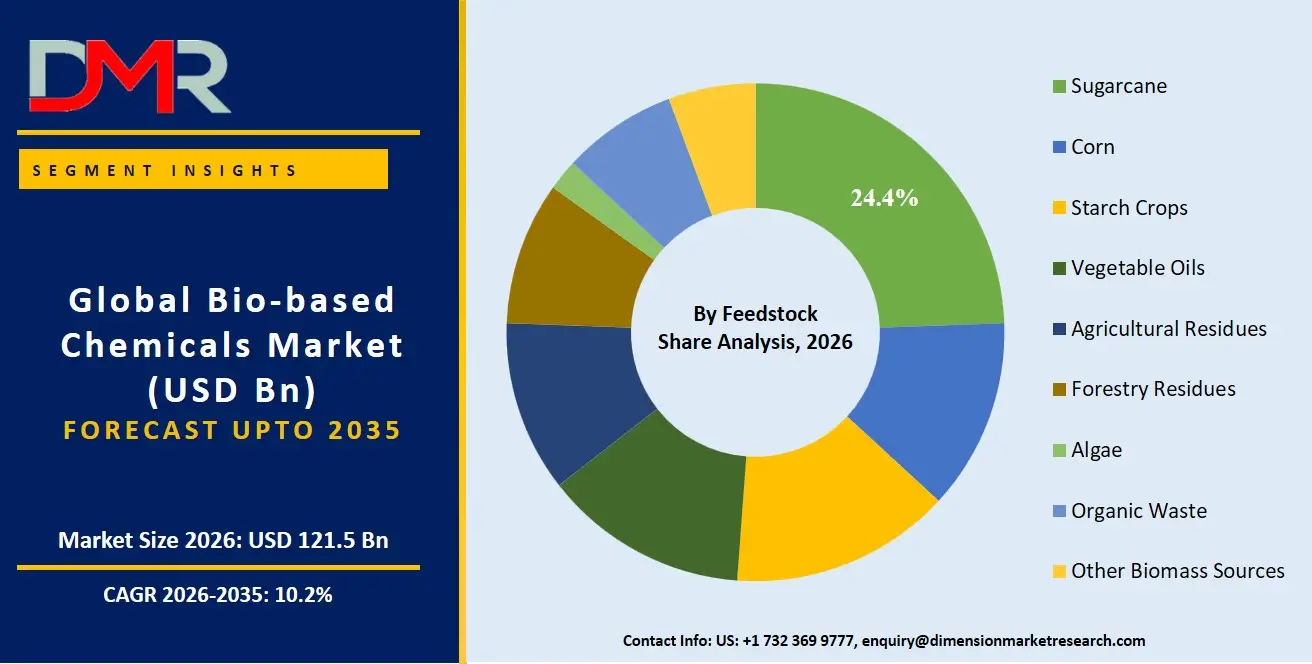
Sugarcane is anticipated to dominate the feedstock segment because it provides one of the most efficient and cost-effective sources of fermentable sugars for bio-based chemical production. High biomass productivity, favorable conversion efficiency, and strong availability in major producing countries contribute to its market leadership. Sugarcane is widely used for producing bioethanol, bio-based organic acids, and various platform chemicals. The feedstock also offers environmental benefits through lower carbon emissions compared to conventional fossil-based alternatives. Countries with mature sugarcane industries have established processing infrastructure that supports large-scale commercialization. Growing global emphasis on renewable resources and sustainable manufacturing further strengthens sugarcane's position as the preferred feedstock across numerous bio-based chemical production processes.
By Production Technology Analysis
Fermentation is poised to be the dominant production technology because it serves as the primary manufacturing route for a wide range of bio-based chemicals, including bioethanol, lactic acid, succinic acid, and other industrial biochemicals. The technology utilizes microorganisms to convert renewable biomass into valuable chemical products with high efficiency and scalability. Continuous advancements in biotechnology, microbial engineering, and process optimization have improved yields while reducing production costs. Fermentation is also favored for its relatively lower environmental impact compared to petrochemical production methods. The technology's commercial maturity and compatibility with multiple feedstocks support widespread adoption. As industries increasingly transition toward sustainable manufacturing practices, fermentation continues to maintain its leading role within bio-based chemical production.
By Application Analysis
Industrial Chemicals is expected to dominate the application segment because bio-based chemicals are extensively used as intermediates and raw materials in numerous manufacturing processes. Industries increasingly adopt renewable chemical alternatives to reduce dependence on fossil-based feedstocks and meet sustainability objectives. Bio-based alcohols, acids, solvents, and platform chemicals are widely utilized in coatings, adhesives, lubricants, cleaning products, and specialty chemical formulations. Regulatory pressure to reduce carbon emissions and growing corporate sustainability commitments are accelerating the shift toward environmentally friendly industrial inputs. Additionally, advancements in bio-refinery technologies have expanded the commercial viability of bio-based industrial chemicals. Their broad applicability across multiple industries and significant consumption volumes support their dominant position in the market.
By End User Industry Analysis
Chemical Industry is anticipated to dominate the end-user segment because it represents the primary consumer of bio-based chemicals as feedstocks for producing specialty chemicals, polymers, solvents, surfactants, and performance materials. Chemical manufacturers are increasingly incorporating renewable raw materials into production processes to reduce environmental impact and comply with sustainability regulations. Bio-based chemicals offer attractive alternatives to petroleum-derived products while supporting carbon reduction goals and circular economy initiatives. Continuous innovation in green chemistry and bio-refinery technologies has expanded the range of commercially viable bio-based products available to chemical producers. Furthermore, increasing demand for sustainable materials from downstream industries is encouraging greater adoption. These factors collectively reinforce the chemical industry's leading position within the global bio-based chemicals market.
The Global Bio-based Chemicals Market Report is segmented on the basis of the following:
By Product Type
- Bio-Alcohols
- Bioethanol
- Biobutanol
- Biomethanol
- Other Bio-Alcohols
- Bio-Organic Acids
- Lactic Acid
- Succinic Acid
- Citric Acid
- Acetic Acid
- Itaconic Acid
- Other Bio-Organic Acids
- Bio-Polymers
- Polylactic Acid (PLA)
- Polyhydroxyalkanoates (PHA)
- Bio-Polyethylene (Bio-PE)
- Bio-Polyethylene Terephthalate (Bio-PET)
- Starch-Based Polymers
- Other Bio-Polymers
- Bio-Solvents
- Bio-Based Ethyl Acetate
- Bio-Based Glycols
- Bio-Based Acetone
- Other Bio-Solvents
- Bio-Surfactants
- Glycolipids
- Lipopeptides
- Fatty Acid-Based Surfactants
- Other Bio-Surfactants
- Platform Chemicals
- 1,3-Propanediol
- Furfural
- Levulinic Acid
- Glycerol
- Xylitol
- Other Platform Chemicals
By Feedstock
- Sugarcane
- Corn
- Starch Crops
- Vegetable Oils
- Agricultural Residues
- Forestry Residues
- Algae
- Organic Waste
- Other Biomass Sources
By Production Technology
- Fermentation
- Biocatalysis
- Enzymatic Processing
- Thermochemical Conversion
- Anaerobic Digestion
- Hybrid Bio-Refinery Processes
By Application
- Industrial Chemicals
- Packaging
- Agriculture
- Automotive
- Construction
- Textiles
- Personal Care & Cosmetics
- Pharmaceuticals
- Food & Beverages
- Consumer Goods
- Other Applications
By End User Industry
- Chemical Industry
- Packaging Industry
- Automotive Industry
- Agriculture Industry
- Pharmaceutical Industry
- Food & Beverage Industry
- Personal Care Industry
- Textile Industry
- Construction Industry
- Other End Users
Regional Analysis
Leading Region by Market Share
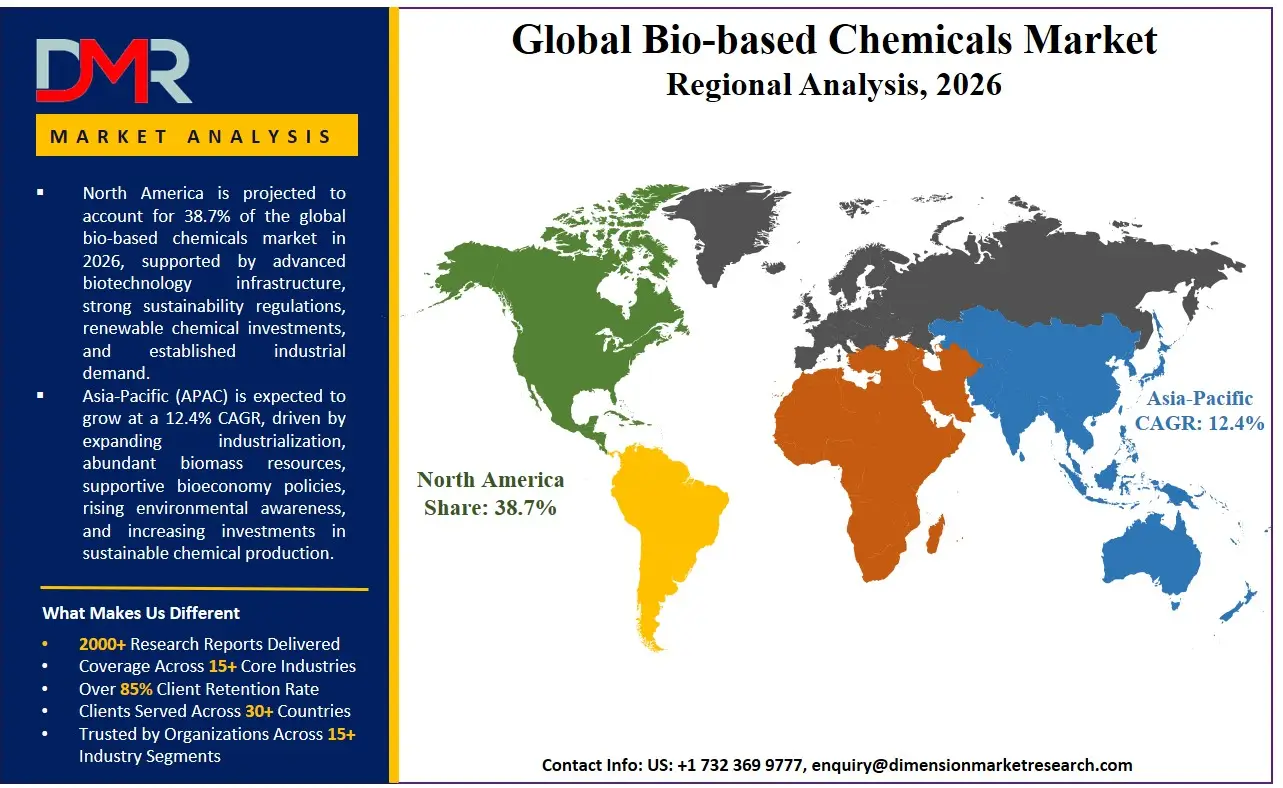
North America is poised to dominate the global bio-based chemicals market as it is projected to hold 38.7% of the market share by the end of 2026. North America is dominated by the United States, and therefore has the largest percentage in the bio-based chemicals market owing to the unique scalability of corn and agriculture belts, as well as the sustainability agendas of the Fortune 500 companies. There is a well-established ecosystem of enzyme producers from all around the world, as well as specialty synthetic biology companies, and bioprocess engineering and agricultural science experts. Investments from businesses into advanced bio-polymers, precision fermentation, and the overall substitution of fossil-based plastics continue to drive the need for bio-organic acid polymerization and PHA compounding as well as strain optimization on an ongoing basis. Furthermore, there is a favorable federal mandate and grant environment for the bioeconomy that continues to fund future biomass-to-chemical start-ups requiring genetic engineering expertise to ensure rapid titer improvement and cost competitiveness.
ℹ
To learn more about this report –
Download Your Free Sample Report Here
Fastest-Growing Regional Market
The fastest-growing market for bio-based chemicals is projected to be in Asia-Pacific, where there will be widespread efforts by the governments to adopt circular economy practices in India, China, Japan, and Southeast Asia. The rapid economic growth, the growth of the middle class, and the rapid development of the local packaging industry mean that traditional oil conglomerates and farmers have to abandon their inefficient, emission-heavy naphtha crackers. Expertise in the development of starch-based polymer and Bio-PE compounds is urgently required to assist these companies to move in this direction. In addition, there is a huge shortage of experts in metabolic engineering, which makes it essential to farm out fermentation process development in order to develop industrial enzymes.
By Region
North America
Europe
- Germany
- The U.K.
- France
- Italy
- Russia
- Spain
- Benelux
- Nordic
- Rest of Europe
Asia-Pacific
- China
- Japan
- South Korea
- India
- ANZ
- ASEAN
- Rest of Asia-Pacific
Latin America
- Brazil
- Mexico
- Argentina
- Colombia
- Rest of Latin America
Middle East & Africa
- Saudi Arabia
- UAE
- South Africa
- Israel
- Egypt
- Rest of MEA
Competitive Landscape
In the field of the global bio-based chemicals industry, the competitive landscape has evolved to be very dynamic with a diverse mix of multinational agrochemical behemoths, industrial biotech specialists, and the bio-based arm of the petrochemical majors. The secret to their success is going to lie in the deep strategic relationships that they build up with consumer packaged goods companies such as Unilever or Coca-Cola, which will help them tap into offtake co-investment deals and the early adoption of new bio-polymer certification programs. The trend of market consolidation is quickly gaining momentum as chemical engineers acquire boutiques that provide enzyme synthesis and fermentation optimization services in order to survive. Intellectual property, such as proprietary microbial platforms and custom-made downstream separations technology, is playing a bigger role in competitive advantage than simple feedstock cost advantage or chemical distribution models.
Some of the prominent players in the Global Bio-based Chemicals Market are:
- BASF SE
- Cargill Incorporated
- Archer Daniels Midland Company (ADM)
- Corbion N.V.
- DuPont de Nemours, Inc.
- Braskem S.A.
- Evonik Industries AG
- Mitsubishi Chemical Group Corporation
- NatureWorks LLC
- Novonesis
- DSM-Firmenich AG
- TotalEnergies Corbion
- Roquette Frères
- M&G Chemicals
- Genomatica (Geno)
- Amyris, Inc.
- LanzaTech Global, Inc.
- Borregaard ASA
- Metsä Spring
- Avantium N.V.
- Other Key Players
Recent Developments
- January 2026: GEA Group AG announced the expansion of its precision fermentation and strain engineering capabilities through collaborations supporting the development of glycolipid biosurfactants for textile and personal care applications. The initiative aims to help customers create proprietary biosurfactant solutions using advanced fermentation and enzymatic processing technologies.
- November 2025: Avantium N.V. strengthened its collaboration with LVMH Beauty and Tereos to accelerate the commercialization of bio-based polymers for sustainable packaging applications. The partnership focuses on replacing conventional fossil-based plastics with renewable polymer alternatives for luxury and consumer packaging markets.
- October 2025: TruAlt Bioenergy Limited expanded its presence in the biogas sector through the acquisition of a majority stake in TruAlt Gas Private Limited (TGPL). The move strengthens the company's bioenergy and biorefinery capabilities, supporting the development of sustainable platform chemicals and biomass-based conversion technologies.
Report Details
| Report Characteristics |
| Market Size (2026) |
USD 121.5 Bn |
| Forecast Value (2035) |
USD 290.7 Bn |
| CAGR (2026–2035) |
10.2% |
| The US Market Size (2026) |
USD 39.5 Bn |
| Historical Data |
2021 – 2025 |
| Forecast Data |
2027 – 2035 |
| Base Year |
2025 |
| Estimate Year |
2026 |
| Segments Covered |
By Product Type, By Feedstock, By Production Technology, By Application, and By End User Industry |
| Regional Coverage |
North America – The US and Canada; Europe – Germany, The UK, France, Russia, Spain, Italy, Benelux, Nordic, & Rest of Europe; Asia-Pacific – China, Japan, South Korea, India, ANZ, ASEAN, Rest of APAC; Latin America – Brazil, Mexico, Argentina, Colombia, Rest of Latin America; Middle East & Africa – Saudi Arabia, UAE, South Africa, Turkey, Egypt, Israel, & Rest of MEA |
Frequently Asked Questions
How big is the Global Bio-based Chemicals Market?
▾ The Global Bio-based Chemicals market is poised to be valued at USD 121.5 billion in 2026 and is projected to reach USD 290.7 billion by 2035, driven by the universal need for renewable carbon sources in packaging, industrial processing, and consumer goods material transitions.
What is the CAGR of the Global Bio-based Chemicals Market from 2026 to 2035?
▾ The market is expected to grow at a CAGR of 10.2% from 2026 to 2035, reflecting the accelerating complexity of biorefinery scale-up and the persistent corporate pressure to meet Scope 3 emissions targets.
What factors are driving the growth of the Global Bio-based Chemicals Market?
▾ Key drivers include the global plastic pollution crisis, the imperative to decarbonize the chemical industry, the management complexity of lignocellulosic feedstock pretreatment, and the surge in demand for drop-in bio-alcohols and bio-surfactants amid evolving carbon border taxes.
Which region held the largest share of the Bio-based Chemicals Market in 2026?
▾ North America, specifically the United States, is poised to hold the 38.7% of market share in 2026, driven by a mature agricultural ecosystem and aggressive enterprise investment in Bio-Polymer manufacturing and AI-driven metabolic pathway engineering.
Which region is expected to grow the fastest in the Bio-based Chemicals Market?
▾ The Asia-Pacific region is expected to grow the fastest, fueled by rapid circular economy adoption in India, China, and Japan, where Bio-Polymer and Bio-Solvent Consulting is critical for transitioning large petrochemical assets to agro-biorefinery operations.
What are the major trends in the Global Bio-based Chemicals Market?
▾ Major trends include the integration of precision fermentation into chemical manufacturing, the rise of gas fermentation and waste-to-chemicals, the demand for compostable bio-polymer solutions, and the focus on downstream separation optimization within complex continuous bioprocessing environments.
Who are the key players in the Global Bio-based Chemicals Market?
▾ Key players include Global Agricultural Processors, Industrial Biotech firms specializing in strain engineering, Petrochemical majors transitioning to bio-naphtha, alongside specialized pure-play biorefinery operators and enzyme suppliers.
How is the Global Bio-based Chemicals Market segmented?
▾ The market is segmented by Product Type, Feedstock, Production Technology, Application, and End User Industry.