What is the Biostimulant Market Size?
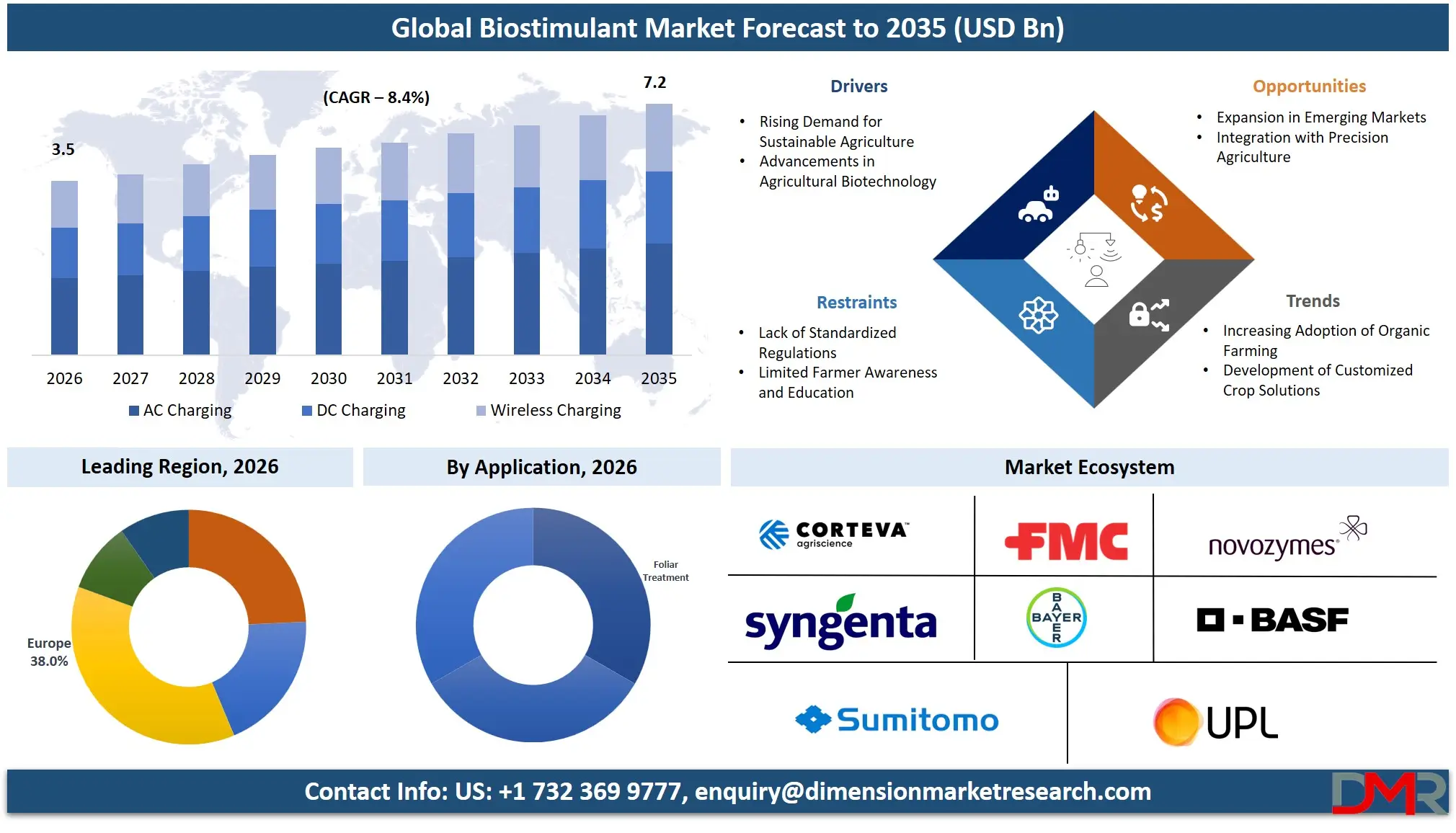
The Biostimulant Market size is expected to be USD 3.5 billion in 2026 and increase at a compound annual growth rate of 8.4% to USD 7.2 billion in 2035 due to the growing use of renewable energy sources like solar and wind.
ℹ
To learn more about this report –
Download Your Free Sample Report Here
The global market for biostimulants is showing healthy growth because of rising demands for sustainable agriculture, better productivity of crops, and improved soil management practices. There is an increase in concern about chemical fertilizers' overuse and support from regulation for environmental friendly input factors, which are driving market growth. Developments in biological formulation, precision farming, and organic farming methods are contributing to the market growth. Farmers are adopting biostimulants because of their ability to improve nutrient absorption, tolerance to stress, and better yields from crops.
ℹ
To learn more about this report –
Download Your Free Sample Report Here
The US Biostimulant Market
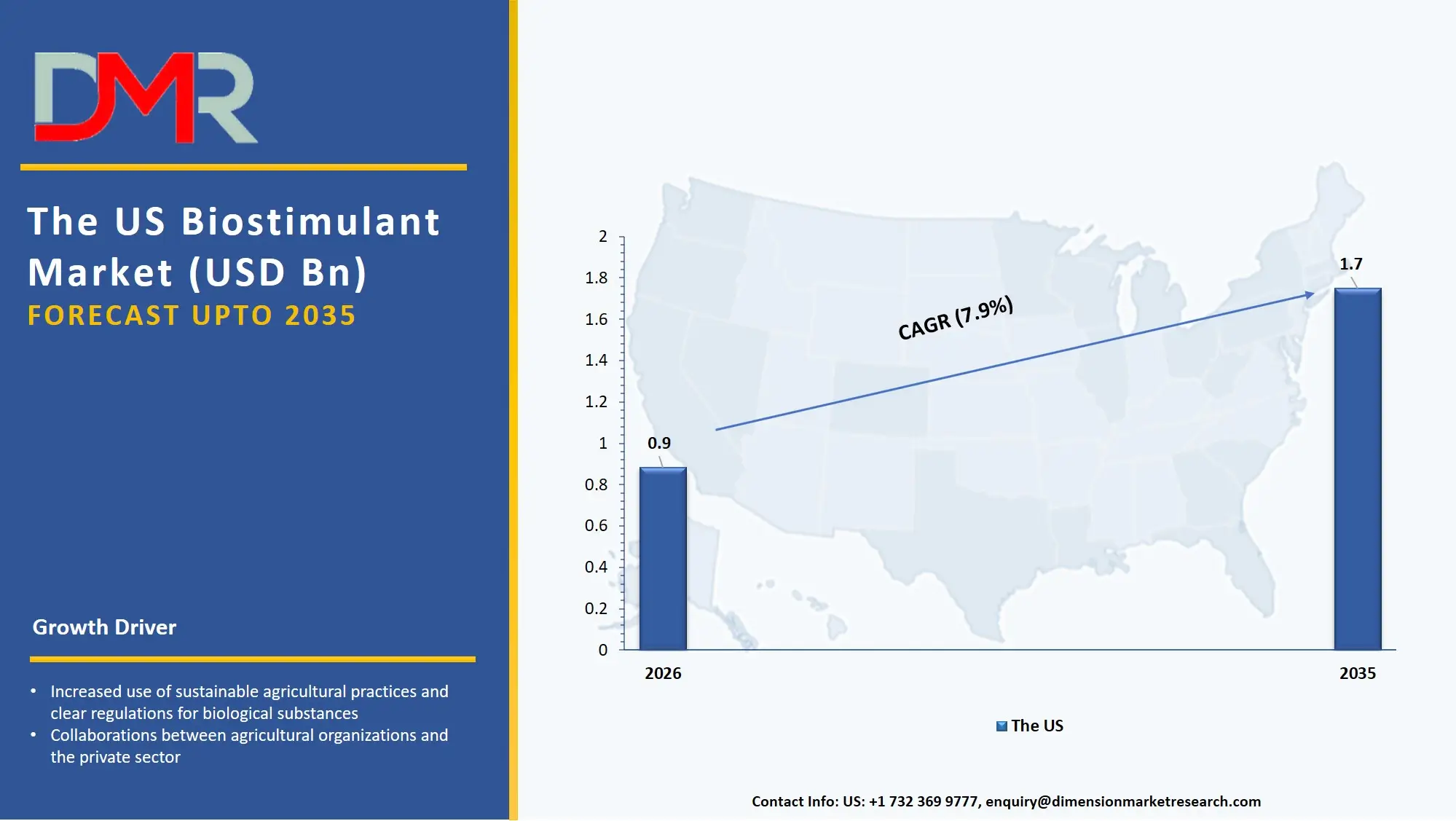
The US Biostimulant Market size is estimated to be USD 900 million in 2026 and is expected to increase at a CAGR of 7.9% over the forecast period.
ℹ
To learn more about this report –
Download Your Free Sample Report Here
There is growth in the biostimulants market in the United States owing to the increased use of sustainable agricultural practices and clear regulations for biological substances. Programs by the government to encourage soil health and organic farming are also fueling the growth. Biostimulants are being used along with precision agriculture techniques in large-scale farming. There is active research and development in biostimulants through collaborations between agricultural organizations and the private sector. Also, there is an increase in demand for organic food among consumers.
Europe Biostimulant Market
The Europe Biostimulant Market size is estimated to be USD 840 million in 2026 and at a CAGR of 8.0% over the forecast period.
Europe is a mature market for biostimulants, with a supportive policy environment such as European Green Deal and the Farm to Fork strategy. The strict restrictions on the usage of chemical fertilizers and pesticides have hastened the process of moving towards biological products. France, Italy, and Spain are among the frontrunners in terms of utilization because of their advanced farming practices. Organic inputs innovation and robust regulations according to EU fertilizer regulations are driving growth in the market.
Japan Biostimulant Market
The market size of Japan Biostimulant will be USD 175 million in 2026 and at a CAGR of 7.5% in the forecast period.
The key factors behind the growth of Japan's biostimulant industry include technology-driven agriculture, lack of arable land area, and emphasis on crop efficiency. Favorable government policies and growing preference for sustainable agriculture along with the cultivation of high-value crops is helping to increase the demand for biostimulants. Precision farming and the use of novel biological inputs are some of the trends that are common in the market. The growth is further stimulated by urbanization and an aging population of farmers.
Key Takeaways
- Market Size & Forecast: The Biostimulant Market size is projected to reach USD 3.5 billion in 2026 and is anticipated to have a value of USD 7.2 billion in 2035.
- Growth Rate & Outlook: The Biostimulant Market size is set to grow at a compound annual growth rate of 8.4% during the forecast period of 2026 to 2035.
- Primary Growth Drivers: Some of the major growth drivers in the market include Growing Need for Sustainable Farming, and more.
- Key Market Trends: Some of the major trends in the market are Customization of Crop Solutions, and more.
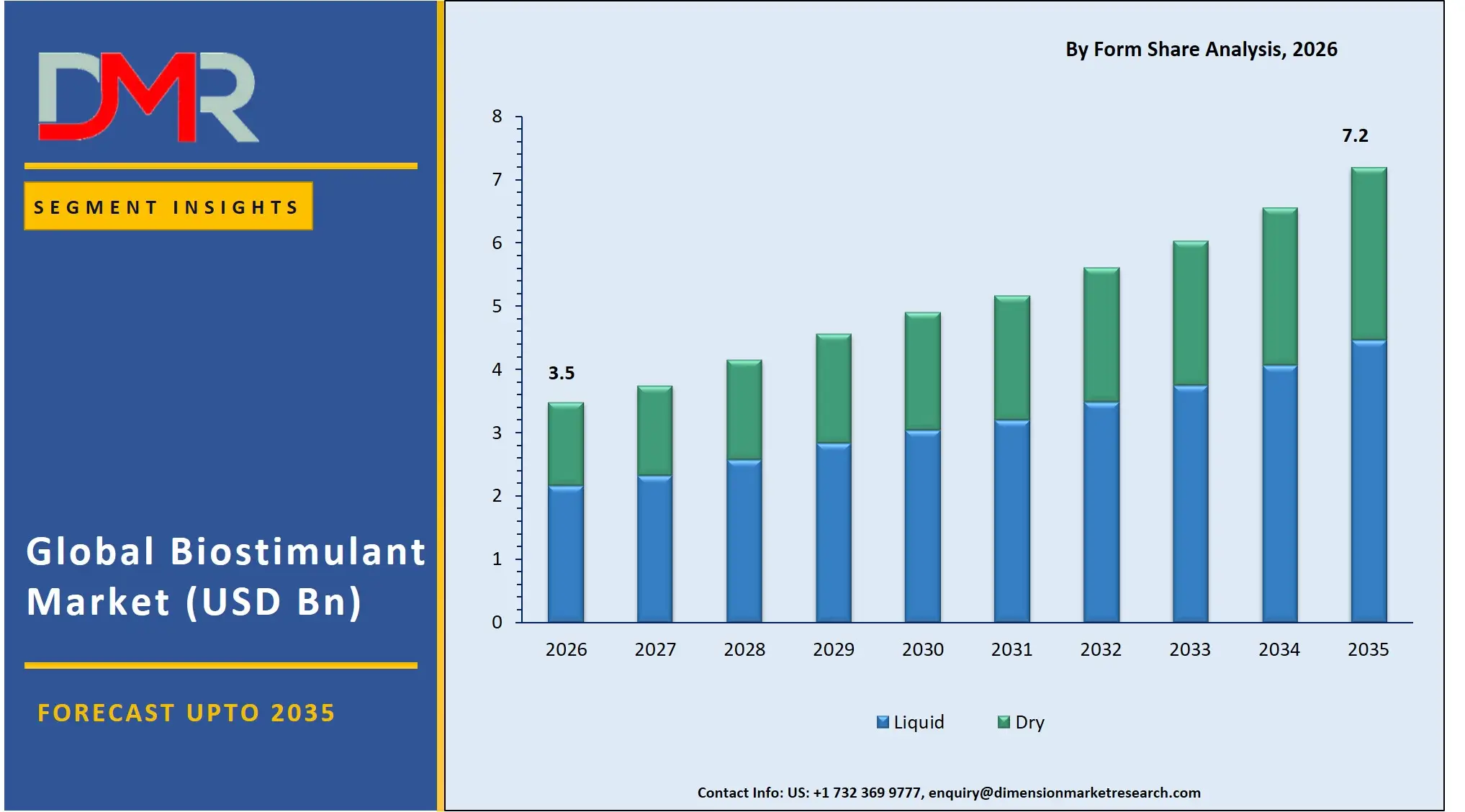
- By Form: The liquid segment is anticipated to get the majority share of the Biostimulant market in 2026.
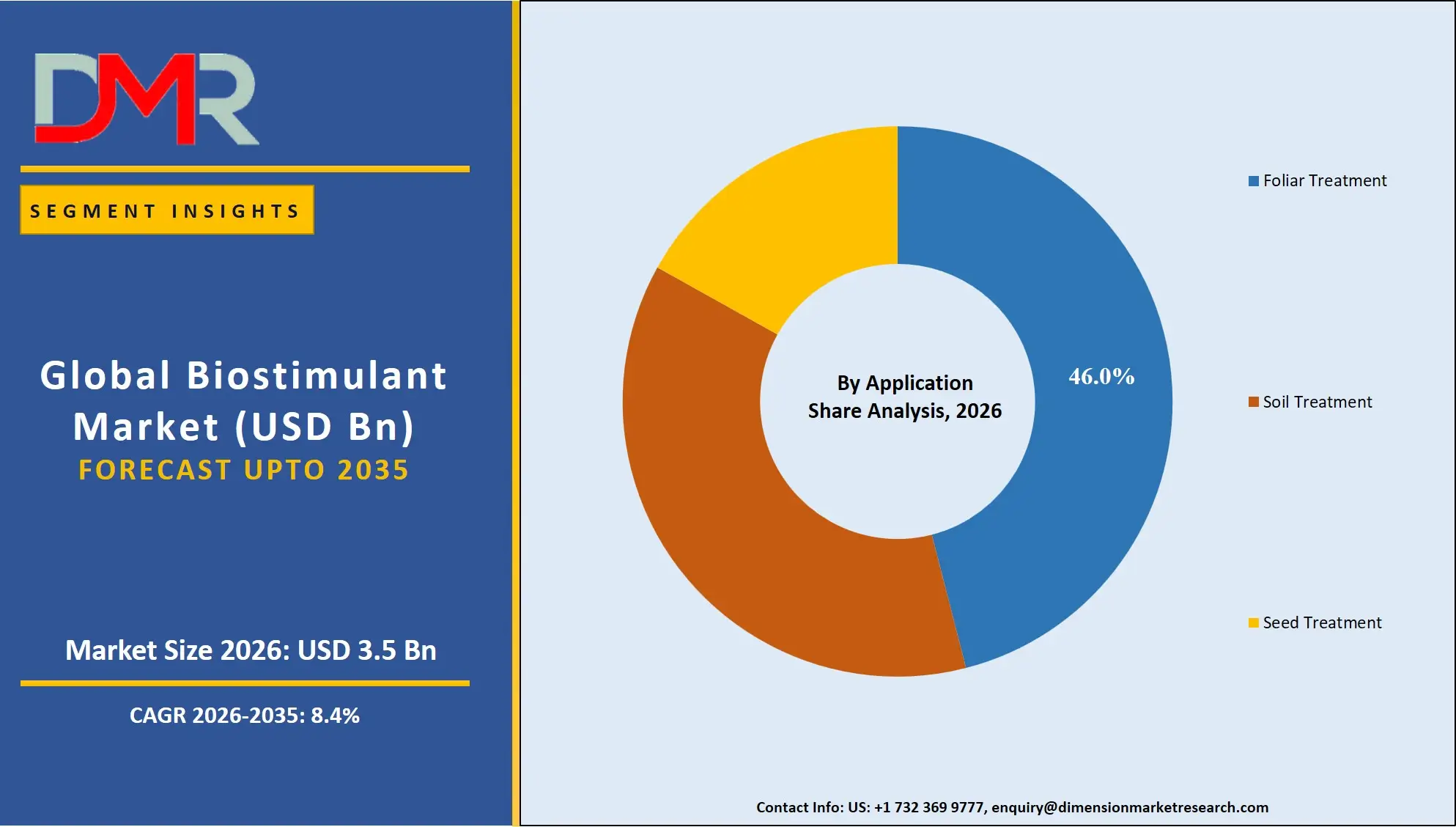
- By Application: The foliar treatment segment is expected to get the largest revenue share in 2026 in the Biostimulant market.
- By Crop Type: Raw crops & cearels segment is expected to get the largest revenue share in 2026 in the Biostimulant market.
- Regional Leadership: Europe is set to lead the Biostimulant market with an estimated 38.0% share in 2026.
What is the Biostimulant?
A biostimulant can be defined as an organic substance or microorganisms that promote healthy growth of the plant, plant nutrition, stress resistance to environmental conditions, and overall quality of crops without being a source of direct fertilization or pesticides. Biostimulants include sea weeds, amino acids, humic substances, and microbial agents. Biostimulants have proven to play a very crucial role in improving the soil, metabolic activities of the plant, and environmental stress such as drought or salinity stress.
Use Cases
- Increased Plant Productivity: The use of biostimulants helps in enhancing the uptake of nutrients and metabolism in plants and thus increasing their yield. Biostimulants are extensively used in cereals, fruits, and vegetables for increased productivity with minimal use of chemical fertilizers.
- Abiotic Stress Tolerance: These agents play a key role in helping crops resist abiotic stresses like drought, salt stress, and high temperatures in agricultural areas where there are unpredictable climatic conditions.
- Improvement in Soil Quality: Biostimulants facilitate the breakdown of organic material and increase the population of microbes in soil. It thus ensures enhanced soil fertility and sustainability of agriculture.
- Improved Seed Germination and Early Growth: Biostimulants when added during the process of seed treatment ensure increased seed germination and growth.
How AI Is Transforming the Biostimulant Market
AI is changing the biostimulants industry in that it allows for decisions based on collected information within the agricultural sector. The technology assesses soil characteristics, weather conditions, and the state of plants to make appropriate suggestions regarding the use of biostimulants.
Furthermore, AI aids in the creation of products since it helps in finding biological materials that may have some effect on crops.
Market Dynamic
Driving Factors in the Biostimulant Market
Growing Need for Sustainable Farming
The growing focus of the world towards sustainable agricultural practices is one of the leading factors driving the growth of the biostimulant industry. From being focused on chemical-driven agricultural processes, farmers now have moved to environmentally friendly approaches which not only help them produce crops better but also help them protect the ecosystem from any sort of damage. The use of biostimulants has become inevitable due to this.
Restraints in the Biostimulant Market
Regulatory Frameworks
The lack of internationally recognized regulatory standards for biostimulants is another major obstacle that the industry faces. The process of certification varies from one country to another, resulting in market segmentation. This not only raises the cost of compliance for producers but also prolongs the time required for new products to enter the market.
Opportunities in the Biostimulant Market
Growth Prospects in Emerging Markets
Emerging markets in Asian, African, and Latin American nations offer huge growth prospects because of the increase in farming operations, coupled with increased awareness about environmental conservation. These governments are encouraging the use of eco-friendly inputs in order to secure food supply. Increased requirements for higher yield from small areas make the market potential vast for these products.
Trends in the Biostimulant Market
Customization of Crop Solutions
A greater emphasis is now placed on customizing biostimulant solutions for specific crops and their environments. This ensures enhanced efficacy and increased trust among farmers. Customization of formulations is becoming more popular since they offer targeted advantages and boost yields and quality of crops grown in diverse regions.
Research Scope and Analysis
The biostimulants market is witnessing strong growth driven by rising adoption of liquid formulations, seaweed-based ingredients, row crop applications, and foliar treatment methods. Increasing focus on sustainable agriculture, precision farming, soil health, and high-quality crop production continues to support market expansion globally.
ℹ
To learn more about this report –
Download Your Free Sample Report Here
By Form Analysis
The category of liquid biostimulants is expected to lead the market in terms of dominance, holding a substantial market share of around 62% in 2026, mainly owing to its high convenience in terms of easy application and speedy absorption into the plants. Liquid biostimulants can be easily used with the latest technology of irrigation through fertigation and foliar spray, making it more efficient in delivering nutrients to the crops immediately. Increasing adoption of liquids by farmers owing to its suitability in the practice of precision farming and swift effect on plants' growth and development makes the liquid category the most favored one by farmers. Of the many types of liquid biostimulants, soluble liquids are experiencing high demand owing to its high efficiency. The powder and granular forms of dry biostimulants are expected to be the fastest-growing type.
By Active Ingredient Analysis
The biostimulants produced from seaweed extract are predicted to gain maximum popularity within the market since they are efficient in terms of plant development, nutrient uptake, and tolerance to unfavorable environment. Biostimulants sourced from brown algae will remain dominant due to bioactive substances that they contain. The acid-based biostimulants, including humic, fulvic, and amino acids, have retained their significant market share since they greatly influence the fertility of soils and accessibility of nutrients. Biostimulants that have microbes will be considered the fastest-growing segment in the future since there is an increasing trend towards focusing on soil microbiology and sustainable agriculture.
By Crop Type Analysis
It is expected that row crops and cereals will account for around 48% of the market share by 2026 owing to widespread cultivation worldwide along with high demand for yield enhancement. Some of the major crops like corn, wheat, rice, and soybeans have been using biostimulants in order to maximize yield and nutrient availability. Large-scale cultivation and requirement for consistent yields make this a profitable segment. However, it is the fruits and vegetables segment that seems to be growing at the fastest rate, owing to rising demands for better quality products free from any kind of residues. Organic farming and improvement in yield and flavor is an area where biostimulants can be of utmost importance.
By Application Analysis
Foliar application is projected to be the market leader, accounting for 46% of market value in 2026. This can be attributed to its ability to provide nutrients directly to the plant leaves, thus allowing for quick absorption and prompt physiological response. Foliar applications are highly effective and have been adopted on a wide scale across different crops. The soil application sector is another major component that is focused on improving soil structure, microbiology, and fertility levels. This is common practice in regenerative farming techniques. On the other hand, seed treatment is the most rapidly growing market application segment. This is because of its use in improving germination, root development, and plant vigor.
The Biostimulant Market Report is segmented on the basis of the following:
By Form
- Liquid
- Concentrated Liquids
- Liquid Concentrates
- Soluble Liquids
- Dry
By Active Ingredient
- Acid Based
- Humic Acids
- Fulvic Acids
- Amino Acids
- Seaweed Extract
- Brown
- Red Algae
- Green Algae
- Microbial
- Others
By Crop Type
- Row Crops & Cereals
- Corn
- Wheat
- Rice
- Soybean
- Barley
- Fruits & Vegetables
- Leafy Greens
- Root Vegetables
- Fruits
- Solanaceous Crops
- Turf & Ornamentals
- Others
By Application
- Foliar Treatment
- Soil Treatment
- Direct Soil Application
- Soil Drenches
- Fertigation Systems
- Seed Treatment
- Seed Coating
- Seed Priming
- Inoculation Techniques
Regional Analysis
Leading Region in the Biostimulant Market
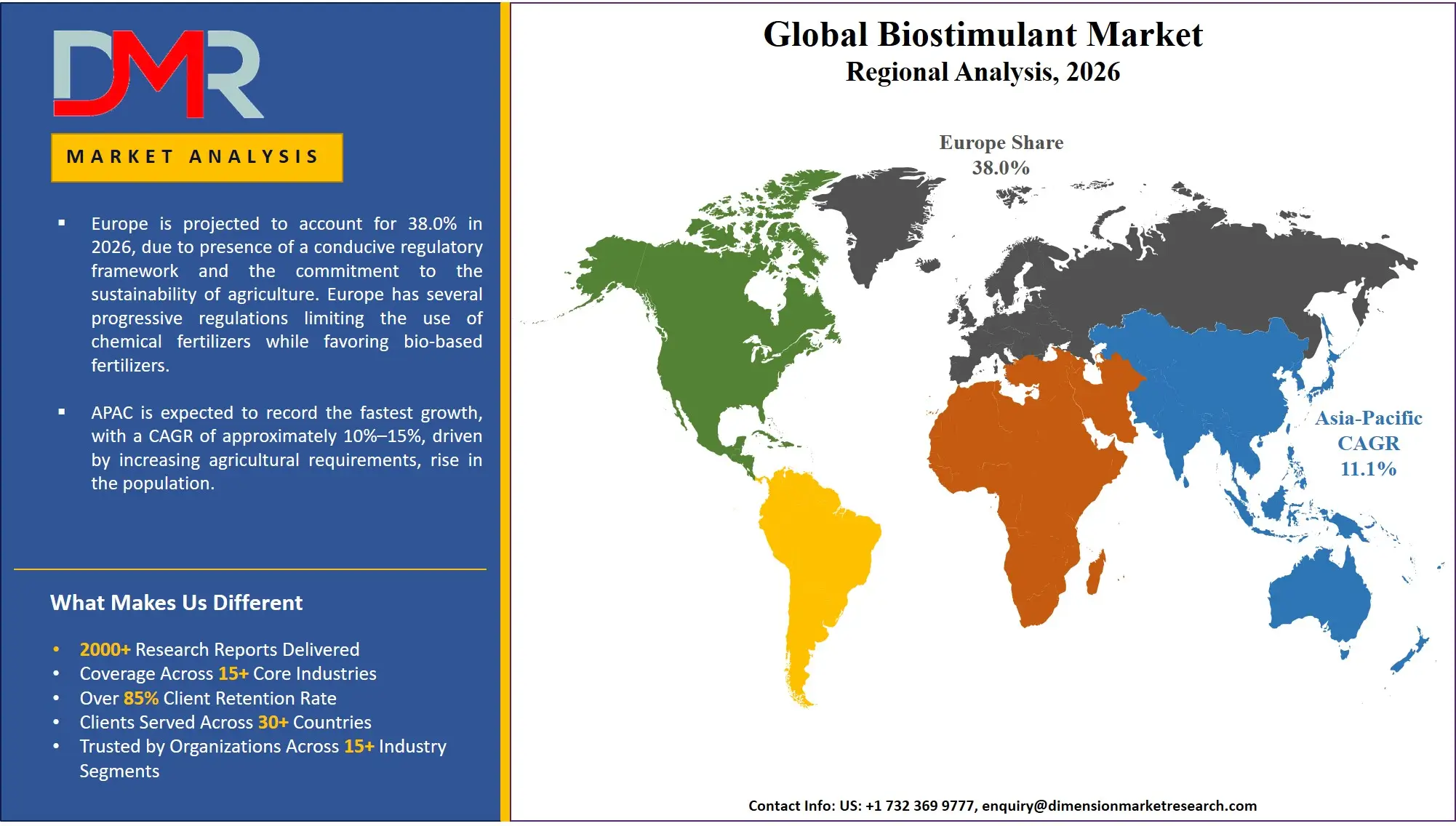
Europe will continue to lead in terms of biostimulants' share, estimated at around 38%, due to the presence of a conducive regulatory framework and the commitment to the sustainability of agriculture. Europe has several progressive regulations limiting the use of chemical fertilizers while favoring bio-based fertilizers; hence the high use of biostimulants in agriculture. Advanced knowledge among farmers, modern farming practices, and innovative R&D activities have been vital in boosting the adoption rate in Europe. The existence of certification programs and increasing areas under organic farming add up to the dominance of Europe in the market.
ℹ
To learn more about this report –
Download Your Free Sample Report Here
Fastest Growing Region in the Biostimulant Market
The APAC region is likely to witness a high growth rate in the biostimulants market owing to increasing agricultural requirements, rise in the population, and an increased need to improve the productivity of the crops. Sustainable practices in agriculture along with increasing awareness regarding soil condition are driving the demand for biostimulants in the region. Major governments in the economy are promoting sustainable practices along with advancements in agritech to make their farms more efficient and productive. Extensive farmland in the region along with significant investments in advanced farming technologies will propel the growth of the market in the region.
By Region
North America
Europe
- Germany
- The U.K.
- France
- Italy
- Russia
- Spain
- Benelux
- Nordic
- Rest of Europe
Asia-Pacific
- China
- Japan
- South Korea
- India
- ANZ
- ASEAN
- Rest of Asia-Pacific
Latin America
- Brazil
- Mexico
- Argentina
- Colombia
- Rest of Latin America
Middle East & Africa
- Saudi Arabia
- UAE
- South Africa
- Israel
- Egypt
- Rest of MEA
Competitive Landscape
The market structure of the biostimulants industry is moderately fragmented and highly competitive due to innovation and sustainability trends. Research and development are prioritized by firms in order to develop efficacious and plant-specific formulas. Collaborations and partnerships are popular strategies among companies, as are entering new markets. The entry barrier in the biostimulants industry is relatively high, owing to regulatory approval and scientific evidence required to prove efficacy.
Some of the prominent players in the global Biostimulant are:
- Syngenta Group
- BASF SE
- Bayer AG
- UPL Limited
- Corteva Agriscience
- FMC Corporation
- Sumitomo Chemical Co., Ltd.
- Novozymes A/S
- Koppert Biological Systems
- Valagro S.p.A.
- Biolchim S.p.A.
- Isagro S.p.A.
- Agrinos AS
- Lallemand Plant Care
- Gowan Company
- Haifa Group
- Seipasa S.A.
- Atlántica Agrícola
- Tradecorp International
- Biovert S.L.
- Other Key Players
Recent Developments
- In May 2023, Yara International announced the construction of a new global production plant for biostimulants and specialty crop nutrition products aimed at increasing yields and improving quality.
- In March 2023, Sumitomo Chemical India Ltd. introduced Promalin, a highly anticipated Biorational product, in Shimla, Himachal Pradesh. Developed through extensive research by Valent Biosciences, a subsidiary of Sumitomo Chemical Co., Ltd., Promalin offers advanced Biorational solutions. This launch marks Promalin's debut in India. The product contains two natural gibberellins, Gibberellins 4 and 7, and a cytokinin compound, 6-Benzyladenine.
- In January 2023, Sumitomo Chemical Co., Ltd. acquired FBSciences Holdings, Inc., a U.S.-based biostimulants manufacturer.
Report Details
| Report Characteristics |
| Market Size (2026) |
USD 3.5 Bn |
| Forecast Value (2035) |
USD 7.2 Bn |
| CAGR (2026–2035) |
8.4% |
| Historical Period |
2021 – 2025 |
| Forecast Period |
2027 – 2035 |
| Base Year |
2025 |
| Estimate Year |
2026 |
| Segments Covered |
By Form, By Active Ingredient, By Crop Type, By Application |
| Regional Coverage |
North America – The US and Canada; Europe – Germany, The UK, France, Russia, Spain, Italy, Benelux, Nordic, & Rest of Europe; Asia-Pacific – China, Japan, South Korea, India, ANZ, ASEAN, Rest of APAC; Latin America – Brazil, Mexico, Argentina, Colombia, Rest of Latin America; Middle East & Africa – Saudi Arabia, UAE, South Africa, Turkey, Egypt, Israel, & Rest of MEA |
Frequently Asked Questions
How big is the Biostimulant Market?
▾ The Biostimulant Market size is expected to reach USD 3.5 billion by 2026 and is projected to reach USD 7.2 billion by the end of 2035.
How is the Biostimulant Market segmented?
▾ The Biostimulant Market is segmented by form, active ingredient, crop type, application.
Which region held the largest share of the Biostimulant Market in 2026?
▾ Europe is set to lead the Biostimulant market with an estimated 38.0% share in 2026.
Who are the key players in the Biostimulant Market?
▾ Some of the key players in the Biostimulant Market include BASF, UPL, Bayers and more
What is the CAGR of the Biostimulant Market from 2026 to 2035?
▾ The market is growing at a CAGR of 8.4 percent over the forecasted period.
What factors are driving the growth of the Biostimulant Market?
▾ Growing Need for Sustainable Farming, and more are the factors driving the growth of the Biostimulant Market.
What are the major trends in the Biostimulant Market?
▾ Customization of Crop Solutions, and more are some of the major trends in the market.
Which region is expected to grow the fastest in the Biostimulant Market?
▾ Asia Pacific is the fastest-growing region in the Biostimulant market during the forecast period