What is the Blood Clot Retrieval Devices Market Size?
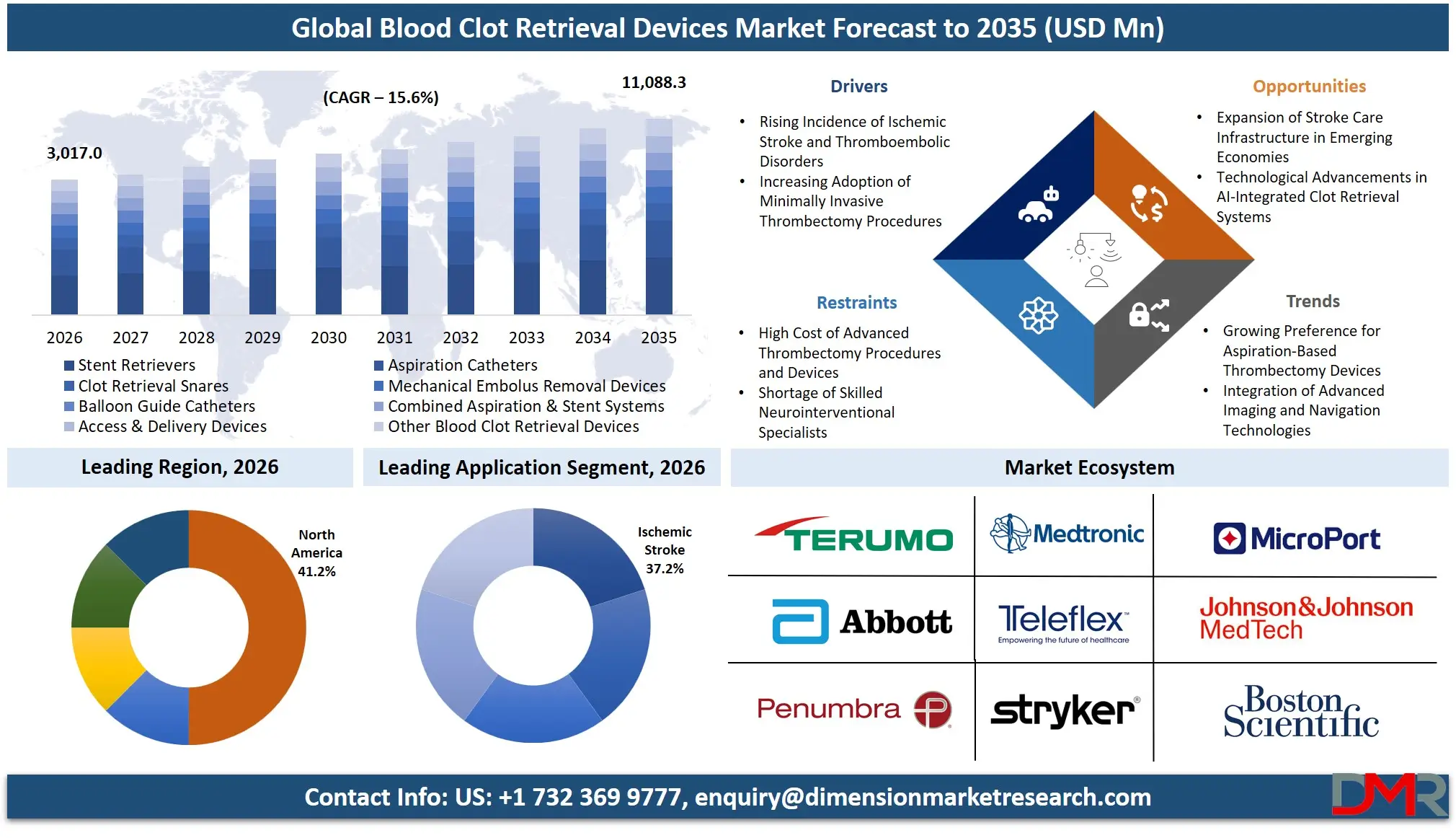
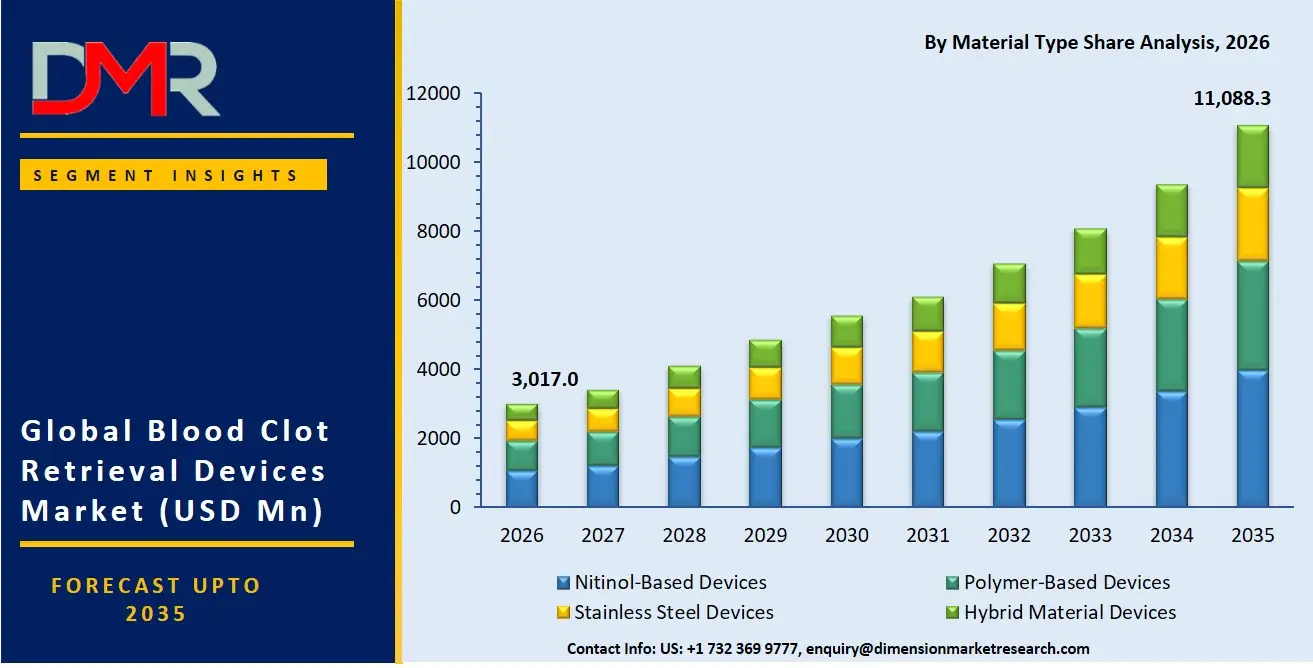
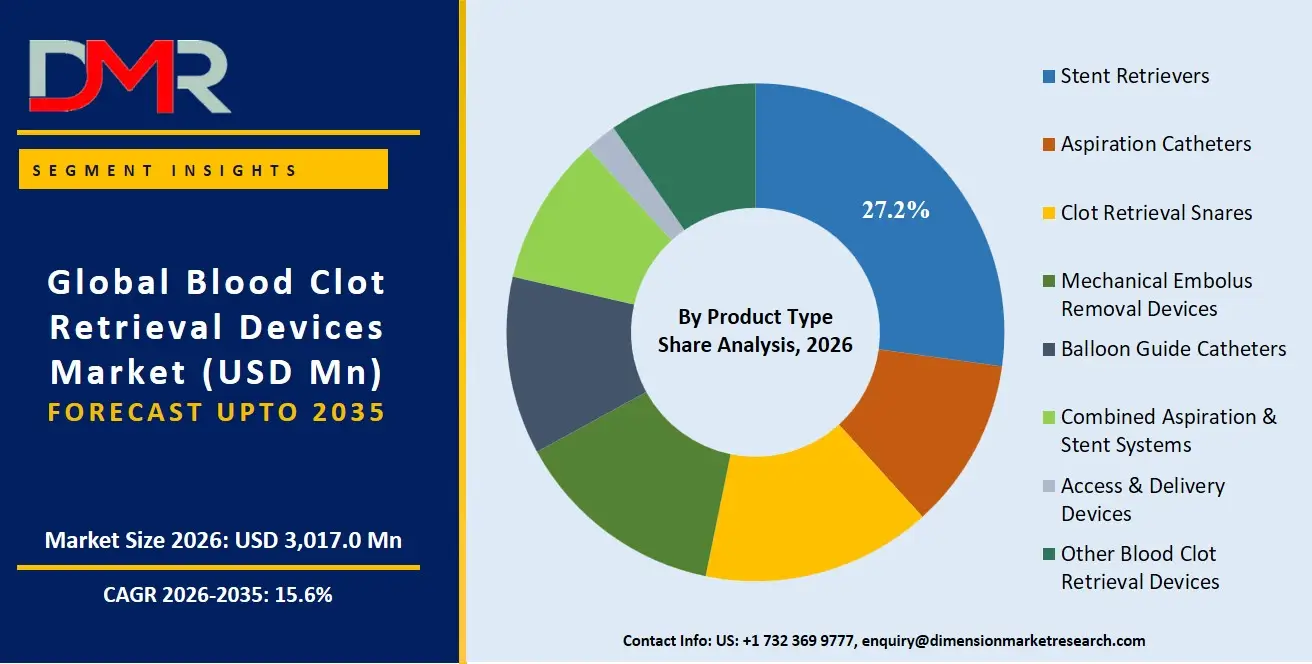
The Global Blood Clot Retrieval Devices Market is expected to reach a value of USD 3,017.0 million in 2026, and it is further anticipated to reach USD 11,088.3 million by 2035, growing at a CAGR of 15.6% during the forecast period.
ℹ
To learn more about this report –
Download Your Free Sample Report Here
The growth rate of the market for blood clot retrieval devices is quite high as there has been an increase in the number of cases of thromboembolism and shift towards minimally invasive treatment methods. The market includes various products such as stent retriever, aspiration catheter, and combination technologies that help neurovascular and cardiovascular physicians to restore circulation by the physical removal of clots inside the blocked arteries. The rise in need to adopt novel thrombectomy techniques, next-generation clot retrieval snares, and AI-assisted imaging increases the requirement for specific devices. The hospitals emerge as one of the prominent buyers of these technologies, and mechanical thrombectomy/stent retrievers are still among the popular technologies due to their effectiveness in ischemic stroke cases. The neurovascular centers, cardiac/vascular centers, and ambulatory surgical centers are some of the significant users of these devices.
ℹ
To learn more about this report –
Download Your Free Sample Report Here
The US Blood Clot Retrieval Devices Market
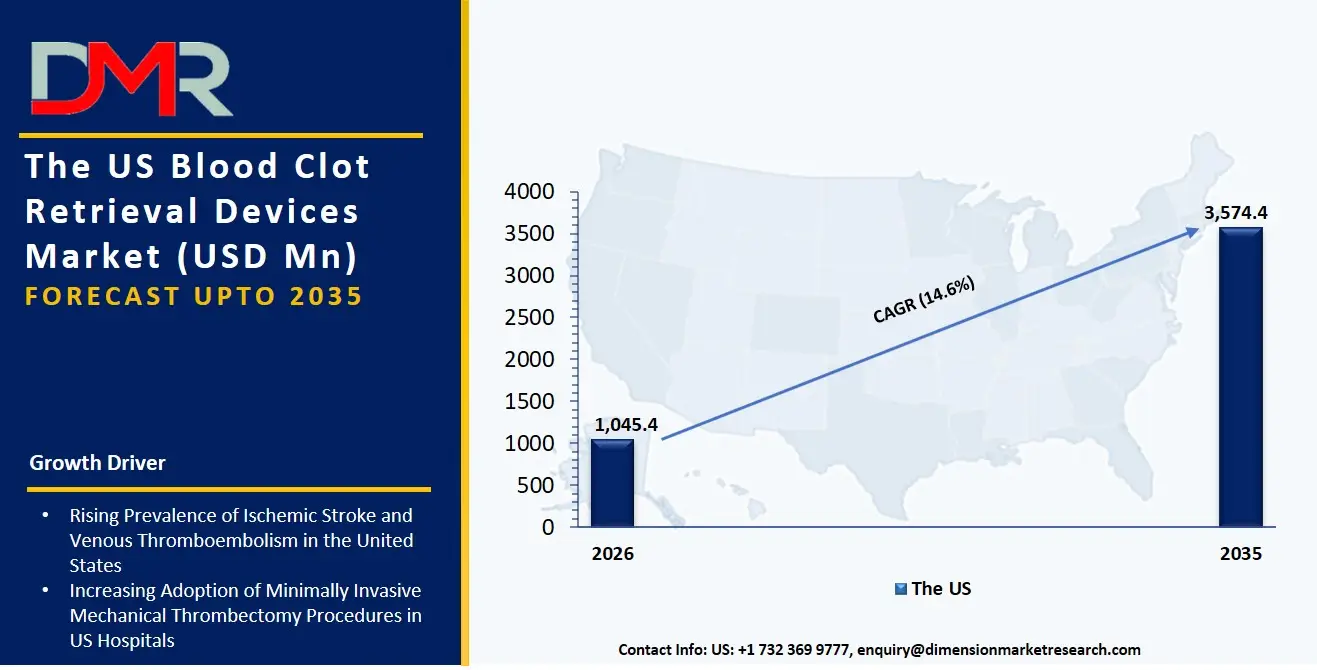
The US Blood Clot Retrieval Devices Market is projected to reach USD 1,045.4 million in 2026 at a compound annual growth rate of 14.6% over its forecast period, which is further expected to reach a value of USD 3,574.4 million by 2035. The US will remain the largest and most advanced market for mechanical thrombectomy products owing to its robust regulatory environment, favorable reimbursement for thrombectomy procedures, and the fast-growing number of comprehensive stroke centers. It can be characterized by high interest among doctors in the use of stent retrievers and dual aspiration and stent retrievers aimed at ensuring successful first-pass revascularization of the patient. What's more, with the implementation of AI-powered navigation and imaging tools, there arises a growing need for precise access and delivery devices in neurovascular cases.
ℹ
To learn more about this report –
Download Your Free Sample Report Here
The Europe Blood Clot Retrieval Devices Market
The Europe Blood Clot Retrieval Devices Market is estimated to be valued at USD 873.7 million in 2026 and is further anticipated to reach USD 3,125.2 million by 2035 at a CAGR of 15.2%. The European market is largely affected by the presence of rigid regulatory environments such as the EU Medical Device Regulation (MDR). This regulation necessitates the development of high quality medical products made from polymers and nitinol and characterized by enhanced safety. There have also been accelerated developments in the realm of combination treatment processes with stent retrievers and advanced aspirators in stroke networks in Germany and France. Another trend affecting device manufacturers is the initiative aimed at improving stroke treatment access for rural patients with the manufacture of flexible balloon guide catheters.
The Japan Blood Clot Retrieval Devices Market
The Japan Blood Clot Retrieval Devices Market is projected to be valued at USD 312.5 million in 2026. It is further expected to witness robust growth, holding USD 1,078.1 million in 2035 at a CAGR of 14.7%. Japan has its own special requirements because both industry and government want to deal with the issues of an aging society and ischemic stroke patients. The number of mechanical thrombectomy and aspiration thrombectomy procedures is high as the adoption of stent retriever and vacuum thrombectomy devices increases very quickly due to large vessel occlusion patients. Also, the need for a guide catheter which will cover the complicated anatomy of elderly people in Japan is high. This makes a niche for hybrid material products and thin access & delivery devices.
Key Takeaways
- Market Size & Forecast: According to projections, the Global Blood Clot Retrieval Devices market will reach a valuation of USD 3,017.0 million by 2026 and surge further to become worth USD 11,088.3 million by 2035, with two key factors contributing to this growth is the growth in geriatric population and the expansion in indications window for mechanical thrombectomy.
- Growth Rate & Outlook: The growth rate in the global blood clot retrieval devices market will reach a CAGR of 15.6%. This will be propelled by a lack of skilled interventional neurologists along with an increase in complexity of distal vessel occlusion treatment requiring specialized clot retrieval snares.
- Primary Growth Drivers: The major driving factors are the increasing shift from systemic thrombolysis to mechanical thrombectomy, necessity of aspiration/stent combo system for better recanalization rate, and the advent of AI imaging necessitating special AI navigation, and imaging system.
- Key Market Trends: Among the key market trends are the development of device technologies according to different kinds of clots (such as fibrin rich clots and red blood cell rich clots), the use of ultrasound thrombectomy to quicken clot lysis in DVT, and vacuum assisted thrombectomy for pulmonary embolism (PE).
- By Product Type Analysis: Stent Retrievers are going to take precedence in clinical discussions, owing to the level 1A evidence associated with this product in stroke management. There is rising professional demand for combination aspiration-stent retrieval systems because of the complementary nature of the clot removal approach provided by them.
- By Application Analysis: Ischemic Stroke and Pulmonary Embolism are the two applications that are considered to be of high acuity due to the strict requirements of timely treatment. The deep vein thrombosis application is growing at the fastest rate, with the introduction of minimally invasive devices like rheolytic and rotational thrombectomy devices.
- Regional Leadership: North America is set to dominate the market, taking a share of 41.2% in the year 2026 because of the matured reimbursement policies for neurological intervention and availability of advanced stroke centers using the developed infrastructure efficiently.
What is the Blood Clot Retrieval Devices?
Blood Clot Retrieval Devices refer to endovascular devices designed by medical device companies to help the interventionalist in physically removing the blood clot in the brain, coronary, and peripheral vessels. Unlike drug-based therapy for clot dissolution (thrombolysis), these devices relate to the actual process of physically extracting or aspirating the occlusion. These include Stent Retriever devices used in ensnaring the blood clot and subsequently extracting it from the vessel, Aspiration catheter which uses the principle of vacuums to suck out the occlusion, and Combination systems which combine the two technologies. Due to acute ischemic stroke occurring in millions of people across the globe, these devices are crucial to ensuring timely clot removal to ensure that the procedure results in neuro-functional benefits instead of disability.
Use Cases
- Large Vessel Occlusion Stroke Interventions: Large vessel occlusions involving the middle cerebral artery can be managed by neurovascular experts who use stent retrievers as well as combined aspiration and stenting procedures to clear the clot within the golden therapeutic window, thereby reversing neurological symptoms.
- Massive Pulmonary Embolism Management: Large-bore aspiration catheters along with rheolytic thrombectomy devices have been successfully used at cardiac and vascular centers to rapidly clear the thrombus from the main pulmonary arteries of selected patients with massive PE but are contraindicated for thrombolysis.
- Deep Venous Thrombosis Interventions: Large venous clots in the iliofemoral veins may lead to the development of post-thrombotic syndrome and require the use of pharmacomechanical thrombectomy devices and rotational thrombectomy devices to clear the clot within one procedure.
- Complex Coronary Artery Thrombosis: Primary percutaneous coronary interventions for high thrombus burden myocardial infarctions may require the use of mechanical emboli removal tools and manual aspiration catheters to prevent distal embolization and improve myocardial perfusion.
How AI is Transforming the Blood Clot Retrieval Devices Market?
AI has been changng the blood clot removal devices market through faster diagnosis and improved procedure accuracy. With neurovascular diseases, AI-based navigation and imaging technology can perform automatic image processing of CT angiography and perfusion studies, helping in detecting major vessel blockages, quantifying the brain tissues that need to be salvaged, and informing the interventionalists on the presence of an occlusion, thereby reducing the time taken from door-to-puncture and minimizing the likelihood of delay during the process. On the other hand, the use of AI in the access and delivery devices makes it easier for the physicians to navigate the tortuous vessels by optimizing the placement of guide catheters and providing guidance on device size based on the patient's anatomy.
In terms of device selection and procedure planning, there is now a significant disruption brought about by AI. For example, AI-based analytical tools are employed in assessing the properties of clots from pre-procedural images, determining whether the patient needs the use of stent retrievers, contact aspiration, or both approaches. Also, AI-driven simulations are providing procedural training for interventionalists, modeling the interaction between devices and the vasculature and offering visualization of hybrid materials device behavior.
Market Dynamics
Key Drivers in the Global Blood Clot Retrieval Devices Market
Rising Incidence of Ischemic Stroke and Thromboembolic Disorders
Demand for blood clot retrieval devices is expected to gain momentum, primarily owing to the growing global incidence of ischemic stroke, deep vein thrombosis, and pulmonary embolism. Aging population, inactive lifestyles, obesity, diabetes, hypertension, and heart diseases are some of the factors leading to a higher burden of thromboembolic diseases globally. The preference among healthcare professionals for mechanical thrombectomy due to better clot removal and patient outcome compared to pharmacologic approaches is positively impacting the blood clot retrieval device market. Higher focus on early interventions in stroke cases and greater availability of neurovascular stroke centers are further aiding in market expansion.
Increasing Adoption of Minimally Invasive Thrombectomy Procedures
The increasing inclination towards minimal invasive treatments is one of the major factors behind the growth of the blood clot retrieval devices market. The use of mechanical thrombectomy methods decreases surgical stress, decreases the duration of stay at hospitals, increases the accuracy of the procedure, and speeds up the rate of patient recovery as opposed to traditional surgical techniques. Increasing use of advanced tools such as aspiration catheters, stent retrievers, and navigational systems has been observed in order to increase treatment efficacy and minimize complications. Advancements in imaging integration, catheter flexibility, and clot removal techniques have improved the success rate of such procedures across the world.
Restraints in the Global Blood Clot Retrieval Devices Market
High Cost of Advanced Thrombectomy Procedures and Devices
The financial burden posed by thrombectomy systems used for blood clot extraction is another key factor holding back the expansion of this market, especially in emerging nations. Sophisticated clot retriever systems, neurothrombectomy technology, imaging systems, and stent retrievers demand considerable financial investment on the part of healthcare providers. Additional procedural costs are added owing to the need for specialized infrastructure, specialized personnel, and high-quality post-procedure management. In addition, reimbursement issues are also hampering the adoption of newer thrombectomy techniques. Rural health centers and small hospitals, due to their budget constraints, fail to afford such technological advancements.
Shortage of Skilled Neurointerventional Specialists
Shortage in the number of well-trained neurointerventional surgeons and experts who conduct thrombectomy has been limiting the market expansion of the blood clot retrieval devices industry. The mechanical thrombectomy operation calls for high technical skills, timely decision-making, and expertise to facilitate a good result after the operation. Most of the emerging countries and other less fortunate areas are unable to have enough neurovascular centers along with skilled professionals who can perform such advanced treatments. Moreover, the increasing number of stroke patients worldwide has placed added pressure on an already stressed medical workforce.
Growth Opportunities in the Global Blood Clot Retrieval Devices Market
Expansion of Stroke Care Infrastructure in Emerging Economies
The blood clot retrieval device market sees significant opportunities in developing countries owing to the growing investments being made by governments as well as private healthcare organizations into healthcare modernization, and establishment of infrastructure for managing strokes. Treatment centers specializing in the treatment of neurovascular disorders, emergency healthcare facilities, as well as improved healthcare imaging equipment are being set up in response to the increasing number of strokes. The growing awareness regarding healthcare, better insurance penetration, and the availability of minimally invasive treatment methods have increased the adoption of thrombectomy products in the APAC, Latin America, and Middle East regions.
Technological Advancements in AI-Integrated Clot Retrieval Systems
Fast-paced developments in artificial intelligence-based imaging and navigation technology present a great deal of promise for the market of blood clot retrieval devices. AI-based systems ensure greater procedural precision through better clot visualization and vessel mapping. Moreover, robotics, predictive analytics, and intelligent catheter technology contribute to greater efficiency of the procedure. Medical practitioners are always on the lookout for technologically advanced systems capable of performing procedures faster and more effectively. Ongoing research and development initiatives on the part of device manufacturing companies are leading to faster commercialization of innovative thrombectomy systems.
Trends in the Global Blood Clot Retrieval Devices Market
Growing Preference for Aspiration-Based Thrombectomy Devices
An emerging trend that is influencing the blood clot retrieval devices market includes the rising preference for aspiration-based thrombectomy systems. Doctors are increasingly opting for the use of aspiration methods due to their ability to allow quick removal of clots in minimal time while minimizing trauma to the veins. Improved advancements in catheter flexibility, suction, and tracking will contribute to improved efficiency during complex procedures involving neurovascular and peripheral vascular. Institutions are adopting sophisticated aspiration systems as a strategy to increase efficiency of treatment and improve patient care.
Integration of Advanced Imaging and Navigation Technologies
The incorporation of state-of-the-art imaging and navigation systems has started to emerge as a major trend in the blood clot removal devices market. Techniques involving real-time imaging like artificial intelligence-based angiography, 3D imaging, and imaging-guided navigation enhance the accuracy and decrease the time required for treatment in thrombectomy procedures. Such techniques aid in identifying blood clots and ensuring their proper removal without any complications. With the rising use of hybrid surgical rooms and digitally enabled neurovascular platforms, the procedure can be made more efficient. Companies in the medical devices industry are spending lavishly on developing integrated treatment ecosystems.
Research Scope and Analysis
The Global Blood Clot Retrieval Devices Market Report is segmented by product type, procedure type, material type, technology, route of administration, application, and end user. Rising stroke prevalence, increasing minimally invasive thrombectomy adoption, and advancements in AI-integrated neurovascular technologies are significantly driving demand for advanced blood clot retrieval devices globally.
ℹ
To learn more about this report –
Download Your Free Sample Report Here
By Product Type Analysis
Based on product type segment, stent retriever devices are projected to dominate due to the effectiveness and efficiency that these products offer when treating patients with acute ischemic stroke. This is a result of the high recanalization success rate offered, as well as the shorter procedure duration compared to the use of other clot removal tools. The current preference for less invasive clot removal procedures, rise in stroke incidences in most parts of the world, and positive treatment guidelines offered by different neurological organizations will further reinforce the segment's leadership position. Additionally, continued technological innovations in this field and aggressive marketing by major players are contributing to its dominance.
By Procedure Type Analysis
The mechanical thrombectomy category is expected to emerge as the largest market by procedure type due to the procedure's high effectiveness in treating strokes caused by large vessel occlusion and thromboembolic diseases. It is increasingly regarded as a gold-standard therapy in many advanced healthcare systems due to its ability to increase survival and functional recovery rates within therapeutic time frames. An increasing trend toward minimal-invasive therapies among physicians, an expansion of neurointerventional services, and improved understanding of the importance of treating stroke patients quickly are among the key factors propelling growth.
By Material Type Analysis
The Nitinol is anticipated to dominate this segment owing to the benefits that nitinol provides such as flexibility, shape memory, biocompatibility, and longevity in challenging vascular procedures. This allows easy traversal through the twisted blood vessels and efficient clot removal process. The use of nitinol is common in stent retrievers and thrombectomy devices since they have the capability to expand and adapt within vessels without damaging themselves structurally. An increase in demand for less-invasive procedures in neurovascular treatments and the advancement in thrombectomy devices also favor nitinol dominance in the market.
By Technology Analysis
The vacuum assisted thrombectomy is poised to be dominant in the technology segment owing to its high efficacy in removing large clots quickly and causing less damage to blood vessels during the procedure. This method is widely accepted in the treatment of ischemic stroke, deep vein thrombosis, and pulmonary embolism cases since it allows quick removal of clots with low procedure duration times. Increasing use of vacuum assistance in healthcare organizations is facilitated by developments in technology that make it possible to increase catheter flexibility, suction ability, and navigational precision. Clinical evidence indicating positive results for patients also boosts its popularity.'
By Route of Administration Analysis
The femoral route is expected to lead the way in terms of route of administration since it offers dependable venous access, allows for use of larger clot retrieval devices, and allows neurovascular and cardiovascular treatments to be conducted successfully. This route continues being favored by interventionists due to the high success rate of the procedure and its suitability for the use of advanced clot retrieval devices. The route is popularly employed in procedures involving mechanical thrombectomy where stable positioning of the catheter and easy movement of the device through large blood vessels is critical. Increasing number of stroke cases is also expected to strengthen its position further.
By Application Analysis
The ischemic stroke ia anticipated to dominate this segment is within the application category owing to the rising prevalence of cerebrovascular disorders globally and the requirement for an efficient therapeutic technique that aids in clot removal. Mechanical thrombectomy and clot retriever devices have turned out to be very significant solutions for treating ischemic stroke associated with large vessel occlusion, thus providing improved outcomes in terms of patient survival and neurological recovery. Factors such as increased awareness about the timely treatment of strokes, availability of stroke care centers, and supportive clinical guidelines for thrombectomy procedures fuel the demand.
By End User Analysis
The end user segment is projected to be dominated by hospitals, which act as the center where stroke emergencies, neurovascular operations, and thrombectomy treatments are conducted. Hospitals have the infrastructure to conduct procedures like blood clot removal in cath labs, neuro intervention centers, and ICU departments, among others. Higher admissions of conditions such as ischemic stroke, pulmonary embolism, and vascular disorders ensure that the volume of procedures performed remains high at hospitals. The segment's strength is enhanced by good reimbursement policies, imaging capabilities, and the adoption of next-generation thrombectomy systems.
The Global Blood Clot Retrieval Devices Market Report is segmented on the basis of the following:
By Product Type
- Stent Retrievers
- Aspiration Catheters
- Clot Retrieval Snares
- Mechanical Embolus Removal Devices
- Balloon Guide Catheters
- Combined Aspiration & Stent Systems
- Access & Delivery Devices
- Other Blood Clot Retrieval Devices
By Procedure Type
- Mechanical Thrombectomy
- Aspiration Thrombectomy
- Pharmacomechanical Thrombectomy
- Combination Therapy Procedures
By Material Type
- Nitinol-Based Devices
- Polymer-Based Devices
- Stainless Steel Devices
- Hybrid Material Devices
By Technology
- Laser-Based Clot Retrieval
- Ultrasound-Assisted Thrombectomy
- Rheolytic Thrombectomy
- Rotational Thrombectomy
- Vacuum-Assisted Thrombectomy
- AI-Integrated Navigation & Imaging Systems
By Route of Administration
- Femoral Access
- Radial Access
- Other Minimally Invasive Access Routes
By Application
- Ischemic Stroke
- Deep Vein Thrombosis (DVT)
- Pulmonary Embolism (PE)
- Peripheral Arterial Disease
- Coronary Artery Thrombosis
- Neurovascular Disorders
- Other Thromboembolic Disorders
By End User
- Hospitals
- Ambulatory Surgical Centers (ASCs)
- Specialty Clinics
- Neurovascular Centers
- Cardiac & Vascular Centers
- Academic & Research Institutes
Regional Analysis
Leading Region by Market Share
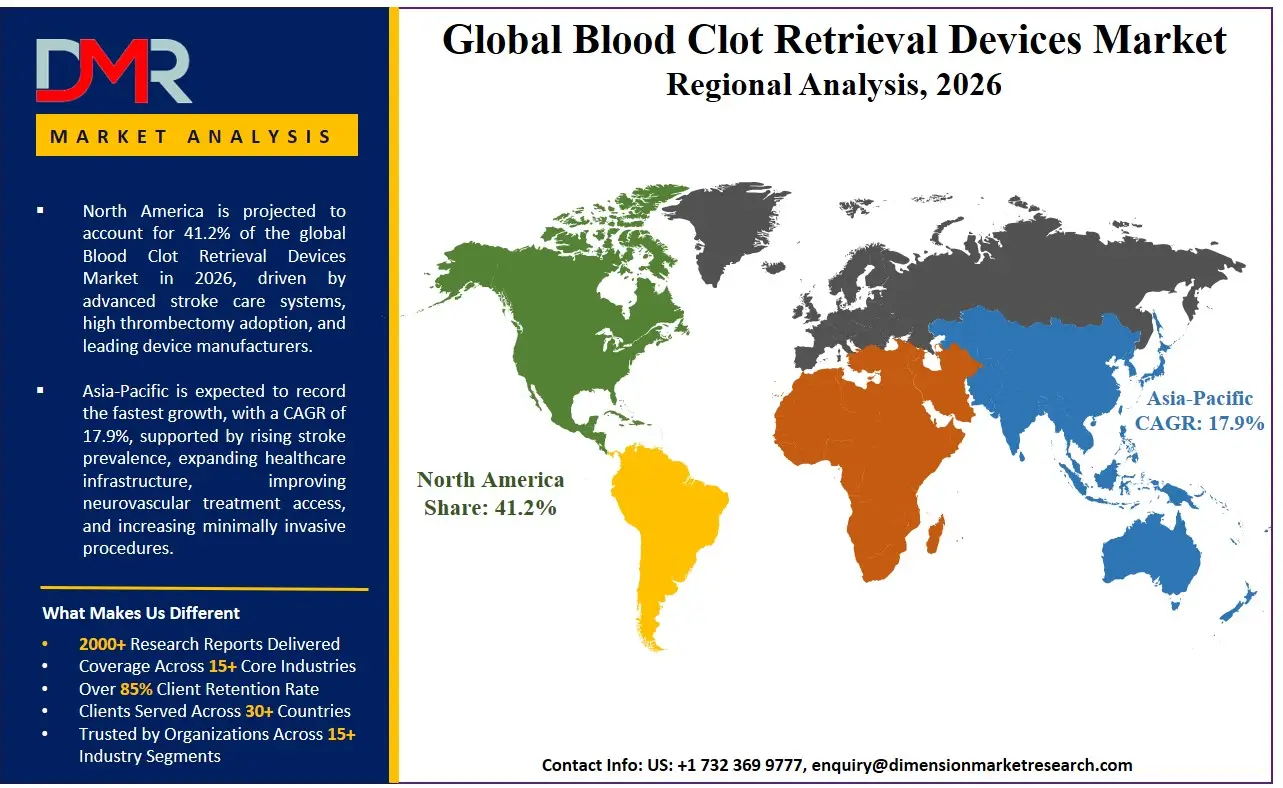
North America is poised to dominate the global blood clot retrieval devices market, as it is projected to hold 41.2% of the market share by the end of 2026. North America holds the largest percentage of the blood clot retrieval devices industry owing to the unparalleled presence of joint commission-accredited comprehensive stroke centers and a relentless effort towards making 24/7 endovascular treatment facilities available. The region boasts of a thriving ecosystem involving companies manufacturing devices globally, specialty distributors of medical equipment, and an abundance of interventionally trained neurologists and cardiologists. Investments made by hospitals in artificial intelligence-enabled imaging suites, bi-plane angiography systems, and general standardization of Code Stroke protocols have resulted in a consistent demand for stent retrievers, aspirator & stent systems, and balloon guide catheters, among other optimization strategies. Additionally, a favorable reimbursement environment by CMS has constantly enabled the financing of innovative vacuum-assisted thrombectomy procedures requiring specialized access and delivery devices.
ℹ
To learn more about this report –
Download Your Free Sample Report Here
Fastest-Growing Regional Market
The Asia-Pacific region is expected to have the fastest growing market for blood clot retrieval devices due to rising healthcare infrastructure upgrades led by governments in China, India, and South Korea. Fast growth in economy, demographic changes, and growth in the number of private hospital chains in these countries will make it imperative for the old public hospitals and newly established private hospitals to give up their inefficient pharmacological treatment programs for strokes. There is a lot of need for mechanical thrombectomy devices that will guide such large-scale hospitals toward using international standards of interventionist procedures. In addition, there is a great shortage of qualified professionals in the field of neurointerventional medicine in the Asia-Pacific region. It is imperative to use smart devices to compensate for such a shortage.
By Region
North America
Europe
- Germany
- The U.K.
- France
- Italy
- Russia
- Spain
- Benelux
- Nordic
- Rest of Europe
Asia-Pacific
- China
- Japan
- South Korea
- India
- ANZ
- ASEAN
- Rest of Asia-Pacific
Latin America
- Brazil
- Mexico
- Argentina
- Colombia
- Rest of Latin America
Middle East & Africa
- Saudi Arabia
- UAE
- South Africa
- Israel
- Egypt
- Rest of MEA
Competitive Landscape
The competitive landscape in the global market of blood clot removal devices has become exceptionally volatile, as it is characterized by the presence of numerous multinational medical devices companies, niche players in the field of neurovascular interventions, and young startups operating in the cardiovascular sector. It will be vital to establish close collaboration with full-fledged stroke treatment centers and neurovascular units, as these organizations will allow companies to develop co-development programs and provide essential proof-of-concept data on new generations of products. Market consolidation trends have become quite active, with established cardiovascular firms purchasing young ischemic stroke device manufacturers and advanced artificial intelligence solutions that enhance navigation and imaging. Proprietary innovations, such as stent retriever cells design, vacuum aspiration systems, and hybrid materials, have become a crucial component of competitive advantage.
Some of the prominent players in the Global Blood Clot Retrieval Devices Market are:
- Medtronic
- Stryker Corporation
- Penumbra, Inc.
- Johnson & Johnson MedTech
- Terumo Corporation
- Boston Scientific Corporation
- Abbott Laboratories
- Becton, Dickinson and Company
- Teleflex Incorporated
- MicroPort Scientific Corporation
- Merit Medical Systems
- Inari Medical
- Acandis GmbH
- Phenox GmbH
- Rapid Medical
- Integer Holdings Corporation
- Cook Medical
- AngioDynamics
- Imperative Care
- Vesalio
- Other Key Players
Recent Developments
- January 2026: Stryker declared it will expanding its neurovascular range, implementing an innovative project designed to help neurovascular centers manage distal vessel occlusions via developing the latest generation clot retrieval snares and micro-access & delivery devices using nitinol device manufacturing capabilities.
- November 2025: Penumbra strengthened its cooperation with one of the most popular AI-imaging software platforms and launched a particular area of expertise related to vacuum-assisted thrombectomy, which is aimed at helping hospitals and cardiac & vascular centers provide treatment for patients suffering from pulmonary embolisms.
- October 2025: Medtronic acquired a European start-up specializing in polymer-based device coatings to further its combination therapy procedures and combined aspiration & stent systems solutions, aiming to support the complicated requirements of interventionalists seeking to reduce clot friction and avoid distal embolization during stroke cases.
Report Details
| Report Characteristics |
| Market Size (2026) |
USD 3,017.0 Mn |
| Forecast Value (2035) |
USD 11,088.3 Mn |
| CAGR (2026–2035) |
15.6% |
| The US Market Size (2026) |
USD 1,045.4 Mn |
| Historical Data |
2021 – 2025 |
| Forecast Data |
2027 – 2035 |
| Base Year |
2025 |
| Estimate Year |
2026 |
| Segments Covered |
By Product Type, By Procedure Type, By Material Type, By Technology, By Route of Administration, By Application, and By End User |
| Regional Coverage |
North America – The US and Canada; Europe – Germany, The UK, France, Russia, Spain, Italy, Benelux, Nordic, & Rest of Europe; Asia-Pacific – China, Japan, South Korea, India, ANZ, ASEAN, Rest of APAC; Latin America – Brazil, Mexico, Argentina, Colombia, Rest of Latin America; Middle East & Africa – Saudi Arabia, UAE, South Africa, Turkey, Egypt, Israel, & Rest of MEA |
Frequently Asked Questions
How big is the Global Blood Clot Retrieval Devices Market?
▾ The Global Blood Clot Retrieval Devices market is poised to be valued at USD 3,017.0 million in 2026 and is projected to reach USD 11,088.3 million by 2035, driven by the universal need for effective, minimally invasive solutions for ischemic stroke, pulmonary embolism, and DVT.
What is the CAGR of the Global Blood Clot Retrieval Devices Market from 2026 to 2035?
▾ The market is expected to grow at a CAGR of 15.6% from 2026 to 2035, reflecting the expanding therapeutic window for thrombectomy and the persistent shortage of alternative treatments for large vessel occlusions.
What factors are driving the growth of the Global Blood Clot Retrieval Devices Market?
▾ Key drivers include the rising geriatric population susceptible to thromboembolic disorders, the imperative to expand access to mechanical thrombectomy, the technological complexity of treating distal vessel occlusions, and the surge in demand for combined aspiration & stent systems amid evolving clinical evidence for first-pass success.
Which region held the largest share of the Blood Clot Retrieval Devices Market in 2026?
▾ North America is poised to dominate this market with 41.2% of the market share in 2026, driven by a mature network of comprehensive stroke centers and aggressive hospital investment in stent retrievers and AI-driven neurovascular imaging capabilities.
Which region is expected to grow the fastest in the Blood Clot Retrieval Devices Market?
▾ The Asia-Pacific region is expected to grow the fastest, fueled by rapid healthcare infrastructure modernization in China and India, where access & delivery devices and aspiration catheters are critical for transitioning large hospitals to mechanical thrombectomy-capable centers.
What are the major trends in the Global Blood Clot Retrieval Devices Market?
▾ Major trends include the integration of AI into pre-procedural imaging, the rise of vacuum-assisted and ultrasound-assisted thrombectomy for venous disease, the demand for dual-therapy combined aspiration & stent systems, and the focus on nitinol-based device optimization for distal vessel navigation.
Who are the key players in the Global Blood Clot Retrieval Devices Market?
▾ Key players include leading neurovascular companies like Stryker, Medtronic, and Penumbra, as well as the interventional divisions of global players like Johnson & Johnson (Cerenovus) and Terumo, alongside specialized pure-play thrombectomy companies like Inari Medical and Imperative Care.
How is the Global Blood Clot Retrieval Devices Market segmented?
▾ The market is segmented by Product Type, Procedure Type, Material Type, Technology, Route of Administration, Application, and End User.