What is the Cardiovascular Drugs Market Size?
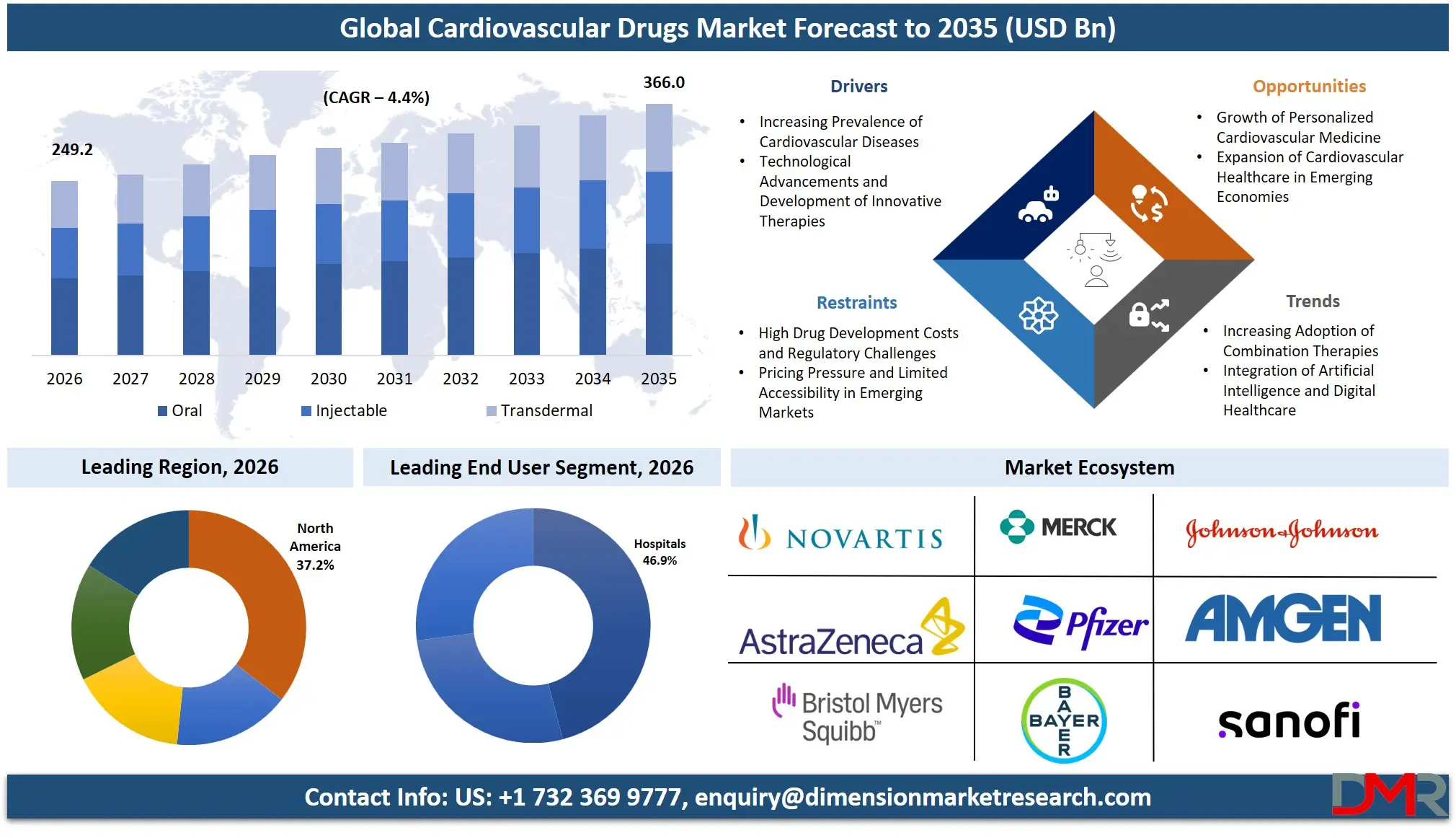
The Cardiovascular Drugs Market size is expected to be USD 249.2 billion in 2026 and increase at a compound annual growth rate of 4.4% to USD 366.0 billion in 2035 growing increasing prevalence of cardiovascular diseases.
ℹ
To learn more about this report –
Download Your Free Sample Report Here
The cardiovascular drugs market encompasses pharmaceutical products used for the prevention, treatment, and management of cardiovascular diseases, including hypertension, heart failure, arrhythmia, coronary artery disease, and dyslipidemia. The market includes antihypertensive drugs, lipid-lowering therapies, antithrombotic medications, heart failure treatments, antiarrhythmics, and antianginal drugs. It plays a critical role in the global healthcare industry due to the rising prevalence of cardiovascular disorders, aging populations, and increasing healthcare expenditure. Emerging trends such as personalized medicine, AI-assisted drug discovery, advanced biologics, and the adoption of novel therapies like SGLT2 inhibitors and PCSK9 inhibitors are accelerating market growth.
The US Cardiovascular Drugs Market
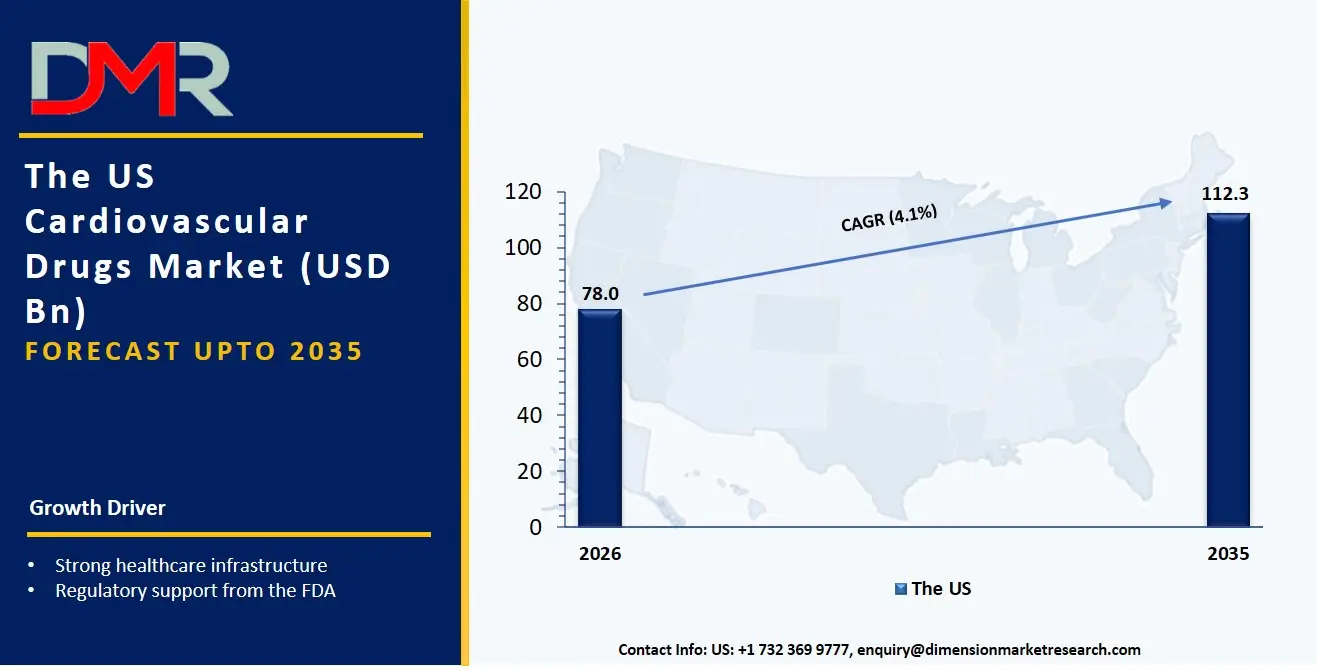
The US Cardiovascular Drugs Market size is estimated to be USD 78.0 billion in 2026 and is expected to increase at a CAGR of 4.1% over the forecast period.
ℹ
To learn more about this report –
Download Your Free Sample Report Here
The US cardiovascular drugs market is one of the largest globally, driven by the high prevalence of hypertension, obesity, diabetes, and coronary artery diseases. Strong healthcare infrastructure, advanced research capabilities, and significant pharmaceutical investments support market expansion. Regulatory support from the FDA, increasing adoption of innovative therapies, and favorable reimbursement policies enhance drug accessibility. Major pharmaceutical companies focus on cardiovascular research, precision medicine, and clinical trials to maintain competitiveness. Rising demand for specialty drugs, biologics, and advanced heart failure therapies is expected to strengthen market growth in the coming years.
Europe Cardiovascular Drugs Market
The Europe Cardiovascular Drugs Market size is estimated to be USD 54.8 billion in 2026 and is expected to increase at a CAGR of 4.2% over the forecast period.
The European cardiovascular drugs market is supported by increasing cardiovascular disease awareness, government healthcare initiatives, and strong regulatory frameworks. Policies promoting preventive healthcare, cost-effective treatments, and access to innovative medicines contribute to adoption. European countries are witnessing growing demand for lipid management therapies, anticoagulants, and heart failure medications due to aging populations. The region emphasizes clinical innovation, digital healthcare integration, and personalized treatment approaches. Initiatives focused on reducing cardiovascular mortality and improving healthcare sustainability continue to encourage pharmaceutical development and market expansion across European economies.
Japan Cardiovascular Drugs Market
The market size of Japan Cardiovascular Drugs will be USD 12.5 billion in 2026 and at a CAGR of 4.6% in the forecast period.
The Japan cardiovascular drugs market is expanding due to rapid population aging, rising cases of hypertension, and increased healthcare requirements among elderly populations. Government programs supporting preventive healthcare and advanced medical research are encouraging pharmaceutical innovation. The country shows strong demand for hypertension treatments, anticoagulants, and heart failure drugs. Growing adoption of digital health solutions and precision medicine approaches creates new opportunities. However, challenges such as strict regulatory requirements and pricing pressures influence market strategies. Japan's advanced healthcare system and focus on improving elderly care continue to drive cardiovascular drug adoption.
Key Takeaways
- Market Size & Forecast: The Cardiovascular Drugs Market size is projected to reach USD 249.2 billion in 2026 and is anticipated to have a value of USD 366.0 billion in 2035.
- Growth Rate & Outlook: The Cardiovascular Drugs Market size is set to grow at a compound annual growth rate of 4.4% during the forecast period of 2026 to 2035.
- Primary Growth Drivers: Some of the major growth drivers in the market are Increasing Prevalence of Cardiovascular Diseases and more.
- Key Market Trends: Some of the major trends in the market are Increasing Adoption of Combination Therapies, and more.
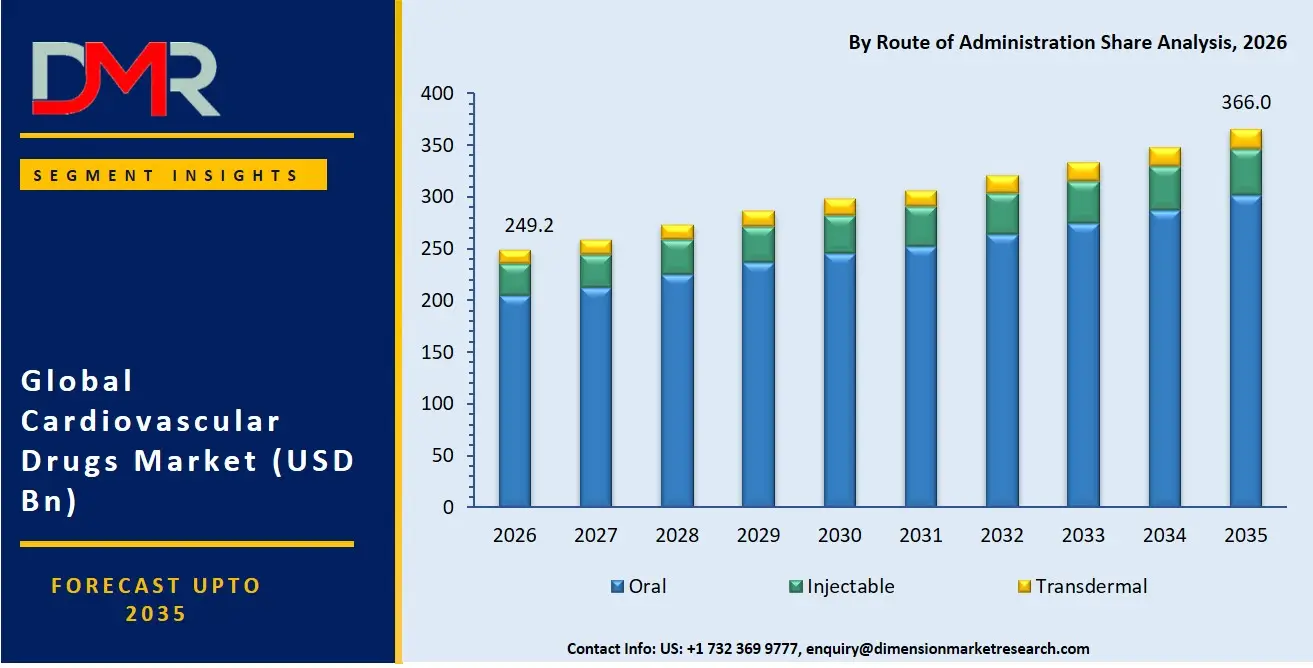
- By Route of Administration Type: Oral segment is anticipated to get the majority share of the Cardiovascular Drugs Market in 2026.
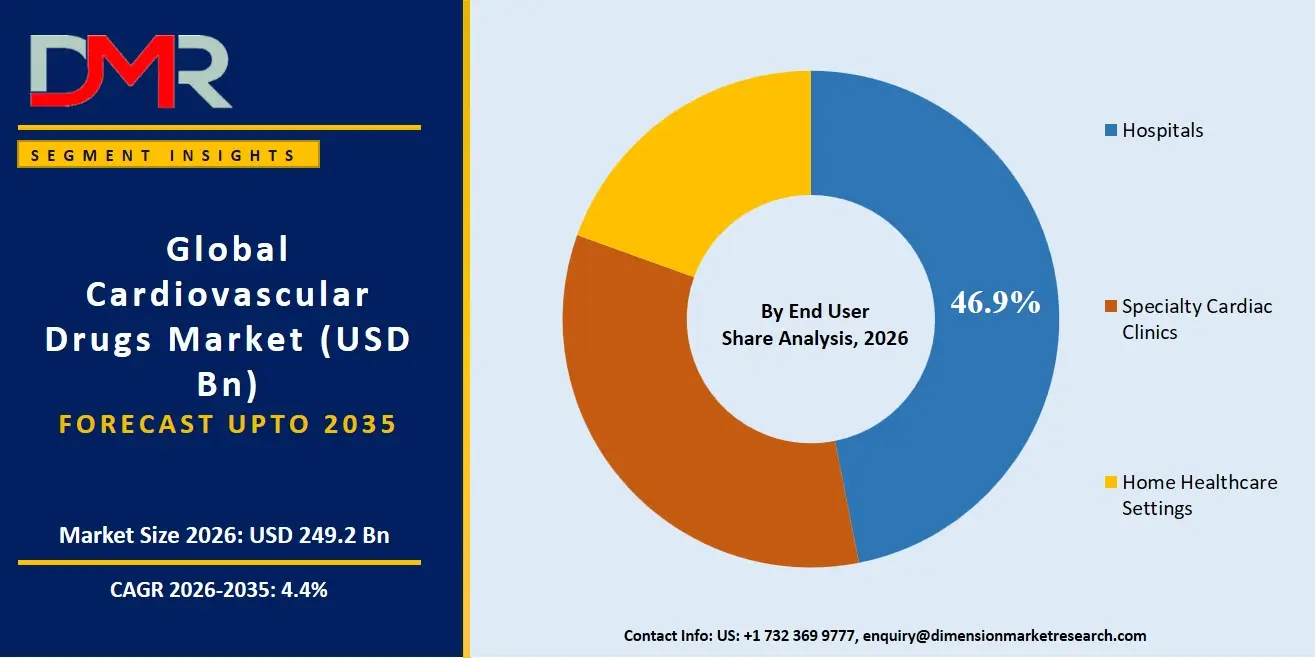
- By End User Type: Hospitals are expected to get the largest revenue share in 2026 in the Cardiovascular Drugs Market.
- Regional Leadership: North America is set to lead the Cardiovascular Drugs Market with an estimated 37.2% share in 2026.
What is the Cardiovascular Drugs?
Cardiovascular drugs are therapeutic medications designed to prevent, manage, and treat diseases affecting the heart and blood vessels. These drugs regulate blood pressure, cholesterol levels, blood clot formation, heart rhythm, and cardiac function. They include antihypertensives, anticoagulants, antiplatelets, lipid-lowering agents, heart failure medicines, and antiarrhythmic therapies. These medications help reduce cardiovascular risk factors, improve patient outcomes, and support long-term disease management through pharmacological intervention.
Use Cases
- Hypertension Management: Cardiovascular drugs are widely used for controlling high blood pressure through medications such as ACE inhibitors, ARBs, beta blockers, calcium channel blockers, and diuretics. These therapies reduce cardiovascular risks by maintaining healthy blood pressure levels and preventing complications such as stroke, heart failure, and kidney damage.
- Cholesterol Reduction and Lipid Management: Lipid-lowering cardiovascular drugs, including statins and PCSK9 inhibitors, are used to reduce harmful cholesterol levels and prevent plaque formation in arteries. These therapies support long-term cardiovascular health and are increasingly adopted due to rising awareness of preventive cardiac care.
- Heart Failure Treatment: Advanced cardiovascular drugs such as ARNI, SGLT2 inhibitors, and mineralocorticoid receptor antagonists help improve cardiac function and reduce hospitalization rates among heart failure patients. Growing clinical evidence supporting these therapies is increasing their adoption worldwide.
- Blood Clot Prevention: Antithrombotic drugs, including anticoagulants and antiplatelet medications, are essential for preventing blood clot formation in patients with cardiovascular conditions. These drugs are commonly used after cardiac procedures and for managing risks associated with stroke and atrial fibrillation.
How AI Is Transforming the Cardiovascular Drugs Market
Artificial intelligence is transforming the cardiovascular drugs market by accelerating drug discovery, improving clinical trial efficiency, and enabling predictive healthcare solutions. AI algorithms analyze large-scale biological, genomic, and clinical datasets to identify potential drug candidates and optimize therapeutic approaches. Machine learning models help researchers predict drug interactions, improve safety assessments, and reduce development timelines. AI-powered platforms also support personalized medicine by identifying patient-specific treatment responses and cardiovascular risk factors.
AI technologies are enhancing patient monitoring and treatment management through advanced analytics, wearable devices, and remote healthcare platforms. AI-based diagnostic systems assist physicians in early disease detection, treatment selection, and risk prediction for conditions such as heart failure and arrhythmia. Pharmaceutical companies are increasingly integrating AI into research pipelines to improve operational efficiency, reduce costs, and develop next-generation cardiovascular therapies with improved efficacy.
Market Dynamic
Driving Factors in the Cardiovascular Drugs Market
Increasing Prevalence of Cardiovascular Diseases
The growing global burden of cardiovascular diseases is the primary factor driving demand for cardiovascular drugs. Rising incidences of hypertension, diabetes, obesity, and lifestyle-related disorders have increased the need for effective pharmaceutical treatments. Aging populations in developed and emerging economies further contribute to higher medication requirements. Healthcare systems are investing in early diagnosis and preventive treatment strategies, increasing the adoption of cardiovascular therapies. Continuous advancements in clinical research are also leading to improved drug efficacy and broader treatment options, supporting long-term market expansion.
Restraints in the Cardiovascular Drugs Market
High Drug Development Costs and Regulatory Challenges
The development of cardiovascular drugs requires extensive clinical trials, significant investments, and strict regulatory approvals. Long research timelines and high costs associated with safety testing create barriers for market entry. Regulatory authorities demand strong evidence regarding drug effectiveness and safety, increasing development complexity. Smaller pharmaceutical companies may face difficulties competing with established organizations due to limited research budgets. These challenges can delay product launches and restrict innovation, affecting overall market growth.
Opportunities in the Cardiovascular Drugs Market
Growth of Personalized Cardiovascular Medicine
Personalized medicine represents a significant opportunity for cardiovascular drug development by enabling treatments based on individual patient characteristics, genetic profiles, and disease conditions. Advances in biomarker identification and molecular diagnostics allow healthcare providers to select more effective therapies. Pharmaceutical companies are increasingly exploring precision-based cardiovascular treatments to improve patient outcomes. This approach can create new revenue opportunities by supporting targeted drug development and reducing treatment failures.
Trends in the Cardiovascular Drugs Market
Increasing Adoption of Combination Therapies
Combination therapies are becoming increasingly popular in cardiovascular disease management because they improve treatment effectiveness and patient compliance. Fixed-dose combinations combining multiple mechanisms of action help simplify medication schedules and improve long-term disease control. This trend is particularly visible in hypertension and heart failure treatment, where multiple risk factors often require simultaneous management. Pharmaceutical companies are developing innovative combinations to address complex cardiovascular conditions.
Research Scope and Analysis
The research scope analyzes the cardiovascular drugs market by drug class, route of administration, distribution channel, and end user. It evaluates market trends, growth drivers, challenges, regional performance, technological advancements, competitive strategies, and emerging opportunities influencing future industry expansion.
ℹ
To learn more about this report –
Download Your Free Sample Report Here
By Drug Class Analysis
The drug class segment represents a major component of the cardiovascular drugs market, with antihypertensive drugs estimated to hold the leading market share of approximately 31.8% in 2026. This dominance is attributed to the increasing prevalence of hypertension worldwide, growing elderly populations, and extensive usage of ACE inhibitors, ARBs, beta blockers, calcium channel blockers, and diuretics for long-term blood pressure management. Lipid-lowering drugs are also witnessing significant adoption due to rising awareness regarding cholesterol control and cardiovascular disease prevention. The fastest-growing segment within this category is expected to be heart failure drugs, particularly SGLT2 inhibitors and ARNI therapies, driven by strong clinical evidence, expanding indications, and increasing demand for advanced treatments that reduce hospitalization and mortality rates among heart failure patients.
By Route of Administration Analysis
The route of administration segment is dominated by oral cardiovascular drugs, which are projected to account for approximately 82.4% of the market share in 2026 due to their convenience, affordability, patient acceptance, and widespread use in chronic disease management. Most cardiovascular conditions require long-term medication adherence, making oral formulations the preferred choice among healthcare providers and patients.
ℹ
To learn more about this report –
Download Your Free Sample Report Here
Injectable cardiovascular drugs continue to gain importance in emergency care, acute cardiac events, and hospital-based treatments. The fastest-growing segment is expected to be injectable therapies, supported by increasing demand for biologics, advanced anticoagulant treatments, and hospital interventions requiring rapid therapeutic action. Improvements in drug delivery technologies are further supporting innovation in injectable cardiovascular medications.
By Distribution Channel Analysis
The distribution channel segment is led by hospital pharmacies, expected to represent approximately 41.6% of the cardiovascular drugs market share in 2026. Hospitals remain the primary distribution point due to the high number of cardiovascular procedures, inpatient treatments, and physician-controlled medication administration. Retail pharmacies also contribute significantly by supporting long-term outpatient medication requirements for chronic cardiovascular conditions. The fastest-growing segment is expected to be online pharmacies, driven by increasing digital healthcare adoption, improved logistics networks, rising internet penetration, and consumer preference for convenient medicine delivery. Online platforms are becoming increasingly important for chronic disease patients requiring regular refills and medication management solutions.
By End User Analysis
The end-user segment is expected to be dominated by hospitals, accounting for approximately 46.9% of the market share in 2026 due to their role in diagnosing, treating, and managing complex cardiovascular disorders. Hospitals provide advanced cardiac care services, including emergency interventions, surgeries, and specialized treatment programs requiring continuous medication support. Specialty cardiac clinics are expanding rapidly due to increasing demand for focused cardiovascular management and personalized treatment plans. The fastest-growing segment is projected to be home healthcare settings, supported by the rising adoption of remote patient monitoring, aging populations, healthcare cost reduction initiatives, and increased preference for managing chronic cardiovascular diseases outside traditional hospital environments.
The Cardiovascular Drugs Market Report is segmented on the basis of the following:
By Drug Class
- Antihypertensive Drugs
- ACE Inhibitors
- ARBs
- Beta Blockers
- Calcium Channel Blockers
- Diuretics
- Lipid-Lowering Drugs
- Statins
- PCSK9 Inhibitors
- Fibrates
- Antithrombotic Drugs
- Anticoagulants
- Antiplatelet Drugs
- Heart Failure Drugs
- ARNI
- SGLT2 Inhibitors
- MRAs
- Antiarrhythmic Drugs
- Antianginal Drugs
By Route of Administration
- Oral
- Injectable
- Transdermal
By Distribution Channel
- Hospital Pharmacies
- Retail Pharmacies
- Online Pharmacies
By End User
- Hospitals
- Specialty Cardiac Clinics
- Home Healthcare Settings
Regional Analysis
Leading Region in the Cardiovascular Drugs Market
ℹ
To learn more about this report –
Download Your Free Sample Report Here
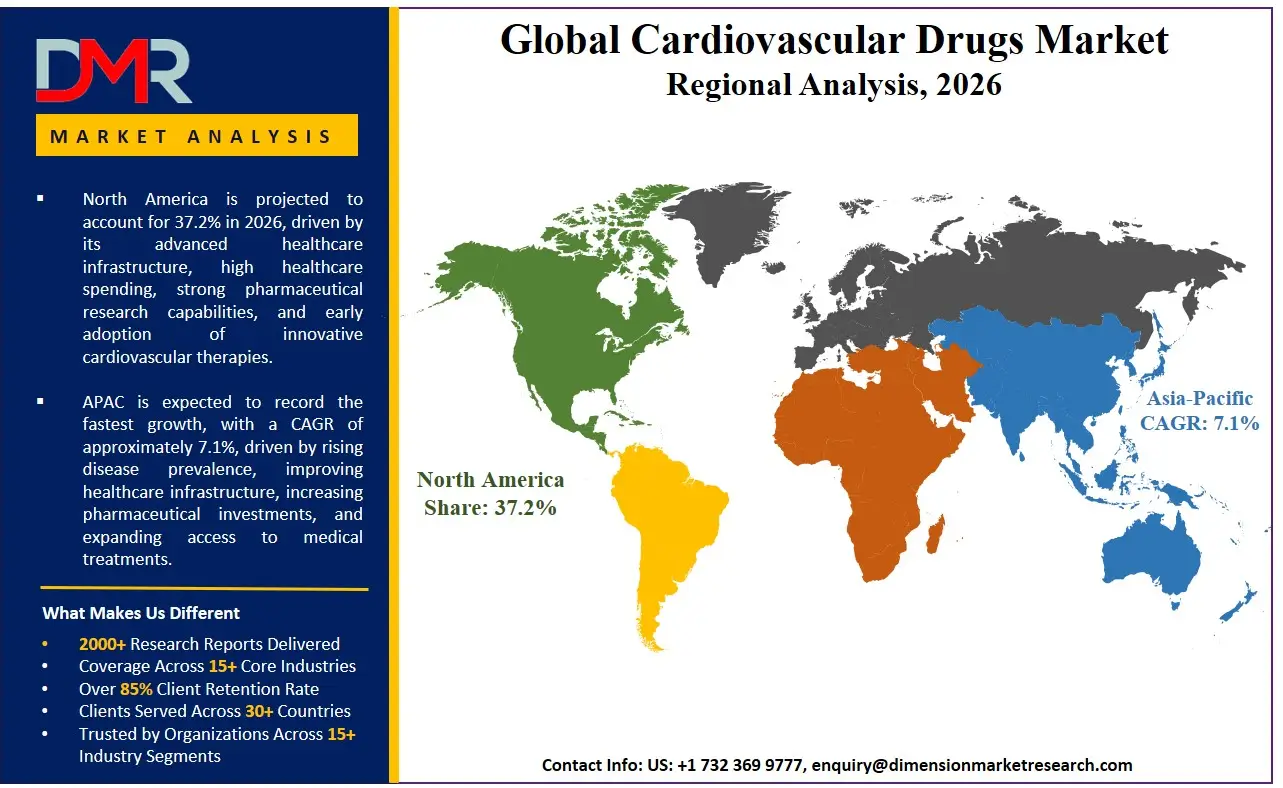
North America is expected to remain the leading region in the cardiovascular drugs market, accounting for an estimated 37.2% market share in 2026. The region's dominance is supported by advanced healthcare infrastructure, high healthcare spending, strong pharmaceutical research capabilities, and early adoption of innovative cardiovascular therapies. The United States contributes significantly due to a high prevalence of cardiovascular diseases, favorable reimbursement systems, and extensive clinical research activities. Government initiatives focused on reducing cardiovascular mortality, improving preventive healthcare, and supporting pharmaceutical innovation strengthen regional growth. Additionally, widespread adoption of advanced drugs such as PCSK9 inhibitors, SGLT2 inhibitors, and novel anticoagulants further enhances North America's market position.
Fastest Growing Region in the Cardiovascular Drugs Market
Asia-Pacific is projected to be the fastest-growing region in the cardiovascular drugs market due to rising disease prevalence, improving healthcare infrastructure, increasing pharmaceutical investments, and expanding access to medical treatments. Countries such as China, India, and Japan are experiencing growing demand for cardiovascular medications because of aging populations, urbanization, changing lifestyles, and increasing rates of hypertension and diabetes. Government healthcare reforms, expansion of insurance coverage, and investments in domestic pharmaceutical manufacturing are accelerating market development. The region also provides significant opportunities for multinational pharmaceutical companies due to its large patient population and increasing adoption of advanced cardiovascular therapies.
By Region
North America
Europe
- Germany
- The U.K.
- France
- Italy
- Russia
- Spain
- Benelux
- Nordic
- Rest of Europe
Asia-Pacific
- China
- Japan
- South Korea
- India
- ANZ
- ASEAN
- Rest of Asia-Pacific
Latin America
- Brazil
- Mexico
- Argentina
- Colombia
- Rest of Latin America
Middle East & Africa
- Saudi Arabia
- UAE
- South Africa
- Israel
- Egypt
- Rest of MEA
Competitive Landscape
The cardiovascular drugs market is characterized by intense competition, continuous innovation, and strong emphasis on research and development. Companies operating in this market focus on expanding therapeutic portfolios, developing differentiated drug formulations, and improving clinical effectiveness to maintain market positions. Strategic collaborations, licensing agreements, and investments in biotechnology and precision medicine are becoming common approaches. High regulatory requirements, substantial clinical trial costs, and the need for strong distribution networks create significant entry barriers. Competitive advantages are achieved through innovative therapies, patent protection, global commercialization capabilities, and the ability to address unmet medical needs in cardiovascular disease management.
Some of the prominent players in the global Cardiovascular Drugs are:
- Pfizer Inc.
- AstraZeneca PLC
- Novartis AG
- Bayer AG
- Bristol Myers Squibb
- Johnson & Johnson
- Merck & Co., Inc.
- Sanofi
- Amgen Inc.
- Boehringer Ingelheim
- Novo Nordisk A/S
- Abbott Laboratories
- AbbVie Inc.
- Eli Lilly and Company
- Daiichi Sankyo Company, Limited
- Otsuka Pharmaceutical Co., Ltd.
- Takeda Pharmaceutical Company Limited
- Teva Pharmaceutical Industries Ltd.
- Viatris Inc.
- Sun Pharmaceutical Industries Ltd.
- Other Key Players
Recent Developments
- In May 2025, AstraZeneca expanded its cardiovascular and metabolic disease research activities by focusing on therapies designed to address heart failure, chronic kidney disease, and cardiovascular risk factors. The company continued leveraging clinical research capabilities to develop treatments that provide broader benefits across interconnected diseases. This strategic expansion reflects the growing demand for multifunctional cardiovascular therapies and integrated disease management approaches. AstraZeneca's investment in innovative cardiovascular solutions demonstrates the market's movement toward therapies supported by strong clinical evidence and improved patient outcomes. Such developments are expected to accelerate competition and innovation across the global cardiovascular drugs market.
- In March 2025, Novartis expanded its cardiovascular medicine strategy by advancing research programs focused on heart failure and related cardiovascular conditions. The company continued investing in innovative therapies designed to improve patient outcomes through targeted mechanisms and improved disease management approaches. The development reflects the increasing industry focus on addressing chronic cardiovascular conditions through advanced pharmaceutical solutions. Novartis emphasized research-driven innovation, clinical development, and collaboration-based approaches to accelerate cardiovascular treatment improvements. The company's continued commitment to cardiovascular medicine highlights the importance of next-generation therapies in reducing disease burden and improving long-term patient care worldwide.
- In February 2025, Eli Lilly announced continued expansion of its cardiovascular research initiatives focused on developing innovative therapies targeting metabolic and cardiovascular diseases. The company strengthened its research strategy by exploring treatments addressing interconnected conditions such as obesity, diabetes, and cardiovascular risk. The development highlighted the growing importance of metabolic pathways in cardiovascular disease management and reflected the industry shift toward integrated treatment approaches. Eli Lilly's investment in advanced clinical research and next-generation therapies demonstrates increasing pharmaceutical focus on preventive cardiovascular care and personalized treatment solutions. The initiative is expected to support future cardiovascular drug innovation and strengthen competition within the global market.
Report Details
| Report Characteristics |
| Market Size (2026) |
USD 249.2 Bn |
| Forecast Value (2035) |
USD 366.0 Bn |
| CAGR (2026–2035) |
4.4% |
| Historical Period |
2021 – 2025 |
| Forecast Period |
2027 – 2035 |
| Base Year |
2025 |
| Estimate Year |
2026 |
| Segments Covered |
By Drug Class, By Route of Administration, By Distribution Channel, By End User |
| Regional Coverage |
North America – The US and Canada; Europe – Germany, The UK, France, Russia, Spain, Italy, Benelux, Nordic, & Rest of Europe; Asia-Pacific – China, Japan, South Korea, India, ANZ, ASEAN, Rest of APAC; Latin America – Brazil, Mexico, Argentina, Colombia, Rest of Latin America; Middle East & Africa – Saudi Arabia, UAE, South Africa, Turkey, Egypt, Israel, & Rest of MEA |
Frequently Asked Questions
How big is the Cardiovascular Drugs Market?
▾ The Cardiovascular Drugs Market size is expected to reach USD 249.2 billion by 2026 and is projected to reach USD 366.0 billion by the end of 2035.
What is the CAGR of the Cardiovascular Drugs Market from 2026 to 2035?
▾ The market is growing at a CAGR of 4.4 percent over the forecasted period.
What factors are driving the growth of the Cardiovascular Drugs Market?
▾ Increasing Prevalence of Cardiovascular Diseases, and more are the factors driving the growth of the Cardiovascular Drugs Market.
What are the major trends in the Cardiovascular Drugs Market?
▾ Increasing Adoption of Combination Therapies, and more are some of the major trends in the market.
Who are the key players in the Cardiovascular Drugs Market?
▾ Some of the key players in the Cardiovascular Drugs Market include Pfizer, Merck, Sanofi, and more
How is the Cardiovascular Drugs Market segmented?
▾ The Cardiovascular Drugs Market is segmented by drug class, route of administration, distribution channel, end user.
Which region held the largest share of the Cardiovascular Drugs Market in 2026?
▾ North America is set to lead the Cardiovascular Drugs Market with an estimated 37.2% share in 2026.
Which region is expected to grow the fastest in the Cardiovascular Drugs Market?
▾ Asia Pacific is the fastest-growing region in the Cardiovascular Drugs Market during the forecast period.