Global Chronic Obstructive Pulmonary Disease Market Snapshot
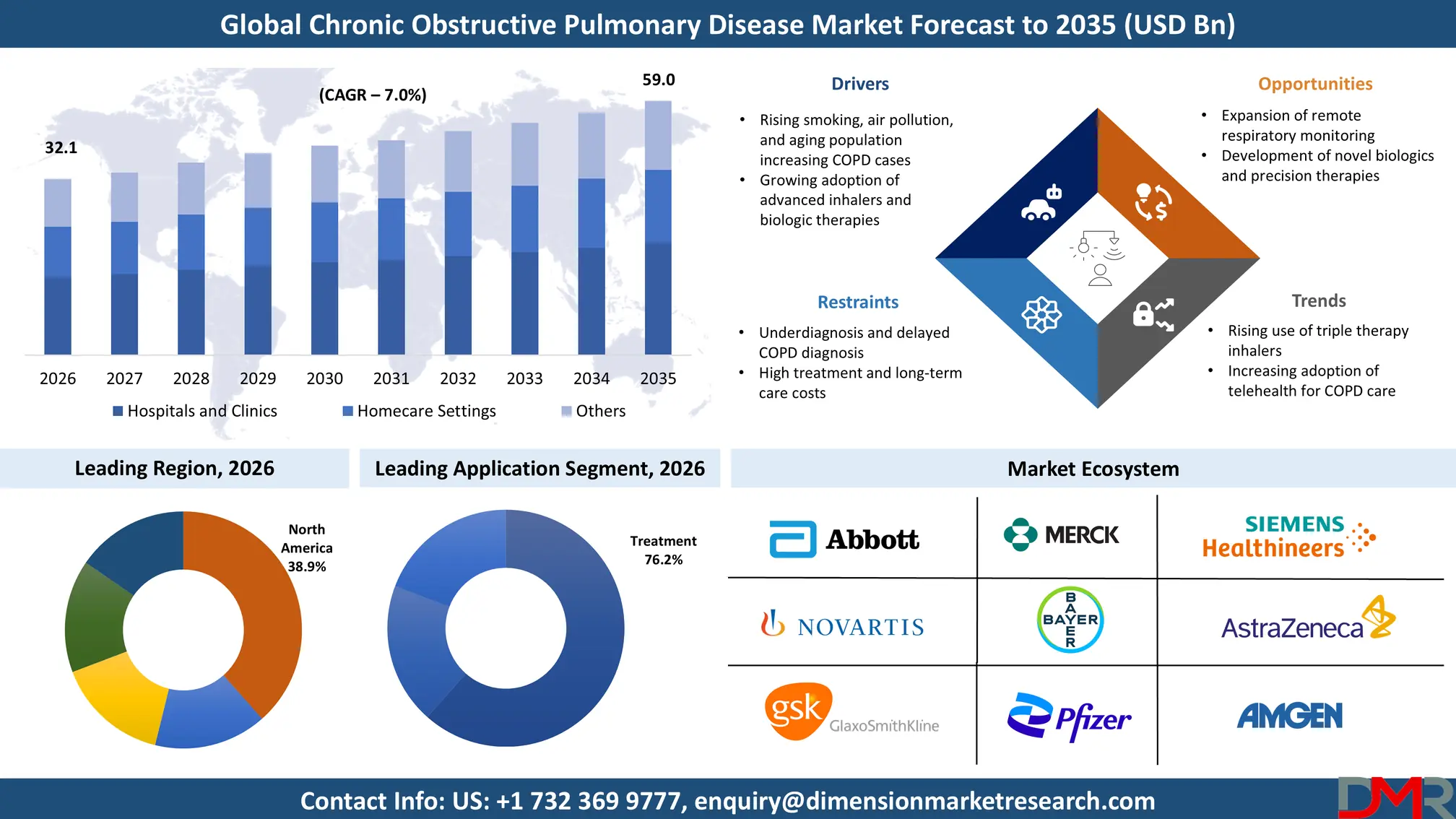
- Global COPD Market Size in 2026: USD 32.1 Billion
- Global COPD Market Size in 2035: USD 59.0 Billion
- Global CAGR from 2026 to 2035: 7.0%
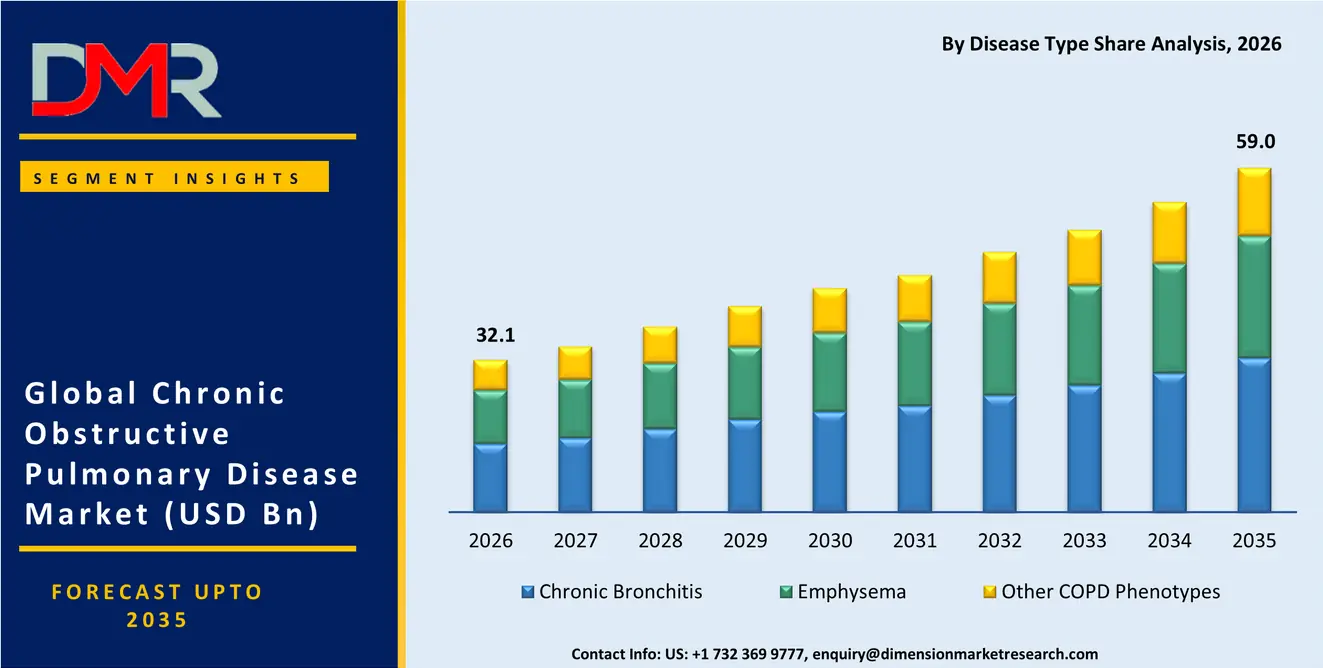
- Chronic Bronchitis is the leading disease type segment in 2026: 60.2%
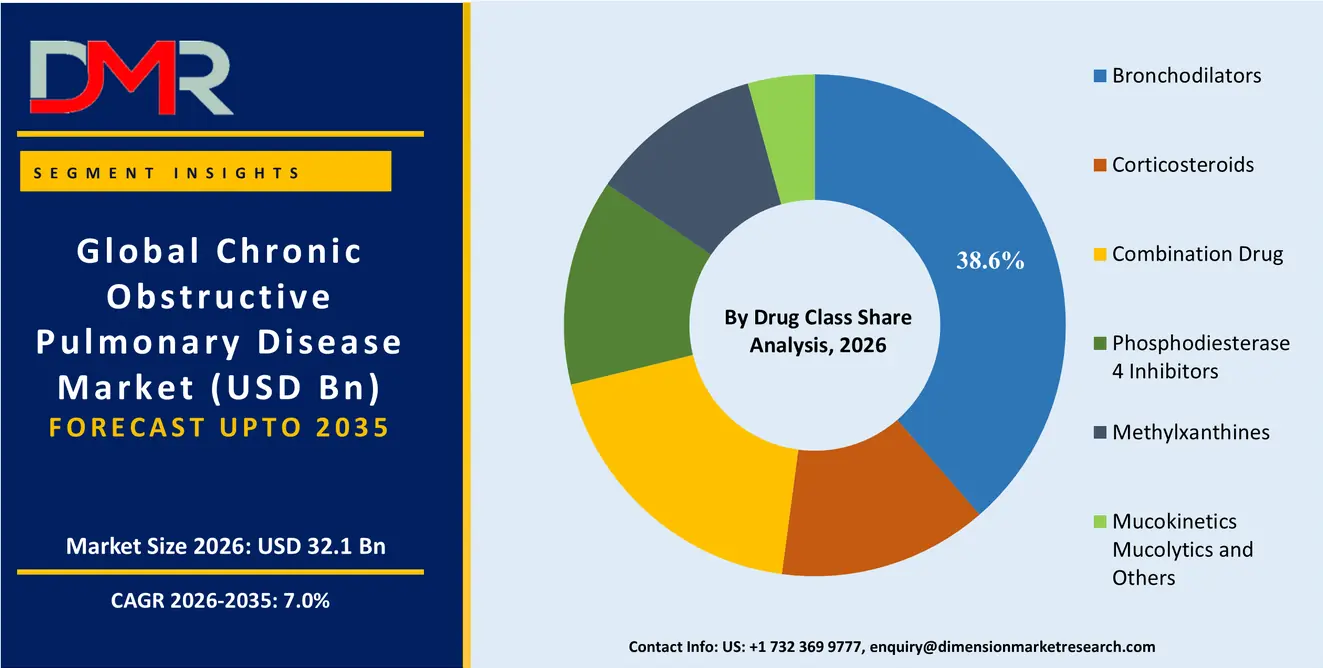
- Bronchodilators is the leading drug class segment in 2026: 38.6%
- Inhalation is the leading route of administration segment in 2026: 67.8%
- Drug Therapy is the leading treatment type segment in 2026: 54.8%
- Treatment is the leading application segment in 2026: 76.2%
- Hospitals and Clinics is the leading end user segment in 2026: 48.5%
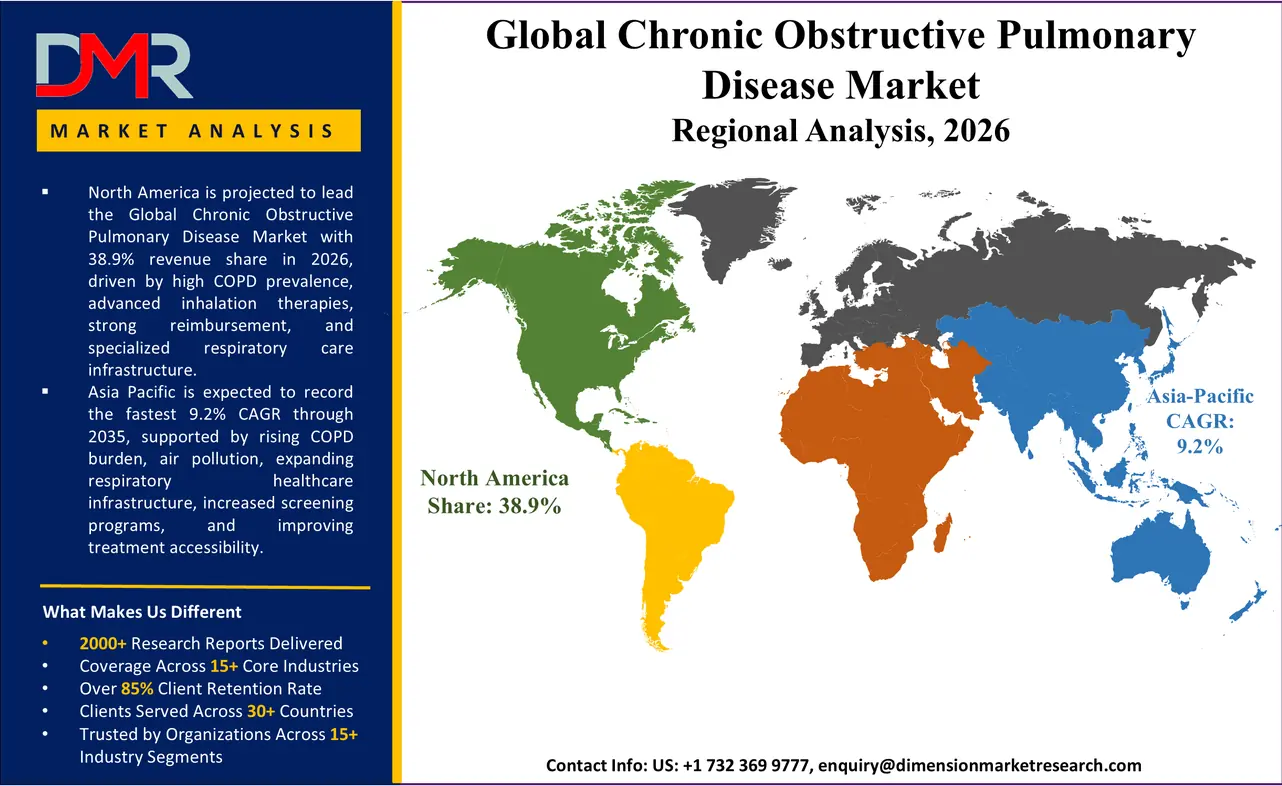
- North America is the leading region in 2026: 38.9%
What is the Global Chronic Obstructive Pulmonary Disease and its Market Size?
The Global Chronic Obstructive Pulmonary Disease Market is projected to be valued at USD 32.1 billion in 2026 and is projected to reach USD 59.0 billion by 2035, expanding at a CAGR of 7.0% during the forecast period.
ℹ
To learn more about this report –
Download Your Free Sample Report Here
Growth is being propelled by the surging global prevalence of chronic bronchitis and emphysema-driven airflow limitation, sustained tobacco use and biomass fuel exposure in developing markets, and an aging demographic structure predisposed to progressive lung function decline. The adoption of triple-therapy inhalers and biologic add-on treatments with proven exacerbation-reduction outcomes, rising clinical implementation of spirometry-based screening in at-risk populations, and expanding reimbursement frameworks for home oxygen therapy and pulmonary rehabilitation are reshaping care paradigms.
Use Cases
- Early Airflow Limitation Detection and Risk Stratification: Primary care and pulmonology practices deploy spirometry testing and post-bronchodilator FEV1/FVC ratio assessment to identify patients with early chronic bronchitis or emphysema at high risk of disease progression.
- Optimized Exacerbation Management with Remote Monitoring: Pulmonology clinics and homecare programs utilize connected inhalers and cloud-based platforms that continuously transmit medication adherence, symptom scores, and oxygen saturation trends to respiratory care teams.
- Advanced Oxygen Therapy Adherence and Titration Support: Homecare providers employ portable oxygen concentrators and long-term oxygen therapy titration protocols, alongside pulse oximetry monitoring, to optimize hypoxemia management in advanced-stage patients.
- Biologic Therapy Selection in Eosinophilic COPD Phenotypes: Pulmonologists and allergists co-manage patients with an eosinophilic COPD phenotype by initiating guideline-directed biologic add-on therapy alongside standard triple-therapy inhalers to reduce exacerbation frequency.
Key Takeaways
- Market Size: The Global COPD Market is anticipated to be valued at USD 32.1 billion in 2026 and is forecast to reach USD 59.0 billion by 2035, expanding at a CAGR of 7.0%.
- Growth Outlook: Market expansion is sustained by the inexorable rise in chronic bronchitis and emphysema prevalence, the global acceptance of triple-therapy and biologic pharmacotherapy, the push toward home-based oxygen therapy and pulmonary rehabilitation, and the integration of digital health tools for remote adherence monitoring and early pulmonology engagement.
- Primary Growth Drivers: A mounting diagnosed COPD population requiring escalating drug therapy, breakthrough clinical trial evidence for novel biologic drug classes reducing exacerbations, regulatory incentives for innovative respiratory diagnostics, and shifting payment models toward value-based respiratory care are accelerating investment across the pulmonary healthcare continuum.
- By Disease Type Analysis: Chronic Bronchitis is projected to lead the disease type segment with a dominant 60.2% share in 2026, driven by its high prevalence among long-term smokers and its association with persistent productive cough and recurrent exacerbations, while Emphysema holds a 7.4% share reflecting its more advanced, structurally destructive disease presentation.
- By Drug Class Analysis: Bronchodilators are anticipated to hold a 38.6% share in 2026, reflecting their entrenched role as first-line symptomatic therapy across all COPD severities, while Combination Drugs hold an 8.1% share and are gaining ground as single-inhaler triple therapy becomes standard of care.
- By Route of Administration Analysis: Inhalation is expected to command a 67.8% share in 2026, underpinned by the dominance of metered-dose and dry powder inhalers delivering bronchodilators and corticosteroids directly to the airways, with Injectable and Parenteral routes achieving a 9.4% share as biologic add-on therapies expand.
- By Treatment Type Analysis: Drug Therapy is projected to account for 54.8% of the market in 2026, fueled by the central role of maintenance pharmacotherapy across all disease stages, while Oxygen Therapy holds an 8.7% share supporting patients with advanced hypoxemic disease.
- By Application Analysis: Treatment is expected to lead with a 76.2% share in 2026 as the central focus of COPD healthcare expenditure, while Diagnosis holds an 8.9% share supported by expanding spirometry-based screening initiatives.
- By End User Analysis: Hospitals and Clinics is expected to lead with a 48.5% share in 2026 as the central hub for exacerbation management, pulmonary function testing, and specialist consultation, while Homecare Settings hold a 9.1% share and are growing steadily due to patient preference for long-term oxygen therapy and pulmonary rehabilitation at home.
How AI/Gen AI is Transforming the Chronic Obstructive Pulmonary Disease Market?
Artificial intelligence and digital health technologies are fundamentally reshaping COPD care by enabling earlier detection, personalized risk prediction, and remote disease management. Machine learning algorithms trained on large-scale electronic health records and spirometry datasets dynamically estimate individual patient trajectories of lung function decline and predict short-term risk of acute exacerbation with high discrimination. These predictive models are being embedded into clinical workflow tools that flag primary care patients with undiagnosed airflow limitation and prompt guideline-concordant spirometry testing, closing critical gaps in early pulmonology referral. AI-powered analysis of chest imaging and connected inhaler sensor data quantifies emphysematous tissue destruction and adherence patterns, supplementing functional biomarkers for a more comprehensive disease staging assessment.
Key Drivers in the Global Chronic Obstructive Pulmonary Disease Market
Escalating Global Burden of Smoking, Air Pollution, and Occupational Exposure
Tobacco smoking, ambient and household air pollution, and occupational dust and chemical exposure remain the dominant etiological forces behind chronic bronchitis and emphysema, together accounting for the majority of incident COPD cases worldwide. The persistence of smoking in several regions, coupled with biomass fuel combustion in low- and middle-income countries and an aging population predisposed to cumulative lung damage, is expanding the pool of individuals with progressive airflow limitation. As global COPD prevalence continues to climb, the downstream demand for spirometry-based diagnostics, bronchodilator and corticosteroid pharmacotherapy, and oxygen therapy intensifies commensurately.
Expanding Clinical Evidence for Triple Therapy and Biologic Add-On Treatment
Landmark exacerbation-reduction trials over the past several years have repositioned single-inhaler triple therapy and biologic add-on treatments targeting the eosinophilic COPD phenotype as cornerstone therapies that improve lung function and meaningfully reduce moderate-to-severe exacerbations. Robust composite endpoint benefits demonstrated across major trial programs have triggered significant updates to GOLD clinical practice guidelines, expanding the eligible treatment population to include patients inadequately controlled on standard inhaled therapy. This evidence-driven therapeutic paradigm shift is generating sustained, high-volume demand for these drug classes, elevating the pharmaceutical segment's market dominance and propelling accelerated growth for biologics and next-generation combination inhalers.
Restraints in the Global Chronic Obstructive Pulmonary Disease Market
High Cost and Limited Accessibility of Advanced Therapies and Oxygen Equipment
Despite their clinical benefits, biologic add-on therapies, triple-combination inhalers, and long-term oxygen therapy equipment impose substantial financial burdens on patients and health systems, particularly in low- and middle-income countries were out-of-pocket expenditure limits uptake. Portable oxygen systems and pulmonary rehabilitation programs require substantial infrastructure and trained respiratory therapists, limiting their reach in rural and underserved regions. Even in high-income nations, list prices for newer biologic therapies create sustained pressure on public and private payers, often resulting in restrictive prior-authorization requirements based on eosinophil count thresholds.
Growth Opportunities in the Global Chronic Obstructive Pulmonary Disease Market
Expansion of Home-Based Oxygen Therapy and Pulmonary Rehabilitation
The global shift toward home-based long-term oxygen therapy and portable oxygen systems represents a high-growth opportunity for device manufacturers, remote monitoring platform developers, and service providers. Health systems are incentivizing home-based pulmonary rehabilitation and supportive care through value-based payment models that reward reduced hospitalizations and improved quality-of-life metrics. This creates a fertile market for lightweight portable oxygen concentrators, connected health IT solutions, and patient education services. Companies that integrate AI-driven remote adherence surveillance, predictive analytics for exacerbation risk, and telehealth support into a cohesive home respiratory care ecosystem can capture a disproportionate share of the rapidly growing homecare settings segment.
Precision Medicine and Eosinophilic Phenotype-Guided COPD Subtyping
Emerging blood eosinophil count biomarkers and phenotype-specific diagnostics are enabling precise risk stratification beyond spirometry alone. This paves the way for a precision pulmonology market where biologic therapies are matched to specific COPD phenotypes, such as eosinophilic inflammation or asthma-COPD overlap, rather than generic disease-stage classification. Diagnostic companies that develop and commercialize validated, reimbursable eosinophil count and biomarker panels capable of predicting individual exacerbation risk and biologic responsiveness will unlock a premium-priced testing market. Concurrently, pharmaceutical firms are pursuing label expansions for targeted biologics in phenotypically defined COPD subsets, creating high-value niche markets within Other COPD Phenotypes.
Trends in the Global Chronic Obstructive Pulmonary Disease Market
Integration of COPD into Comprehensive Respiratory and Cardiopulmonary Care Platforms
A defining trend is the dissolution of silos between pulmonology, cardiology, and primary care, driven by the shared pathobiology linking COPD, cardiovascular disease, and systemic inflammation. Clinical practice is consolidating around holistic risk management that simultaneously addresses airflow limitation, exacerbation frequency, and cardiopulmonary comorbidity. This convergence is expanding the use of combination inhaled therapies and biologics with anti-inflammatory benefits and fostering the development of integrated care platforms that track pulmonary function, exacerbation history, and adherence parameters on a single dashboard. The market implications include broader prescribing across specialties, increased diagnostic monitoring frequency, and the rise of COPD-focused digital therapeutic applications.
Emergence of Biologic Add-On Therapy for Inadequately Controlled COPD
A significant trend reshaping the therapeutic landscape is the arrival of biologic medicines as add-on maintenance treatment for adults with inadequately controlled COPD and an eosinophilic phenotype, following FDA approval of a biologic add-on treatment for adults with inadequately controlled COPD and an eosinophilic phenotype based on data from landmark pivotal Phase 3 studies evaluating efficacy and safety compared to placebo in patients on maximal standard-of-care inhaled therapy. This represents the first meaningful new mechanism-of-action advance for COPD pharmacotherapy in roughly a decade, and additional biologics targeting overlapping inflammatory pathways have since followed, intensifying competition in the eosinophilic COPD segment and creating a new premium-priced adjunct-to-inhaler therapy category.
Research Scope and Analysis
The Global Chronic Obstructive Pulmonary Disease Market is segmented by disease type, drug class, route of administration, treatment type, application, and end user. Disease type spans chronic bronchitis, emphysema, and overlap phenotypes. Treatment covers drug therapy, oxygen therapy, surgical and interventional procedures, and pulmonary rehabilitation. End users include hospitals, clinics, and homecare settings.
ℹ
To learn more about this report –
Download Your Free Sample Report Here
By Disease Type Analysis
Chronic bronchitis is projected to dominate the Global Chronic Obstructive Pulmonary Disease Market with an estimated 60.2% share in 2026. Its leading position is supported by its high prevalence among smokers, older adults, and individuals exposed to long-term occupational or environmental pollutants.
ℹ
To learn more about this report –
Download Your Free Sample Report Here
Chronic cough, excessive mucus production, and recurrent exacerbations create sustained demand for bronchodilators, corticosteroids, mucolytics, oxygen support, and hospitalization. Emphysema is expected to register the highest CAGR of 7.4% during 2026–2035.
By Drug Class Analysis
Bronchodilators are anticipated to hold the largest market share of 38.6% in 2026. Short acting and long-acting beta 2 agonists, along with short acting and long-acting muscarinic antagonists, are widely prescribed for symptom relief, airflow improvement, and maintenance therapy. Their central role across mild, moderate, and severe COPD sustains strong prescription volumes. Combination drugs are projected to record the highest CAGR of 8.1% from 2026 to 2035.
By Route of Administration Analysis
Inhalation is expected to dominate the route of administration segment, accounting for 67.8% share in 2026. Inhaled medicines deliver bronchodilators and corticosteroids directly to the lungs, enabling effective local drug action with reduced systemic exposure. Metered dose inhalers, dry powder inhalers, soft mist inhalers, and nebulizers remain fundamental to long-term COPD management. Injectable and parenteral therapies are anticipated to register the highest CAGR of 9.4% during 2026–2035.
By Treatment Type Analysis
Drug therapy is projected to dominate the Global Chronic Obstructive Pulmonary Disease Market with a 54.8% share in 2026. Bronchodilators, corticosteroids, combination inhalers, phosphodiesterase 4 inhibitors, and mucolytic agents remain the primary treatment options for controlling symptoms, reducing exacerbations, and improving lung function. Their regular use in outpatient and hospital settings sustains market leadership. Oxygen therapy is expected to record the highest CAGR of 8.7% from 2026 to 2035.
By Application Analysis
Treatment is expected to dominate the application segment, holding an estimated 76.2% market share in 2026. This segment includes drug therapy, oxygen support, pulmonary rehabilitation, surgical procedures, and interventional care used to manage symptoms, reduce exacerbations, and preserve lung function. The large diagnosed patient population requiring lifelong management underpins its substantial revenue contribution. Diagnosis is projected to achieve the highest CAGR of 8.9% during 2026–2035.
By End User Analysis
Hospitals and clinics are anticipated to dominate the end user segment with a 48.5% share in 2026. These settings provide diagnosis, acute exacerbation management, treatment initiation, specialist respiratory consultations, oxygen assessment, and access to surgical or interventional procedures. Their role in managing moderate-to-severe COPD and complex comorbidities ensures continuing market leadership. Homecare settings are projected to record the highest CAGR of 9.1% from 2026 to 2035.
The Global Chronic Obstructive Pulmonary Disease Market Report is segmented on the basis of the following:
By Disease Type
- Chronic Bronchitis
- Emphysema
- Other COPD Phenotypes
- Asthma COPD Overlap
- Bronchiectasis Overlap
By Drug Class
- Bronchodilators
- Short Acting Beta 2 Agonists
- Long-Acting Beta 2 Agonists
- Short Acting Muscarinic Antagonists
- Long-Acting Muscarinic Antagonists
- Corticosteroids
- Inhaled Corticosteroids
- Oral Corticosteroids
- Combination Drugs
- Long-Acting Beta 2 Agonists and Inhaled Corticosteroids
- Long-Acting Muscarinic Antagonists
- Triple Therapy
- Phosphodiesterase 4 Inhibitors
- Methylxanthines
- Mucokinetics Mucolytics and Others
By Route of Administration
- Inhalation
- Oral
- Injectable and Parenteral
By Treatment Type
- Drug Therapy
- Oxygen Therapy
- Long Term Oxygen Therapy
- Portable Oxygen Systems
- Surgical and Interventional Procedures
- Lung Volume Reduction Surgery
- Lung Transplant
- Bullectomy
- Bronchoscopic Lung Volume Reduction
- Pulmonary Rehabilitation and Supportive Care
- Exercise Training
- Patient Education
- Nutritional Support
- Smoking Cessation Support
By Application
- Prevention
- Diagnosis
- Treatment
By End User
- Hospitals and Clinics
- Homecare Settings
- Others
Regional Analysis
North America is the Leading Region in the Global Chronic Obstructive Pulmonary Disease Market
North America is poised to lead the Global COPD Market with an estimated 38.9% revenue share in 2026. The region's dominance is anchored by a high prevalence of smoking-related chronic bronchitis and emphysema, a mature and well-reimbursed inhaler and biologic distribution infrastructure, and the world's highest per-capita expenditure on advanced respiratory pharmaceuticals. The United States, in particular, is characterized by early and broad adoption of triple-therapy inhalers and biologic add-on treatments, robust commercial and public insurance coverage for home oxygen therapy, and a dynamic pipeline of phenotype-targeted therapeutics supported by regulatory incentive programs.
ℹ
To learn more about this report –
Download Your Free Sample Report Here
Asia Pacific is the Fastest-Growing Region in the Global Chronic Obstructive Pulmonary Disease Market
Asia Pacific is projected to register the fastest CAGR of 9.2% through 2035, driven by the region's enormous population exposed to biomass fuel combustion, ambient air pollution, and persistent tobacco use, particularly in China and India. Economic development is enabling substantial investments in respiratory care infrastructure, with both public and private providers rapidly expanding spirometry-based screening and pulmonology capacity to meet previously unmet diagnosis and treatment demand. Additionally, governments are implementing national COPD screening and smoking cessation programs that are boosting diagnosis rates and pharmacotherapy initiation.
The Europe Chronic Obstructive Pulmonary Disease Market
Europe represents one of the largest regional markets, characterized by universal healthcare coverage models that provide comprehensive access to inhaled therapies, oxygen equipment, and pulmonary rehabilitation, though with significant cross-national variation in biologic reimbursement and lung transplant program capacity. Germany holds the largest European market share, driven by its large pulmonology specialist workforce and broad reimbursement for innovative pharmaceuticals. Growing adoption of updated GOLD-aligned clinical guidelines is gradually improving COPD awareness and diagnosis rates across the region.
Latin America Chronic Obstructive Pulmonary Disease Market
The Latin America COPD Market is expanding as persistent tobacco use and biomass fuel exposure in rural communities drive incident case growth across the region. Brazil and Mexico are the primary national markets, with Brazil's public health system funding a substantial share of inhaled therapy and oxygen equipment access. Mexico's growing private pulmonology infrastructure investment further fuels market expansion.
Middle East and Africa Chronic Obstructive Pulmonary Disease Market
The Middle East and Africa COPD Market is developing against a backdrop of rising tobacco use and urban air pollution in Gulf Cooperation Council countries alongside a substantial underdiagnosed burden linked to household biomass fuel exposure in sub-Saharan Africa. Saudi Arabia and the United Arab Emirates are the most attractive markets, with high government healthcare spending, expanding pulmonology infrastructure, and active national respiratory health awareness programs driven by regional health authorities.
Major Countries Analysis
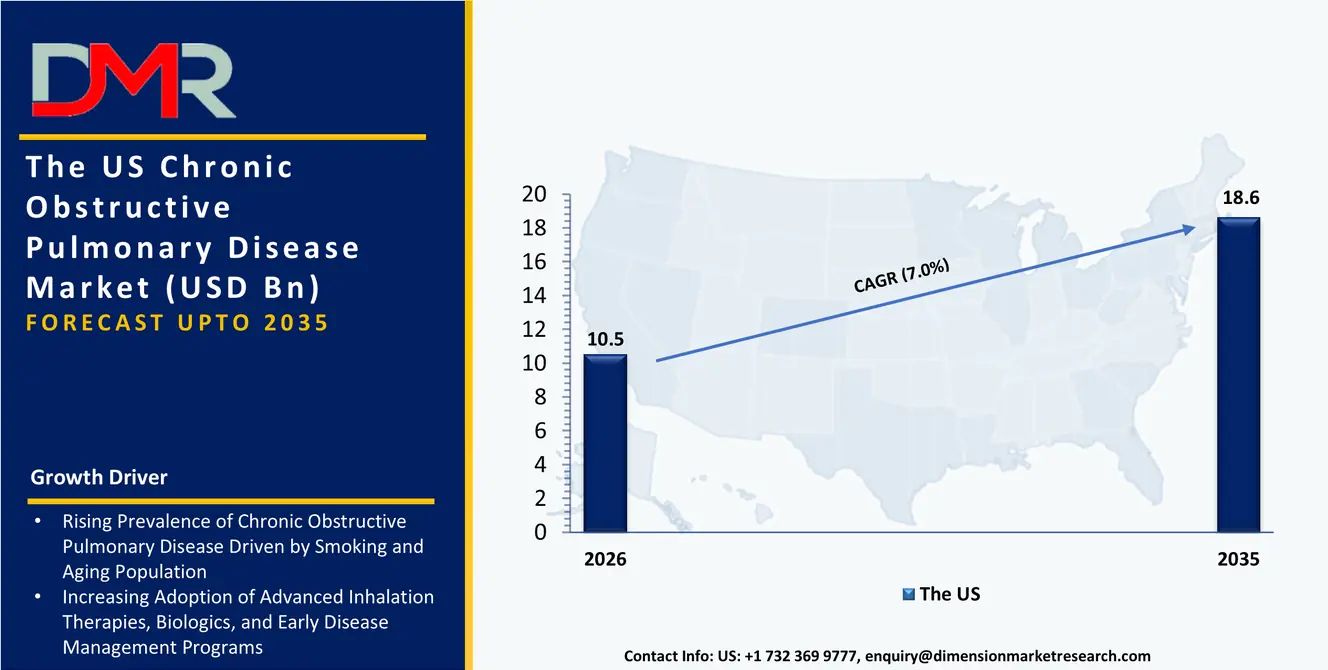
The US Chronic Obstructive Pulmonary Disease Market
The United States remains the highest-value single-country COPD market globally, underpinned by a large diagnosed population living with chronic bronchitis and emphysema. Growth is fueled by rapid formulary adoption of triple-therapy inhalers and biologic add-on treatments, expanding insurance coverage for home oxygen therapy and pulmonary rehabilitation, and a steady cadence of new drug and generic approvals broadening the therapeutic toolkit available to pulmonologists.
ℹ
To learn more about this report –
Download Your Free Sample Report Here
Japan Chronic Obstructive Pulmonary Disease Market
Japan possesses a substantial diagnosed COPD population, sustained by a well-established pulmonology care infrastructure and high spirometry-based diagnostic utilization among its aging population. The market is distinguished by sophisticated respiratory care protocols, early regulatory approval of novel therapeutics, and influential clinical practice guidelines from national respiratory societies alongside government-backed specific health checkup programs.
Saudi Arabia Chronic Obstructive Pulmonary Disease Market
Market expansion is directly tied to the Kingdom's rising tobacco use, urban air pollution exposure, and growing pulmonology infrastructure investment. The Ministry of Health funds extensive access to inhaled therapies and oxygen equipment, while Vision 2030's healthcare transformation agenda, emphasizing public-private partnerships and digital health, is opening significant opportunities for respiratory device vendors and AI-driven diagnostic platforms.
Regulatory Landscape
The regulatory landscape for COPD therapeutics and devices is shaped by agencies that balance accelerated access for high-burden chronic conditions with rigorous evidence requirements. In the United States, the FDA has demonstrated strong receptivity to novel exacerbation-reduction endpoints, recently approving the first add-on biologic medicine for adults with inadequately controlled COPD and an eosinophilic phenotype based on landmark pivotal Phase 3 trial data, alongside continued approvals of generic inhaled corticosteroid and bronchodilator formulations that are expanding affordable access to maintenance therapy.
Epidemiology Analysis
The COPD Epidemiology section assesses historical and forecast disease burden across the markets covered in the study. It evaluates prevalent cases, diagnosed patients, and treated populations, including pharmacotherapy, oxygen therapy, and surgical intervention.
Key Findings from COPD Epidemiological Analysis
- Chronic bronchitis remains the most commonly diagnosed COPD disease type globally, sustaining the largest share of ongoing bronchodilator and combination-inhaler pharmacotherapy demand.
- A substantial proportion of diagnosed COPD patients continue to experience exacerbations despite standard triple-therapy inhaled treatment, underscoring sustained demand for biologic add-on therapy in the eosinophilic phenotype population.
- Approximately 70% of COPD patients inadequately controlled on inhaled triple therapy present with elevated blood eosinophil counts, representing a substantial addressable population for biologic add-on treatment.
- Advanced-stage patients with significant hypoxemia continue to drive sustained demand for long-term oxygen therapy and portable oxygen systems, particularly in aging, high-income markets.
By Region
North America
Europe
- Germany
- France
- The U.K.
- Italy
- Spain
- Rest of Europe
Asia-Pacific
- China
- Japan
- India
- Australia
- South Korea
- Rest of APAC
Latin America
- Mexico
- Brazil
- Rest of LATAM
Middle East & Africa
- Saudi Arabia
- The UAE
- South Africa
- Rest of MEA
Competitive Landscape
The Global COPD Market features a diverse competitive landscape spanning multinational pharmaceutical giants, inhaler device manufacturers, biologic innovators, and emerging respiratory technology firms. GlaxoSmithKline and AstraZeneca dominate the inhaled bronchodilator and combination therapy market through extensive triple-therapy inhaler portfolios. Regeneron and Sanofi, alongside GSK, are leading developers of biologic add-on therapies targeting the eosinophilic COPD phenotype.
Some of the prominent players in the Global Chronic Obstructive Pulmonary Disease Market are:
- GlaxoSmithKline plc
- AstraZeneca plc
- Boehringer Ingelheim International GmbH
- Novartis AG
- Regeneron Pharmaceuticals Inc.
- Sanofi S.A.
- Chiesi Farmaceutici S.p.A.
- Teva Pharmaceutical Industries Ltd.
- Viatris Inc.
- Mylan N.V.
- Cipla Limited
- Sun Pharmaceutical Industries Ltd.
- Glenmark Pharmaceuticals Ltd.
- Verona Pharma plc
- Merck & Co. Inc.
- Pfizer Inc.
- Johnson & Johnson
- Roche Holding AG
- Amgen Inc.
- Bayer AG
- Orion Corporation
- Circassia Pharmaceuticals plc
- Vectura Group plc
- Philips Respironics
- ResMed Inc.
- Invacare Corporation
- Inogen Inc.
- Drive DeVilbiss Healthcare
- Medtronic plc
- Fisher & Paykel Healthcare Corporation Limited
- Other Key Players
Recent Developments
- April 2026: Breztri Aerosphere, a single-inhaler fixed-dose triple therapy combining an inhaled corticosteroid, an anticholinergic, and a long-acting beta-2 agonist, received an expanded FDA approval for asthma maintenance treatment, building on its earlier approval for COPD.
- March 2026: The FDA approved the first generic version of fluticasone propionate inhalation aerosol, granting Competitive Generic Therapy designation and expanding affordable access to maintenance inhaled corticosteroid therapy.
- May 2025: GSK announced FDA approval of Nucala (mepolizumab) as an add-on maintenance treatment for adult patients with inadequately controlled COPD and an eosinophilic phenotype, based on positive Phase III trial data.
Report Details
| Report Characteristics |
| Market Size (2026) |
USD 32.1 Bn |
| Forecast Value (2035) |
USD 59.0 Bn |
| CAGR (2026–2035) |
7.0% |
| The US Market Size (2026) |
USD 10.5 Bn |
| Historical Data |
2021 – 2025 |
| Forecast Data |
2027 – 2035 |
| Base Year |
2025 |
| Estimate Year |
2026 |
| Segments Covered |
By Disease Type, By Drug Class, By Route of Administration, By Treatment Type, By Application, By End User |
| Regional Coverage |
North America – The US and Canada; Europe – Germany, France, The UK, Italy, Spain, Rest of Europe; Asia-Pacific – China, Japan, India, Australia, South Korea, Rest of APAC; Latin America – Mexico, Brazil, Colombia, Argentina, Rest of LATAM; Middle East & Africa – Saudi Arabia, The UAE, South Africa, Rest of MEA |
Frequently Asked Questions
How big is the Global Chronic Obstructive Pulmonary Disease Market?
▾ The Global COPD Market is projected to be valued at USD 32.1 billion in 2026 and is projected to reach USD 59.0 billion by 2035, reflecting strong global demand for inhaled pharmacotherapy, biologic add-on treatments, oxygen therapy, and pulmonary rehabilitation services.
What is the CAGR of the Global COPD Market from 2026 to 2035?
▾ The market is projected to expand at a CAGR of 7.0% between 2026 and 2035, supported by sustained investment in triple-therapy and biologic drug classes, expanding home oxygen therapy access, and increasing diagnosis rates.
What factors are driving the growth of the Global COPD Market?
▾ Growth is driven by the escalating prevalence of smoking-related chronic bronchitis and emphysema, landmark clinical trials expanding the eligible population for biologic add-on therapies, aging populations, government initiatives promoting spirometry-based screening, and the integration of AI-enabled exacerbation prediction and adherence monitoring tools.
What are the major trends in the Global COPD Market?
▾ Major trends include the convergence of respiratory and cardiopulmonary care, the shift toward home-based oxygen therapy and pulmonary rehabilitation, AI-driven lung function trajectory prediction, precision medicine in eosinophilic COPD phenotyping, and the emergence of biologic add-on therapy for inadequately controlled disease.
Which region held the largest share of the Global COPD Market in 2026?
▾ North America is expected to lead the global market with a 38.9% share in 2026, supported by high disease awareness, early adoption of novel therapeutics, a well-funded respiratory care ecosystem, and value-based care policy experimentation.
Which region is expected to grow the fastest in the Global COPD Market?
▾ Asia Pacific is expected to record the fastest growth at a 9.2% CAGR through 2035, driven by its massive population exposed to air pollution and biomass fuel combustion, rapid expansion of pulmonology infrastructure, and government-led screening programs.
Who are the key players in the Global COPD Market?
▾ Key market participants include GlaxoSmithKline, AstraZeneca, Boehringer Ingelheim, Novartis, Regeneron, Sanofi, Chiesi, Teva, Verona Pharma, and Philips Respironics, among other pharmaceutical and respiratory device firms.
How is the Global COPD Market segmented?
▾ The market is segmented by disease type, drug class, route of administration, treatment type, application, and end user, with regional analysis covering North America, Europe, Asia Pacific, Latin America, and the Middle East and Africa.