Market Overview
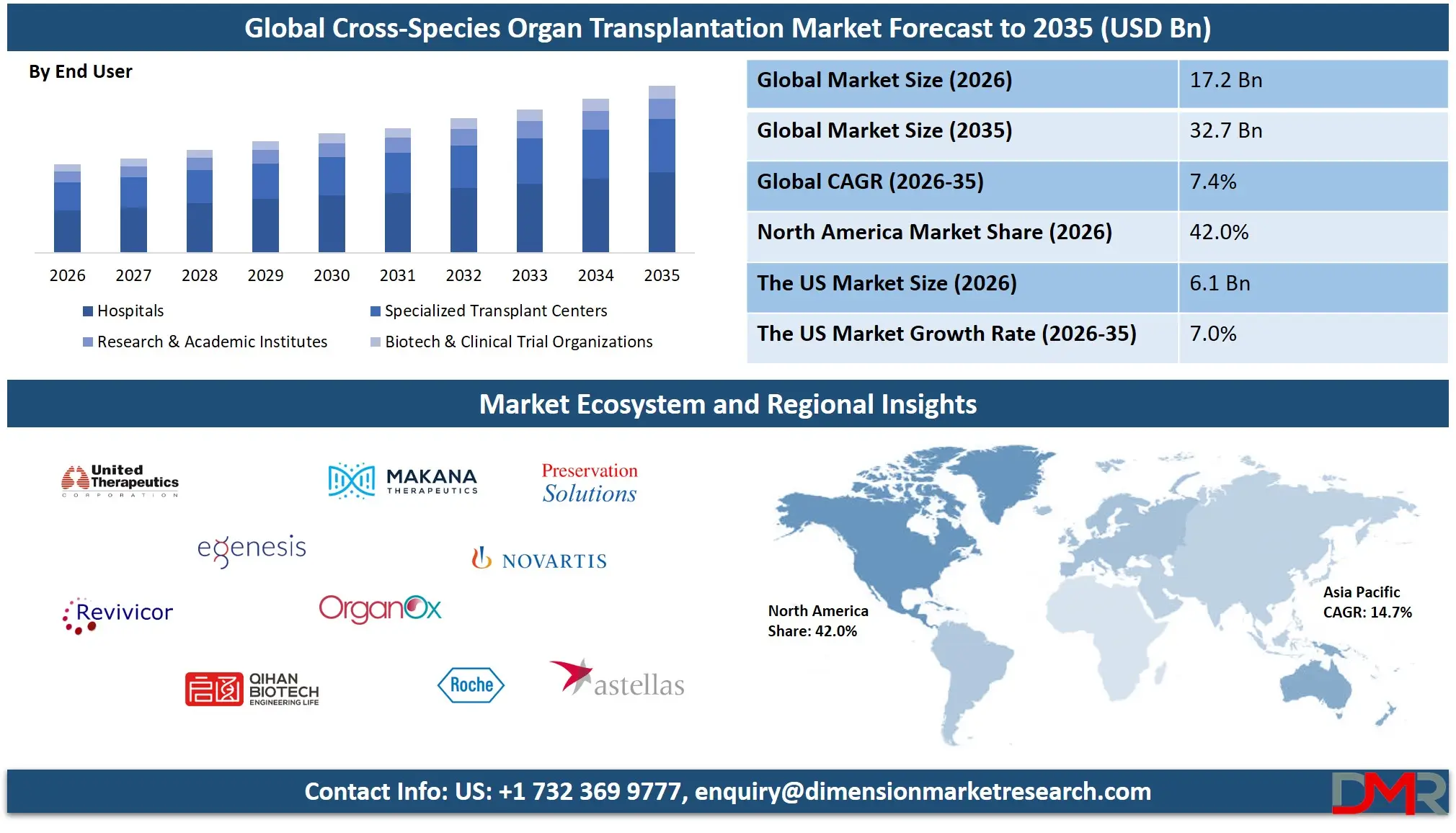
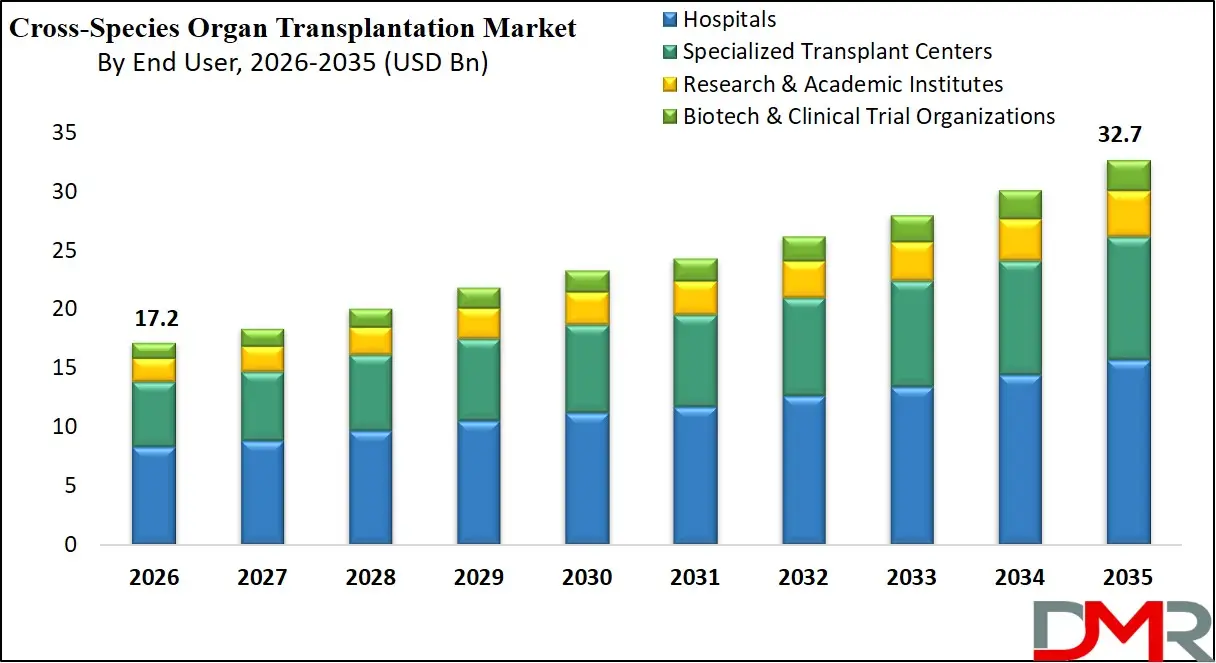
The global Cross Species Organ Transplantation market is expected to reach USD 17.2 billion in 2026 and expand at a CAGR of 7.4% through 2035 to achieve USD 32.7 billion, driven by rising organ failure rates growing adoption of xenotransplantation increasing demand for genetically engineered donor organs and continued advancements in transplant immunology regenerative medicine and bioengineered tissue technologies.
ℹ
To learn more about this report –
Download Your Free Sample Report Here
Cross Species Organ Transplantation refers to the medical practice of transplanting organs tissues or cells from one species into another most commonly from genetically modified animals into humans to treat end stage organ failure. This field is rooted in xenotransplantation science and combines advances in genetic engineering immunology regenerative medicine and transplant surgery to overcome the severe global shortage of human donor organs. By modifying donor animals to reduce immune rejection and eliminate cross species pathogen risks clinicians aim to create biologically compatible grafts that can function long term inside the human body. The approach is being explored for kidneys hearts livers pancreatic islets and other critical tissues offering a potential lifeline for patients who otherwise face long waiting lists and high mortality.
The global Cross Species Organ Transplantation Market represents the growing commercial and clinical ecosystem built around the development production testing and application of xenogeneic organs and supporting technologies across healthcare systems worldwide. It includes genetically engineered donor animals biofabricated tissues organ preservation platforms immunosuppressive therapies and advanced diagnostic tools that together enable safe and effective cross species grafting. Driven by the rising prevalence of chronic diseases such as kidney failure heart disease and diabetes the market is also supported by breakthroughs in CRISPR based gene editing immune tolerance engineering and pathogen free animal breeding programs which are steadily moving xenotransplantation from experimental trials toward broader clinical adoption.
ℹ
To learn more about this report –
Download Your Free Sample Report Here
From a global industry perspective this market is evolving into a highly specialized segment of the broader transplant and regenerative medicine landscape with strong involvement from biotechnology companies pharmaceutical firms academic research institutions and advanced hospitals. Regulatory agencies are beginning to establish frameworks for xenogeneic transplants while investment in translational research and clinical trials continues to accelerate across North America Europe and Asia Pacific. As healthcare systems struggle with organ donor shortages and rising transplant demand the global Cross Species Organ Transplantation Market is positioned as a long term solution that can expand organ availability reduce waiting times and transform the future of organ replacement therapy through scalable and scientifically engineered biological solutions.
The US Cross-Species Organ Transplantation Market
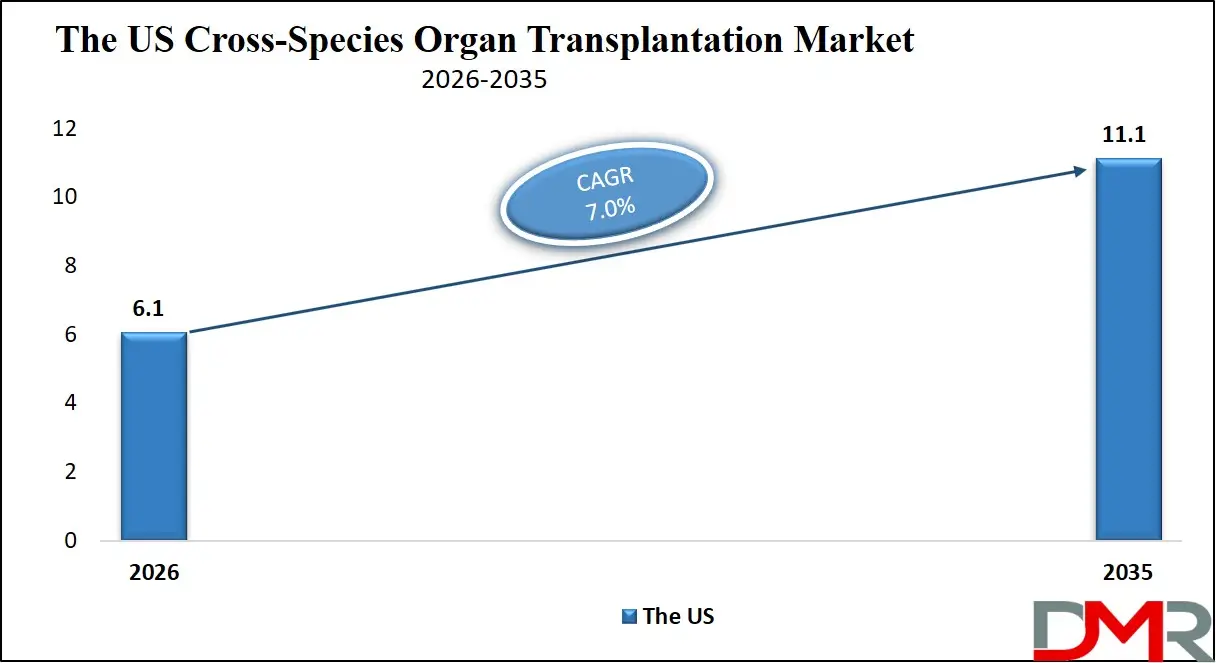
The U.S. Cross-Species Organ Transplantation Market size is expected to reach at USD 6.1 billion in 2026. It is further expected to witness subsequent growth in the upcoming period, holding USD 11.1 billion in 2035 at a CAGR of 7.0%.
The US Cross Species Organ Transplantation market represents one of the most advanced and rapidly evolving segments of the global xenotransplantation landscape, driven by a combination of high organ transplant demand, strong biotechnology infrastructure, and progressive regulatory oversight. The United States faces a severe shortage of human donor organs, particularly for kidney, heart, and liver transplants, which continues to push healthcare providers and researchers toward alternative solutions such as genetically modified animal organs. Continuous investment in gene editing platforms, immune tolerance research, and pathogen free animal breeding programs is accelerating clinical readiness across the country.
ℹ
To learn more about this report –
Download Your Free Sample Report Here
In parallel, the US market benefits from deep collaboration between biotechnology companies, academic medical centers, and federal research institutions that are actively conducting clinical trials and preclinical validation programs for xenogeneic grafts. The presence of advanced transplant hospitals, robust venture capital funding, and favorable innovation policies enables rapid translation of laboratory breakthroughs into patient focused therapies. As chronic kidney disease, cardiovascular disorders, and diabetes related organ failure continue to rise, the United States is expected to remain a key commercialization hub for cross species organ transplantation technologies.
The Europe Cross-Species Organ Transplantation Market
The Europe Cross Species Organ Transplantation market is projected to reach USD 5.0 billion in 2026, driven by increasing cases of chronic organ failure and growing demand for alternative donor solutions. Countries such as Germany, the United Kingdom, and France are leading the adoption of xenotransplantation technologies due to their advanced healthcare infrastructure, strong research ecosystems, and active participation in clinical trials. Hospitals and specialized transplant centers across the region are integrating genetically modified organs and bioengineered tissues into patient care, supporting market growth at a CAGR of 6.8%.
Market expansion is further fueled by advancements in genetic engineering, immunomodulation therapies, and organ preservation techniques that enhance graft survival and clinical outcomes. Gradual regulatory clarity allows biotech firms and academic institutions to accelerate xenogeneic organ development. Strategic collaborations between private companies and research institutions are also promoting innovation in immune tolerance, pathogen free animal breeding, and advanced transplant protocols, reinforcing Europe's role as a significant contributor to the global cross species organ transplantation market.
The Japan Cross-Species Organ Transplantation Market
The Japan Cross Species Organ Transplantation market is projected to reach USD 1.4 billion in 2026, reflecting strong demand for alternative organ transplant solutions amid rising cases of chronic kidney, heart, and liver failure. Japan's advanced healthcare infrastructure, well established transplant programs, and growing adoption of genetically modified organs and bioengineered tissues are key factors driving market growth. Leading hospitals and specialized transplant centers are actively implementing xenotransplantation protocols, while clinical research institutions continue to explore innovative gene editing and immune tolerance strategies, supporting the region's rapid expansion.
The market in Japan is expected to grow at a CAGR of 8.2%, outpacing many other mature regions due to supportive government policies, strong biotechnology R&D investment, and increasing public awareness of xenogeneic transplant options. Collaboration between domestic biotech firms, universities, and hospitals is fostering advancements in organ preservation, immune shielding, and pathogen free donor breeding. These combined efforts are accelerating clinical adoption and positioning Japan as a high growth market within the global cross species organ transplantation landscape.
Global Cross-Species Organ Transplantation Market: Key Takeaways
- Rapid Market Growth Driven by Organ Shortages: The market is projected to grow from USD 17.2 billion in 2026 to USD 32.7 billion by 2035 at a CAGR of 7.4%, driven by rising organ failure and the shortage of human donor organs. Genetically modified organs and bioengineered tissues are key solutions.
- Technological Leadership through Genetic Engineering: Genetic engineering platforms lead with 46.0% market share in 2026. CRISPR and immune-shielding technologies reduce rejection risks and enable scalable xenogeneic grafts for hospitals and transplant centers.
- Geographic Insights and Regional Opportunities: North America leads with 42.0% revenue in 2026 due to advanced infrastructure and funding. Asia-Pacific shows the highest CAGR with growing biotech research, government support, and transplant awareness.
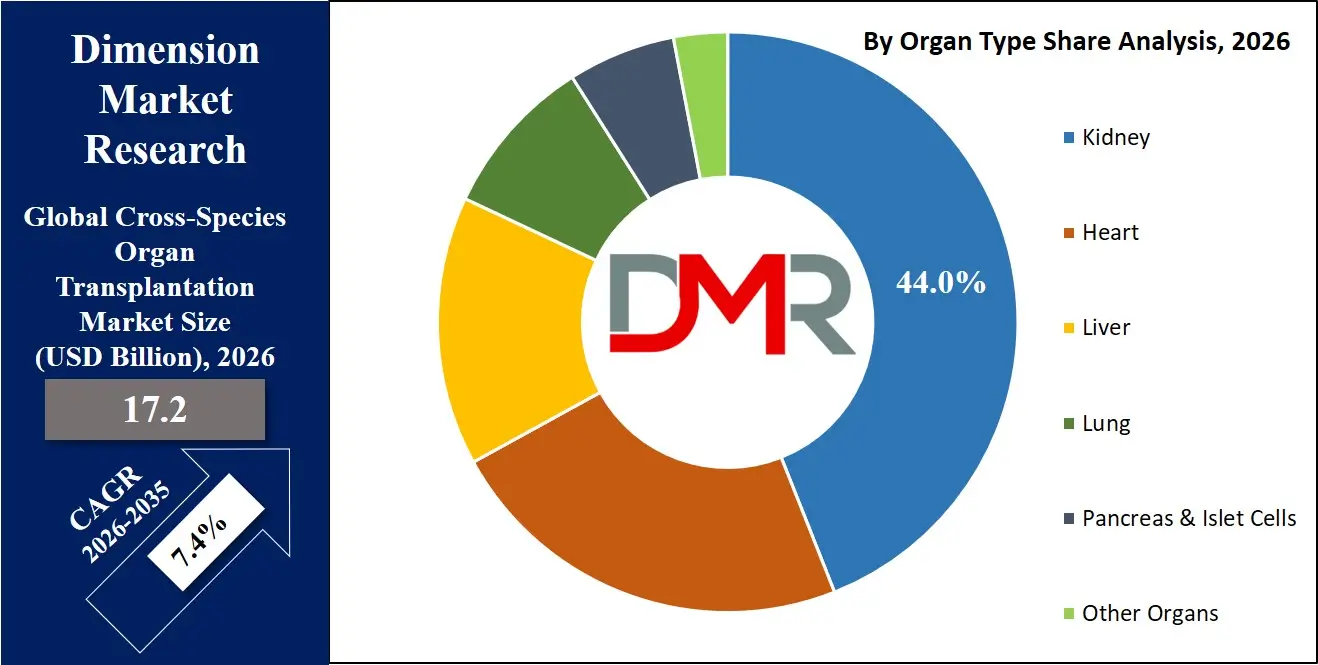
- Diverse Clinical Use Cases and Organ Types: Kidneys dominate the organ segment at 44% market share in 2026. Xenogeneic hearts, livers, and pancreatic islets support emergency and elective transplants in hospitals and specialized centers.
- Integration of AI and Digital Tools in Market Expansion: AI enhances donor-recipient matching, predicts immune responses, and optimizes organ transport. Machine learning and predictive analytics improve outcomes and accelerate research and clinical adoption.
Global Cross-Species Organ Transplantation Market: Use Cases
- Emergency Kidney Replacement for End Stage Renal Disease: Cross species organ transplantation is widely explored for patients suffering from end stage kidney failure who face long waiting periods for human donor organs. Genetically modified pig kidneys provide a scalable source of transplantable grafts, helping reduce dialysis dependency and improving survival rates. This use case supports transplant centers by addressing the global shortage of renal donors while advancing xenotransplantation and regenerative medicine practices.
- Heart Transplants for Advanced Cardiac Failure: For patients with severe heart disease who cannot receive a human donor heart in time, xenogeneic heart transplantation offers a promising alternative. Bioengineered animal hearts can function as temporary or permanent replacements, stabilizing patients with advanced cardiovascular conditions and supporting the growing demand for innovative transplant solutions.
- Liver Support for Acute and Chronic Liver Failure: Cross species liver transplantation is being developed to treat patients with acute liver failure and chronic hepatic diseases. Xenogeneic liver grafts and hepatic cell transplants can provide critical metabolic support, giving patients time to recover or wait for a suitable human donor while improving outcomes through advanced bioengineered tissue technologies.
- Pancreatic Islet Transplants for Diabetes Management: Xenotransplantation of pancreatic islet cells from genetically modified animals is emerging as a treatment for insulin dependent diabetes. These cross species cell therapies help restore insulin production, reduce complications, and improve long term metabolic control, making them an important use case within the broader regenerative medicine and transplant therapeutics market.
Global Cross-Species Organ Transplantation Market: Stats & Facts
- U.S. Health Resources & Services Administration (OPTN/HRSA)
- In 2024 the U.S. conducted more than 48,000 organ transplants.
- This represented a 3.3 % increase over 2023 transplant volume.
- In 2024, 41,119 transplants were made possible through deceased donors.
- There were 7,030 living donor transplants in 2024.
- Lung transplant volumes grew by 10.4 % from 2023 to 2024.
- Liver transplant procedures in 2024 increased by 7.5 % over 2023.
- Kidney transplants (27,759) increased by 1.6 % in 2024 vs 2023.
- The number of deceased donors aged 50 and older made up 48.2 % of all donors in 2024.
- Donation after circulatory death (DCD) donors increased by 23.5 % in 2024 vs 2023.
- The number of donors dying from drug intoxication declined 23.9 % in 2024 vs 2023.
- Transplants from racial and ethnic minority groups increased, with Hispanic/Latino recipients up 6.5 % in 2024 vs 2023.
- More than 100,000 people were on the national transplant waiting list.
- Daily waiting list mortality remains high, with roughly ten patients dying per day awaiting a transplant.
- National Donate Life Month (U.S.)
- In 2023, 43,000+ organ transplants were performed in the U.S. from 23,000 donors.
- Over 100,000 individuals were actively awaiting organ transplants in 2023.
- Nearly 60 % of U.S. transplant waitlist patients were from multicultural communities.
- A new person was added to the U.S. transplant waiting list every eight minutes.
- An estimated 16 people die daily while waiting for a transplant.
- 86 % of U.S. waitlist patients were waiting for a kidney transplant.
- Average kidney transplant wait times from deceased donors ranged from 3 to 5 years.
- Eurotransplant (Europe)
- In 2024 Eurotransplant member states successfully allocated approximately 7,150 organs.
- This was up from 6,815 organs allocated in 2023.
- There were 2,181 deceased donors in 2024 compared to 2,079 in 2023.
- The active transplant waiting list in the Eurotransplant zone was about 13,570 patients at year end 2024.
- Cross‑border organ exchanges accounted for 22.5 % of allocations in 2024.
- Government of India – National Registry Data
- As of December 8, 2025, 60,590 patients were on the kidney transplant waiting list in India.
- 18,724 patients were waiting for liver transplants in India per registry data.
- Total organ transplants performed in India were 15,968 in 2022, 18,336 in 2023, and 18,811 in 2024.
- From Jan–Sep 2024, India reported 11,675 living donors and 862 deceased donors.
- During the same period, India conducted 10,140 kidney transplants and 3,607 liver transplants.
Global Cross-Species Organ Transplantation Market: Market Dynamic
Driving Factors in the Global Cross-Species Organ Transplantation Market
Rising Prevalence of Organ Failure and Donor Shortages
The global increase in chronic diseases such as renal failure, cardiovascular disorders, and diabetes has dramatically elevated demand for organ transplants. Traditional human donor supplies cannot meet this demand, driving healthcare systems and research institutions to adopt xenotransplantation solutions that leverage genetically modified organs from animal sources. This growth in transplant need and donor scarcity fuels innovation in immune tolerance engineering and organ bioengineering, positioning cross species organ transplantation as a strategic solution.
Advances in Genetic Engineering and Immunomodulation Technologies
Breakthroughs in gene editing tools such as CRISPR and advanced immunosuppressive strategies have significantly reduced immune rejection and infection risks associated with xenogeneic grafts. These technological advancements improve graft survival and patient outcomes, enabling broader clinical exploration of animal derived organs and tissues. Enhanced genetic modification and immune shielding technologies support the development of safer, more compatible transplants, accelerating adoption across research, clinical, and commercial segments.
Restraints in the Global Cross-Species Organ Transplantation Market
Immunological and Ethical Barriers to Clinical Adoption
Despite scientific progress, immune rejection remains a critical challenge for cross species organ transplantation. Xenografts can trigger strong host immune responses and require complex immunosuppressive regimens, raising concerns about long term graft viability and patient safety. Additionally, ethical debates over the use of animal organs and welfare considerations continue to influence regulatory acceptance and public perception, slowing widespread clinical implementation.
Regulatory Uncertainty and High Development Costs
The regulatory landscape for xenotransplantation varies widely across regions, with stringent safety and efficacy requirements that can extend approval timelines. Investors and developers face high costs for preclinical research, pathogen screening, and clinical trials, which may deter smaller biotech firms from entering the market. This combination of regulatory complexity and financial burden limits near term commercialization and constrains the pace of market expansion.
Opportunities in the Global Cross-Species Organ Transplantation Market
Emerging Markets and Expanding Clinical Trials
Emerging economies in Asia Pacific and Latin America are increasing investment in advanced healthcare infrastructure and transplant programs, creating new demand for cross species organ transplantation technologies. Growing participation in clinical trials and translational research broadens access to innovative grafts and bioengineered tissues, offering commercial opportunities for technology developers and medical institutions. These expanding markets support ecosystem development from preclinical research to hospital adoption.
Integration of Biofabrication and Regenerative Medicine
The convergence of biofabrication, tissue engineering, and regenerative medicine presents opportunities to enhance the functionality of xenogeneic organs and hybrid grafts. Combining decellularized scaffolds with animal cells or incorporating 3D bioprinting techniques can improve organ compatibility and reduce immune challenges. This interdisciplinary innovation enables new product classes that bridge transplant science and personalized therapeutics, opening pathways for long term market growth.
Trends in the Global Cross-Species Organ Transplantation Market
Shift Toward Pathogen Free Donor Sources and Safety Protocols
There is a growing emphasis on developing pathogen free animal herds and rigorous screening protocols to mitigate zoonotic risks in xenotransplantation. This trend enhances clinical safety profiles and builds confidence among clinicians and regulators by addressing potential cross species disease transmission. Adoption of advanced pathogen elimination technologies and biosecure breeding practices is becoming a standard expectation for new products in the market.
Increased Collaboration between Industry and Academic Centers
Cross species organ transplantation is witnessing stronger partnerships between biotechnology firms, academic research institutions, and clinical centers. These collaborations accelerate translational research, share risk and expertise, and support multi-site clinical studies essential for regulatory approval. By combining commercial resources with scientific knowledge, stakeholders are advancing novel grafts and therapeutic platforms more rapidly, driving innovation across the global transplant ecosystem.
Global Cross-Species Organ Transplantation Market: Research Scope and Analysis
By Product Type Analysis
Xeno organs and tissues are anticipated to dominate the product type segment by capturing 52.0% of the total Cross Species Organ Transplantation market in 2026 because they represent the primary therapeutic and commercial focus of xenotransplantation. These genetically modified animal organs directly replace failing human organs and therefore account for the largest share of revenue generated in clinical and hospital settings. With rising cases of kidney, heart, and liver failure worldwide, demand for readily available and bioengineered grafts continues to grow, making xeno organs and tissues the most valuable and widely adopted product category in this evolving transplant ecosystem.
Organ preservation and transport systems form a critical supporting segment within the same market because the success of cross species transplants depends heavily on maintaining organ viability from donor to recipient. Xenogeneic organs require advanced preservation environments to protect genetic modifications, cellular integrity, and immune compatibility during transportation. Technologies such as normothermic perfusion, hypothermic storage, and real time organ monitoring help reduce ischemic damage and improve post-transplant outcomes. As clinical use of xeno organs expands globally, the need for reliable preservation and transport solutions is increasing, strengthening this segment's importance in the overall market.
By Organ Type Analysis
Kidney xenotransplantation is anticipated to dominate the organ type segment by capturing 44.0% of the total Cross Species Organ Transplantation market in 2026 because chronic kidney disease and end stage renal failure represent the largest global transplant burden. Millions of patients worldwide depend on dialysis while waiting for a suitable donor kidney, creating an urgent need for alternative graft sources. Genetically modified pig kidneys have shown strong functional compatibility with the human body, making them the most clinically advanced and commercially viable xenotransplant option. Their high demand, repeat transplant potential, and strong clinical trial momentum drive the kidney segment to lead overall market revenue.
ℹ
To learn more about this report –
Download Your Free Sample Report Here
Heart xenotransplantation plays a vital but more specialized role within the same segment, focusing on patients with advanced heart failure who cannot survive long enough to receive a human donor heart. Bioengineered animal hearts offer a lifesaving alternative for critically ill patients and are increasingly used as both bridging and potential long term transplant solutions. Although heart transplants are performed in lower volumes than kidney procedures, their high clinical value and technological complexity make them a key growth area within the xenotransplantation market, particularly as cardiac disease rates continue to rise globally.
By Donor Species Analysis
Genetically modified pigs are anticipated to dominate the donor species segment by capturing 78.0% of the Cross Species Organ Transplantation market in 2026 because they offer the most scalable, biologically compatible, and ethically acceptable source of xenogeneic organs. Pigs have organ sizes and physiological characteristics that closely match those of humans, making them ideal donors for kidneys, hearts, and livers. Advances in gene editing technologies have enabled the removal of immune triggering genes and the insertion of human compatible genes, significantly improving graft survival and reducing rejection risks. Their rapid breeding cycles and controlled pathogen free environments further strengthen their dominance in the global xenotransplantation ecosystem.
Primates play a more limited but scientifically important role in this market segment due to their closer genetic similarity to humans, which can result in higher biological compatibility for certain research and experimental applications. However, ethical concerns, higher disease transmission risks, and limited scalability restrict their use in large scale commercial transplantation. As a result, primates are mainly used in preclinical testing and specialized clinical studies rather than routine organ supply. Even so, insights gained from primate based xenotransplantation continue to support the refinement of pig derived organ technologies and immune tolerance strategies.
By Procedure Type Analysis
Lifesaving emergency transplants are anticipated to dominate the procedure type segment by capturing 39.0% of the Cross Species Organ Transplantation market in 2026 because xenotransplantation is most often used when patients are in critical condition and cannot wait for a human donor organ. Individuals with acute organ failure, severe heart disease, or end stage kidney collapse require immediate intervention, and genetically modified animal organs provide an on demand solution in these high risk scenarios. The ability to rapidly access compatible grafts makes xenotransplantation especially valuable in intensive care and trauma settings, driving strong demand in emergency transplant procedures.
Planned elective transplants represent a growing but more controlled use of cross species organ transplantation, where patients are scheduled for surgery after careful evaluation and immune preparation. These procedures are more common in stable kidney or heart failure cases where xenogeneic organs are used as a long term or bridging solution. While elective transplants account for a smaller share than emergency cases, their importance is increasing as clinical confidence in bioengineered organs improves and transplant centers expand their xenotransplant programs.
By Technology Platform Analysis
Genetic engineering platforms are anticipated to dominate the technology platform segment by capturing 46.0% of the Cross Species Organ Transplantation market in 2026 because they form the foundation of creating biologically compatible xenogeneic organs. Techniques such as gene knockout, human gene insertion, and immune marker modification allow donor animals to produce organs that are less likely to be rejected by the human immune system. These platforms directly determine graft survival, safety, and long term function, making them the most critical and heavily invested technology area within the xenotransplantation ecosystem and a key driver of clinical and commercial success.
Organ bio fabrication and scaffolding technologies play a complementary but increasingly important role by enhancing the structural and functional integration of xenogeneic organs. These platforms involve decellularizing animal organs to create biological frameworks that can be repopulated with compatible cells or engineered tissues, improving biocompatibility and reducing immune reactions. By providing a hybrid approach between natural animal organs and regenerative medicine, scaffolding technologies help improve transplant outcomes and support the broader adoption of cross species organ transplantation in advanced healthcare settings.
By End User Analysis
Hospitals are anticipated to dominate the end user segment by capturing 48.0% of the Cross Species Organ Transplantation market in 2026 because they provide the complete clinical infrastructure required for xenotransplant procedures. These facilities house advanced surgical suites, intensive care units, transplant immunology laboratories, and multidisciplinary medical teams that are essential for performing complex cross species transplants and managing post-operative care. The high volume of critically ill patients, combined with the ability to handle emergency procedures and long term immunosuppressive management, positions hospitals as the primary setting for the adoption and commercialization of xenotransplantation therapies.
Specialized transplant centers play a focused but highly influential role within this segment by concentrating expertise, research capabilities, and clinical trials related to cross species organ transplantation. These centers often lead innovation in surgical techniques, immune tolerance protocols, and post-transplant monitoring, making them important hubs for advancing xenogeneic graft success rates. While they handle lower patient volumes than large hospitals, their role in pioneering new procedures and validating bioengineered organs makes them a vital contributor to the growth and credibility of the overall market.
The Global Cross-Species Organ Transplantation Market Report is segmented on the basis of the following:
By Product Type
- Xeno Organs & Tissues
- Organ Preservation & Transport Systems
- Immunosuppressive & Anti-Rejection Therapies
- Diagnostics & Compatibility Testing
By Organ Type
- Kidney
- Heart
- Liver
- Lung
- Pancreas & Islet Cells
- Other Organs
By Donor Species
- Genetically Modified Pigs
- Primates
- Bio-engineering Animal Cells
- Other Mammals
By Procedure Type
- Life-Saving Emergency Transplants
- Planned Elective Transplants
- Bridging Transplants
- Experimental / Clinical Trial Transplants
By Technology Platform
- Genetic Engineering Platforms
- Organ Bio-fabrication & Scaffolding
- Immune-Shielding Technologies
- Pathogen Elimination Technologies
By End User
- Hospitals
- Specialized Transplant Centers
- Research & Academic Institutes
- Biotech & Clinical Trial Organizations
Impact of Artificial Intelligence in the Global Cross-Species Organ Transplantation Market
Artificial intelligence is increasingly transforming the global Cross Species Organ Transplantation market by enhancing the precision, efficiency, and clinical success of xenotransplant procedures. In research and development, AI driven data analytics and machine learning algorithms are used to analyze large sets of genomic, immunological, and clinical trial data, helping scientists identify optimal gene editing targets and predict immune response patterns that reduce the risk of graft rejection. By accelerating the discovery of compatible donor organ profiles and immune tolerance markers, artificial intelligence contributes to safer and more effective xenogeneic organ designs while shortening development timelines.
In clinical practice, AI enabled imaging, predictive modeling, and decision support tools improve patient assessment, organ matching, and postoperative care pathways. Advanced algorithms can forecast immune reactions, detect early signs of graft dysfunction, and assist transplant teams in customizing immunosuppressive regimens for individual patients. Additionally, AI powered logistics systems optimize organ preservation and transport networks, ensuring graft viability between donor facilities and transplant centers. By integrating artificial intelligence into both the technological and operational dimensions of cross species organ transplantation, the market is becoming more data driven, scalable, and capable of delivering personalized transplant solutions.
Global Cross-Species Organ Transplantation Market: Regional Analysis
Region with the Largest Revenue Share
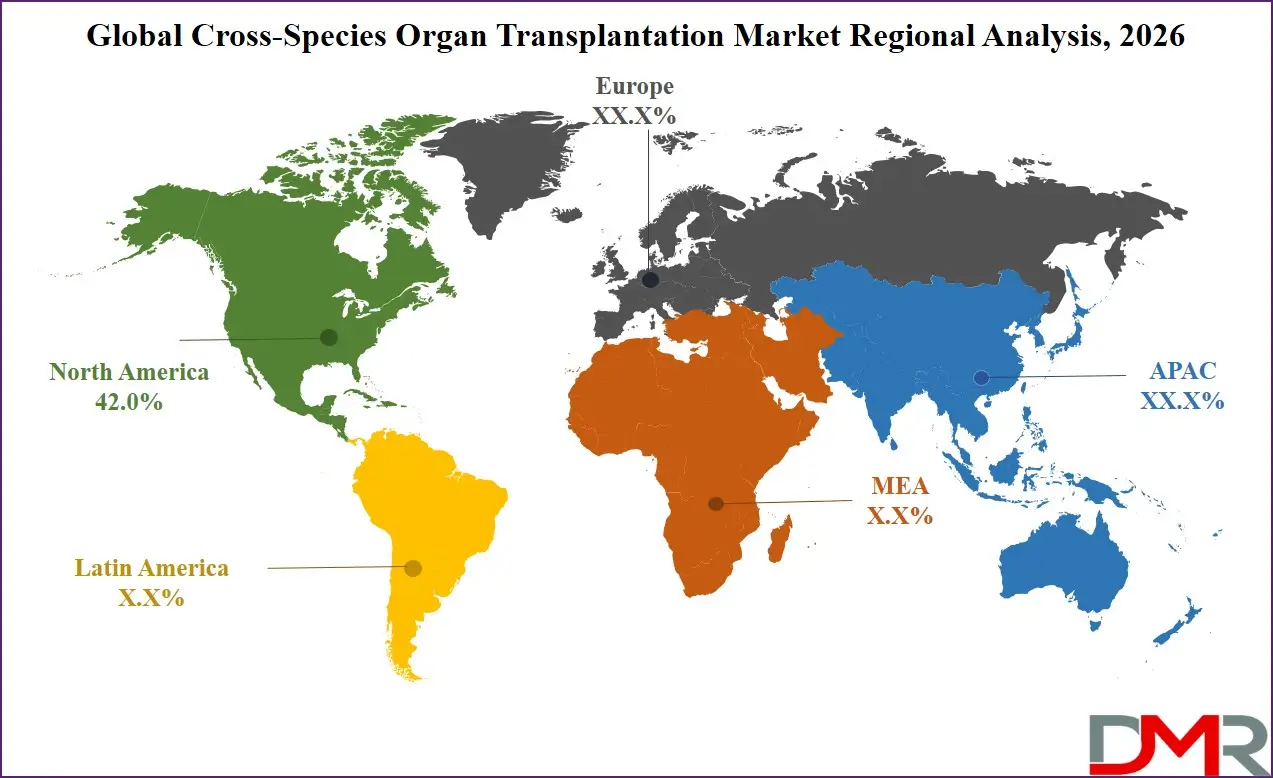
North America is anticipated to lead the global Cross Species Organ Transplantation market with 42.0% of total revenue in 2026 due to its strong biotechnology ecosystem, advanced transplant infrastructure, and early adoption of xenotransplantation technologies. The region benefits from high healthcare spending, a large population of patients with chronic organ failure, and active participation in clinical trials focused on genetically modified donor organs. Favorable regulatory pathways, significant venture capital investment, and close collaboration between academic medical centers and biotech companies further support innovation and commercialization, positioning North America as the primary hub for research, clinical deployment, and revenue generation in this rapidly evolving market.
ℹ
To learn more about this report –
Download Your Free Sample Report Here
Region with the Highest CAGR
Asia Pacific is expected to record the highest compound annual growth rate in the global Cross Species Organ Transplantation market due to rapidly expanding healthcare infrastructure, rising prevalence of chronic diseases, and increasing investment in advanced biotechnology and regenerative medicine. Countries such as China, Japan, and South Korea are actively supporting xenotransplantation research through government funding, academic collaborations, and domestic biotech development, which is accelerating clinical trials and technology adoption. In addition, large patient populations and growing awareness of organ transplant solutions are creating strong demand for innovative donor alternatives, making Asia Pacific the fastest growing regional market in this field.
By Region
North America
Europe
- Germany
- The U.K.
- France
- Italy
- Russia
- Spain
- Benelux
- Nordic
- Rest of Europe
Asia-Pacific
- China
- Japan
- South Korea
- India
- ANZ
- ASEAN
- Rest of Asia-Pacific
Latin America
- Brazil
- Mexico
- Argentina
- Colombia
- Rest of Latin America
Middle East & Africa
- Saudi Arabia
- UAE
- South Africa
- Israel
- Egypt
- Rest of MEA
Global Cross-Species Organ Transplantation Market: Competitive Landscape
The competitive landscape of the global Cross Species Organ Transplantation market is characterized by intense innovation in genetic engineering, transplant immunology, and organ preservation technologies, with participants ranging from advanced biotechnology developers to specialized medical technology firms and clinical research institutions. Companies are focusing on strategic partnerships, research collaborations, and pipeline expansion to accelerate product development and clinical validation of xenogeneic organs, tissues, and supporting platforms. Investment in proprietary gene editing platforms, immune tolerance solutions, and next generation diagnostic tools is driving differentiation, while activities such as licensing agreements, joint ventures, and clinical trial networks are shaping competitive positioning and enabling broader geographic penetration and commercialization of xenotransplantation solutions.
Some of the prominent players in the Global Cross-Species Organ Transplantation Market are:
- United Therapeutics Corporation
- eGenesis, Inc.
- Revivicor, Inc.
- Qihan Biotech
- Makana Therapeutics
- OrganOX Limited
- Preservation Solutions, Inc.
- Novartis AG
- F. Hoffmann-La Roche Ltd.
- Astellas Pharma Inc.
- Pfizer Inc.
- TransMedics Group Inc.
- Organ Recovery Systems Inc.
- Paragonix Technologies Inc.
- Optipharm Co. Ltd.
- PorMedTec Co.
- XenoTherapeutics Inc.
- NZeno Ltd.
- Infigen Inc.
- Recombinetics, Inc.
- Other Key Players
Recent Developments in the Global Cross-Species Organ Transplantation Market
- October 2025: First clinical trial of pig kidney transplants into humans gets underway as United Therapeutics initiates a gene‑edited pig kidney xenotransplant study with six patients at NYU Langone Health, marking a major milestone in testing animal‑derived organs in human transplant medicine.
- August 2025: MannKind Corp strikes a merger deal to acquire scPharmaceuticals, expanding its capabilities in cardiometabolic and related therapeutic technologies, reflecting ongoing consolidation in the broader biotech sector connected to transplant‑related treatment development.
- February 2025: eGenesis reports the successful transplantation of a genetically engineered porcine kidney into a second living patient under a FDA‑authorized expanded access protocol, with the recipient discharged off dialysis, advancing clinical progress for xenogeneic organ products.
Report Details
| Report Characteristics |
| Market Size (2026) |
USD 17.2 Bn |
| Forecast Value (2035) |
USD 32.7 Bn |
| CAGR (2026–2035) |
7.4% |
| The US Market Size (2026) |
USD 6.1 Bn |
| Historical Data |
2021 – 2025 |
| Forecast Data |
2027 – 2035 |
| Base Year |
2025 |
| Estimate Year |
2026 |
| Report Coverage |
Market Revenue Estimation, Market Dynamics, Competitive Landscape, Growth Factors and etc. |
| Segments Covered |
By Product Type (Xeno Organs & Tissues, Organ Preservation & Transport Systems, Immunosuppressive & Anti-Rejection Therapies, Diagnostics & Compatibility Testing), By Organ Type (Kidney, Heart, Liver, Lung, Pancreas & Islet Cells, Other Organs), By Donor Species (Genetically Modified Pigs, Primates, Other Mammals, Bio-engineered Animal Cells), By Procedure Type (Life-Saving Emergency Transplants, Planned Elective Transplants, Bridging Transplants, Experimental & Clinical Trial Transplants), By Technology Platform (Genetic Engineering Platforms, Organ Bio-fabrication & Scaffolding, Immune-Shielding Technologies, Pathogen Elimination Technologies), By End User (Hospitals, Specialized Transplant Centers, Research & Academic Institutes, Biotech & Clinical Trial Organizations) |
| Regional Coverage |
North America – The US and Canada; Europe – Germany, The UK, France, Russia, Spain, Italy, Benelux, Nordic, & Rest of Europe; Asia-Pacific – China, Japan, South Korea, India, ANZ, ASEAN, Rest of APAC; Latin America – Brazil, Mexico, Argentina, Colombia, Rest of Latin America; Middle East & Africa – Saudi Arabia, UAE, South Africa, Turkey, Egypt, Israel, & Rest of MEA |
| Prominent Players |
United Therapeutics Corporation, eGenesis, Inc., Revivicor, Inc., Qihan Biotech, Makana Therapeutics, OrganOX Limited, Preservation Solutions, Inc., Novartis AG, F. Hoffmann-La Roche Ltd., Astellas Pharma Inc., Pfizer Inc., TransMedics Group Inc., Organ Recovery Systems Inc., and many others. |
| Purchase Options |
We have three licenses to opt for: Single User License (Limited to 1 user), Multi-User License (Up to 5 Users) and Corporate Use License (Unlimited User) along with free report customization equivalent to 0 analyst working days, 3 analysts working days and 5 analysts working days respectively. |
Frequently Asked Questions
How big is the Global Cross-Species Organ Transplantation Market?
▾ The Global Cross-Species Organ Transplantation Market size is estimated to have a value of USD 17.2 billion in 2026 and is expected to reach USD 32.7 billion by the end of 2035.
What is the growth rate in the Global Cross-Species Organ Transplantation Market in 2026?
▾ The market is growing at a CAGR of 7.4% over the forecasted period of 2026.
What is the size of the US Cross-Species Organ Transplantation Market?
▾ The US Cross-Species Organ Transplantation market is projected to be valued at USD 6.1 billion in 2026. It is expected to witness subsequent growth in the upcoming period as it holds USD 11.1 billion in 2035 at a CAGR of 7.0%.
Which region accounted for the largest Global Cross-Species Organ Transplantation Market?
▾ North America is expected to have the largest market share in the Global Cross-Species Organ Transplantation Market with a share of about 42.0% in 2026.
Who are the key players in the Global Cross-Species Organ Transplantation Market?
▾ Some of the major key players in the Global Cross-Species Organ Transplantation Market are United Therapeutics Corporation, eGenesis, Inc., Revivicor, Inc., Qihan Biotech, Makana Therapeutics, OrganOX Limited, Preservation Solutions, Inc., Novartis AG, F. Hoffmann-La Roche Ltd., Astellas Pharma Inc., Pfizer Inc., TransMedics Group Inc., Organ Recovery Systems Inc., and many others.