Global Diabetes Type 1 Market Snapshot
- Global Diabetes Type 1 Market Size in 2026: USD 18.2 Billion
- Global Diabetes Type 1 Market Size in 2035: USD 58.2 Billion
- Global CAGR from 2026 to 2035: 13.8%
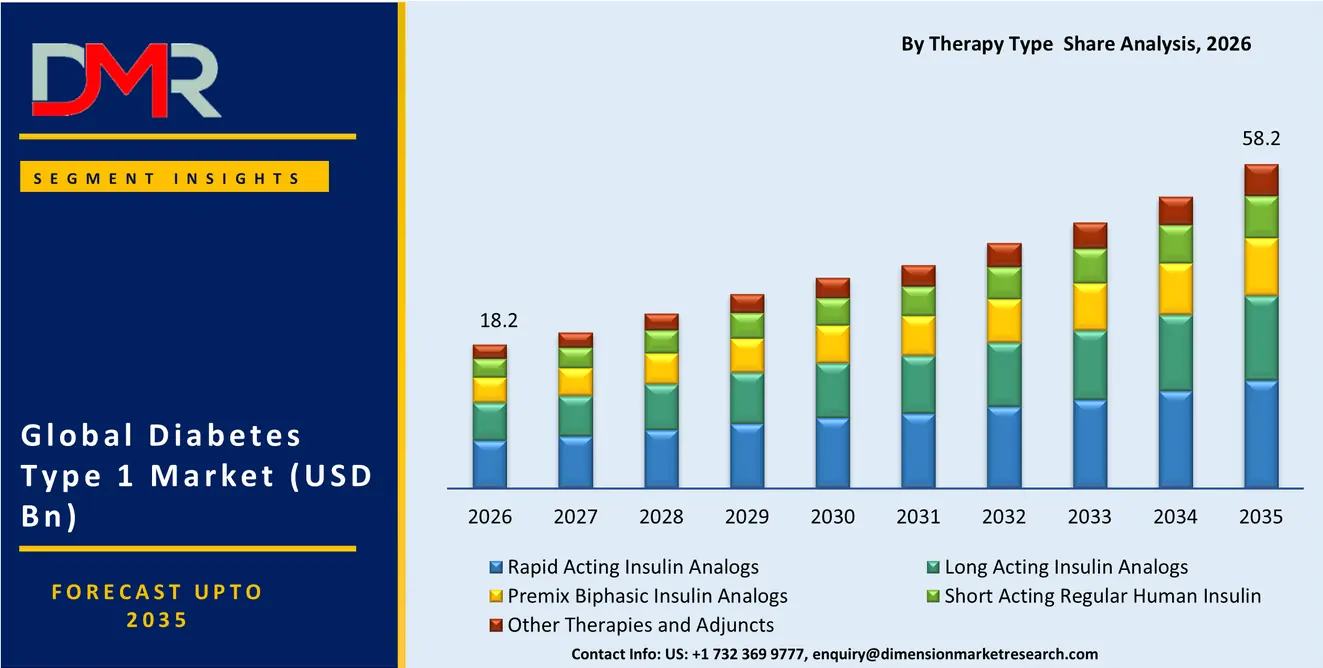
- Rapid Acting Insulin Analogs is the leading therapy type segment in 2026: 38.5%
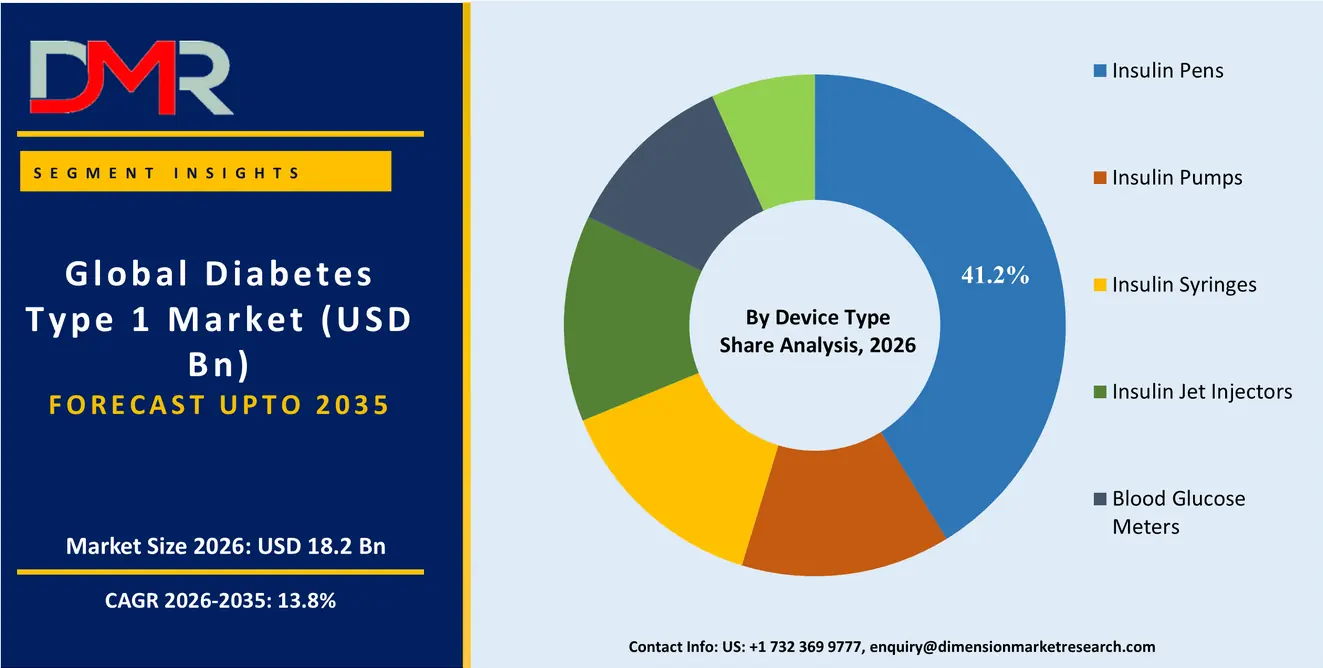
- Insulin Pens is the leading device type segment in 2026: 41.2%
- Adults is the leading patient age segment in 2026: 72.6%
- Retail Pharmacies is the leading distribution channel segment in 2026: 45.3%
- Home Care Settings is the leading end user segment in 2026: 48.5%
- North America is the leading region in 2026: 37.9%
What is the Global Diabetes Type 1 and its Market Size?
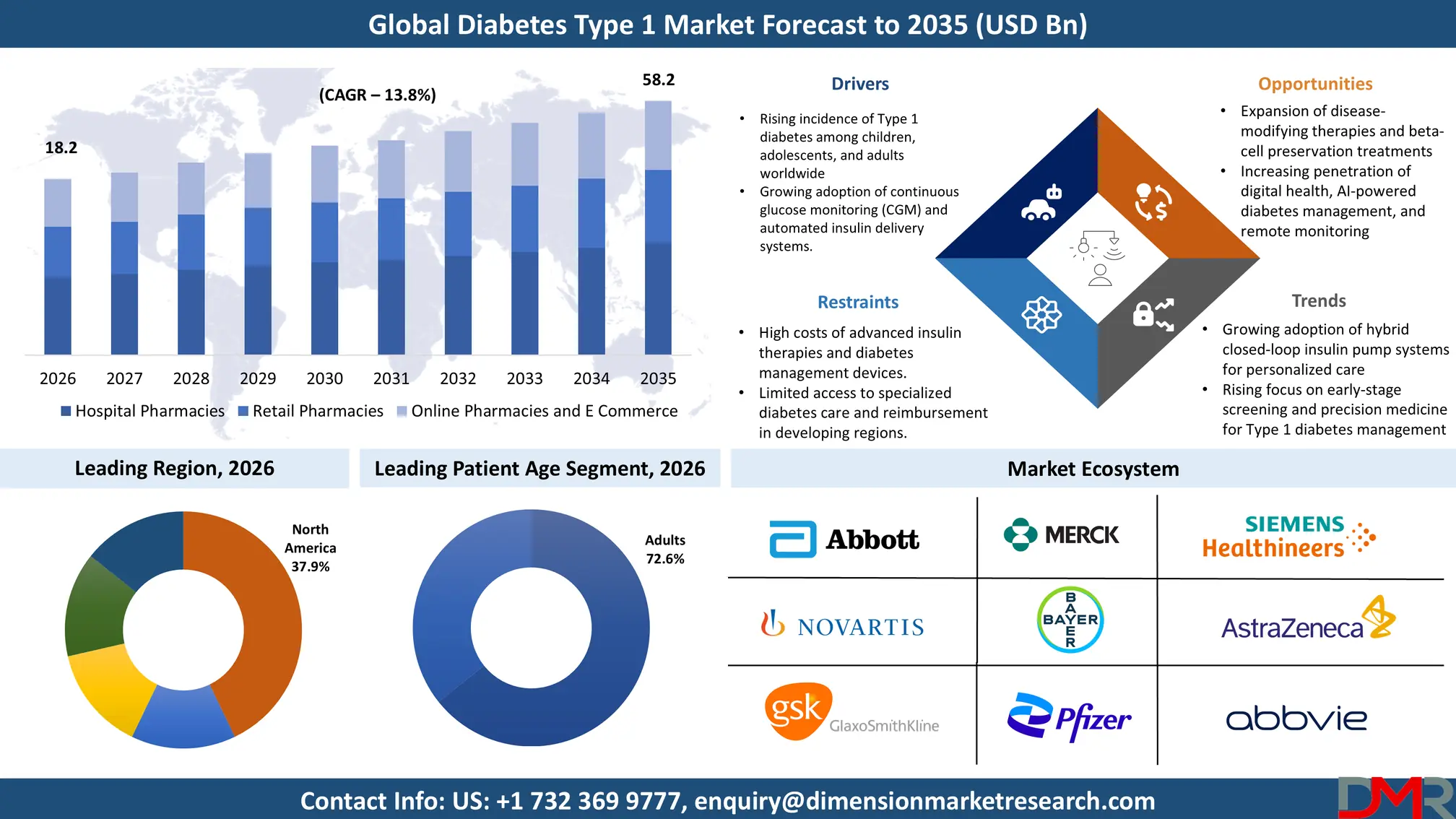
The Global Diabetes Type 1 Market is projected to be valued at USD 18.2 billion in 2026 and is projected to reach USD 58.2 billion by 2035, expanding at a CAGR of 13.8% during the forecast period.
ℹ
To learn more about this report –
Download Your Free Sample Report Here
Growth is being propelled by the escalating global incidence of autoimmune beta cell destruction, particularly in pediatric and young adult populations, coupled with transformative advances in automated insulin delivery (AID) systems and continuous glucose monitoring (CGM) technologies. The integration of hybrid closed loop algorithms, the expanding adoption of ultra rapid acting insulin analogs, and the entry of disease modifying immunotherapies such as teplizumab are reshaping the care paradigm from reactive glycemic management to proactive preservation of C peptide and beta cell function. Investment is accelerating as health systems shift from episodic specialist visits toward connected, AI augmented self management ecosystems that reduce diabetic ketoacidosis hospitalizations and long term microvascular complications.
Use Cases
- Early Childhood Diagnosis and Autoantibody Screening: Pediatric endocrinology clinics utilize multiplex autoantibody panels (GAD65, IA 2, ZnT8, insulin autoantibodies) in first degree relatives and at risk HLA genotyped infants to identify preclinical Type 1 diabetes. Early detection enables enrollment in immune intervention trials and, in eligible patients, administration of teplizumab to delay clinical onset by a median of two to three years.
- Automated Insulin Delivery for Glycemic Optimization: Home care settings increasingly deploy hybrid closed loop systems that integrate real time CGM data with adaptive algorithms controlling subcutaneous insulin pump delivery. These systems automatically modulate basal insulin, deliver correction boluses, and suspend insulin to prevent hypoglycemia, resulting in >70% time in range and reduced HbA1c without increasing hypoglycemic burden.
- Brittle Diabetes and Islet Cell Transplantation: Specialized transplant centers perform allogeneic islet cell infusions via the portal vein in patients with severe hypoglycemic unawareness and extreme glycemic lability. Post transplant, recipients achieve insulin independence or markedly reduced insulin requirements, monitored via serial C peptide measurements, while on immunosuppressive regimens tailored to preserve graft function.
- Smart Pen Ecosystems with Dose Capture and AI Coaching: Adults with Type 1 diabetes using smart insulin pens equipped with Bluetooth connectivity and dose memory functions upload bolus and basal data to companion mobile apps. Machine learning algorithms analyze carbohydrate intake, activity, and glucose trends to provide real time titration advice, reducing missed doses and improving adherence.
Key Takeaways
- Market Size: The Global Diabetes Type 1 Market is anticipated to be valued at USD 18.2 billion in 2026 and is forecast to reach USD 58.2 billion by 2035, expanding at a CAGR of 13.8%.
- Growth Outlook: Market expansion is sustained by the relentless rise in T1D incidence, the global acceptance of closed loop insulin delivery, the proliferation of real time CGM, and the integration of digital health tools enabling remote glycemic surveillance and personalized insulin dosing.
- Primary Growth Drivers: A mounting prevalent T1D population requiring lifelong intensive insulin therapy, groundbreaking clinical evidence for ultra rapid acting analogs and AID systems, regulatory incentives for disease modifying immunotherapies, and expanding reimbursement for connected diabetes devices are accelerating investment across the insulin dependent diabetes care continuum.
- By Therapy Type Analysis: Rapid Acting Insulin Analogs is projected to lead the therapy segment with a dominant 38.5% share in 2026, driven by their essential role in mealtime and correction bolus regimens, as well as adoption in insulin pump cartridges for automated delivery. Other Therapies and Adjuncts (including teplizumab, islet cell, and stem cell therapies) is the fastest expanding therapy segment at 16.5% CAGR.
- By Device Type Analysis: Insulin Pens is expected to dominate with a 41.2% share in 2026, supported by patient preference for discreet, convenient multiple daily injection (MDI) therapy and the growing availability of connected smart pens. Continuous Glucose Monitoring Systems is projected to exhibit the highest CAGR at 15.2% due to guideline recommended CGM use in all T1D patients and the integration of real time alarms and trend arrows.
- By Patient Age Analysis: Adults is poised to lead with a 72.6% share in 2026, reflecting the cumulative lifespan of individuals diagnosed in childhood who transition to adult care, as well as adult onset autoimmune diabetes. Children and Pediatrics is the fastest growing patient age segment at 8.5% CAGR, driven by the increasing annual incidence of new onset T1D in children under 15 years in multiple global regions.
- By Distribution Channel Analysis: Retail Pharmacies is expected to command a 45.3% share in 2026, underpinned by the widespread dispensation of insulin, pen needles, test strips, and glucometers through community pharmacies. Online Pharmacies and E Commerce is the fastest growing channel at 18.0% CAGR, fueled by direct to consumer models for CGM sensors, pump supplies, and subscription based insulin delivery services.
- By End User Analysis: Home Care Settings is projected to lead with a 48.5% share in 2026, as the vast majority of T1D self management insulin administration, glucose monitoring, pump and CGM operation occurs outside clinical facilities. Research Institutes and Academic Centers is the fastest growing end user segment at 12.5% CAGR, driven by intensifying clinical research in beta cell replacement, gene editing, and immunotherapy trials.
How AI/Gen AI is Transforming the Diabetes Type 1 Market?
Artificial intelligence and digital health technologies are fundamentally reshaping T1D care by enabling predictive glucose forecasting, automated insulin modulation, and personalized decision support. Advanced machine learning algorithms embedded in hybrid closed loop systems process CGM data, insulin on board, and meal inputs to forecast glucose excursions 30-60 minutes ahead and preemptively adjust basal rates and micro boluses. These AID systems reduce the cognitive burden of constant decision making, minimize nocturnal hypoglycemia, and improve time in range to levels previously unattainable with manual interventions.
Key Drivers in the Global Diabetes Type 1 Market
Accelerating Global Incidence of Pediatric and Adult-Onset Type 1 Diabetes
The age standardized incidence of T1D is rising 3-4% annually worldwide, with particularly steep increases in children under 5 years old and in regions previously considered low incidence, such as Asia Pacific and the Middle East. The interplay of genetic susceptibility, environmental triggers, and gut microbiome alterations is expanding the pool of individuals requiring lifelong intensive insulin therapy. As pediatric onset becomes more common and survival into adulthood improves, the prevalent T1D population grows continuously, directly fueling demand for insulin analogs, pump hardware, CGM sensors, and adjunctive therapies. National diabetes registries and newborn screening pilot programs are amplifying early case detection, funneling newly diagnosed patients into device intensive management pathways earlier than ever before.
Technological Breakthroughs in Automated Insulin Delivery and Continuous Monitoring
The evolution from standalone insulin pumps to interoperable automated insulin delivery systems has revolutionized the standard of care. Regulatory clearances for adaptive closed loop algorithms that do not require manual meal announcements, combined with factory calibrated, long wear CGM sensors, have dramatically lowered user burden. Interoperability standards (e.g., iController AID, Bluetooth enabled pumps accepting commands from third party algorithms) are fostering a competitive ecosystem where smartwatch controlled dosing and do it yourself (DIY) loop systems are transitioning toward regulated, FDA cleared configurations. This rapid technology cycle accelerates device replacement and upgrade frequency, sustaining high growth trajectories for CGM and pump manufacturers.
Restraints in the Global Diabetes Type 1 Market
High Cost and Inequitable Access to Advanced Insulin and Device Ecosystems
Despite the life sustaining nature of intensive insulin therapy, the multi component cost of CGM sensors, insulin pumps, ultra rapid analogs, and smart pens imposes severe financial strain, particularly in low and middle income countries where a monthly supply of insulin alone can exceed average household income. Even in high income markets, insurance formulary exclusions, high deductibles, and restrictive prior authorization create "insulin rationing" and device abandonment, directly limiting market penetration of premium technologies. The disparity between guideline recommended CGM use for all T1D patients and actual real world access restrains volume growth in the device segment and perpetuates suboptimal glycemic outcomes, particularly among underserved minority populations and those in rural geographies.
Growth Opportunities in the Global Diabetes Type 1 Market
Disease Modifying Immunotherapies and Beta Cell Preservation
The FDA approval of teplizumab as the first therapy to delay clinical T1D onset has opened a new market frontier for immune modulating agents targeting Stage 2 and Stage 3 T1D. Anti CD3 monoclonal antibodies, antigen specific therapies, and cytokine inhibitors are under investigation to preserve residual C peptide secretion, extending the "honeymoon period" and reducing long term insulin requirements. Pharmaceutical companies that successfully commercialize disease modifying biologics for recent onset T1D will tap into a high value, early intervention niche market. Complementary biomarkers for beta cell stress (proinsulin:C peptide ratio) are advancing as companion diagnostics that can guide immunotherapy candidacy and monitor treatment response.
Stem Cell Derived Beta Cell Replacement and Encapsulation Technologies
Vertex Pharmaceuticals' VX 880 trial, demonstrating insulin independence in patients with longstanding T1D following infusion of stem cell derived, fully differentiated islet cells, signals the dawn of a curative paradigm. Alongside gene edited, hypoimmune stem cell lines designed to evade allogeneic rejection without immunosuppression, the regenerative medicine segment is poised to capture a transformative share of the late stage T1D market. Encapsulation devices (macroencapsulation, microencapsulation) that protect implanted cells from immune attack while allowing glucose sensing and insulin secretion are approaching pivotal trials. Success in this arena would fundamentally shift the treatment landscape from chronic maintenance to durable cell replacement, creating a premium priced, procedure based market.
Trends in the Global Diabetes Type 1 Market
Integration of Type 1 Diabetes into Connected Digital Health Ecosystems
A defining trend is the dissolution of data silos between CGM, insulin pumps, smart pens, fitness wearables, and electronic health records. Cloud based platforms aggregate glucose, insulin, meal, and activity data into unified dashboards for patients, caregivers, and clinicians, enabling population health management and remote therapeutic adjustments. Digital coaching applications employing generative AI to interpret glycemic patterns and deliver natural language insulin titration guidance are supplanting traditional logbook reviews. The market is consolidating around interoperable, modular ecosystems where users mix and match best in class sensors, pumps, and algorithms, fostering competition and accelerating innovation.
Ultra Rapid Acting Insulins and Once Weekly Basal Insulins
The advent of ultra rapid acting insulin formulations (faster insulin aspart, ultra rapid lispro) that more closely mimic physiologic first phase insulin secretion is enabling tighter postprandial control without late post meal hypoglycemia when paired with CGM informed bolus calculators. Concurrently, once weekly basal insulin icodec is being investigated in T1D to reduce injection burden, potentially enhancing adherence in adolescents and young adults who frequently miss daily basal doses. These innovations are expanding the insulin therapy landscape, creating segmentation within the rapid and basal analog categories and driving premium pricing.
Research Scope and Analysis
The Global Diabetes Type 1 Market is segmented by therapy type, device type, patient age, distribution channel, and end user. Therapy includes rapid acting analogs, long acting analogs, premix biphasic insulins, short acting regular human insulin, and emerging adjuncts. Devices comprise insulin pumps, pens, syringes, jet injectors, blood glucose meters, and continuous glucose monitoring systems. Patient age covers children/pediatrics and adults. Distribution channels include hospital pharmacies, retail pharmacies, and online/e commerce. End users encompass hospitals/clinics, home care settings, and research institutes.
ℹ
To learn more about this report –
Download Your Free Sample Report Here
By Therapy Type
Rapid Acting Insulin Analogs is projected to dominate the Global Diabetes Type 1 Market, accounting for an estimated 38.5% share in 2026. Insulin lispro, insulin aspart, and insulin glulisine are foundational to basal bolus and pump regimens, providing mealtime glycemic control and correction dosing. Their fast onset of action profile, widespread formulary coverage, and availability in pump compatible formulations sustain high utilization.
ℹ
To learn more about this report –
Download Your Free Sample Report Here
Other Therapies and Adjuncts including teplizumab immunotherapy, pramlintide, islet cell transplantation, and stem cell derived beta cell therapies are anticipated to register the highest CAGR of 16.5% during 2026–2035. This growth is fueled by regulatory milestones in disease modifying agents and intensifying investment in regenerative medicine aimed at restoring endogenous insulin secretion.
By Device Type
Insulin Pens is anticipated to represent the dominant device type segment, with an estimated 41.2% market share in 2026. Reusable and disposable pens are preferred for their portability, dosing accuracy, and discreetness in multiple daily injection regimens. Smart insulin pens with dose capture and Bluetooth connectivity are expanding this segment into connected care. Continuous Glucose Monitoring Systems are projected to record the highest CAGR of 15.2% from 2026 to 2035. Real time and intermittently scanned CGM sensors have become standard of care for T1D, with guidelines recommending their use in all patients. Expanding reimbursement, factory calibration, and integration with automated insulin delivery algorithms propel this trajectory.
By Patient Age
Adults are poised to constitute the largest patient age segment, holding an estimated 72.6% share in 2026. This encompasses the substantial adult T1D population, including those diagnosed in childhood who have transitioned to adult endocrinology care, plus individuals with latent autoimmune diabetes in adults (LADA) who ultimately require intensive insulin therapy. The adult segment generates sustained demand for insulin, CGM, and pump technologies over decades of life. Children and Pediatrics is the fastest growing segment at an 8.5% CAGR, driven by the rising incidence of new onset T1D in the under 15 age group and earlier adoption of advanced device therapy at diagnosis, supported by pediatric endocrinology guidelines and parental demand for CGM based remote monitoring.
By Distribution Channel
Retail Pharmacies is expected to hold the leading position in distribution, with an estimated 45.3% share in 2026. The dispensing of insulin vials, pens, pen needles, test strips, and glucose meters through community pharmacy networks ensures broad patient access, particularly in markets with strong retail pharmacy infrastructure. Online Pharmacies and E Commerce is the fastest growing distribution channel, registering a CAGR of 18.0% from 2026 to 2035. Direct to consumer supply of CGM sensors, pump infusion sets, and subscription based insulin delivery via digital platforms is gaining traction, accelerated by telemedicine generated prescriptions and patient preference for home delivery of chronic diabetes supplies.
By End User
Home Care Settings is projected to dominate the end user landscape, representing an estimated 48.5% share in 2026. T1D management is intrinsically a patient centric, self administered endeavor: insulin injection or pump wearing, CGM sensor insertion, carbohydrate counting, and hypoglycemia treatment all occur primarily in the home environment. This entrenched behavioral pattern ensures that home care remains the largest consumption setting. Research Institutes and Academic Centers are projected to grow at the highest CAGR of 12.5% through 2035. The pipeline of beta cell replacement therapies, gene editing, and novel immunotherapy trials conducted in academic medical centers is expanding the institutional demand for investigational products and specialized diagnostic assays.
The Global Diabetes Type 1 Market Report is segmented on the basis of the following:
By Therapy Type
- Rapid Acting Insulin Analogs
- Insulin Lispro
- Insulin Aspart
- Insulin Glulisine
- Long Acting Insulin Analogs
- Insulin Glargine
- Insulin Detemir
- Insulin Degludec
- Premix Biphasic Insulin Analogs
- Biphasic Insulin Aspart
- Biphasic Insulin Lispro
- Short Acting Regular Human Insulin
- Regular Human Insulin
- Biosimilar Human Insulin
- Other Therapies and Adjuncts
- Pramlintide
- Immunotherapies
- Islet Cell Therapies
- Stem Cell Based Therapies
By Device Type
- Insulin Pens
- Reusable Insulin Pens
- Disposable Insulin Pens
- Smart Insulin Pens
- Insulin Pumps
- Tubed Insulin Pumps
- Patch Insulin Pumps
- Automated Insulin Delivery Systems
- Insulin Syringes
- Standard Syringes
- Safety Syringes
- Insulin Jet Injectors
- Disposable Jet Injectors
- Reusable Jet Injectors
- Blood Glucose Meters
- Self Monitoring Blood Glucose Meters
- Test Strips
- Lancets
- Continuous Glucose Monitoring Systems
- Real Time CGM Systems
- Intermittently Scanned CGM Systems
- CGM Sensors
- CGM Receivers and Transmitters
By Patient Age
- Children and Pediatrics
- Adults
By Distribution Channel
- Hospital Pharmacies
- Retail Pharmacies
- Online Pharmacies and E Commerce
By End User
- Hospitals and Clinics
- Home Care Settings
- Research Institutes and Academic Centers
- Others
Regional Analysis
North America is the Leading Region in the Global Diabetes Type 1 Market
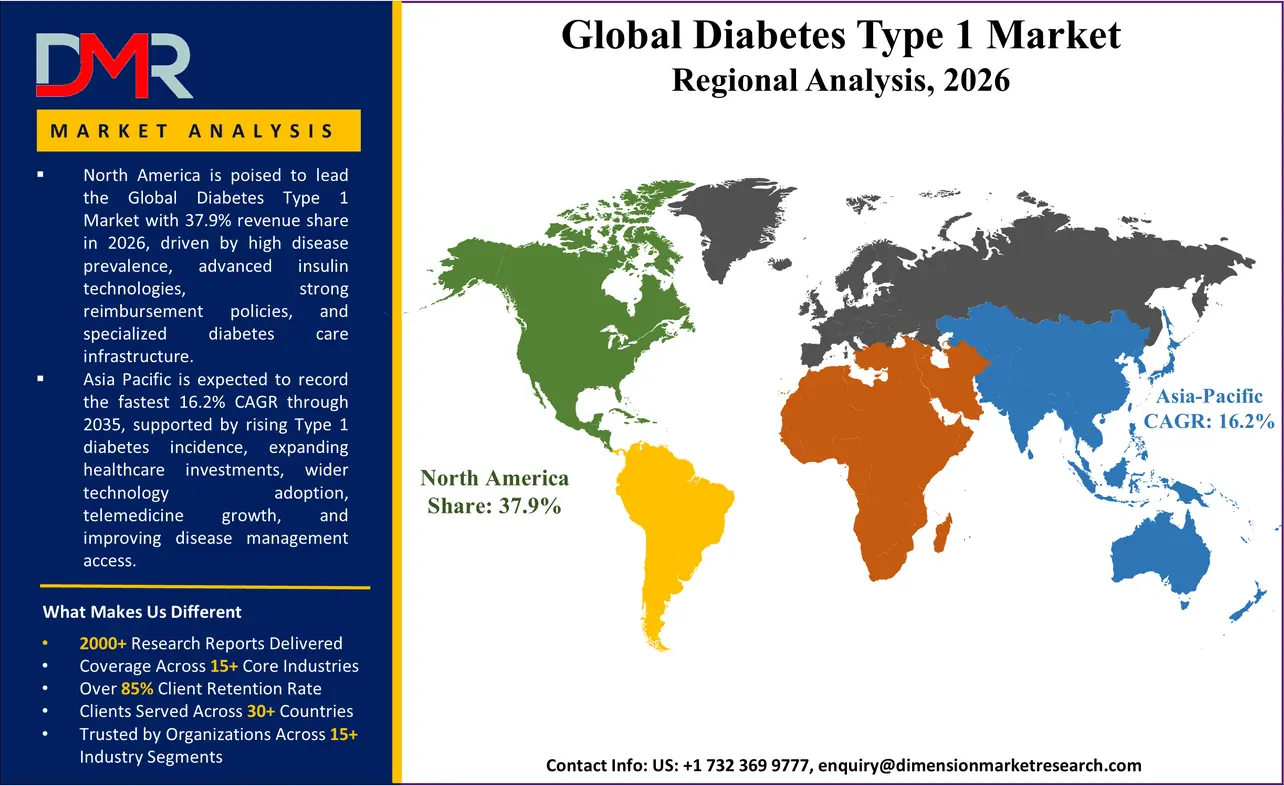
North America is poised to lead the Global Diabetes Type 1 Market with an estimated 37.9% revenue share in 2026, translating to a market size of approximately USD 6.9 billion. The region's dominance is anchored by the highest global prevalence of T1D, comprehensive commercial and public insurance coverage for insulin pumps and CGM, and a deeply entrenched ecosystem of endocrinology specialty practices and diabetes educators. The United States, in particular, exhibits rapid uptake of automated insulin delivery systems and disease modifying immunotherapy (teplizumab) for Stage 2 T1D, driven by proactive guidelines from the American Diabetes Association and robust support from JDRF funded initiatives.
ℹ
To learn more about this report –
Download Your Free Sample Report Here
Asia Pacific is the Fastest-Growing Region in the Global Diabetes Type 1 Market
Asia Pacific is projected to register the fastest regional CAGR of 16.2% through 2035. This growth is propelled by the steep rise in childhood T1D incidence across China, India, and Southeast Asia, alongside expanding private and public healthcare investments in insulin access and diabetes technology. National T1D registries in China and Japan are enabling better epidemiological characterization and healthcare resource allocation. Multinational device manufacturers are strategically entering APAC markets with localized CGM and pump offerings adapted to tropical climates and lower cost tiered devices. Telemedicine and mHealth platforms are bridging the gap between scarce pediatric endocrinologists and geographically dispersed patients.
The Europe Diabetes Type 1 Market
Europe represents one of the largest regional markets, characterized by universal healthcare systems that provide broad reimbursement for insulin analogs, pumps, and CGM though with variation in device access and eligibility criteria across nations. Germany, the UK, and Scandinavia lead in CGM and pump penetration, while Eastern Europe presents growth potential as health systems modernize diabetes care. The European Association for the Study of Diabetes (EASD) and ISPAD guidelines emphasize sensor augmented pump therapy and AID, driving adoption. Regulatory harmonization under the EU Medical Device Regulation is reshaping market entry timelines for connected devices.
Latin America Diabetes Type 1 Market
The Latin America T1D Market is expanding as improved diagnosis of pediatric autoimmune diabetes and government programs such as Brazil's SUS provide insulin and basic glucose monitoring free of charge. Brazil and Mexico are the primary markets, with growing private insurance coverage for insulin pumps in urban centers. Access barriers including high out of pocket costs for CGM and pump supplies limit volume, but initiatives by the International Diabetes Federation and local patient advocacy groups are raising awareness and pushing for expanded device reimbursement.
Middle East and Africa Diabetes Type 1 Market
The Middle East and Africa T1D Market is developing amid a high consanguinity driven genetic predisposition in Gulf Cooperation Council (GCC) nations and a rising recognition of pediatric diabetes in sub Saharan Africa. Saudi Arabia and the UAE are key markets, with government funded insulin and growing pump/CGM adoption in specialized pediatric diabetes centers. Sub Saharan Africa faces severe insulin access inequities and lack of diagnostic capacity; philanthropic programs supplying insulin, syringes, and point of care HbA1c testing are the foundation of care, presenting a latent growth opportunity for affordable biosimilar insulins and non invasive monitoring technologies.
Major Countries Analysis
The US Diabetes Type 1 Market
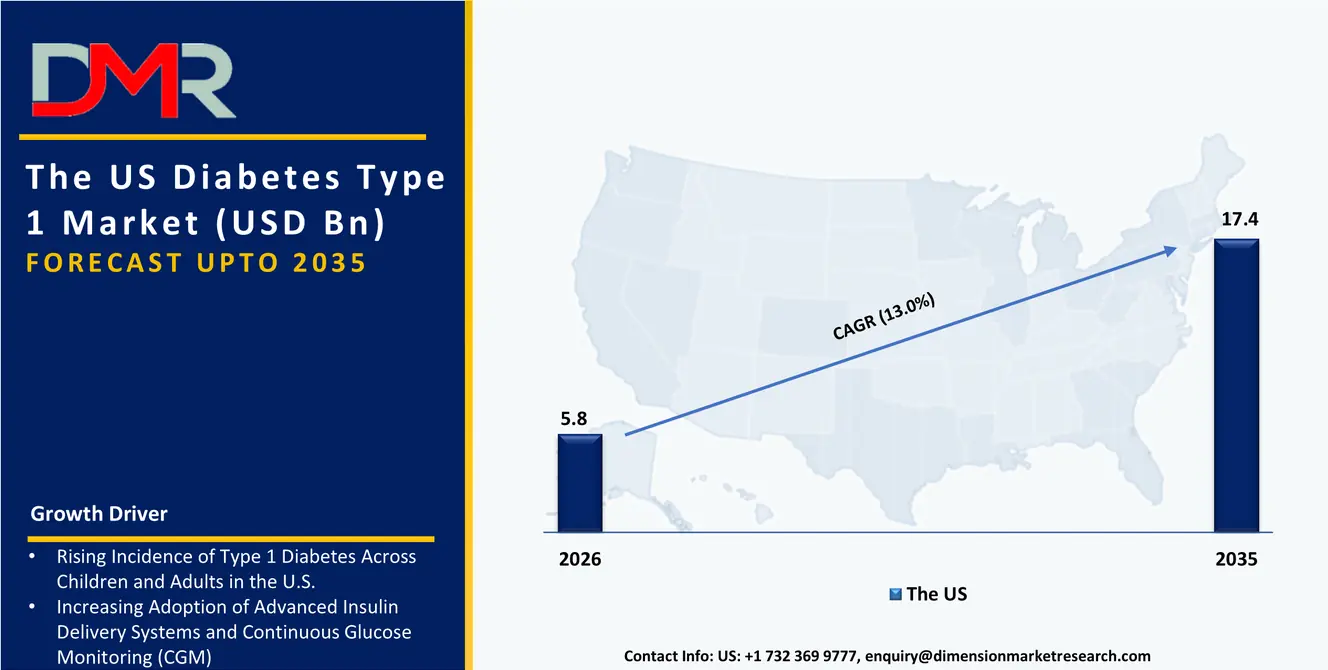
The United States T1D Market is projected to be valued at USD 5.8 billion in 2026 and is expected to reach approximately USD 17.4 billion by 2035, registering at a CAGR of 13.0% throughout the forecast period. This robust trajectory reflects the U.S.'s standing as the highest value single country T1D market globally, underpinned by an estimated 1.6 million Americans living with T1D.
ℹ
To learn more about this report –
Download Your Free Sample Report Here
Growth is fueled by the JDRF led advocacy for CGM and AID access, the expanding eligibility for teplizumab infusion in at risk relatives, and the rapid cadence of FDA clearances for interoperable automated insulin delivery systems. The shift toward value based diabetes care and employer sponsored digital health platforms is opening new revenue streams for companies offering integrated glucose management solutions with proven outcomes in HbA1c reduction and reduced DKA hospitalizations.
Japan Diabetes Type 1 Market
Japan possesses a sizable T1D patient population managed through a universal health system that generously covers insulin pumps and CGM. The Japanese regulatory environment, which has historically been favorable for early approval of next generation diabetes technologies, supports a high prevalence of sensor augmented pump therapy. Local device manufacturers compete alongside global players, and the Ministry of Health, Labour and Welfare's pediatric diabetes initiatives have catalyzed early CGM initiation in newly diagnosed children, creating a technologically sophisticated market.
Saudi Arabia Diabetes Type 1 Market
Saudi Arabia's T1D market is propelled by a high incidence of juvenile autoimmune diabetes, partly attributed to genetic factors, and the government's commitment to providing comprehensive diabetes care for citizens. Specialized pediatric diabetes centers equipped with insulin pumps and CGM are expanding under Vision 2030 health transformation programs. The Saudi FDA's acceptance of global device approvals and the Ministry of Health's bulk procurement of insulin analogs ensure broad access, while public private partnerships in digital health are introducing smart pen and tele education platforms.
Regulatory Landscape
The regulatory landscape for T1D therapies and devices is characterized by frameworks that balance accelerated access for life sustaining technologies with rigorous safety evidence. The FDA's Center for Devices and Radiological Health has granted De Novo and 510(k) clearances to multiple interoperable automated insulin delivery systems, using time in range and HbA1c as primary endpoints. Breakthrough Device Designation has been awarded to dual hormone (insulin+glucagon) closed loop systems and non invasive glucose sensors. For immunotherapies, the FDA's approval of teplizumab under a paradigm of delay of clinical T1D set a precedent for disease modification endpoints. The EMA and PMDA have aligned with similar frameworks, adopting time in range as a clinically meaningful glycemic endpoint. Reimbursement decisions by national health technology assessment bodies particularly concerning cost effectiveness thresholds for CGM and AID remain pivotal in shaping regional market access.
Epidemiology Analysis
- Type 1 diabetes affects an estimated 9.5 million people globally, including approximately 1.9 million children and adolescents under 20 years, based on 2024 IDF estimates. Annual new diagnoses are projected at about 513,000 in 2025, highlighting a steadily expanding treated population.
- North America and Europe retain substantial diagnosed patient pools and high adoption of advanced insulin delivery technologies. The United States alone has approximately 2.1 million diagnosed people with type 1 diabetes, including 314,000 individuals under 20 years. China and India represent important pediatric case-load markets, although underdiagnosis and misclassification remain concerns.
- Insulin pumps and CGM systems are widely adopted in higher-income markets, while access remains limited across many low- and middle-income countries. Disease-modifying therapies remain an early-stage opportunity: teplizumab is intended to delay progression from Stage 2 to Stage 3 T1D, rather than treat established disease. Future growth will depend on earlier screening, insulin affordability, broader CGM reimbursement, and progress in beta-cell replacement therapies.
By Region
North America
Europe
- Germany
- France
- The U.K.
- Italy
- Spain
- Rest of Europe
Asia-Pacific
- China
- Japan
- India
- Australia
- South Korea
- Rest of APAC
Latin America
- Mexico
- Brazil
- Rest of LATAM
Middle East & Africa
- Saudi Arabia
- The UAE
- South Africa
- Rest of MEA
Competitive Landscape
The Global T1D Market features a diverse competitive landscape spanning insulin manufacturer, insulin pump and CGM innovators, smart pen developers, and emerging cell therapy and immunotherapy companies. Novo Nordisk, Eli Lilly, and Sanofi dominate the insulin analog market, with ultra rapid acting formulations (Fiasp, Lyumjev) and once weekly basal insulins (icodec) in development. Medtronic Diabetes, Tandem Diabetes Care, and Insulet Corporation lead the insulin pump and AID market with their MiniMed™, t:slim X2™ with Control IQ, and Omnipod® 5 systems. Dexcom and Abbott Diabetes Care dominate CGM with G7 and Freestyle Libre 3 real time and intermittently scanned sensors. Smart insulin pen competitors (Medtronic InPen, NovoPen® 6, Bigfoot Unity) are bridging the gap between MDI and connected care. In immunotherapy and cell therapy, Provention Bio/Sanofi (teplizumab), Vertex Pharmaceuticals (VX 880 stem cell derived islets), and Sernova (Cell Pouch) are pioneering disease modifying and curative approaches.
Some of the prominent players in the Global Diabetes Type 1 Market are:
- Novo Nordisk A/S
- Eli Lilly and Company
- Sanofi S.A.
- Medtronic plc
- Dexcom, Inc.
- Abbott Laboratories
- Insulet Corporation
- Tandem Diabetes Care, Inc.
- F. Hoffmann La Roche Ltd.
- Ypsomed AG
- Becton, Dickinson and Company
- Terumo Corporation
- Biocon Limited
- Wockhardt Ltd.
- Vertex Pharmaceuticals Incorporated
- Provention Bio, Inc. (Sanofi)
- ViaCyte, Inc. (Vertex)
- Beta Bionics, Inc.
- Bigfoot Biomedical, Inc.
- Diabeloop SA
- CamDiab Ltd.
- Sernova Corp.
- Zealand Pharma A/S
- Gan & Lee Pharmaceuticals
- Mylan N.V. (Viatris)
- Ascensia Diabetes Care Holdings AG
- LifeScan, Inc.
- DarioHealth Corp.
- Glooko, Inc.
- Other Key Players
Recent Developments
- April 2026: Tandem Diabetes Care announced FDA clearance of Control IQ Plus technology for use during pregnancy with its t:slim X2 and Tandem Mobi insulin pump systems. It was not a t:slim X3, fully closed loop system, or Dexcom G8 integration.
- January 2026: The European Commission approved Sanofi's Teizeild, or teplizumab, to delay progression from Stage 2 to Stage 3 type 1 diabetes in eligible patients aged eight years and older. Trial evidence demonstrated a median delay of approximately two years versus placebo.
- March 2025: Vertex Pharmaceuticals discontinued further clinical development of VX 264 after early clinical data did not meet efficacy expectations. The investigational encapsulated stem cell derived islet therapy was intended to avoid chronic immunosuppression.
Report Details
| Report Characteristics |
| Market Size (2026) |
USD 18.2 Bn |
| Forecast Value (2035) |
USD 58.2 Bn |
| CAGR (2026–2035) |
13.8% |
| The US Market Size (2026) |
USD 5.8 Bn |
| Historical Data |
2021 – 2025 |
| Forecast Data |
2027 – 2035 |
| Base Year |
2025 |
| Estimate Year |
2026 |
| Segments Covered |
By Therapy Type, By Device Type, By Patient Age, By Distribution Channel, and By End User |
| Regional Coverage |
North America – The US and Canada; Europe – Germany, France, The UK, Italy, Spain, Rest of Europe; Asia-Pacific – China, Japan, India, Australia, South Korea, Rest of APAC; Latin America – Mexico, Brazil, Colombia, Argentina, Rest of LATAM; Middle East & Africa – Saudi Arabia, The UAE, South Africa, Rest of MEA |
Frequently Asked Questions
How big is the Global Diabetes Type 1 Market?
▾ The Global Diabetes Type 1 Market is valued at USD 18.2 billion in 2026 and is projected to reach USD 58.2 billion by 2035, reflecting strong global demand for insulin analogs, automated insulin delivery, continuous glucose monitoring, and emerging disease-modifying therapies.
What is the CAGR of the Global Diabetes Type 1 Market from 2026 to 2035?
▾ The market is projected to expand at a compound annual growth rate (CAGR) of 13.8% between 2026 and 2035, supported by technological advances in closed-loop systems, rising T1D incidence, and expanding reimbursement for diabetes devices.
What factors are driving the growth of the Global Diabetes Type 1 Market?
▾ Growth is driven by the escalating incidence of pediatric and adult-onset T1D, breakthrough automated insulin delivery and CGM technologies, regulatory approvals of disease-modifying immunotherapies, and the integration of AI-powered self-management tools.
What are the major trends in the Global Diabetes Type 1 Market?
▾ Major trends include the evolution of fully closed-loop insulin delivery, smart connected insulin pens, once-weekly basal insulins, stem cell-derived beta-cell replacement, and the convergence of CGM data with digital health platforms for remote glycemic monitoring.
Which region held the largest share of the Global Diabetes Type 1 Market in 2026?
▾ North America is expected to lead the global market with a 37.9% share in 2026, supported by high disease prevalence, comprehensive insurance coverage for advanced devices, and early adoption of automated insulin delivery systems.
Which region is expected to grow the fastest in the Global Diabetes Type 1 Market?
▾ Asia Pacific is expected to record the fastest growth at a 16.2% CAGR through 2035, driven by rising T1D incidence, improving insulin and device access, and national diabetes registry expansions.
Who are the key players in the Global Diabetes Type 1 Market?
▾ Key market participants include Novo Nordisk, Eli Lilly, Sanofi, Medtronic, Dexcom, Abbott, Insulet, Tandem Diabetes Care, Vertex Pharmaceuticals, and Beta Bionics, among other pharmaceutical, device, and digital health firms.
How is the Global Diabetes Type 1 Market segmented?
▾ The market is segmented by therapy type, device type, patient age, distribution channel, and end user, with regional analysis covering North America, Europe, Asia Pacific, Latin America, and the Middle East and Africa.