Global Diabetes Type 2 Market Snapshot
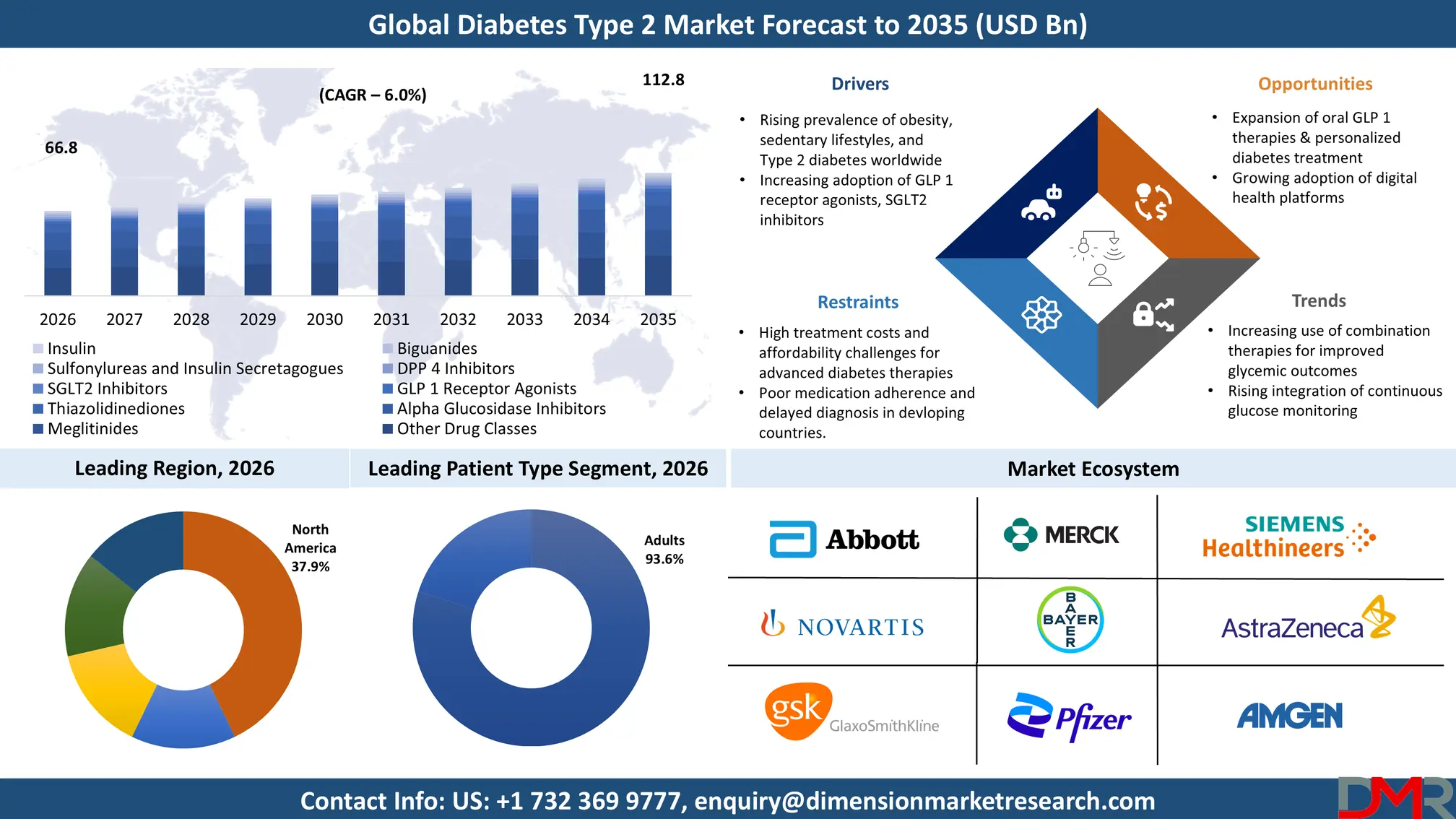
- Global Diabetes Type 2 Market Size in 2026: USD 66.8 Billion
- Global Diabetes Type 2 Market Size in 2035: USD 112.8 Billion
- Global CAGR from 2026 to 2035: 6.0%
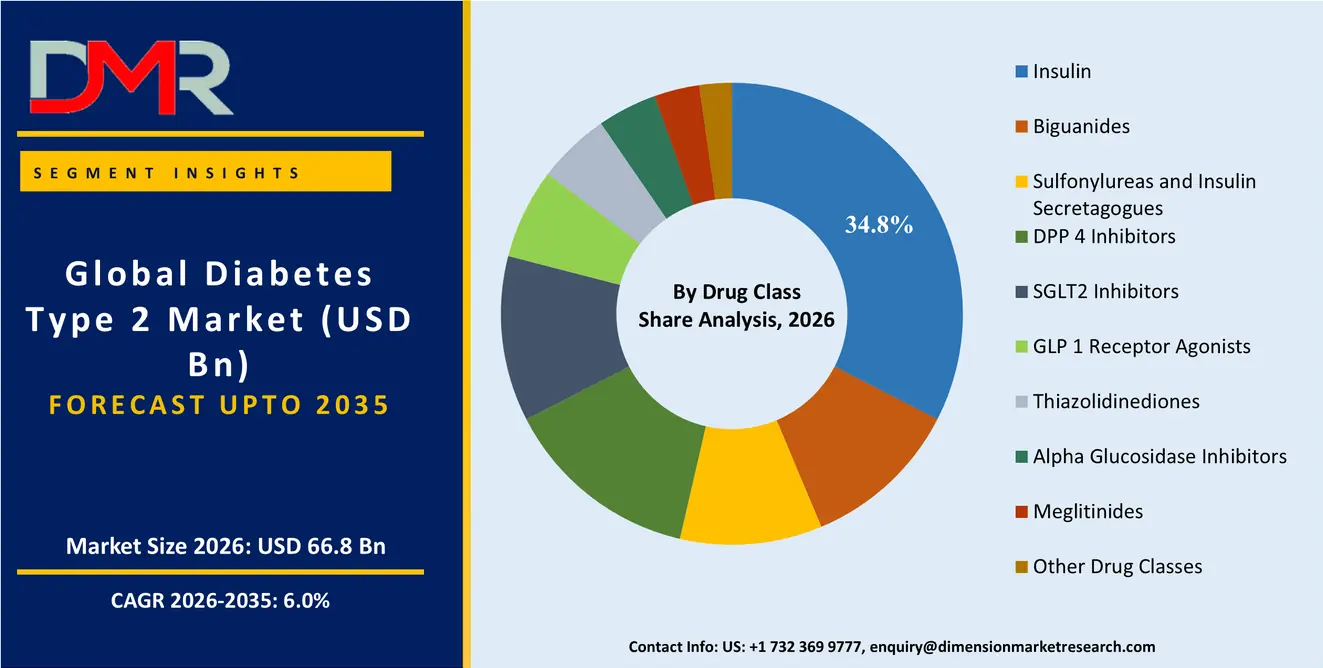
- Insulin is the leading drug class segment in 2026: 34.8%
- Oral is the leading route of administration segment in 2026: 56.4%
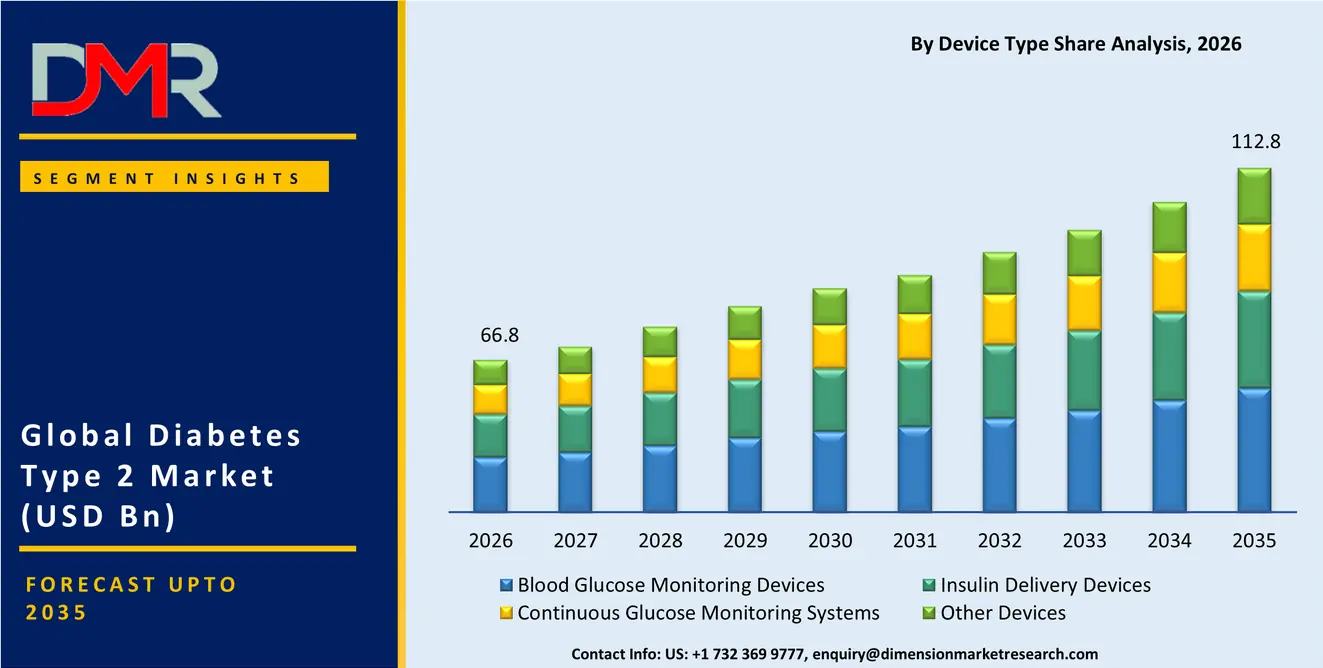
- Blood Glucose Monitoring Devices is the leading device type segment in 2026: 42.7%
- Retail Pharmacies is the leading distribution channel segment in 2026: 46.9%
- Adults is the leading patient type segment in 2026: 93.6%
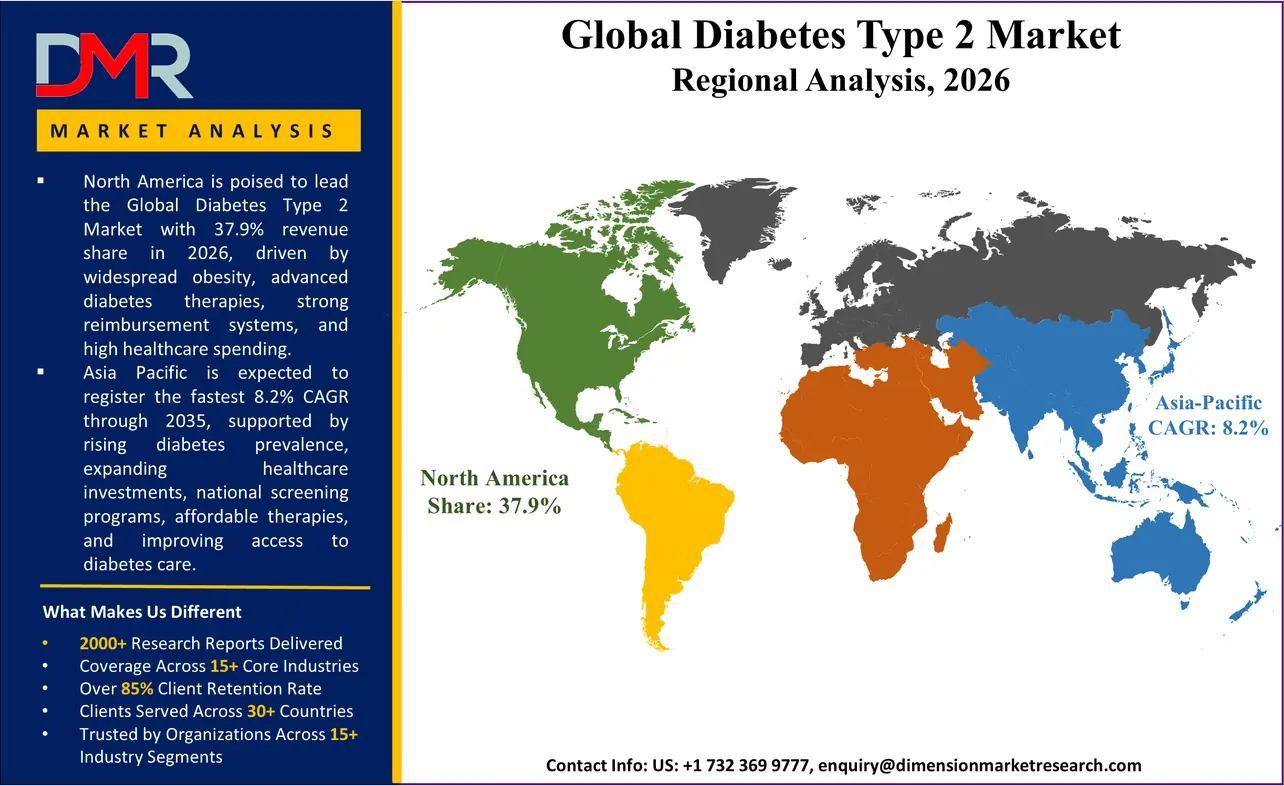
- North America is the leading region in 2026: 37.9%
What is the Global Diabetes Type 2 and its Market Size?
The Global Diabetes Type 2 Market is projected to be valued at USD 66.8 billion in 2026 and is projected to reach USD 112.8 billion by 2035, expanding at a CAGR of 6.0% during the forecast period. Growth is being propelled by the escalating global burden of insulin resistance, rising obesity and sedentary lifestyle prevalence, and an aging population increasingly predisposed to impaired glucose metabolism.
ℹ
To learn more about this report –
Download Your Free Sample Report Here
The adoption of GLP-1 receptor agonists and SGLT2 inhibitors with proven glycemic and cardiometabolic outcomes, expanding continuous glucose monitoring uptake among non-insulin-dependent patients, and broadening reimbursement frameworks for advanced insulin delivery systems are reshaping care paradigms.
Use Cases
- Early Insulin Resistance Detection and Risk Stratification: Primary care and endocrinology practices deploy HbA1c testing, fasting plasma glucose panels, and oral glucose tolerance tests to identify prediabetic and at-risk adults before overt hyperglycemia sets in.
- Optimized Glycemic Management with Remote Monitoring: Endocrinology clinics and telehealth platforms utilize connected continuous glucose monitoring systems that transmit real-time glucose trends, time-in-range metrics, and hypoglycemia alerts to care teams and patients alike.
- Injectable Therapy Adherence and Titration Support: Diabetes care programs employ smart insulin pens, prefilled GLP-1 receptor agonist injectors, and digital titration apps to improve adherence and optimize dosing for patients transitioning from oral therapy to injectables.
- Cardiometabolic Protection in Obesity and Type 2 Diabetes Overlap: Endocrinologists and cardiologists co-manage patients with concomitant obesity and type 2 diabetes by initiating guideline-directed therapy that includes both GLP-1 receptor agonists and SGLT2 inhibitors for weight and glycemic control.
Key Takeaways
- Market Size: The Global Diabetes Type 2 Market is anticipated to be valued at USD 66.8 billion in 2026 and is forecast to reach USD 112.8 billion by 2035, expanding at a CAGR of 6.0%.
- Growth Outlook: Market expansion is sustained by the inexorable rise in obesity and insulin resistance prevalence, global acceptance of incretin-based pharmacotherapy, the push toward home-based glucose monitoring, and the integration of digital health tools for remote titration and early endocrinology engagement.
- Primary Growth Drivers: A mounting prediabetic and diagnosed patient population, breakthrough clinical trial evidence for novel drug classes improving glycemic control and weight outcomes, regulatory incentives for innovative diabetes technologies, and shifting payment models toward value-based metabolic care are accelerating investment across the diabetes care continuum.
- By Drug Class Analysis: Insulin is projected to lead the drug class segment with a dominant 34.8% share in 2026, driven by its indispensable role in advanced type 2 diabetes management and the growing global diagnosed patient base requiring intensified glycemic control, while GLP-1 Receptor Agonists hold a 12.6% share and represent the fastest-growing therapeutic class on the strength of landmark cardiometabolic outcome trials.
- By Route of Administration Analysis: Oral is expected to command a 56.4% share in 2026, underpinned by the dominance of oral antihyperglycemic agents and growing oral GLP-1 formulations, while Subcutaneous Injectable therapies hold an 11.8% share and are gaining ground rapidly as incretin-based injectables expand.
- By Device Type Analysis: Blood Glucose Monitoring Devices are poised to lead with a 42.7% share in 2026, reflecting their entrenched, low-cost role in routine self-monitoring, while Continuous Glucose Monitoring Systems are projected to hold a 15.3% share and post the fastest growth as real-time monitoring extends beyond insulin-dependent patients.
- By Distribution Channel Analysis: Retail Pharmacies are expected to dominate with a 46.9% share in 2026, supported by widespread accessibility and chronic prescription refill convenience, while Online Pharmacies hold a 13.1% share and are expanding quickly amid rising e-pharmacy adoption for maintenance medications.
- By Patient Type Analysis: Adults are expected to account for 93.6% of the market in 2026, given that type 2 diabetes is overwhelmingly an adult-onset condition, while Children and Adolescents represent a 9.4% share, reflecting the concerning rise of pediatric and adolescent type 2 diabetes linked to childhood obesity.
How AI/Gen AI is Transforming the Diabetes Type 2 Market?
Artificial intelligence and digital health technologies are fundamentally reshaping type 2 diabetes care by enabling earlier detection, personalized risk prediction, and remote glycemic management. Machine learning algorithms trained on large-scale electronic health records and continuous glucose monitoring datasets dynamically estimate individual patient trajectories of glycemic deterioration and predict short-term hypoglycemia and hyperglycemia risk with high discrimination. These predictive models are being embedded into clinical workflow tools that flag primary care patients with undiagnosed insulin resistance and prompt guideline-concordant HbA1c testing, closing critical gaps in early endocrinology referral. AI-powered decision-support platforms are also optimizing insulin and GLP-1 dose titration algorithms, supplementing traditional sliding-scale approaches with adaptive, data-driven recommendations for more precise glycemic control.
Key Drivers in the Global Diabetes Type 2 Market
Escalating Global Burden of Obesity and Insulin Resistance
Obesity, sedentary lifestyles, and dietary shifts remain the dominant drivers behind type 2 diabetes, together underpinning the majority of incident cases worldwide. According to the IDF Diabetes Atlas 11th edition, roughly one in nine adults worldwide was living with diabetes in 2024, with the number of adults with diabetes exceeding 500 million and projected to approach 900 million by 2050, with type 2 diabetes accounting for the overwhelming majority of these cases. As the global prevalence of obesity and metabolic syndrome continues to climb, the downstream demand for diabetes diagnostics, glucose monitoring devices, and glycemic pharmacotherapy intensifies commensurately. National screening programs targeting at-risk and pre-diabetic populations with routine HbA1c and fasting glucose testing are increasingly embedded in clinical guidelines, directly fueling utilization of diagnostic testing and early pharmacological intervention, the twin pillars of market growth.
Expanding Clinical Evidence for Incretin-Based and SGLT2 Pharmacotherapy
Landmark cardiometabolic outcome trials over the past decade have repositioned GLP-1 receptor agonists and SGLT2 inhibitors as cornerstone therapies that improve glycemic control while delivering meaningful weight loss and cardiovascular risk reduction. Robust composite endpoint benefits demonstrated across major trial programs have triggered significant updates to clinical practice guidelines, expanding the eligible treatment population to include earlier-stage and overweight patients with type 2 diabetes. This evidence-driven therapeutic paradigm shift is generating sustained, high-volume demand for these drug classes, elevating their share of new prescriptions and propelling accelerated growth for GLP-1 receptor agonists and next-generation oral incretin therapies.
Restraints in the Global Diabetes Type 2 Market
High Cost and Limited Accessibility of Advanced Therapies and Devices
Despite their clinical benefits, GLP-1 receptor agonists, insulin analogs, and continuous glucose monitoring systems impose substantial financial burdens on patients and health systems, particularly in low- and middle-income countries where out-of-pocket expenditure limits uptake. Cold-chain logistics for injectable therapies, device affordability, and reimbursement gaps constrain access in rural and underserved regions. Even in high-income nations, list prices for newer incretin-based therapies create sustained pressure on public and private payers, often resulting in restrictive prior-authorization requirements that slow real-world adoption
Growth Opportunities in the Global Diabetes Type 2 Market
Expansion of Continuous Glucose Monitoring Beyond Insulin-Dependent Patients
The global shift toward extending continuous glucose monitoring to non-insulin-dependent type 2 diabetes patients represents a high-growth opportunity for device manufacturers and digital health platform developers. Health systems and payers are increasingly recognizing the value of real-time glucose data for lifestyle and medication optimization even outside intensive insulin regimens. This creates a fertile market for affordable, user-friendly sensors, companion mobile applications, and integrated coaching services. Companies that combine AI-driven glucose pattern recognition with personalized behavioral nudges can capture a disproportionate share of the rapidly expanding monitoring device segment.
Oral GLP-1 Therapies and Precision Diabetes Care
Emerging oral formulations of GLP-1 receptor agonists and small-molecule incretin mimetics are enabling needle-free access to therapies once confined to injectable delivery, dramatically expanding the eligible and willing patient pool. This paves the way for a precision diabetes care market where therapy selection is increasingly matched to individual metabolic phenotypes, weight goals, and cardiovascular risk profiles rather than a uniform step-therapy approach. Pharmaceutical firms pursuing label expansions for oral incretin agents and combination therapies are creating high-value, high-growth niches within the broader glycemic management market.
Trends in the Global Diabetes Type 2 Market
Integration of Type 2 Diabetes into Cardiometabolic Care Platforms
A defining trend is the dissolution of silos between endocrinology, cardiology, and weight management, driven by the shared pathobiology of cardiovascular-kidney-metabolic syndrome. Clinical practice is consolidating around holistic risk management that simultaneously addresses glycemic control, cardiovascular risk, and body weight. This convergence is expanding the use of drugs with multi-organ benefits, such as GLP-1 receptor agonists and SGLT2 inhibitors, and fostering integrated care platforms that track glycemic, cardiac, and weight parameters on a single dashboard.
Emergence of Once-Weekly and Oral Alternatives to Daily Injectables
The diabetes therapeutic landscape is being reshaped by dosing-frequency innovation. Regulators have recently approved once-weekly basal insulin formulations as an alternative to daily injections, alongside newly available oral tablet formulations of GLP-1 therapy, expanding options beyond traditional daily oral agents and injectables. This trend toward reduced dosing burden is improving adherence, broadening patient acceptance of advanced therapy classes, and creating a new competitive battleground centered on convenience and formulation innovation.
Research Scope and Analysis
The Global Diabetes Type 2 Market is segmented by drug class, route of administration, device type, distribution channel, and patient type. Drug class spans oral antihyperglycemics, injectable incretins, and insulin. Devices include monitoring and delivery systems. Distribution spans hospital, retail, and online pharmacy channels.
ℹ
To learn more about this report –
Download Your Free Sample Report Here
By Drug Class Analysis
Insulin is expected to dominate the Global Type 2 Diabetes Market, accounting for an estimated 34.8% share in 2026. Its leadership reflects its essential role in patients with advanced disease, uncontrolled blood glucose, and diabetes-related complications. Basal insulin, rapid acting insulin, and premix formulations support widespread use across hospital and home-care settings. Insulin also remains vital when oral therapies no longer achieve adequate glycemic control. GLP 1 receptor agonists are projected to register the highest CAGR of 12.6% during 2026–2035, driven by their strong glucose-lowering efficacy, weight-management benefits, and expanding cardiovascular-risk reduction indications.
By Route of Administration Analysis
Oral therapies are anticipated to hold the largest market share of 56.4% in 2026. Metformin, SGLT2 inhibitors, DPP 4 inhibitors, sulfonylureas, and other oral medications remain preferred due to ease of administration, broad availability, and suitability for early and moderate type 2 diabetes management. Their use supports long-term outpatient treatment and high prescription volumes globally. Subcutaneous injectable therapies are expected to record the highest CAGR of 11.8% from 2026 to 2035.
By Device Type Analysis
Blood glucose monitoring devices are projected to dominate the device segment, capturing 42.7% market share in 2026. Conventional glucose meters, test strips, and lancets remain widely used because they are affordable, accessible, and essential for daily self-monitoring, particularly in cost-sensitive markets. Their continued relevance is reinforced by the large population using oral therapies and insulin injections. Continuous glucose monitoring systems are expected to achieve the highest CAGR of 15.3% during 2026–2035.
ℹ
To learn more about this report –
Download Your Free Sample Report Here
By Distribution Channel Analysis
Retail pharmacies are expected to lead the Global Type 2 Diabetes Market distribution channel segment with a 46.9% share in 2026. Their dominance is attributed to the recurring need for antidiabetic medicines, insulin products, glucose-monitoring supplies, and prescription refills among long-term outpatient populations. Retail outlets also provide convenient access, pharmacist counselling, and extensive geographic coverage. Online pharmacies are projected to register the highest CAGR of 13.1% from 2026 to 2035.
By Patient Type Analysis
Adults are anticipated to dominate the market, accounting for 93.6% of revenue in 2026. Type 2 diabetes is strongly associated with obesity, sedentary lifestyles, aging, hypertension, and other cardiometabolic risk factors that are most prevalent among adults. This population generates sustained demand for oral medicines, injectable therapies, glucose-monitoring products, and management of diabetes-related complications. Children and adolescents are expected to record the highest CAGR of 9.4% during 2026–2035.
The Global Diabetes Type 2 Market Report is segmented on the basis of the following:
By Drug Class
- Insulin
- Biguanides
- Sulfonylureas and Insulin Secretagogues
- DPP 4 Inhibitors
- SGLT2 Inhibitors
- GLP 1 Receptor Agonists
- Thiazolidinediones
- Alpha Glucosidase Inhibitors
- Meglitinides
- Other Drug Classes
By Route of Administration
- Oral
- Subcutaneous Injectable
- Intravenous
By Device Type
- Blood Glucose Monitoring Devices
- Insulin Delivery Devices
- Continuous Glucose Monitoring Systems
- Other Devices
By Distribution Channel
- Hospital Pharmacies
- Retail Pharmacies
- Online Pharmacies
- Others
By Patient Type
- Adults
- Children and Adolescents
Regional Analysis
North America is the Leading Region in the Global Diabetes Type 2 Market
North America is poised to lead the Global Diabetes Type 2 Market with an estimated 37.9% revenue share in 2026, translating to a market size of approximately USD 25.3 billion. The region's dominance is anchored by a high prevalence of obesity-driven insulin resistance, a mature and well-reimbursed pharmacy and device distribution infrastructure, and the world's highest per-capita expenditure on incretin-based therapeutics.
ℹ
To learn more about this report –
Download Your Free Sample Report Here
The United States, in particular, is characterized by early and broad adoption of GLP-1 receptor agonists and continuous glucose monitoring technology, robust commercial and public insurance coverage for advanced glycemic management, and a dynamic pipeline of once-weekly and oral formulation innovations.
Asia Pacific is the Fastest-Growing Region in the Global Diabetes Type 2 Market
Asia Pacific is projected to register the fastest CAGR of 8.2% through 2035, driven by the region's enormous and rapidly expanding population of individuals with obesity and insulin resistance, particularly in China and India. India alone accounts for an estimated 89 million diabetes cases, making it the country with the second-largest diabetes burden globally, with China representing the single largest national patient pool worldwide. Economic development is enabling substantial investments in glucose monitoring infrastructure, with both public and private providers rapidly expanding access to affordable oral and injectable therapies to meet previously unmet demand. Governments across the region are implementing national diabetes screening programs that are boosting diagnosis rates and pharmacotherapy initiation.
The Europe Diabetes Type 2 Market
Europe represents one of the largest regional markets, characterized by universal healthcare coverage models that provide comprehensive access to oral and injectable antihyperglycemic therapies, though with significant cross-national variation in continuous glucose monitoring reimbursement and GLP-1 receptor agonist access. Germany holds the largest European market share, driven by its large endocrinology specialist workforce and broad reimbursement for innovative pharmaceuticals. Growing adoption of updated clinical guidelines emphasizing early combination therapy is gradually improving glycemic outcomes and diagnosis rates across the region.
Latin America Diabetes Type 2 Market
The Latin America Diabetes Type 2 Market is expanding as rising obesity prevalence and urbanization drive incident case growth across the region. Brazil and Mexico are the primary national markets, with Brazil's public health system funding a large share of oral antihyperglycemic and insulin therapy access. Mexico's high diabetes prevalence and growing private pharmacy and device investment fuel market expansion.
Middle East and Africa Diabetes Type 2 Market
The Middle East and Africa Diabetes Type 2 Market is developing against a backdrop of soaring obesity and diabetes prevalence in Gulf Cooperation Council countries alongside a growing diagnosed burden in urban sub-Saharan Africa. Saudi Arabia and the United Arab Emirates are the most attractive markets, with high government healthcare spending, expansive pharmacy infrastructure, and active national diabetes prevention programs driven by regional health authorities.
Major Countries Analysis
The US Diabetes Type 2 Market
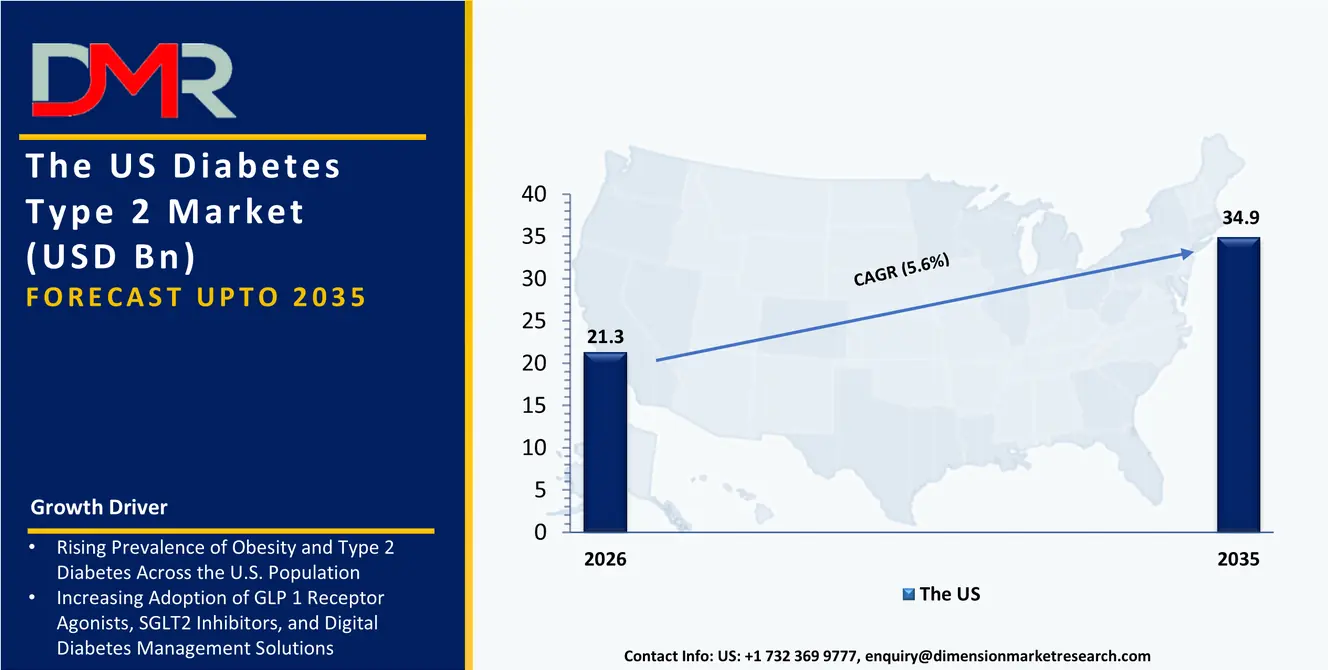
The US market is projected to be valued at USD 21.3 billion in 2026 which is further forecasted to reach a value of USD 34.9 billion by the end of 2035 at a CAGR of 5.6%. The United States remains the highest-value single-country diabetes market globally, underpinned by a large and growing diagnosed adult population living with type 2 diabetes.
ℹ
To learn more about this report –
Download Your Free Sample Report Here
Growth is fueled by rapid formulary adoption of GLP-1 receptor agonists and SGLT2 inhibitors, expanding insurance coverage for continuous glucose monitoring among non-insulin-dependent patients, and a steady cadence of new drug and device approvals broadening the therapeutic toolkit available to prescribers.
Japan Diabetes Type 2 Market
Japan possesses a substantial and aging diabetic population, sustained by a well-established endocrinology care infrastructure and high self-monitoring device utilization. The market is distinguished by sophisticated diabetes care protocols, early regulatory approval of novel therapeutics, and influential clinical practice guidelines from national diabetes societies alongside government-backed specific health checkup programs.
Saudi Arabia Diabetes Type 2 Market
Market expansion is directly tied to the Kingdom's high prevalence of diabetes and obesity, which together drive a rapid increase in diagnosed type 2 diabetes incidence. The Ministry of Health funds extensive access to oral and injectable diabetes therapies, while Vision 2030's healthcare transformation agenda, emphasizing public-private partnerships and digital health, is opening significant opportunities for glucose monitoring technology vendors and AI-driven diagnostic platforms.
Regulatory Landscape
The regulatory landscape for type 2 diabetes therapeutics and devices is shaped by agencies that balance accelerated access for high-burden chronic conditions with rigorous evidence requirements. In the United States, the FDA has demonstrated strong receptivity to novel glycemic and weight-related endpoints, recently approving the first once-weekly long-acting basal insulin for adults with type 2 diabetes and expanding oral GLP-1 peptide tablet options for adults with type 2 diabetes to help improve blood glucose levels and lower cardiovascular risk in high-risk patients.
Epidemiology Analysis
The Diabetes Type 2 Epidemiology section assesses historical and forecast disease burden across the markets covered in the study. It evaluates diagnosed and undiagnosed prevalence, treated populations, and therapy initiation patterns across pharmacotherapy and device-based monitoring.
Key Findings from Diabetes Epidemiological Analysis
- Globally, an estimated 589 million adults aged 20-79 are living with diabetes, roughly one in nine adults worldwide, a figure predicted to rise to 853 million by 2050, with type 2 diabetes representing the vast majority of cases.
- The estimated diabetes prevalence is similar between women and men aged 20-79, at 10.9% versus 11.3% respectively, though absolute case counts skew higher among men.
- India accounts for an estimated 89 million diabetes cases, the second-largest national burden globally, behind China's larger diagnosed population.
- Across low-, middle-, and high-income countries, 58.7%, 45.5%, and 28.9% of adults with diabetes remain undiagnosed respectively, underscoring persistent screening and diagnostic gaps that continue to constrain earlier therapy initiation.
- Diabetes caused at least USD 1 trillion in health expenditure globally, a 338% increase over the prior 17 years, reflecting the escalating economic burden of the disease and its complications.
By Region
North America
Europe
- Germany
- France
- The U.K.
- Italy
- Spain
- Rest of Europe
Asia-Pacific
- China
- Japan
- India
- Australia
- South Korea
- Rest of APAC
Latin America
- Mexico
- Brazil
- Rest of LATAM
Middle East & Africa
- Saudi Arabia
- The UAE
- South Africa
- Rest of MEA
Competitive Landscape
The Global Diabetes Type 2 Market features a diverse competitive landscape spanning multinational pharmaceutical giants, glucose monitoring device leaders, insulin delivery innovators, and emerging digital health firms. Novo Nordisk and Eli Lilly dominate the incretin-based therapeutics market through extensive GLP-1 receptor agonist and combination therapy portfolios. Abbott and Dexcom are leading manufacturers of continuous glucose monitoring systems, competing on sensor accuracy, wear duration, and app-based connectivity.
Some of the prominent players in the Global Diabetes Type 2 Market are:
- Novo Nordisk A/S
- Eli Lilly and Company
- Sanofi S.A.
- AstraZeneca plc
- Boehringer Ingelheim International GmbH
- Merck & Co. Inc.
- Johnson & Johnson
- Novartis AG
- Pfizer Inc.
- Bayer AG
- Roche Holding AG
- Abbott Laboratories
- Medtronic plc
- Dexcom Inc.
- Insulet Corporation
- Tandem Diabetes Care Inc.
- Ascensia Diabetes Care
- Ypsomed AG
- Sanofi-Aventis Groupe
- Teva Pharmaceutical Industries Ltd.
- Viatris Inc.
- Biocon Limited
- Sun Pharmaceutical Industries Ltd.
- Zealand Pharma A/S
- Amgen Inc.
- GlaxoSmithKline plc
- Takeda Pharmaceutical Company Limited
- Astellas Pharma Inc.
- Otsuka Pharmaceutical Co. Ltd.
- Kyowa Kirin Co. Ltd.
- Siemens Healthineers AG
- Sysmex Corporation
- i-SENS Inc.
- ARKRAY Inc.
- Trividia Health Inc.
- LifeScan Inc.
- Other Key Players
Recent Developments
- March 2026: Novo Nordisk announced FDA approval of Awiqli (insulin icodec-abae) injection, making it the first and only once-weekly long-acting basal insulin for adults with type 2 diabetes.
- April 2026: The FDA approved the first generic versions of dapagliflozin tablets, an SGLT2 inhibitor used to improve glycemic control and reduce heart failure hospitalization risk in adults with type 2 diabetes.
- May 2026: Novo Nordisk expanded U.S. availability of oral semaglutide tablets for adults with type 2 diabetes to help improve blood glucose levels and lower the risk of major adverse cardiovascular events in high-risk patients.
Report Details
| Report Characteristics |
| Market Size (2026) |
USD 66.8 Bn |
| Forecast Value (2035) |
USD 112.8 Bn |
| CAGR (2026–2035) |
6.0% |
| The US Market Size (2026) |
USD 21.3 Bn |
| Historical Data |
2021 – 2025 |
| Forecast Data |
2027 – 2035 |
| Base Year |
2025 |
| Estimate Year |
2026 |
| Segments Covered |
By Drug Class, By Route of Administration, By Device Type, By Distribution Channel, By Patient Type |
| Regional Coverage |
North America – The US and Canada; Europe – Germany, France, The UK, Italy, Spain, Rest of Europe; Asia-Pacific – China, Japan, India, Australia, South Korea, Rest of APAC; Latin America – Mexico, Brazil, Colombia, Argentina, Rest of LATAM; Middle East & Africa – Saudi Arabia, The UAE, South Africa, Rest of MEA |
Frequently Asked Questions
How big is the Global Diabetes Type 2 Market?
▾ The Global Diabetes Type 2 Market is valued at USD 66.8 billion in 2026 and is projected to reach USD 112.8 billion by 2035, reflecting strong global demand for oral and injectable pharmacotherapy, glucose monitoring devices, and expanding pharmacy distribution channels.
What is the CAGR of the Global Diabetes Type 2 Market from 2026 to 2035?
▾ The market is projected to expand at a CAGR of 6.0% between 2026 and 2035, supported by sustained investment in incretin-based drug classes, expanding continuous glucose monitoring adoption, and increasing diagnosis rates.
What factors are driving the growth of the Global Diabetes Type 2 Market?
▾ Growth is driven by the escalating prevalence of obesity and insulin resistance, landmark clinical trials expanding the eligible population for GLP-1 receptor agonists and SGLT2 inhibitors, aging populations, government initiatives promoting early screening, and the integration of AI-enabled glucose monitoring and titration tools.
What are the major trends in the Global Diabetes Type 2 Market?
▾ Major trends include the convergence of cardiometabolic care, the shift toward once-weekly and oral alternatives to daily injectables, AI-driven glycemic pattern prediction, precision diabetes care, and the expansion of continuous glucose monitoring beyond insulin-dependent patients.
Which region held the largest share of the Global Diabetes Type 2 Market in 2026?
▾ North America is expected to lead the global market with a 37.9% share in 2026, supported by high disease awareness, early adoption of novel therapeutics, a well-established pharmacy and device distribution ecosystem, and value-based care policy experimentation.
Which region is expected to grow the fastest in the Global Diabetes Type 2 Market?
▾ Asia Pacific is expected to record the fastest growth at an 8.2% CAGR through 2035, driven by its massive obesity and insulin-resistant population, rapid expansion of pharmacy and monitoring infrastructure, and government-led screening programs.
Who are the key players in the Global Diabetes Type 2 Market?
▾ Key market participants include Novo Nordisk, Eli Lilly, Sanofi, AstraZeneca, Boehringer Ingelheim, Merck, Abbott, Dexcom, Medtronic, Insulet, Roche, and Novartis, among other pharmaceutical and diabetes device firms.