Market Overview
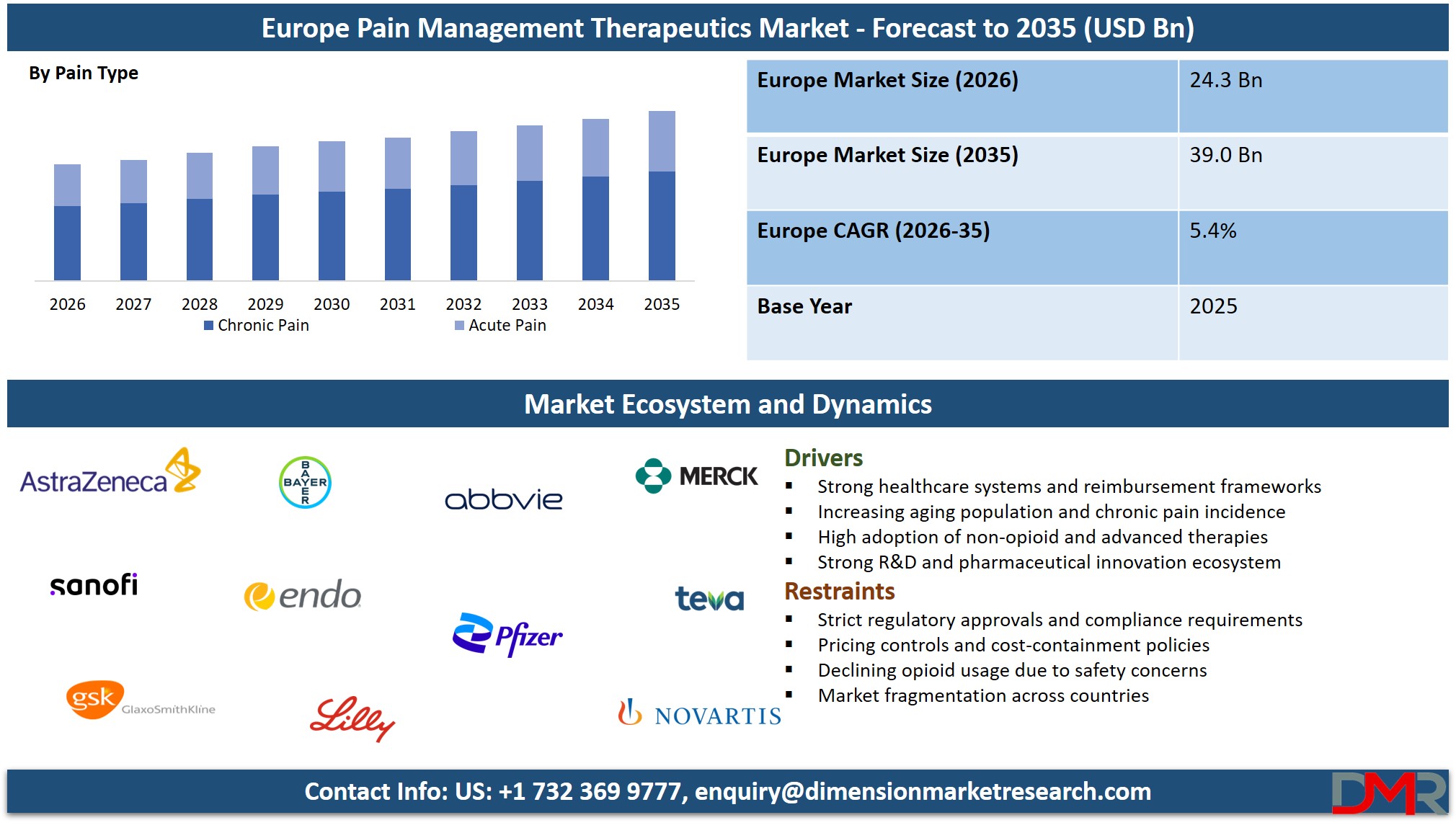
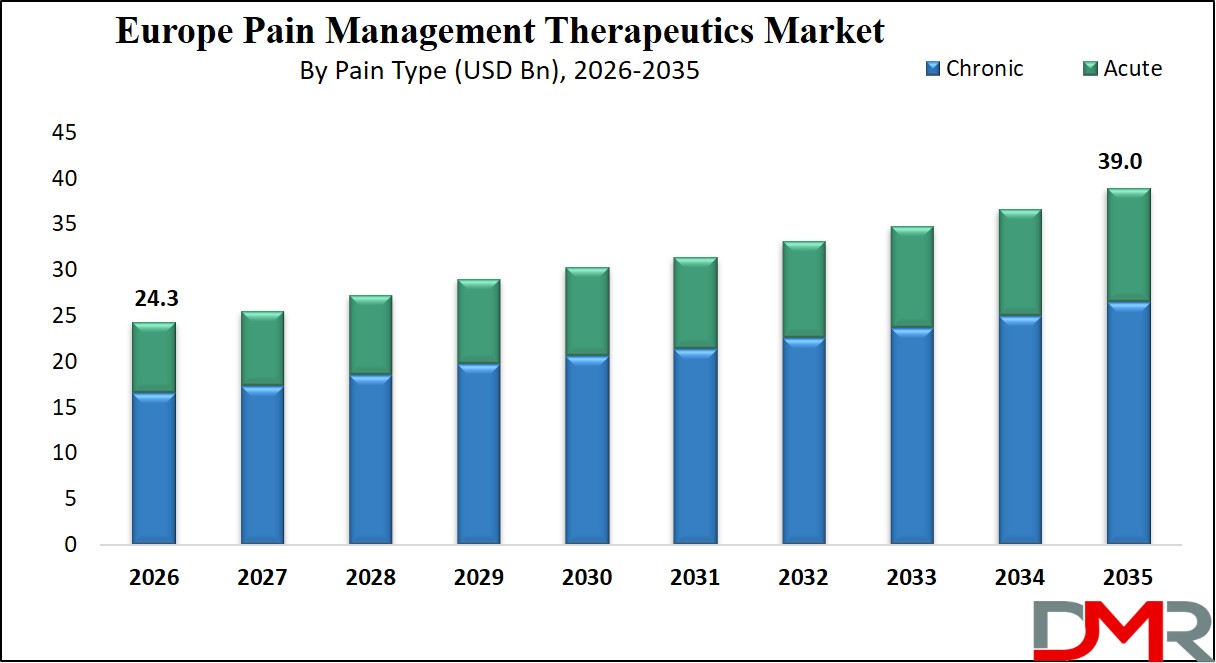
Europe Pain Management Therapeutics Market size is projected to reach USD 24.3 billion in 2026 and grow at a compound annual growth rate of 5.4% to reach a value of USD 39.0 billion in 2035.
ℹ
To learn more about this report –
Download Your Free Sample Report Here
Pain Management Therapeutics refers to the range of pharmaceutical treatments, drug classes, and therapeutic approaches used to alleviate acute and chronic pain conditions across patient populations. It includes medications such as non-steroidal anti-inflammatory drugs, opioids, anesthetics, antidepressants, anticonvulsants, and anti-migraine drugs, delivered through oral or parenteral routes. These therapeutics are applied in treating conditions like arthritis, neuropathy, cancer-related pain, and post-operative discomfort, forming a critical part of modern healthcare systems.
The market is integral to Europe’s healthcare landscape due to the rising number of chronic diseases, aging populations, and increasing surgical procedures. Pain management plays a key role in improving patient quality of life, reducing hospital stays, and enhancing recovery outcomes. Advances in pharmacology, targeted therapies, and multimodal pain management strategies are transforming treatment protocols, making therapies more personalized and effective.
ℹ
To learn more about this report –
Download Your Free Sample Report Here
Growth is being shaped by shifts toward non-opioid alternatives, stricter regulatory frameworks around opioid use, and increasing awareness about pain management. The adoption of combination therapies and digital health integration is further driving innovation, while healthcare systems focus on balancing efficacy with safety and long-term patient outcomes.
Europe Pain Management Therapeutics Market: Key Takeaways
- Market Growth: Europe Pain Management Therapeutics Market size is expected to grow by USD 13.5 billion, at a CAGR of 5.4%, during the forecasted period of 2027 to 2035.
- By Pain Type: The chronic pain segment is anticipated to get the majority share of the Europe Pain Management Therapeutics market in 2026.
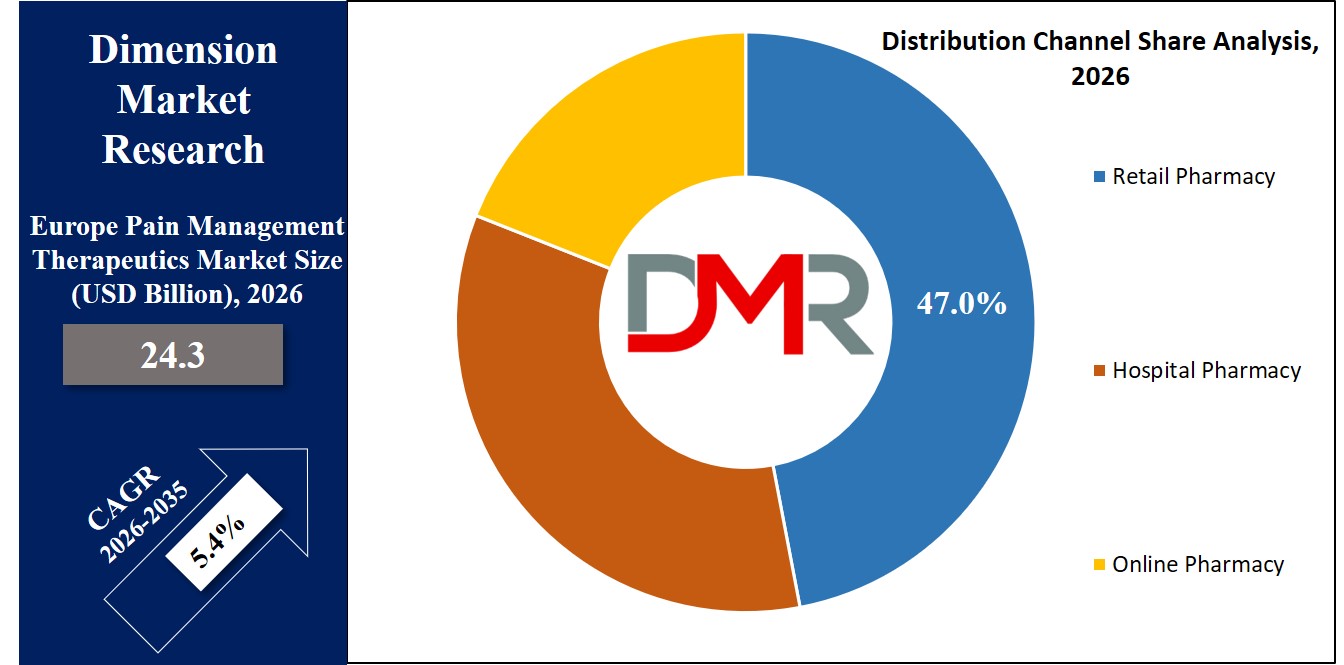
- By Distribution Channel: The retail pharmacy segment is expected to get the largest revenue share in 2026 in the Europe Pain Management Therapeutics market.
- Use Cases: Some of the use cases of pain management therapeutics include chronic pain management, cancer pain relief, and more.
Europe Pain Management Therapeutics Market: Use Cases
- Chronic Pain Management: Widely used in long-term conditions such as arthritis, back pain, and fibromyalgia. Therapies help reduce inflammation and improve mobility, allowing patients to maintain daily activities and quality of life.
- Post-Surgical Recovery: Pain therapeutics are essential in managing post-operative discomfort, reducing complications, and enabling faster recovery. Hospitals rely on multimodal pain management protocols for better outcomes.
- Cancer Pain Relief: Advanced analgesics and opioids are used to manage severe pain in cancer patients. These therapies are critical in palliative care and improving patient comfort during treatment.
- Neuropathic Pain Treatment: Anticonvulsants and antidepressants are used to treat nerve-related pain conditions. These therapies target neurological pathways and improve symptom control.
- Migraine Management: Anti-migraine drugs such as triptans and CGRP inhibitors are used to reduce frequency and severity of migraine attacks, improving patient productivity and well-being.
- Emergency Pain Relief: Acute pain treatments are used in emergency settings for trauma, injuries, and sudden medical conditions, ensuring rapid relief and stabilization.
- Geriatric Pain Care: Elderly populations benefit from tailored pain management solutions addressing age-related conditions, with a focus on safety and reduced side effects.
Stats & Facts
- European Commission reports that over 100 million people in Europe suffer from chronic pain conditions as of 2024.
- World Health Organization states that musculoskeletal disorders are the leading cause of disability in Europe, affecting nearly 30% of adults in 2025.
- Eurostat indicates that individuals aged 65 and above account for more than 21% of Europe’s population in 2024.
- European Medicines Agency notes a 15% increase in approvals for non-opioid pain therapies between 2023 and 2025.
- OECD reports that healthcare spending in Europe reached approximately 10% of GDP in 2024.
- European Pain Federation estimates that chronic pain leads to productivity losses of over €300 billion annually in 2025.
- UK National Health Service states that around 28 million adults in the UK experience chronic pain as of 2024.
- German Federal Ministry of Health reports that over 17% of adults require regular pain medication in 2025.
- French Ministry of Health indicates that post-operative pain affects nearly 70% of surgical patients in 2024.
- Italian National Institute of Health reports that neuropathic pain affects around 7% of the population in 2025.
- European Centre for Disease Prevention and Control highlights increasing demand for pain management due to aging demographics in 2024.
- Spanish Ministry of Health reports a 12% rise in migraine cases between 2023 and 2025.
Market Dynamic
Driving Factors in the Europe Pain Management Therapeutics Market
Rising Prevalence of Chronic Diseases
The increasing incidence of chronic diseases such as arthritis, diabetes, and cancer is a major driver of the Europe pain management therapeutics market. These conditions often lead to persistent pain requiring long-term treatment, thereby boosting demand for effective therapeutics. The aging population further amplifies this trend, as older individuals are more susceptible to chronic illnesses and associated pain conditions. Healthcare systems are focusing on improving patient quality of life, which has led to greater adoption of advanced pain management solutions. Additionally, early diagnosis and improved access to healthcare services are contributing to higher treatment rates and sustained market growth.
Advancements in Drug Development and Delivery Systems
Continuous innovation in pharmaceutical research is driving the development of safer and more efficient pain therapeutics. Novel drug formulations, including extended-release medications and targeted therapies, are improving treatment outcomes while minimizing side effects. The emergence of biologics and non-opioid alternatives is addressing concerns related to opioid dependency. Advanced delivery systems such as transdermal patches and injectables are enhancing patient compliance and convenience. These technological advancements are enabling personalized treatment approaches, making therapies more effective and accessible, thereby significantly contributing to market expansion.
Restraints in the Europe Pain Management Therapeutics Market
Strict Regulatory Frameworks and Opioid Restrictions
Stringent regulations governing opioid use across Europe are limiting the growth of certain segments within the market. Authorities are implementing strict prescription guidelines to prevent misuse and addiction, which has led to reduced opioid adoption. While these measures are essential for public health, they create challenges for pharmaceutical companies and healthcare providers. Compliance with regulatory requirements often increases costs and delays product approvals. Additionally, the stigma associated with opioid use discourages patients and physicians from opting for these treatments, impacting overall market dynamics.
High Costs and Limited Accessibility of Advanced Therapies
The cost of advanced pain management therapeutics, including biologics and specialized drugs, can be prohibitive for many patients. Despite healthcare coverage in several European countries, reimbursement limitations and budget constraints affect accessibility. Rural and underserved regions often face challenges in accessing specialized pain management services. This disparity in healthcare access restricts market penetration and limits the adoption of innovative treatments. Furthermore, high research and development costs contribute to expensive drug pricing, creating barriers for both patients and healthcare providers.
Opportunities in the Europe Pain Management Therapeutics Market
Expansion of Non-Opioid and Alternative Therapies
The growing demand for safer alternatives to opioids presents significant opportunities for market players. Non-opioid drugs, including NSAIDs, antidepressants, and anticonvulsants, are gaining popularity due to their lower risk profiles. Research into novel pain pathways is leading to the development of innovative therapies such as CGRP inhibitors and biologics. These advancements are opening new avenues for treatment and expanding the market’s scope. Additionally, increasing awareness about the risks of opioid use is encouraging both patients and healthcare providers to adopt alternative solutions.
Integration of Digital Health and Personalized Medicine
The incorporation of digital health technologies into pain management is creating new growth opportunities. Tools such as remote monitoring, mobile health applications, and data analytics are enabling personalized treatment plans and improved patient outcomes. These technologies allow healthcare providers to track patient progress and adjust therapies in real time. Personalized medicine, driven by genetic and biomarker research, is further enhancing treatment precision. This shift toward individualized care is expected to drive innovation and expand the market significantly.
Trends in the Europe Pain Management Therapeutics Market
Shift Toward Multimodal Pain Management Approaches
Healthcare providers are increasingly adopting multimodal approaches that combine different classes of drugs and non-pharmacological therapies. This trend aims to improve efficacy while reducing reliance on any single treatment, particularly opioids. Combining therapies such as NSAIDs, antidepressants, and physical therapy is becoming a standard practice. This approach not only enhances patient outcomes but also minimizes side effects and dependency risks. The growing emphasis on holistic care is reshaping treatment protocols and driving demand for diverse therapeutic options.
Growing Adoption of Biologics and Targeted Therapies
Biologics and targeted therapies are gaining traction in the treatment of chronic and complex pain conditions. These therapies focus on specific pain pathways, offering improved efficacy compared to traditional treatments. Advances in biotechnology are enabling the development of drugs with fewer side effects and better patient tolerance. The increasing availability of these therapies, coupled with supportive regulatory frameworks, is accelerating their adoption. This trend is expected to play a crucial role in shaping the future of the market.
Impact of Artificial Intelligence in Europe Pain Management Therapeutics Market
- Drug Discovery Optimization: AI accelerates identification of new pain-relief compounds by analyzing large datasets, reducing development timelines and costs.
- Personalized Treatment Plans: AI algorithms assess patient data to recommend tailored therapies, improving treatment effectiveness and outcomes.
- Predictive Analytics for Pain Management: AI helps predict pain patterns and treatment responses, enabling proactive care strategies.
- Clinical Trial Enhancement: AI streamlines patient selection and trial design, increasing efficiency and success rates in drug development.
- Remote Patient Monitoring: AI-powered tools track patient symptoms and medication adherence, improving care continuity.
- Decision Support Systems: AI assists physicians in selecting appropriate therapies based on clinical data and guidelines.
- Adverse Event Detection: AI identifies potential side effects early, enhancing patient safety and regulatory compliance.
- Operational Efficiency: Automation of administrative tasks reduces workload for healthcare providers and improves system efficiency.
Research Scope and Analysis
By Pain Type Analysis
Chronic pain dominates the Europe pain management therapeutics market and is projected to hold approximately 68% share in 2026. This dominance is primarily attributed to the rising prevalence of long-term conditions such as arthritis, neuropathy, and chronic back pain across the region. Aging populations and increasingly sedentary lifestyles significantly contribute to the growing burden of chronic pain. The need for continuous and long-term treatment ensures consistent demand for therapeutics. Moreover, advancements in non-opioid drugs and biologics are improving treatment outcomes, while supportive reimbursement policies and government initiatives further reinforce the segment’s leading position.
Acute pain is emerging as the fastest-growing segment due to the increasing number of surgical procedures, trauma cases, and emergency treatments across Europe. Short-term pain management solutions are crucial in hospital and emergency care settings, where rapid relief is essential for patient stabilization. Advancements in fast-acting analgesics and improved healthcare infrastructure are accelerating segment growth. Additionally, healthcare providers are focusing on minimizing hospital stays and enhancing recovery speed, which further boosts demand for acute pain therapeutics. The growing emphasis on efficient post-operative care is also contributing significantly to the expansion of this segment.
By Drug Class Analysis
Non-steroidal anti-inflammatory drugs (NSAIDs) lead the Europe pain management therapeutics market with an estimated 34% share in 2026. Their widespread adoption is driven by their effectiveness in treating mild to moderate pain, including inflammation-related conditions. NSAIDs are widely accessible, cost-effective, and considered safer compared to opioid-based alternatives, making them a preferred option among patients and healthcare providers. The availability of over-the-counter variants further strengthens their dominance. Continuous innovation in formulations and improved safety profiles are also contributing to sustained demand, ensuring NSAIDs remain a cornerstone in pain management strategies across the region.
Anti-migraine drugs represent the fastest-growing segment, fueled by the rising prevalence of migraine disorders across Europe. Increased awareness, improved diagnostic capabilities, and better access to healthcare services are contributing to higher adoption rates. Advancements in drug development, particularly the introduction of CGRP inhibitors, are transforming migraine treatment by offering targeted and effective solutions. These therapies provide improved symptom control and reduced frequency of attacks. Ongoing research and innovation are expanding treatment options, while patient demand for more effective and long-lasting relief continues to drive rapid growth within this segment.
By Route of Administration Analysis
Oral administration dominates the market with around 61% share in 2026, primarily due to its convenience and ease of use. Tablets and capsules are the most commonly preferred forms of pain therapeutics, allowing patients to self-administer medication without medical supervision. This route is widely available through retail and online pharmacies, supported by strong distribution networks. Non-invasive nature and cost-effectiveness further enhance patient preference for oral treatments. Additionally, continuous improvements in drug formulations, including extended-release options, are enhancing efficacy and compliance, ensuring oral administration remains the most widely adopted method in pain management.
Parenteral administration is witnessing rapid growth due to its ability to provide immediate and effective pain relief in clinical settings. This route is particularly important in hospitals and emergency care, where quick drug action is critical for patient management. Increasing surgical procedures and hospital admissions across Europe are driving demand for injectable pain therapeutics. Healthcare providers prefer parenteral methods for severe pain conditions requiring controlled dosing and faster onset. Technological advancements in injectable formulations and delivery systems are further supporting segment growth, making it a vital component of modern pain management practices.
By Indication Analysis
Arthritic pain leads the indication segment with approximately 29% share in 2026, driven by the high prevalence of osteoarthritis and rheumatoid arthritis across Europe. Aging populations and lifestyle-related factors significantly contribute to the increasing incidence of these conditions. Patients often require long-term pain management, ensuring steady demand for therapeutics. Advancements in treatment options, including biologics and anti-inflammatory drugs, are improving patient outcomes. Additionally, increased awareness and early diagnosis are supporting timely intervention. Government initiatives aimed at managing chronic diseases further strengthen the growth and dominance of the arthritic pain segment.
Neuropathic pain is the fastest-growing segment due to the rising incidence of conditions such as diabetes and neurological disorders. This type of pain is often complex and requires specialized treatment approaches, including anticonvulsants and antidepressants. Improved awareness among healthcare providers and patients is leading to better diagnosis and treatment rates. Advances in targeted therapies are enhancing effectiveness and patient outcomes. Additionally, the increasing burden of chronic diseases across Europe is contributing to segment growth. Continuous research and development efforts are expected to further expand therapeutic options and drive adoption in this segment.
By Distribution Channel Analysis
Retail pharmacies dominate the distribution channel segment with around 47% share in 2026, owing to their widespread accessibility and established presence across Europe. Patients rely on retail outlets for purchasing both prescription and over-the-counter pain medications. The convenience of physical locations, combined with pharmacist guidance, supports consistent demand. Strong supply chain networks and availability of a wide range of products further reinforce their leadership. Additionally, retail pharmacies play a key role in chronic disease management by ensuring regular medication access, making them a critical component of the pain therapeutics distribution ecosystem.
ℹ
To learn more about this report –
Download Your Free Sample Report Here
Online pharmacies are experiencing rapid growth due to increasing digitalization and changing consumer preferences for convenience. Patients are increasingly opting for home delivery of medications, especially for chronic conditions requiring regular refills. The expansion of e-commerce platforms and improved logistics networks are supporting this shift. Online channels also offer competitive pricing and easy access to a wide range of products. Additionally, the adoption of digital health solutions and telemedicine is further boosting demand for online pharmacies. This trend is expected to continue, driven by technological advancements and evolving patient expectations.
The Europe Pain Management Therapeutics Market Report is segmented on the basis of the following:
By Pain Type
By Drug Class
- Non-steroidal Anti-inflammatory Drugs (NSAIDs)
- Opioids
- Oxycodone
- Hydrocodones
- Tramadol
- Morphine
- Fentanyl
- Others
- Anesthetics
- Anti-Migraine Drugs
- Triptans
- Ergot Alkaloids
- CGRP Inhibitors
- Antidepressants
- Anticonvulsants
- Other Drug Class
By Route of Administration
By Indication
- Arthritic Pain
- Neuropathic Pain
- Chronic Back Pain
- Post-Operative Pain
- Cancer Pain
- Fibromyalgia
- Other Indication
By Distribution Channel
- Online Pharmacy
- Retail Pharmacy
- Hospital Pharmacy
Country Analysis
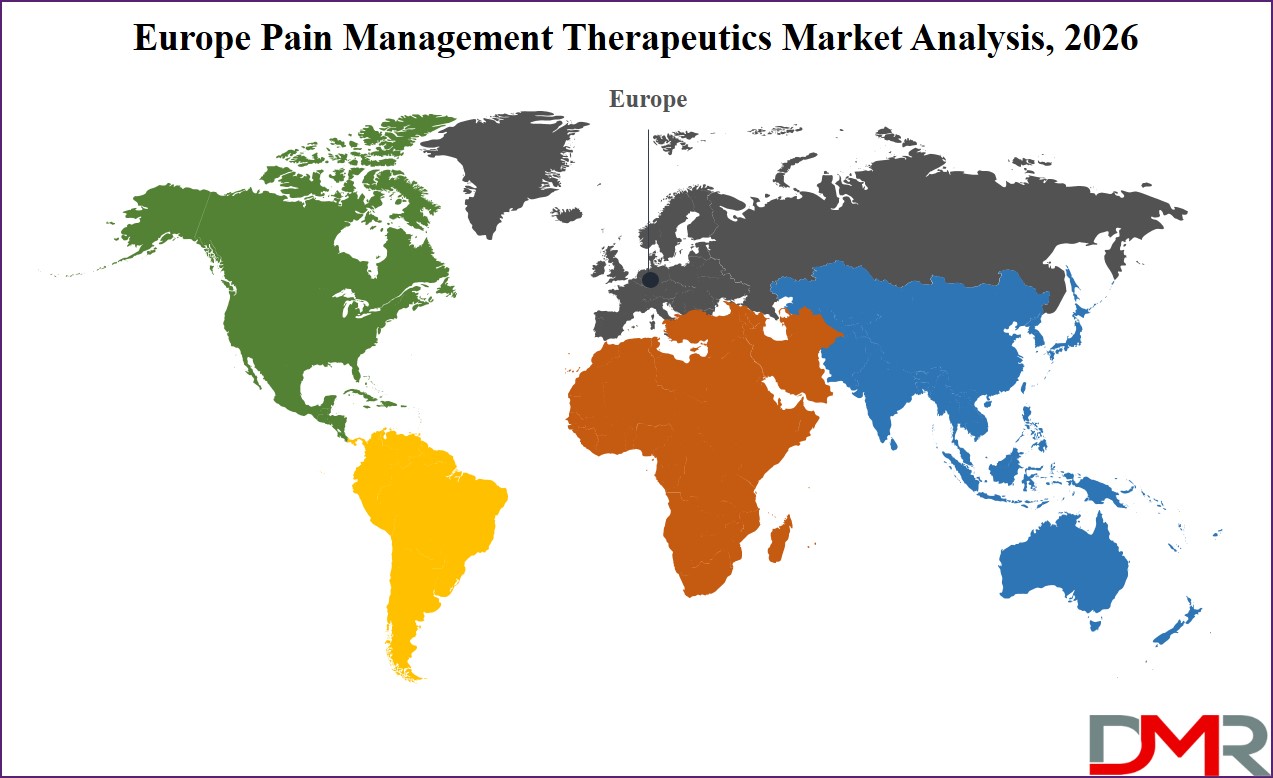
The Europe pain management therapeutics market shows strong growth driven by aging populations, rising prevalence of chronic conditions, and improved access to healthcare. Germany leads due to advanced healthcare infrastructure and high adoption of innovative therapies. France and United Kingdom follow, supported by favorable reimbursement systems and increasing awareness of pain management solutions.
ℹ
To learn more about this report –
Download Your Free Sample Report Here
Italy and Spain show steady demand due to expanding elderly populations. Eastern European countries are emerging markets, driven by improving healthcare access, though cost constraints and regulatory variations continue to influence overall market dynamics.
By Country
- Germany
- The U.K.
- France
- Italy
- Russia
- Spain
- Benelux
- Nordic
- Rest of Europe
Competitive Landscape
The Europe pain management therapeutics market is characterized by intense competition driven by continuous innovation and regulatory compliance. Market participants focus heavily on research and development to introduce safer and more effective therapies, particularly non-opioid alternatives. Strategic collaborations, licensing agreements, and acquisitions are common approaches to expand product portfolios and geographic presence. High entry barriers exist due to stringent regulatory requirements, extensive clinical trial processes, and significant capital investment. Companies are also leveraging digital technologies and personalized medicine to differentiate their offerings. Pricing strategies, reimbursement policies, and strong distribution networks further influence competitive positioning within the market.
Some of the prominent players in the Europe Pain Management Therapeutics are:
- Novartis
- GlaxoSmithKline
- AstraZeneca
- Sanofi
- Bayer
- Merck KGaA
- Boehringer Ingelheim
- Grünenthal
- Roche
- Teva Pharmaceutical Industries
- Viatris
- Endo International
- Assertio Therapeutics
- AbbVie
- Johnson & Johnson
- Pfizer
- Eli Lilly
- Bristol Myers Squibb
- Chiesi Farmaceutici
- Esteve
- Other Key Players
Recent Developments
- In June 2025, Novartis AG completed the acquisition of a biotechnology firm specializing in CGRP inhibitors for migraine treatment. This strategic move aims to enhance Novartis’ portfolio in targeted pain therapies and expand its presence in the European market. The acquisition includes advanced pipeline products and proprietary technologies, enabling faster development of innovative treatments.
- In February 2025, Pfizer Inc. announced the launch of a next-generation non-opioid pain therapeutic targeting chronic musculoskeletal pain across key European markets. The drug utilizes a novel mechanism focusing on specific pain receptors, reducing dependency risks associated with traditional opioids. The company highlighted that clinical trials demonstrated improved efficacy and reduced side effects compared to existing treatments. This launch aligns with Europe’s regulatory push toward safer pain management solutions and strengthens Pfizer’s position in the non-opioid segment.
Report Details
| Report Characteristics |
| Market Size (2026) |
USD 24.3 Bn |
| Forecast Value (2035) |
USD 39.0 Bn |
| CAGR (2026–2035) |
5.4% |
| Historical Data |
2021 – 2025 |
| Forecast Data |
2027 – 2035 |
| Base Year |
2025 |
| Estimate Year |
2026 |
| Report Coverage |
Market Revenue Estimation, Market Dynamics, Competitive Landscape, Growth Factors and etc. |
| Segments Covered |
By Pain Type (Chronic Pain, Acute Pain), By Drug Class (Non-steroidal Anti-inflammatory Drugs (NSAIDs), Opioids, Anesthetics, Anti-Migraine Drugs, Antidepressants, Anticonvulsants, Other Drug Class), By Route of Administration (Oral, Parenteral), By Indication (Arthritic Pain, Neuropathic Pain, Chronic Back Pain, Post-Operative Pain, Cancer Pain, Fibromyalgia, Other Indication), By Distribution Channel (Online Pharmacy, Retail Pharmacy, Hospital Pharmacy) |
| Regional Coverage |
Europe – Germany, The UK, France, Russia, Spain, Italy, Benelux, Nordic, & Rest of Europe |
| Prominent Players |
Novartis, GlaxoSmithKline, AstraZeneca, Sanofi, Bayer, Merck KGaA, Boehringer Ingelheim, Grünenthal, Roche, Teva Pharmaceutical Industries, Viatris, Endo International, Assertio Therapeutics, AbbVie, Johnson & Johnson, Pfizer, Eli Lilly, Bristol Myers Squibb, Chiesi Farmaceutici, Esteve, and Other Key Players |
| Purchase Options |
We have three licenses to opt for: Single User License (Limited to 1 user), Multi-User License (Up to 5 Users) and Corporate Use License (Unlimited User) along with free report customization equivalent to 0 analyst working days, 3 analysts working days and 5 analysts working days respectively. |
Frequently Asked Questions
How big is Europe Pain Management Therapeutics Market?
▾ Europe Pain Management Therapeutics Market size is expected to reach USD 24.3 billion by 2026 and is projected to reach USD 39.0 billion by the end of 2035.
Who are the key players in Europe Pain Management Therapeutics Market?
▾ Some of the major key players in Europe Pain Management Therapeutics Market include Pfizer, Merck, Sanofi and others.
What is the growth rate in Europe Pain Management Therapeutics Market?
▾ The market is growing at a CAGR of 5.4 percent over the forecasted period.