Indication Covered
This report discusses herpes zoster as a viral infectious disease that is preventable through vaccines, and it focuses on aspects such as the clinical impact of the disease, treatment patterns, prevention through vaccination, new therapies, and market development in the seven major markets. Herpes zoster, which is commonly referred to as shingles, can be defined as a reactivated infection caused by the varicella-zoster virus within the sensory ganglia. This leads to a painful dermatomal rash, as well as neurological inflammation. There are different variations of this condition including localized uncomplicated dermatomal disease, disseminated disease, ophthalmic disease, neurologic disease, and immunocompromised-associated disease.
The indication scope includes major clinical manifestations and associated disease conditions relevant to treatment demand, including:
- Uncomplicated dermatomal herpes zoster
- Postherpetic neuralgia
- Herpes zoster ophthalmicus
- Disseminated herpes zoster
- Neurologic herpes zoster complications
- Herpes zoster in immunocompromised patients
Uncomplicated dermatomal herpes zoster is the main disease under consideration due to its high prevalence and broad treatment target audience. In addition, postherpetic neuralgia is discussed due to its significant burden of pain and effects on quality of life. Other complex, difficult-to-treat complications and manifestations of this disease, as well as advanced forms of herpes zoster such as herpes zoster ophthalmicus, disseminated disease, encephalitis, myelitis, and herpes zoster in immunocompromised patients, are discussed as well.
The therapeutic field includes antiviral drugs, analgesics, neuropathic pain medications, topical analgesics and vaccines. Special emphasis is placed on antiviral medicines that act by inhibiting DNA synthesis, the zoster vaccine that targets varicella-zoster virus glycoprotein E, and the development of new vaccines. Acyclovir, valacyclovir, and famciclovir are the key antiviral drugs in the treatment of the acute stage of the disease, while gabapentinoids, antidepressants, topical lidocaine, and capsaicin are related to postherpetic neuralgia management.
Epidemiology Parameters
The disease burden due to herpes zoster is high among chronic recurring diseases in the important markets that are considered in this report. Differences in epidemiology among various countries are attributed to differences in the age composition of the population, immune system, accessibility of health care, awareness of disease, vaccination, diagnosis, and availability of treatment facilities. Age and immune suppression are factors that increase the risk significantly.
ℹ
To learn more about this report –
Download Your Free Sample Report Here
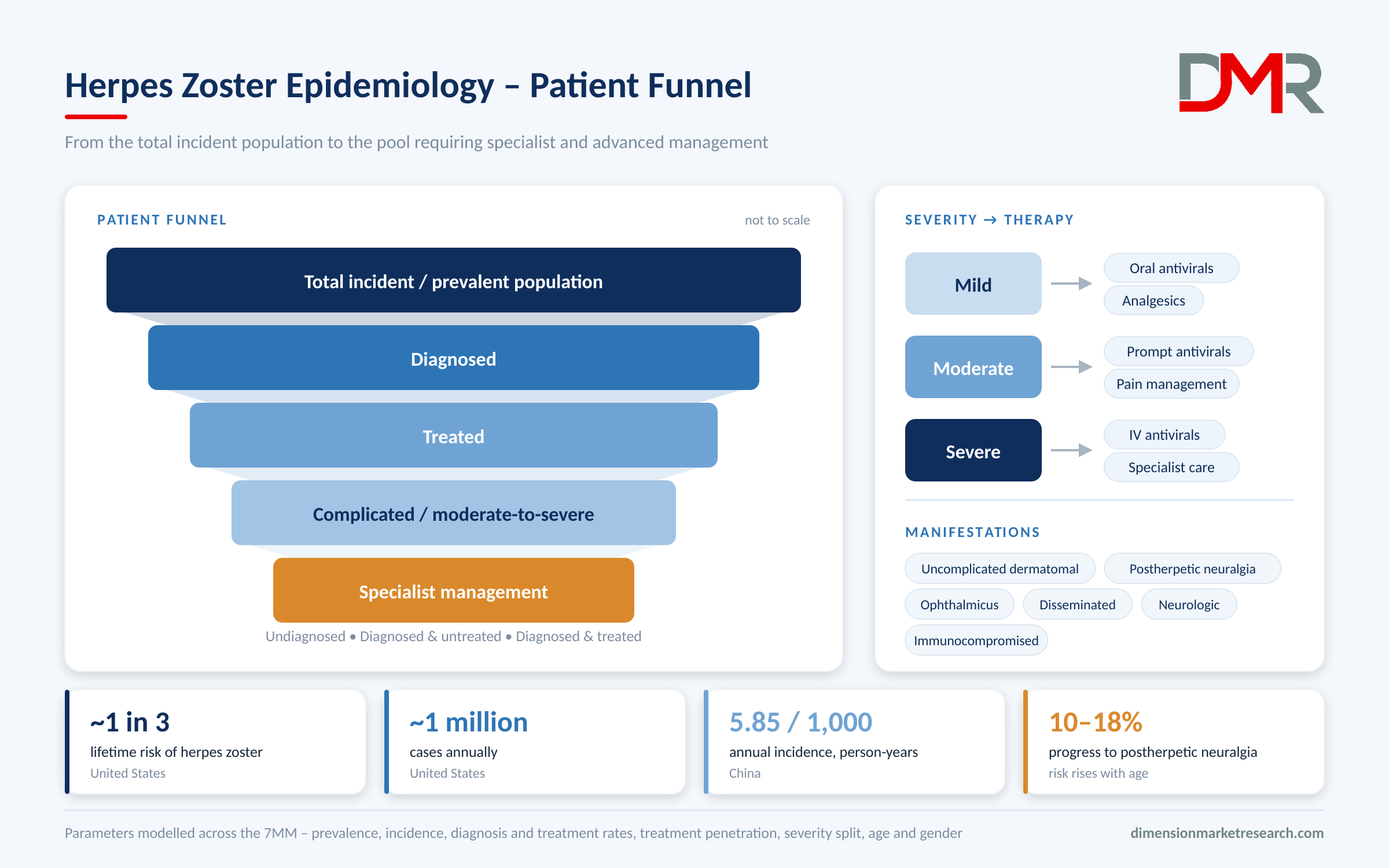
The epidemiology assessment provides a structured evaluation of the herpes zoster population from overall prevalence through diagnosis and treatment. Key parameters include:
- Total herpes zoster patient population
- Prevalent population
- Incidence population
- Diagnosed patient population
- Treated patient population
- Untreated patient population
- Treatment-eligible population
- Disease severity distribution
- Mild herpes zoster population
- Moderate herpes zoster population
- Severe herpes zoster population
- Uncomplicated dermatomal herpes zoster population
- Postherpetic neuralgia population
- Age distribution
- Gender distribution, where available
- Diagnosis rate
- Treatment rate
- Treatment penetration
- Regional disease burden
- Epidemiological trends
The analysis distinguishes between the broader incident and prevalent population and patients who are diagnosed and actively receiving treatment. This distinction is particularly important because some patients may not seek medical attention for relatively mild disease, while others may experience delays in diagnosis or treatment, particularly when pain precedes the characteristic rash.
The report also evaluates the increasing recognition of herpes zoster as a clinically important age-associated and immunologically mediated viral disease. Associated manifestations such as postherpetic neuralgia, ophthalmic involvement, neurologic complications, secondary bacterial infection, and disseminated disease can influence treatment decisions, disease monitoring, healthcare utilization, and long-term management strategies. In the United States, approximately one million herpes zoster cases occur annually and lifetime risk is approximately one in three people.
Epidemiological burden is also substantial in emerging markets. A recent nationwide Chinese survey reported an adjusted annual herpes zoster incidence of 5.85 per 1,000 person-years and found that 15.84% of patients developed postherpetic neuralgia. Earlier meta-analysis estimated a pooled Chinese incidence of 4.28 per 1,000 person-years, increasing to 11.69 per 1,000 person-years among individuals aged 60 years and older.
Patient Segmentation
The herpes zoster patient population is segmented according to disease severity, disease manifestation, treatment status, and therapeutic requirements. This approach provides a clearer understanding of the population eligible for different treatment categories and helps assess the potential addressable population for antiviral, pain-management, and preventive therapies.
By Disease Severity
Mild: Patients with limited dermatomal disease, relatively low pain burden, and no major complications are generally managed through oral antiviral therapy, symptomatic pain management, and supportive care. Treatment decisions are influenced by age, symptom duration, immune status, rash extent, pain severity, risk of complications, previous medical history, and patient preference.
Moderate: Patients with more extensive or persistent disease, greater acute pain, older age, or increased risk of complications may require more intensive antiviral and pain-management approaches. Increasing treatment expectations and quality-of-life considerations can encourage timely antiviral intervention and closer clinical monitoring.
Severe: Patients with extensive disease, substantial pain, ophthalmic or neurologic involvement, disseminated infection, immunocompromised status, or inadequate response to conventional treatment are more likely to require systemic or intravenous antiviral therapy and specialist management. This segment represents a major contributor to advanced herpes zoster treatment demand and healthcare utilization.
By Disease Type
- Uncomplicated dermatomal herpes zoster
- Postherpetic neuralgia
- Herpes zoster ophthalmicus
- Disseminated herpes zoster
- Neurologic herpes zoster
- Herpes zoster in immunocompromised patients
By Treatment Status
- Diagnosed and Treated
- Diagnosed and Untreated
- Undiagnosed
The treatment-status segmentation helps identify the gap between the total disease population and the population actively participating in healthcare treatment. Improvements in disease awareness, primary-care access, rapid diagnosis, specialist availability, and healthcare access can gradually increase the diagnosed and treated population.
By Treatment Requirement
- Supportive and Analgesic Therapy Candidates
- Antiviral Therapy Candidates
- Neuropathic Pain Therapy Candidates
- Preventive Vaccine Candidates
- Specialty Therapy Candidates, where applicable
- Advanced Complication-Management Candidates
This segmentation helps evaluate how changes in treatment guidelines, physician preferences, reimbursement, vaccination recommendations, and therapy availability can shift patients between supportive management, acute antiviral treatment, chronic pain management, and preventive treatment categories.
Geographic Coverage
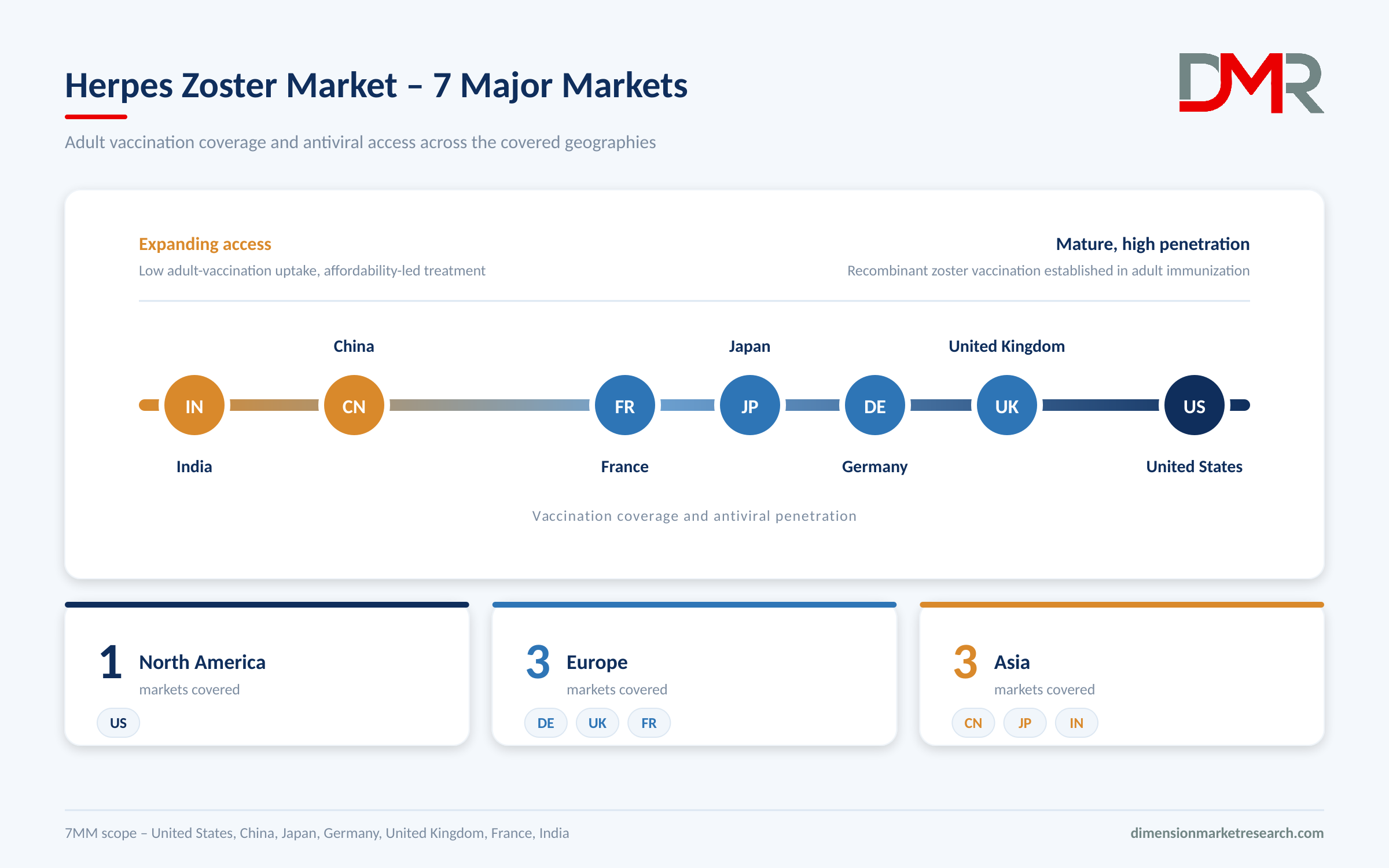
The report provides detailed market, epidemiology, treatment, and competitive analysis across 7 major markets:
- United States
- China
- Japan
- Germany
- United Kingdom
- France
- India
The geographic analysis considers differences in patient population, diagnosis rates, healthcare infrastructure, vaccination coverage, antiviral access, reimbursement, therapeutic penetration, regulatory environment, physician adoption, and competitive activity. These factors are particularly important because the commercial opportunity for herpes zoster therapies differs considerably between mature pharmaceutical markets and high-growth emerging markets.
ℹ
To learn more about this report –
Download Your Free Sample Report Here
United States
The United States represents one of the most important herpes zoster markets, supported by high disease awareness, established primary-care and specialist networks, strong vaccine infrastructure, and broad availability of antiviral and pain-management therapies. Recombinant zoster vaccination has achieved substantial importance among eligible adults, particularly those aged 50 years and older and immunocompromised adults aged 18 years and older.
The market is also characterized by significant competition between established antiviral therapies, preventive vaccination, and supportive pain-management approaches. Treatment selection is influenced by clinical efficacy, timing of presentation, safety, dosing frequency, payer coverage, vaccination status, patient preference, and immune status. Continued development of improved vaccine presentations and next-generation preventive approaches is expected to further influence market competition.
China
China represents a significant long-term growth opportunity because of its large patient population and increasing recognition of herpes zoster as an age-associated disease requiring timely treatment and preventive management. Recent nationwide epidemiological evidence has reinforced the substantial incidence of herpes zoster and postherpetic neuralgia in the Chinese population.
The market is gradually experiencing increased adoption of preventive vaccination and greater awareness of treatment options, although affordability, reimbursement coverage, vaccination accessibility, and differences between urban and rural healthcare services remain important considerations. Expansion of innovative domestic vaccine development may also increase competitive intensity. GSK's Shingrix received approval in China in 2025 for prevention of herpes zoster in adults aged 18 years and older who are at increased risk because of immunodeficiency or immunosuppression, expanding the addressable preventive population.
Japan
Japan represents a mature healthcare and pharmaceutical market with sophisticated medical infrastructure and established primary-care, dermatology, ophthalmology, neurology, and pain-management services. Increasing awareness of herpes zoster complications and availability of recombinant zoster vaccination support continued demand for preventive disease management.
Treatment decisions are influenced by clinical efficacy, safety, reimbursement conditions, dosing convenience, physician familiarity, and patient age. The market also provides opportunities for innovative vaccines and improved vaccine presentations that can demonstrate meaningful improvements in administration convenience and treatment accessibility. In September 2026, Japan approved a prefilled syringe presentation of Shingrix, simplifying administration compared with the previous two-vial presentation.
Germany
Germany represents a leading European herpes zoster market with established healthcare infrastructure, specialist networks, and utilization of antiviral and pain-management therapies. Treatment pathways are supported by a developed healthcare system and established clinical management practices for herpes zoster and postherpetic neuralgia.
The market is increasingly influenced by vaccination uptake, reimbursement considerations, treatment optimization, and physician awareness of long-term complications. Continued adoption of recombinant zoster vaccination and appropriate antiviral treatment is expected to remain important to market development, particularly as the population ages and the burden of immunocompromising conditions increases.
United Kingdom
The UK herpes zoster market benefits from established clinical guidelines, primary-care services, vaccination infrastructure, and structured treatment pathways. Antiviral therapies are increasingly incorporated into management strategies for patients at elevated risk of complications or presenting early enough to benefit from antiviral intervention.
Market development is influenced by healthcare-system treatment criteria, vaccination-program eligibility, cost-effectiveness considerations, clinical outcomes, and access to specialist services. Increasing emphasis on preventing postherpetic neuralgia and reducing disease burden supports continued focus on vaccination and timely antiviral treatment.
France
France represents an important European market supported by developed healthcare infrastructure, specialist services, established reimbursement mechanisms, and increasing attention to adult vaccination. Recombinant zoster vaccination has become an important component of prevention for eligible populations, while antiviral therapies remain central to acute disease management.
Market growth is influenced by preventive vaccination, treatment accessibility, reimbursement conditions, and increasing recognition of herpes zoster complications. Expansion of vaccine access and introduction of more convenient vaccine presentations are expected to shape the competitive environment.
India
India represents a high-potential herpes zoster market because of its large population, expanding healthcare infrastructure, increasing awareness of adult vaccination, and improving access to specialty care. Diagnosis and treatment rates have significant potential for expansion as healthcare services become more accessible and awareness of herpes zoster increases.
Affordability remains an important factor influencing treatment selection, particularly for preventive vaccination and specialty pain-management therapies. Greater availability of cost-effective treatment options, increasing specialist coverage, private healthcare expansion, and improving patient awareness can support future market expansion. Recent Indian market activity indicates increasing adoption of Shingrix among older adults, particularly those with underlying chronic diseases.
Market Segmentation
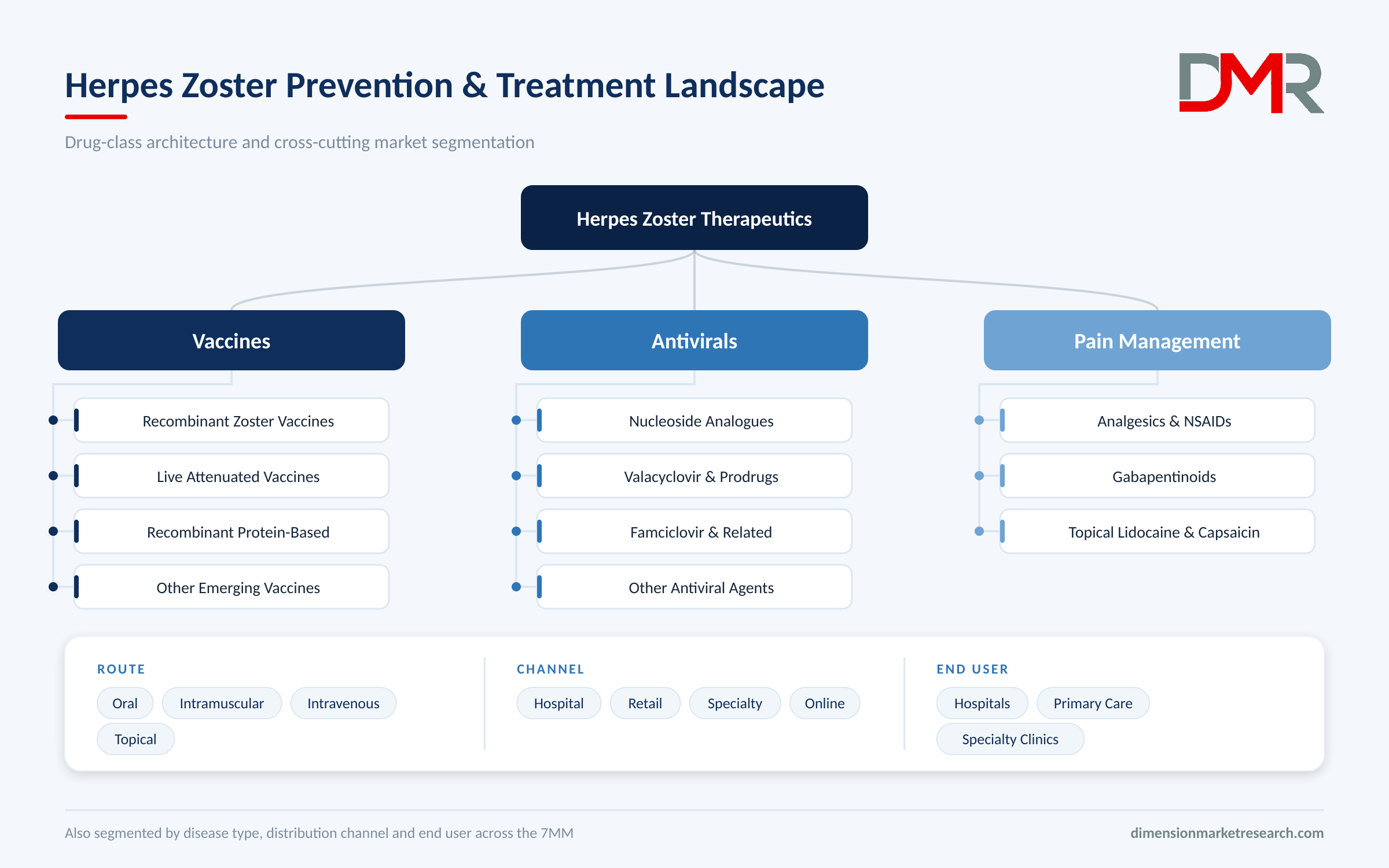
The herpes zoster market is segmented across drug class, biologic class, small-molecule class, conventional therapy, disease type, route of administration, distribution channel, and end user. The segmentation captures both established treatment categories and emerging preventive approaches.
ℹ
To learn more about this report –
Download Your Free Sample Report Here
By Drug Class
Biologics
Biologics represent a major segment of the herpes zoster prevention market because recombinant vaccine technology provides targeted immune stimulation and high levels of protection in eligible populations. Recombinant zoster vaccination targets varicella-zoster virus glycoprotein E and is designed to stimulate a strong immune response without using live virus.
The biologic segment includes recombinant zoster vaccines, live attenuated zoster vaccines where applicable, and emerging recombinant vaccine candidates. Increasing physician familiarity, clinical evidence, expanded treatment experience, and improvements in dosing and administration convenience continue to support vaccine utilization. Shingrix remains the leading recombinant zoster vaccine in major markets, while newer recombinant vaccine candidates may increase competitive pressure.
Small Molecules
Small molecules represent an established segment because antiviral agents remain the principal pharmacological treatment for acute herpes zoster. Unlike preventive vaccines, oral antiviral therapies are used following disease onset and can reduce viral replication, shorten the duration of disease, and improve acute symptom outcomes when administered promptly.
The segment includes nucleoside and nucleotide analogue antivirals such as acyclovir, valacyclovir, and famciclovir, together with other antiviral approaches under clinical evaluation. Continued clinical development and formulation improvements could increase the role of antiviral therapies in patients requiring rapid and convenient treatment.
Conventional Therapies
Conventional therapies continue to represent an important component of herpes zoster treatment, particularly among patients with mild disease, acute pain, or postherpetic neuralgia and in markets where advanced preventive therapy access remains limited.
This category includes analgesics, non-steroidal anti-inflammatory drugs, neuropathic pain medicines, topical lidocaine, and capsaicin-based treatments. Although vaccination and antiviral therapies represent important advanced approaches, conventional treatment remains important because of its accessibility, established clinical use, and relatively lower treatment cost.
By Biologic Class
- Recombinant Zoster Vaccines
- Live Attenuated Zoster Vaccines
- Recombinant Protein-Based Vaccines
- Other Emerging Zoster Vaccines
Recombinant zoster vaccines are increasingly important because of their strong efficacy and broad use among older adults and selected immunocompromised populations. Live attenuated vaccines maintain relevance in selected markets, while newer recombinant vaccine candidates may provide additional competition through alternative manufacturing platforms, age indications, dosing approaches, and cost structures.
By Small-Molecule Class
- Nucleoside Analogues
- Valacyclovir and Related Prodrug Antivirals
- Famciclovir and Related Antiviral Agents
- Other Antiviral Agents
The development and continued utilization of oral antiviral therapies is particularly significant because these therapies provide a convenient approach to acute herpes zoster management. Timely administration remains important, with clinical recommendations generally emphasizing early treatment after rash onset. Continued development may broaden the role of antivirals in patients with complicated disease or special-risk characteristics.
By Conventional Therapy
- Analgesics and Anti-inflammatory Agents
- Gabapentinoids and Neuropathic Pain Therapies
- Topical Lidocaine and Capsaicin Therapies
Analgesic treatment remains central to patients experiencing acute zoster pain, while gabapentinoids, antidepressants, and topical agents continue to provide treatment options for postherpetic neuralgia. Recent clinical recommendations identify gabapentinoids, tricyclic antidepressants, and serotonin-norepinephrine reuptake inhibitors among important first-line options for postherpetic neuralgia.
By Disease Type
- Uncomplicated Dermatomal Herpes Zoster
- Postherpetic Neuralgia
- Herpes Zoster Ophthalmicus
- Disseminated Herpes Zoster
- Neurologic Herpes Zoster
- Immunocompromised-Associated Herpes Zoster
Uncomplicated dermatomal herpes zoster accounts for the largest portion of treatment demand because of its prevalence. Postherpetic neuralgia represents an important adjacent treatment population because of its persistent pain burden and substantial impact on quality of life. Approximately 10% to 18% of herpes zoster patients may develop postherpetic neuralgia, with risk increasing with age.
By Route of Administration
- Oral
- Intramuscular
- Intravenous
- Topical
- Other Routes
Oral administration remains important within antiviral and neuropathic pain therapy classes, while intramuscular administration is central to recombinant zoster vaccination. Intravenous administration remains particularly important in severe, disseminated, or immunocompromised disease requiring hospital-based treatment.
By Distribution Channel
- Hospital Pharmacies
- Retail Pharmacies
- Specialty Pharmacies
- Online Pharmacies
Distribution patterns vary by treatment type, country, reimbursement environment, and healthcare system. Specialty and hospital pharmacies are particularly relevant for vaccination programs and complex patients, while retail and online channels may have greater relevance for conventional analgesics and other supportive treatments.
By End User
- Hospitals
- Primary Care Clinics
- Specialty Clinics
- Ambulatory Care Centers
- Other Healthcare Facilities
Primary-care clinics and specialty care facilities represent important treatment settings because herpes zoster management frequently requires rapid diagnosis, antiviral initiation, vaccination assessment, pain management, treatment escalation, monitoring, and management of complications.
Market Dynamics
Growth Drivers
Increasing Adoption of Preventive Vaccination
Preventive vaccination continues to be one of the strongest growth drivers in the herpes zoster market. Recombinant zoster vaccination provides an important approach to reducing herpes zoster and postherpetic neuralgia among older adults and selected immunocompromised populations. In the United States, Shingrix is indicated for adults aged 50 years and older and adults aged 18 years and older who are or will be at increased risk because of immunodeficiency or immunosuppression.
The growing use of recombinant zoster vaccines is particularly important as healthcare systems increasingly emphasize prevention of disease and long-term complications. Expanded physician awareness, vaccination campaigns, broader eligible populations, and improved administration convenience are supporting adoption.
Advancement in Disease Biology-Based Vaccine Development
Advances in understanding varicella-zoster virus immunity have created opportunities for more precise vaccine development. Pharmaceutical companies are increasingly investing in recombinant glycoprotein-based vaccines and alternative vaccine platforms designed to generate durable immune responses in older and immunocompromised populations.
Development activity is focused on novel vaccine formulations, improved adjuvant systems, broader age populations, long-term durability, convenient administration, and potentially more cost-effective vaccine manufacturing. These developments are expected to increase therapeutic and preventive competition.
Increasing Healthcare Access in Emerging Markets
Improving healthcare infrastructure and rising healthcare expenditure are increasing access to herpes zoster diagnosis, antiviral treatment, pain management, and adult vaccination in emerging markets. Expansion of primary-care networks and greater disease awareness are also helping identify patients who previously remained untreated.
China and India are particularly important growth opportunities because of their large populations. Increased reimbursement, wider availability of adult vaccines, greater private-sector healthcare participation, and development of cost-effective preventive options could accelerate market penetration.
Growing Recognition of Herpes Zoster Clinical Burden
The increasing understanding of herpes zoster as a serious age-associated disease with potentially persistent neurological consequences is encouraging more comprehensive disease management. Recognition of postherpetic neuralgia, ophthalmic disease, neurologic complications, and complications in immunocompromised patients can encourage earlier diagnosis, specialist management, and continued treatment monitoring.
This shift can increase treatment intensity and create demand for therapies and preventive interventions capable of reducing both acute disease and longer-term complications.
Market Restraints
High Cost of Advanced Preventive Therapies
Recombinant zoster vaccines and other innovative preventive therapies often carry substantially higher treatment costs than conventional symptomatic therapies. High costs can create affordability challenges for patients and increase pressure on healthcare payers.
In emerging markets, limited reimbursement coverage and high out-of-pocket expenditure can restrict access to adult vaccination. Cost considerations may therefore continue to influence treatment and prevention decisions and delay the adoption of innovative therapies.
Treatment Accessibility Gap
Unequal access to primary-care providers, specialists, vaccination centers, diagnostic services, and advanced medicines remains a major challenge. Rural and underserved populations may experience longer diagnostic delays and fewer opportunities to receive preventive vaccination.
Differences in healthcare infrastructure between regions can therefore result in significant variations in diagnosis, treatment penetration, vaccination coverage, and disease outcomes.
Variable Patient Response and Persistent Pain
Although antiviral therapies and preventive vaccination have significantly improved herpes zoster management, treatment response is not uniform across patients. Some individuals may experience persistent acute pain, postherpetic neuralgia, treatment intolerance, recurrence, or complications despite treatment.
The need to manage chronic neuropathic pain can increase healthcare utilization and creates continuing demand for treatments offering durable and predictable disease control.
Competitive Landscape
The global herpes zoster market is characterized by intense competition among pharmaceutical companies with established vaccine and antiviral portfolios and emerging developers focused on differentiated vaccine technologies and treatment approaches.
Leading companies covered in the competitive assessment include:
- GSK
- Merck & Co.
- Pfizer
- Sanofi
- AstraZeneca
- BioNTech
- Beijing Luzhu Biotechnology
- Shanghai Institute of Biological Products
- Chongqing Zhifei Biological Products
- CanSino Biologics
Competition is increasingly focused on demonstrating superior or differentiated preventive outcomes rather than simply introducing additional products within existing treatment categories. Companies are investing in recombinant vaccine technologies, improved adjuvant systems, broader age indications, vaccine durability, simplified administration, and cost optimization.
The competitive environment is also being influenced by vaccination reimbursement, pricing pressure, healthcare-system recommendations, physician familiarity, vaccine availability, and adult immunization infrastructure. Recombinant vaccine platforms and other next-generation approaches are expected to remain important areas of competition.
Pipeline innovation is another major competitive factor. Companies with strong clinical-development capabilities and diversified vaccine portfolios may be better positioned to respond to changing prevention preferences and emerging unmet needs. A notable example is LZ901, a recombinant glycoprotein E-based vaccine developed by Beijing Luzhu Biotechnology, which has been evaluated in a large Phase III program.
Recent Developments
- September 2026 – GSK advances Shingrix administration convenience in Japan: GSK reported regulatory progress involving Shingrix, its recombinant zoster vaccine, after Japan's Ministry of Health, Labour and Welfare approved a prefilled syringe presentation for prevention of herpes zoster. The new presentation removes the need to manually reconstitute separate antigen and adjuvant vials before administration. The development highlights the industry's increasing interest in improving vaccine administration convenience and its potential to support healthcare-provider efficiency and broader adult immunization.
- August 2026 – Beijing Luzhu Biotechnology advances LZ901 vaccine development: Beijing Luzhu Biotechnology reported Phase III clinical evidence for LZ901, a recombinant glycoprotein E-Fc fusion protein herpes zoster vaccine. In a randomized Phase III study involving more than 26,000 adults aged 40 years and older, LZ901 demonstrated 91.6% efficacy against herpes zoster over the reported follow-up period. The program reflects continued investment in recombinant zoster vaccines designed to expand preventive options and address the substantial disease burden associated with aging populations.
Report Coverage
The report provides comprehensive assessment of the herpes zoster market across the seven specified major markets. It integrates epidemiological analysis with commercial market assessment to provide a broader understanding of the current and future treatment and prevention landscape.
The study covers:
- Indication Covered
- Epidemiology Parameters
- Patient Segmentation
- Geographic Coverage
- Market Segmentation
- Units of Measurement
- Study Period
- Data Sources
- Companies Covered
- Report Deliverables
- Out of Scope
- Customization