Indication Covered
The report covers obesity as a chronic, relapsing, multifactorial metabolic disease, with emphasis on its clinical burden, treatment patterns, therapeutic innovation, and commercial market development in India. Obesity is primarily characterized by excessive or abnormal accumulation of body fat that can negatively affect metabolic health, physical functioning, and overall quality of life. The condition is commonly assessed using body mass index (BMI), with additional consideration of waist circumference and abdominal adiposity, particularly among Asian Indian populations who may experience metabolic complications at comparatively lower BMI levels. The disease can range from overweight and early-stage obesity to severe and complicated obesity, requiring lifestyle interventions, pharmacological treatment, and bariatric or metabolic surgery.
The indication scope includes major clinical manifestations and associated disease conditions relevant to treatment demand, including:
- Generalized obesity
- Abdominal or central obesity
- Class I obesity
- Class II obesity
- Class III or severe obesity
- Obesity associated with metabolic complications
Generalized obesity remains the primary focus because of its increasing prevalence and its association with metabolic, cardiovascular, and other chronic health conditions. The report also considers abdominal obesity because of its particularly high clinical relevance in India, where central fat accumulation is associated with increased risks of type 2 diabetes, hypertension, dyslipidemia, and cardiovascular disease. Other difficult-to-treat manifestations and complications, including obesity-related insulin resistance, obstructive sleep apnea, metabolic dysfunction-associated steatotic liver disease (MASLD), and obesity-related osteoarthritis, are evaluated as areas of continuing clinical need.
The treatment landscape covers lifestyle and dietary interventions, anti-obesity pharmacotherapy, incretin-based therapies, conventional weight-management medications, and bariatric or metabolic surgery. Particular attention is given to advanced therapies targeting GLP-1, GIP, and other metabolic pathways, as well as emerging oral and next-generation anti-obesity treatment approaches.
Epidemiology Parameters
Obesity represents a significant and expanding chronic metabolic disease burden across India. Epidemiological patterns vary substantially between states and population groups because of differences in dietary habits, genetic susceptibility, physical activity, urbanization, socioeconomic status, healthcare access, disease awareness, diagnostic practices, and availability of endocrinologists, bariatric surgeons, and specialized weight-management services.
ℹ
To learn more about this report –
Download Your Free Sample Report Here
The epidemiology assessment provides a structured evaluation of the Indian obesity population from overall prevalence through diagnosis and treatment. Key parameters include:
- Total obesity patient population
- Prevalent obesity population
- Incidence population, where reliable data are available
- Diagnosed patient population
- Treated patient population
- Untreated patient population
- Treatment-eligible population
- Disease severity distribution
- Overweight population
- Class I obesity population
- Class II obesity population
- Class III obesity population
- Abdominal obesity population
- Obesity-associated metabolic disorder population
- Age distribution
- Gender distribution
- Diagnosis rate
- Treatment rate
- Treatment penetration
- Urban and rural disease burden
- State-wise epidemiological distribution
- Epidemiological trends
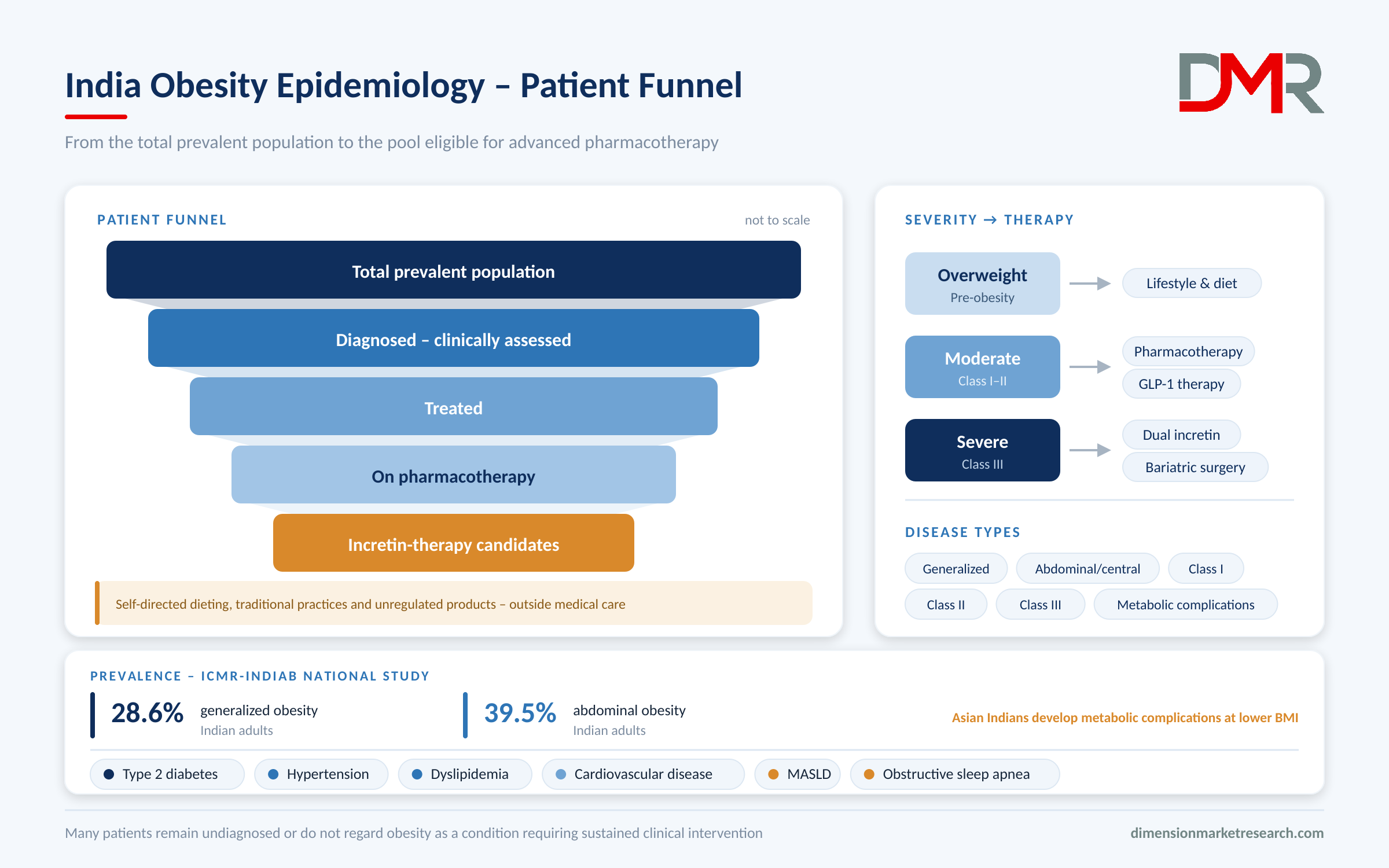
The analysis distinguishes between the broader prevalent population and patients who are diagnosed and actively receiving treatment. This distinction is particularly important because a considerable proportion of individuals with obesity in India remain undiagnosed or do not consider obesity a medical condition requiring sustained clinical intervention. Many patients continue to rely on self-directed dieting, exercise programs, traditional weight-management practices, or unregulated products without receiving structured medical treatment.
The report also evaluates the increasing recognition of obesity as a chronic metabolic disease requiring long-term management rather than a temporary weight-management concern. Associated manifestations such as type 2 diabetes, hypertension, dyslipidemia, cardiovascular disease, MASLD, and obstructive sleep apnea can influence treatment decisions, disease monitoring, healthcare utilization, and long-term management strategies.
Patient Segmentation
The Indian obesity patient population is segmented according to disease severity, disease manifestation, treatment status, and therapeutic requirements. This approach provides a clearer understanding of the population eligible for different treatment categories and helps assess the potential addressable population for advanced anti-obesity therapies.
By Disease Severity
Overweight: Individuals with excess body weight who have not progressed to obesity are generally managed through dietary modification, physical activity, behavioral interventions, and structured weight-management programs. Treatment decisions are influenced by BMI, waist circumference, metabolic risk factors, family history, and the presence of obesity-related complications.
Moderate: Patients with established obesity and associated metabolic risk factors may require more intensive lifestyle interventions and pharmacological treatment. Increasing concerns regarding type 2 diabetes, hypertension, dyslipidemia, and quality-of-life impairment can encourage movement toward medically supervised weight-management therapies.
Severe: Patients with higher BMI, substantial metabolic complications, functional impairment, or inadequate response to conventional weight-management approaches are more likely to require advanced pharmacological therapies or bariatric surgery. This segment represents a major contributor to advanced obesity treatment demand in India.
By Disease Type
- Generalized obesity
- Abdominal or central obesity
- Class I obesity
- Class II obesity
- Class III obesity
- Obesity with metabolic complications
By Treatment Status
- Diagnosed and Treated
- Diagnosed and Untreated
- Undiagnosed
The treatment-status segmentation helps identify the gap between the total obesity population and the population actively participating in healthcare treatment. Improvements in awareness, routine metabolic screening, physician involvement, diagnostic capabilities, and healthcare access can gradually increase the diagnosed and treated population.
By Treatment Requirement
- Lifestyle and Dietary Intervention Candidates
- Conventional Pharmacotherapy Candidates
- GLP-1-Based Therapy Candidates
- Dual Incretin Therapy Candidates
- Bariatric Surgery Candidates
- Long-Term Medical Weight-Management Candidates
This segmentation helps evaluate how changes in clinical guidelines, physician preferences, reimbursement, affordability, and therapy availability can shift patients between lifestyle-based, conventional pharmacological, advanced pharmacological, and surgical treatment categories.
Geographic Coverage
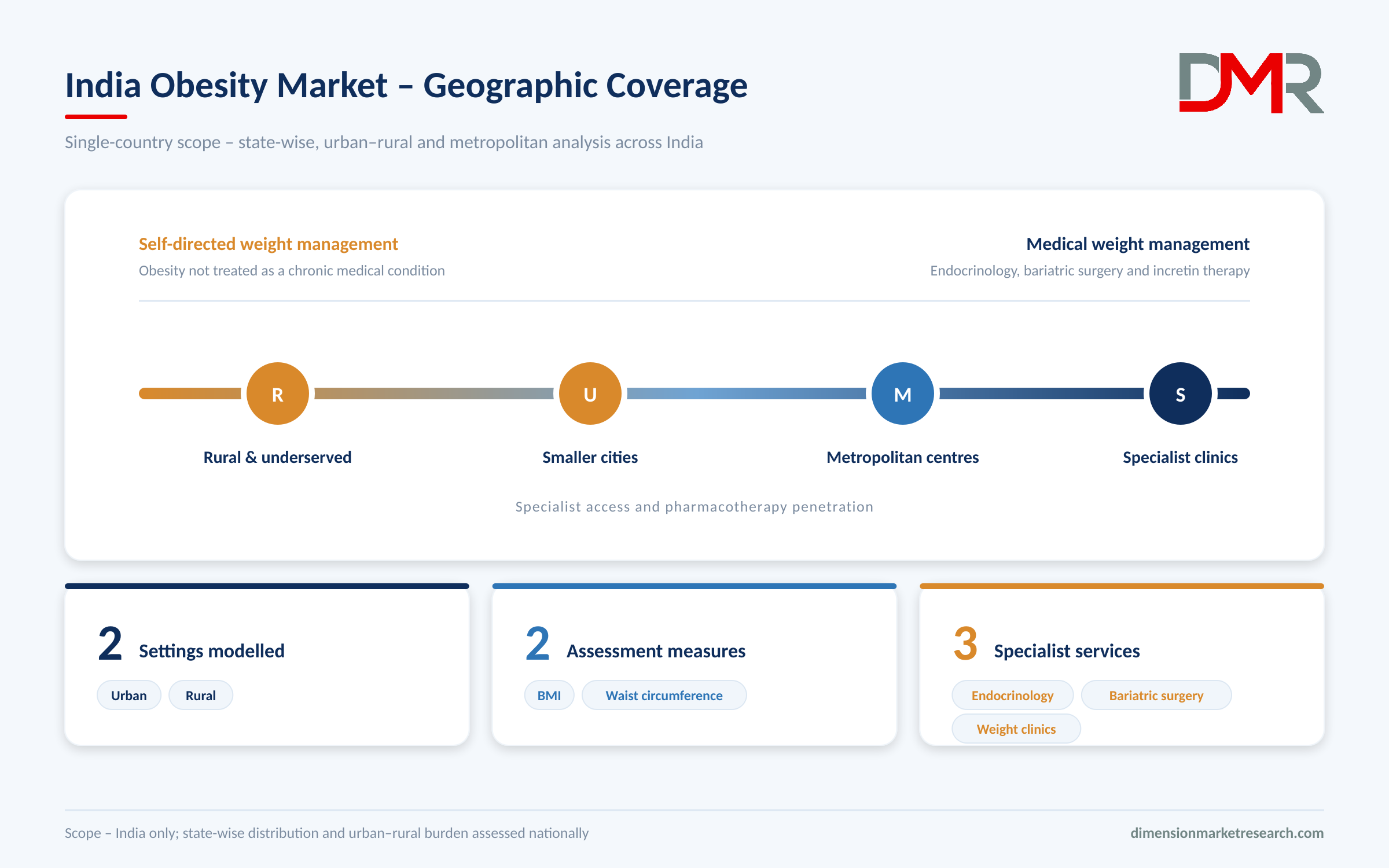
The report provides detailed market, epidemiology, treatment, and competitive analysis exclusively across India, with assessment of national obesity prevalence, regional patient distribution, healthcare infrastructure, treatment accessibility, reimbursement, therapeutic penetration, regulatory environment, physician adoption, and competitive activity.
ℹ
To learn more about this report –
Download Your Free Sample Report Here
The geographic analysis considers differences between urban and rural populations, state-wise disease burden, metropolitan and non-metropolitan healthcare infrastructure, specialist availability, affordability, and access to advanced obesity treatments. These factors are particularly important because the commercial opportunity for obesity therapies differs considerably between developed urban healthcare markets and underserved regions with limited access to specialized treatment.
India
India represents a high-growth obesity market, supported by a large patient population, increasing prevalence of metabolic disorders, rising healthcare expenditure, and growing awareness of obesity as a chronic disease. The ICMR-INDIAB national study estimated generalized obesity prevalence at 28.6% and abdominal obesity prevalence at 39.5% among the adult population, highlighting the substantial underlying treatment burden. Increasing urbanization, sedentary lifestyles, dietary changes, and metabolic risk factors are contributing to growing demand for structured obesity management.
The Indian market is experiencing increasing adoption of advanced pharmacological therapies, particularly GLP-1 receptor agonists and dual GIP/GLP-1 receptor agonists. The introduction of tirzepatide and expanding availability of semaglutide-based treatments are increasing treatment options for patients requiring medical weight management. However, affordability, limited insurance coverage, out-of-pocket expenditure, treatment awareness, and specialist availability remain important considerations. Expansion of domestic pharmaceutical manufacturing, generic competition, and increasing availability of cost-effective therapies are expected to influence future market development.
Market Segmentation
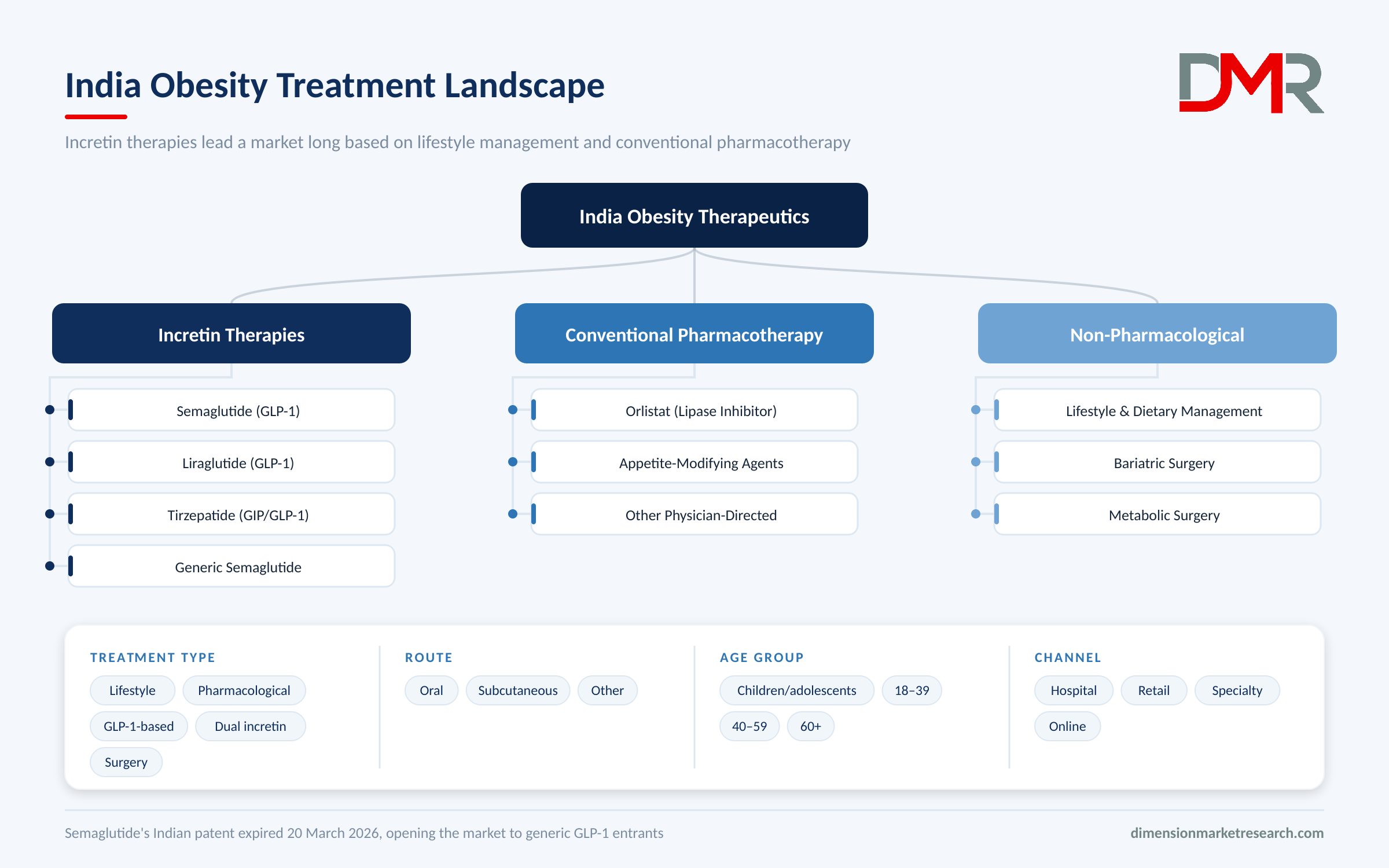
The India obesity market is segmented across therapy class, treatment type, route of administration, patient age group, and distribution channel. The segmentation captures both established weight-management approaches and emerging pharmacological therapies, reflecting the changing treatment landscape in India.
ℹ
To learn more about this report –
Download Your Free Sample Report Here
By Therapy Class
GLP-1 Receptor Agonists
GLP-1 receptor agonists represent a major and rapidly expanding segment of the Indian obesity market because of their ability to regulate appetite, delay gastric emptying, improve satiety, and support clinically meaningful weight reduction. These therapies target the glucagon-like peptide-1 receptor involved in appetite regulation and glucose metabolism.
The segment includes semaglutide, liraglutide, and other GLP-1-based therapies where approved for relevant indications. Increasing physician familiarity, clinical evidence, growing availability, and the emergence of lower-cost semaglutide alternatives are supporting the commercial development of this category.
Dual GIP/GLP-1 Receptor Agonists
Dual GIP/GLP-1 receptor agonists represent an important advanced therapy segment because of their ability to activate two incretin pathways involved in appetite regulation, glucose metabolism, and body-weight reduction. Tirzepatide is the principal commercially established therapy in this category in India.
The segment is gaining attention because of its clinical weight-loss efficacy and potential role in patients requiring substantial and sustained weight reduction. Continued physician adoption, expanded treatment availability, and improvements in administration convenience are expected to support its market development.
Lipase Inhibitors
Lipase inhibitors represent an established conventional pharmacological segment of the Indian obesity market. These therapies reduce the absorption of dietary fat through inhibition of gastrointestinal lipases and provide an alternative to incretin-based treatment.
The category primarily includes orlistat, which continues to be used among patients requiring pharmacological weight management alongside dietary modification and lifestyle interventions. Its established clinical use and availability as a conventional treatment option support its continuing market relevance.
Other Pharmacological Therapies
Other pharmacological therapies include medications used in selected patients to support weight reduction and manage associated metabolic conditions. These may include centrally acting appetite-modifying agents and other physician-directed treatments, depending on their regulatory status and clinical suitability.
The segment remains comparatively diverse, with treatment selection influenced by patient characteristics, comorbidities, safety considerations, and affordability.
By Treatment Type
- Lifestyle and Dietary Management
- Pharmacological Treatment
- GLP-1-Based Treatment
- Dual Incretin-Based Treatment
- Bariatric and Metabolic Surgery
Lifestyle and dietary management remain central to obesity treatment in India, while pharmacological treatment is increasingly important among patients who do not achieve adequate weight reduction through conventional interventions. Advanced pharmacological therapies are gaining market relevance because of their greater weight-loss potential, while bariatric and metabolic surgery remain important for selected patients with severe obesity and associated complications.
By Route of Administration
- Oral
- Subcutaneous Injectable
- Other Routes
Oral administration remains important within conventional pharmacological treatment and oral metabolic therapies, offering convenience and avoiding injections. Subcutaneous administration is increasingly important because of the growing adoption of semaglutide, liraglutide, and tirzepatide. Injectable treatment is particularly relevant for patients requiring advanced pharmacological weight management, while the development of oral incretin-based therapies could further diversify administration preferences in the Indian market.
By Patient Age Group
- Children and Adolescents
- Adults (18–39 Years)
- Middle-Aged Adults (40–59 Years)
- Older Adults (60 Years and Above)
Adults represent the most commercially important segment because of the increasing prevalence of obesity and associated metabolic complications across working-age populations. Middle-aged adults represent an important treatment population because of the greater likelihood of obesity-associated type 2 diabetes, hypertension, cardiovascular risk, and other metabolic disorders. Pediatric obesity is also receiving increasing clinical attention because of its long-term implications for metabolic health and the risk of persistent obesity into adulthood.
By Distribution Channel
- Hospital Pharmacies
- Retail Pharmacies
- Specialty Pharmacies
- Online Pharmacies
Distribution patterns vary by treatment type, prescription requirements, affordability, and healthcare access. Hospital pharmacies are particularly relevant for patients receiving specialist-supervised pharmacological treatment and bariatric care, while retail pharmacies represent an important channel for conventional and prescription-based obesity medications. Specialty pharmacies are increasingly relevant for high-cost injectable therapies, while online pharmacy platforms are expanding their role in prescription fulfillment and access to chronic weight-management medications, subject to applicable regulatory requirements.
Market Dynamics
Growth Drivers
Increasing Adoption of Advanced Pharmacological Therapies
Advanced pharmacological therapies continue to be one of the strongest growth drivers in the Indian obesity market. Their ability to regulate appetite, improve satiety, influence glucose metabolism, and support substantial weight reduction has expanded treatment options for patients with moderate-to-severe obesity.
The growing use of GLP-1 receptor agonists and dual GIP/GLP-1 receptor agonists is particularly important as physicians increasingly consider treatment efficacy, weight-loss durability, metabolic benefits, and dosing convenience when selecting therapies. Expanded clinical experience and increasing physician familiarity are also supporting adoption.
Advancement in Obesity Biology-Based Drug Development
Advances in understanding the biological mechanisms underlying obesity have created opportunities for more precise therapeutic intervention. Pharmaceutical companies are increasingly investing in therapies designed to selectively target incretin pathways, appetite regulation, energy balance, and metabolic mechanisms rather than relying solely on conventional weight-management approaches.
Development activity is focused on next-generation GLP-1 therapies, dual and multi-receptor agonists, oral targeted therapies, improved treatment durability, and potentially more personalized approaches to treatment selection. These developments are expected to increase therapeutic competition and broaden the available treatment options in India.
Increasing Healthcare Access and Disease Awareness
Improving healthcare infrastructure and rising healthcare expenditure are increasing access to obesity diagnosis and treatment in India. Expansion of endocrinology services, bariatric surgery facilities, weight-management clinics, and digital healthcare platforms is also helping identify patients who previously remained untreated.
Increasing public awareness of obesity-related diabetes, cardiovascular disease, hypertension, and other metabolic complications is encouraging greater demand for medical weight management. Greater availability of advanced therapies and development of cost-effective treatment options could further accelerate market penetration.
Growing Recognition of Obesity-Related Metabolic Burden
The increasing understanding of obesity as a chronic metabolic disease is encouraging more comprehensive disease management. Recognition of complications such as type 2 diabetes, hypertension, dyslipidemia, cardiovascular disease, MASLD, and obstructive sleep apnea can encourage earlier diagnosis, specialist management, and continued treatment monitoring.
This shift can increase treatment intensity and create demand for therapies capable of achieving broader and more sustained weight reduction and metabolic improvement. India-specific clinical guidelines are also supporting more structured evaluation and treatment of patients with obesity.
Market Restraints
High Cost of Advanced Therapies
GLP-1 receptor agonists and dual incretin therapies often carry substantially higher treatment costs than conventional obesity medications and lifestyle interventions. High costs can create affordability challenges for patients and increase pressure on household healthcare expenditure.
In India, limited insurance coverage for obesity pharmacotherapy and substantial out-of-pocket spending can restrict access to advanced treatment. Although generic competition and domestic manufacturing may improve affordability, cost considerations may continue to influence treatment selection and delay the adoption of innovative therapies.
Treatment Accessibility Gap
Unequal access to endocrinologists, bariatric surgeons, specialty clinics, diagnostic services, and advanced medicines remains a major challenge. Rural and underserved populations may experience limited access to structured obesity management and fewer treatment options.
Differences in healthcare infrastructure between metropolitan, urban, and rural regions can therefore result in significant variations in diagnosis, treatment penetration, and disease outcomes. Limited awareness of obesity as a chronic medical condition can further contribute to delayed treatment.
Variable Patient Response and Long-Term Treatment Adherence
Although advanced therapies have significantly improved obesity management, treatment response is not uniform across patients. Some individuals may experience inadequate weight reduction, gastrointestinal adverse events, treatment intolerance, weight regain following discontinuation, or difficulties maintaining long-term adherence.
The need for sustained treatment, regular medical monitoring, and lifestyle modification can increase healthcare utilization and creates continuing demand for treatments offering durable weight reduction, improved tolerability, and predictable clinical outcomes.
Competitive Landscape
The India obesity market is characterized by increasing competition among multinational pharmaceutical companies with established metabolic disease portfolios and domestic pharmaceutical developers focused on expanding access to conventional and advanced anti-obesity therapies.
Leading companies covered in the competitive assessment include:
- Novo Nordisk
- Eli Lilly and Company
- Sun Pharmaceutical Industries
- Dr. Reddy's Laboratories
- Zydus Lifesciences
- Cipla
- Lupin
- Torrent Pharmaceuticals
- Emcure Pharmaceuticals
- Abbott Laboratories
Competition is increasingly focused on demonstrating differentiated weight-loss outcomes, metabolic benefits, treatment convenience, affordability, and long-term safety rather than simply introducing additional products within existing therapeutic categories. Companies are investing in GLP-1 receptor agonists, dual incretin therapies, oral treatment approaches, manufacturing capabilities, and expanded metabolic disease portfolios.
The competitive environment is also being influenced by semaglutide patent expiry, generic availability, pricing pressure, prescription requirements, and physician familiarity with established products. GLP-1-based therapies and dual GIP/GLP-1 receptor agonists are expected to remain important areas of competition. Domestic pharmaceutical companies are increasingly positioning themselves to participate in the expanding semaglutide market through branded generic offerings and manufacturing strategies.
Pipeline innovation is another major competitive factor. Companies with strong clinical-development capabilities and diversified metabolic disease portfolios may be better positioned to respond to changing treatment preferences, increasing affordability expectations, and emerging unmet needs in the Indian obesity market.
Recent Developments
- March 2026 – Indian pharmaceutical companies expand generic semaglutide availability: Following the expiry of semaglutide's Indian patent on March 20, 2026, multiple domestic pharmaceutical companies moved forward with the introduction of generic semaglutide formulations for diabetes and weight-management applications. The development highlights the industry's increasing interest in affordable GLP-1-based therapies and its potential to improve treatment accessibility, intensify pricing competition, and expand the addressable obesity treatment population in India.
- August 2025 – Eli Lilly expands Mounjaro availability through KwikPen launch: Eli Lilly launched Mounjaro KwikPen (tirzepatide) across India in a multidose, prefilled pen presentation following regulatory authorization. The dual GIP/GLP-1 receptor agonist offers once-weekly administration for adults requiring obesity and type 2 diabetes management. The development reflects continued investment in advanced incretin-based therapies designed to address unmet needs in weight reduction and improve treatment administration convenience.
Report Coverage
The report provides a comprehensive assessment of the India obesity market, integrating epidemiological analysis with commercial market assessment to provide a broader understanding of the current and future treatment landscape.
The study covers:
- Indication Covered
- Epidemiology Parameters
- Patient Segmentation
- Geographic Coverage – India
- Market Segmentation
- Units of Measurement
- Study Period
- Data Sources
- Companies Covered
- Report Deliverables
- Out of Scope
- Customization