What is the Infection Control in Air Market Size?
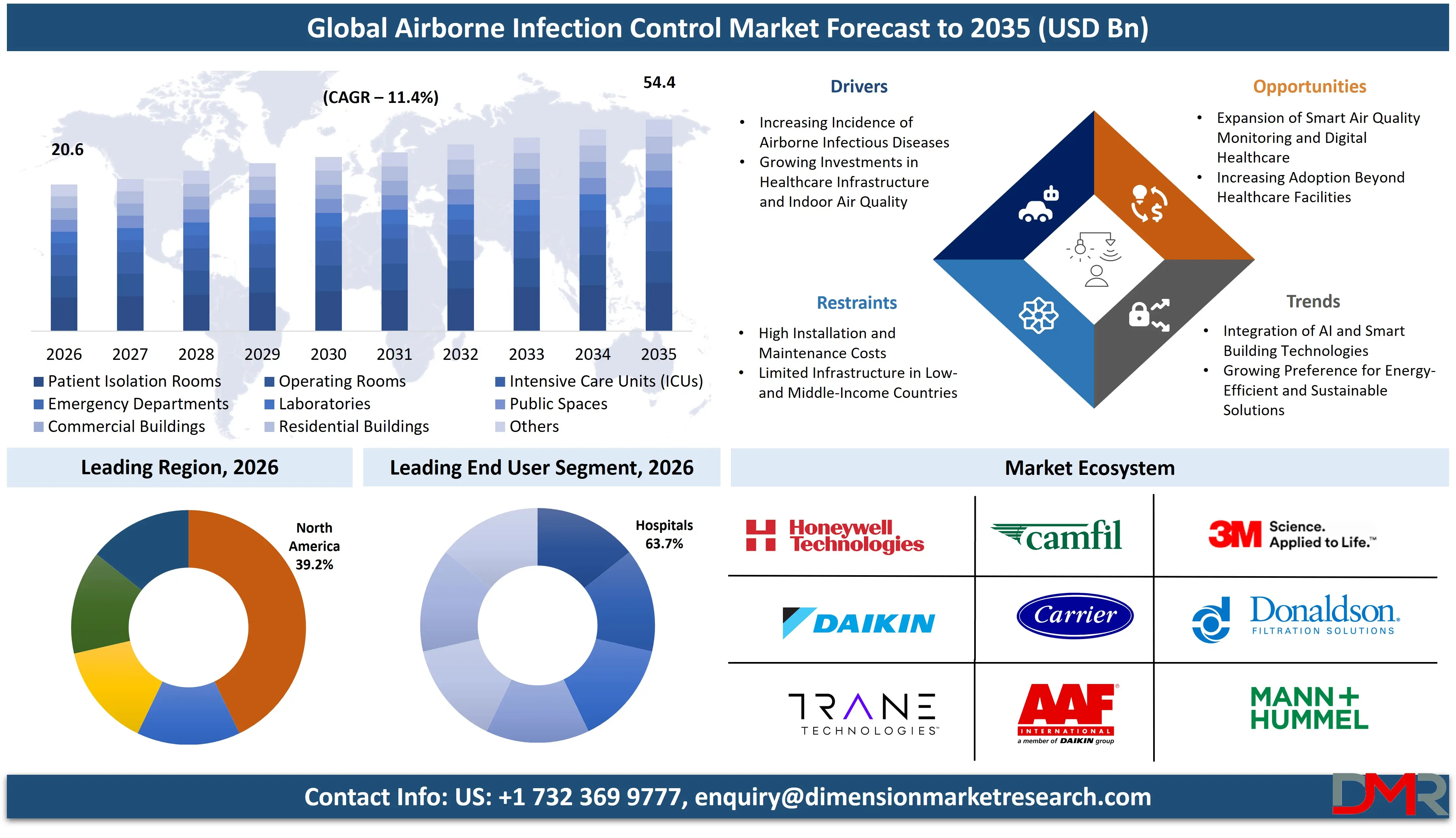
The Global Infection Control in Air Market is expected to reach a value of USD 20.6 billion in 2026, and it is further anticipated to reach USD 54.4 billion by 2035, growing at a CAGR of 11.4% during the forecast period.
ℹ
To learn more about this report –
Download Your Free Sample Report Here
The infection control in air market has been growing at a high rate, driven by an increased global focus on indoor air quality (IAQ) and the critical need to mitigate the transmission of airborne pathogens. The market encompasses a comprehensive range of products, including Air Purification Systems, UV-C Disinfection Systems, Ventilation Systems, and Respiratory Protective Equipment (RPE), all designed to create safer environments. The escalating prevalence of airborne infectious diseases, combined with heightened public awareness following global health crises, is fueling the demand for robust infection prevention strategies. Healthcare facilities remain the primary adopters, while commercial, residential, and public sectors are rapidly integrating these solutions to safeguard occupants, reflecting a paradigm shift towards proactive, long-term air hygiene management.
The US Infection Control in Air Market
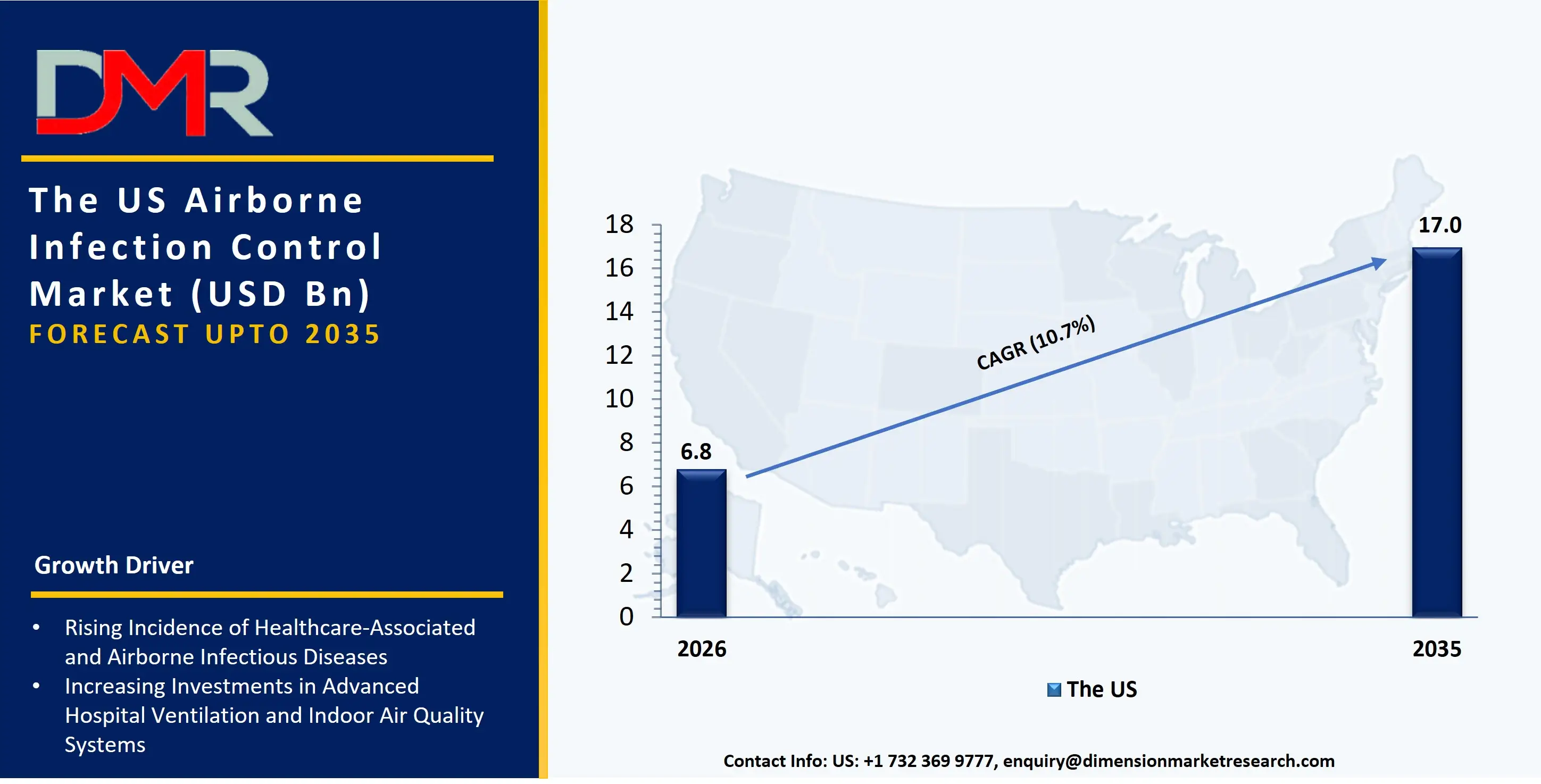
The US Infection Control in Air Market is projected to reach USD 6.8 billion in 2026, growing at a CAGR of 10.7% to culminate in a value of USD 17.0 billion by 2035.
ℹ
To learn more about this report –
Download Your Free Sample Report Here
The US continues to be the largest and most technologically advanced market, driven by stringent healthcare regulations, a highly developed healthcare infrastructure, and significant investment from public and private sectors. The market has been typified by high demand for advanced Air Purification Systems, particularly HEPA Filtration Systems and UV-C Disinfection Systems, in healthcare settings aiming to maintain sterile environments in Operating Rooms and ICUs. Furthermore, the increasing re-occupancy of commercial buildings post-pandemic has generated a substantial need for Air Quality Monitoring Systems to provide real-time data and ensure compliance with CDC and ASHRAE guidelines, establishing a new standard for building operations.
The Europe Infection Control in Air Market
The Europe Infection Control in Air Market is estimated to be valued at USD 5.7 billion in 2026 and is further anticipated to reach USD 15.2 billion by 2035 at a CAGR of 11.5%. The European market is significantly influenced by the continent's strong regulatory frameworks, including the EU's Indoor Air Quality directives and standards like EN 1822 for HEPA filters. Accelerated growth of Ventilation Systems is being experienced in the region, particularly in the retrofitting of old commercial and residential buildings to meet new energy efficiency and air exchange standards. In addition, initiatives focused on reducing the spread of healthcare-associated infections (HAIs) are challenging service providers to create dedicated, integrated solutions that combine Photocatalytic Oxidation (PCO) and Plasma Air Purification technologies, ensuring both efficacy and sustainability across various European climates.
The Japan Infection Control in Air Market
The Japan Infection Control in Air Market is projected to be valued at USD 1.3 billion in 2026 at a CAGR of 11.8%. The Japanese market is unique, with a corporate and societal drive for health security (known as "Kankyo Eisei") and technological innovation, especially in densely populated urban centers. A large part of the spending comprises Air Purification Systems like Electrostatic Precipitators and Ionizers, reflecting a strong consumer preference for high-tech, low-maintenance solutions for residential and public spaces. There is also a strong need for advanced Respiratory Protective Equipment (RPE) within the healthcare and industrial sectors, driven by the aging workforce and a national focus on disaster preparedness, which positions Japan as a key market for cutting-edge infection control technologies.
Key Takeaways
- Market Size & Forecast: The Global Infection Control in Air market is projected to reach USD 20.6 billion in 2026, expanding dramatically to USD 54.4 billion by 2035, fueled by the imperatives of post-pandemic preparedness and the growing recognition of airborne transmission in public health.
- Growth Rate & Outlook: Global market growth is expected at a CAGR of 11.4%, driven by a critical shortage of comprehensive indoor air quality management and the escalating complexity of achieving pathogen-free environments in high-occupancy spaces.
- Primary Growth Drivers: Key forces include the widespread integration of infection prevention protocols as a standard operating procedure, the need for Air Quality Monitoring Systems to enable data-driven decision-making, and the increasing prevalence of chronic respiratory diseases that necessitate clean air for patient care.
- Key Market Trends: Major trends include the rise of smart, IoT-enabled air quality ecosystems for predictive maintenance, the use of AI-powered analytics within Air Purification Systems to auto-adjust to real-time contamination levels, and a shift toward integrated Hybrid Air Purification Systems that combine multiple technologies (e.g., HEPA + UV-C) for maximum efficacy against diverse pathogen loads.
- By Product Analysis: Air Purification Systems, specifically HEPA Filtration Systems, are expected to dominate the market due to their proven efficiency and widespread applicability. Professional services are increasingly required to integrate these systems seamlessly with existing HVAC infrastructure for optimized performance.
- By End User Analysis: Hospitals remain the most lucrative end-user due to the highest risk of HAIs. Pharmaceutical & Biotechnology Companies are the fastest-growing sector as cleanroom standards evolve to prevent contamination and ensure product integrity.
- Regional Leadership: North America is poised to dominate this market with 39.2% of the market share in 2026, driven by its well-developed healthcare ecosystem, high public awareness, and stringent regulatory environment that collectively prioritize advanced air hygiene.
What is the Infection Control in Air Market?
The Infection Control in Air Market encompasses the physical equipment, technologies, and consumables deployed to detect, eliminate, or neutralize airborne pathogens and particulate matter. These specialized products are the frontline defense against the spread of infectious diseases via aerosol transmission. This encompasses primary Air Purification Systems (like HEPA Filtration Systems and UV-C Disinfection Systems) to capture and kill microorganisms, advanced Ventilation Systems to dilute and remove contaminated air, and Air Quality Monitoring Systems to assess risk levels. Furthermore, Respiratory Protective Equipment like N95 Respirators form the personal barrier layer. Given that droplets and aerosols are now recognized as a primary transmission route for pathogens, these technologies are fundamental, transforming from specialist hospital equipment to essential components of public infrastructure in schools, transport, and office buildings.
Use Cases
- Surgical Suite Sterility in Hospitals: Leading hospitals deploy high-grade HEPA Filtration Systems and UV-C Disinfection Systems in Operating Rooms to maintain ultraclean air, drastically reducing the risk of surgical site infections (SSIs) and ensuring patient safety during invasive procedures.
- Surveillance in Public Spaces: Airports and corporate headquarters use Air Quality Monitoring Systems integrated with building management platforms (BMS) to provide real-time air quality data. This enables swift action like increasing ventilation or activating HVAC purification when pathogen concentrations rise, reassuring occupants and visitors.
- Cleanroom Manufacturing in Pharma: Pharmaceutical companies utilize a combination of HEPA Filtration and Plasma Air Purification technologies in cleanrooms to prevent microbial contamination, which is critical to maintaining drug safety and meeting strict FDA standards.
- Personal Protection in High-Risk Units: Staff in ICUs and ERs rely on Powered Air-Purifying Respirators (PAPRs) and N95 Respirators to protect themselves from aerosol-generating procedures, creating a safe barrier that allows for critical patient care without compromising staff health.
How AI is Transforming the Infection Control in Air Market?
AI is transforming the infection control in air market by shifting it from reactive to predictive and prescriptive. In Air Quality Monitoring Systems, AI algorithms can process vast amounts of data from sensors, forecasting contamination events before they occur by correlating with occupancy data, weather patterns, and historical risk models. In the domain of Air Purification Systems, AI-powered analytics are enabling dynamic system optimization. Instead of running at constant speed, systems equipped with AI can auto-remediate by adjusting fan speeds or UV-C intensity based on real-time pathogen load, improving energy efficiency and extending filter life—a significant advantage for large commercial and residential buildings.
Furthermore, AI is revolutionizing the integration of equipment. In complex healthcare environments, AI facilitates the orchestration of various systems, such as activating Ventilation Systems in conjunction with UV-C Disinfection cycles during room turnover. This ensures a comprehensive, layered defense, optimizing the interplay between dilution and filtration to maintain ultra-clean zones without human intervention.
Market Dynamics
Key Drivers in the Global Infection Control in Air Market
Increasing Incidence of Airborne Infectious Diseases
The growing prevalence of airborne diseases such as tuberculosis, influenza, COVID-19, measles, and other respiratory infections is a major factor driving the Global Infection Control in Air Market. Rising urbanization, increasing international travel, and higher population density have accelerated disease transmission, creating greater demand for advanced infection prevention technologies. Healthcare providers are investing in air purification systems, HEPA filtration, UV-C disinfection, and respiratory protective equipment to reduce healthcare-associated infections. Governments and public health organizations are also strengthening infection prevention policies, encouraging wider deployment of airborne infection control solutions across hospitals, laboratories, and public infrastructure.
Growing Investments in Healthcare Infrastructure and Indoor Air Quality
Significant investments in healthcare modernization and indoor air quality management are accelerating market growth worldwide. Governments and private healthcare organizations are expanding hospitals, intensive care units, isolation wards, and diagnostic laboratories equipped with advanced airborne infection control technologies. Increasing awareness regarding the health impacts of poor indoor air quality has also encouraged adoption of high-efficiency ventilation systems in commercial buildings, educational institutions, airports, and public facilities. Stricter building regulations and occupational safety standards further support the installation of HEPA filtration, UV germicidal irradiation, and smart air quality monitoring systems across multiple end-use sectors.
Restraints in the Global Infection Control in Air Market
High Installation and Maintenance Costs
The high capital investment required for advanced airborne infection control systems remains a significant restraint, particularly for healthcare facilities operating under limited budgets. Installation of HEPA filtration units, negative pressure isolation rooms, UV-C disinfection systems, and specialized HVAC infrastructure requires substantial financial resources. In addition to initial procurement costs, regular maintenance, filter replacement, equipment calibration, and compliance testing increase long-term operational expenses. Small hospitals, clinics, and healthcare providers in developing economies often face financial constraints that delay technology adoption, limiting overall market penetration despite growing awareness of infection prevention.
Limited Infrastructure in Low- and Middle-Income Countries
Many developing countries continue to face challenges associated with inadequate healthcare infrastructure, insufficient ventilation systems, and limited access to advanced airborne infection control technologies. Hospitals in resource-constrained regions often lack isolation rooms, modern HVAC systems, and specialized air purification equipment necessary for effective infection prevention. Budget limitations, shortages of skilled technical personnel, and inconsistent regulatory enforcement further restrict adoption. These infrastructure gaps reduce the ability of healthcare providers to implement comprehensive airborne infection control measures, slowing market expansion in several emerging economies despite increasing disease burden.
Growth Opportunities in the Global Infection Control in Air Market
Expansion of Smart Air Quality Monitoring and Digital Healthcare
The integration of digital technologies into airborne infection control systems presents substantial growth opportunities for market participants. Smart air quality monitoring solutions equipped with IoT sensors, artificial intelligence, and cloud-based analytics enable continuous surveillance of airborne contaminants and ventilation performance. Healthcare facilities are increasingly adopting intelligent building management systems that optimize airflow, monitor pathogen risks, and improve operational efficiency. As digital healthcare and smart hospital initiatives continue expanding globally, manufacturers can capitalize on growing demand for connected airborne infection control solutions with predictive maintenance and real-time environmental monitoring capabilities.
Increasing Adoption Beyond Healthcare Facilities
Demand for airborne infection control technologies is expanding rapidly beyond hospitals into commercial buildings, schools, airports, hospitality facilities, industrial workplaces, and residential environments. Organizations are increasingly investing in advanced air purification and ventilation systems to improve occupant health, productivity, and regulatory compliance. Growing awareness of indoor air quality following the COVID-19 pandemic has accelerated adoption across multiple industries. Manufacturers have significant opportunities to develop energy-efficient, portable, and smart infection control solutions tailored to diverse applications, supporting long-term market growth across non-healthcare sectors.
Trends in the Global Infection Control in Air Market
Integration of AI and Smart Building Technologies
Artificial intelligence and smart building technologies are increasingly transforming airborne infection control systems worldwide. AI-powered platforms analyze air quality data, optimize ventilation performance, predict maintenance requirements, and automatically adjust filtration systems based on occupancy and environmental conditions. Integration with building management systems enables real-time monitoring and rapid response to changing indoor air quality. Hospitals, airports, commercial offices, and educational institutions are increasingly deploying intelligent HVAC and air purification systems to improve operational efficiency while strengthening infection prevention capabilities.
Growing Preference for Energy-Efficient and Sustainable Solutions
Sustainability has become a major trend in the Global Infection Control in Air Market as organizations seek environmentally responsible solutions without compromising infection prevention performance. Manufacturers are developing energy-efficient HEPA filtration systems, UV-C disinfection technologies, recyclable filter materials, and low-power ventilation equipment to reduce operational costs and carbon emissions. Green building certifications and stricter environmental regulations are encouraging adoption of sustainable air quality solutions across healthcare and commercial sectors. Continuous innovation in eco-friendly materials and energy-efficient technologies is expected to remain a key market trend throughout the forecast period.
Research Scope and Analysis
The Global Infection Control in Air Market is segmented by product, technology, infection type, application, and end user. It includes air purification, UV-C disinfection, ventilation, monitoring systems, respiratory protective equipment, advanced filtration technologies, airborne diseases, healthcare and commercial applications, and end users such as hospitals, clinics, laboratories, pharmaceutical companies, and research institutes.
ℹ
To learn more about this report –
Download Your Free Sample Report Here
By Product Analysis
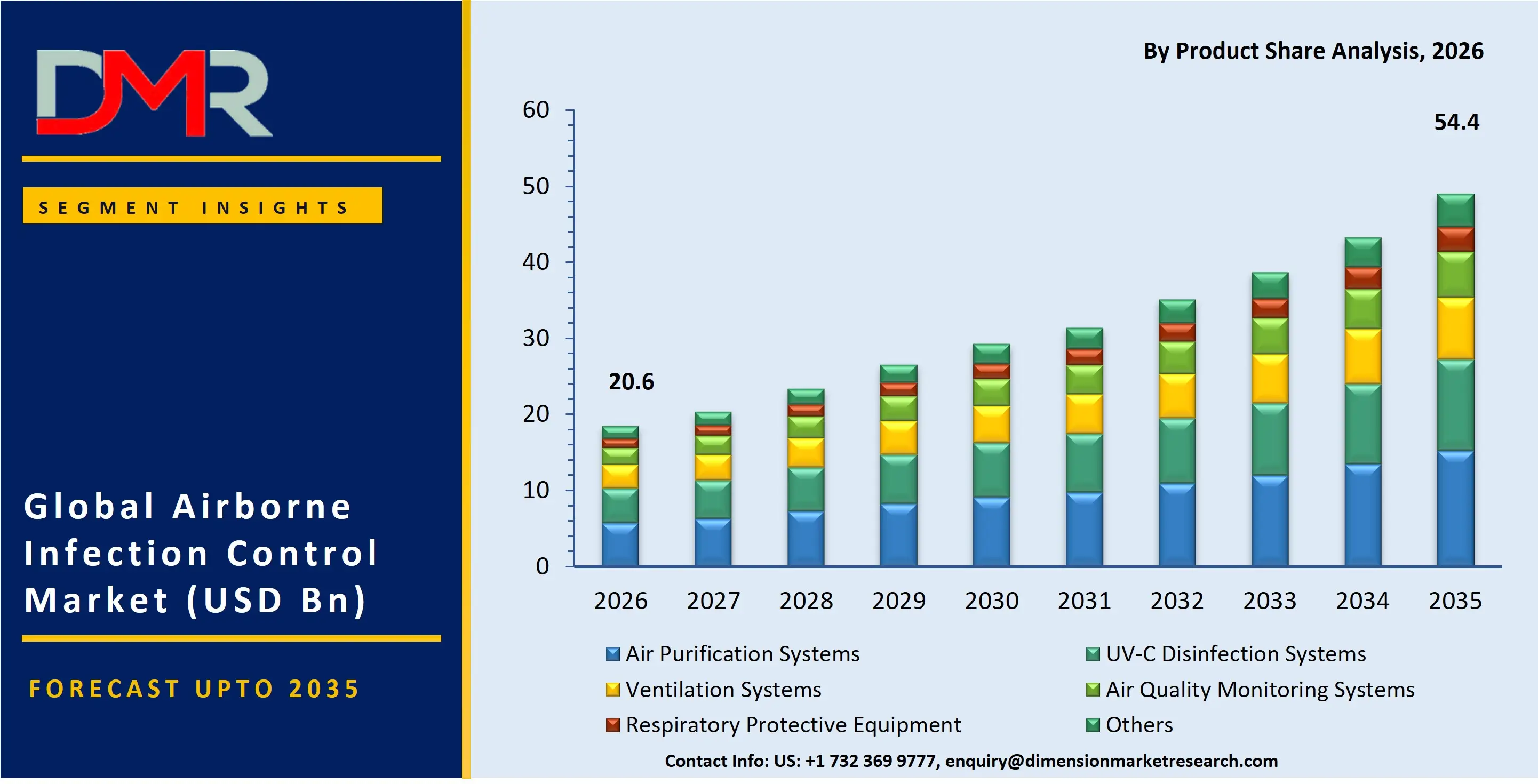
Air Purification Systems are expected to dominate the Global Infection Control in Air Market owing to their widespread deployment across healthcare facilities, commercial buildings, educational institutions, transportation hubs, and residential settings. Growing concerns regarding airborne transmission of infectious diseases, combined with stricter indoor air quality regulations, have significantly increased demand for advanced air purification technologies.
ℹ
To learn more about this report –
Download Your Free Sample Report Here
HEPA filtration systems, in particular, are widely recognized for their ability to capture airborne pathogens and fine particulate matter with high efficiency. Continuous technological advancements, increasing investments in smart air purification solutions, and expanding adoption in hospitals and public infrastructure continue to reinforce the dominance of air purification systems globally.
By Technology Analysis
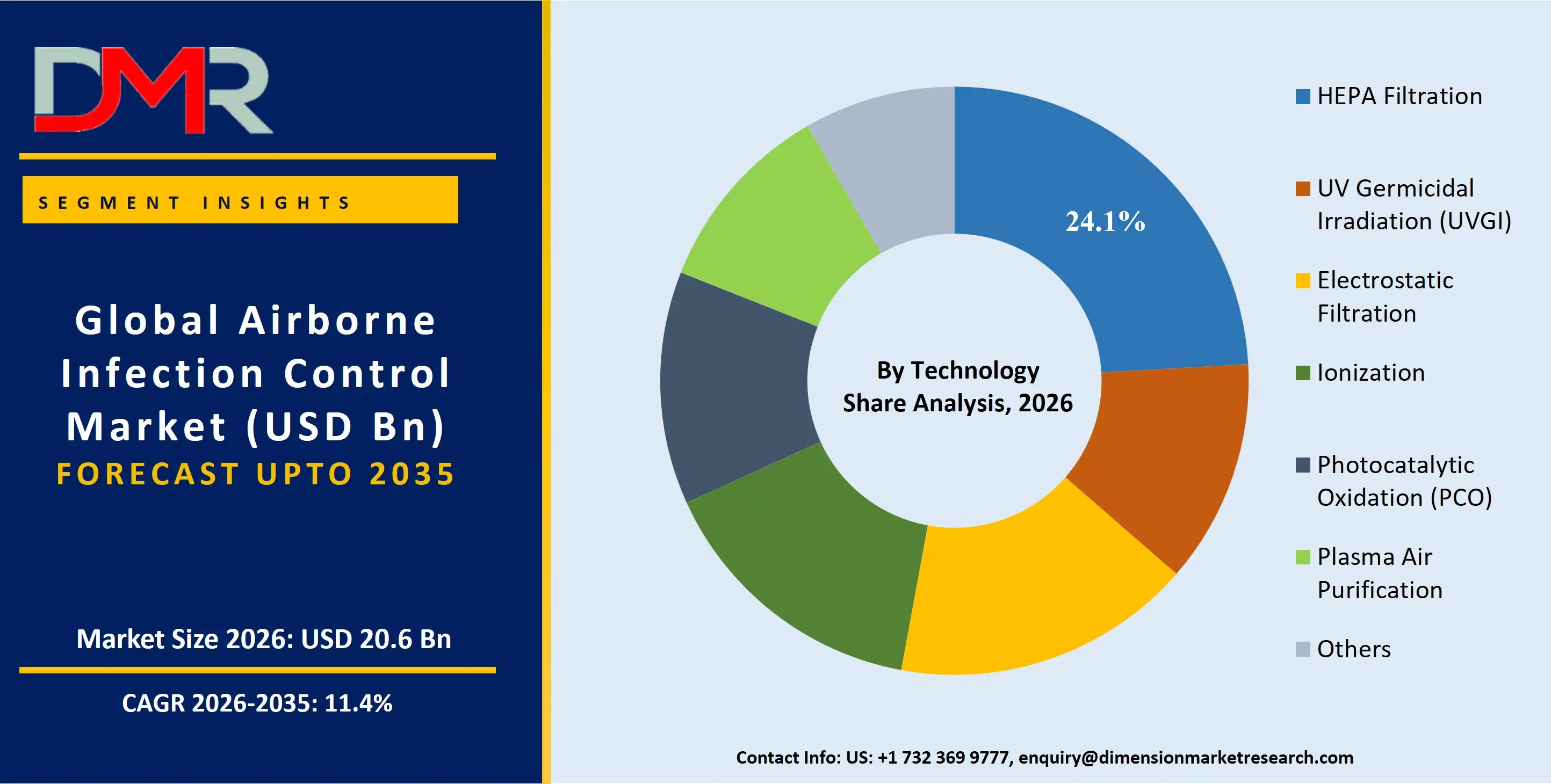
HEPA Filtration is projected to dominate the technology segment due to its proven effectiveness in removing airborne microorganisms, viruses, bacteria, and particulate contaminants from indoor environments. HEPA filters are extensively used in hospitals, laboratories, cleanrooms, pharmaceutical manufacturing facilities, and commercial buildings because they meet stringent international air quality standards. Healthcare organizations continue to prioritize HEPA-based systems for operating rooms, isolation wards, and intensive care units to minimize infection risks. Increasing regulatory emphasis on indoor air quality, growing investments in healthcare infrastructure, and integration of HEPA filtration with advanced HVAC systems continue to strengthen its market leadership.
By Infection Type Analysis
Tuberculosis (TB) is expected to dominate the infection type segment because it remains one of the most significant airborne infectious diseases globally, particularly in developing countries with high disease prevalence. Healthcare facilities require specialized airborne infection isolation rooms, advanced ventilation systems, HEPA filtration, and respiratory protective equipment to prevent transmission among patients and healthcare workers. International organizations continue investing in tuberculosis control programs and hospital infection prevention initiatives. Growing awareness regarding airborne disease transmission, combined with increasing healthcare infrastructure development and stricter infection control guidelines, continues to drive sustained demand for airborne infection control solutions targeting tuberculosis.
By Application Analysis
Patient Isolation Rooms are anticipated to dominate the application segment because they represent the primary environment for preventing airborne transmission of highly infectious diseases within healthcare facilities. These rooms are equipped with negative pressure ventilation, HEPA filtration systems, controlled airflow, and continuous air quality monitoring to protect healthcare workers and other patients. Rising hospital admissions for infectious respiratory diseases, increasing investments in specialized isolation infrastructure, and stricter infection prevention protocols continue to accelerate adoption globally. Growing preparedness for future pandemics and expansion of infectious disease treatment facilities further reinforce the leadership of patient isolation rooms.
By End User Analysis
Hospitals are projected to dominate the end-user segment due to their high patient volumes, continuous surgical activities, intensive care services, and dedicated infectious disease departments requiring advanced airborne infection control systems. Hospitals extensively utilize HEPA filtration, UV-C disinfection technologies, isolation rooms, ventilation systems, and respiratory protective equipment to reduce healthcare-associated infections and protect patients and medical staff. Government investments in healthcare infrastructure, increasing regulatory compliance requirements, and expansion of tertiary healthcare facilities continue to support strong product adoption. The growing emphasis on infection prevention and emergency preparedness further strengthens hospitals' dominant position in the global market.
The Global Infection Control in Air Market Report is segmented on the basis of the following:
By Product
- Air Purification Systems
- HEPA Filtration Systems
- Activated Carbon Filtration Systems
- Electrostatic Precipitators
- Ionizers
- Hybrid Air Purification Systems
- UV-C Disinfection Systems
- Ventilation Systems
- Air Quality Monitoring Systems
- Respiratory Protective Equipment
- N95 Respirators
- Powered Air-Purifying Respirators (PAPRs)
- Surgical Masks
- Others
- Others
By Technology
- HEPA Filtration
- UV Germicidal Irradiation (UVGI)
- Electrostatic Filtration
- Ionization
- Photocatalytic Oxidation (PCO)
- Plasma Air Purification
- Others
By Infection Type
- Tuberculosis (TB)
- Influenza
- COVID-19 and Other Coronaviruses
- Measles
- Chickenpox (Varicella)
- Fungal Airborne Infections
- Others
By Application
- Patient Isolation Rooms
- Operating Rooms
- Intensive Care Units (ICUs)
- Emergency Departments
- Laboratories
- Public Spaces
- Commercial Buildings
- Residential Buildings
- Others
By End User
- Hospitals
- Ambulatory Surgical Centers (ASCs)
- Clinics
- Diagnostic Laboratories
- Pharmaceutical & Biotechnology Companies
- Research & Academic Institutes
- Others
Regional Analysis
Leading Region by Market Share
ℹ
To learn more about this report –
Download Your Free Sample Report Here
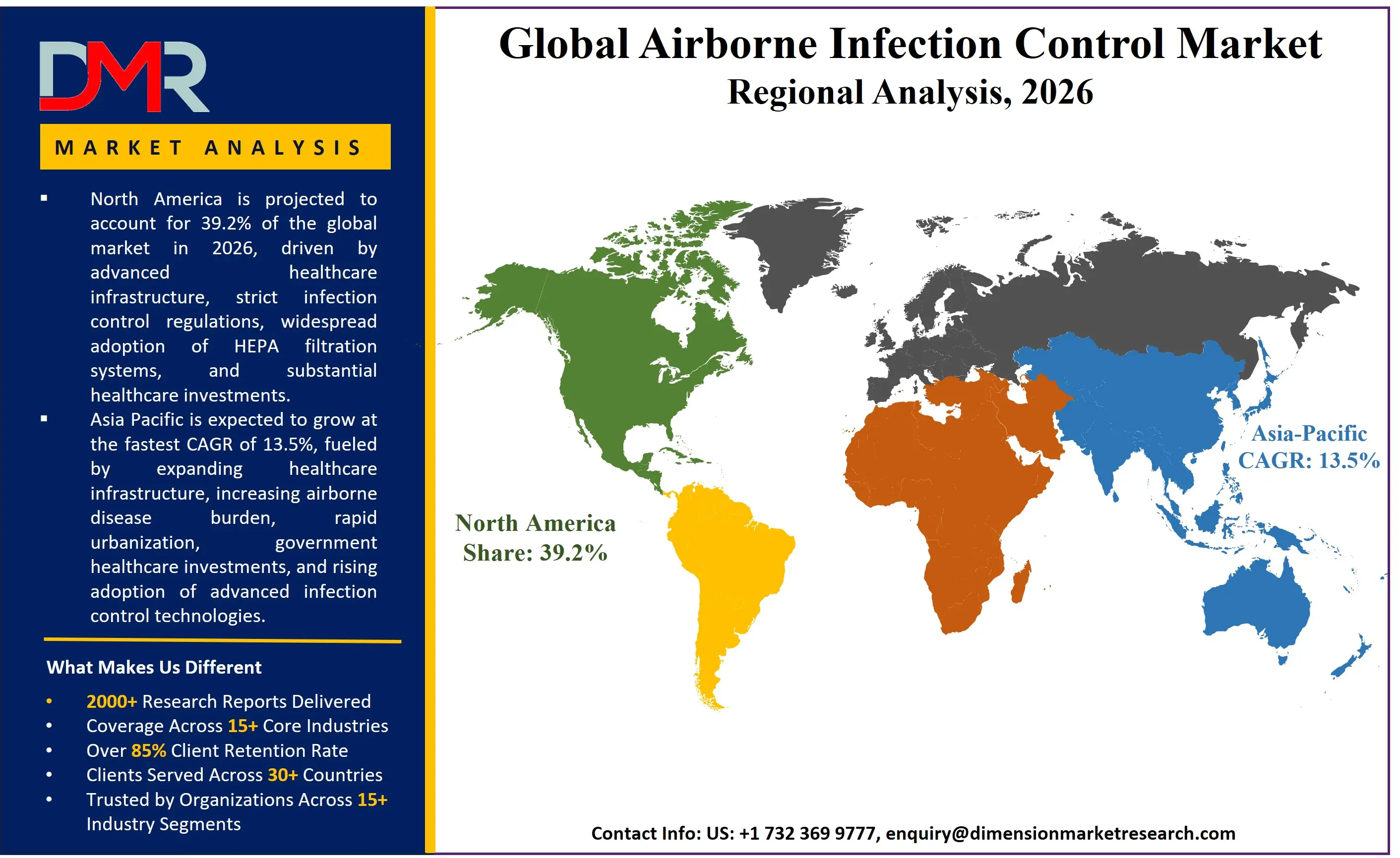
North America is poised to dominate the global infection control in air market, holding an estimated 39.2% market share by the end of 2026. The United States, in particular, has the highest share due to its advanced healthcare system, robust funding for public health infrastructure, and the aggressive digital transformation of hospital operations to include smart, connected air purification. The area has an established ecosystem of technology innovators and a rich pool of scientific talent, constantly improving Air Purification Systems and Air Quality Monitoring Systems. Enterprise investment in retrofitting commercial buildings to meet "Healthy Building" standards contributes to the sustained demand for high-grade filtration, UV-C disinfection, and continuous system optimization.
Fastest-Growing Regional Market
Asia-Pacific is expected to be the most rapidly expanding market, driven by sweeping government-led initiatives for public health improvements in India, China, Japan, and Southeast Asia. The rapid economic growth, high urbanization rates, and dynamic expansion of healthcare infrastructure are compelling both governments and private entities to discard outdated ventilation methods. Respiratory Protective Equipment and Air Purification Systems are in particularly high demand to cover the skills and infrastructure gap, enabling faster adoption in densely populated cities. The region also faces unique challenges with high pollution levels, which compound the need for advanced air treatment, making it a hotbed for innovation and adoption.
By Region
North America
Europe
- Germany
- The U.K.
- France
- Italy
- Russia
- Spain
- Benelux
- Nordic
- Rest of Europe
Asia-Pacific
- China
- Japan
- South Korea
- India
- ANZ
- ASEAN
- Rest of Asia-Pacific
Latin America
- Brazil
- Mexico
- Argentina
- Colombia
- Rest of Latin America
Middle East & Africa
- Saudi Arabia
- UAE
- South Africa
- Israel
- Egypt
- Rest of MEA
Competitive Landscape
The competitive environment of the global infection control in air market is highly dynamic, featuring a mix of multinational healthcare giants, specialized air purification technology firms, and niche monitoring and software consultancies. The key to success lies in integrating advanced technologies like AI and IoT into physical products, creating "smart" ecosystems that offer predictive capabilities and real-time data. The movement towards market consolidation is accelerating, with larger MedTech and HVAC companies acquiring specialized tech Boutiques to stay ahead of the innovation curve. Proprietary intellectual property, including advanced photocatalytic materials and ultra-efficient HEPA media designs, is becoming a more important basis of competitive differentiation than simple component assembly.
Some of the prominent players in the Global Infection Control in Air Market are:
- 3M Company
- Honeywell International Inc.
- Carrier Global Corporation
- Trane Technologies plc
- Daikin Industries, Ltd.
- Camfil AB
- MANN+HUMMEL Group
- Donaldson Company, Inc.
- AAF International
- Halma plc
- STERIS plc
- Getinge AB
- Koninklijke Philips N.V.
- Siemens Healthineers AG
- Johnson Controls International plc
- Thermo Fisher Scientific Inc.
- Parker Hannifin Corporation
- Blue Star Limited
- IQAir AG
- Fellowes Brands, Inc.
- Other Key Players
Recent Developments
- June 2026: Camfil launched an advanced HEPA-based air filtration solution designed for hospitals and life sciences facilities, improving airborne pathogen removal while reducing energy consumption in critical environments.
- March 2026: Honeywell International Inc. expanded its Healthy Buildings portfolio with AI-enabled indoor air quality monitoring and ventilation optimization technologies for healthcare and commercial facilities.
- October 2025: Carrier Global Corporation introduced next-generation HVAC solutions integrating high-efficiency filtration and UV-C air disinfection to enhance airborne infection control in hospitals and public buildings.
Report Details
| Report Characteristics |
| Market Size (2026) |
USD 20.6 Bn |
| Forecast Value (2035) |
USD 54.4 Bn |
| CAGR (2026–2035) |
11.4% |
| The US Market Size (2026) |
USD 6.8 Bn |
| Historical Data |
2021 – 2025 |
| Forecast Data |
2027 – 2035 |
| Base Year |
2025 |
| Estimate Year |
2026 |
| Segments Covered |
By Product, By Technology, By Infection Type, By Application, and By End User |
| Regional Coverage |
North America – The US and Canada; Europe – Germany, The UK, France, Russia, Spain, Italy, Benelux, Nordic, & Rest of Europe; Asia-Pacific – China, Japan, South Korea, India, ANZ, ASEAN, Rest of APAC; Latin America – Brazil, Mexico, Argentina, Colombia, Rest of Latin America; Middle East & Africa – Saudi Arabia, UAE, South Africa, Turkey, Egypt, Israel, & Rest of MEA |
Frequently Asked Questions
How big is the Global Infection Control in Air Market?
▾ The Global Infection Control in Air Market is poised to be valued at USD 20.6 billion in 2026 and is projected to reach USD 54.4 billion by 2035, driven by the universal need for specialized technologies in air purification, UV-C disinfection, ventilation, and smart air quality monitoring.
What is the CAGR of the Global Infection Control in Air Market from 2026 to 2035?
▾ The market is expected to grow at a CAGR of 11.4% from 2026 to 2035, reflecting the accelerating complexity of creating safe building environments and the persistent shortage of internal infection control engineering talent.
What factors are driving the growth of the Global Infection Control in Air Market?
▾ Key drivers include the global health safety skills gap, the imperative to modernize legacy building ventilation, the management complexity of multi-technology disinfection deployments, and the surge in demand for compliance monitoring amid evolving indoor air quality legislation.
Which region held the largest share of the Infection Control in Air Market in 2026?
▾ North America is poised to hold 39.2% of market share in 2026, driven by a mature healthcare infrastructure ecosystem and aggressive enterprise investment in advanced air purification and AI-driven air quality monitoring capabilities.
Which region is expected to grow the fastest in the Infection Control in Air Market?
▾ The Asia-Pacific region is expected to grow the fastest, fueled by rapid healthcare and commercial infrastructure modernization in India, China, and Japan, where facility safety engineering is critical for transitioning large hospital groups to engineered infection control operations.
What are the major trends in the Global Infection Control in Air Market?
▾ Major trends include the integration of Generative AI into facility safety workflows, the rise of energy-efficient and sustainable air purification, the demand for application-specific solutions, and the focus on performance optimization within complex multi-barrier building environments.
Who are the key players in the Global Infection Control in Air Market?
▾ Key players include industrial and healthcare technology giants like STERIS, Signify, Honeywell, and Johnson Controls, as well as specialized manufacturers like Camfil, UVDI, and Halton, alongside smart-building platform providers integrating the next generation of air safety analytics.
How is the Global Infection Control in Air Market segmented?
▾ The market is segmented by Product, Technology, Infection Type, Application, and End User.