What is the Insect Protein Market Size?
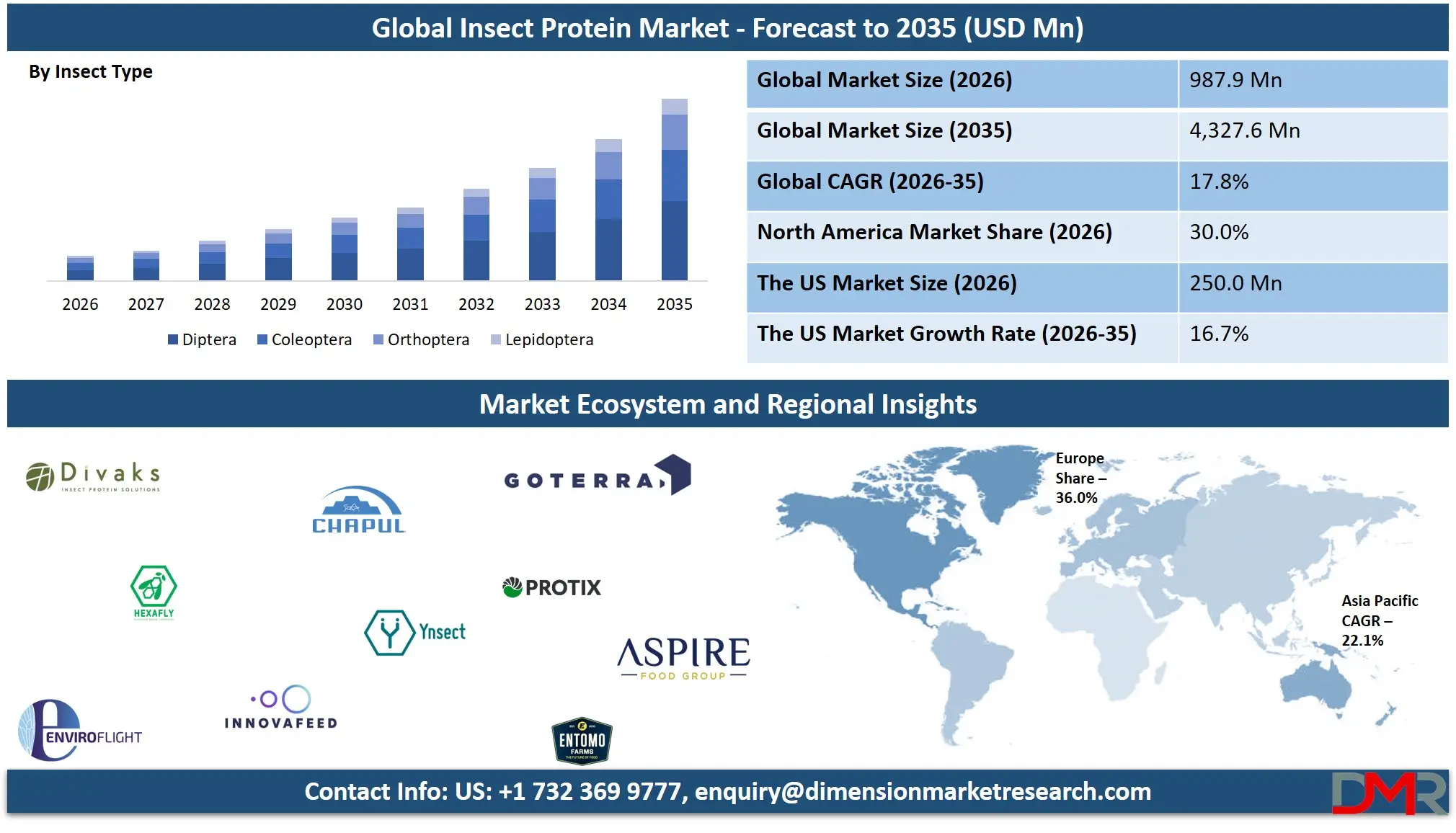
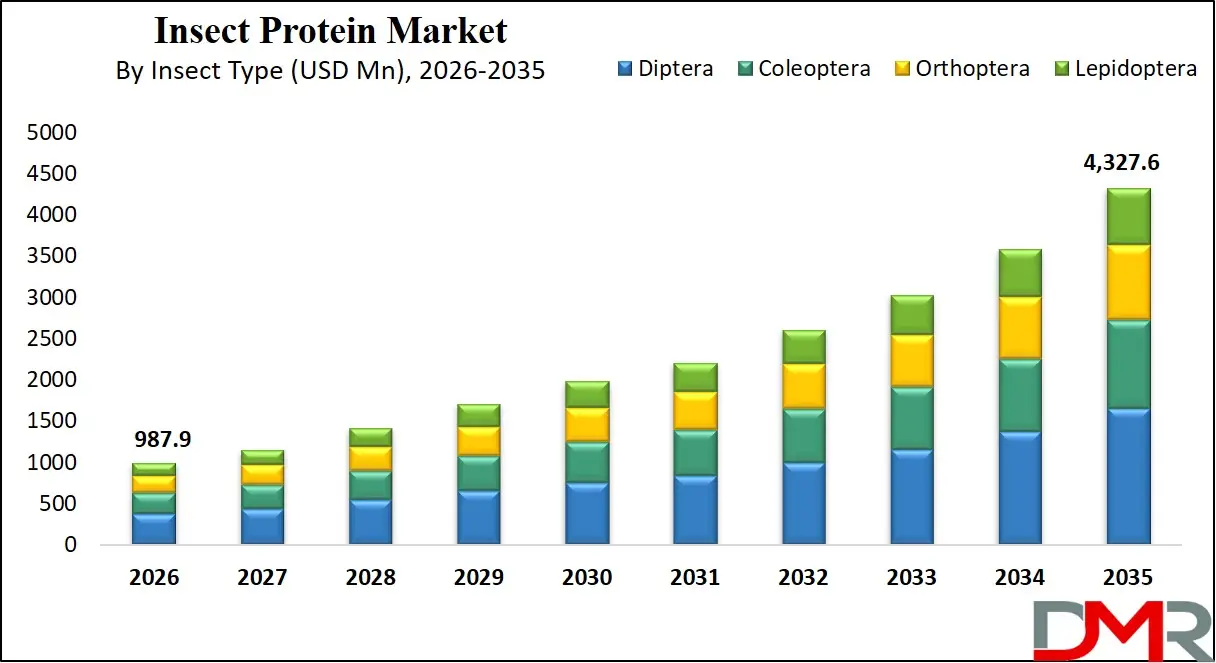
The Insect Protein Market size is expected to be USD 987.9 million in 2026 and increase at a compound annual growth rate of 17.8% to USD 4,327.6 million in 2035 due to the growing use of trends towards low-carbon-footprint and resource conservation.
ℹ
To learn more about this report –
Download Your Free Sample Report Here
The market for insect proteins is experiencing consistent growth owing to the increasing need for alternate protein sources. The market's growth can be attributed to the escalating number of environmental concerns, efficient production methods, and increased acceptance of insects as food sources. Furthermore, advances in processing technology, regulatory compliance, and mass rearing of insects have contributed to the growth of this market. Moreover, the adoption of circular economies, where organic wastes are processed into protein, is another emerging trend. Insect protein is increasingly being incorporated in regular food items, along with the production of protein isolates of high quality.
ℹ
To learn more about this report –
Download Your Free Sample Report Here
The US Insect Protein Market
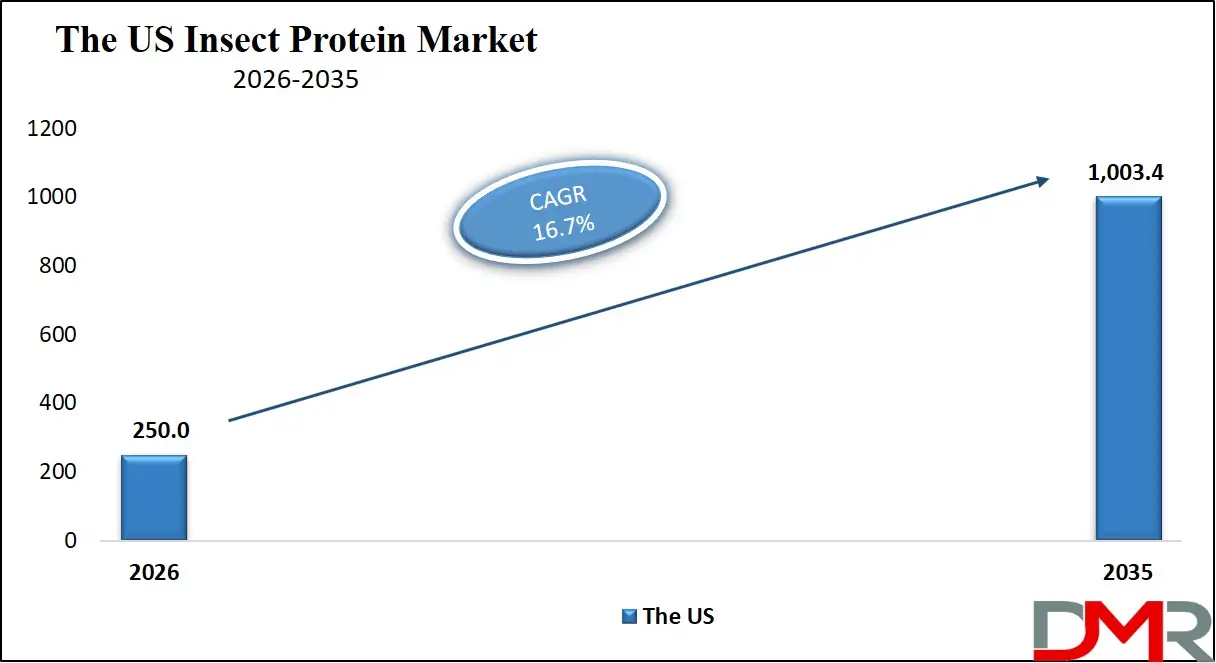
The US Insect Protein Market size is estimated to be USD 250.0 million in 2026 and is expected to increase at a CAGR of 16.7% over the forecast period.
ℹ
To learn more about this report –
Download Your Free Sample Report Here
The market for insect proteins in the US is growing with more investments being made in alternative protein sources and insect technology ventures dedicated to creating a sustainable food ecosystem. The regulatory support for insects' use in animal feed, particularly in aquaculture and pet food products, is promoting its adoption. Awareness about sustainable eating habits among consumers is slowly building, even though there are cultural concerns involved. Innovation and research collaborations are enhancing the competitiveness of the market.
Europe Insect Protein Market
The Europe Insect Protein Market size is estimated to be USD 355.6 million in 2026 and at a CAGR of 16.1% over the forecast period.
Europe stands out as one of the key regions because of progressive regulations and sustainable policies like the European Green Deal. In Europe, many insect species have been allowed for human consumption, and hence the confidence of consumers and investors is high. Investment in facilities and technology for insect farming in order to increase the alternatives of proteins is also increasing. Consumer awareness on the importance of proteins and impact on the environment has been high, which is why there is rapid uptake. The availability of a well-established chain of innovation is an additional advantage for the region.
Japan Insect Protein Market
The market size of Japan's Insect Protein will be USD 39.6 million in 2026, with a CAGR of 17.0% in the forecast period.
The insect protein industry in Japan is gaining prominence because of the popularity of entomophagy within the culture and a rising awareness about sustainability as a source of food supply. The process of urbanization and lack of space for agriculture are creating the demand for an alternative form of protein. Efforts by the government to promote sustainable food have been fostering development in the sector among entrepreneurs and universities. The market is also experiencing growth in niche applications like functional foods and high-end snacks.
Key Takeaways
- Market Size & Forecast: The Insect Protein Market size is projected to reach USD 987.9 million in 2026 and is anticipated to have a value of USD 4,327.6 million in 2035.
- Growth Rate & Outlook: The Insect Protein Market size is set to grow at a compound annual growth rate of 17.8% during the forecast period of 2026 to 2035.
- Primary Growth Drivers: Some of the major growth drivers in the market include sustainability and environmental benefits, advancements in farming and processing technologies, and more.
- Key Market Trends: Some of the major trends in the market are rising investment in alternative proteins, integration into circular economy models, and more.
- By Insect Type: The diptera segment is anticipated to get the majority share of the Insect Protein market in 2026.
- By Product Form: The powder/flour segment is expected to get the largest revenue share in 2026 in the Insect Protein market.
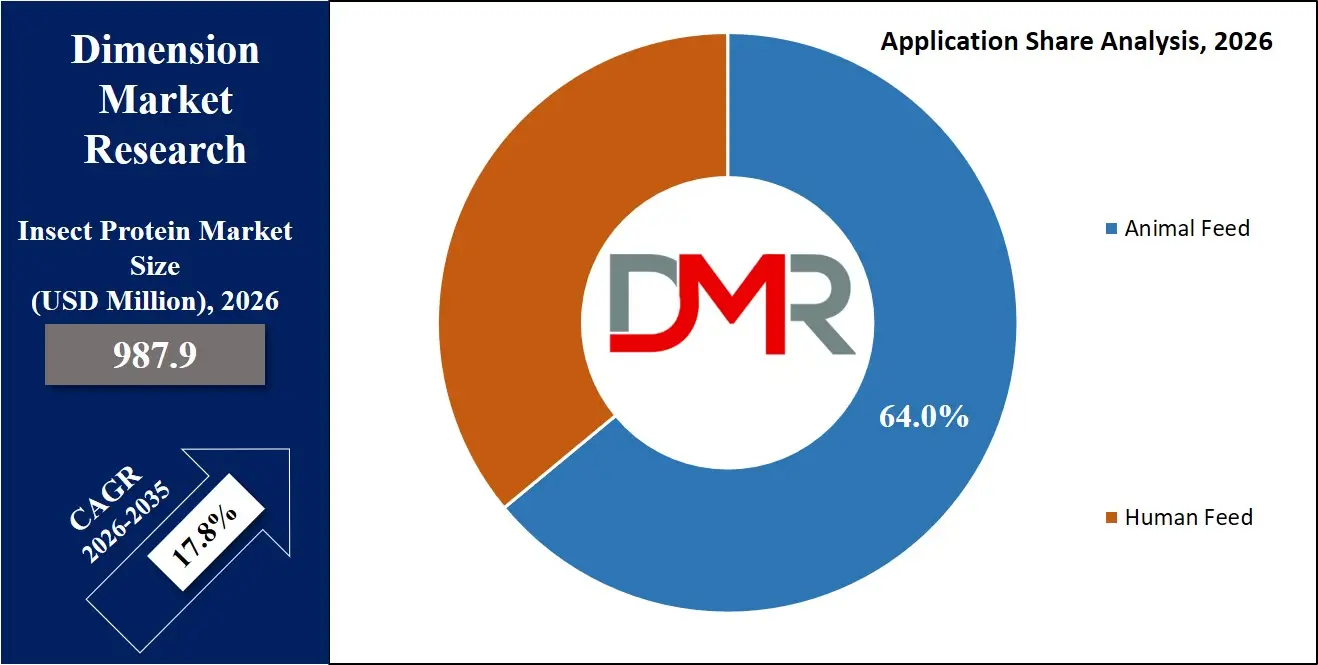
- By Application: The animal feed segment is expected to get the largest revenue share in 2026 in the Insect Protein market.
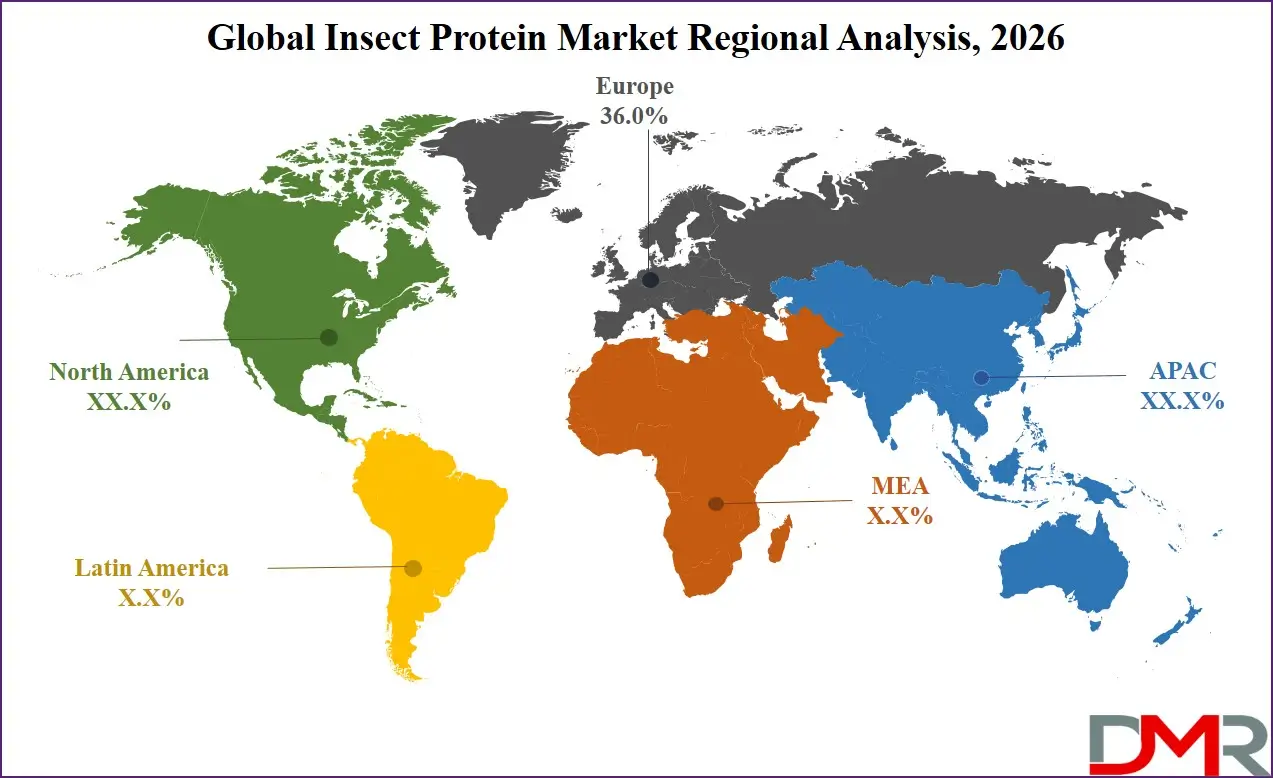
- Regional Leadership: Europe is set to lead the Insect Protein market with an estimated 36.0% share in 2026.
What is the Insect Protein?
Insect protein can be defined as proteins from insects that are deemed safe for consumption. Examples of such insects include mealworms, crickets, black soldier flies, and grasshoppers. The process entails cultivation, harvesting, and processing of insects into different formats such as powder, oils, or isolates. Insect protein is known to have an excellent nutritional profile, with the inclusion of essential amino acids, vitamins, and minerals. The sustainability of agricultural practices is highly reliant on insect protein because of its reduced carbon footprint, low land use, and effective feed conversion rate.
Use Cases
- Animal Feed: Insect protein is widely used in aquaculture, poultry, and pet food due to its high digestibility and nutritional value, offering a sustainable alternative to fishmeal and soybean meal while reducing environmental impact.
- Human Food: It is incorporated into snacks, protein bars, and bakery items, providing a nutrient-dense protein source with a lower ecological footprint compared to conventional proteins.
- Agricultural Fertilizers: Insect by-products such as frass are used as organic fertilizers, enhancing soil health and supporting circular agricultural practices.
- Industrial Applications: Insect-derived oils and proteins are increasingly explored for use in cosmetics, pharmaceuticals, and bio-based materials, expanding the market's industrial relevance.
How AI Is Transforming the Insect Protein Market
AI technology is revolutionizing the manufacturing process of insect protein by allowing precision agriculture using real-time tracking of the temperature, humidity, and growth stages of insects. The analysis done using AI allows for optimization of the feeding pattern, minimizes wastage, and maximizes yield efficiency.
Furthermore, AI technology has improved supply chain management, quality assurance, and product development processes. Machine learning techniques are used to forecast demand, enhance processing methods, and create innovative products customized according to customer requirements.
Market Dynamic
Driving Factors in the Insect Protein Market
Sustainability and Environmental Benefits
Increasing trends towards low-carbon-footprint and resource conservation have become a key catalyst in the growth of the insect protein industry. Insect farming involves reduced land use, water use, and even feed use compared to other methods, making it a sustainable choice. Eco-protein production is being encouraged by the government and other entities, thus pushing the industries towards utilizing insects for protein production. It is especially critical now that world population is rising and protein consumption is increasing.
Advancements in Farming and Processing Technologies
Technological innovations in automated insect farming, climate control systems, and advanced processing methods are significantly enhancing production efficiency. These advancements reduce operational costs and improve scalability, making insect protein more commercially viable. Improved extraction techniques for protein isolates and oils are also expanding application areas. As technology continues to evolve, it is enabling consistent quality, increased yields, and the ability to meet growing demand across both food and feed sectors.
Restraints in the Insect Protein Market
Regulatory and Standardization Challenges
Despite progress, inconsistent regulations across regions pose a significant challenge. Approval processes for insect-based food products can be lengthy and complex, delaying market entry. Lack of standardized guidelines for production, safety, and labeling also creates uncertainty for producers. These regulatory barriers hinder global trade and limit the ability of companies to scale operations efficiently across different markets.
Consumer Acceptance and Cultural Barriers
Consumer reluctance to adopt insect-based foods remains a key constraint, especially in regions where entomophagy is not culturally accepted. Perceptions related to taste, safety, and hygiene influence purchasing decisions. Although awareness campaigns and innovative product formulations are improving acceptance, widespread adoption in mainstream diets still faces challenges, impacting overall market growth.
Opportunities in the Insect Protein Market
Expansion in Animal Feed Industry
The increasing demand for sustainable and high-quality animal feed presents a major opportunity for insect protein producers. Insect meal is emerging as a viable alternative to fishmeal and soybean meal, particularly in aquaculture and poultry sectors. Its nutritional profile and environmental benefits make it an attractive option for feed manufacturers seeking sustainable solutions.
Innovation in Food Products and Ingredients
The development of insect-based food products such as protein bars, snacks, and fortified foods is opening new growth avenues. Advances in flavor masking and processing technologies are making insect protein more palatable and appealing to consumers. As demand for functional and sustainable foods rises, this segment is expected to experience significant growth.
Trends in the Insect Protein Market
Rising Investment in Alternative Proteins
Investment in alternative protein sources, including insect protein, is increasing significantly. Venture capital funding and government support are enabling startups and established players to expand production capacities and innovate new products. This trend is accelerating commercialization and driving competition within the market.
Integration into Circular Economy Models
Insect farming is increasingly being integrated into circular economy systems, where organic waste is used as feed for insects, reducing waste and generating valuable protein. This approach enhances sustainability and aligns with global environmental goals, making it a key trend shaping the future of the market.
Research Scope and Analysis
By Insect Type Analysis
Diptera, in particular, the black soldier fly, is anticipated to lead the market in terms of share with a 38% share of the market in 2026 owing to their efficient feed conversion ratio, faster growth rate, and demand in the animal feed application segment. The black soldier fly larvae have been popular in aquaculture feed and poultry feed because of their nutritional value. On the other hand, Orthoptera, in particular, crickets, is anticipated to have the highest growth rate because of the growing demand for human consumption segments like protein powder and snacks.
By Product Form Analysis
It is expected that powder/flour will have a market share of about 42% in 2026, thanks to its flexibility and simple blending in foods and feed products. It is commonly applied in the preparation of protein bars, bakery products, and in animal feeds. On the other hand, protein isolates and concentrates will be the most rapidly growing segment, with more consumers demanding high-quality protein sources for functional foods and nutritional supplements.
By Application Analysis
The animal feed market is expected to have a major share in the global plant-based proteins industry of 64% in 2026 owing to growing demand for eco-friendly plant-based feeds for fish farming and poultry. The human food industry is the fastest-growing application sector due to increasing consumer interest in sustainable nutrition and alternative proteins. Innovation and better tasting experience are encouraging consumption, especially snacks and energy bars.
ℹ
To learn more about this report –
Download Your Free Sample Report Here
The Insect Protein Market Report is segmented on the basis of the following:
By Insect Type
- Coleoptera
- Diptera
- Orthoptera
- Crickets
- Grasshoppers
- Locusts
- Lepidoptera
By Product Form
- Whole Insects
- Powder / Flour
- Protein Isolates & Concentrates
- Oil / Lipids
By Application
- Animal Feed
- Aquaculture
- Poultry
- Pet Food
- Livestock
- Human Food
- Snacks & Bars
- Bakery & Confectionery
- Beverages
- Processed Foods
Regional Analysis
Leading Region in the Insect Protein Market
It is predicted that Europe will be the leading region in terms of insect protein market share in 2026, accounting for 36%. This is due to factors such as favorable regulations, sustainability efforts, and heightened consumer awareness. Policies geared toward supporting other sources of proteins and funding toward research will continue to fuel market expansion. The existence of firms involved in insect rearing as well as partnerships within the food industry is another factor contributing to Europe's dominance.
ℹ
To learn more about this report –
Download Your Free Sample Report Here
Fastest Growing Region in the Insect Protein Market
The Asia Pacific region is the most rapidly developing region as a result of an increased population, demand for proteins, and insect-eating being widely accepted in certain countries. Increased urbanization, lack of agricultural land, and the requirement of sustainable protein sources are some of the factors behind this development. Governments' efforts to promote food innovation, together with increased investments in insect production systems, contribute to the fast growth of the market.
By Region
North America
Europe
- Germany
- The U.K.
- France
- Italy
- Russia
- Spain
- Benelux
- Nordic
- Rest of Europe
Asia-Pacific
- China
- Japan
- South Korea
- India
- ANZ
- ASEAN
- Rest of Asia-Pacific
Latin America
- Brazil
- Mexico
- Argentina
- Colombia
- Rest of Latin America
Middle East & Africa
- Saudi Arabia
- UAE
- South Africa
- Israel
- Egypt
- Rest of MEA
Competitive Landscape
In the insect protein industry, the presence of competition is new and the firms are concentrating more on mass production and technological advancements. High entry barriers into this sector include large financial investments, technical skills, and regulatory clearances. Research and development activities as well as partnerships and automation are being employed by the players to become more efficient. It is important to differentiate oneself with good quality products and sustainable production processes.
Some of the prominent players in the global Insect Protein are:
- InnovaFeed
- Protix
- Ynsect
- Aspire Food Group
- Hexafly
- Entomo Farms
- EnviroFlight
- nextProtein
- Darling Ingredients
- Nutrition Technologies
- Goterra
- Chapul
- Beta Hatch
- Global Bugs
- Nasekomo
- Entobel
- Agronutris
- Divaks
- JR Unique Foods
- Keetup
- Other Key Players
Recent Developments
- In March 2026, IBI Ag Ltd. announced successful proof of concept for an AI-driven platform enabling de novo design of bioinsecticide proteins. The platform produced novel proteins validated in insect bioassays, showing effective pest targeting with reduced environmental impact. This approach accelerates development, improves stability and cost efficiency, and expands potential applications by addressing pest challenges beyond naturally occurring protein capabilities.
- In November 2025, Omuu Pet raised EUR 500,000 (USD 584,000) to expand its insect protein pet food into veterinary clinics across the UK, Germany, and Ireland. Using black soldier fly protein, the products offer hypoallergenic nutrition and joint health benefits. Clinical trials at University College Dublin showed positive effects on dogs, supporting international growth through a B2B veterinary channel.
- In September 2025, BioMar, Innovafeed, and Auchan announced large-scale integration of insect protein into shrimp feed in Ecuador. Research showed insect meal provides functional benefits, including antimicrobial properties, enabling it to replace existing ingredients in commercial formulations and establishing a clear pathway for broader adoption in aquaculture feed markets.
Report Details
| Report Characteristics |
| Market Size (2026) |
USD 987.9 Mn |
| Forecast Value (2035) |
USD 4,327.6 Mn |
| CAGR (2026–2035) |
17.8% |
| Historical Period |
2021 – 2025 |
| Forecast Period |
2027 – 2035 |
| Base Year |
2025 |
| Estimate Year |
2026 |
| Segments Covered |
By Insect Type (Coleoptera, Diptera, Orthoptera, Lepidoptera), By Product Form (Whole Insects, Powder / Flour, Protein Isolates & Concentrates, Oil / Lipids), By Application (Animal Feed, Human Food) |
| Regional Coverage |
North America – The US and Canada; Europe – Germany, The UK, France, Russia, Spain, Italy, Benelux, Nordic, & Rest of Europe; Asia-Pacific – China, Japan, South Korea, India, ANZ, ASEAN, Rest of APAC; Latin America – Brazil, Mexico, Argentina, Colombia, Rest of Latin America; Middle East & Africa – Saudi Arabia, UAE, South Africa, Turkey, Egypt, Israel, & Rest of MEA |
Frequently Asked Questions
How big is the Insect Protein Market?
▾ The Insect Protein Market size is expected to reach USD 987.9 million by 2026 and is projected to reach USD 4,327.6 million by the end of 2035.
What is the CAGR of the Insect Protein Market from 2026 to 2035?
▾ The market is growing at a CAGR of 17.8 percent over the forecasted period.
What factors are driving the growth of the Insect Protein Market?
▾ Sustainability and environmental benefits, advancements in farming and processing technologies, and other factors are driving the growth of the Insect Protein Market.
What are the major trends in the Insect Protein Market?
▾ Rising investment in alternative proteins, integration into circular economy models, and more are some of the major trends in the market.
Who are the key players in the Insect Protein Market?
▾ Some of the key players in the Insect Protein Market include Protix, Innovafield, Hexafly, and more
How is the Insect Protein Market segmented?
▾ The Insect Protein Market is segmented by insect type, product form, and application.
Which region held the largest share of the Insect Protein Market in 2026?
▾ Europe is set to lead the Insect Protein market with an estimated 36.0% share in 2026.
Which region is expected to grow the fastest in the Insect Protein Market?
▾ Asia-Pacific is the fastest-growing region in the Insect Protein market during the forecast period.