Market Overview
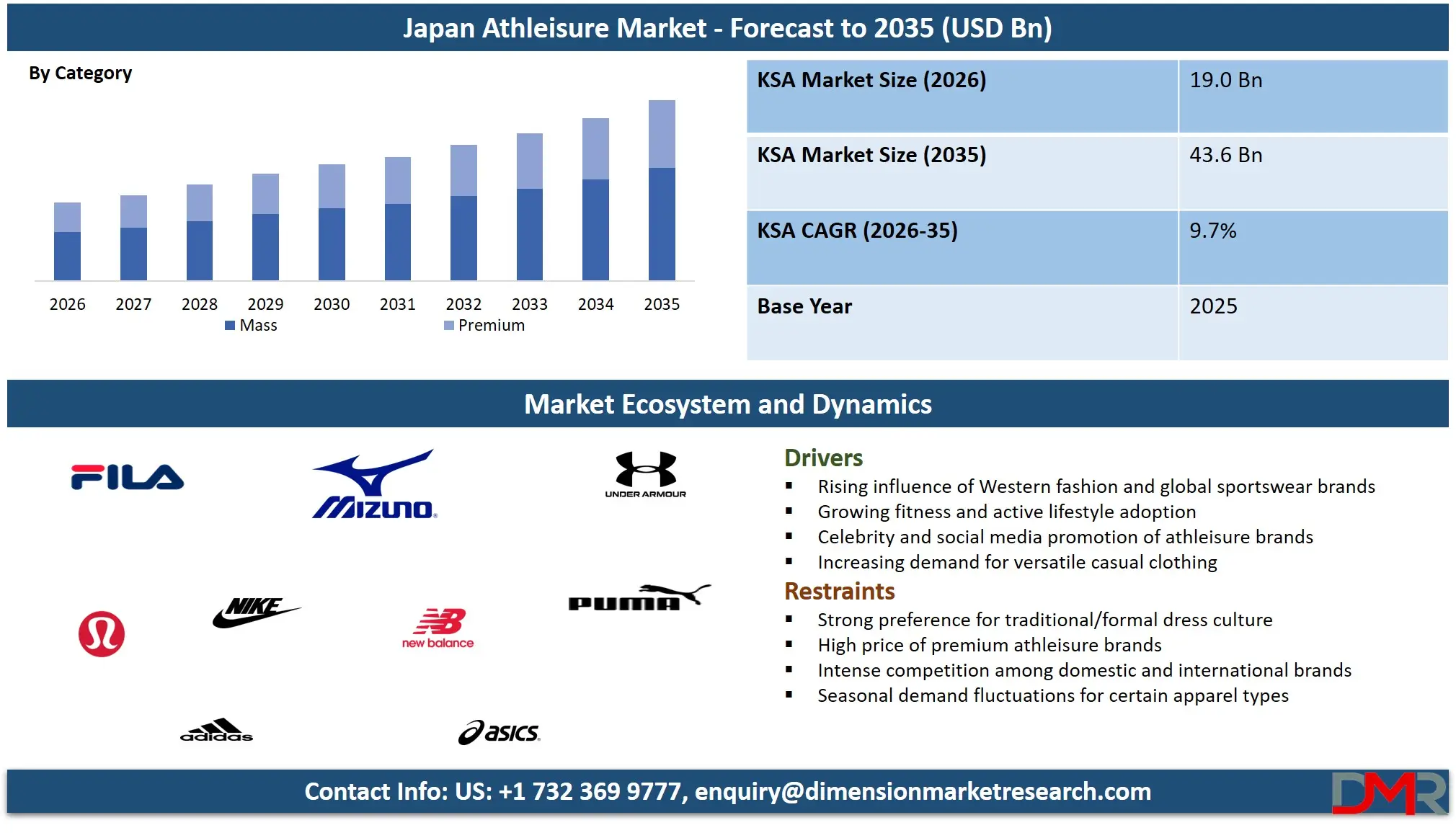
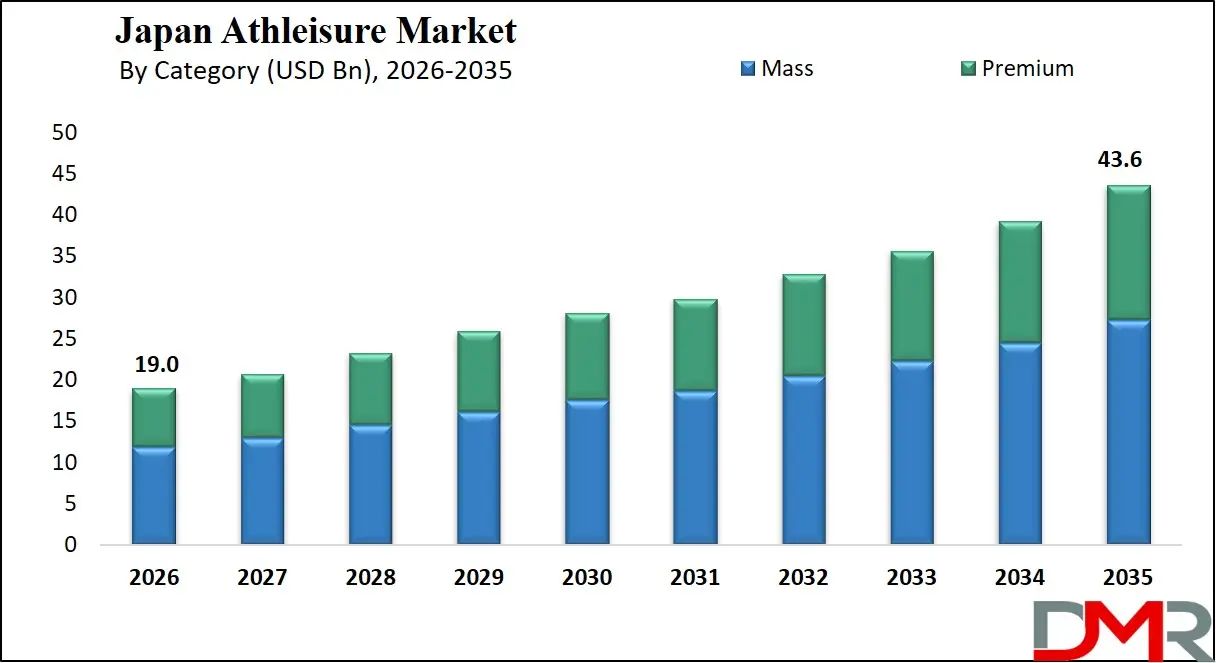
The Japan Athleisure Market size is projected to reach USD 19.0 billion in 2026 and grow at a compound annual growth rate of 9.7% to reach a value of USD 43.6 billion in 2035.
ℹ
To learn more about this report –
Download Your Free Sample Report Here
Athleisure refers to a category of apparel designed to combine athletic functionality with everyday comfort and style, allowing garments to be worn both for sports activities and casual settings. The category includes clothing such as leggings, yoga apparel, hoodies, joggers, performance tops, and other activewear items manufactured using flexible, breathable, and moisture-wicking fabrics like polyester, nylon, spandex, and cotton blends. These garments emphasize mobility, durability, sweat management, and modern aesthetics, making them suitable for exercise, commuting, and daily wear. The concept merges performance sportswear technology with lifestyle fashion, reflecting the broader shift toward comfort-oriented clothing.
The popularity of athleisure in Japan has been closely tied to rising health consciousness, urban lifestyle changes, and increasing participation in fitness activities such as yoga, running, and gym workouts. Consumers increasingly prioritize versatile clothing that can transition from workouts to social or work environments. Technological innovation in textile manufacturing, including stretchable fibers, moisture-control fabrics, and lightweight materials, has enhanced product performance and appeal. At the same time, the influence of global fashion trends and digital retail channels has expanded product accessibility and consumer awareness.
ℹ
To learn more about this report –
Download Your Free Sample Report Here
Over time, Japan’s athleisure sector has evolved from niche sportswear into a lifestyle-driven fashion category. Collaboration between fashion brands, sportswear designers, and technology-driven textile companies has accelerated product innovation. Retailers are focusing on sustainable materials, functional design, and digital commerce platforms to strengthen customer engagement. Increasing adoption of eco-friendly fabrics, recycled materials, and smart textiles is shaping product development strategies. Additionally, the integration of wellness culture, fashion aesthetics, and advanced materials continues to influence how athleisure products are designed, marketed, and consumed in the Japanese apparel ecosystem.
Japan Athleisure Market: Key Takeaways
- Market Growth: The Japan Athleisure Market size is expected to grow by USD 22.9 billion, at a CAGR of 9.7%, during the forecasted period of 2027 to 2035.
- By Category: The mass segment is anticipated to get the majority share of the Japan Athleisure market in 2026.
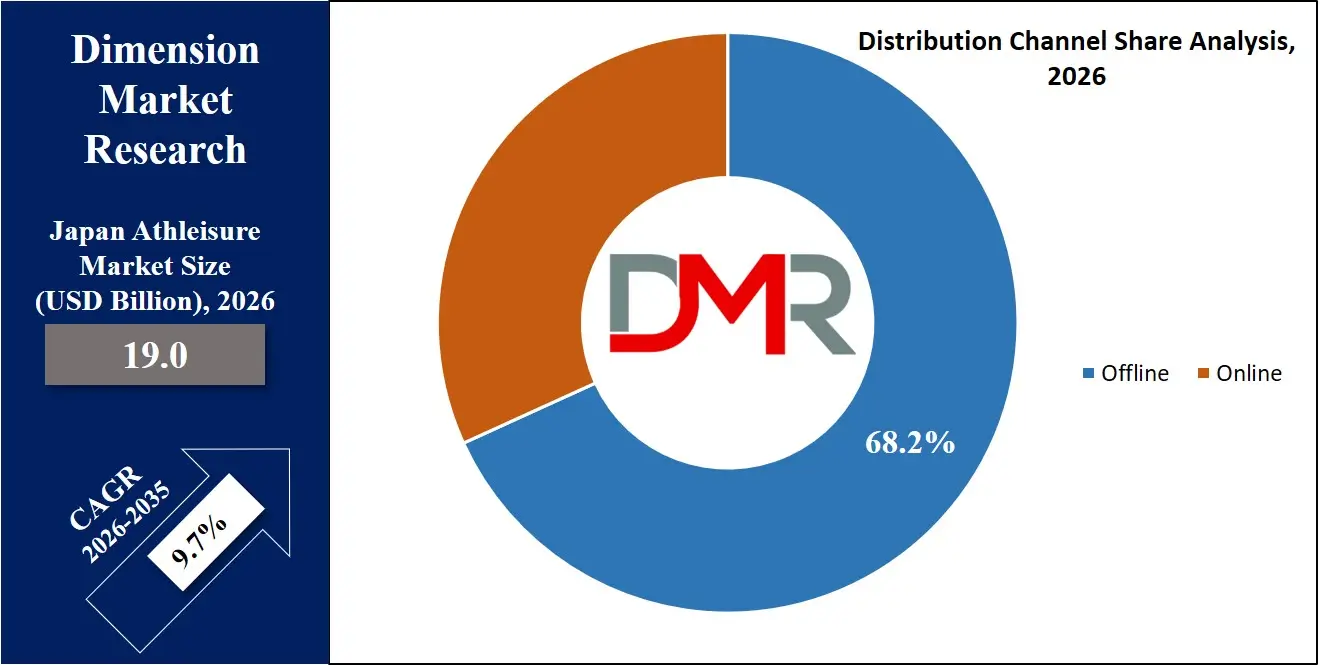
- By Distribution Channel: The offline segment is expected to get the largest revenue share in 2026 in the Japan Athleisure market.
- Use Cases: Some of the use cases of athleisure include casual everyday wear, fitness & gym activities, and more.
Japan Athleisure Market: Use Cases
- Fitness and Gym Activities: Athleisure apparel is widely used for gym training, yoga sessions, and aerobic workouts due to its breathable fabrics, stretchability, and sweat-wicking properties. These garments allow unrestricted movement while maintaining comfort during prolonged physical activity.
- Casual Everyday Wear: Many consumers wear athleisure clothing as part of daily casual outfits, particularly joggers, hoodies, and leggings. The combination of comfort and style allows individuals to transition easily between home, errands, and social gatherings.
- Work-from-Home Lifestyle: Remote and hybrid work environments have increased demand for comfortable clothing. Athleisure provides flexibility and comfort for individuals working from home while maintaining a presentable and fashionable appearance.
- Travel and Commuting: Lightweight and flexible athleisure clothing is commonly used during travel due to its comfort during long hours of movement or sitting. Commuters also prefer it for its practicality and ease of wear.
- Outdoor Recreational Activities: Activities such as jogging, hiking, cycling, and walking encourage the use of durable athleisure garments designed to provide mobility and protection in different weather conditions.
- Youth and Street Fashion: Athleisure has become an important component of modern streetwear culture, especially among younger consumers who blend sportswear with casual fashion trends.
- Wellness and Lifestyle Programs: Wellness centers, yoga studios, and fitness communities encourage athleisure clothing as part of a healthy lifestyle identity, promoting functional clothing aligned with wellness practices.
Stats & Facts
- Statistics Bureau of Japan reported in 2024 that household spending on clothing and footwear averaged approximately ¥9,900 per month per household.
- Ministry of Economy, Trade and Industry (METI) reported in 2024 that Japan’s apparel and fashion retail sector generated retail sales exceeding ¥9 trillion annually.
- Japan Sports Agency stated in 2024 that around 59% of adults in Japan participate in sports or physical activity at least once a week.
- World Health Organization (WHO) reported in 2024 that more than 30% of adults in developed economies, including Japan, regularly engage in moderate physical exercise.
- Organisation for Economic Co-operation and Development (OECD) reported in 2024 that Japan has one of the highest urban population shares globally at over 91%, influencing demand for convenient lifestyle apparel.
- International Trade Administration (U.S. Department of Commerce) noted in 2025 that Japan is among the top apparel consumer markets in Asia with high per-capita clothing expenditure.
- Ministry of Internal Affairs and Communications (Japan) stated in 2024 that more than 92% of Japanese households have internet access, accelerating online apparel purchases.
- World Bank estimated in 2024 that Japan’s GDP exceeded USD 4 trillion, supporting strong consumer spending across retail categories including apparel.
- United Nations Department of Economic and Social Affairs (UN DESA) reported in 2024 that Japan has one of the world’s most urbanized populations, influencing demand for lifestyle-oriented fashion products.
- Japan External Trade Organization (JETRO) reported in 2025 that Japan’s fashion and apparel sector is increasingly integrating sustainable textile production practices.
- International Labour Organization (ILO) reported in 2024 that Japan’s workforce participation rate remains above 62%, contributing to demand for versatile clothing options suitable for both work and leisure.
- UN Environment Programme highlighted in 2025 that the global fashion industry is increasing investment in sustainable fabrics and circular production models.
Market Dynamic
Driving Factors in the Japan Athleisure Market
Growing Health Awareness and Fitness Culture
Rising awareness regarding health, fitness, and active lifestyles is a major driver shaping the Japan athleisure market. Increasing participation in activities such as yoga, gym workouts, running, and outdoor fitness programs has encouraged consumers to invest in functional clothing designed for comfort and mobility. Fitness centers, wellness programs, and corporate health initiatives are also motivating individuals to adopt active routines. As people integrate physical activity into their daily schedules, demand for versatile garments that support exercise and casual wear continues to grow. Additionally, the influence of social media fitness trends and lifestyle influencers is encouraging consumers to adopt athleisure apparel as part of a wellness-oriented lifestyle, further accelerating demand.
Expansion of E-commerce and Digital Retail
The rapid growth of digital commerce platforms has significantly contributed to the expansion of athleisure product accessibility in Japan. Online retail allows consumers to explore a wide range of styles, materials, and price categories while comparing products and reading reviews before purchasing. Brands are increasingly leveraging digital marketing, mobile applications, and personalized recommendations to attract customers. Additionally, online platforms enable smaller and niche brands to reach wider audiences without extensive physical retail infrastructure. The convenience of home delivery, flexible return policies, and frequent promotional campaigns also encourage consumers to purchase athleisure clothing through online channels, strengthening market growth and product visibility.
Restraints in the Japan Athleisure Market
High Product Costs and Premium Pricing
One of the key challenges affecting the athleisure sector is the relatively high cost associated with premium sportswear fabrics and innovative textile technologies. Materials such as moisture-wicking fibers, stretchable synthetic fabrics, and advanced performance textiles often require sophisticated manufacturing processes. These production costs can translate into higher retail prices for consumers. In Japan, where consumers are highly quality conscious but also price sensitive, premium pricing may limit adoption among certain customer segments. Additionally, imported sportswear brands and advanced fabric technologies may face additional logistics and operational costs, further influencing product pricing and potentially restricting mass-market accessibility.
Market Saturation and Brand Competition
The athleisure sector has become increasingly competitive due to the presence of numerous global and domestic apparel brands offering similar product categories. Established sportswear manufacturers, fashion labels, and lifestyle brands are all entering the athleisure segment to capture consumer demand. This intense competition often leads to market saturation in certain product categories such as leggings and hoodies. As a result, brands must continuously innovate in terms of design, materials, and marketing strategies to differentiate themselves. For smaller or emerging brands, competing against established companies with strong brand recognition and distribution networks can be challenging, potentially slowing market expansion.
Opportunities in the Japan Athleisure Market
Sustainable and Eco-Friendly Apparel Innovation
The growing emphasis on environmental sustainability presents significant opportunities for athleisure brands in Japan. Consumers are increasingly interested in eco-friendly materials such as recycled polyester, organic cotton, and biodegradable fabrics. Companies investing in sustainable manufacturing practices, reduced water consumption, and circular fashion models can attract environmentally conscious buyers. Additionally, transparent supply chains and ethical production standards are becoming important purchasing considerations. As Japan places greater emphasis on environmental responsibility and green consumption, brands that integrate sustainability into their product design and production processes are likely to gain a competitive advantage and strengthen long-term market presence.
Integration of Smart Textile Technologies
Advancements in wearable technology and smart textiles offer promising opportunities for the athleisure sector. Innovations such as temperature-regulating fabrics, biometric monitoring sensors, and performance-tracking garments can enhance the functionality of athleisure clothing. These technologies allow apparel to provide real-time data on body movement, heart rate, and physical performance during workouts. As consumers increasingly seek multifunctional and technology-driven products, brands integrating smart textile features can differentiate themselves in the market. Collaborations between apparel companies, technology firms, and sports performance researchers are expected to accelerate the development of next-generation athleisure products.
Trends in the Japan Athleisure Market
Fashion-Driven Athleisure Designs
Athleisure apparel is increasingly influenced by fashion trends rather than purely athletic functionality. Consumers are seeking clothing that blends sporty aesthetics with contemporary design elements such as minimalist styles, neutral color palettes, and streetwear influences. Designers are incorporating fashionable cuts, stylish patterns, and premium fabrics to create garments that can be worn in both casual and semi-formal environments. This shift toward fashion-oriented athleisure is expanding the product’s appeal beyond fitness enthusiasts to include lifestyle-focused consumers. As a result, collaborations between fashion designers and sportswear brands are becoming more common.
Hybrid Clothing for Multi-Purpose Use
Another emerging trend is the development of hybrid clothing designed for multiple environments including workouts, travel, work-from-home settings, and everyday activities. Consumers increasingly prefer garments that combine comfort, durability, and versatility. Athleisure brands are responding by designing clothing with features such as wrinkle-resistant fabrics, moisture control, and lightweight construction. These products allow individuals to move seamlessly between different daily activities without changing outfits. The rising popularity of multifunctional apparel reflects broader lifestyle changes and the growing demand for convenience in modern clothing choices.
Impact of Artificial Intelligence in Japan Athleisure Market
- Demand Forecasting Optimization: AI tools analyze historical sales data and consumer behavior to predict demand for specific athleisure products, enabling retailers to optimize production and inventory levels.
- Personalized Shopping Recommendations: AI algorithms provide customized product suggestions on e-commerce platforms based on browsing behavior, purchase history, and style preferences.
- Smart Inventory Management: AI-driven systems help apparel brands track inventory across warehouses and retail stores, reducing overstock and improving supply chain efficiency.
- Design Innovation Support: AI-assisted design software analyzes fashion trends, materials, and consumer preferences to help designers create more appealing athleisure products.
- Customer Sentiment Analysis: AI tools monitor online reviews and social media discussions to identify consumer preferences, enabling brands to adjust product offerings accordingly.
- Virtual Fitting and Sizing Tools: AI-powered virtual try-on technologies help customers visualize how athleisure clothing fits their body type, reducing return rates.
- Supply Chain Automation: AI systems optimize logistics planning, shipping routes, and manufacturing schedules to improve delivery speed and operational efficiency.
- Trend Prediction: Machine learning models analyze fashion industry data and social media patterns to forecast upcoming athleisure style trends.
- Quality Control in Manufacturing: AI-powered image recognition technologies inspect fabrics and finished garments to detect defects during production.
Research Scope and Analysis
By Product Analysis
Shirts and T-shirts represent one of the most widely adopted product categories within the Japan athleisure market due to their versatility, comfort, and everyday usability. These garments are commonly designed with breathable fabrics such as polyester blends, cotton, and spandex, enabling moisture management and flexibility during workouts and daily activities. Their popularity is also linked to the growing demand for minimalistic and functional fashion among Japanese consumers who prefer clothing that can transition seamlessly between fitness activities and casual wear. Athleisure T-shirts are increasingly designed with antimicrobial fabrics, quick-dry technology, and ergonomic stitching that enhances performance and durability. In addition, the influence of streetwear culture and lifestyle fashion has boosted the demand for stylish athletic tops. By 2026, shirts and T-shirts are projected to hold approximately 21.8% of the Japan athleisure market share, supported by widespread consumer adoption and strong availability across both offline and online retail channels.
Leggings are among the fastest-growing segments in the Japan athleisure market, driven by rising participation in yoga, fitness training, and wellness activities. These garments offer superior flexibility, stretchability, and body support, making them ideal for workouts and everyday comfort. Advanced textile technologies such as compression fabrics, moisture-wicking materials, and seamless construction have improved their functionality and durability. The increasing popularity of home workouts and fitness classes has further accelerated their adoption among both men and women. Additionally, fashion-forward designs, high-waist styles, and sustainable fabric innovations are attracting younger consumers. With growing consumer awareness about performance-based clothing, leggings are expected to witness strong growth as more brands introduce specialized designs for sports, yoga, and lifestyle applications.
By Material Analysis
Polyester is the dominant material used in athleisure apparel due to its durability, moisture-wicking capability, and lightweight properties. The fabric plays a crucial role in performance-based garments as it effectively manages sweat and dries quickly, making it ideal for high-intensity workouts and outdoor activities. Polyester fibers also offer resistance to shrinking, stretching, and wrinkles, which enhances the longevity of athleisure clothing. Many manufacturers in Japan are also adopting recycled polyester derived from plastic waste to align with sustainability goals and environmental regulations. Its compatibility with advanced textile processing techniques allows brands to incorporate features such as odor resistance, UV protection, and temperature regulation. By 2026, polyester is expected to account for approximately 34.6% of the Japan athleisure market share, reflecting its widespread adoption across multiple product categories.
Spandex is emerging as one of the fastest-growing materials in the Japan athleisure market due to its exceptional elasticity and stretch performance. The fabric is commonly blended with cotton, polyester, and nylon to enhance garment flexibility and comfort. Spandex-based apparel provides superior movement support, making it highly suitable for yoga, running, and gym training activities. As consumers increasingly seek performance-driven apparel that supports physical mobility and body movement, the demand for spandex-blended garments continues to increase. Additionally, manufacturers are improving spandex fiber technology to create lighter and more breathable fabrics, further boosting its adoption in modern athleisure products.
By Category Analysis
The mass category dominates the Japan athleisure market due to its accessibility and affordability for a wide range of consumers. Mass-market athleisure products are typically designed to balance functionality, comfort, and cost-effectiveness, making them attractive to everyday consumers who seek versatile clothing for fitness and casual wear. Large apparel retailers and sportswear brands produce athleisure garments in this category at high volumes, enabling competitive pricing and widespread distribution through supermarkets, department stores, and online platforms. The segment benefits from the growing demand for affordable activewear as health-conscious lifestyles become more common across Japan. By 2026, the mass category is expected to capture approximately 62.4% of the Japan athleisure market share, driven by high product availability and broad consumer reach.
The premium category is witnessing rapid growth as consumers increasingly seek high-performance apparel with superior design, advanced materials, and enhanced durability. Premium athleisure products often incorporate innovative fabrics, ergonomic designs, and brand-driven aesthetics that appeal to fashion-conscious consumers. These garments are typically sold through specialized retail stores, brand-owned outlets, and online platforms. Additionally, premium athleisure brands emphasize sustainability, limited-edition collections, and collaborations with fashion designers, which enhances their exclusivity and market appeal. As consumer spending on lifestyle and wellness products continues to rise, the premium athleisure segment is expected to experience strong growth in Japan.
By Distribution Channel Analysis
Offline retail channels continue to dominate the Japan athleisure market due to consumers’ preference for physically examining clothing before purchase. Retail formats such as hypermarkets, sporting goods stores, brand-owned outlets, and department stores provide customers with the opportunity to evaluate fabric quality, comfort, and fit. In Japan, physical retail stores also play a crucial role in brand visibility and customer engagement through in-store promotions and personalized service. Many athleisure brands are investing in experiential retail environments that allow customers to explore new collections and test product functionality. By 2026, offline distribution channels are projected to account for approximately 68.2% of the Japan athleisure market share, reflecting the continued importance of physical retail infrastructure.
ℹ
To learn more about this report –
Download Your Free Sample Report Here
Online retail is the fastest-growing distribution channel in the Japan athleisure market, supported by the rapid expansion of e-commerce platforms and digital shopping habits. Consumers increasingly prefer online channels due to convenience, product variety, and competitive pricing. E-commerce platforms provide access to international brands and niche athleisure labels that may not be widely available in physical stores. Additionally, advanced digital features such as virtual try-ons, AI-driven recommendations, and customer reviews are enhancing the online shopping experience. The integration of mobile commerce and fast delivery services is expected to further strengthen the growth of online athleisure sales.
By End User Analysis
Women represent the largest consumer segment in the Japan athleisure market due to increasing participation in fitness activities such as yoga, Pilates, gym training, and running. Female consumers are also highly influenced by fashion trends, which has contributed to the widespread adoption of athleisure clothing as part of everyday outfits. Athleisure garments designed for women often feature stylish patterns, flattering silhouettes, and performance-oriented fabrics that enhance comfort and mobility. In addition, wellness communities and fitness influencers have played a significant role in promoting athleisure clothing among female consumers. By 2026, the women segment is expected to account for approximately 48.7% of the Japan athleisure market share, supported by rising interest in active lifestyles and fashionable sportswear.
The men segment is experiencing steady growth as more male consumers adopt active lifestyles and incorporate athleisure clothing into their daily wardrobes. Increasing participation in sports, gym workouts, and outdoor fitness activities is encouraging men to invest in performance-based apparel such as joggers, athletic T-shirts, and hoodies. Additionally, the growing popularity of casual workplace attire and streetwear trends has expanded the use of athleisure clothing among male consumers. Brands are introducing specialized designs tailored to male preferences, including ergonomic fits and durable fabrics. As a result, the men segment is expected to continue expanding within the Japan athleisure market.
The Japan Athleisure Market Report is segmented on the basis of the following:
By Product
- Shirts & T-Shirts
- Yoga Apparel
- Tops
- Pants
- Shorts
- Unitards
- Capris
- Others
- Leggings
- Hoodies & Sweatshirts
- Joggers & Sweatpants
- Shorts
- Others
By Material
- Cotton
- Polyester
- Nylon
- Spandex
- Others
By Category
By Distribution Channel
- Offline
- Hypermarkets & Supermarkets
- Sporting Goods Retailers
- Brand-Owned Stores
- Department Stores
- Online
- E-commerce Platforms
- Brand Websites
By End-user
Competitive Landscape
The Japan athleisure market is characterized by intense competition among domestic sportswear brands, international athletic apparel companies, and fashion-focused lifestyle labels. Market participants compete primarily through product innovation, design differentiation, and brand positioning.

ℹ
To learn more about this report –
Download Your Free Sample Report Here
Companies are investing heavily in research and development to introduce advanced textile technologies such as moisture-wicking fabrics, stretchable fibers, and sustainable materials. Strong distribution networks, including both offline retail stores and digital commerce platforms, play a critical role in maintaining market visibility and consumer engagement. Strategic collaborations with fitness communities, fashion designers, and influencers are also commonly used to strengthen brand identity. Additionally, companies are focusing on sustainability initiatives, supply chain optimization, and digital marketing strategies to maintain competitiveness in the evolving athleisure landscape.
Some of the prominent players in the Japan Athleisure are:
- ASICS Corporation
- Mizuno Corporation
- Descente Ltd.
- Onitsuka Tiger
- UNIQLO
- Goldwin Inc.
- Montbell
- Nike Inc.
- Adidas AG
- Puma SE
- New Balance Athletics Inc.
- Under Armour Inc.
- Lululemon Athletica
- Columbia Sportswear Company
- Champion
- Patagonia Inc.
- FILA
- Brooks Running
- Gymshark
- Beams
- Other Key Players
Recent Developments
- In July 2025, ASICS Corporation launched a new active lifestyle apparel collection designed to bridge sports performance and everyday fashion. The company introduced garments made with lightweight technical fabrics that improve breathability and flexibility during physical activities. The collection also integrates environmentally conscious materials including recycled polyester to support sustainability goals. The launch was accompanied by a digital marketing campaign and partnerships with fitness communities in Japan.
- In February 2025, Fast Retailing Co., Ltd., the parent company of UNIQLO, announced the expansion of its performance apparel portfolio within Japan. The company introduced a new range of athleisure products designed with advanced stretch fabrics and moisture-management technology aimed at consumers seeking versatile clothing suitable for both workouts and daily wear. The new collection was launched across major retail outlets and digital platforms in Japan.
Report Details
| Report Characteristics |
| Market Size (2026) |
USD 19.0 Bn |
| Forecast Value (2035) |
USD 43.6 Bn |
| CAGR (2026–2035) |
9.7% |
| Historical Data |
2021 – 2025 |
| Forecast Data |
2027 – 2035 |
| Base Year |
2025 |
| Estimate Year |
2026 |
| Report Coverage |
Market Revenue Estimation, Market Dynamics, Competitive Landscape, Growth Factors and etc. |
| Segments Covered |
By Product (Shirts & T-Shirts, Yoga Apparel, Leggings, Hoodies & Sweatshirts, Joggers & Sweatpants, Shorts, Others), By Material (Cotton, Polyester, Nylon, Spandex, Others), By Category (Mass, Premium), By Distribution Channel (Offline, Online), By End-user (Men, Women, Children) |
| Country Coverage |
Japan |
| Prominent Players |
ASICS Corporation, Mizuno Corporation, Descente Ltd., Onitsuka Tiger, UNIQLO, Goldwin Inc., Montbell, Nike Inc., Adidas AG, Puma SE, New Balance Athletics Inc., Under Armour Inc., Lululemon Athletica, Columbia Sportswear Company, Champion, Patagonia Inc., FILA, Brooks Running, Gymshark, Beams, and Other Key Players |
| Purchase Options |
We have three licenses to opt for: Single User License (Limited to 1 user), Multi-User License (Up to 5 Users) and Corporate Use License (Unlimited User) along with free report customization equivalent to 0 analyst working days, 3 analysts working days and 5 analysts working days respectively. |
Frequently Asked Questions
How big is the Japan Athleisure Market?
▾ The Japan Athleisure Market size is expected to reach USD 19.0 billion by 2026 and is projected to reach USD 43.6 billion by the end of 2035.
Who are the key players in the Japan Athleisure Market?
▾ Some of the major key players in the Japan Athleisure Market include Nike, Puma, Adidas and others
What is the growth rate in the Japan Athleisure Market?
▾ The market is growing at a CAGR of 9.7 percent over the forecasted period.