Market Overview
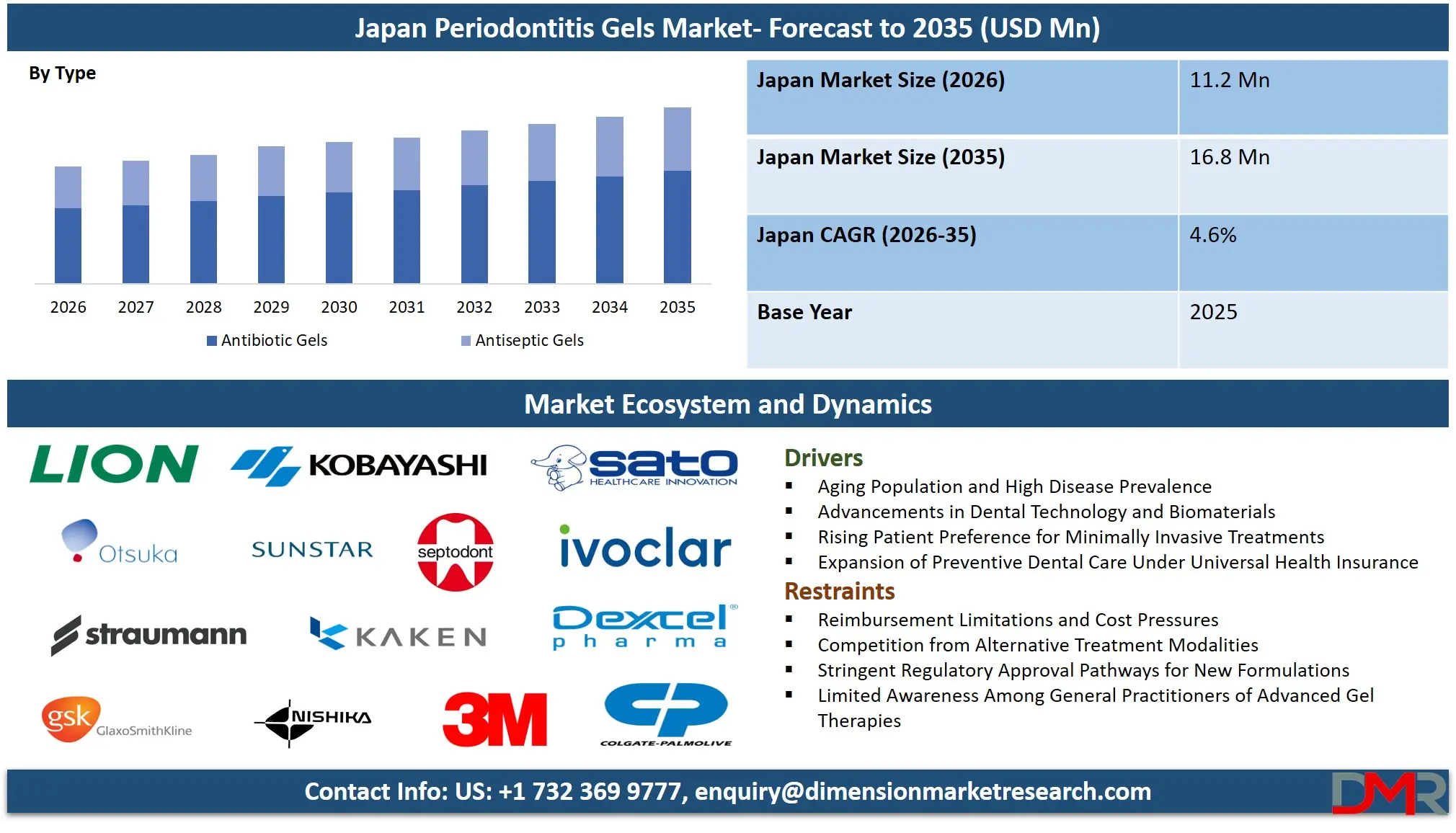
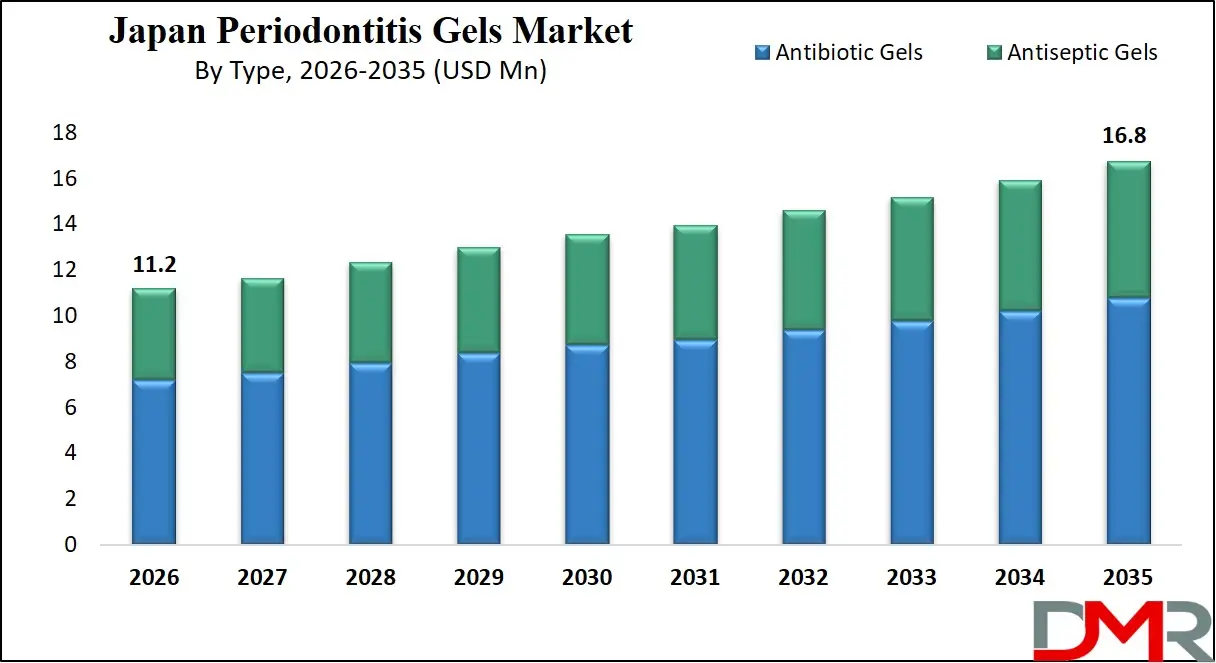
The Japan Periodontitis Gels Market is projected to attain a valuation of USD 11.2 million in 2026 and is expected to expand significantly, reaching USD 16.8 million by 2035, advancing at a robust compound annual growth rate (CAGR) of 4.6% during the forecast period.
ℹ
To learn more about this report –
Download Your Free Sample Report Here
This growth reflects Japan’s advanced dental healthcare system, high prevalence of periodontal disease among an aging population, and increasing patient preference for minimally invasive treatment modalities. The demand for localized, sustained-release antimicrobial therapies, patient-friendly application methods, and biocompatible gel formulations is accelerating across dental clinics, hospitals, and specialty periodontal practices.
Japan has historically maintained one of the most sophisticated dental care infrastructures in Asia, with a high density of dental practitioners, widespread adoption of advanced treatment technologies, and strong patient awareness of oral health. The integration of bio-adhesive polymers, controlled-release drug delivery systems, and next-generation antimicrobial agents is becoming central to the country’s evolution in periodontal care. Japan’s universal health insurance system, aging demographics, and growing emphasis on preventive dentistry are pushing dental professionals to adopt advanced periodontitis gel treatments at an unprecedented pace.
Government initiatives such as the Oral Health Promotion Program, the Healthy Japan 2035 Strategy, and the Dental Care Digital Transformation Initiative aim to position Japan as a leader in efficient, patient-centered, and technologically advanced periodontal treatments. These programs promote investment in clinical research, regenerative medicine, and minimally invasive therapeutic products, creating a favorable ecosystem for periodontitis gel innovation.
Japan’s demographic trends also strongly support market growth. According to Ministry of Health, Labour and Welfare statistics, Japan has one of the highest proportions of elderly citizens globally, with over 29% of the population aged 65 years or older. The prevalence of periodontal disease increases significantly with age, creating sustained demand for effective, easy-to-administer treatment options. Additionally, Japan’s high rate of dental insurance coverage ensures broad patient access to periodontal therapies, supporting consistent market growth.
ℹ
To learn more about this report –
Download Your Free Sample Report Here
The regenerative dentistry sector represents another major growth pillar. Japan’s advanced research capabilities in biomaterials and tissue engineering drive demand for biodegradable gels containing growth factors, enamel matrix derivatives, and other bioactive agents. Periodontitis gel formulations are increasingly being developed not only for infection control but also for periodontal tissue regeneration, addressing both disease management and functional restoration.
In dental clinics and hospital settings, periodontitis gels are transforming treatment protocols through subgingival application, adjunctive use with scaling and root planing, and simplified at-home maintenance regimens. The rapid growth of specialized periodontal practices and multidisciplinary dental care centers increases demand for reliable, clinically proven gel formulations with predictable therapeutic outcomes.
Japan’s unique combination of advanced healthcare infrastructure, aging demographics, strong regulatory framework, and government-backed oral health initiatives positions the country as one of the most significant periodontitis gels markets in the Asia-Pacific region.
Japan Periodontitis Gels Market: Key Takeaways
- Market Size Insights: The Japan Periodontitis Gels Market is estimated at USD 11.2 million in 2026 and is expected to reach USD 16.8 million by 2035.
- Market Growth Rate: The market is projected to grow at a CAGR of 4.6% from 2026 to 2035.
- Key Players: Major players in the Japan Periodontitis Gels Market include Sunstar Group, Lion Corporation, Kobayashi Pharmaceutical Co., Ltd., Sato Pharmaceutical Co., Ltd., Otsuka Pharmaceutical Factory, Showa Yakuhin Kako Co., Ltd., and international companies such as Johnson & Johnson, Colgate-Palmolive, and Bausch Health.
- Antibiotic Gels as a Core Growth Driver: Antibiotic gels are expected to dominate the Japanese periodontitis gels market due to the high prevalence of bacterial infections in periodontal disease, established clinical efficacy, and widespread acceptance among dental practitioners.
- Degradable Gels as the Leading Category: Degradable gels are projected to represent the largest category segment, driven by growing preference for biodegradable formulations that eliminate the need for removal procedures and reduce patient discomfort.
- Government Policy as a Catalyst: Programs such as the Oral Health Promotion Program and Healthy Japan 2035 Strategy promote preventive dental care and accelerate the adoption of advanced periodontal treatment technologies.
Impact of the Iran Conflict on the Japan Periodontitis Gels Market
- Supply Chain Disruptions for Active Pharmaceutical Ingredients: The Iran conflict has introduced volatility in global supply chains for pharmaceutical ingredients and polymer raw materials used in periodontitis gel formulations. Disruptions in Middle Eastern trade routes and increased shipping lead times can affect the availability and cost of key inputs, potentially impacting product pricing and inventory management for manufacturers operating in Japan.
- Raw Material Cost Inflation: Geopolitical tensions have contributed to fluctuations in global petrochemical and pharmaceutical raw material markets. Higher costs for polymer bases, antimicrobial agents, and specialized excipients may pressure profit margins for periodontitis gel manufacturers, with potential implications for pricing strategies and market accessibility.
- Logistical Challenges for Imported Products: Japan imports certain finished periodontitis gel products and specialized components from global suppliers. Route diversions and increased transportation costs due to geopolitical instability may affect delivery schedules and inventory planning, requiring manufacturers to adjust supply chain strategies.
- Accelerated Domestic Production Initiatives: Geopolitical uncertainties often prompt governments to strengthen domestic manufacturing capabilities for essential medical products. This could benefit Japan’s periodontitis gels market as local manufacturers expand production capacity and reduce dependence on international supply chains.
- Increased Focus on Supply Chain Resilience: Heightened awareness of supply chain vulnerabilities may drive dental practices and hospital procurement departments to maintain larger safety stocks of essential periodontitis gel products, potentially stabilizing demand patterns and encouraging multi-source procurement strategies.
Japan Periodontitis Gels Market: Use Cases
- Post-Surgical Periodontal Pocket Management: Japan’s advanced periodontal surgical practices are significantly accelerating the deployment of specialized gels in post-operative care. Biodegradable antibiotic and antiseptic gels applied directly into periodontal pockets following flap surgery or scaling and root planing provide sustained antimicrobial activity, reducing the risk of reinfection and promoting tissue healing. Dental surgeons equipped with advanced delivery systems ensure precise application and extended drug release throughout the critical healing period.
- Minimally Invasive Non-Surgical Treatment: Japan’s aging population and growing preference for conservative treatments drive demand for periodontitis gels as standalone or adjunctive therapies. Dental clinicians utilize antibiotic and antiseptic gels in subgingival applications to manage moderate periodontitis without surgical intervention. These gels offer patient-friendly alternatives that reduce chair time, minimize discomfort, and maintain treatment efficacy, supporting Japan’s shift toward less invasive dental care paradigms.
- Maintenance Therapy in Supportive Periodontal Care: Japan’s emphasis on long-term periodontal disease management creates substantial demand for maintenance protocols incorporating antimicrobial gels. Dental hygienists and periodontists apply antiseptic gels during routine recall visits to manage residual pocket depths and prevent disease recurrence. These maintenance applications support the country’s focus on preventive dentistry and chronic disease management, reducing the need for repeated surgical interventions.
- Regenerative Periodontal Therapy: Japan’s leadership in dental biomaterials research has accelerated the development of degradable gels containing bioactive agents for periodontal regeneration. Periodontitis gels incorporating enamel matrix derivatives, growth factors, or bone morphogenetic proteins are used in combination with grafting materials to promote new attachment, cementum formation, and alveolar bone regeneration. These advanced formulations address the underlying structural damage from periodontal disease, offering functional restoration alongside infection control.
- At-Home Adjunctive Treatment: The rapid growth of patient-managed oral care has transformed periodontitis gel applications in Japan. Dental professionals prescribe antiseptic gels for at-home subgingival delivery using customized trays or applicators, enabling patients to supplement professional treatment between office visits. These applications empower patients to participate actively in their periodontal care while extending the therapeutic reach of clinical interventions.
Japan Periodontitis Gels Market: Stats & Facts
Ministry of Health, Labour and Welfare (MHLW)
- Japan’s dental care expenditure exceeds JPY 3 trillion annually, with periodontal disease treatment representing a significant portion of dental service utilization.
- The National Database of Health Insurance Claims reports over 15 million dental visits annually for periodontal disease-related diagnoses, highlighting the substantial patient population requiring effective treatment options.
- The Oral Health Promotion Program aims to reduce the proportion of adults with severe periodontitis through expanded preventive care and early intervention strategies.
Japan Dental Association (JDA)
- Japan has approximately 100,000 registered dental clinics and over 70,000 practicing dentists, representing one of the highest dentist-to-population ratios among developed nations.
- The association reports steady growth in the adoption of localized antimicrobial therapies, including periodontitis gels, as part of standard periodontal treatment protocols.
- Specialized periodontal practices have increased by over 20% in the past decade, reflecting growing recognition of periodontal disease as a distinct specialty requiring advanced treatment modalities.
National Institute of Infectious Diseases (NIID)
- Research indicates that over 80% of Japanese adults over age 40 exhibit some degree of periodontal disease, with severe periodontitis affecting approximately 20-30% of the adult population.
- The high prevalence of Porphyromonas gingivalis, a key periodontal pathogen, among Japanese populations underscores the importance of effective antimicrobial interventions.
Pharmaceuticals and Medical Devices Agency (PMDA)
- Japan’s regulatory framework for periodontitis gels includes classification as pharmaceutical products, medical devices, or quasi-drugs depending on formulation and mechanism of action.
- The PMDA has approved multiple locally applied sustained-release gels for periodontal use, with increasing focus on combination products incorporating both antimicrobial and regenerative properties.
World Health Organization (WHO)
- Japan ranks among the top countries globally for dental health infrastructure, with high rates of dental insurance coverage and regular dental visit frequency.
- The country’s healthy life expectancy metrics reflect the importance of maintaining oral health, including periodontal disease prevention and management, as integral components of overall health.
Japan Periodontitis Gels Market: Market Dynamics
Driving Factors in the Japan Periodontitis Gels Market
Aging Population and High Disease Prevalence
Japan’s status as one of the world’s most rapidly aging societies is a primary driver for periodontitis gel demand. The prevalence and severity of periodontal disease increase with age, and Japan’s population of individuals aged 65 and older continues to grow as a proportion of the total population. Elderly patients often present with complex periodontal conditions, reduced healing capacity, and comorbidities that favor minimally invasive treatment approaches. Periodontitis gels offer localized treatment with reduced systemic exposure, making them particularly suitable for older patients managing multiple health conditions. As Japan’s demographic transition continues, the population requiring effective periodontal management expands correspondingly.
Advancements in Dental Technology and Biomaterials
The continuous evolution of dental biomaterials and drug delivery technologies significantly expands the clinical utility of periodontitis gels. Innovations in bioadhesive polymers enable extended retention at the application site, ensuring sustained drug release over days or weeks. Development of thermoresponsive gels that transition from liquid to gel at body temperature improves ease of application while maintaining localized retention. The incorporation of novel antimicrobial agents, including plant-derived compounds and synthetic peptides, addresses growing concerns about antibiotic resistance. Japanese manufacturers and research institutions are at the forefront of these technological advances, creating new product opportunities and expanding treatment possibilities.
Restraints in the Japan Periodontitis Gels Market
Reimbursement Limitations and Cost Pressures
The periodontitis gels market in Japan faces challenges related to reimbursement coverage and pricing constraints. While Japan’s universal health insurance system covers many dental procedures and prescribed pharmaceuticals, coverage for periodontitis gels may vary based on product classification, clinical indication, and treatment setting. Products classified as quasi-drugs or cosmetic items may not qualify for insurance reimbursement, limiting accessibility for cost-sensitive patients. Dental clinics operating under national fee schedules face pressure to balance treatment efficacy with procedure profitability, potentially affecting adoption rates for premium gel products.
Competition from Alternative Treatment Modalities
Periodontitis gels compete with a range of alternative treatments for periodontal disease management. Traditional scaling and root planing remains the standard of care, often combined with systemic antibiotics or surgical intervention for advanced cases. Laser therapy, antimicrobial mouth rinses, and host modulation agents provide alternative approaches that may be preferred by some practitioners or patients. The proliferation of treatment options creates competitive intensity, requiring periodontitis gel manufacturers to demonstrate distinct clinical advantages, ease of use, or cost-effectiveness to secure market share.
Opportunities in the Japan Periodontitis Gels Market
Development of Regenerative Combination Products
The convergence of antimicrobial therapy with periodontal regeneration represents a significant opportunity for product innovation in Japan’s periodontitis gels market. Next-generation formulations combining antibiotics or antiseptics with bioactive agents such as enamel matrix derivatives, growth factors, or stem cell components address both infection control and tissue repair. These combination products align with Japan’s advanced research capabilities in regenerative medicine and biomaterials, offering pathways to premium-priced products with differentiated clinical value. The growing focus on functional restoration alongside disease management creates favorable conditions for products that address both dimensions of periodontal care.
Integration with Digital Dentistry and Customized Treatment
The digital transformation of Japanese dental practice creates opportunities for periodontitis gels integrated with customized treatment planning. Three-dimensional imaging, computer-aided design, and digital impression technologies enable precise mapping of periodontal pocket anatomy, allowing for customized gel application devices and individualized treatment protocols. Digital platforms for patient monitoring and treatment tracking enhance the value proposition of periodontitis gels as part of comprehensive, data-driven care. Manufacturers investing in digital integration capabilities can differentiate their products while aligning with the broader digitization trends in Japanese dentistry.
Trends in the Japan Periodontitis Gels Market
Shift Toward Preventive and Maintenance Care Models
Japan’s dental care system is increasingly emphasizing prevention and long-term disease management rather than episodic treatment of advanced disease. This shift creates sustained demand for periodontitis gels used in maintenance protocols and early intervention strategies. Antiseptic gels applied during routine dental visits or prescribed for at-home use support the preventive care paradigm by managing bacterial load and reducing the risk of disease progression. The integration of periodontitis gels into standardized maintenance care pathways expands their utilization beyond active treatment episodes, contributing to market stability and growth.
Patient-Centric Formulation Design
Periodontitis gel manufacturers are increasingly focusing on patient experience factors to differentiate their products in the Japanese market. Formulations with improved taste, reduced stinging sensation, and simplified application methods address patient comfort and compliance. Development of pre-filled applicators, unit-dose packaging, and easy-to-use delivery systems reduces chair time and enables effective at-home use. These patient-centric design features align with Japanese consumer preferences for high-quality, user-friendly healthcare products, potentially enhancing treatment adherence and patient satisfaction.
Japan Periodontitis Gels Market: Research Scope and Analysis
By Type Analysis
Antibiotic gels are projected to dominate the Japan Periodontitis Gels Market. This dominance is driven by the well-established clinical efficacy of antibiotics in reducing periodontal pathogens, Japan’s strong regulatory framework for pharmaceutical products, and widespread practitioner familiarity with antibiotic-based treatments. Gels containing tetracyclines, metronidazole, or minocycline provide sustained localized delivery, achieving therapeutic concentrations at the site of infection while minimizing systemic exposure. Japan’s aging population and high prevalence of moderate-to-severe periodontitis create sustained demand for reliable antimicrobial interventions. Government initiatives promoting evidence-based dentistry further reinforce the position of antibiotic gels as a cornerstone of periodontal therapy.
Antiseptic gels, while representing a substantial market segment, serve as alternatives or adjuncts to antibiotic-based treatments. These formulations, often containing chlorhexidine, povidone-iodine, or natural antimicrobial agents, address concerns about antibiotic resistance and offer utility in maintenance protocols and early-stage disease management. Antiseptic gels are frequently used in combination with mechanical debridement and may be preferred for patients with contraindications to antibiotics or during maintenance phases of care.
By Category Analysis
Degradable gels are projected to dominate the category segment of the Japan Periodontitis Gels Market. This dominance is driven by their superior patient acceptance, elimination of removal procedures, and alignment with Japan’s focus on patient comfort and clinical efficiency. Degradable formulations utilizing natural or synthetic biodegradable polymers undergo hydrolysis or enzymatic breakdown, releasing therapeutic agents over a defined period while gradually resorbing without requiring follow-up visits for removal. The development of degradable gels incorporating bioadhesive properties further enhances retention and therapeutic outcomes. Japanese dental practitioners increasingly prefer degradable options that reduce patient chair time and eliminate the inconvenience of retrieval appointments.
Non-degradable gels, while representing a smaller market share, maintain utility for specific clinical scenarios requiring longer retention periods or where degradable formulations may not achieve sufficient sustained release. These products typically require removal during a follow-up visit, adding clinical workflow considerations. However, certain clinical protocols and practitioner preferences continue to support this segment, particularly for specialized applications where extended therapeutic duration outweighs the inconvenience of removal.
By Application Analysis
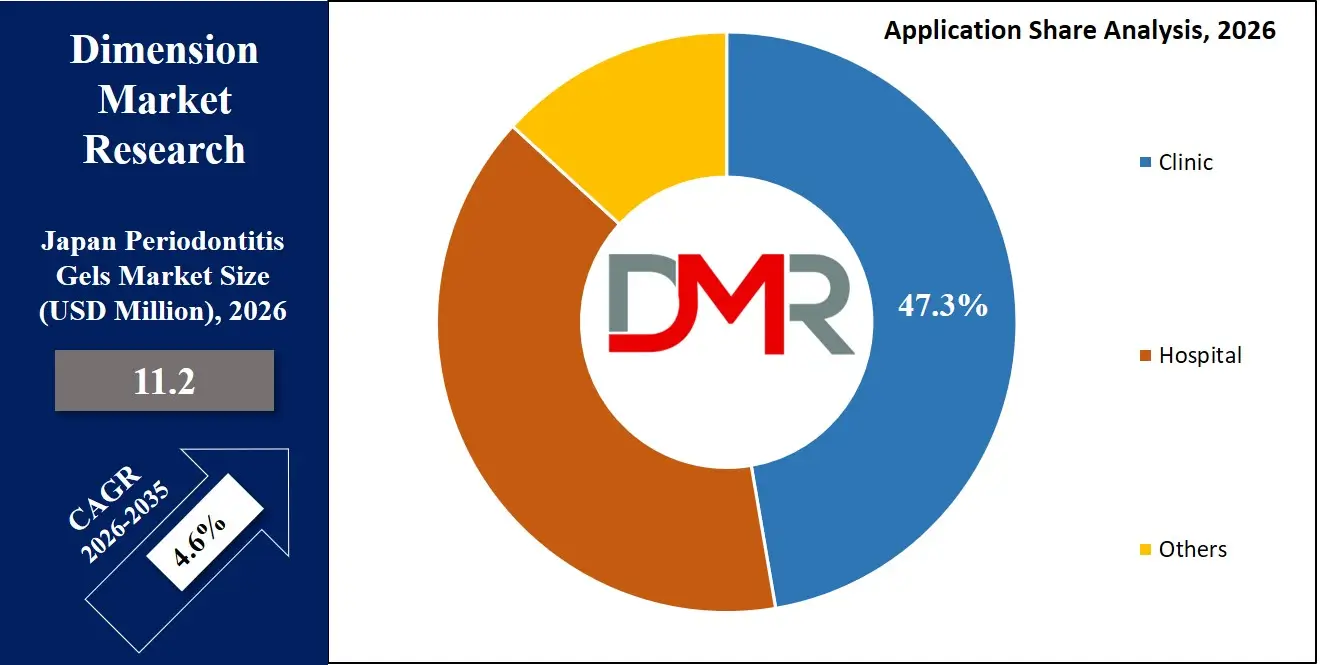
Dental clinics are projected to dominate the application segment of the Japan Periodontitis Gels Market. This dominance is driven by Japan’s extensive network of approximately 100,000 dental clinics, which serve as the primary entry point for periodontal care. General practitioners and periodontists in private practice settings account for the majority of periodontitis gel applications, utilizing these products during scaling and root planing procedures, post-surgical management, and maintenance visits. The clinic setting enables professional subgingival application, ensuring precise delivery and optimal retention. Dental clinics also serve as distribution points for at-home use products prescribed as part of comprehensive treatment plans.
ℹ
To learn more about this report –
Download Your Free Sample Report Here
Hospitals represent a significant application setting, particularly for complex periodontal cases, patients with medical comorbidities requiring coordinated care, and procedures performed in hospital dental departments or specialized periodontal units. Hospital applications often involve more advanced disease presentations, surgical interventions, or multidisciplinary cases where periodontitis gels are used in conjunction with other medical or surgical treatments. The “others” category encompasses settings such as university dental hospitals, research institutions, and long-term care facilities where periodontitis gels address the needs of institutionalized or specialty patient populations.
The Japan Periodontitis Gels Market Report is segmented on the basis of the following:
By Type
- Antibiotic Gels
- Antiseptic Gels
By Category
- Degradable Gels
- Non-degradable Gels
By Application
- Hospitals
- Dental Clinics
- Others
Japan Periodontitis Gels Market: Competitive Landscape
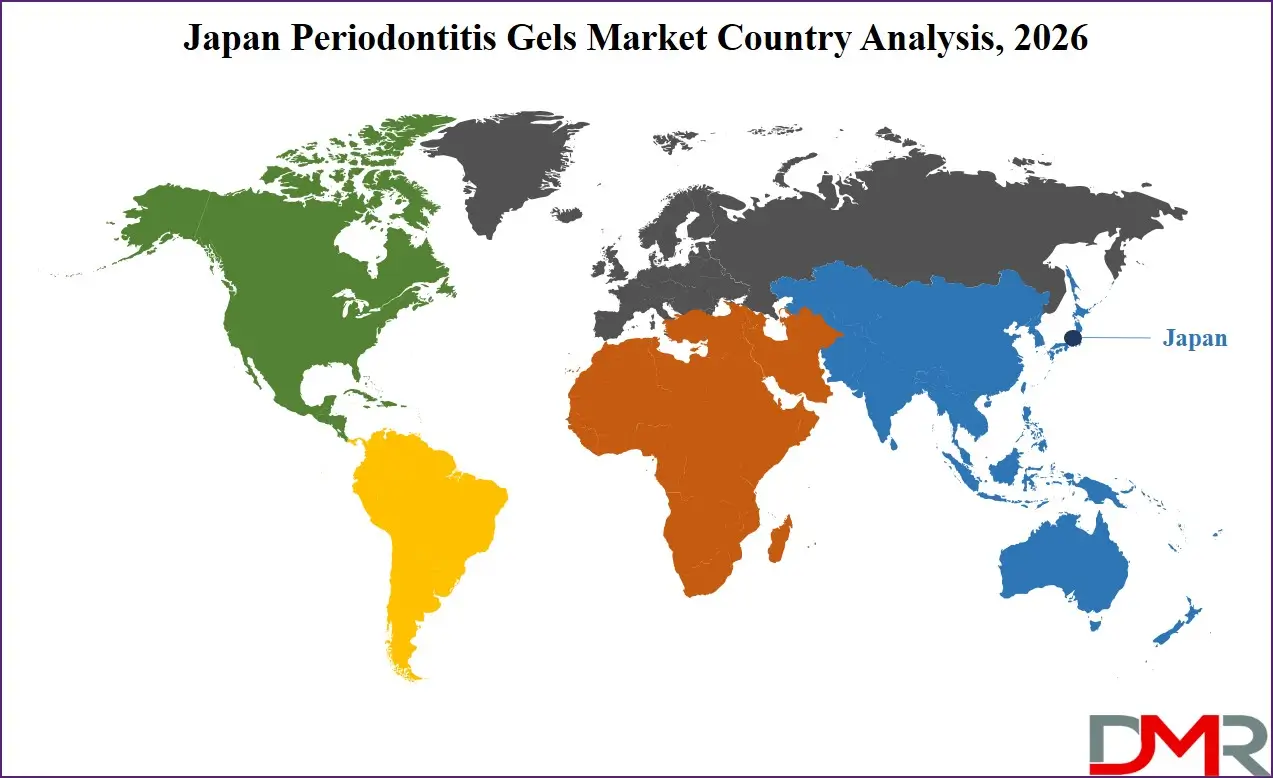
The competitive landscape of the Japan Periodontitis Gels Market is characterized by the presence of established Japanese oral care and pharmaceutical companies, specialized dental product manufacturers, and global healthcare corporations that are continuously advancing formulation technologies and clinical evidence. Japan has one of the most sophisticated dental healthcare markets globally, supported by a high density of dental practitioners, strong regulatory standards, and demanding clinical requirements.
ℹ
To learn more about this report –
Download Your Free Sample Report Here
Leading Japanese companies such as Sunstar Group, Lion Corporation, GC Corporation, and Kuraray Co. Ltd. dominate the market through extensive distribution networks, long-standing relationships with dental professionals, and deep expertise in oral care and dental materials. These organizations combine periodontitis gels with broader portfolios of oral hygiene products, dental instruments, and professional dental materials, offering integrated solutions to Japanese dental practices. Their understanding of Japanese clinical protocols, regulatory pathways, and practitioner preferences provides competitive advantages in product development and market access.
Global healthcare and pharmaceutical companies including Johnson & Johnson, Colgate-Palmolive, Bausch Health, and GlaxoSmithKline maintain strong positions in the Japanese market through established brand recognition, substantial research and development capabilities, and global scale. These companies bring international clinical data, advanced drug delivery technologies, and marketing resources to the Japanese market, serving both dental professionals and consumer segments. Their investments in novel formulations, clinical trial programs, and professional education strengthen their competitive positioning. Overall, Japan’s competitive landscape combines established domestic leaders with global healthcare corporations, creating a dynamic market that supports innovation, clinical advancement, and continuous improvement in periodontitis gel formulations across multiple application settings.
Some of the prominent players in the Japan Periodontitis Gels Market are:
- Lion Corporation
- Kobayashi Pharmaceutical Co., Ltd.
- Sato Pharmaceutical Co., Ltd.
- Morishita Jintan Co., Ltd.
- Otsuka Pharmaceutical Factory
- Showa Yakuhin Kako Co., Ltd.
- GC Showayakuhin
- Sunstar Group
- Kaken Pharmaceutical Co., Ltd.
- Nippon Shika Yakuhin Co., Ltd.
- Colgate-Palmolive Company
- GlaxoSmithKline plc
- Dexcel Pharma Ltd.
- Bausch Health Companies Inc.
- 3M
- Dentsply Sirona
- Straumann Holding AG
- Septodont
- Ultradent Products Inc.
- Ivoclar Vivadent AG
- Other Key Players
Recent Developments in the Japan Periodontitis Gels Market
- January 2026: Lion Corporation launched SYSTEMA Haguki (the Gums) Plus PREMIUM Toothpaste with a new formula featuring GK2 to suppress glycation in gums, preventing periodontal disease through gum tissue repair and eight integrated functions.
- October 2025: Oral Biolife Inc. announced Ambrilux Dental Gel development for bone regeneration in periodontal disease, demonstrating 100% bone growth success in Beagle dog trials, positioning it as a breakthrough non-invasive treatment.
- September 2025: Haleon expanded its Parodontax professional gum care portfolio with new formulations featuring enhanced plaque biofilm disruption technology, targeting early intervention in periodontal disease progression.
- July 2025: Sunstar Suisse SA partnered with Dentistry.One to launch AI-powered oral health scans through its GUM professional line, enhancing preventive periodontal care diagnostics for dental practitioners across Europe.
- March 2025: Dentsply Sirona showcased Primescan 2 scanner upgrades and connected dentistry solutions at IDS 2025 in Cologne, featuring advanced periodontal diagnostics workflows integrated with AI-driven caries and gum disease detection.
Report Details
| Report Characteristics |
| Market Size (2026) |
USD 11.2 Mn |
| Forecast Value (2035) |
USD 16.8 Mn |
| CAGR (2026–2035) |
4.6% |
| Historical Data |
2021 – 2025 |
| Forecast Data |
2027 – 2035 |
| Base Year |
2025 |
| Estimate Year |
2026 |
| Report Coverage |
Market Revenue Estimation, Market Dynamics, Competitive Landscape, Growth Factors and etc. |
| Segments Covered |
By Type (Antibiotic Gels, Antiseptic Gels), By Category (Degradable Gels, Non-degradable Gels), By Application (Hospitals, Dental Clinics, Others) |
| Country Coverage |
Japan |
| Prominent Players |
Lion Corporation, Kobayashi Pharmaceutical Co., Ltd., Sato Pharmaceutical Co., Ltd., Morishita Jintan Co., Ltd., Otsuka Pharmaceutical Factory, Showa Yakuhin Kako Co., Ltd., GC Showayakuhin, Sunstar Group, Kaken Pharmaceutical Co., Ltd., Nippon Shika Yakuhin Co., Ltd., Colgate-Palmolive Company, GlaxoSmithKline plc, Dexcel Pharma Ltd., Bausch Health Companies Inc., 3M, Dentsply Sirona, Straumann Holding AG, Septodont, Ultradent Products Inc., Ivoclar Vivadent AG, and Other Key Players |
| Purchase Options |
We have three licenses to opt for: Single User License (Limited to 1 user), Multi-User License (Up to 5 Users), and Corporate Use License (Unlimited User) along with free report customization equivalent to 0 analyst working days, 3 analysts working days and 5 analysts working days respectively. |
Frequently Asked Questions
How big is the Japan Periodontitis Gels Market?
▾ The Japan Periodontitis Gels Market size is estimated to have a value of USD 11.2 million in 2026 and is expected to reach USD 16.8 million by the end of 2035.
What is the growth rate in the Japan Periodontitis Gels Market in 2026?
▾ The market is growing at a CAGR of 4.6% over the forecasted period of 2026.
Who are the key players in the Japan Periodontitis Gels Market?
▾ Some of the major key players in the Japan Periodontitis Gels Market are Sunstar Group, Lion Corporation, Kobayashi Pharmaceutical Co., Ltd., Sato Pharmaceutical Co., Ltd., Otsuka Pharmaceutical Factory, Showa Yakuhin Kako Co., Ltd., and many others.