Market Overview
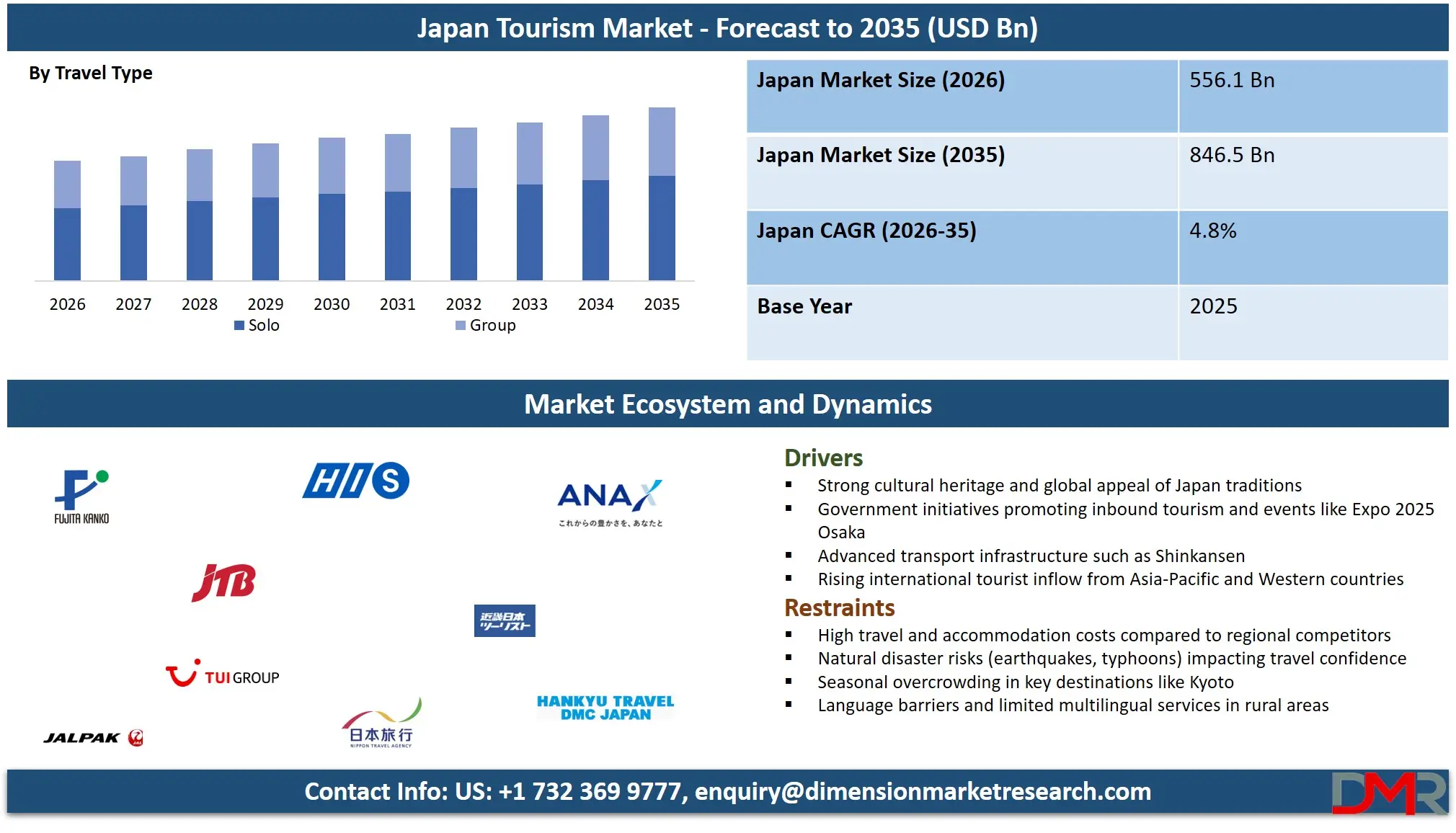
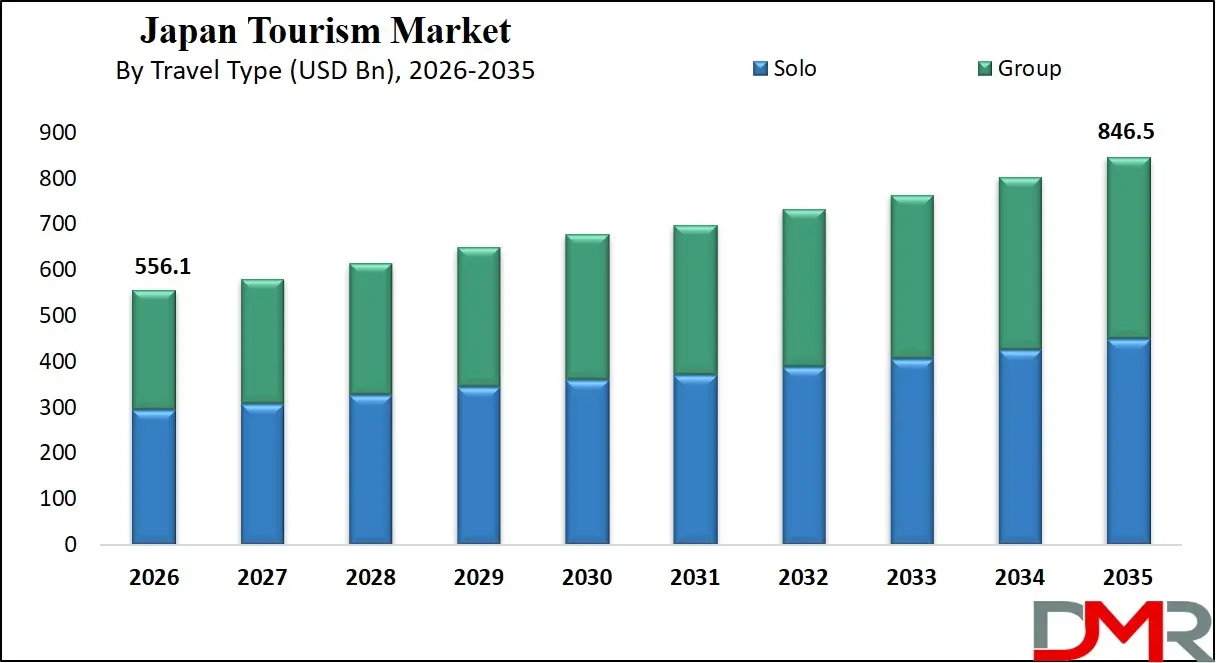
The Japan Tourism Market size is projected to reach USD 556.1 billion in 2026 and grow at a compound annual growth rate of 4.8% to reach a value of USD 846.5 billion in 2035.
ℹ
To learn more about this report –
Download Your Free Sample Report Here
Japan tourism refers to the ecosystem of travel services, experiences, and infrastructure that enable domestic and international visitors to explore Japan’s cultural, natural, and urban attractions. It includes transportation networks, accommodation services, tour operators, digital booking platforms, and hospitality offerings. The sector plays a critical role in Japan’s economy by contributing to foreign exchange earnings, regional development, and employment generation, while also preserving cultural heritage and promoting global engagement.
The sector has undergone significant transformation in recent years, driven by digitalization, evolving traveler preferences, and government initiatives to boost inbound tourism. Smart tourism technologies, contactless services, and multilingual support systems have enhanced accessibility and convenience for international visitors. Additionally, Japan’s focus on sustainable tourism and rural revitalization has expanded travel beyond major cities to lesser-known destinations, helping distribute economic benefits more evenly.
ℹ
To learn more about this report –
Download Your Free Sample Report Here
The growth trajectory is further influenced by post-pandemic recovery trends, increased airline connectivity, and promotional campaigns targeting high-value travelers. Seasonal tourism, experiential travel, and niche segments such as wellness and culinary tourism are gaining traction. These shifts are reshaping the competitive landscape and positioning Japan as a premium, culturally rich destination in the global tourism industry.
Japan Tourism Market: Key Takeaways
- Market Growth: The Japan Tourism Market size is expected to grow by USD 266.6 billion, at a CAGR of 4.8%, during the forecasted period of 2027 to 2035.
- By Travel Type: The solo segment is anticipated to get the majority share of the Japan Tourism market in 2026.
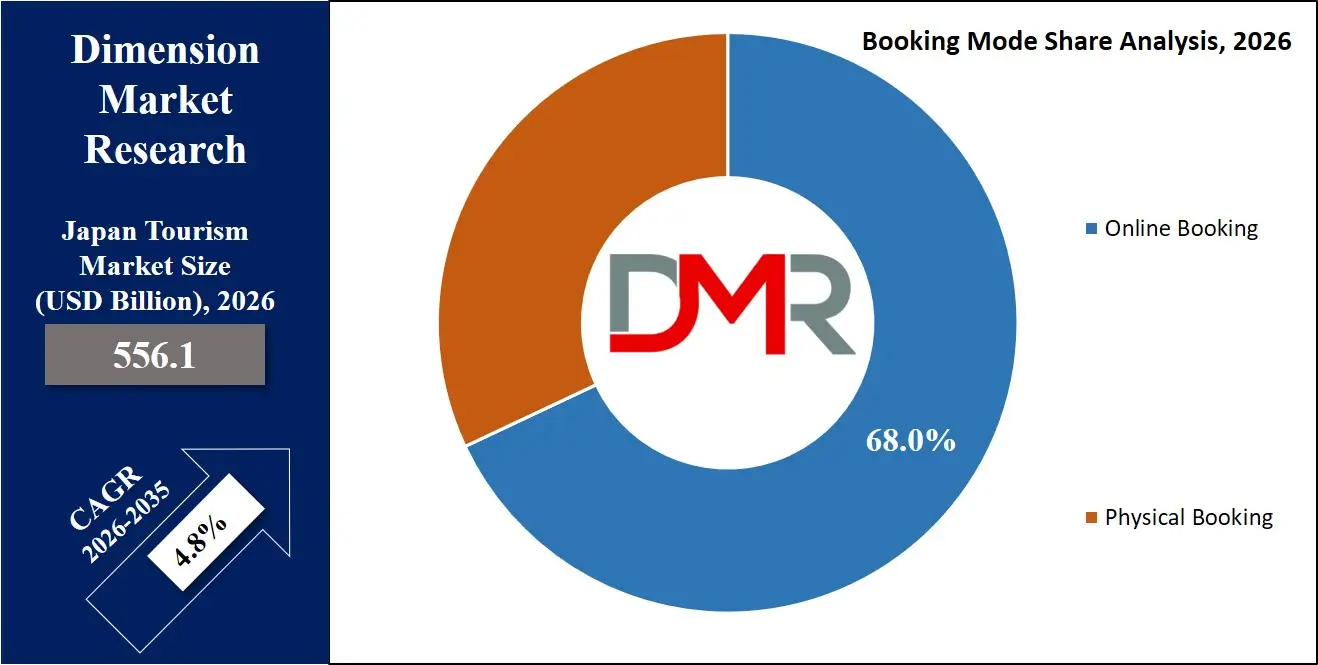
- By Booking Mode: The online booking segment is expected to get the largest revenue share in 2026 in the Japan Tourism market.
- Use Cases: Some of the use cases of Tourism include medical travel, business travel, and more.
Japan Tourism Market: Use Cases
- Cultural Exploration: Visitors engage in traditional experiences such as tea ceremonies, temple visits, and festivals, offering deep immersion into Japan’s heritage and history.
- Adventure Tourism: Travelers explore mountains, ski resorts, and hiking trails, particularly in regions like Hokkaido and the Japanese Alps, catering to outdoor enthusiasts.
- Medical Travel: International patients seek advanced healthcare services, combining treatment with recuperation in wellness-focused destinations.
- Business Travel: Corporate travelers attend conferences, exhibitions, and meetings in major cities like Tokyo and Osaka, supported by world-class infrastructure.
- Culinary Tourism: Food enthusiasts travel to experience authentic Japanese cuisine, including sushi, ramen, and regional specialties.
- Shopping Tourism: Visitors explore luxury retail districts and local markets, contributing significantly to urban tourism revenues.
- Wellness and Retreats: Travelers seek relaxation through hot springs (onsen), spa resorts, and mindfulness retreats in scenic locations.
Stats & Facts
- Japan National Tourism Organization reported over 25 million international visitors in 2024, reflecting strong recovery momentum.
- Ministry of Land, Infrastructure, Transport and Tourism stated that inbound tourism spending exceeded JPY 5 trillion in 2024.
- Japan Tourism Agency indicated that domestic travel participation surpassed 300 million trips in 2024.
- World Tourism Organization highlighted Japan among the top 10 fastest-recovering tourism destinations in 2024.
- International Air Transport Association noted a 35% increase in passenger traffic to Japan in 2024.
- World Economic Forum ranked Japan among the top countries for tourism competitiveness in 2024.
- Japan National Tourism Organization recorded a 20% rise in visitors from Southeast Asia in 2025.
- Ministry of Foreign Affairs reported visa relaxations for multiple countries boosting arrivals in 2025.
- Japan Tourism Agency noted that online bookings accounted for over 65% of travel reservations in 2025.
- OECD tourism data showed Japan’s tourism contribution to GDP exceeding 7% in 2024.
- UNWTO reported that cultural tourism accounts for nearly 40% of Japan’s inbound visits in 2025.
- Japan National Tourism Organization stated that repeat visitors made up over 60% of total tourists in 2025.
Market Dynamic
Driving Factors in the Japan Tourism Market
Government Initiatives and Policy Support
Japan’s tourism growth is strongly driven by proactive government policies aimed at increasing inbound visitor numbers and enhancing travel infrastructure. Initiatives such as relaxed visa requirements, expanded duty-free shopping, and investments in regional tourism development have significantly boosted accessibility. The government’s campaigns promoting lesser-known destinations have helped diversify tourist flows beyond major cities. Additionally, infrastructure upgrades including high-speed rail expansions and airport modernization have improved connectivity. These measures not only attract first-time visitors but also encourage repeat tourism, strengthening long-term growth prospects and ensuring sustained sector expansion.
Technological Advancements and Digital Transformation
The integration of advanced technologies is reshaping Japan’s tourism ecosystem. Digital platforms for booking, AI-powered translation tools, and contactless payment systems enhance traveler convenience. Smart tourism initiatives, including real-time navigation and virtual guides, improve visitor experiences. Hospitality providers are increasingly adopting automation and robotics to streamline operations. These innovations reduce language barriers, increase efficiency, and cater to tech-savvy travelers. As digital adoption continues to grow, it is expected to further drive tourism demand and improve service delivery across the industry.
Restraints in the Japan Tourism Market
High Travel Costs and Currency Fluctuations
Japan is often perceived as a premium destination, with relatively high accommodation, transportation, and dining costs. Currency fluctuations can further impact affordability for international tourists. These factors may deter budget-conscious travelers and limit market expansion in price-sensitive segments. Additionally, seasonal price surges during peak travel periods create cost barriers. While luxury tourism thrives, broader accessibility remains a challenge, requiring strategic pricing and promotional efforts to attract a wider audience base.
Overtourism and Infrastructure Strain
Popular destinations such as Tokyo, Kyoto, and Osaka face issues related to overcrowding, especially during peak seasons. This leads to strain on local infrastructure, environmental concerns, and reduced visitor satisfaction. Managing tourist flows while preserving cultural and natural assets is a key challenge. Local communities have also raised concerns about congestion and resource pressure. Addressing these issues requires sustainable tourism practices, improved regional distribution, and investment in infrastructure to balance growth with environmental and social considerations.
Opportunities in the Japan Tourism Market
Expansion of Rural and Experiential Tourism
Rural tourism presents significant untapped potential as travelers increasingly seek authentic and immersive experiences. Japan’s countryside offers cultural heritage, natural beauty, and traditional lifestyles that appeal to niche segments. Government initiatives promoting regional destinations are creating new opportunities for local economies. This shift not only reduces pressure on urban centers but also diversifies tourism offerings. As demand for unique experiences grows, rural tourism is expected to become a major growth driver.
Growth in High-Value and Niche Segments
Segments such as wellness tourism, luxury travel, and medical tourism are gaining momentum. Japan’s advanced healthcare system and wellness traditions position it as a preferred destination for these segments. Additionally, culinary tourism and anime-related travel experiences attract specific interest groups. These niche markets offer higher spending potential and longer stays, contributing significantly to revenue growth. Targeted marketing and tailored services can further capitalize on these opportunities.
Trends in the Japan Tourism Market
Shift Toward Sustainable Tourism Practices
Sustainability is becoming a central focus, with initiatives aimed at reducing environmental impact and promoting responsible travel. Eco-friendly accommodations, carbon-neutral transport options, and conservation efforts are gaining traction. Travelers are increasingly prioritizing destinations that align with sustainability values. This trend is encouraging stakeholders to adopt green practices and develop sustainable tourism models that ensure long-term viability.
Rise of Personalized and Digital Travel Experiences
Personalization is transforming the tourism landscape, driven by data analytics and digital platforms. Travelers now expect customized itineraries, tailored recommendations, and seamless digital interactions. Mobile apps, AI-driven suggestions, and virtual experiences enhance trip planning and execution. This trend is redefining customer engagement and pushing service providers to innovate continuously to meet evolving expectations.
Impact of Artificial Intelligence in Japan Tourism Market
- AI-powered travel planning: Enables personalized itineraries based on traveler preferences, improving satisfaction and engagement.
- Smart translation tools: Break language barriers, making navigation and communication easier for international tourists.
- Chatbots and virtual assistants: Provide 24/7 customer support, enhancing booking and travel experiences.
- Predictive analytics: Helps businesses forecast demand and optimize pricing strategies effectively.
- Facial recognition systems: Streamline airport and hotel check-ins, reducing waiting times.
- Robotics in hospitality: Automate services such as reception and housekeeping, improving efficiency.
- Recommendation engines: Suggest attractions, dining, and activities tailored to individual preferences.
- Crowd management systems: Monitor tourist flows and reduce congestion in popular destinations.
Research Scope and Analysis
By Travel Purpose Analysis
Leisure tourism dominates the Japan tourism market, accounting for an estimated 52% share in 2026. This segment benefits significantly from Japan’s rich cultural heritage, scenic landscapes, and wide variety of entertainment offerings that appeal to global travelers. Seasonal attractions such as cherry blossom festivals, autumn foliage viewing, and winter sports in regions like Hokkaido generate consistent year-round demand. The increasing popularity of experiential travel, including culinary exploration, traditional craft workshops, and heritage tours, further strengthens this segment. Government-led campaigns promoting regional tourism and lesser-known destinations are expanding travel beyond major cities. With rising disposable incomes and a growing preference for immersive and unique experiences, leisure tourism continues to attract both international and domestic travelers, reinforcing its leading position.
Medical tourism is emerging as the fastest-growing segment within Japan’s tourism market, supported by the country’s advanced healthcare infrastructure and globally recognized medical standards. International patients are increasingly choosing Japan for specialized treatments such as regenerative medicine, oncology care, and advanced diagnostics. The integration of healthcare services with hospitality and tourism offerings enhances the overall patient experience, making treatment journeys more comfortable and appealing. Government initiatives, including visa relaxations and targeted promotion of medical travel, are further accelerating growth. Additionally, Japan’s reputation for safety, hygiene, and technological innovation strengthens its appeal among global patients seeking reliable and high-quality healthcare solutions combined with wellness tourism opportunities.
By Travel Type Analysis
Solo travel holds a dominant position in the Japan tourism market, with a projected 53% market share in 2026. The increasing desire for independence, self-discovery, and flexible travel planning is encouraging more individuals to travel alone. Japan’s reputation as one of the safest countries, along with its highly efficient public transportation system and availability of solo-friendly accommodations such as capsule hotels, makes it an ideal destination. Digital booking platforms and mobile travel apps have further simplified trip planning for solo travelers. The growing trend of personalized itineraries and immersive local experiences supports this segment’s leadership, as travelers seek meaningful and customized journeys tailored to their interests.
Group travel is witnessing rapid growth, driven by its affordability, convenience, and structured travel experiences. It remains particularly popular among first-time international visitors who prefer guided tours to navigate language and cultural differences. Corporate travel groups and educational tours also contribute significantly to this segment. Travel agencies are increasingly offering customized group packages that include curated itineraries, local guides, and bundled services, enhancing the overall experience. Additionally, group travel provides social engagement and shared experiences, which appeal to families and large travel parties. As tourism infrastructure continues to improve, the demand for organized group travel is expected to expand further.
By Booking Mode Analysis
Online booking leads the Japan tourism market, capturing an estimated 68% share in 2026. The widespread adoption of digital platforms, mobile applications, and integrated booking systems has revolutionized the way travelers plan and manage their trips. Features such as real-time availability, instant confirmations, dynamic pricing, and AI-driven personalized recommendations significantly enhance user convenience. Increasing internet penetration and digital literacy across global markets further support the growth of this segment. Additionally, online platforms often provide access to reviews, ratings, and tailored travel suggestions, enabling informed decision-making. As technology continues to evolve, online booking is expected to maintain its dominance and further streamline the travel planning process.
ℹ
To learn more about this report –
Download Your Free Sample Report Here
Physical booking continues to hold relevance, particularly among travelers who prefer personalized assistance and expert guidance. Traditional travel agencies cater to complex itineraries, luxury travel, and niche segments where customized planning is essential. This mode is especially popular among older demographics and travelers less comfortable with digital platforms. Physical booking also offers reassurance through face-to-face interactions, detailed consultations, and curated travel packages. In addition, agencies often provide value-added services such as visa assistance, travel insurance, and itinerary customization. Despite the rapid growth of online channels, physical booking remains an important component of the market by addressing specific customer needs and preferences.
By Travel Days Analysis
The 7 to 15 days segment dominates the Japan tourism market, with a projected 46% share in 2026. This duration offers an ideal balance for travelers to explore multiple destinations, including major cities like Tokyo, Kyoto, and Osaka, along with regional attractions. It allows for well-structured itineraries that combine cultural experiences, leisure activities, and relaxation. Tour operators frequently design packages within this timeframe to maximize coverage and convenience. The segment is particularly attractive to international tourists who aim to experience Japan comprehensively within a limited period. Its flexibility and efficiency make it the most preferred travel duration among a wide range of traveler demographics.
The more than 15 days segment is experiencing rapid growth, driven by changing travel preferences and the rise of remote work and digital nomad lifestyles. Travelers opting for longer stays seek deeper cultural immersion, exploration of rural regions, and participation in local activities. Extended travel durations also allow visitors to engage in wellness retreats, language learning programs, and seasonal experiences across different regions. This trend is further supported by flexible work arrangements and increased interest in slow travel. As travelers prioritize meaningful and immersive experiences over quick visits, the demand for longer stays in Japan is expected to continue expanding significantly.
By Age Group Analysis
The 30 to 41 years age group leads the Japan tourism market, holding an estimated 34% share in 2026. This demographic typically has higher disposable income and a strong inclination toward premium and experiential travel. They actively seek unique experiences such as cultural immersion, culinary exploration, and luxury accommodations. Being digitally savvy, this group extensively uses online platforms for planning and booking travel. Their preference for well-balanced itineraries that combine leisure, adventure, and relaxation further drives their participation. Additionally, this age group often travels for both leisure and business purposes, contributing significantly to overall tourism demand and reinforcing its dominant position in the market.
The below 30 years segment is the fastest-growing demographic in the Japan tourism market, driven by evolving travel trends and digital influence. Younger travelers are heavily inspired by social media, pop culture, and entertainment, including anime, gaming, and fashion. They prefer budget-friendly options, flexible itineraries, and unique experiences such as adventure tourism and cultural festivals. The availability of affordable accommodations and low-cost travel options supports their participation. Additionally, this group values shareable experiences and digital connectivity, which influence their travel decisions. As global youth travel continues to rise, this segment is expected to play an increasingly important role in shaping the future of Japan tourism.
The Japan Tourism Market Report is segmented on the basis of the following:
By Travel Purpose
- Medical Tourism
- Leisure Tourism
- Business Tourism
- Others
By Travel Type
By Booking Mode
- Physical Booking
- Online Booking
By Travel Days
- Less than 7 Days
- 7 to 15 Days
- More than 15 Days
By Age Group
- Below 30 years
- 30 to 41 years
- 42 to 49 years
- 50 years & above
Competitive Landscape
The Japan tourism market is characterized by intense competition driven by service quality, innovation, and customer experience. Market participants focus on differentiating offerings through personalized travel packages, digital integration, and strategic partnerships. High entry barriers exist due to regulatory requirements, infrastructure costs, and established brand presence.
ℹ
To learn more about this report –
Download Your Free Sample Report Here
Companies are investing heavily in technology, including AI and automation, to enhance operational efficiency. Collaborations with local governments and regional stakeholders are also common to promote destination diversity. Continuous innovation, strong distribution networks, and customer-centric strategies remain critical for maintaining and expanding market share.
Some of the prominent players in the Japan Tourism are:
- JTB Corporation
- H.I.S. Co., Ltd.
- Nippon Travel Agency
- Kinki Nippon Tourist
- Hankyu Travel International
- Tobu Top Tours
- ANA X Inc.
- JALPAK Co., Ltd.
- JR East View Tourism & Sales
- Meitetsu World Travel
- Hoshino Resorts
- Prince Hotels (Seibu Holdings)
- Fujita Kanko
- Tokyu Hotels
- Okura Nikko Hotel Management
- APA Group
- Route Inn Hotels
- Tokyu Resorts & Stay
- Hoshino Resorts REIT
- Oriental Land Company
- Other Key Players
Recent Developments
- In March 2025, East Japan Railway Company announced a major investment in smart tourism infrastructure, including AI-based crowd management and digital ticketing systems. The initiative focuses on reducing congestion in high-traffic areas and improving passenger flow across major routes. The company also partnered with technology firms to deploy real-time analytics for better service optimization. This development aligns with Japan’s broader goal of enhancing sustainable tourism and ensuring a seamless travel experience for both domestic and international visitors.
- In January 2025, Japan Airlines introduced an advanced AI-driven travel assistance platform aimed at enhancing passenger experience across international and domestic routes. The system integrates real-time flight updates, personalized travel recommendations, and multilingual support. This initiative is part of the airline’s broader digital transformation strategy to improve customer engagement and operational efficiency.
Report Details
| Report Characteristics |
| Market Size (2026) |
USD 556.1 Bn |
| Forecast Value (2035) |
USD 846.5 Bn |
| CAGR (2026–2035) |
4.8% |
| Historical Data |
2021 – 2025 |
| Forecast Data |
2027 – 2035 |
| Base Year |
2025 |
| Estimate Year |
2026 |
| Report Coverage |
Market Revenue Estimation, Market Dynamics, Competitive Landscape, Growth Factors and etc. |
| Segments Covered |
By Travel Purpose (Medical Tourism, Leisure Tourism, Business Tourism, Others), By Travel Type (Solo, Group), By Booking Mode (Physical Booking, Online Booking), By Travel Days (Less than 7 Days, 7 to 15 Days, More than 15 Days), By Age Group (Below 30 years, 30 to 41 years, 42 to 49 years, 50 years & above) |
| Regional Coverage |
North America – The US and Canada; Europe – Germany, The UK, France, Russia, Spain, Italy, Benelux, Nordic, & Rest of Europe; Asia-Pacific – China, Japan, South Korea, India, ANZ, ASEAN, Rest of APAC; Latin America – Brazil, Mexico, Argentina, Colombia, Rest of Latin America; Middle East & Africa – Saudi Arabia, UAE, South Africa, Turkey, Egypt, Israel, & Rest of MEA |
| Prominent Players |
JTB Corporation, H.I.S. Co., Ltd., Nippon Travel Agency, Kinki Nippon Tourist, Hankyu Travel International, Tobu Top Tours, ANA X Inc., JALPAK Co., Ltd., JR East View Tourism & Sales, Meitetsu World Travel, Hoshino Resorts, Prince Hotels (Seibu Holdings), Fujita Kanko, Tokyu Hotels, Okura Nikko Hotel Management, APA Group, Route Inn Hotels, Tokyu Resorts & Stay, Hoshino Resorts REIT, Oriental Land Company, and Other Key Players |
| Purchase Options |
We have three licenses to opt for: Single User License (Limited to 1 user), Multi-User License (Up to 5 Users) and Corporate Use License (Unlimited User) along with free report customization equivalent to 0 analyst working days, 3 analysts working days and 5 analysts working days respectively. |
Frequently Asked Questions
How big is the Japan Tourism Market?
▾ The Japan Tourism Market size is expected to reach USD 556.1 billion by 2026 and is projected to reach USD 846.5 billion by the end of 2035.
Who are the key players in the Japan Tourism Market?
▾ Some of the major key players in the Japan Tourism Market include Nippon, HIS, JTB and others.
What is the growth rate in the Japan Tourism Market?
▾ The market is growing at a CAGR of 4.8 percent over the forecasted period.