Indication Covered
This report is a comprehensive one about melanoma as a cancerous neoplasm of melanocytes and will discuss the burden associated with this disease, modes of treatment, innovation in therapy, and market growth across the seven major markets. Melanoma can be described by the malignant change and abnormal multiplication of melanocytes, which mostly affects the skin, but can occur in mucosa and eyes as well. This disease can vary from an early stage, which is completely curable through surgery, to the unresectable or metastatic stage, which requires different treatment such as immunotherapy, targeted therapy, etc.
The indication scope includes major clinical manifestations and associated disease conditions relevant to treatment demand, including:
- Cutaneous melanoma
- Superficial spreading melanoma
- Nodular melanoma
- Acral lentiginous melanoma
- Mucosal melanoma
- Uveal melanoma
Cutaneous melanoma is the main indication for study due to its frequency, well-established treatment strategy, and high demand for adjuvant/systemic treatments. The report also takes into account mucosal and uveal melanomas owing to their aggressive nature, unique molecular profile, and unmet need for treatment. Other indications such as recurrent, inoperable, metastatic, brain metastatic, and refractory melanomas are considered as potential areas with clinical need.
Therapeutic options are based on surgery, immunotherapy, targeted treatment, chemotherapy, intralesional treatment, and cellular therapy. Special attention is paid to novel treatments targeting such factors as PD-1, CTLA-4, LAG-3, BRAF, MEK, KIT, among others, and to innovative cell-based, oncolytic viral, neoadjuvant, and next-generation treatments. Clinical treatment options comprise such treatments as checkpoint inhibitors, BRAF/MEK combinations, tumor infiltrating lymphocyte treatment, and intralesional treatment, with great differences being observed depending on the stage and molecular profile of the disease.
Epidemiology Parameters
Melanoma is an important health burden of an advanced and possibly fatal cancer within the leading healthcare markets that are discussed in this report. The epidemiology varies from one country to another owing to various factors such as genetic predisposition, exposure to ultraviolet light, environment, access to healthcare, awareness of the disease, diagnosis, and skin examination practices.
ℹ
To learn more about this report –
Download Your Free Sample Report Here
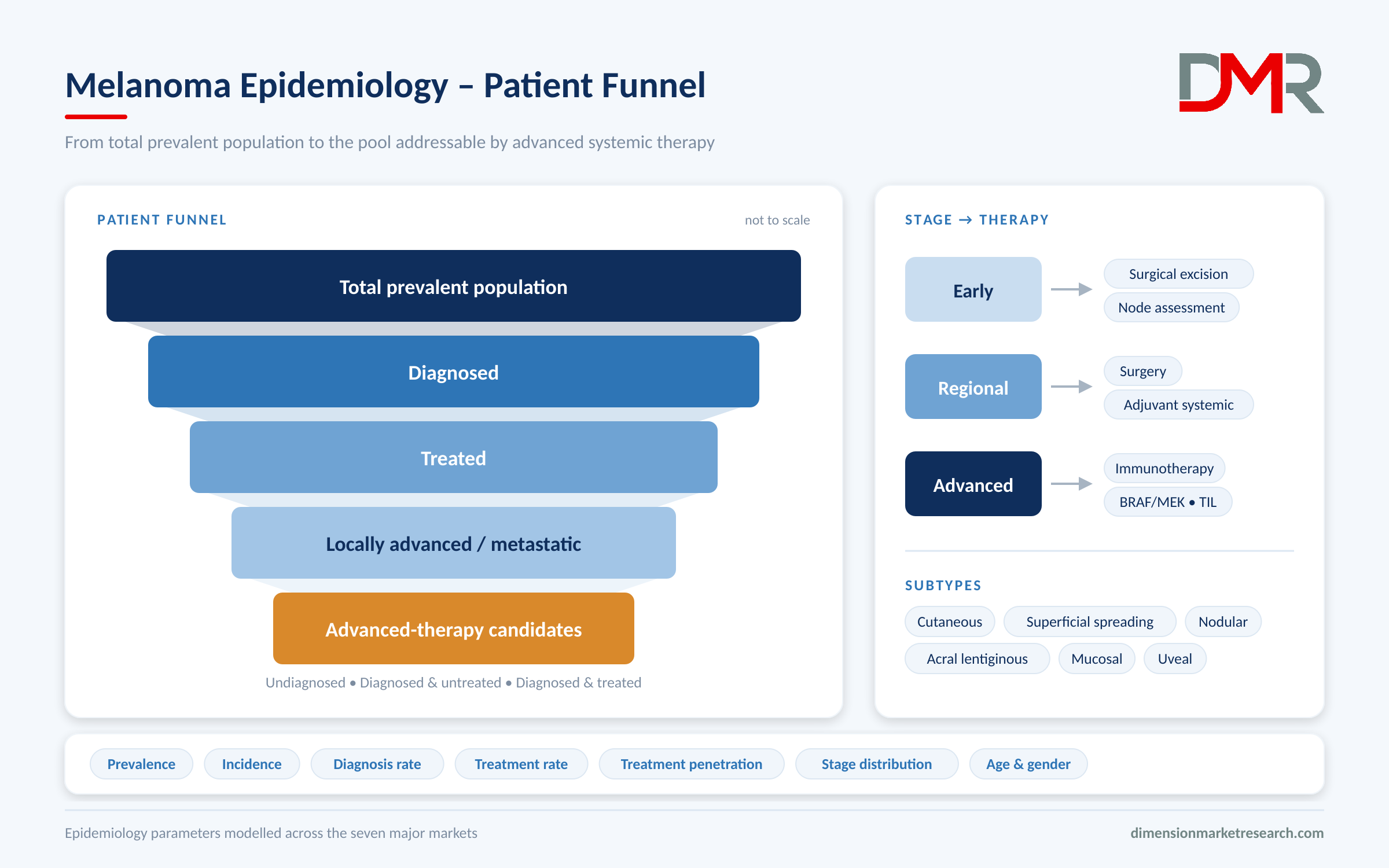
The epidemiology assessment provides a structured evaluation of the melanoma population from overall prevalence through diagnosis and treatment. Key parameters include:
- Total melanoma patient population
- Prevalent population
- Incidence population
- Diagnosed patient population
- Treated patient population
- Untreated patient population
- Treatment-eligible population
- Disease stage distribution
- Early-stage melanoma population
- Locally advanced melanoma population
- Metastatic melanoma population
- Cutaneous melanoma population
- Mucosal melanoma population
- Uveal melanoma population
- Age distribution
- Gender distribution
- Diagnosis rate
- Treatment rate
- Treatment penetration
- Regional disease burden
- Epidemiological trends
This study has categorized the widespread population from the patient population that is diagnosed and on treatment. This is vital due to the fact that there may be some patients that are not diagnosed, others that are surgically treated without any systemic pharmacotherapy treatment or they do not require any treatment because their disease is localized.
The report also looks at the growing awareness of the severity of melanoma, which is becoming a progressive type of cancer and requires stage specific treatment. The manifestations that are associated with this disease include lymph node involvement, distant metastasis, brain metastasis, recurrence and complications.
Patient Segmentation
The segmentation of patients suffering from melanoma has been based on factors such as severity of disease, presentation of the disease, the treatment condition, and requirements of treatment. This way, it becomes easier to understand which category of patients belongs to what form of treatment.
By Disease Severity
Mild: Early-stage localized cases are usually managed through excision along with proper assessment of the lymph nodes. Factors that affect the decision-making process are tumor thickness, ulceration, anatomical site, staging, risk of recurrence, among others. Early-stage melanomas can be managed effectively using surgery alone.
Moderate: Thick tumors, high-risk stage II disease, or regional lymph nodes involvement cases will need surgery to be done together with adjuvant/neoadjuvant systemic treatments. Focus on prevention of recurrence and sustained control of the disease will drive the shift towards immunotherapy or targeted therapies in such patients.
Severe: Recurrent, unresectable, metastatic, brain metastatic, and resistant to treatment cases are likely to need advanced immunotherapy, targeted therapy, cellular therapy, intralesional therapy, radiotherapy, or other combination methods. This is one of the major sources for advanced melanoma treatment needs. Treatment options currently available include checkpoint inhibitors, BRAF/MEK inhibitors, TIL therapy, and intralesional therapy.
By Disease Type
- Cutaneous melanoma
- Superficial spreading melanoma
- Nodular melanoma
- Acral lentiginous melanoma
- Mucosal melanoma
- Uveal melanoma
By Treatment Status
- Diagnosed and Treated
- Diagnosed and Untreated
- Undiagnosed
The treatment status-based segmentation provides an opportunity to determine the difference between the total melanoma population and the population using health care treatment. With improved awareness about skin cancers, provision of dermatology and oncology treatments, diagnostics and screenings for individuals at high risk, there can be gradual improvement in the diagnosed and treated population.
By Treatment Requirement
- Surgical Treatment Candidates
- Adjuvant Therapy Candidates
- Conventional Systemic Therapy Candidates
- Immunotherapy Candidates
- Targeted Therapy Candidates
- Cellular and Other Advanced Therapy Candidates
Such segmentation makes it possible to assess how variations in clinical practice guidelines, biomarker testing, physician preferences, payment issues, and therapeutic options may move patients from one treatment group to another.
Geographic Coverage
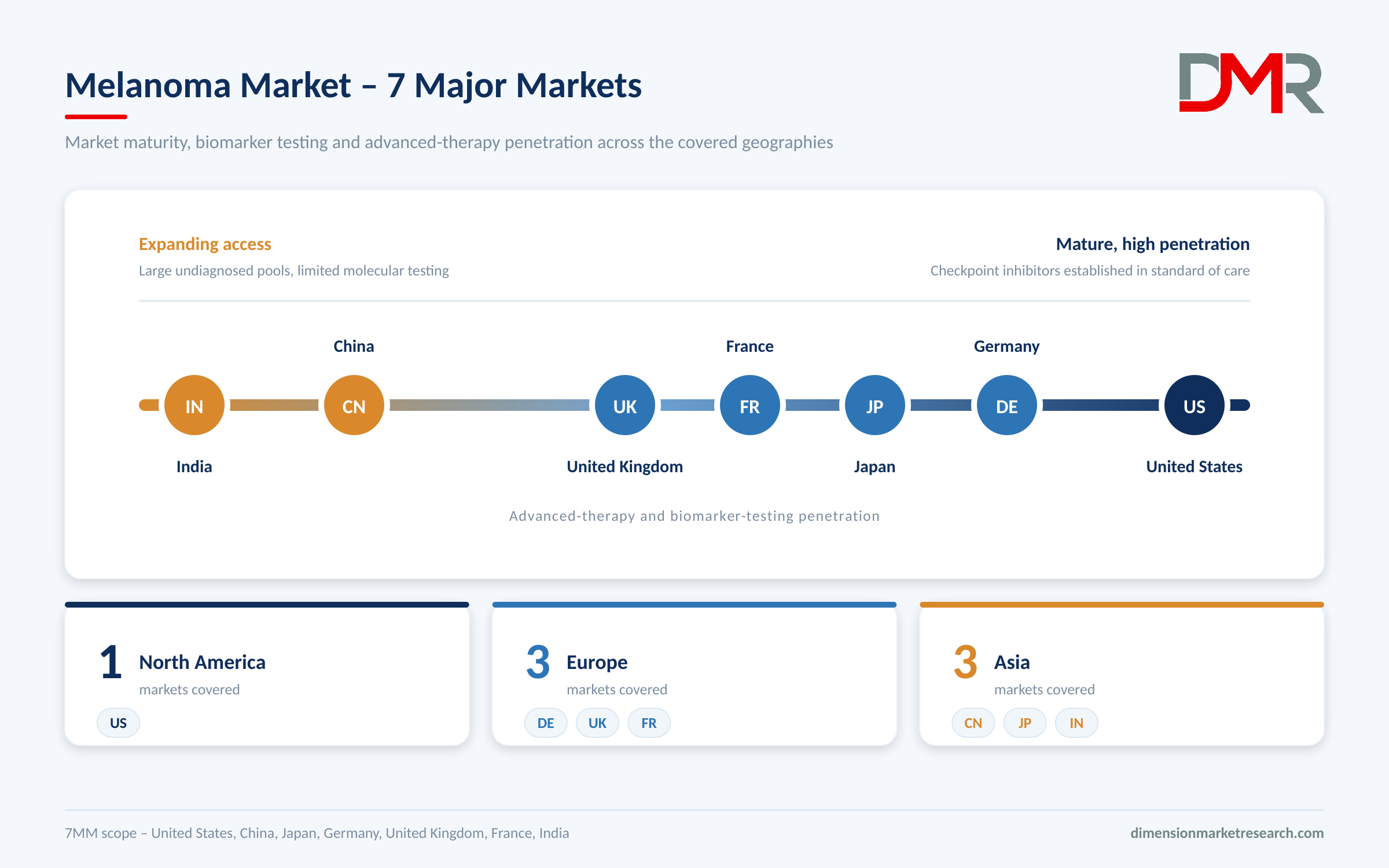
The report provides detailed market, epidemiology, treatment, and competitive analysis across 7 major markets:
- United States
- China
- Japan
- Germany
- United Kingdom
- France
- India
ℹ
To learn more about this report –
Download Your Free Sample Report Here
The geographical analysis focuses on disparities in patient demographics, diagnosis frequency, healthcare system, access to treatment, reimbursement policy, drug penetration, regulatory framework, physician acceptance, biomarker tests, and competition. This is especially important due to the fact that the commercial potential of melanoma drugs varies significantly depending on whether a market is developed or emerging.
United States
The U.S. is among the key markets for melanoma therapy, which is based on a high level of disease awareness, developed networks of dermatologists and oncologists, pharmaceutical innovation, biomarker testing, and the availability of advanced treatment. Checkpoint inhibitors and BRAF/MEK targeted therapies have seen considerable uptake among eligible patients, whereas cell and oncolytic therapy are being increasingly employed in the treatment of the condition.
It should be noted that the competition is intense between well-established drugs and novel therapeutic options. The choice of drug is determined by the effectiveness of the treatment, safety concerns, molecular characteristics, disease stage, dosing schedule, reimbursement criteria, patient's preference, and treatment history. Further developments in cellular, intralesional, combination immunotherapy, and next generation targeted therapies will add to the competition.
China
China presents a promising growth prospect due to the size of the patient pool and growing realization about melanoma as a severe form of cancer requiring continual oncology care. Improvements in the health care delivery system, diagnostics, facilities, and specialists are helping make more diagnoses and treatments accessible.
Advanced treatment technologies are gaining traction in the market; however, affordability, insurance coverage, accessibility, biomarker testing, and urban vs. rural care differences are still relevant factors. Domestic drug development can add competition to the market.
Japan
Japan is a developed healthcare and pharmaceutical market with developed medical infrastructure and well-developed services of dermatology and oncology. Growing recognition of treatment objectives and checkpoint inhibitors and molecularly targeted drugs are factors which will drive further demand for advanced melanoma therapy.
Treatment choice is affected by such factors as effectiveness and safety of the drug, conditions of reimbursement, biomarker status, treatment convenience, and prescriber's knowledge. There are possibilities to develop innovative medicines which could bring improvement in one of the listed factors.
Germany
In Germany, there is an important European market for melanoma characterized by existing specialist networks and good uptake of systemic and immuno-oncology drugs. The treatment algorithm benefits from the development of the healthcare system and clinical experience.
Key factors affecting the German melanoma market include the use of biosimilars when appropriate, optimizing treatment regimens, reimbursement issues, health technology assessment, and the launch of novel therapies with mechanisms that differentiate from others on the market.
United Kingdom
Melanoma market in the UK has the advantage of having clinical guidelines, specialized dermatological and oncological services, as well as defined treatment pathways. Modern treatment options are becoming an integral part of the management of high-risk cases and non-responsive patients.
Market development depends on such factors as the criteria of treatment within the healthcare system, cost-effectiveness, results of clinical trials, biomarkers, and access to specialized services. Increasing focus on disease control and recurrence prevention is promoting further advancements in targeted and immunological treatments.
France
France is an example of a key market within Europe that is backed by well-established healthcare infrastructure, advanced dermatology and oncology treatments, as well as solid reimbursement policies. Checkpoint inhibitors and BRAF/MEK therapies have become a major part of treatment for patients suffering from high risk or advanced disease.
The growth of the market is determined by the availability of innovative therapies, treatments, reimbursement policies, and increase in targeted immuno-oncology drugs. The pricing competition and appearance of new technologies will define the competitive landscape in the future.
India
India is seen as a promising market for melanoma due to the country's big population base, developing health care system, growing awareness about cancer, and increased accessibility of oncology care. There is a lot of room for growth in terms of both diagnostics and treatment rates as the availability of oncology care improves.
Affordability is still one of the key criteria for choosing treatment options, especially immunotherapy, targeted therapy, and cellular therapy. Availability of affordable treatments, greater presence of specialists, access to molecular testing, and improved patient awareness may help drive further market growth.
Market Segmentation
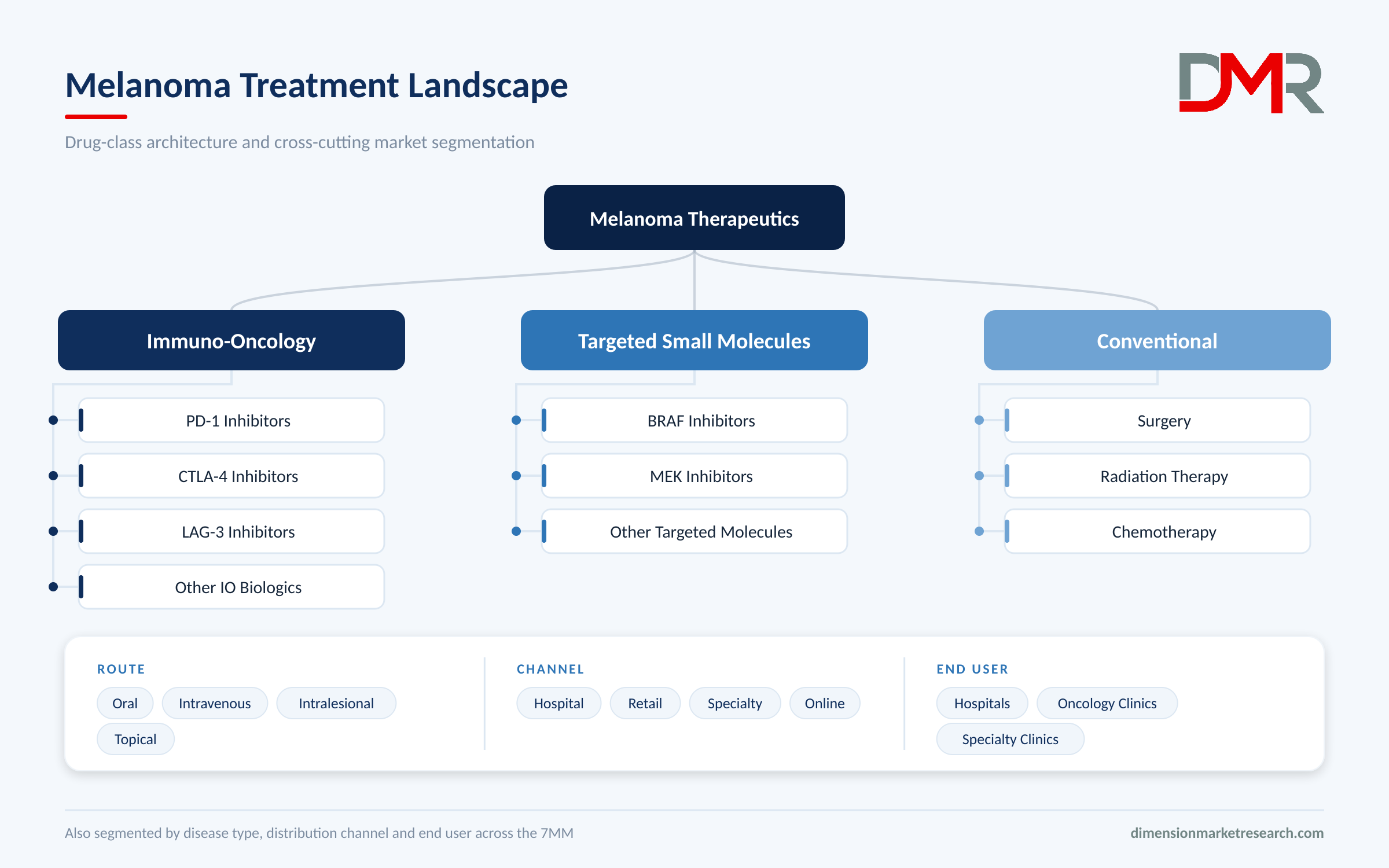
The melanoma market is segmented across drug class, biologic class, small-molecule class, conventional therapy, disease type, route of administration, distribution channel, and end user. The segmentation captures both established treatment categories and emerging therapeutic approaches.
ℹ
To learn more about this report –
Download Your Free Sample Report Here
By Drug Class
Biologics
Biologics represent a major segment of the melanoma market because of their high efficacy and established role in advanced and high-risk disease. These therapies selectively target immune pathways involved in tumor immune evasion and can produce durable responses in appropriately selected patients.
The biologic segment includes PD-1 inhibitors, CTLA-4 inhibitors, LAG-3-directed therapies, and other immune-based therapies. Increasing physician familiarity, clinical evidence, expanded treatment experience, and improvements in treatment sequencing continue to support biologic utilization.
Small Molecules
Small molecules represent an important segment because of the established role of molecularly targeted treatment in BRAF-mutant melanoma. Unlike injectable immunotherapies, oral targeted therapies can provide an alternative administration approach for patients with actionable molecular alterations.
The segment includes BRAF inhibitors, MEK inhibitors, and other targeted small molecules. Continued pipeline development and clinical differentiation could increase the role of small molecules in patients with BRAF or other actionable alterations who are suitable for targeted treatment.
Conventional Therapies
Conventional therapies continue to represent an important component of melanoma treatment, particularly among patients requiring surgery, radiation, local treatment, or systemic options in settings where advanced therapy access remains limited.
This category includes surgical excision, radiation therapy, chemotherapy, and other established local or systemic approaches. Although advanced therapies are gaining market share in eligible patients, conventional treatment remains important because of its established clinical use, accessibility, and role in localized or supportive disease management.
By Biologic Class
- PD-1 Inhibitors
- CTLA-4 Inhibitors
- LAG-3 Inhibitors
- Other Immuno-Oncology Biologics
PD-1 inhibitors are increasingly important because of their clinical efficacy, broad application across melanoma stages, and durable treatment responses. CTLA-4-directed therapy also maintains market relevance because of its established role in combination immunotherapy and selected advanced-disease treatment strategies.
By Small-Molecule Class
- BRAF Inhibitors
- MEK Inhibitors
- Other Targeted Small Molecules
The development and utilization of BRAF/MEK targeted combinations are particularly significant because these therapies provide a targeted approach to BRAF-mutant melanoma management. Established combinations include dabrafenib plus trametinib, vemurafenib plus cobimetinib, and encorafenib plus binimetinib.
By Conventional Therapy
- Surgery
- Radiation Therapy
- Chemotherapy
Surgical excision remains central to localized melanoma, while radiation therapy continues to provide treatment options for selected regional, metastatic, and palliative settings. Chemotherapy has a more limited role in the modern treatment landscape but remains relevant in selected patients requiring additional systemic treatment options.
By Disease Type
- Cutaneous melanoma
- Superficial spreading melanoma
- Nodular melanoma
- Acral lentiginous melanoma
- Mucosal melanoma
- Uveal melanoma
Cutaneous melanoma accounts for the largest portion of treatment demand because of its prevalence. Mucosal and uveal melanoma represent important adjacent treatment populations because of their distinctive biology, aggressive behavior, and continuing unmet therapeutic needs.
By Route of Administration
- Oral
- Intravenous
- Intralesional
- Topical
- Other Routes
Intravenous administration remains important within checkpoint inhibitor and cellular-treatment pathways, while oral administration is particularly relevant to targeted BRAF/MEK therapies. Intralesional administration remains important for selected injectable tumor-directed approaches, particularly in locally advanced cutaneous disease.
By Distribution Channel
- Hospital Pharmacies
- Retail Pharmacies
- Specialty Pharmacies
- Online Pharmacies
Distribution patterns vary by treatment type, country, reimbursement environment, and healthcare system. Specialty and hospital pharmacies are particularly relevant for high-cost oncology therapies and cellular or specialty treatments, while retail and online channels may have greater relevance for selected oral supportive and conventional treatments.
By End User
- Hospitals
- Oncology Clinics
- Specialty Clinics
- Ambulatory Care Centers
- Other Healthcare Facilities
Oncology clinics and specialty care facilities represent important treatment settings because melanoma management frequently requires specialist staging, biomarker assessment, treatment selection, immunotherapy administration, treatment monitoring, surgery, and long-term disease management.
Market Dynamics
Growth Drivers
Increasing Adoption of Advanced Therapies
Advanced therapies continue to be one of the strongest growth drivers in the melanoma market. Their ability to selectively interfere with immune checkpoints and oncogenic signaling pathways has significantly improved disease control for patients with high-risk, unresectable, and metastatic disease.
The growing use of checkpoint inhibitors and BRAF/MEK combinations is particularly important as physicians increasingly consider treatment durability, depth of response, survival, safety, and dosing convenience when selecting therapies. Expanded clinical experience and improved physician familiarity are also supporting adoption.
Advancement in Disease Biology-Based Drug Development
Advances in understanding the biological mechanisms underlying melanoma have created opportunities for more precise therapeutic intervention. Pharmaceutical companies are increasingly investing in therapies designed to selectively target immune checkpoints, MAPK signaling, tumor-infiltrating lymphocytes, tumor antigens, and other mechanisms rather than relying solely on conventional cytotoxic approaches.
Development activity is focused on novel immune targets, cellular therapies, oncolytic viruses, neoadjuvant immunotherapy, targeted combinations, biomarker-guided treatment, and potentially more personalized approaches to treatment selection. These developments are expected to increase therapeutic competition.
Increasing Healthcare Access in Emerging Markets
Improving healthcare infrastructure and rising healthcare expenditure are increasing access to melanoma diagnosis and oncology treatment in emerging markets. Expansion of specialist networks and greater cancer awareness are also helping identify patients who previously remained undiagnosed or untreated.
China and India are particularly important growth opportunities because of their large patient populations. Increased reimbursement, wider availability of advanced therapies, molecular testing, and development of cost-effective treatment options could accelerate market penetration.
Growing Recognition of Melanoma Clinical Burden
The increasing understanding of melanoma as a potentially aggressive and metastatic cancer is encouraging more comprehensive disease management. Recognition of recurrence risk, lymph-node involvement, distant metastases, and central nervous system disease can encourage earlier specialist diagnosis, risk stratification, treatment escalation, and continued monitoring.
This shift can increase treatment intensity and create demand for therapies capable of achieving broader and more sustained disease control.
Market Restraints
High Cost of Advanced Therapies
Immunotherapies, targeted therapies, cellular therapies, and other advanced treatments often carry substantially higher treatment costs than conventional therapies. High costs can create affordability challenges for patients and increase pressure on healthcare payers.
In emerging markets, limited reimbursement coverage and high out-of-pocket expenditure can restrict access to advanced treatment. Cost considerations may therefore continue to influence treatment selection and delay the adoption of innovative therapies.
Treatment Accessibility Gap
Unequal access to oncologists, dermatologists, specialty clinics, diagnostic services, molecular testing, and advanced medicines remains a major challenge. Rural and underserved populations may experience longer diagnostic delays and fewer treatment options.
Differences in healthcare infrastructure between regions can therefore result in significant variations in diagnosis, treatment penetration, and disease outcomes.
Variable Patient Response
Although advanced therapies have significantly improved melanoma management, treatment response is not uniform across patients. Some individuals may experience inadequate initial response, primary resistance, acquired resistance, immune-related toxicity, treatment intolerance, or treatment discontinuation.
The need to switch or sequence therapies can increase healthcare utilization and creates continuing demand for treatments offering durable and predictable disease control.
Competitive Landscape
The global melanoma market is characterized by intense competition among pharmaceutical and biotechnology companies with established immuno-oncology and targeted-therapy portfolios and emerging developers focused on differentiated mechanisms, cellular therapies, and treatment approaches.
Leading companies covered in the competitive assessment include:
- Bristol Myers Squibb
- Merck & Co.
- Novartis
- Roche
- Pfizer
- GlaxoSmithKline
- Regeneron Pharmaceuticals
- Amgen
- Iovance Biotherapeutics
- Replimune
Competition is increasingly focused on demonstrating superior or differentiated clinical outcomes rather than simply introducing additional therapies within existing drug classes. Companies are investing in novel immune mechanisms, improved dosing schedules, oral administration, treatment durability, cellular therapy, oncolytic viruses, safety profiles, and lifecycle expansion.
The competitive environment is also being influenced by pricing pressure, reimbursement restrictions, physician familiarity with established products, biomarker testing, treatment sequencing, and the increasing importance of combination approaches. Checkpoint inhibitors, BRAF/MEK combinations, TIL therapies, and oncolytic viral approaches are expected to remain important areas of competition.
Pipeline innovation is another major competitive factor. Companies with strong clinical-development capabilities and diversified oncology portfolios may be better positioned to respond to changing treatment preferences and emerging unmet needs.
Recent Developments
- August 2026 – Replimune advances vusolimogene oderparepvec development: Replimune received U.S. FDA accelerated approval for vusolimogene oderparepvec-wtpg (Tudriqev) in combination with nivolumab for adults with unresectable advanced cutaneous melanoma whose disease progressed following a PD-1-blocking antibody regimen. The approval was supported by objective response rate and duration-of-response data and represents an important expansion of treatment options for anti-PD-1-refractory melanoma.
- May 2026 – Merck advances pembrolizumab program: Merck received a positive CHMP opinion supporting extensions of Keytruda (pembrolizumab) indications, including treatment of adolescents and adults with advanced melanoma and adjuvant treatment of Stage IIB, IIC, or III melanoma following complete resection. The development reflects continued investment in checkpoint inhibition across earlier and advanced melanoma settings and supports the broader movement toward earlier use of immunotherapy in high-risk disease.
The competitive pipeline remains active beyond these developments. In 2026, the European Medicines Agency also evaluated Tacquell, an autologous melanoma-derived tumor-infiltrating lymphocyte therapy for advanced melanoma, although the agency ultimately recommended refusal of marketing authorization, highlighting both the opportunity and manufacturing/regulatory challenges associated with next-generation cellular therapies.
Report Coverage
The report provides comprehensive assessment of the melanoma market across the seven specified major markets. It integrates epidemiological analysis with commercial market assessment to provide a broader understanding of the current and future treatment landscape.
The study covers:
- Indication Covered
- Epidemiology Parameters
- Patient Segmentation
- Geographic Coverage
- Market Segmentation
- Units of Measurement
- Study Period
- Data Sources
- Companies Covered
- Report Deliverables
- Out of Scope
- Customization