Global Ophthalmic Disease Therapeutics Market Snapshot
- Global Ophthalmic Disease Therapeutics Market Size in 2026: USD 46.0 Billion
- Global Ophthalmic Disease Therapeutics Market Size in 2035: USD 84.6 Billion
- Global CAGR from 2026 to 2035: 7.0%
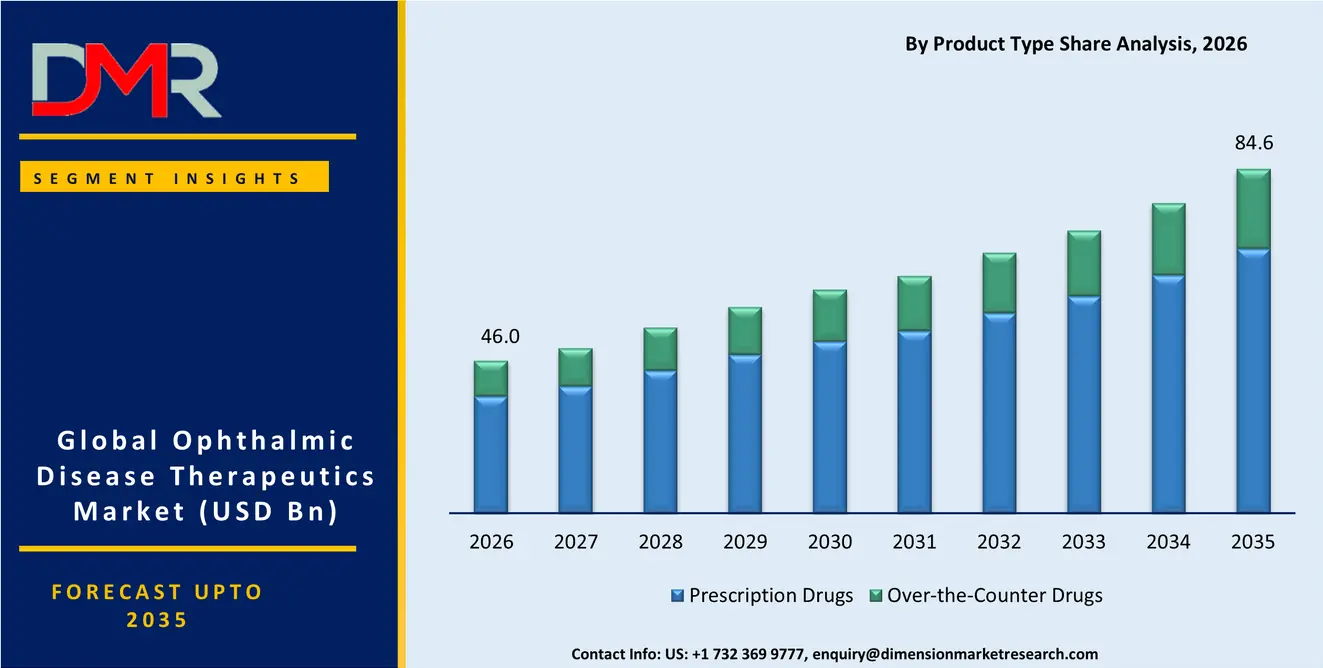
- Prescription Drugs is the leading product type segment in 2026: 58.9%
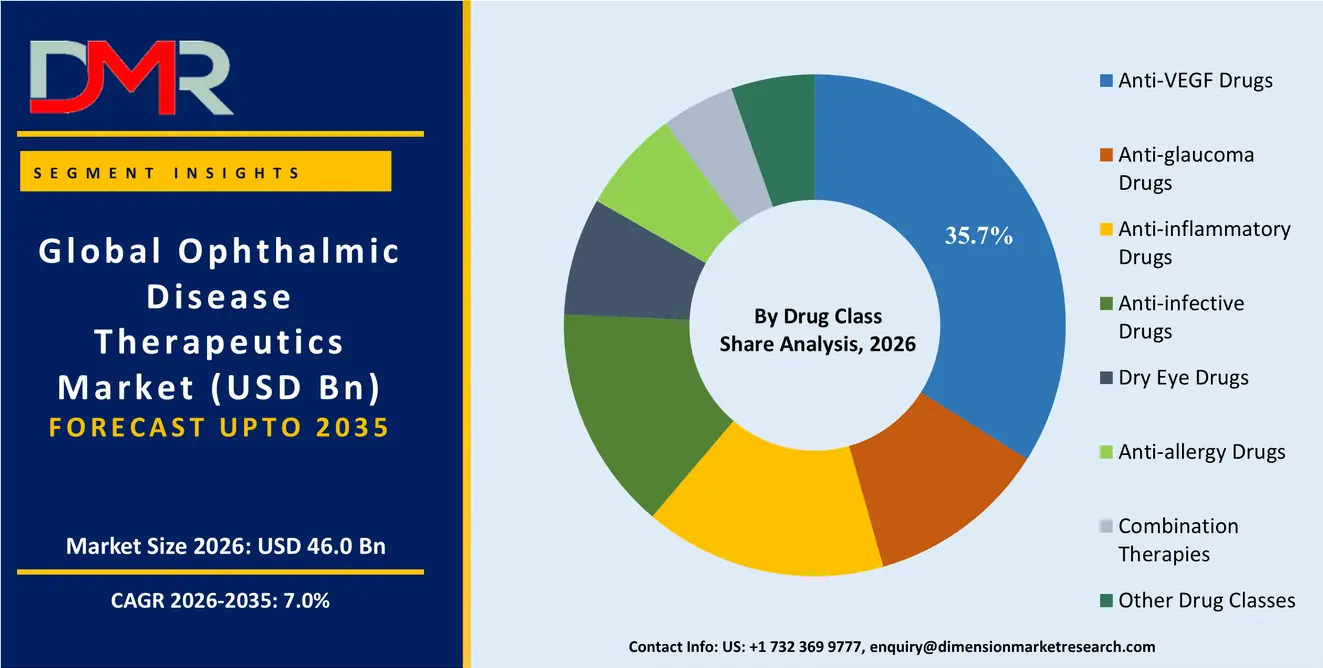
- Anti-VEGF Drugs is the leading drug class segment in 2026: 35.6%
- Topical is the leading route of administration segment in 2026: 58.4%
- Liquid is the leading dosage form segment in 2026: 55.7%
- Retinal Disorders is the leading disease indication segment in 2026: 37.5%
- Hospital Pharmacies is the leading distribution channel segment in 2026: 41.7%
- Hospitals is the leading end user segment in 2026: 45.3%
- North America is the leading region in 2026: 41.8%
What is the Global Ophthalmic Disease Therapeutics and its Market Size?
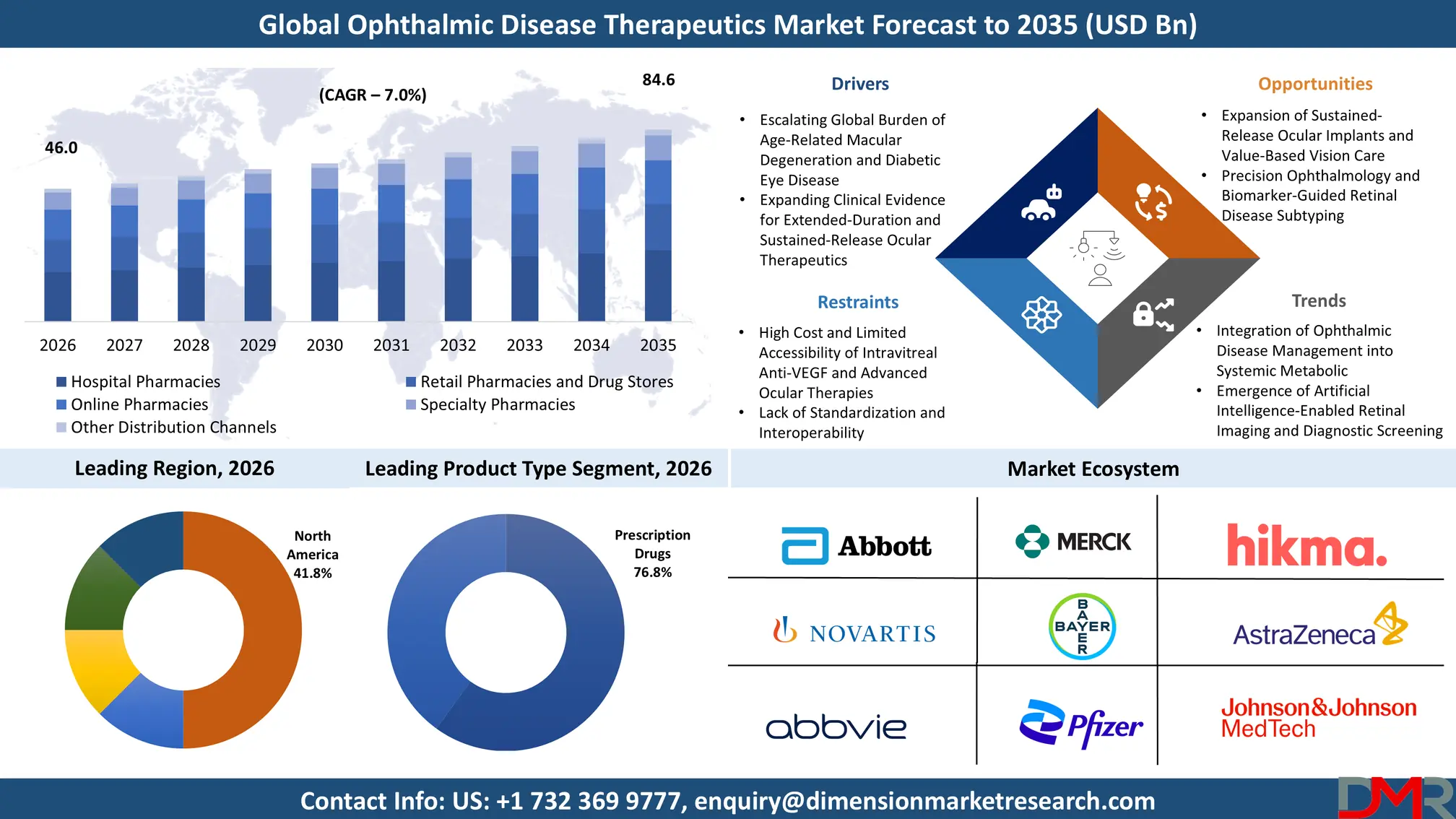
The Global Ophthalmic Disease Therapeutics Market is projected to be valued at USD 46.0 billion in 2026, which is further expected to reach USD 84.6 billion by 2035, expanding at a compound annual growth rate (CAGR) of 7.0% across the forecast period.
ℹ
To learn more about this report –
Download Your Free Sample Report Here
Growth is being propelled by the surging global prevalence of age-related macular degeneration, diabetic retinopathy, and glaucoma the leading causes of preventable vision loss, coupled with an aging demographic structure predisposed to progressive ocular degeneration. The widespread adoption of anti-VEGF intravitreal therapies with proven vision-preserving outcomes, rising clinical implementation of early glaucoma and diabetic eye screening in high-risk populations, and expanding reimbursement frameworks for sustained-release ocular implants are reshaping ophthalmic care paradigms. Investment is accelerating as health systems pivot from reactive, late-stage vision-loss management toward proactive, biomarker-driven early intervention and extended-duration drug delivery platforms designed to reduce injection burden and bend the cost curve of chronic ocular disease management.
Use Cases
- Early Diabetic Retinopathy and Macular Edema Detection and Risk Stratification: Primary care and endocrinology practices coordinate with ophthalmology clinics to deploy retinal imaging-guided screening in patients with type 2 diabetes at high risk of progressive diabetic macular edema and vision-threatening retinopathy.
- Optimized Anti-VEGF Therapy Management with Extended-Duration Dosing: Retina specialty clinics and hospital ophthalmology departments utilize long-acting intravitreal anti-VEGF formulations and sustained-release implants that reduce injection frequency while maintaining durable suppression of neovascularization in wet age-related macular degeneration.
- Glaucoma Adherence and Intraocular Pressure Surveillance: Ophthalmology clinics employ combination prostaglandin analog-beta blocker topical regimens, alongside sustained-release intracameral implants, to improve adherence and maintain consistent intraocular pressure control in patients with open-angle glaucoma.
- Dry Eye and Ocular Surface Disease Management in Aging and Homecare Populations: Homecare settings and specialty pharmacies support chronic dry eye disease patients with prescription anti-inflammatory eye drops and preservative-free lubricant formulations, addressing the rising burden of ocular surface disease among the elderly and contact lens-wearing populations.
Key Takeaways
- Market Size: The Global Ophthalmic Disease Therapeutics Market is anticipated to be valued at USD 46.0 billion in 2026 and is forecast to reach USD 84.6 billion by 2035, expanding at a CAGR of 7.0%.
- Growth Outlook: Market expansion is sustained by the inexorable rise in retinal disease and glaucoma prevalence, the global acceptance of anti-VEGF and sustained-release therapeutics, the push toward extended-duration ocular implants, and the integration of digital diagnostic tools for early detection and treatment monitoring.
- Primary Growth Drivers: A mounting population of patients with age-related macular degeneration and diabetic eye disease necessitating chronic intravitreal therapy, breakthrough clinical trial evidence for novel drug classes preserving vision, regulatory incentives for innovative ocular drug delivery platforms, and shifting payment models toward value-based ophthalmic care are accelerating investment across the ocular therapeutics continuum.
- By Product Type Analysis: Prescription Drugs is projected to lead the product type segment with a dominant 58.9% share in 2026, driven by the clinical necessity of physician-directed anti-VEGF, anti-glaucoma, and anti-inflammatory therapies for progressive sight-threatening conditions, while Over-the-Counter Drugs is expected to post the highest CAGR at 9.3% as consumer demand for dry eye relief and allergy eye drops grows.
- By Drug Class Analysis: Anti-VEGF Drugs is anticipated to hold a 35.6% share in 2026, reflecting their entrenched role as the standard of care for wet age-related macular degeneration and diabetic macular edema, while Dry Eye Drugs are projected to exhibit the highest CAGR at 10.7% due to rising screen-time-related ocular surface disease and an expanding prescription pipeline.
- By Route of Administration Analysis: Topical is expected to command a 58.4% share in 2026, underpinned by the dominance of eye drop-based glaucoma, anti-inflammatory, and anti-infective therapies, with Implants and Inserts achieving the fastest growth at 11.8% CAGR as sustained-release drug delivery adoption accelerates.
- By Dosage Form Analysis: Liquid formulations are poised to lead with a 55.7% share in 2026, underpinned by the ubiquity of eye drops, solutions, and suspensions across nearly every ocular disease category, with Implants and Inserts achieving the fastest growth at 12.4% CAGR as extended-release intravitreal and intracameral technologies mature.
- By Disease Indication Analysis: Retinal Disorders is projected to account for 37.5% of the market in 2026, fueled by the rising global burden of age-related macular degeneration, diabetic retinopathy, and retinal vein occlusion, while Ocular Infections and Inflammation is the fastest-expanding indication at 9.6% CAGR driven by growing conjunctivitis, uveitis, and keratitis treatment demand.
- By Distribution Channel Analysis: Hospital Pharmacies are expected to lead with a 41.7% share in 2026 as the primary dispensing channel for physician-administered intravitreal injections and post-surgical ophthalmic regimens, while Online Pharmacies represent the fastest-growing distribution segment at 12.8% CAGR due to rising e-pharmacy adoption for chronic ocular medication refills.
- By End User Analysis: Hospitals are expected to lead with a 45.3% share in 2026 as the central hub for intravitreal injection administration, cataract and retinal surgery, and complex ophthalmic case management, while Homecare Settings represent the fastest-growing end-user segment at 9.4% CAGR due to rising self-administered topical therapy adherence support and aging-in-place eye care trends.
How AI/Gen AI is Transforming the Ophthalmic Disease Therapeutics Market?
Artificial intelligence and digital health technologies are fundamentally reshaping ophthalmic disease management by enabling earlier detection, personalized treatment response prediction, and remote disease monitoring. Machine learning algorithms trained on large-scale retinal imaging and optical coherence tomography datasets dynamically estimate individual patient trajectories of diabetic retinopathy progression and predict anti-VEGF treatment response with high discrimination. These predictive models are being embedded into clinical workflow tools that flag primary care and diabetic patients with silent retinal disease and prompt guideline-concordant ophthalmology referral, closing critical gaps in early detection. AI-powered image analysis of fundus photographs and OCT scans quantifies retinal thickness, drusen burden, and neovascular activity as surrogates of disease severity, supplementing clinical examination for a more comprehensive staging and treatment-planning assessment.
Key Drivers in the Global Ophthalmic Disease Therapeutics Market
Escalating Global Burden of Age-Related Macular Degeneration and Diabetic Eye Disease
Age-related macular degeneration and diabetic retinopathy remain the dominant etiological forces behind irreversible vision loss, together accounting for a substantial share of global blindness and moderate-to-severe visual impairment cases. The unabated rise in life expectancy, obesity, and diabetes prevalence is expanding the pool of individuals with progressive retinal degeneration and diabetic macular edema. As the global prevalence of diabetes and the aging population continue to climb, the downstream demand for ophthalmic diagnostics, anti-VEGF pharmacotherapy, and sustained-release drug delivery intensifies commensurately. National screening programs targeting at-risk diabetic and elderly populations with routine retinal imaging and intraocular pressure testing are increasingly mandated by clinical guidelines, directly fueling the utilization of anti-VEGF and anti-glaucoma therapeutics, the twin pillars of market growth.
Expanding Clinical Evidence for Extended-Duration and Sustained-Release Ocular Therapeutics
Landmark clinical trials over the past decade have repositioned longer-acting anti-VEGF agents, port delivery systems, and sustained-release intracameral and intravitreal implants as cornerstone therapies that reduce treatment burden while preserving durable disease control independent of frequent office visits. The robust visual acuity and treatment-interval benefits demonstrated in major retinal and glaucoma outcome trials have triggered major updates to ophthalmology clinical practice guidelines, expanding the eligible treatment population to include earlier disease stages and broader maintenance therapy use. This evidence-driven therapeutic paradigm shift is generating sustained, high-volume demand for these drug classes, elevating the prescription drug segment's market dominance and propelling double-digit growth for implants, inserts, and dry eye therapeutics.
Restraints in the Global Ophthalmic Disease Therapeutics Market
High Cost and Limited Accessibility of Intravitreal Anti-VEGF and Advanced Ocular Therapies
Despite being vision-sustaining, chronic intravitreal anti-VEGF therapy and advanced sustained-release implants impose significant financial burdens on patients and health systems, particularly in low- and middle-income countries where out-of-pocket expenditure limits access to regular treatment. Repeated intravitreal injection regimens require specialized ophthalmologist administration, sterile procedural infrastructure, and frequent monitoring visits, limiting reach in rural and underserved regions. Even in high-income nations, annual anti-VEGF treatment costs per patient frequently reach into the tens of thousands of dollars, creating unsustainable pressure on public and private payers.
Growth Opportunities in the Global Ophthalmic Disease Therapeutics Market
Expansion of Sustained-Release Ocular Implants and Value-Based Vision Care
The global shift toward sustained-release intravitreal and intracameral implants represents a high-growth opportunity for pharmaceutical manufacturers, drug delivery technology developers, and specialty ophthalmic service providers. Health systems are incentivizing extended-duration therapies through value-based payment models that reward reduced injection frequency, fewer office visits, and improved treatment adherence and quality-of-life metrics. This creates a fertile market for biodegradable and non-biodegradable ocular implants, refillable port delivery systems, and connected adherence-monitoring services. Companies that integrate extended-release formulation science, predictive analytics for disease recurrence risk, and telehealth-enabled monitoring into a cohesive chronic ocular care ecosystem can capture a disproportionate share of the rapidly growing implants and inserts segment.
Precision Ophthalmology and Biomarker-Guided Retinal Disease Subtyping
Emerging genetic and molecular biomarkers, including complement pathway variants and inflammatory cytokine profiles, are enabling precise risk stratification beyond conventional clinical staging in age-related macular degeneration and uveitis. This paves the way for a precision ophthalmology market where therapies are matched to specific disease endotypes rather than generic disease categories. Diagnostic and pharmaceutical companies that develop and commercialize validated, reimbursable biomarker-guided treatment selection tools capable of predicting individual anti-VEGF responsiveness and disease recurrence risk will unlock a premium-priced therapeutics market. Concurrently, firms are pursuing label expansions for targeted biologics and gene therapies in genetically defined retinal disease subsets, creating high-value niche markets.
Trends in the Global Ophthalmic Disease Therapeutics Market
Integration of Ophthalmic Disease Management into Systemic Metabolic and Cardiovascular Care Platforms
A defining trend is the dissolution of silos between ophthalmology, endocrinology, and primary care, driven by the shared pathobiology linking diabetic retinopathy, diabetic macular edema, and systemic cardiovascular-metabolic risk. Clinical practice is consolidating around holistic risk management that simultaneously addresses ocular health, glycemic control, and cardiovascular risk in diabetic patients. This convergence is expanding coordinated screening and referral pathways between primary care and retina specialty clinics and fostering the development of integrated care platforms that track systemic and ocular disease parameters on a single dashboard. The market implications include broader diagnostic screening across specialties, increased retinal monitoring frequency, and the rise of diabetes-eye-care-focused digital health applications.
Emergence of Artificial Intelligence-Enabled Retinal Imaging and Diagnostic Screening
Digital retinal imaging augmented by deep learning algorithms is transforming the detection and grading of diabetic retinopathy, age-related macular degeneration, and glaucomatous optic nerve damage. AI models trained on annotated fundus photographs and OCT scans can now quantify drusen burden, macular thickness, and retinal nerve fiber layer loss with specialist-level accuracy. This trend is commercializing as cloud-based AI screening services that primary care networks and optometry practices adopt to standardize referral triage, reduce missed diagnoses, and enrich early-intervention treatment pathways with objectively characterized patients. The increasing use of AI-based retinal screening in population health programs particularly for diabetic retinopathy and glaucoma screening requiring consistent, scalable grading is creating a new adjacency market at the intersection of diagnostics and ophthalmic pharmaceuticals.
Research Scope and Analysis
The Global Ophthalmic Disease Therapeutics Market is segmented by product type, drug class, route of administration, dosage form, disease indication, distribution channel, and end user. Product type includes prescription and over-the-counter drugs. Drug class covers anti-glaucoma, anti-VEGF, anti-inflammatory, anti-infective, dry eye, anti-allergy, and combination therapies. End users include hospitals, ophthalmology clinics, diagnostic centers, and homecare settings.
ℹ
To learn more about this report –
Download Your Free Sample Report Here
By Product Type Analysis
Prescription Drugs are projected to dominate the Global Ophthalmic Disease Therapeutics Market with 76.8% market share. Their leadership is driven by widespread use in glaucoma, retinal disorders, ocular infections, inflammation, and chronic dry eye conditions requiring physician supervision. Anti-VEGF biologics, anti-glaucoma agents, corticosteroids, antibiotics, and advanced therapies contribute significantly to prescription demand. Rising diagnosis of chronic eye diseases, aging populations, and improved access to ophthalmology services further support growth. Meanwhile, Over-the-Counter Drugs are expected to register the highest CAGR of 7.8%, supported by growing self-care, artificial tear consumption, allergy treatments, and increasing consumer awareness of eye health.
ℹ
To learn more about this report –
Download Your Free Sample Report Here
By Drug Class Analysis
Anti-VEGF Drugs are expected to dominate the Global Ophthalmic Disease Therapeutics Market with 35.7% market share. Their leadership is supported by extensive application in wet age-related macular degeneration, diabetic macular edema, diabetic retinopathy, and retinal vein occlusion. Increasing retinal disease prevalence, aging populations, improved diagnosis, and expanding treatment accessibility continue to strengthen demand. Development of longer-lasting biologics with extended dosing intervals is further improving treatment convenience and adoption. Meanwhile, Dry Eye Drugs are projected to register the highest CAGR of 10.2%, supported by increasing digital screen exposure, aging populations, environmental factors, greater disease awareness, and development of innovative therapies for chronic dry eye conditions.
By Route of Administration Analysis
Topical administration is projected to dominate the Global Ophthalmic Disease Therapeutics Market with 51.6% market share. Eye drops, solutions, suspensions, gels, and ointments are widely used for glaucoma, dry eye disease, ocular allergies, infections, and inflammatory conditions. Convenient administration, localized drug delivery, extensive product availability, and suitability for long-term treatment strengthen the segment's leadership. Advances in formulation technologies are also improving ocular retention, penetration, bioavailability, and patient adherence. Meanwhile, Implants and Inserts are expected to register the highest CAGR of 11.4%, driven by increasing adoption of sustained-release delivery technologies, longer therapeutic duration, reduced dosing frequency, improved treatment adherence, and innovation in ocular drug-delivery platforms.
By Dosage Form Analysis
Liquid dosage forms are expected to dominate the Global Ophthalmic Disease Therapeutics Market with 57.3% market share. Solutions, suspensions, and eye drops are extensively utilized for glaucoma, dry eye, allergic conjunctivitis, ocular infections, and inflammatory eye diseases. Their convenient administration, rapid localized delivery, broad availability, patient familiarity, and presence across prescription and OTC categories support market leadership. Advances in formulation technologies are improving stability, bioavailability, ocular residence time, and therapeutic performance. Meanwhile, Implants and Inserts are projected to register the highest CAGR of 12.1%, supported by sustained-release technologies, longer treatment duration, fewer administrations, improved adherence, and increasing development of advanced ophthalmic drug-delivery solutions.
By Disease Indication Analysis
Retinal Disorders are projected to dominate the Global Ophthalmic Disease Therapeutics Market with 34.6% market share. Age-related macular degeneration, diabetic macular edema, diabetic retinopathy, and retinal vein occlusion generate substantial demand for anti-VEGF biologics and other advanced ophthalmic therapies. Aging populations, rising diabetes prevalence, improved retinal screening, earlier diagnosis, and expanding availability of intravitreal treatments strengthen segment growth. Continued innovation in retinal therapeutics further supports market leadership. Meanwhile, Ocular Infections and Inflammation are expected to register the highest CAGR of 12.7%, driven by increasing ophthalmic procedures, infectious eye conditions, inflammatory disorders, improved diagnosis, and development of targeted anti-inflammatory and anti-infective therapeutic products.
By Distribution Channel Analysis
Hospital Pharmacies are expected to dominate the Global Ophthalmic Disease Therapeutics Market with 42.8% market share. Their leadership is supported by substantial dispensing of prescription therapies, including anti-VEGF biologics, injectable drugs, corticosteroids, anti-infectives, and medications associated with ophthalmic procedures. Hospitals manage patients with advanced retinal diseases, glaucoma, severe infections, ocular inflammation, and postoperative complications, creating consistent pharmaceutical demand. Strong integration with ophthalmologists and specialist treatment pathways further supports utilization. Meanwhile, Online Pharmacies are projected to register the highest CAGR of 13.6%, driven by expanding digital pharmacy platforms, home delivery services, improved accessibility, repeat prescriptions, and growing consumer preference for convenient purchasing of chronic ophthalmic medications.
By End User Analysis
Hospitals are projected to dominate the Global Ophthalmic Disease Therapeutics Market with 46.4% market share. Their leadership is supported by high patient volumes, ophthalmology specialists, advanced retinal treatment infrastructure, surgical capabilities, and administration of injectable and prescription therapies. Hospitals manage complex glaucoma, retinal diseases, ocular infections, inflammation, cataract-related treatment, and emergency eye conditions, generating sustained pharmaceutical demand. Access to advanced diagnostic technologies and multidisciplinary care further strengthens their position. Meanwhile, Homecare Settings are expected to register the highest CAGR of 9.8%, supported by increasing topical medication use, chronic disease self-management, aging populations, remote follow-up services, home delivery, and preference for treatment outside institutional healthcare facilities.
The Global Ophthalmic Disease Therapeutics Market Report is segmented based on the following:
By Product Type
- Prescription Drugs
- Over-the-Counter Drugs
By Drug Class
- Anti-VEGF Drugs
- Anti-glaucoma Drugs
- Beta Blockers
- Prostaglandin Analogs
- Alpha Adrenergic Agonists
- Carbonic Anhydrase Inhibitors
- Anti-inflammatory Drugs
- Corticosteroids
- Non-steroidal Anti-inflammatory Drugs
- Anti-infective Drugs
- Antibiotics
- Antivirals
- Antifungals
- Dry Eye Drugs
- Anti-allergy Drugs
- Combination Therapies
- Other Drug Classes
By Route of Administration
- Topical
- Oral
- Intravitreal
- Implants and Inserts
- Other Routes
By Dosage Form
- Liquid
- Solutions
- Suspensions
- Eye Drops
- Semisolid
- Solid
- Implants and Inserts
- Other Dosage Forms
By Disease Indication
- Glaucoma
- Open-angle Glaucoma
- Angle-closure Glaucoma
- Retinal Disorders
- Age-related Macular Degeneration
- Diabetic Macular Edema
- Diabetic Retinopathy
- Retinal Vein Occlusion
- Dry Eye Disease
- Ocular Allergy
- Ocular Infections and Inflammation
- Conjunctivitis
- Uveitis
- Keratitis
- Cataract
- Other Disease Indications
By Distribution Channel
- Hospital Pharmacies
- Retail Pharmacies and Drug Stores
- Online Pharmacies
- Specialty Pharmacies
- Other Distribution Channels
By End User
- Hospitals
- Ophthalmology Clinics
- Diagnostic Centers
- Homecare Settings
- Other End Users
By Disease Indication
- Glaucoma
- Open-angle Glaucoma
- Angle-closure Glaucoma
- Retinal Disorders
- Age-related Macular Degeneration
- Diabetic Macular Edema
- Diabetic Retinopathy
- Retinal Vein Occlusion
- Dry Eye Disease
- Ocular Allergy
- Ocular Infections and Inflammation
- Conjunctivitis
- Uveitis
- Keratitis
- Cataract
- Other Disease Indications
By Distribution Channel
- Hospital Pharmacies
- Retail Pharmacies and Drug Stores
- Online Pharmacies
- Specialty Pharmacies
- Other Distribution Channels
By End User
- Hospitals
- Ophthalmology Clinics
- Diagnostic Centers
- Homecare Settings
- Other End Users
Regional Analysis
North America is the Leading Region in the Global Ophthalmic Disease Therapeutics Market
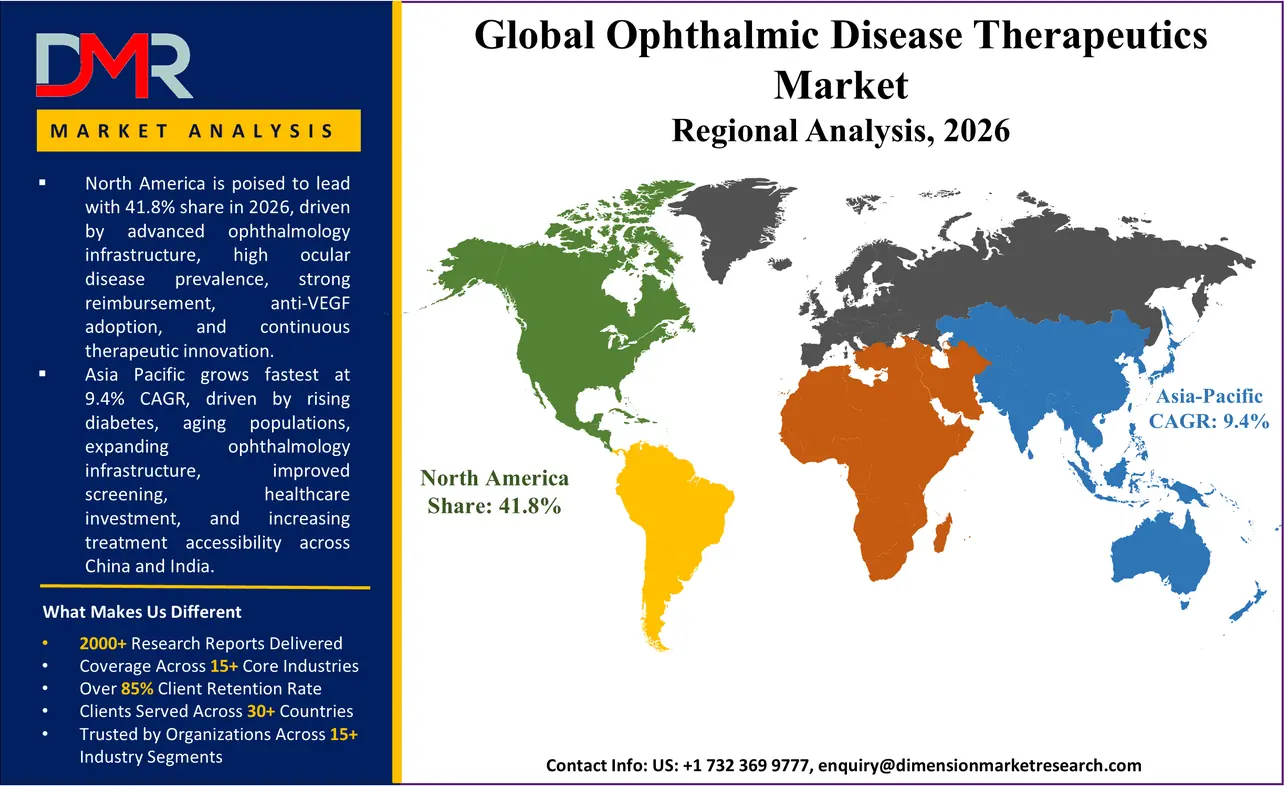
North America is poised to lead the Global Ophthalmic Disease Therapeutics Market with an estimated 41.8% revenue share in 2026. The region's dominance is anchored by a high prevalence of age-related macular degeneration and diabetic eye disease, a mature and well-reimbursed retina specialty care infrastructure, and the world's highest per-capita expenditure on anti-VEGF and advanced ocular pharmaceuticals. The United States, in particular, is characterized by early and broad adoption of extended-duration anti-VEGF agents and sustained-release implants, robust commercial and public insurance coverage for intravitreal therapy, and a dynamic ophthalmic innovation ecosystem supported by expanding FDA approvals.
ℹ
To learn more about this report –
Download Your Free Sample Report Here
Asia Pacific is the Fastest-Growing Region in the Global Ophthalmic Disease Therapeutics Market
Asia Pacific is projected to register the fastest CAGR of 9.4% through 2035, driven by the region's enormous and rapidly expanding population of individuals with diabetes and age-related ocular disease, particularly in China and India, which together account for a substantial share of the global diabetic and elderly population. Economic development is enabling massive investments in ophthalmology infrastructure, with both public and private providers rapidly expanding retina specialty and glaucoma care capacity to meet previously unmet demand. Additionally, governments are implementing national diabetic retinopathy and glaucoma screening programs that are boosting diagnosis rates and pharmacotherapy initiation.
The Europe Ophthalmic Disease Therapeutics Market
Europe represents one of the largest regional markets, characterized by universal healthcare coverage models that provide comprehensive ophthalmic diagnostic and treatment access, though with significant cross-national variation in anti-VEGF reimbursement and sustained-release implant adoption. Germany holds the largest European market share, driven by its large ophthalmology specialist workforce, high retina treatment capacity, and broad reimbursement for innovative ocular pharmaceuticals. The European Society of Retina Specialists' advocacy for early detection and the growing adoption of standardized treatment guidelines are gradually improving ophthalmic disease awareness and diagnosis rates.
Latin America Ophthalmic Disease Therapeutics Market
The Latin America Ophthalmic Disease Therapeutics Market is expanding as a dual burden of diabetic retinopathy and a high prevalence of age-related cataract and glaucoma drives ophthalmic treatment demand upward. Brazil and Mexico are the primary national markets, with Brazil's public health system (SUS) funding an expanding retina specialty treatment population in the region. Mexico's high diabetes prevalence and growing private ophthalmology center investment fuel market expansion.
Middle East and Africa Ophthalmic Disease Therapeutics Market
The Middle East and Africa Ophthalmic Disease Therapeutics Market is developing against a backdrop of soaring diabetes prevalence in Gulf Cooperation Council (GCC) countries and a substantial burden of preventable ocular infections and inflammation across sub-Saharan Africa. Saudi Arabia and the United Arab Emirates are the most attractive markets, with high government healthcare spending, expansive ophthalmology infrastructure, and active national vision health initiatives driven by public health foundations.
Major Countries Analysis
The US Ophthalmic Disease Therapeutics Market
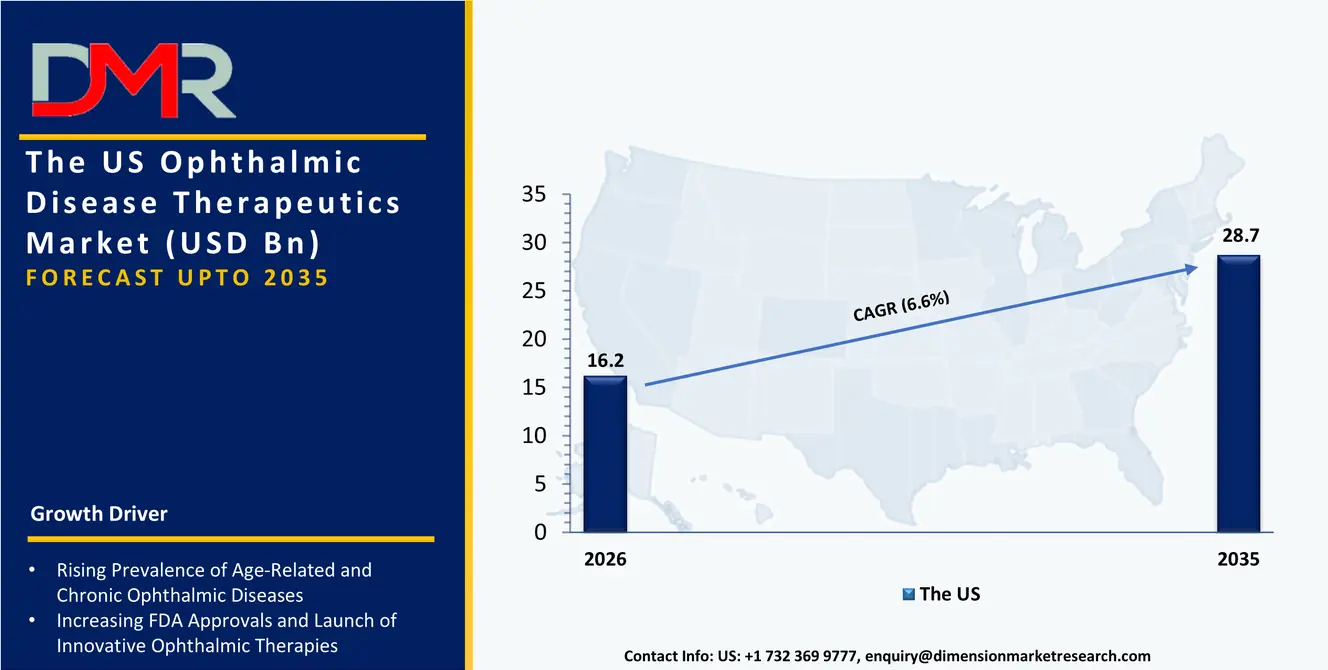
The United States Ophthalmic Disease Therapeutics Market is projected to be valued at USD 16.2billion in 2026 and is expected to reach USD 28.7 billion by 2035, registering a CAGR of 6.6% from 2026 to 2035. This robust trajectory reflects the U.S.'s position as the highest-value single-country ophthalmic therapeutics market globally, underpinned by an estimated tens of millions of adults with age-related macular degeneration, diabetic retinopathy, and glaucoma. Growth is fueled by the transformative impact of expanding FDA approvals for extended-duration anti-VEGF agents, which have restructured treatment paradigms to favor reduced injection frequency, and by the rapid formulary adoption of sustained-release ocular implants.
ℹ
To learn more about this report –
Download Your Free Sample Report Here
Japan Ophthalmic Disease Therapeutics Market
Japan possesses one of the world's highest prevalences of age-related ocular disease, a consequence of its super-aged society and high diabetes burden, sustained by a near-universal retina and glaucoma specialty care infrastructure. The market is distinguished by sophisticated ophthalmology care, high utilization of anti-VEGF therapy relative to other Asian nations, and early regulatory approval of novel ocular therapeutics. The Japanese Ophthalmological Society's influential clinical practice guidelines and the national health checkup program support sustained diagnosis and treatment initiation rates.
Saudi Arabia Ophthalmic Disease Therapeutics Market
Market expansion is directly tied to the Kingdom's high prevalence of diabetes, obesity, and age-related ocular disease, which together drive a rapid increase in diabetic retinopathy and glaucoma incidence. The Saudi Ministry of Health funds extensive ophthalmology services for citizens, supported by a growing network of specialty eye hospitals. Vision 2030's healthcare transformation agenda, which emphasizes public-private partnerships and digital health, is opening significant opportunities for international ophthalmic pharmaceutical providers, sustained-release implant technology vendors, and AI-driven retinal screening platforms.
Regulatory Landscape
The regulatory landscape for ophthalmic therapeutics is shaped by agencies that balance accelerated access for sight-threatening conditions with rigorous evidence requirements. In the United States, the FDA's Center for Drug Evaluation and Research has demonstrated receptivity to novel ocular endpoints, granting Breakthrough Therapy and Priority Review designations to multiple anti-VEGF agents and sustained-release implants based on visual acuity gains and extended treatment-interval durability as key evidentiary endpoints.
Epidemiology Analysis
The Ophthalmic Disease Therapeutics Market Adoption section assesses historical and forecast treatment burden across the markets covered in the study. It evaluates diagnosed patients, treated populations, and pharmacotherapy utilization, including anti-VEGF, anti-glaucoma, and sustained-release implant therapy.
- The United States has a substantial population of adults living with age-related macular degeneration, diabetic retinopathy, and glaucoma, sustaining one of the world's largest anti-VEGF and anti-glaucoma treatment bases.
- China and India represent the largest national patient pools for diabetic retinopathy globally, driven by their expanding diabetic populations and rising life expectancy.
- Globally, a substantial and growing share of adults aged 50 years and older are affected by at least one major chronic ophthalmic condition, underpinning sustained long-term therapeutics demand.
- Japan has a substantial ophthalmic disease burden, with a high prevalence of age-related macular degeneration and glaucoma among its elderly population, supporting one of the world's most mature retina specialty treatment markets.
- Globally, a growing number of patients are receiving chronic intravitreal anti-VEGF therapy, reflecting sustained expansion of the treated population as diagnostic screening rates improve.
By Region
North America
Europe
- Germany
- France
- The U.K.
- Italy
- Spain
- Rest of Europe
Asia-Pacific
- China
- Japan
- India
- Australia
- South Korea
- Rest of APAC
Latin America
- Mexico
- Brazil
- Rest of LATAM
Middle East & Africa
- Saudi Arabia
- The UAE
- South Africa
- Rest of MEA
Competitive Landscape
The Global Ophthalmic Disease Therapeutics Market features a diverse competitive landscape spanning multinational pharmaceutical giants, dedicated ophthalmic specialty firms, sustained-release drug delivery innovators, and emerging biotechnology companies. Roche Holding AG (Genentech) and Regeneron Pharmaceuticals dominate the anti-VEGF therapeutics market through their leading intravitreal agents for wet age-related macular degeneration and diabetic macular edema. Novartis AG and Bausch + Lomb are leading providers of ophthalmic pharmaceuticals and sustained-release implant technologies, competing on treatment durability, formulation innovation, and expanding disease indication coverage.
Some of the prominent players in the Global Ophthalmic Disease Therapeutics Market are:
- AbbVie Inc.
- Alcon Inc.
- Bausch + Lomb Corporation
- Novartis AG
- F. Hoffmann-La Roche Ltd.
- Regeneron Pharmaceuticals, Inc.
- Pfizer Inc.
- Bayer AG
- Santen Pharmaceutical Co., Ltd.
- Merck & Co., Inc.
- Sun Pharmaceutical Industries Ltd.
- Teva Pharmaceutical Industries Ltd.
- Johnson & Johnson
- Otsuka Pharmaceutical Co., Ltd.
- Viatris Inc.
- Nicox S.A.
- Senju Pharmaceutical Co., Ltd.
- Laboratoires Théa
- Dompé farmaceutici S.p.A.
- Aurobindo Pharma Ltd.
- GlaxoSmithKline plc
- Coherus BioSciences, Inc.
- Apellis Pharmaceuticals, Inc.
- Astellas Pharma Inc.
- Amgen Inc.
- Biogen Inc.
- Harrow, Inc.
- Amneal Pharmaceuticals, Inc.
- ANI Pharmaceuticals, Inc.
- EyePoint Pharmaceuticals, Inc.
- Ocular Therapeutix, Inc.
- Outlook Therapeutics, Inc.
- Kodiak Sciences Inc.
- Kowa Company, Ltd.
- Lupin Limited
- Cipla Limited
- Dr. Reddy’s Laboratories Ltd.
- Zydus Lifesciences Limited
- Hikma Pharmaceuticals PLC
- ViGeneron GmbH
- Other Key Players
Recent Developments
- June 2026: Regeneron announced expanded regulatory approval for a higher-dose formulation of its leading anti-VEGF agent, enabling extended treatment intervals for patients with wet age-related macular degeneration and diabetic macular edema.
- April 2026: Apellis Pharmaceuticals reported positive long-term outcomes data for its complement inhibitor therapy targeting geographic atrophy secondary to age-related macular degeneration, reinforcing its position in the retinal disease treatment landscape.
- February 2026: EyePoint Pharmaceuticals received expanded FDA approval for its sustained-release intravitreal implant, broadening its indication to include diabetic macular edema alongside wet age-related macular degeneration.
- November 2025: Glaukos received FDA approval for a next-generation sustained-release intracameral implant for open-angle glaucoma, expanding treatment options for reducing daily topical drop dependence.
Report Details
| Report Characteristics |
| Market Size (2026) |
USD 46.0 Bn |
| Forecast Value (2035) |
USD 84.6 Bn |
| CAGR (2026–2035) |
7.0% |
| The US Market Size (2026) |
USD 16.2 Bn |
| Historical Data |
2021 – 2025 |
| Forecast Data |
2027 – 2035 |
| Base Year |
2025 |
| Estimate Year |
2026 |
| Segments Covered |
By Product Type, By Drug Class, By Route of Administration, By Dosage Form, By Disease Indication, By Distribution Channel, and By End User |
| Regional Coverage |
North America – The US and Canada; Europe – Germany, France, The UK, Italy, Spain, Rest of Europe; Asia-Pacific – China, Japan, India, Australia, South Korea, Rest of APAC; Latin America – Mexico, Brazil, Colombia, Argentina, Rest of LATAM; Middle East & Africa – Saudi Arabia, The UAE, South Africa, Rest of MEA |
Frequently Asked Questions
How big is the Global Ophthalmic Disease Therapeutics Market?
▾ The Global Ophthalmic Disease Therapeutics Market is valued at USD 43.0 billion in 2025 and is projected to reach USD 84.6 billion by 2035, reflecting strong global demand for anti-VEGF therapy, anti-glaucoma medications, and sustained-release ocular drug delivery.
What is the CAGR of the Global Ophthalmic Disease Therapeutics Market from 2026 to 2035?
▾ The market is projected to expand at a compound annual growth rate (CAGR) of 7.0% between 2026 and 2035, supported by sustained investment in anti-VEGF and sustained-release drug classes, expanding retina specialty care access, and increasing diagnosis rates.
What factors are driving the growth of the Global Ophthalmic Disease Therapeutics Market?
▾ Growth is driven by the escalating prevalence of age-related macular degeneration and diabetic eye disease, landmark clinical trials expanding the eligible population for extended-duration anti-VEGF agents, aging populations, government initiatives promoting early retinal and glaucoma screening, and the integration of AI-enabled diagnostic imaging tools.
What are the major trends in the Global Ophthalmic Disease Therapeutics Market?
▾ Major trends include the convergence of ophthalmic and systemic metabolic care, the shift toward sustained-release intravitreal and intracameral implants, AI-driven retinal imaging screening, precision ophthalmology in retinal disease, and the use of extended treatment intervals as a key differentiator accelerating drug approvals.
Which region held the largest share of the Global Ophthalmic Disease Therapeutics Market in 2026?
▾ North America is expected to lead the global market with a 41.8% share in 2026, supported by high disease awareness, early adoption of novel anti-VEGF therapeutics, a well-funded retina specialty care ecosystem, and value-based care policy experimentation.
Which region is expected to grow the fastest in the Global Ophthalmic Disease Therapeutics Market?
▾ Asia Pacific is expected to record the fastest growth at a 9.4% CAGR through 2035, driven by its massive diabetic and aging population, rapid expansion of ophthalmology infrastructure, and government-led screening programs.
Who are the key players in the Global Ophthalmic Disease Therapeutics Market?
▾ Key market participants include Roche Holding, Regeneron Pharmaceuticals, Novartis, Bausch + Lomb, AbbVie, Alcon, Bayer, Santen Pharmaceutical, Apellis Pharmaceuticals, and Glaukos, among other pharmaceutical, drug delivery, and ophthalmic diagnostics firms.
How is the Global Ophthalmic Disease Therapeutics Market segmented?
▾ The market is segmented by product type, drug class, route of administration, dosage form, disease indication, distribution channel, and end user, with regional analysis covering North America, Europe, Asia Pacific, Latin America, and the Middle East and Africa.