What is the Ovulation Testing Kits Market Size?
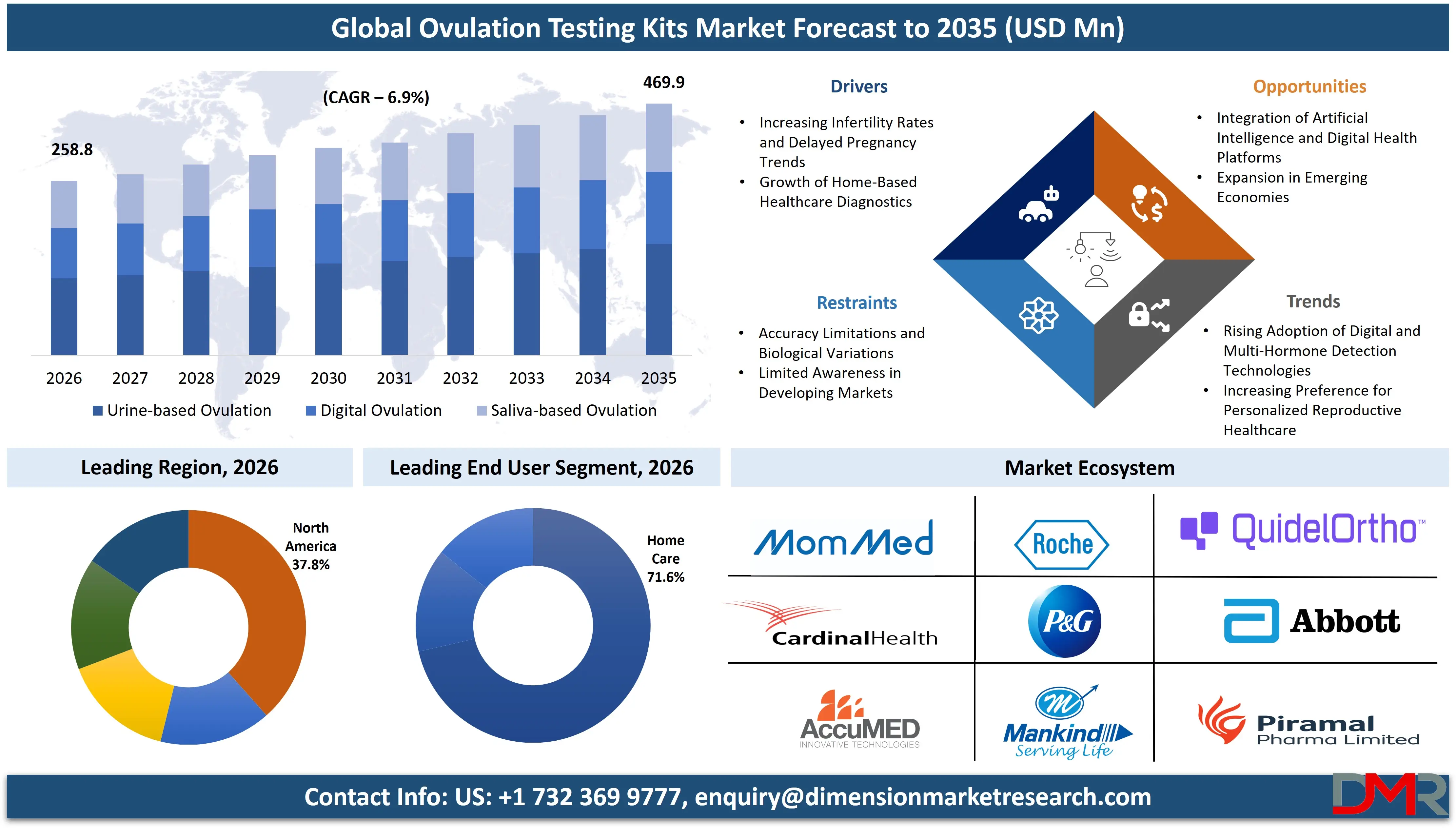
The Ovulation Testing Kits Market size is expected to be USD 258.8 million in 2026 and increase at a compound annual growth rate of 6.9% to USD 469.9 million in 2035 due increasing infertility rates and delayed pregnancy trends.
ℹ
To learn more about this report –
Download Your Free Sample Report Here
The ovulation testing kits market refers to diagnostic products designed to identify the fertile window in women by detecting hormonal changes associated with ovulation. The market includes urine-based test kits, digital ovulation monitors, saliva-based tests, and advanced multi-hormone detection technologies. These products are widely used for fertility planning, conception assistance, reproductive health monitoring, and clinical applications. Rising awareness regarding reproductive health, increasing prevalence of infertility, delayed pregnancies, and growing adoption of home-based diagnostics are accelerating market expansion. Technological advancements, including smartphone-connected fertility tracking devices and AI-enabled fertility solutions, are further transforming consumer adoption and competitive dynamics within the reproductive healthcare industry.
The US Ovulation Testing Kits Market
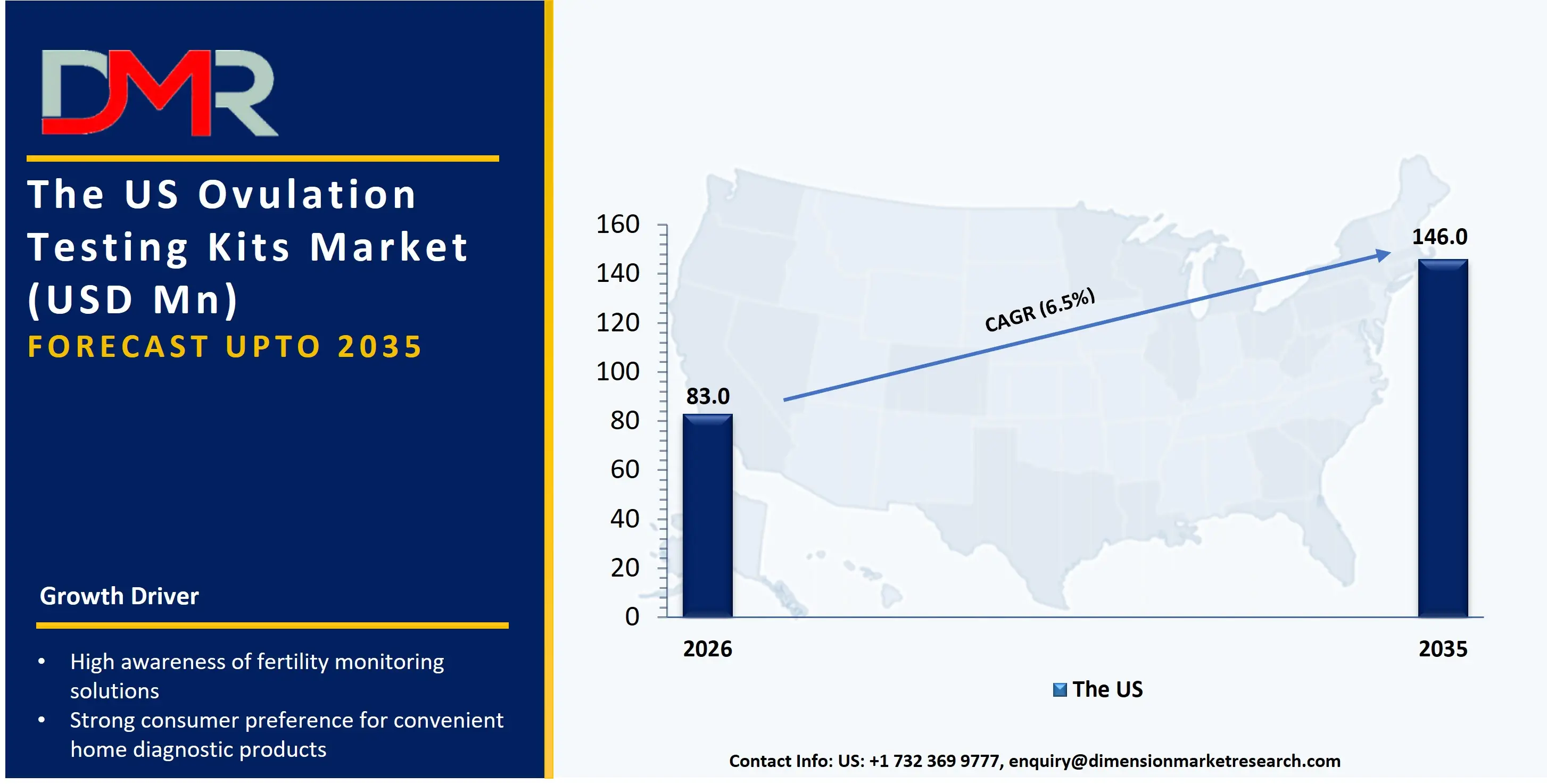
The US Ovulation Testing Kits Market size is estimated to be USD 83.0 million in 2026 and is expected to increase at a CAGR of 6.5% over the forecast period.
ℹ
To learn more about this report –
Download Your Free Sample Report Here
The US ovulation testing kits market is supported by high awareness of fertility monitoring solutions, increasing infertility rates, and strong consumer preference for convenient home diagnostic products. The presence of established reproductive healthcare companies, advanced retail infrastructure, and widespread online purchasing platforms contributes to market penetration. Favorable healthcare innovation policies and increasing investment in digital fertility platforms are encouraging adoption. Rising demand among women delaying pregnancy due to career and lifestyle factors is also expanding the consumer base, while fertility clinics increasingly integrate ovulation tracking technologies into assisted reproductive care programs.
Europe Ovulation Testing Kits Market
The Europe Ovulation Testing Kits Market size is estimated to be USD 77.6 million in 2026 and is expected to increase at a CAGR of 6.7% over the forecast period.
The European ovulation testing kits market is experiencing steady growth due to increasing fertility awareness, expanding access to reproductive healthcare, and supportive healthcare policies across major countries. Government initiatives promoting women's health and improved access to fertility services are strengthening demand. The region is witnessing higher adoption of digital and multi-hormone detection systems as consumers seek accurate and personalized fertility insights. Countries such as Germany, the UK, and France are leading adoption due to advanced healthcare systems, while sustainability-focused manufacturing practices and regulatory compliance continue shaping product innovation.
Japan Ovulation Testing Kits Market
The market size of Japan Ovulation Testing Kits will be USD 14.2 million in 2026 and at a CAGR of 7.0% in the forecast period.
The Japan ovulation testing kits market is expanding due to declining birth rates, rising infertility concerns, and increasing demand for reproductive health management solutions. Urbanization, delayed marriages, and later-age pregnancies are driving interest in fertility tracking products. Japanese consumers show strong preference for accurate, technology-enabled healthcare devices, supporting adoption of digital ovulation monitors. Government efforts to address declining population challenges and improve fertility support services are creating opportunities for market growth. However, strict regulatory requirements and consumer preference for trusted healthcare brands influence market entry strategies and product development.
Key Takeaways
- Market Size & Forecast: The Ovulation Testing Kits Market size is projected to reach USD 258.8 million in 2026 and is anticipated to have a value of USD 469.9 million in 2035.
- Growth Rate & Outlook: The Ovulation Testing Kits Market size is set to grow at a compound annual growth rate of 6.9% during the forecast period of 2026 to 2035.
- Primary Growth Drivers: Some of the major growth drivers in the market are Increasing Infertility Rates and Delayed Pregnancy Trends, and more.
- Key Market Trends: Some of the major trends in the market are Increasing Preference for Personalized Reproductive Healthcare, and more.
- By Product Type: Urine-based Ovulation are anticipated to get the majority share of the Ovulation Testing Kits Market in 2026.
- By End User Type: Home Care is expected to get the largest revenue share in 2026 in the Ovulation Testing Kits Market.
- Regional Leadership: North America is set to lead the Ovulation Testing Kits Market with an estimated 37.8% share in 2026.
What is the Ovulation Testing Kits?
Ovulation testing kits are diagnostic tools used to predict ovulation by detecting biological indicators, primarily luteinizing hormone (LH) surges, that occur before the release of an egg from the ovary. These kits help identify the most fertile days of a menstrual cycle, supporting natural conception efforts and fertility management. Available in strip, cassette, midstream, digital, and saliva-based formats, they provide convenient, rapid, and non-invasive testing solutions for individuals seeking reproductive insights at home or through healthcare facilities.
Use Cases
- Fertility Planning and Natural Conception: Ovulation testing kits are primarily used by individuals and couples attempting to conceive naturally. These products help identify peak fertility days by detecting hormonal changes, particularly LH surges. Their affordability, ease of use, and availability through retail and online channels make them widely adopted for personal fertility management.
- Assisted Reproductive Treatment Support: Fertility clinics use ovulation testing kits as supportive tools for monitoring reproductive cycles before procedures such as intrauterine insemination (IUI). Accurate identification of ovulation timing helps healthcare professionals optimize treatment schedules and improve fertility management outcomes.
- Menstrual Cycle Monitoring: Women use ovulation testing kits to understand cycle patterns and track hormonal fluctuations. These products provide insights into reproductive health and help identify irregular ovulation patterns that may require medical consultation.
- Digital Fertility Tracking Applications: Advanced ovulation testing kits integrated with smartphone applications allow users to record test results, analyze fertility patterns, and receive personalized recommendations. AI-powered fertility platforms are increasing the value proposition of connected ovulation monitoring solutions.
How AI Is Transforming the Ovulation Testing Kits Market
Artificial intelligence is significantly enhancing the ovulation testing kits market by improving fertility prediction accuracy and enabling personalized reproductive health management. AI algorithms analyze historical menstrual cycle data, hormone trends, lifestyle information, and previous test results to provide individualized ovulation forecasts. Integration with smartphone applications allows continuous tracking, automated reminders, and real-time interpretation of results, reducing user error while improving the overall testing experience.
AI also supports manufacturers by enabling predictive analytics, product optimization, and continuous software improvements through cloud-based platforms. Healthcare providers benefit from AI-generated fertility insights that assist in patient counseling and treatment planning. Additionally, machine learning models improve multi-hormone interpretation, enhance digital ovulation monitor performance, and facilitate remote fertility management, contributing to greater operational efficiency and stronger consumer engagement across the reproductive healthcare ecosystem.
Market Dynamic
Driving Factors in the Ovulation Testing Kits Market
Increasing Infertility Rates and Delayed Pregnancy Trends
Growing infertility concerns globally are one of the major factors driving demand for ovulation testing kits. Lifestyle changes, delayed family planning, stress, and increasing maternal age have contributed to greater awareness regarding fertility management. Individuals are increasingly seeking accessible diagnostic tools before consulting fertility specialists. Ovulation testing kits provide an affordable first-step solution by helping users understand their reproductive cycles and optimize conception timing, supporting market expansion across developed and emerging economies.
Restraints in the Ovulation Testing Kits Market
Limited Awareness in Developing Markets
Limited awareness regarding fertility tracking methods remains a significant barrier in several developing regions. Many consumers lack knowledge about ovulation cycles, reproductive health monitoring, and available diagnostic solutions. Cultural barriers, affordability concerns, and insufficient healthcare education programs may restrict adoption. Companies must invest in awareness campaigns, affordable product offerings, and localized distribution strategies to expand market penetration in underserved areas.
Opportunities in the Ovulation Testing Kits Market
Integration of Artificial Intelligence and Digital Health Platforms
The integration of AI, mobile applications, and connected healthcare technologies presents significant growth opportunities for the ovulation testing kits market. AI-based fertility platforms can analyze cycle history, hormonal patterns, and user data to provide personalized predictions. Digital ecosystems combining testing devices with health applications are expected to improve user engagement and create opportunities for premium product segments.
Trends in the Ovulation Testing Kits Market
Increasing Preference for Personalized Reproductive Healthcare
Personalized healthcare is becoming a significant trend within the ovulation testing kits market. Consumers are increasingly interested in customized fertility recommendations rather than basic test results. Integration with wearable devices, smartphone applications, and AI analytics is enabling more individualized reproductive health management. This trend is reshaping product development strategies and encouraging companies to create comprehensive fertility ecosystems.
Research Scope and Analysis
The research scope analyzes the Ovulation Testing Kits market across product type, technology, distribution channel, end user, and regional performance. It evaluates market trends, growth drivers, competitive dynamics, emerging innovations, consumer adoption patterns, and future opportunities while providing comprehensive segmentation and strategic insights into industry developments.
ℹ
To learn more about this report –
Download Your Free Sample Report Here
By Product Type Analysis
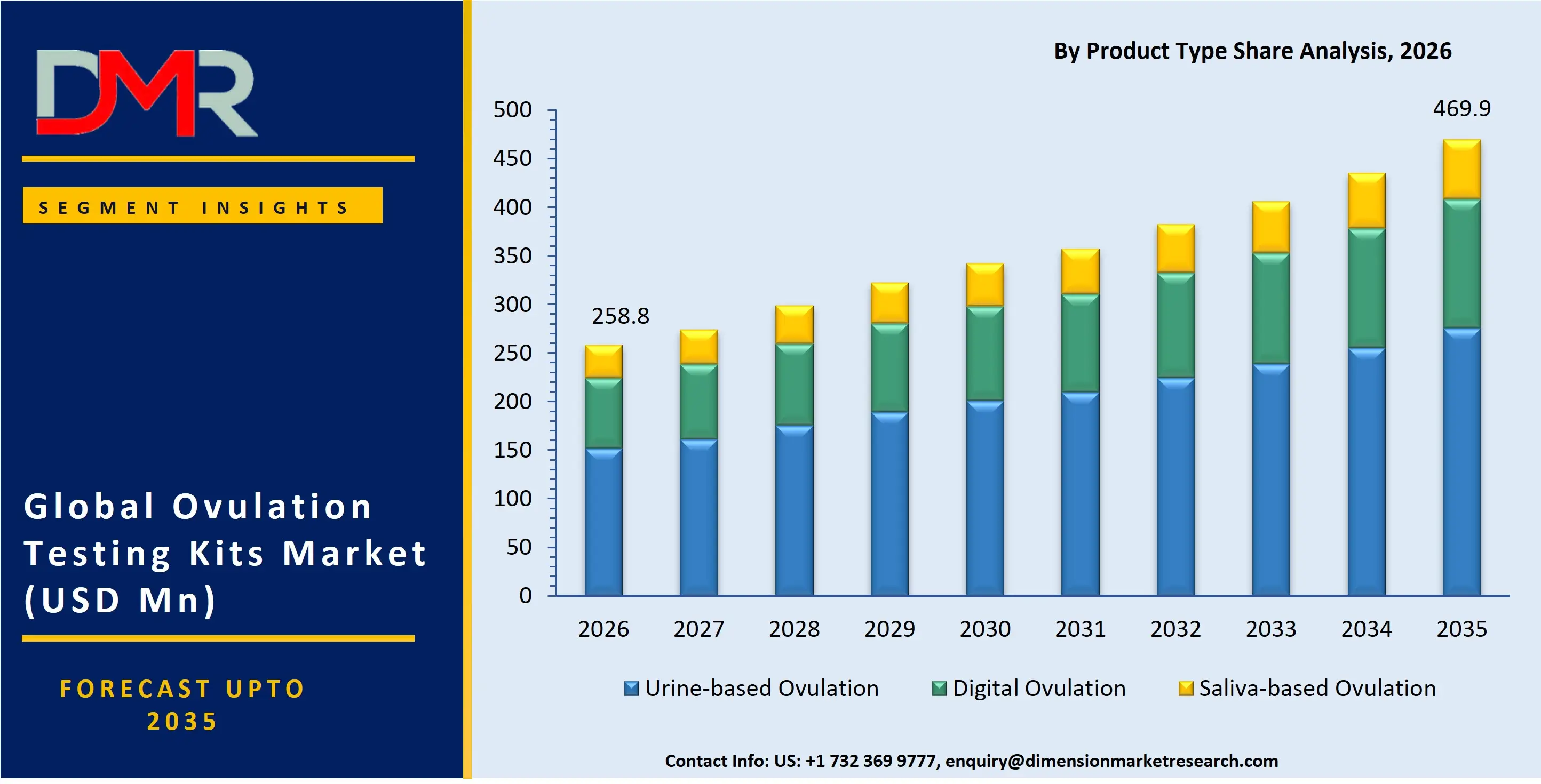
Among product types, Urine-Based Ovulation Test Kits are expected to remain the leading segment, accounting for an estimated 58.7% market share in 2026. Their dominance is attributed to affordability, widespread retail availability, ease of use, and strong consumer familiarity. Midstream tests continue to generate significant demand because they provide greater convenience compared to strips, while cassette tests remain popular in price-sensitive markets. Digital ovulation test kits are rapidly gaining traction due to improved accuracy, easy result interpretation, and smartphone connectivity.
ℹ
To learn more about this report –
Download Your Free Sample Report Here
Meanwhile, saliva-based ovulation testing kits represent the fastest-growing segment as consumers seek reusable, hormone-independent fertility monitoring solutions. Continuous product innovation, enhanced sensitivity, digital interfaces, and rising awareness regarding reproductive health are expected to accelerate adoption across premium consumer segments. Manufacturers are increasingly introducing hybrid fertility monitoring systems that combine digital tracking with advanced hormone detection, supporting long-term expansion of technologically advanced product categories.
By Technology Analysis
Based on technology, LH (Luteinizing Hormone) Detection is projected to hold the largest market share at an estimated 67.9% in 2026. The technology remains the industry standard because of its clinical reliability, affordability, established consumer confidence, and broad product availability. Most commercially available ovulation testing kits continue to utilize LH surge detection due to its effectiveness in identifying peak fertility periods. However, Multi-Hormone Detection (LH + E3G and Others) is anticipated to be the fastest-growing technology segment. These advanced systems provide improved fertility prediction by evaluating multiple hormonal biomarkers instead of relying solely on LH levels. Consumers increasingly value enhanced accuracy and personalized reproductive insights, encouraging manufacturers to introduce sophisticated digital fertility monitors. Continuous technological innovation, AI integration, and growing acceptance of premium fertility monitoring devices are expected to strengthen adoption of multi-hormone detection technologies during the forecast period.
By Distribution Channel Analysis
Pharmacies & Drug Stores are anticipated to account for the largest share of the ovulation testing kits market, representing an estimated 42.8% market share in 2026. Their leadership is supported by extensive product availability, trusted pharmacist recommendations, immediate product access, and strong consumer confidence in purchasing healthcare products through traditional retail channels. However, Online Retail is expected to register the fastest growth during the forecast period. Consumers increasingly prefer online platforms because of product privacy, wider brand selection, competitive pricing, subscription purchasing models, and home delivery convenience. Digital marketing, e-commerce expansion, direct-to-consumer strategies, and increasing smartphone penetration continue to reshape purchasing behavior. Hospitals and fertility clinics maintain stable demand among medically supervised patients, while supermarkets and hypermarkets continue expanding their healthcare product offerings, particularly across urban markets.
By End User Analysis
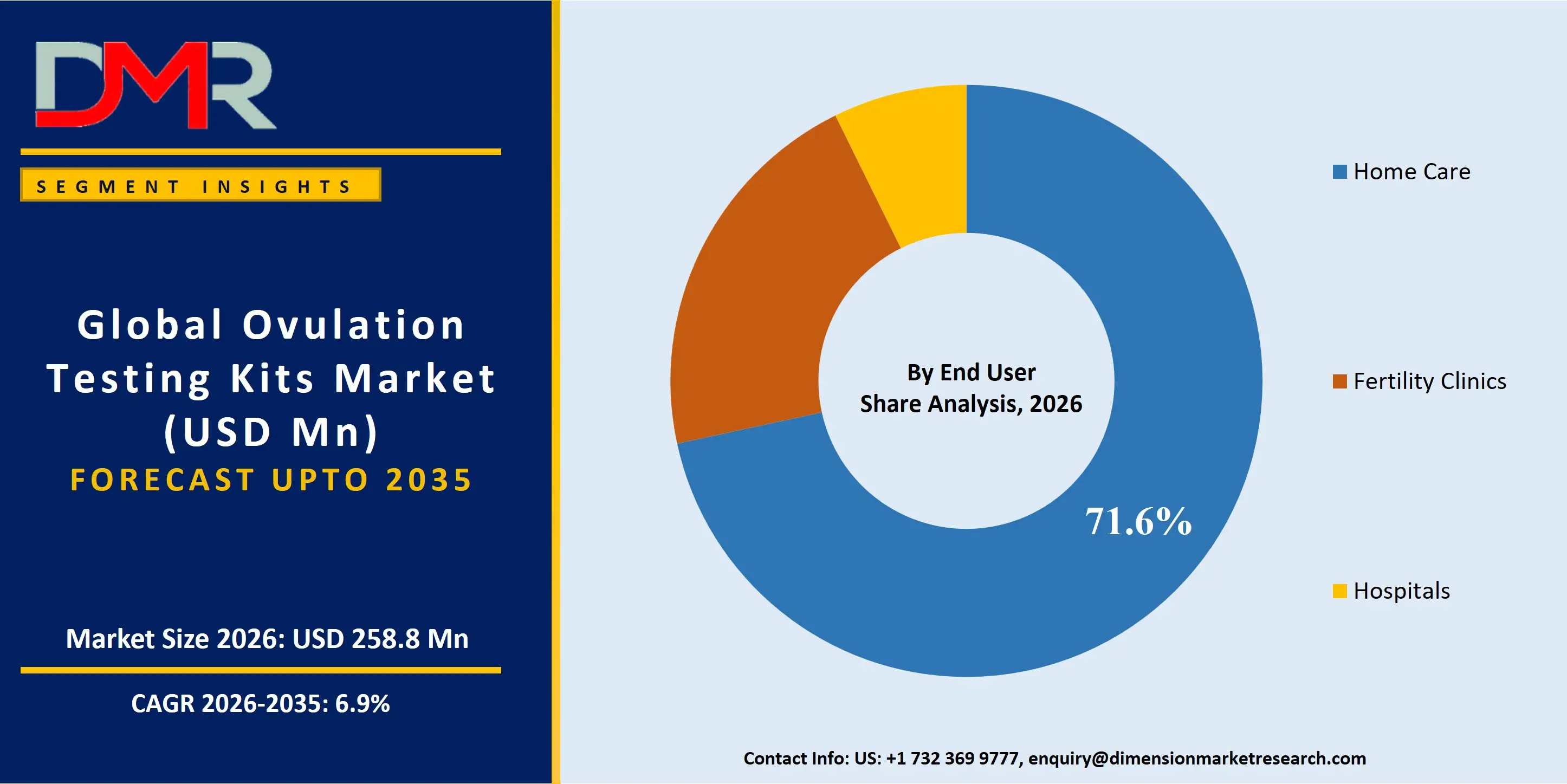
Home Care is expected to dominate the end-user segment with an estimated 71.6% market share in 2026. Consumers increasingly prefer home-based fertility testing because it offers convenience, affordability, privacy, and immediate access without requiring clinical appointments. Growing confidence in self-testing technologies and improvements in product accuracy continue strengthening this segment's leadership. Fertility Clinics represent the fastest-growing end-user category as infertility treatment volumes continue rising globally and more patients seek professional reproductive healthcare services. Clinics increasingly incorporate advanced digital ovulation testing devices into fertility treatment protocols to optimize conception timing and treatment success. Hospitals maintain consistent demand for reproductive health diagnostics, particularly among patients requiring comprehensive gynecological evaluations. Increasing awareness of fertility preservation and delayed parenthood is expected to further expand demand across all end-user categories.
The Ovulation Testing Kits Market Report is segmented on the basis of the following:
By Product Type
- Urine-Based Ovulation Test Kits
- Midstream Tests
- Test Strips
- Cassette Tests
- Digital Ovulation Test Kits
- Saliva-Based Ovulation Test Kits
By Technology
- LH (Luteinizing Hormone) Detection
- Multi-Hormone Detection (LH + E3G and Others)
By Distribution Channel
- Pharmacies & Drug Stores
- Online Retail
- Supermarkets & Hypermarkets
- Hospitals & Fertility Clinics
By End User
- Home Care
- Fertility Clinics
- Hospitals
Regional Analysis
Leading Region in the Ovulation Testing Kits Market
ℹ
To learn more about this report –
Download Your Free Sample Report Here
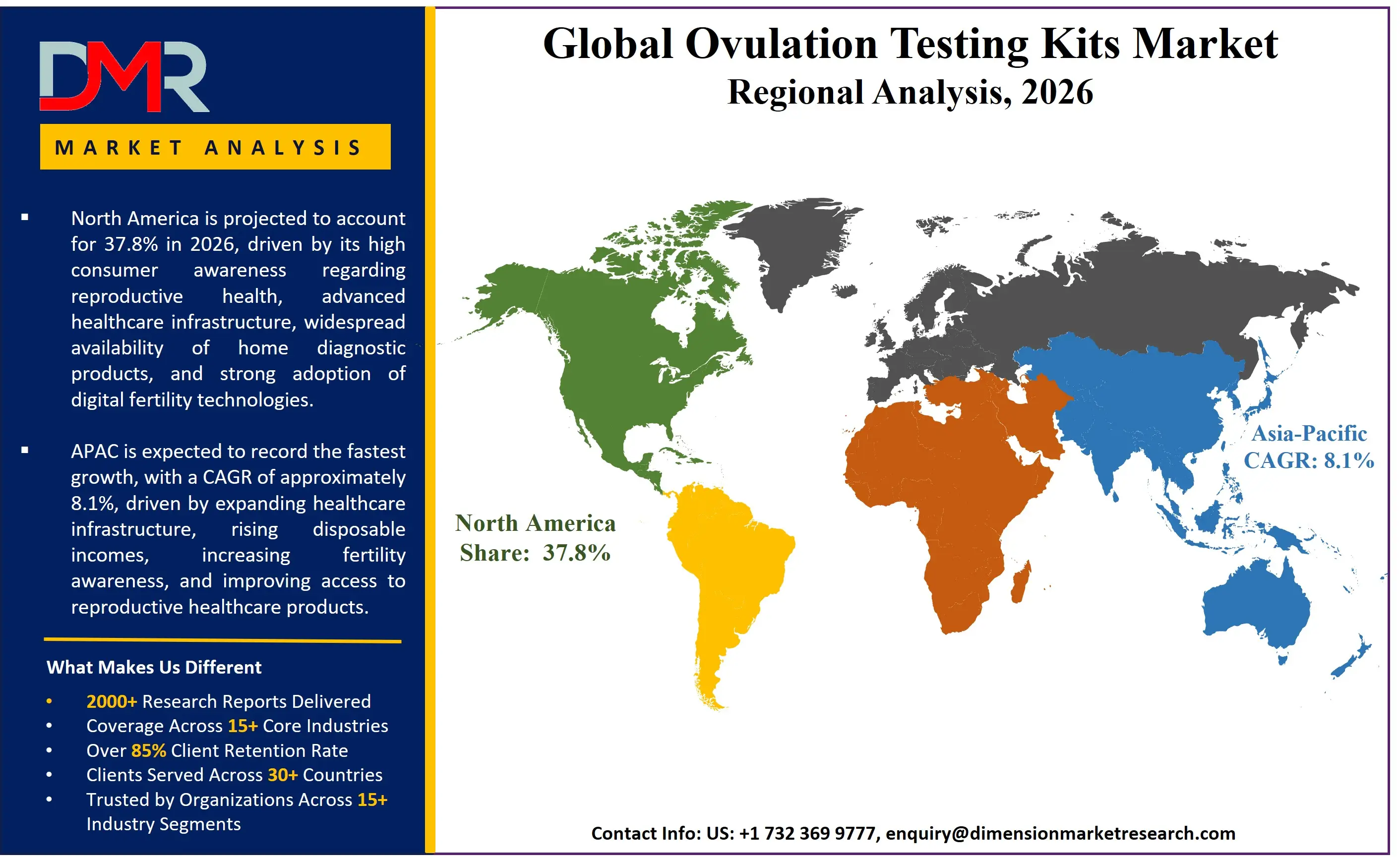
North America is expected to remain the leading regional market, accounting for an estimated 37.8% share of the global ovulation testing kits market in 2026. The region's leadership is supported by high consumer awareness regarding reproductive health, advanced healthcare infrastructure, widespread availability of home diagnostic products, and strong adoption of digital fertility technologies. Rising infertility rates, delayed pregnancies, favorable reimbursement for selected fertility treatments, and growing investment in women's digital health solutions continue supporting market expansion. The presence of established manufacturers, active research and development initiatives, expanding e-commerce penetration, and increasing integration of AI-enabled fertility monitoring applications further reinforce North America's dominant position throughout the forecast period.
Fastest Growing Region in the Ovulation Testing Kits Market
Asia-Pacific is projected to be the fastest-growing regional market during the forecast period due to expanding healthcare infrastructure, rising disposable incomes, increasing fertility awareness, and improving access to reproductive healthcare products. Countries such as China, India, Japan, South Korea, and Australia are experiencing growing demand for fertility monitoring solutions as delayed parenthood and infertility rates continue to increase. Government initiatives promoting maternal health, expanding online healthcare platforms, and greater penetration of digital health technologies are accelerating adoption. Additionally, rapid urbanization, increasing participation of women in the workforce, and rising acceptance of home-based diagnostic products create substantial opportunities for manufacturers seeking long-term regional expansion.
By Region
North America
Europe
- Germany
- The U.K.
- France
- Italy
- Russia
- Spain
- Benelux
- Nordic
- Rest of Europe
Asia-Pacific
- China
- Japan
- South Korea
- India
- ANZ
- ASEAN
- Rest of Asia-Pacific
Latin America
- Brazil
- Mexico
- Argentina
- Colombia
- Rest of Latin America
Middle East & Africa
- Saudi Arabia
- UAE
- South Africa
- Israel
- Egypt
- Rest of MEA
Competitive Landscape
The ovulation testing kits market is characterized by intense competition driven by continuous product innovation, technological differentiation, and expanding digital health ecosystems. Market participants focus on improving testing accuracy, integrating multi-hormone detection technologies, and developing smartphone-compatible fertility monitoring solutions to strengthen customer engagement. Strategic investments in research and development, expansion of e-commerce distribution networks, regulatory approvals, and geographic expansion remain key competitive strategies. Companies are also emphasizing subscription-based business models, personalized fertility insights, partnerships with digital health platforms, and premium product offerings to improve customer retention. High regulatory standards, strong brand recognition, technological expertise, and consumer trust create moderate barriers for new entrants while encouraging continuous innovation across the industry.
Some of the prominent players in the global Ovulation Testing Kits are:
- Roche Holding AG
- Procter & Gamble Co. (Clearblue)
- Church & Dwight Co., Inc. (First Response)
- Easy Healthcare Corporation (Premom & Easy@Home)
- Wondfo Biotech Co., Ltd.
- Shenzhen Runbio Biotech Co., Ltd.
- Mankind Pharma Ltd. (Prega News)
- Swiss Precision Diagnostics GmbH (Clearblue)
- Geratherm Medical AG
- Piramal Pharma Limited (i-can)
- Abbott Laboratories
- QuidelOrtho Corporation
- Cardinal Health, Inc.
- Prestige Consumer Healthcare Inc.
- Babystart Ltd.
- Fairhaven Health LLC
- ClinicalGuard
- AccuMed
- MomMed
- Nantong Egens Biotechnology Co., Ltd.
- Other Key Players
Recent Developments
- In December 2025, Inito announced a US$29 million Series B funding round to expand its at-home health diagnostics platform. The investment will support development of AI-designed antibodies and broader hormone testing capabilities beyond fertility monitoring. Building on its existing multi-hormone fertility monitor, which measures LH, estrogen, PdG, and FSH, the company plans to introduce additional home-based diagnostic applications supported by artificial intelligence.
- In November 2025, Premom Health expanded its digital fertility ecosystem by enhancing the Premom application and easy@Home fertility product portfolio with new in-app Health Assessment features while increasing product availability across multiple online marketplaces. The update strengthened the company's integrated fertility platform by combining ovulation testing kits, menstrual cycle tracking, hormone data analysis, and personalized reproductive health recommendations within a single ecosystem.
- In August 2025, Mira (Quanovate Tech Inc.) introduced Ultra4™, a next-generation at-home hormone monitoring system capable of measuring four reproductive hormones, FSH, LH, E3G, and PdG, using a single testing wand. The product utilizes fluorescent detection technology to provide laboratory-quality hormone analysis through an integrated digital platform. The launch expanded Mira's portfolio beyond conventional ovulation prediction by enabling users to monitor ovulation, hormonal balance, perimenopause, and fertility health within one device.
Report Details
| Report Characteristics |
| Market Size (2026) |
USD 258.8 Mn |
| Forecast Value (2035) |
USD 469.9 Mn |
| CAGR (2026–2035) |
6.9% |
| Historical Period |
2021 – 2025 |
| Forecast Period |
2027 – 2035 |
| Base Year |
2025 |
| Estimate Year |
2026 |
| Segments Covered |
By Product Type, By Technology, By Distribution Channel, By End User |
| Regional Coverage |
North America – The US and Canada; Europe – Germany, The UK, France, Russia, Spain, Italy, Benelux, Nordic, & Rest of Europe; Asia-Pacific – China, Japan, South Korea, India, ANZ, ASEAN, Rest of APAC; Latin America – Brazil, Mexico, Argentina, Colombia, Rest of Latin America; Middle East & Africa – Saudi Arabia, UAE, South Africa, Turkey, Egypt, Israel, & Rest of MEA |
Frequently Asked Questions
How big is the Ovulation Testing Kits Market?
▾ The Ovulation Testing Kits Market size is expected to reach USD 258.8 million by 2026 and is projected to reach USD 469.9 million by the end of 2035.
What is the CAGR of the Ovulation Testing Kits Market from 2026 to 2035?
▾ The market is growing at a CAGR of 6.9 percent over the forecasted period.
What factors are driving the growth of the Ovulation Testing Kits Market?
▾ Increasing Infertility Rates and Delayed Pregnancy Trends, and more are the factors driving the growth of the Ovulation Testing Kits Market.
What are the major trends in the Ovulation Testing Kits Market?
▾ Increasing Preference for Personalized Reproductive Healthcare, and more are some of the major trends in the market.
Who are the key players in the Ovulation Testing Kits Market?
▾ Some of the key players in the Ovulation Testing Kits Market include Mom Med, Roche, Mankind, more
How is the Ovulation Testing Kits Market segmented?
▾ The Ovulation Testing Kits Market is segmented by product type, technology, distribution channel, end user.
Which region held the largest share of the Ovulation Testing Kits Market in 2026?
▾ North America is set to lead the Ovulation Testing Kits Market with an estimated 37.8% share in 2026.
Which region is expected to grow the fastest in the Ovulation Testing Kits Market?
▾ Asia Pacific is the fastest-growing region in the Ovulation Testing Kits Market during the forecast period.