What is the Peanut Allergy Treatment Market Size?
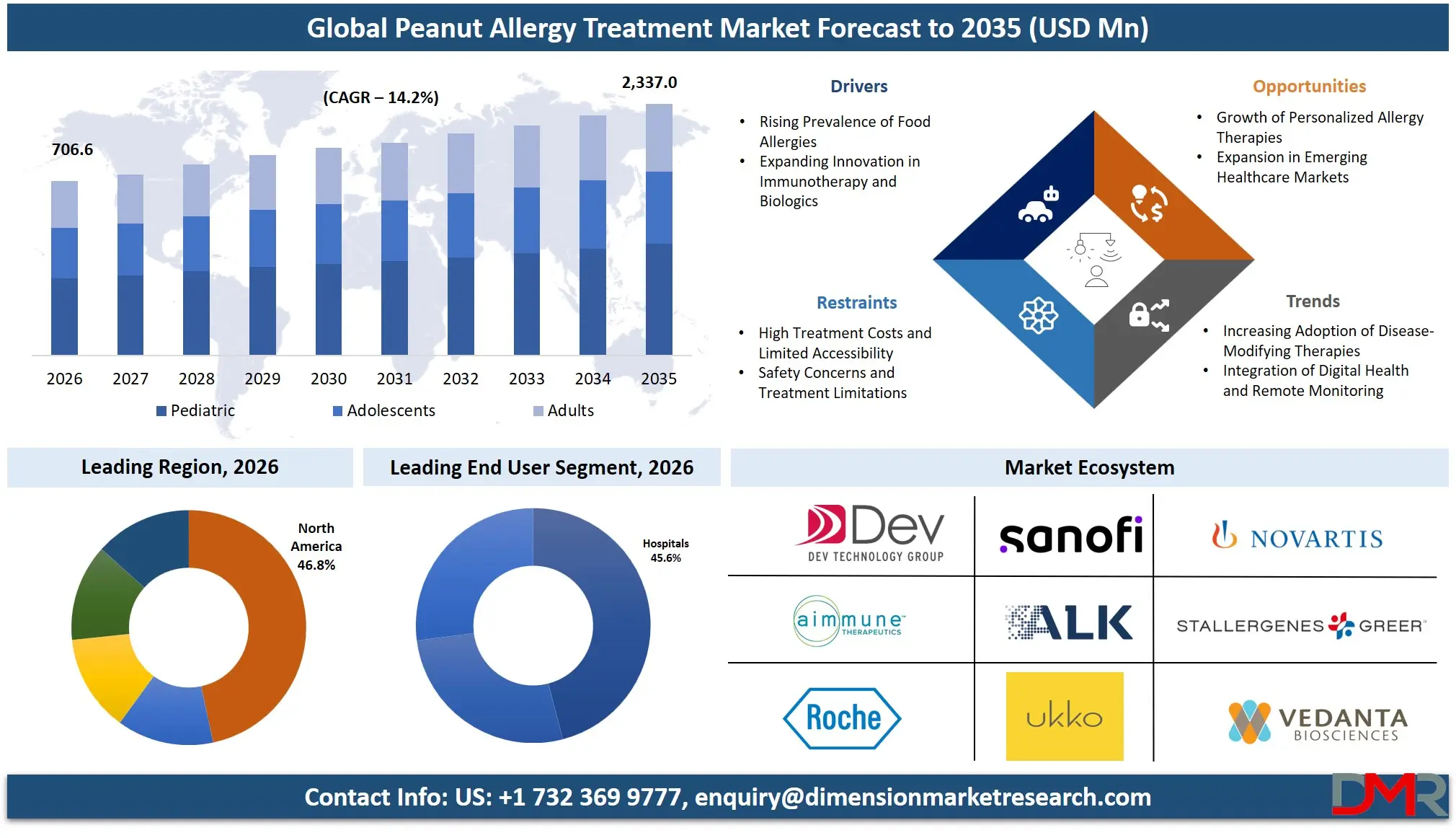
The Peanut Allergy Treatment Market size is expected to be USD 706.6 million in 2026 and increase at a compound annual growth rate of 14.2% to USD 2,337.0 million in 2035 due to rising prevalence of food allergies.
ℹ
To learn more about this report –
Download Your Free Sample Report Here
Peanut allergy treatment comprises therapeutic products, emergency medications, immunotherapy approaches, biologics, and supportive care solutions designed to prevent, manage, or reduce allergic reactions caused by peanut exposure. The market includes oral, epicutaneous, and sublingual immunotherapies, biologic drugs, epinephrine auto-injectors, antihistamines, corticosteroids, and associated healthcare services. Growing awareness of food allergies, increasing diagnosis rates, expanding regulatory approvals for innovative therapies, and continuous advancements in precision medicine are accelerating market growth. The industry is witnessing a transition from symptom management toward disease-modifying treatments, supported by research collaborations, digital health integration, and personalized allergy management strategies.
The US Peanut Allergy Treatment Market
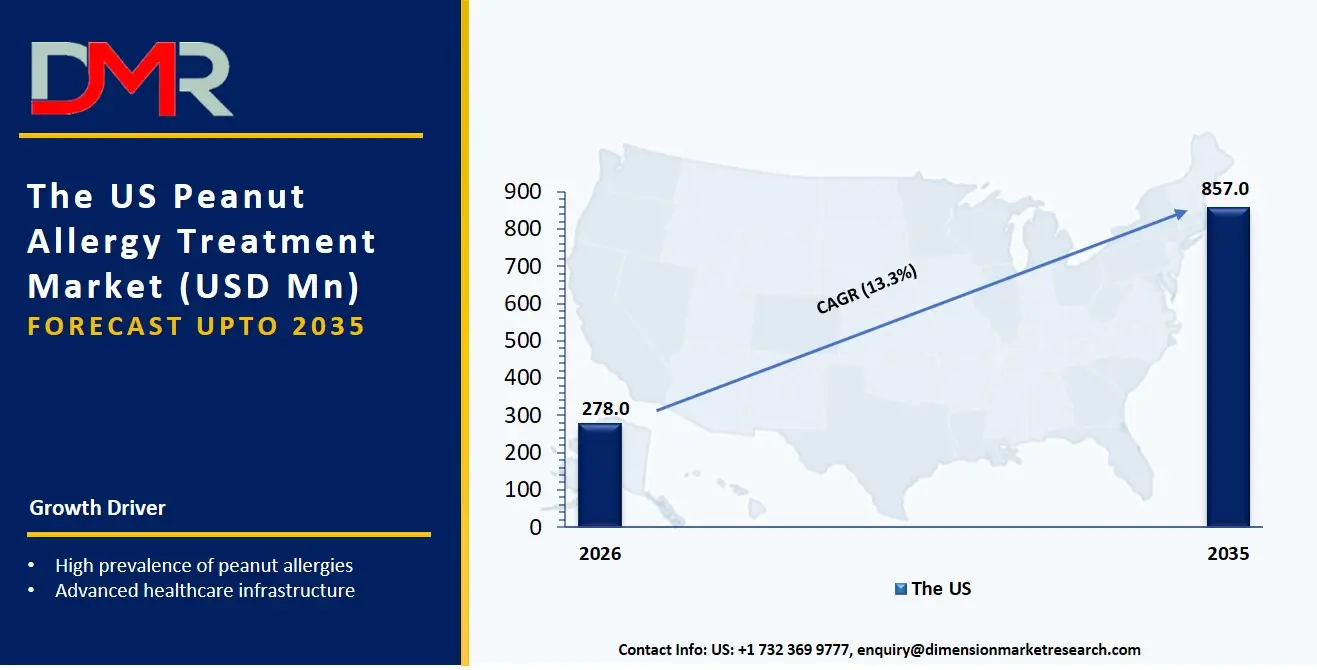
The US Peanut Allergy Treatment Market size is estimated to be USD 278.0 million in 2026 and is expected to increase at a CAGR of 13.3% over the forecast period.
ℹ
To learn more about this report –
Download Your Free Sample Report Here
The US Peanut Allergy Treatment Market represents the largest global market due to a high prevalence of peanut allergies, advanced healthcare infrastructure, favorable reimbursement pathways for specialty therapies, and strong clinical research activity. The presence of leading biotechnology and pharmaceutical innovators, growing adoption of FDA-approved immunotherapies, increasing awareness among physicians and patients, and active support from allergy advocacy organizations continue to strengthen market expansion. Government oversight encourages rigorous safety standards while facilitating innovation through accelerated regulatory pathways for novel allergy therapeutics.
Europe Peanut Allergy Treatment Market
The Europe Peanut Allergy Treatment Market size is estimated to be USD 162.5 million in 2026 and is expected to increase at a CAGR of 13.5% over the forecast period.
Europe Peanut Allergy Treatment Market is supported by increasing diagnosis of food allergies, expanding clinical research, and favorable healthcare systems across major countries. Regulatory frameworks established by the European Medicines Agency encourage innovation while maintaining stringent safety standards. Growing investments in allergy research, increasing adoption of biologic therapies, and regional healthcare initiatives promoting early diagnosis contribute to market growth. Rising awareness among healthcare professionals and patients is also encouraging wider acceptance of immunotherapy-based treatment approaches.
Japan Peanut Allergy Treatment Market
The market size of Japan Peanut Allergy Treatment will be USD 49.5 million in 2026 and at a CAGR of 13.7% in the forecast period.
Japan Peanut Allergy Treatment Market is expanding steadily with increasing awareness of pediatric food allergies, improvements in allergy diagnosis, and government initiatives supporting advanced healthcare technologies. The country emphasizes evidence-based clinical practice and continues investing in innovative immunotherapies and biologic treatments. Growing collaboration between academic institutions, pharmaceutical companies, and healthcare providers supports research and commercialization. Despite relatively lower prevalence than Western countries, increasing urbanization, lifestyle changes, and enhanced food allergy screening are creating new opportunities for market growth.
Key Takeaways
- Market Size & Forecast: The Peanut Allergy Treatment Market size is projected to reach USD 706.6 million in 2026 and is anticipated to have a value of USD 2,337.0 million in 2035.
- Growth Rate & Outlook: The Peanut Allergy Treatment Market size is set to grow at a compound annual growth rate of 14.2% during the forecast period of 2026 to 2035.
- Primary Growth Drivers: Some of the major growth drivers in the market are Rising Prevalence of Food Allergies, and more.
- Key Market Trends: Some of the major trends in the market are Integration of Digital Health and Remote Monitoring, and more.
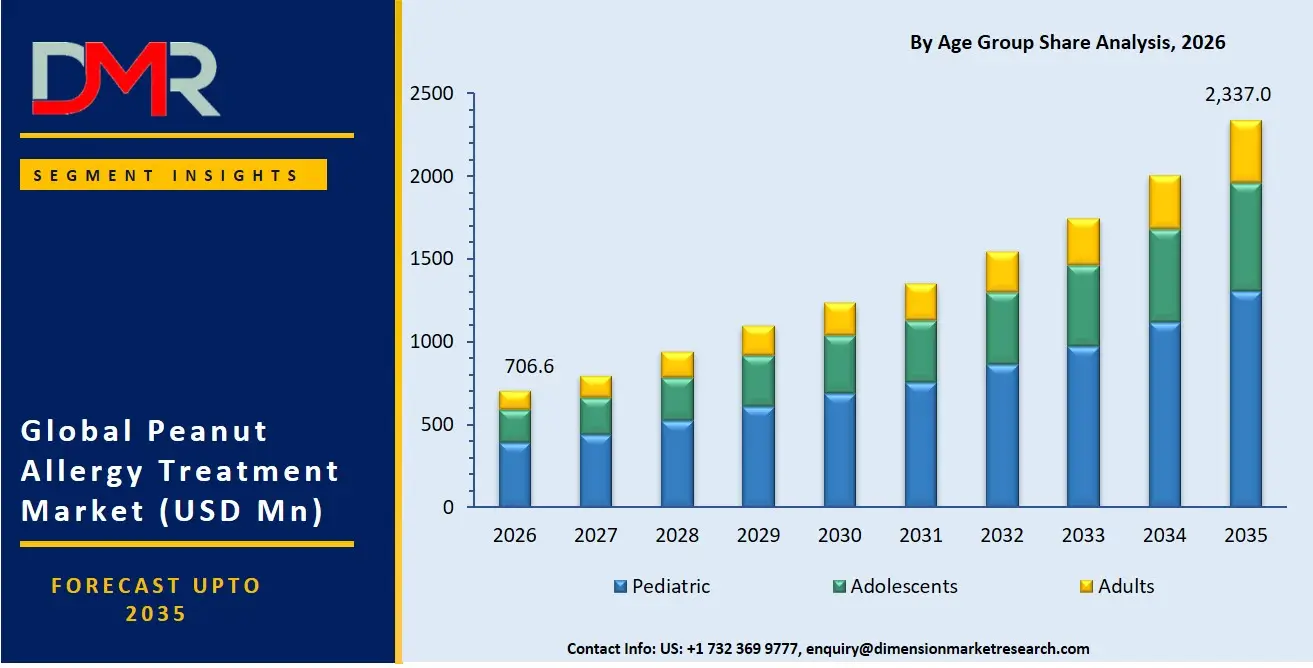
- By Age Group Type: Pediatrics are anticipated to get the majority share of the Peanut Allergy Treatment Market in 2026.
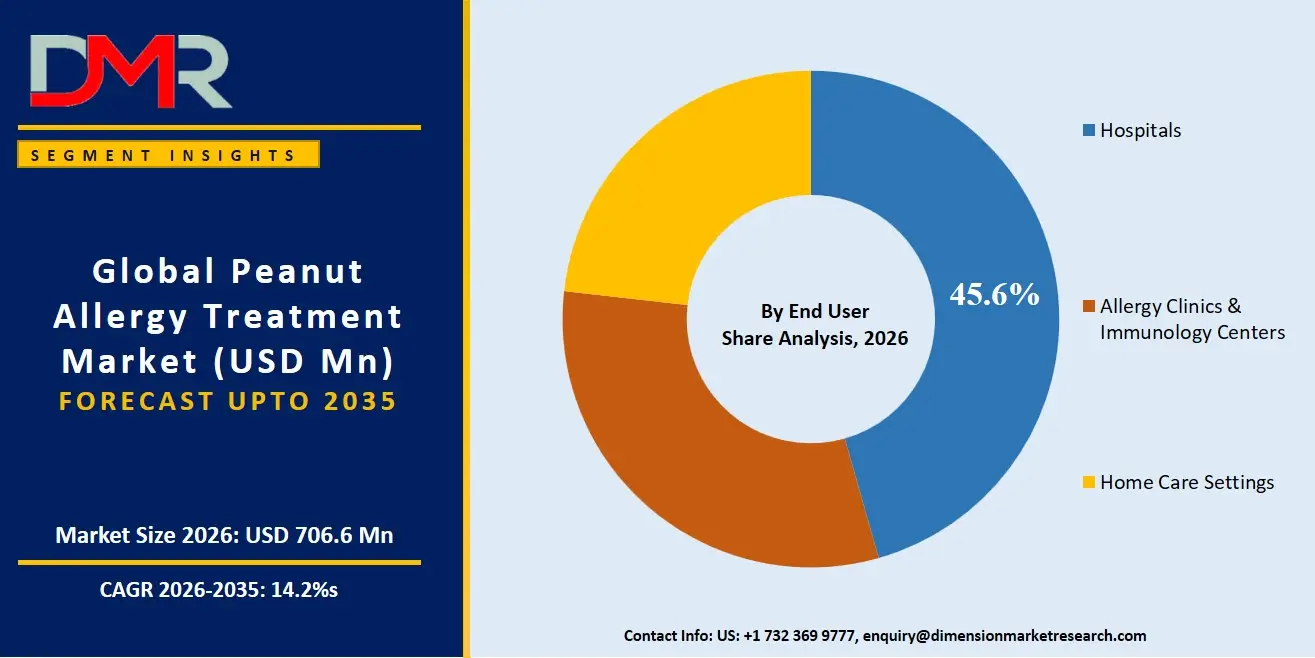
- By End User Type: Hospitals are expected to get the largest revenue share in 2026 in the Peanut Allergy Treatment Market.
- Regional Leadership: North America is set to lead the Peanut Allergy Treatment Market with an estimated 46.8% share in 2026.
What is the Peanut Allergy Treatment?
Peanut allergy treatment refers to medical interventions designed to prevent, reduce, or manage allergic reactions triggered by peanut exposure. It includes immunotherapy techniques that gradually increase tolerance to peanut allergens, biologic therapies that target immune pathways, emergency medications such as epinephrine auto-injectors, and supportive pharmaceutical treatments including antihistamines and corticosteroids. These therapies aim to minimize severe allergic responses, improve patient safety, enhance quality of life, and reduce the risk of accidental exposure through long-term clinical management.
Use Cases
- Pediatric Allergy Management: Children diagnosed with peanut allergy receive oral immunotherapy or supportive medications under specialist supervision to reduce sensitivity and lower the risk of severe reactions. Early intervention improves long-term disease management while helping families better manage accidental exposure risks.
- Emergency Anaphylaxis Treatment: Patients experiencing severe allergic reactions rely on epinephrine auto-injectors for immediate emergency treatment. Hospitals, schools, workplaces, and public institutions increasingly maintain emergency preparedness protocols to improve patient outcomes during accidental peanut exposure.
- Long-Term Immunotherapy Programs: Healthcare providers administer structured immunotherapy programs that gradually increase tolerance to peanut proteins. These treatments reduce reaction severity over time and are increasingly integrated into comprehensive allergy management plans for eligible patients.
- Specialty Allergy Clinic Care: Allergy and immunology centers provide diagnostic testing, biologic therapies, patient education, follow-up monitoring, and personalized treatment strategies. These specialized facilities improve treatment adherence while supporting long-term disease management through multidisciplinary care.
How AI Is Transforming the Peanut Allergy Treatment Market
Artificial intelligence is transforming peanut allergy treatment by improving diagnosis, treatment personalization, and patient monitoring. AI-powered platforms can analyze patient histories, allergy test results, and immune response patterns to support more accurate risk assessments and treatment decisions.
Machine learning algorithms are assisting researchers in identifying potential therapeutic targets, accelerating drug discovery, and optimizing clinical trial processes. AI-based digital tools also help patients track symptoms, medication usage, and exposure risks, improving treatment adherence and healthcare outcomes.
AI technologies are enhancing predictive healthcare by identifying patients at higher risk of severe allergic reactions. Integration with wearable devices and connected healthcare platforms may enable real-time monitoring and faster emergency response. These advancements are expected to improve efficiency across allergy clinics, hospitals, and research organizations.
Market Dynamic
Driving Factors in the Peanut Allergy Treatment Market
Rising Prevalence of Food Allergies
The growing incidence of peanut allergies among both children and adults remains one of the strongest growth drivers for the market. Improved diagnostic capabilities, greater awareness among healthcare professionals, and increasing public education have resulted in earlier identification of patients requiring long-term treatment. The expanding burden of food allergies has encouraged healthcare providers to adopt innovative immunotherapy solutions while pharmaceutical companies continue investing heavily in research and commercialization of advanced therapeutic options.
Restraints in the Peanut Allergy Treatment Market
Safety Concerns and Treatment Limitations
Safety concerns related to allergic reactions during immunotherapy procedures continue to influence treatment adoption. Peanut allergy therapies require careful patient selection, gradual dose escalation, and continuous medical monitoring due to the possibility of adverse reactions. Additionally, not all patients achieve complete tolerance, creating uncertainty regarding long-term effectiveness. Limited awareness among patients and healthcare providers about available treatment options further slows adoption, especially in regions where allergy diagnosis and specialist care infrastructure are still developing.
Opportunities in the Peanut Allergy Treatment Market
Expansion in Emerging Healthcare Markets
Emerging economies offer substantial growth opportunities due to improving healthcare infrastructure, rising disposable incomes, and increasing awareness of food allergies. Countries in Asia-Pacific, Latin America, and the Middle East are experiencing greater demand for advanced allergy diagnostics and treatment solutions. Government healthcare investments, increasing access to specialty clinics, and expansion of pharmaceutical distribution networks are expected to support market penetration and create new revenue opportunities for treatment providers.
Trends in the Peanut Allergy Treatment Market
Integration of Digital Health and Remote Monitoring
Digital health technologies are increasingly influencing peanut allergy management through remote patient monitoring, mobile applications, electronic health records, and virtual consultations. These tools help physicians track treatment progress, monitor adverse reactions, and improve patient adherence to immunotherapy programs. Telemedicine adoption is expanding access to allergy specialists, particularly for patients living in areas with limited healthcare resources.
Research Scope and Analysis
The research scope of the Peanut Allergy Treatment Market covers treatment approaches, patient demographics, distribution channels, and end-user applications. The analysis evaluates market trends, growth drivers, competitive strategies, regional developments, technological advancements, and emerging opportunities shaping the global adoption of peanut allergy therapies.
ℹ
To learn more about this report –
Download Your Free Sample Report Here
By Treatment Type Analysis
The treatment type segment represents a critical component of the peanut allergy treatment market, with Oral Immunotherapy (OIT) expected to remain the leading segment. In 2026, Oral Immunotherapy is estimated to account for approximately 42.5% share of the global market due to its clinical acceptance, established research base, and ability to gradually increase peanut tolerance in eligible patients. OIT has gained significant attention following regulatory approvals and growing physician adoption. Meanwhile, biologic therapies represent the fastest-growing segment as advancements in immune-targeted medicines create new treatment possibilities. Increasing investment in monoclonal antibodies and combination therapies is expected to accelerate biologics adoption during the forecast period.
By Age Group Analysis
The pediatric segment dominates the age group category, accounting for an estimated 55.8% share of the market in 2026, driven by the high prevalence of peanut allergies among children and increasing emphasis on early diagnosis and intervention. Pediatric patients are the primary focus of immunotherapy research because early treatment may improve tolerance outcomes and reduce future allergy severity.
ℹ
To learn more about this report –
Download Your Free Sample Report Here
The adolescent segment is expected to experience rapid growth as awareness increases regarding continued allergy management beyond childhood. Rising healthcare access, improved screening programs, and increasing acceptance of long-term treatment strategies are supporting expansion across younger patient populations.
By Distribution Channel Analysis
Hospital pharmacies are projected to hold the largest share within the distribution channel segment, representing approximately 48.2% of the market in 2026. Their dominance is supported by the requirement for specialist supervision, controlled administration of immunotherapy, and availability of emergency care facilities. Allergy treatments often require physician monitoring, particularly during initial treatment phases, making hospitals a preferred channel. However, online pharmacies are expected to be the fastest-growing segment due to increasing digital healthcare adoption, improved medication delivery networks, and rising consumer preference for convenient access to supportive allergy medications and emergency products.
By End User Analysis
Hospitals are expected to remain the leading end-user segment, accounting for approximately 45.6% market share in 2026, due to their advanced diagnostic capabilities, specialized allergy departments, and ability to manage severe allergic reactions. Hospitals serve as primary centers for treatment initiation and patient monitoring. Allergy clinics and immunology centers are projected to witness the fastest growth because of increasing demand for specialized care, personalized treatment plans, and immunotherapy management. Expansion of specialty healthcare facilities and growing numbers of trained allergists are expected to support this segment's rapid development.
The Peanut Allergy Treatment Market Report is segmented on the basis of the following:
By Treatment Type
- Oral Immunotherapy (OIT)
- Epicutaneous Immunotherapy (EPIT)
- Sublingual Immunotherapy (SLIT)
- Biologic Therapies
- Symptomatic & Emergency Treatment
- Epinephrine Auto-Injectors
- Antihistamines
- Corticosteroids
By Age Group
- Pediatric
- Adolescents
- Adults
By Distribution Channel
- Hospital Pharmacies
- Retail Pharmacies
- Online Pharmacies
By End User
- Hospitals
- Allergy Clinics & Immunology Centers
- Home Care Settings
Regional Analysis
Leading Region in the Peanut Allergy Treatment Market
ℹ
To learn more about this report –
Download Your Free Sample Report Here
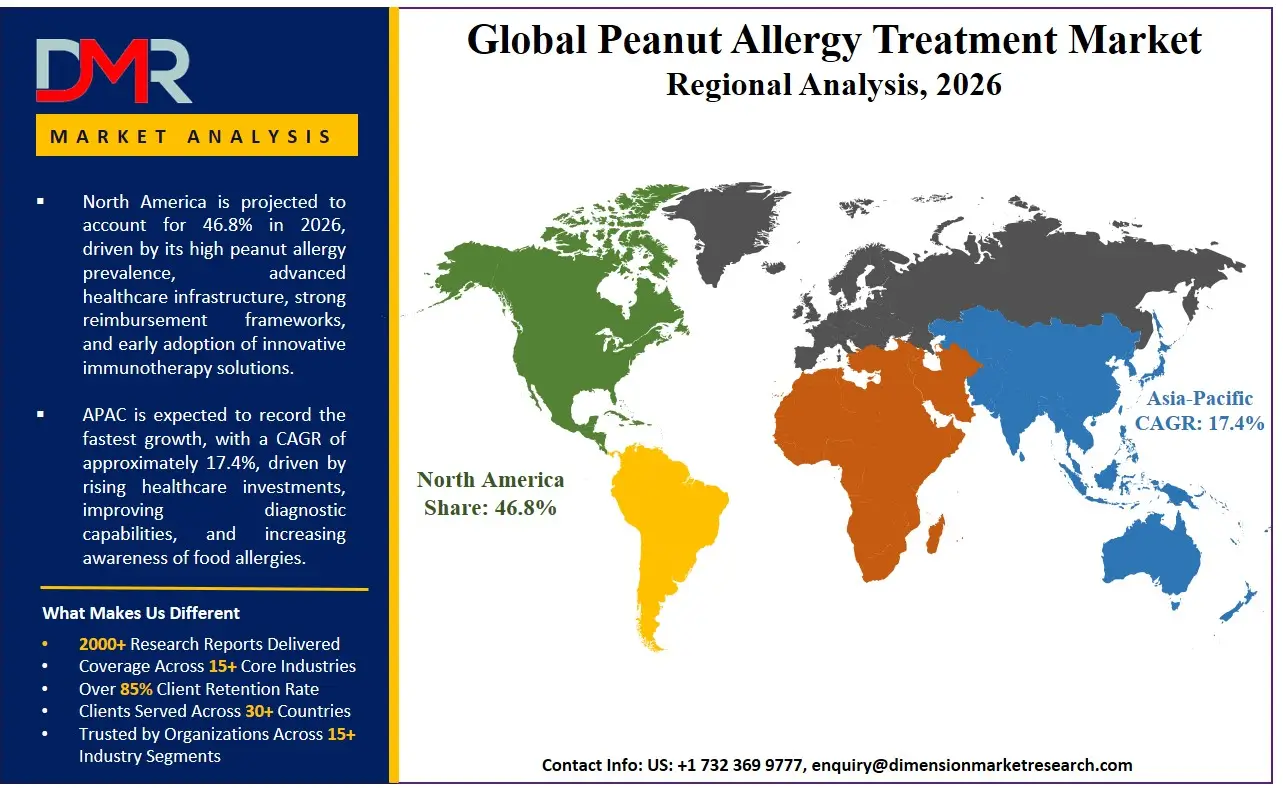
North America is expected to remain the leading region in the peanut allergy treatment market, accounting for an estimated 46.8% share of the global market in 2026. The region's dominance is driven by high peanut allergy prevalence, advanced healthcare infrastructure, strong reimbursement frameworks, and early adoption of innovative immunotherapy solutions. The United States contributes significantly due to extensive clinical research, regulatory support for novel allergy treatments, and widespread availability of specialized allergy centers. Increasing investments in biotechnology, growing patient awareness, and strong collaboration between healthcare providers and pharmaceutical companies continue to strengthen North America's leadership position in the global market.
Fastest Growing Region in the Peanut Allergy Treatment Market
Asia-Pacific is projected to be the fastest-growing region in the peanut allergy treatment market due to rising healthcare investments, improving diagnostic capabilities, and increasing awareness of food allergies. Countries including Japan, China, South Korea, and India are witnessing greater demand for advanced allergy management solutions as healthcare systems modernize. Growth in specialty clinics, expansion of pharmaceutical distribution networks, and increasing adoption of digital healthcare platforms are supporting regional development. Government initiatives focused on healthcare accessibility and growing collaborations between domestic healthcare institutions and global biotechnology companies are expected to accelerate adoption of peanut allergy treatments across the region.
By Region
North America
Europe
- Germany
- The U.K.
- France
- Italy
- Russia
- Spain
- Benelux
- Nordic
- Rest of Europe
Asia-Pacific
- China
- Japan
- South Korea
- India
- ANZ
- ASEAN
- Rest of Asia-Pacific
Latin America
- Brazil
- Mexico
- Argentina
- Colombia
- Rest of Latin America
Middle East & Africa
- Saudi Arabia
- UAE
- South Africa
- Israel
- Egypt
- Rest of MEA
Competitive Landscape
The peanut allergy treatment market is characterized by strong competition driven by innovation, regulatory approvals, clinical research capabilities, and expansion of treatment accessibility. Market participants focus on developing safer and more effective immunotherapy solutions, improving patient adherence, and investing in next-generation biologic treatments. Strategic collaborations, licensing agreements, clinical partnerships, and research investments are key approaches used to strengthen market positions. High entry barriers exist due to strict regulatory requirements, extensive clinical trial processes, and the need for specialized medical expertise. Companies with strong intellectual property portfolios, advanced research pipelines, and established healthcare networks maintain competitive advantages.
Some of the prominent players in the global Peanut Allergy Treatment are:
- Stallergenes Greer
- ALK-Abelló A/S
- Aimmune Therapeutics
- Nestlé Health Science
- DBV Technologies
- Sanofi
- Regeneron Pharmaceuticals
- Genentech
- F. Hoffmann-La Roche Ltd.
- Novartis AG
- Aravax Pty Ltd
- Camallergy
- Alladapt Immunotherapeutics
- Intrommune Therapeutics
- Prota Therapeutics
- InnoUp Farma
- Angany Inc.
- Ukko Inc.
- Vedanta Biosciences
- COUR Pharmaceuticals
- Other Key Players
Recent Developments
- In September 2025, IgGenix, Inc. announced the completion of enrollment for its Phase 1 ACCELERATE Peanut clinical trial evaluating IGNX001, a novel antibody therapeutic developed for peanut allergy treatment. The investigational biologic uses a targeted antibody approach designed to neutralize peanut allergen-triggered immune responses and reduce the risk of severe allergic reactions. The trial evaluated the safety, tolerability, pharmacokinetics, and pharmacodynamics of IGNX001 in peanut-allergic individuals.
- In June 2025, DBV Technologies continued development activities surrounding its Viaskin Peanut epicutaneous immunotherapy platform, focusing on advancing non-invasive treatment approaches for peanut allergy patients. The company's technology uses a skin patch delivery method designed to expose patients to controlled amounts of peanut protein while potentially reducing systemic exposure risks. The program represents ongoing industry efforts to create safer alternatives to oral immunotherapy.
- In March 2025, Stallergenes Greer announced continued advancement of its allergen immunotherapy research programs focused on improving treatment options for food allergy patients, including peanut allergy management. The company emphasized innovation in allergen-based therapies designed to improve patient outcomes through controlled immune exposure. The development reflects the broader industry movement toward disease-modifying allergy treatments rather than relying solely on emergency symptom management.
Report Details
| Report Characteristics |
| Market Size (2026) |
USD 706.6 Mn |
| Forecast Value (2035) |
USD 2,337.0 Mn |
| CAGR (2026–2035) |
14.2% |
| Historical Period |
2021 – 2025 |
| Forecast Period |
2027 – 2035 |
| Base Year |
2025 |
| Estimate Year |
2026 |
| Segments Covered |
By Treatment Type, By Age Group, By Distribution Channel, By End User |
| Regional Coverage |
North America – The US and Canada; Europe – Germany, The UK, France, Russia, Spain, Italy, Benelux, Nordic, & Rest of Europe; Asia-Pacific – China, Japan, South Korea, India, ANZ, ASEAN, Rest of APAC; Latin America – Brazil, Mexico, Argentina, Colombia, Rest of Latin America; Middle East & Africa – Saudi Arabia, UAE, South Africa, Turkey, Egypt, Israel, & Rest of MEA |
Frequently Asked Questions
How big is the Peanut Allergy Treatment Market?
▾ The Peanut Allergy Treatment Market size is expected to reach USD 706.6 million by 2026 and is projected to reach USD 2,337.0 million by the end of 2035.
What is the CAGR of the Peanut Allergy Treatment Market from 2026 to 2035?
▾ The market is growing at a CAGR of 14.2 percent over the forecasted period.
What factors are driving the growth of the Peanut Allergy Treatment Market?
▾ Rising Prevalence of Food Allergies, and more are the factors driving the growth of the Peanut Allergy Treatment Market.
What are the major trends in the Peanut Allergy Treatment Market?
▾ Integration of Digital Health and Remote Monitoring, and more are some of the major trends in the market.
Who are the key players in the Peanut Allergy Treatment Market?
▾ Some of the key players in the Peanut Allergy Treatment Market include Roche, Sanofi, DEV, more
How is the Peanut Allergy Treatment Market segmented?
▾ The Peanut Allergy Treatment Market is segmented by treatment type, age group, distribution channel, end user.
Which region held the largest share of the Peanut Allergy Treatment Market in 2026?
▾ North America is set to lead the Peanut Allergy Treatment Market with an estimated 46.8% share in 2026.
Which region is expected to grow the fastest in the Peanut Allergy Treatment Market?
▾ Asia Pacific is the fastest-growing region in the Peanut Allergy Treatment Market during the forecast period.