Market Overview
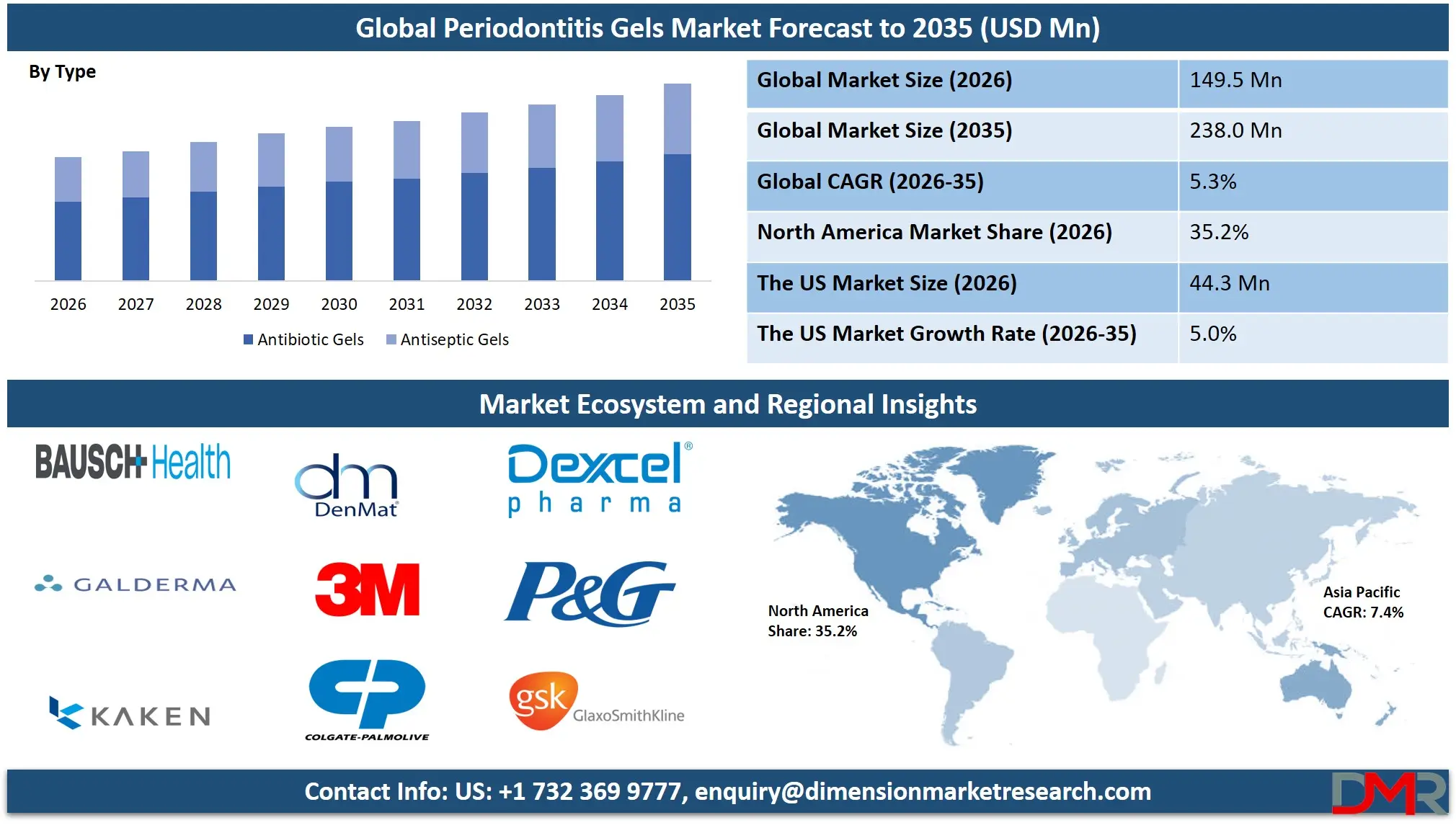
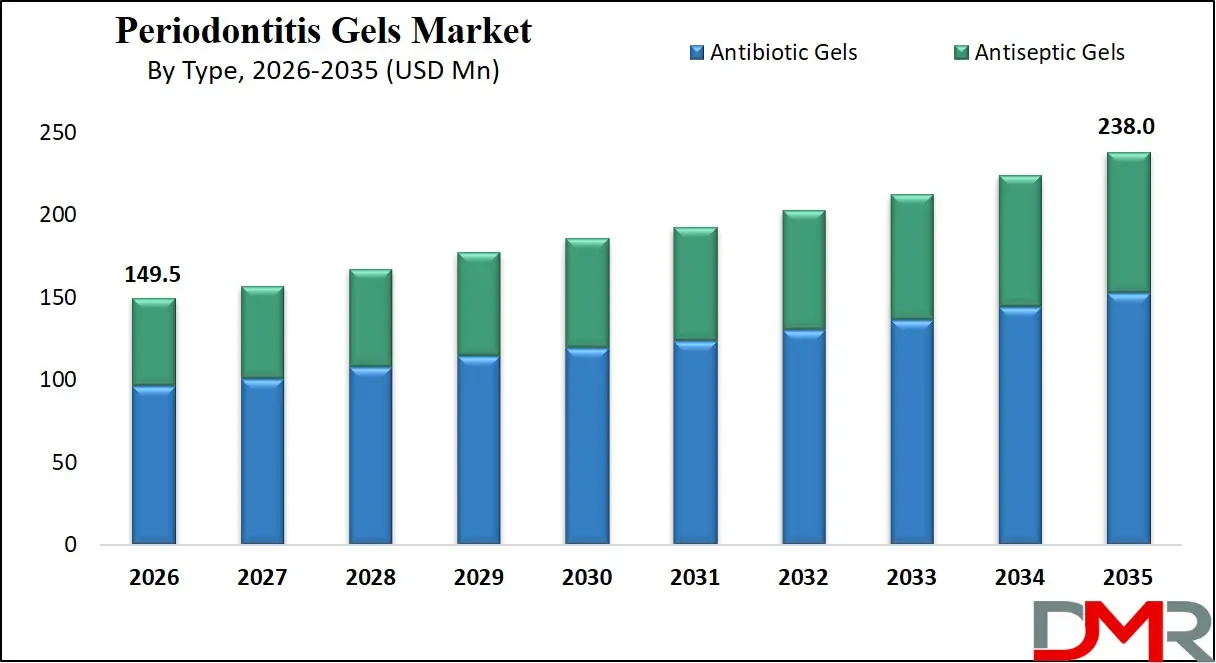
The Global Periodontitis Gels Market is projected to reach USD 149.5 million in 2026 and grow at a compound annual growth rate of 5.3% from there until 2035 to reach a value of USD 238.0 million. This robust growth trajectory is fueled by the rising global prevalence of periodontal disease, increasing awareness of oral hygiene, growing geriatric population susceptible to gum infections, and the clinical shift toward minimally invasive, locally delivered therapeutic options over systemic antibiotics.
ℹ
To learn more about this report –
Download Your Free Sample Report Here
Rising incidences of chronic periodontitis, diabetes-associated gum disease, smoking-related periodontal damage, and poor oral health habits are compelling patients to seek advanced periodontal treatments, thereby driving demand for effective, site-specific periodontitis gels. The rapid expansion of dental clinics, hospital-based dental departments, and specialized periodontology centers is significantly increasing requirements for reliable, sterile, and easy-to-apply antimicrobial gel formulations.
Additionally, growing government initiatives and insurance coverage expansions for dental care in countries across North America, Europe, and the Asia-Pacific are further accelerating market adoption. Dental professionals are increasingly integrating antibiotic gels containing doxycycline, minocycline, and metronidazole, as well as antiseptic gels with chlorhexidine, designed to reduce pocket depth and eliminate pathogenic bacteria while minimizing systemic side effects.
Technological advancements in gel formulation, including bio-adhesive properties for prolonged drug release, degradable polymer matrices that eliminate removal procedures, and enhanced viscosity for precise subgingival application, are enabling periodontists to perform more effective and patient-friendly treatments. As periodontal disease awareness grows and access to advanced dental care expands globally, the Periodontitis Gels Market is expected to witness sustained growth through 2035, driven by clinical preference for targeted therapy and preventive oral health initiatives.
ℹ
To learn more about this report –
Download Your Free Sample Report Here
Growing public-private partnerships promoting geriatric dental care, diabetic oral health programs, and tobacco cessation counseling further accelerate global adoption. However, barriers such as limited reimbursement for dental procedures in certain regions, cultural variations in oral healthcare seeking behavior, stringent regulatory approval processes for antimicrobial products, and competition from traditional surgical interventions remain. Despite these limitations, the convergence of advanced polymer science, sustained-release technology, and minimally invasive periodontics positions periodontitis gels as a critical component of global periodontal therapy through 2035.
The US Periodontitis Gels Market
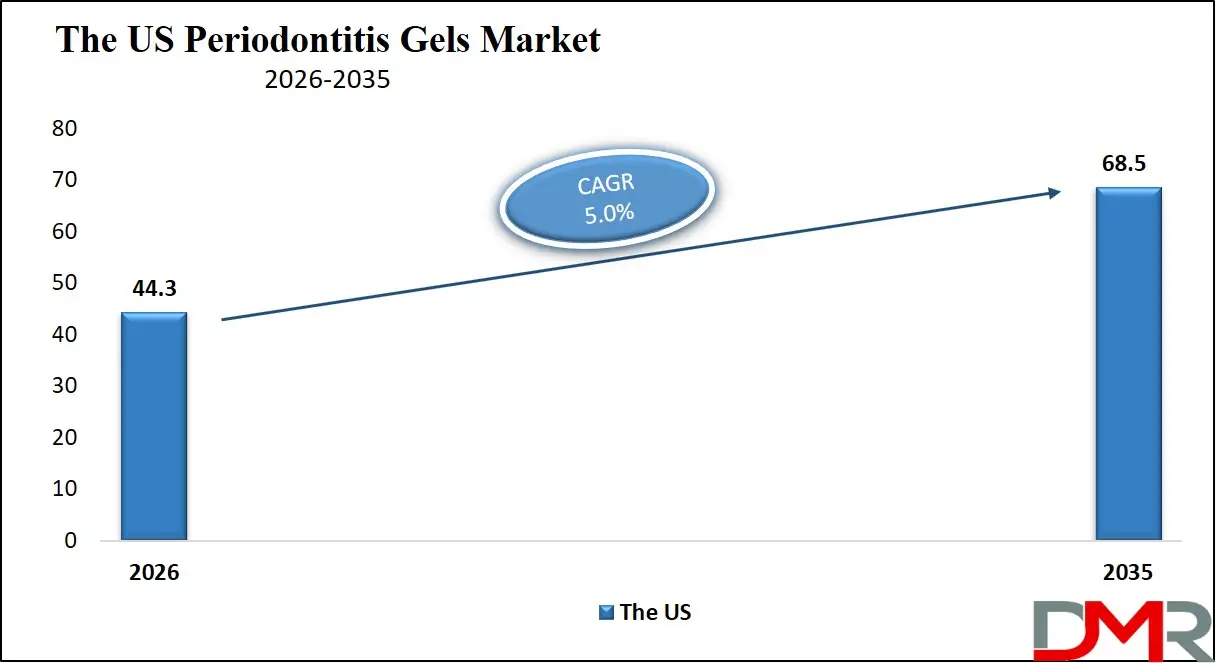
The US Periodontitis Gels Market is projected to reach USD 44.3 million in 2026 at a compound annual growth rate of 5.0% over its forecast period. The U.S. leads global adoption due to its mature dental care infrastructure, high per capita healthcare spending, strong insurance penetration for dental procedures, and supportive regulatory environment from bodies like the FDA and ADA (American Dental Association).
ℹ
To learn more about this report –
Download Your Free Sample Report Here
The proliferation of group dental practices, dental service organizations (DSOs), and increasing awareness of the oral-systemic health connection fuel demand for advanced periodontal therapeutics. Major hospital systems and dental chains are integrating antibiotic and antiseptic gels into non-surgical periodontal therapy protocols to improve clinical outcomes and patient compliance.
U.S. regulatory support for minimally invasive dental treatments, alongside private insurance coverage for scaling and root planing with adjunctive therapies, encourages investment in locally delivered antimicrobial gels. The market is witnessing a shift toward degradable gel formulations, including those based on PLGA and other biocompatible polymers, eliminating the need for manual removal and enhancing patient convenience. The rise of preventive dentistry and periodontal maintenance programs has further intensified the focus on chairside application efficiency and clinical effectiveness, positioning the U.S. as a critical innovator in this space.
The Europe Periodontitis Gels Market
The Europe Periodontitis Gels Market is estimated to be valued at USD 41.9 million in 2026 and is further anticipated to reach USD 64.7 million by 2035 at a CAGR of 4.9%. Europe's leadership is anchored by its comprehensive dental care coverage under national healthcare systems, particularly in countries with progressive oral health policies and strong public awareness of periodontal disease prevention.
Countries such as Germany, France, Italy, the U.K., and the Nordic region are widely adopting periodontitis gel therapies, driven by high treatment standards in leading European dental clinics and favorable regulatory frameworks. Germany, in particular, has emerged as a European leader in periodontal care due to its strong statutory health insurance coverage for non-surgical periodontal treatment. The U.K.'s NICE guidelines and the EU's evolving Medical Device Regulation (MDR) further necessitate high-quality, clinically validated periodontitis gel products.
Europe's high acceptance of preventive dental medicine, recall-based periodontal maintenance programs, and strong emphasis on preserving natural dentition drives the demand for reliable, easy-to-apply, and clinically effective antimicrobial gels. With a sophisticated dental research community and regulatory landscape prioritizing clinical outcomes and patient safety, Europe remains a highly advanced and essential region for periodontitis gel manufacturers.
The Japan Periodontitis Gels Market
The Japan Periodontitis Gels Market is projected to be valued at USD 11.2 million in 2026. It is further expected to witness subsequent growth in the upcoming period, holding USD 16.8 million in 2035 at a CAGR of 4.6%. driven by the aging population, high prevalence of periodontal disease among older adults, and universal health insurance coverage for dental care. Japan's super-aged society, where periodontal disease affects a significant portion of the elderly population, creates sustained demand for effective, minimally invasive treatment options.
The Ministry of Health, Labour and Welfare (MHLW) actively supports periodontal care under national health insurance, with coverage for scaling, root planing, and adjunctive therapies including locally applied antimicrobial gels. Japan's leadership in precision pharmaceutical manufacturing and rigorous quality standards provides a robust foundation for advanced gel formulations, including sustained-release degradable products.
Japan's concept of "8020 movement" (maintaining 20 teeth at age 80), driven by national health initiatives and municipal dental health programs, integrates periodontal therapy into routine geriatric dental care. Dental clinics are deploying advanced antibiotic and antiseptic gels to optimize outcomes in Japan's rapidly growing elderly population, serving both routine maintenance patients and those with advanced periodontitis requiring intensive non-surgical intervention. Japan's cultural emphasis on precision, safety, and minimally invasive techniques positions it as a high-growth, quality-focused market for periodontitis gel solutions.
Global Periodontitis Gels Market: Key Takeaways
- Strong Global Market Growth Outlook: The Global Periodontitis Gels Market is expected to be valued at USD 149.5 million in 2026 and is projected to reach USD 238.0 million by 2035, showcasing rapid expansion supported by rising prevalence of periodontal disease and increasing adoption of minimally invasive dental therapies.
- High CAGR Driven by Periodontal Treatment Adoption: The market is expected to grow at an impressive CAGR of 5.3% from 2026 to 2035, fueled by increasing awareness of oral-systemic health links, aging global population, and growing preference for targeted local drug delivery over systemic antibiotics.
- Strong Growth Trajectory in the United States: The U.S. Periodontitis Gels Market stands at USD 44.3 million in 2026 and is projected to reach USD 68.5 million by 2035, expanding at a CAGR of 5.0% due to high periodontal disease prevalence, strong dental insurance coverage, and advanced dental care infrastructure.
- Regional Dominance: North America is expected to capture approximately 35.2% of the global market share in 2026, supported by high fertility treatment uptake, favorable reimbursement policies, and concentration of leading fertility clinic networks.
- Rapid Advancement in Gel Technologies: Innovations including bio-adhesive polymers for prolonged mucosal retention, degradable matrix systems eliminating removal procedures, sustained-release antibiotic formulations, and enhanced viscosity for precise subgingival application are significantly improving clinical outcomes and patient compliance.
- Growing Periodontitis Prevalence Boosts Adoption: Rising global incidence of periodontal disease affecting approximately 45-50% of adults worldwide, coupled with aging populations and expanding access to dental care, is driving sustained demand for effective, easy-to-apply periodontitis gel formulations.
Global Periodontitis Gels Market: Use Cases
- Non-Surgical Periodontal Therapy (Scaling and Root Planing Adjunct): Periodontists apply antibiotic or antiseptic gels directly into periodontal pockets immediately following scaling and root planing to eliminate residual bacteria and promote tissue reattachment.
- Periodontal Maintenance (Recall Visits): Dental hygienists use antimicrobial gels during regular maintenance visits for patients with a history of periodontitis to prevent disease recurrence and control pocket recolonization.
- Acute Periodontal Abscess Management: Clinicians utilize antibiotic gels for localized treatment of acute periodontal abscesses, providing high-concentration antimicrobial delivery directly to the infection site.
- Pre-Surgical Site Preparation: Periodontists apply antiseptic gels prior to periodontal surgery to reduce bacterial load and minimize postoperative infection risk.
- Implant Maintenance and Peri-Implantitis: Dental professionals use antimicrobial gels around dental implants to treat or prevent peri-implant mucositis and peri-implantitis, extending implant longevity.
Global Periodontitis Gels Market: Stats & Facts
World Health Organization (WHO)
- Severe periodontal disease affects approximately 19% of the global adult population, representing over 1 billion people worldwide.
- Periodontal disease is the 11th most prevalent condition globally.
- The prevalence of periodontal disease increases with age, affecting 40% of adults over 65.
- Oral diseases affect nearly 3.5 billion people worldwide, with severe periodontitis being a major contributor.
FDI World Dental Federation
- Periodontal diseases are the second most common oral diseases worldwide after dental caries.
- Approximately 50% of adults have some form of periodontal disease.
- Smoking increases the risk of periodontitis by 2-6 times compared to non-smokers.
- Diabetes patients are 3 times more likely to develop periodontitis.
Centers for Disease Control and Prevention (CDC) — U.S.
- 47.2% of U.S. adults aged 30 and older have some form of periodontal disease.
- Prevalence increases to 70.1% in adults aged 65 and older.
- Periodontal disease is more common in men (56.4%) than women (38.4%).
- Smoking, diabetes, and low socioeconomic status are significant risk factors.
European Federation of Periodontology (EFP)
- Severe periodontitis affects 10-15% of European adults.
- Periodontal diseases cost European healthcare systems approximately EUR 159 million annually in direct treatment costs.
- Over 50% of tooth loss in Europe is attributed to periodontal disease.
- The link between periodontitis and systemic diseases (diabetes, cardiovascular disease) is increasingly recognized in European treatment guidelines.
Japanese Society of Periodontology
- 80% of Japanese adults over 40 have some form of periodontal disease.
- Periodontal disease is the leading cause of tooth loss in Japan's aging population.
- National health insurance covers periodontal treatment, including scaling, root planing, and maintenance care.
- The "8020 Campaign" has significantly increased periodontal awareness and treatment seeking among older adults.
Global Periodontitis Gels Market: Market Dynamic
Driving Factors in the Global Periodontitis Gels Market
Rising Global Periodontitis Prevalence and Aging Population
The increasing prevalence of periodontal disease worldwide, driven by aging populations, high smoking rates, poor oral hygiene in developing regions, and rising incidence of diabetes, represents the primary market driver. As the global population ages, the number of individuals susceptible to periodontitis naturally increases. Additionally, the growing recognition of the bidirectional relationship between periodontitis and systemic diseases such as diabetes and cardiovascular disease encourages patients and healthcare providers to prioritize periodontal health. As awareness expands and dental care access improves, the volume of non-surgical periodontal procedures requiring adjunctive antimicrobial gels continues to rise steadily.
Clinical Preference for Local Drug Delivery
The shift from systemic antibiotics to locally delivered antimicrobial gels significantly boosts market growth. Systemic antibiotics for periodontal disease carry risks of gastrointestinal side effects, drug interactions, and contribution to antimicrobial resistance. Periodontitis gels offer targeted delivery directly to periodontal pockets, achieving high local concentrations with minimal systemic exposure. This targeted approach improves clinical outcomes while reducing side effects, making it increasingly preferred among periodontists. Dental professionals also appreciate the convenience of chairside application and the ability to combine gel therapy with mechanical debridement in a single visit.
Restraints in the Global Periodontitis Gels Market
Limited Reimbursement and Out-of-Pocket Costs
Despite clinical advantages, reimbursement for periodontitis gels varies significantly across regions. In many countries, dental insurance provides limited coverage for periodontal procedures, and adjunctive therapies such as antimicrobial gels may require out-of-pocket payment. In the U.S., while scaling and root planing is often covered, the additional cost of locally applied antibiotics may not be fully reimbursed, potentially limiting patient acceptance. This financial barrier restricts treatment volumes, particularly in price-sensitive patient populations and regions with less comprehensive dental coverage.
Stringent Regulatory Approvals for Antimicrobial Products
Periodontitis gels containing antibiotics or antiseptics are regulated as drug-device combinations or pharmaceutical products in most markets, requiring rigorous clinical validation through randomized controlled trials. Regulatory pathways through FDA New Drug Applications (NDA), EMA centralized procedures, or equivalent regional approvals demand substantial investment in clinical research. These requirements create significant time and cost barriers for new market entrants and can limit the introduction of innovative formulations. Additionally, post-market surveillance and pharmacovigilance obligations impose ongoing compliance burdens on manufacturers.
Opportunities in the Global Periodontitis Gels Market
Expansion into Emerging Fertility Markets
Emerging markets in Asia-Pacific, Latin America, and the Middle East represent significant growth opportunities due to rising healthcare expenditure, growing middle-class populations seeking quality dental care, and increasing awareness of periodontal disease consequences. Countries including China, India, Brazil, and Mexico are developing specialized dental clinics and periodontology centers catering to both domestic patients and dental tourists. Localized distribution partnerships, region-specific regulatory strategies, and competitive pricing models can improve accessibility in these high-growth potential markets.
Development of Next-Generation Formulations
Continuous advancement in gel technology creates opportunities for differentiation and premium pricing. Bio-adhesive formulations extending mucosal contact time improve therapeutic efficacy. Degradable polymer matrices eliminating removal procedures enhance patient convenience. Combination products incorporating multiple antimicrobial agents address complex subgingival biofilms. Manufacturers investing in these advanced features can capture market share among periodontists prioritizing clinical outcomes and practice efficiency.
Trends in the Global Periodontitis Gels Market
Degradable Gel Formulation Dominance
The shift toward degradable, resorbable periodontitis gels represents an established trend driven by patient convenience and clinical workflow efficiency. Degradable formulations based on PLGA, gelatin, or other biocompatible polymers gradually release antimicrobial agents while eliminating the need for a separate removal appointment. This trend aligns with patient preferences for simplified treatment protocols and has become increasingly standard in periodontal practices worldwide.
Integration with Host Modulation Therapy
Modern periodontitis treatment increasingly combines antimicrobial gels with host modulation approaches addressing the patient's inflammatory response. Sub antimicrobial-dose doxycycline formulations, for example, inhibit matrix metalloproteinases while providing antimicrobial effects. This integrated approach supports comprehensive periodontal management and opens opportunities for combination products addressing both bacterial and host factors in disease progression.
Global Periodontitis Gels Market: Research Scope and Analysis
By Type Analysis
Antibiotic gels are projected to dominate the global periodontitis gels market due to their potent antimicrobial activity against periodontopathogens and established clinical efficacy in reducing pocket depth. These gels contain active pharmaceutical ingredients such as doxycycline, minocycline, metronidazole, or clindamycin, formulated for sustained release within periodontal pockets. Because periodontal disease is fundamentally a bacterial infection, antibiotic gels provide targeted therapeutic intervention directly at the disease site. In most periodontal practices, clinicians prefer antibiotic gels when treating active periodontitis with significant pocket depths and clinical attachment loss, which represents a substantial portion of nonsurgical periodontal procedures.
Additionally, antibiotic gels often demonstrate superior pocket depth reduction compared to antiseptic alternatives in moderate to severe periodontitis cases. Since periodontal disease prevalence increases with age and the global population continues aging, demand for effective therapeutic interventions has grown significantly. Antibiotic gels, therefore, remain the preferred option across many periodontology centers. Antiseptic gels, primarily containing chlorhexidine, are commonly used in maintenance therapy, mild cases, or patients with contraindications to specific antibiotics, but these applications represent a smaller proportion of total therapeutic interventions. As a result, antibiotic gels continue to hold the largest market share within the type segment and are expected to remain dominant due to their potent antimicrobial effects, sustained delivery capabilities, and clinical reliability.
By Category Analysis
Among different category options, degradable gels are anticipated to dominate the periodontitis gels market due to their significant patient convenience and clinical workflow advantages. In periodontal therapy, degradable gels based on biocompatible polymers such as PLGA, gelatin, or cross-linked hyaluronic acid gradually release antimicrobial agents over several days or weeks before undergoing enzymatic or hydrolytic degradation. Periodontists commonly prefer this category because it eliminates the need for a separate appointment to remove the gel carrier, which non-degradable formulations require. This convenience improves patient acceptance and compliance while optimizing clinical chair time.
Compared with non-degradable gels requiring manual removal after the treatment period, degradable options reduce the overall treatment burden for both patients and dental professionals. Because periodontal maintenance often involves multiple-site therapy over extended periods, treatment efficiency is an important factor influencing product selection. Degradable gels have therefore become the standard category used in many periodontology practices worldwide. Their compatibility with existing periodontal protocols and positive patient experiences further supports widespread adoption. While non-degradable gels are sometimes used in specific clinical situations requiring extended carrier presence, the overall procedural efficiency and patient preference for degradable systems have established them as the dominant category segment in the market.
By Application Analysis
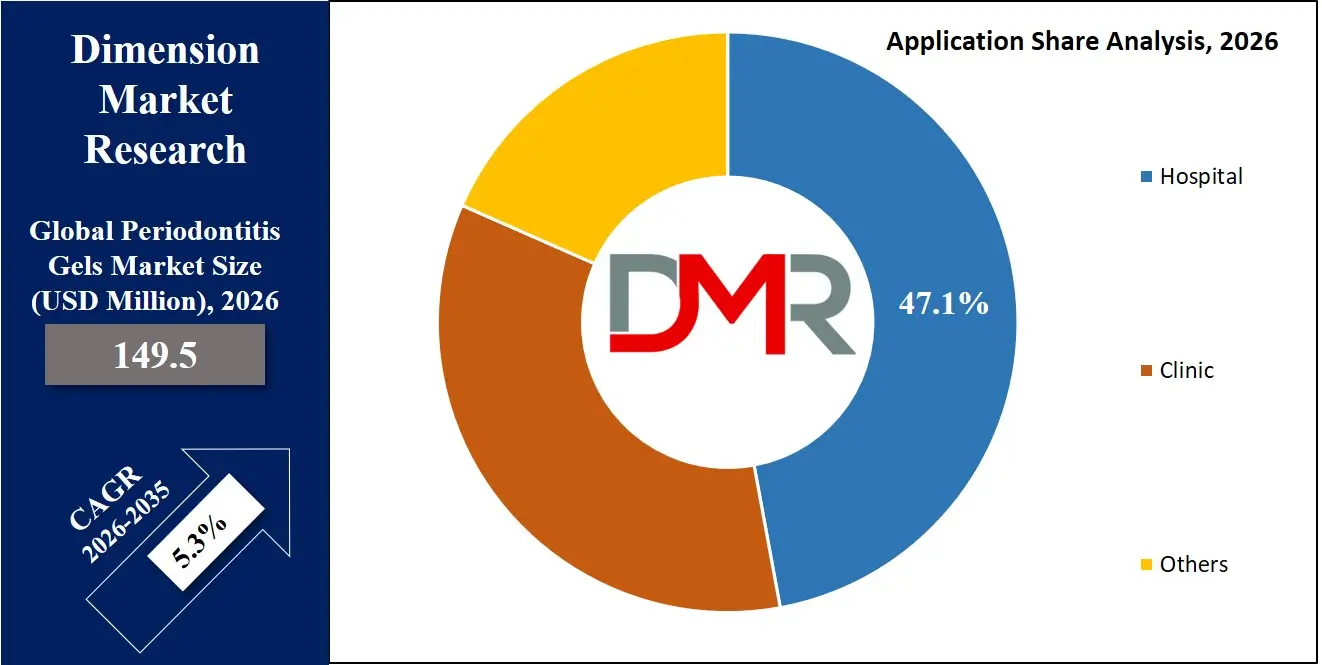
Dental clinics are projected to dominate the application segment of the periodontitis gels market because they perform the majority of nonsurgical periodontal procedures worldwide. These clinical settings range from solo general dentistry practices to large group practices and dental service organizations, all of which routinely diagnose and treat periodontal disease. Since periodontitis management typically begins in the general dental setting, with referral to periodontists for advanced cases, dental clinics represent the primary point of care for most patients receiving adjunctive antimicrobial gel therapy. Compared with hospital-based dental departments, dental clinics conduct a higher volume of routine scaling and root planing procedures, making them the primary consumers of periodontitis gel products.
ℹ
To learn more about this report –
Download Your Free Sample Report Here
Many dental clinics are also equipped with periodontal probing systems and ultrasonic scalers, allowing them to perform comprehensive nonsurgical therapy efficiently. Additionally, the growth of dental clinic networks in regions such as North America, Europe, and Asia-Pacific has significantly expanded access to periodontal care. Patients often prefer dental clinics due to convenient locations, established patient relationships, and integrated care models. Hospitals contribute to the application segment through their dental departments and periodontology specialty clinics, but these represent a smaller proportion of total procedures. Other settings, including public health clinics and academic institutions, contribute limited volume. As a result, dental clinics remain the dominant application segment in the global periodontitis gels market.
The Global Periodontitis Gels Market Report is segmented on the basis of the following:
By Type
- Antibiotic Gels
- Antiseptic Gels
By Category
- Degradable Gels
- Non-degradable Gels
By Application
- Hospitals
- Dental Clinics
- Others
Impact of Artificial Intelligence in the Global Periodontitis Gels Market
- AI for Periodontal Disease Diagnosis: AI algorithms analyze clinical images and radiographic data to detect early signs of periodontal disease, identify pocket depths, and quantify bone loss, assisting clinicians in treatment planning and appropriate gel selection.
- Predictive Modeling of Treatment Outcomes: Machine learning models integrate patient risk factors including smoking status, diabetes control, and genetic predisposition to predict likely response to antimicrobial gel therapy, enabling personalized treatment protocols.
- AI-Assisted Treatment Planning: Emerging AI systems provide evidence-based recommendations for gel selection based on pocket depth, microbial profile, and patient characteristics, optimizing therapeutic outcomes.
- Quality Control in Gel Manufacturing: Computer vision systems employing AI inspect manufactured gel products for consistency, uniformity, and package integrity, ensuring product quality meeting regulatory requirements.
- Clinical Outcome Analysis: AI platforms aggregate and analyze outcomes across large patient populations, identifying correlations between gel formulations, application techniques, and periodontal improvement to inform best practice guidelines.
Global Periodontitis Gels Market: Regional Analysis
Region with the Largest Revenue Share
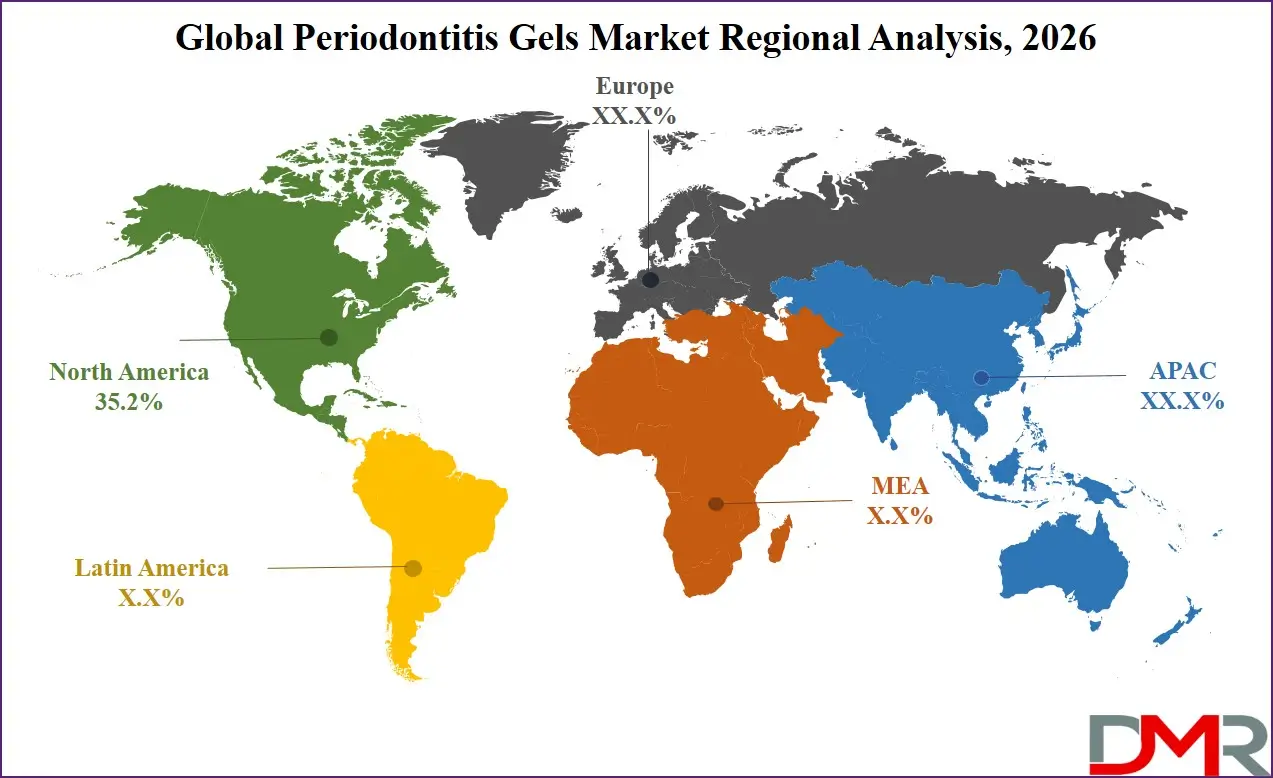
North America is projected to dominate the regional segment with the highest market share as it is anticipated to hold approximately 35.2% of the total market revenue by the end of 2026, due to high periodontal disease prevalence, advanced dental care infrastructure, strong insurance penetration for periodontal procedures, and concentration of leading dental service organizations (DSOs). The region benefits from high patient awareness regarding periodontal health and the oral-systemic health connection, driving demand for advanced therapeutic options. The United States, in particular, accounts for the largest share within North America due to its large private-pay dental market, employer-sponsored dental benefits, and concentration of world-renowned periodontal research centers. The presence of major dental product manufacturers and early adoption of innovative gel technologies further strengthens North America's dominant market position.
ℹ
To learn more about this report –
Download Your Free Sample Report Here
Region with the Highest CAGR
Asia-Pacific holds the highest CAGR and is poised to achieve rapid market share growth due to its massive population base, rising middle-class access to dental care, expanding dental tourism for affordable treatment, and government initiatives promoting oral health. Countries including Japan, China, India, and Australia are investing heavily in dental infrastructure and treatment accessibility. Japan's universal health insurance coverage for periodontal care and China's growing awareness of preventive dentistry, following healthcare reforms, are creating fertile ground for market expansion. The region's large patient volumes, combined with growing numbers of dental clinics adopting international treatment standards, position APAC as the fastest-growing market for periodontitis gel systems.
By Region
North America
Europe
- Germany
- The U.K.
- France
- Italy
- Russia
- Spain
- Benelux
- Nordic
- Rest of Europe
Asia-Pacific
- China
- Japan
- South Korea
- India
- ANZ
- ASEAN
- Rest of Asia-Pacific
Latin America
- Brazil
- Mexico
- Argentina
- Colombia
- Rest of Latin America
Middle East & Africa
- Saudi Arabia
- UAE
- South Africa
- Israel
- Egypt
- Rest of MEA
Global Periodontitis Gels Market: Competitive Landscape
The Global Periodontitis Gels Market is moderately consolidated, featuring a mix of specialized dental pharmaceutical companies, oral care product manufacturers, and diversified healthcare product suppliers. Leading players like Dexcel Pharma, Valeant Pharmaceuticals (Bausch Health), and Sunstar Group leverage their established periodontal product portfolios and global distribution networks to maintain market presence. Specialized manufacturers such as ICPA Health Products, Denfotex Research, and Galderma drive market dynamics with clinically focused innovation and strong relationships with dental professionals. Pharmaceutical conglomerates, including Pfizer and Novartis, maintain selective presence through dental medicine divisions, while regional manufacturers serve local markets with cost-competitive alternatives. The market also features partnerships between gel manufacturers and dental distributor networks, ensuring consistent product supply and collaborative product development based on clinical feedback.
Some of the prominent players in the Global Periodontitis Gels Market are:
- 3M Company
- Bausch Health Companies Inc.
- Dexcel Pharma Ltd.
- Den-Mat Holdings LLC
- Kaken Pharmaceutical Co., Ltd.
- Galderma S.A.
- Colgate-Palmolive Company
- Procter & Gamble Co.
- Johnson & Johnson
- GlaxoSmithKline plc
- Sunstar Group
- Dentsply Sirona Inc.
- Pfizer Inc.
- Henry Schein, Inc.
- Straumann Holding AG
- GC Corporation
- Septodont
- Ivoclar Vivadent AG
- Young Innovations, Inc.
- Tolmar Pharmaceuticals, Inc.
- Other Key Players
Recent Developments in the Global Periodontitis Gels Market
- February 2026: Bausch Health Companies Inc. announced that its dental division OraPharma marked the 25th anniversary of ARESTIN (minocycline HCl microspheres), a locally delivered antibiotic used with scaling and root planing for treating periodontitis. The product remains the only FDA-approved locally applied antibiotic for periodontal pockets and has been used in clinical practice for over two decades.
- November 2025: Bausch Health Companies Inc. expanded the commercial reach of its dental products division OraPharma into Canada and Puerto Rico, aiming to improve access to periodontal treatment solutions and strengthen partnerships with dental professionals in these regions.
- September 2024: Haleon collaborated with the National Institute for Health and Care Research to integrate Type 2 diabetes screening into dental checkups, using periodontal examinations as part of broader oral-systemic health initiatives.
- February 2024: Colgate-Palmolive Company introduced PerioGard Advanced Care, a chlorhexidine-based dental gel formulation designed to treat gingivitis and early gum disease with improved tolerability and antimicrobial effectiveness.
- January 2024: Sunstar Group launched a localized drug-delivery system for periodontal pockets in Japan under its GUM brand, using bioresorbable carriers to deliver antimicrobial agents directly to infected periodontal sites.
Report Details
| Report Characteristics |
| Market Size (2026) |
USD 149.5 Mn |
| Forecast Value (2035) |
USD 238.0 Mn |
| CAGR (2026–2035) |
5.3% |
| The US Market Size (2026) |
USD 44.3 Mn |
| Historical Data |
2020 – 2025 |
| Forecast Data |
2027 – 2035 |
| Base Year |
2025 |
| Estimate Year |
2026 |
| Report Coverage |
Market Revenue Estimation, Market Dynamics, Competitive Landscape, Growth Factors and etc. |
| Segments Covered |
By Type (Antibiotic Gels, Antiseptic Gels), By Category (Degradable Gels, Non-degradable Gels), By Application (Hospitals, Dental Clinics, Others) |
| Regional Coverage |
North America – The US and Canada; Europe – Germany, The UK, France, Russia, Spain, Italy, Benelux, Nordic, & Rest of Europe; Asia-Pacific – China, Japan, South Korea, India, ANZ, ASEAN, Rest of APAC; Latin America – Brazil, Mexico, Argentina, Colombia, Rest of Latin America; Middle East & Africa – Saudi Arabia, UAE, South Africa, Turkey, Egypt, Israel, & Rest of MEA |
| Prominent Players |
3M Company, Bausch Health Companies Inc., Dexcel Pharma Ltd., Den-Mat Holdings LLC, Kaken Pharmaceutical Co., Ltd., Galderma S.A., Colgate-Palmolive Company, Procter & Gamble Co., Johnson & Johnson, GlaxoSmithKline plc, Sunstar Group, Dentsply Sirona Inc., Pfizer Inc., Henry Schein, Inc., Straumann Holding AG, GC Corporation, Septodont, Ivoclar Vivadent AG, Young Innovations, Inc., Tolmar Pharmaceuticals, Inc., and Other Key Players |
| Purchase Options |
We have three licenses to opt for: Single User License (Limited to 1 user), Multi-User License (Up to 5 Users) and Corporate Use License (Unlimited User) along with free report customization equivalent to 0 analyst working days, 3 analysts working days and 5 analysts working days respectively. |
Frequently Asked Questions
How big is the Global Periodontitis Gels Market?
▾ The Global Periodontitis Gels Market size is estimated to have a value of USD 149.5 million in 2026 and is expected to reach USD 238.0 million by the end of 2035.
What is the growth rate in the Global Periodontitis Gels Market in 2026?
▾ The market is growing at a CAGR of 5.3% over the forecasted period of 2026.
What is the size of the US Periodontitis Gels Market?
▾ The US Periodontitis Gels Market is projected to be valued at USD 44.3 million in 2026. It is expected to witness subsequent growth in the upcoming period as it holds USD 68.5 million in 2035 at a CAGR of 5.0%.
Which region accounted for the largest Global Periodontitis Gels Market?
▾ North America is expected to have the largest market share in the Global Periodontitis Gels Market with a share of about 35.2% in 2026.
Who are the key players in the Global Periodontitis Gels Market?
▾ Some of the major key players in the Global Periodontitis Gels Market are 3M Company, Dexcel Pharma Ltd., Den-Mat Holdings LLC, Galderma S.A., Colgate-Palmolive Company, and many others.