What is the Physical Therapy Services Market Size?
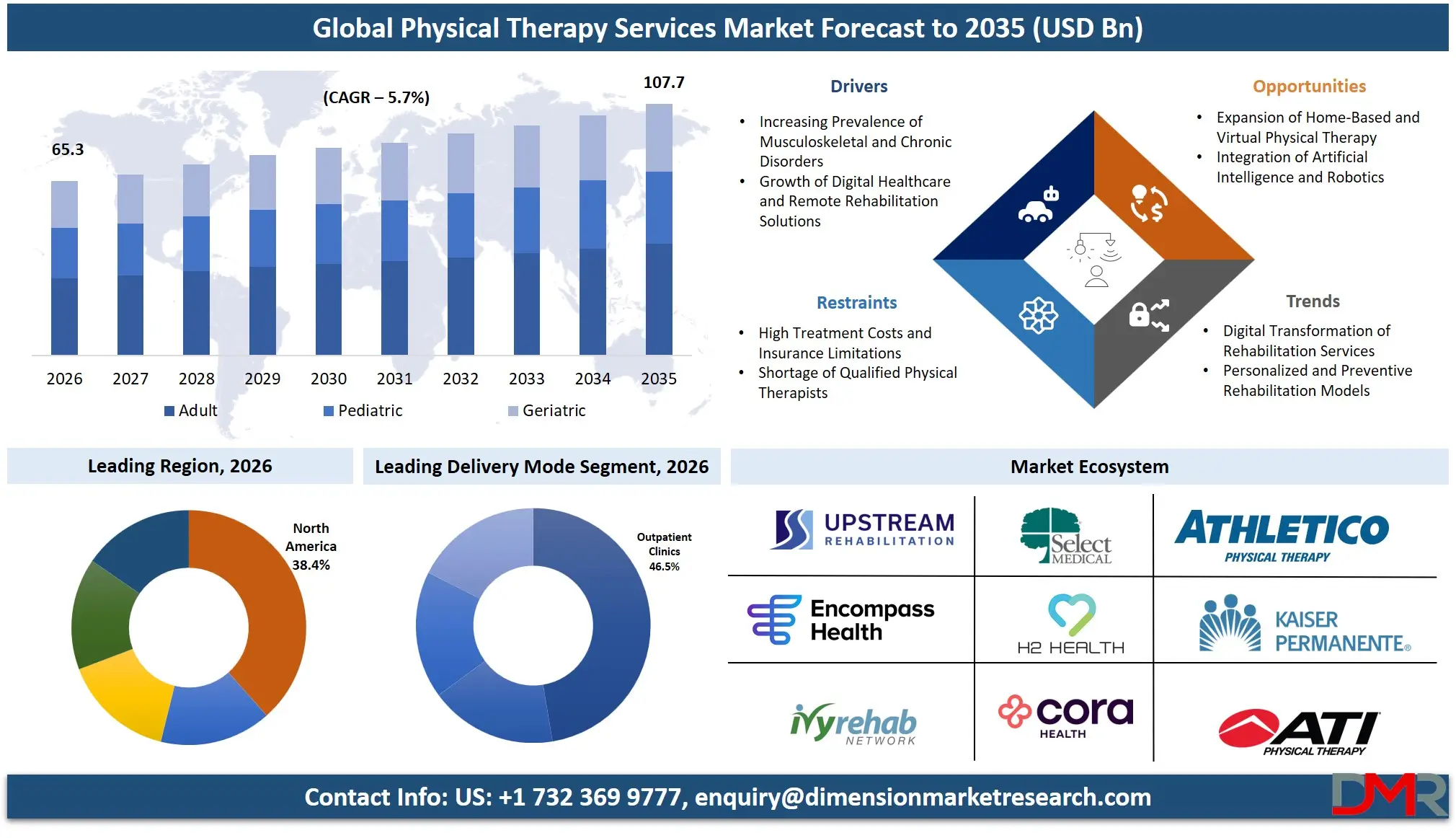
The Physical Therapy Services Market size is expected to be USD 65.3 billion in 2026 and increase at a compound annual growth rate of 5.7% to USD 107.7 billion in 2035 due to increasing prevalence of musculoskeletal and chronic disorders.
ℹ
To learn more about this report –
Download Your Free Sample Report Here
The physical therapy services market includes professional rehabilitation services designed to restore mobility, improve physical function, manage pain, and support recovery from injuries, surgeries, neurological conditions, and chronic diseases. The market comprises clinical therapy, rehabilitation programs, telehealth solutions, home-based care, and specialized services such as orthopedic, sports, neurological, pediatric, and geriatric therapy. It plays a vital role in the healthcare ecosystem by reducing disability burden, improving patient outcomes, and lowering long-term healthcare costs. Growth is influenced by aging populations, rising musculoskeletal disorders, digital health adoption, value-based care models, and increasing demand for personalized rehabilitation solutions.
The US Physical Therapy Services Market
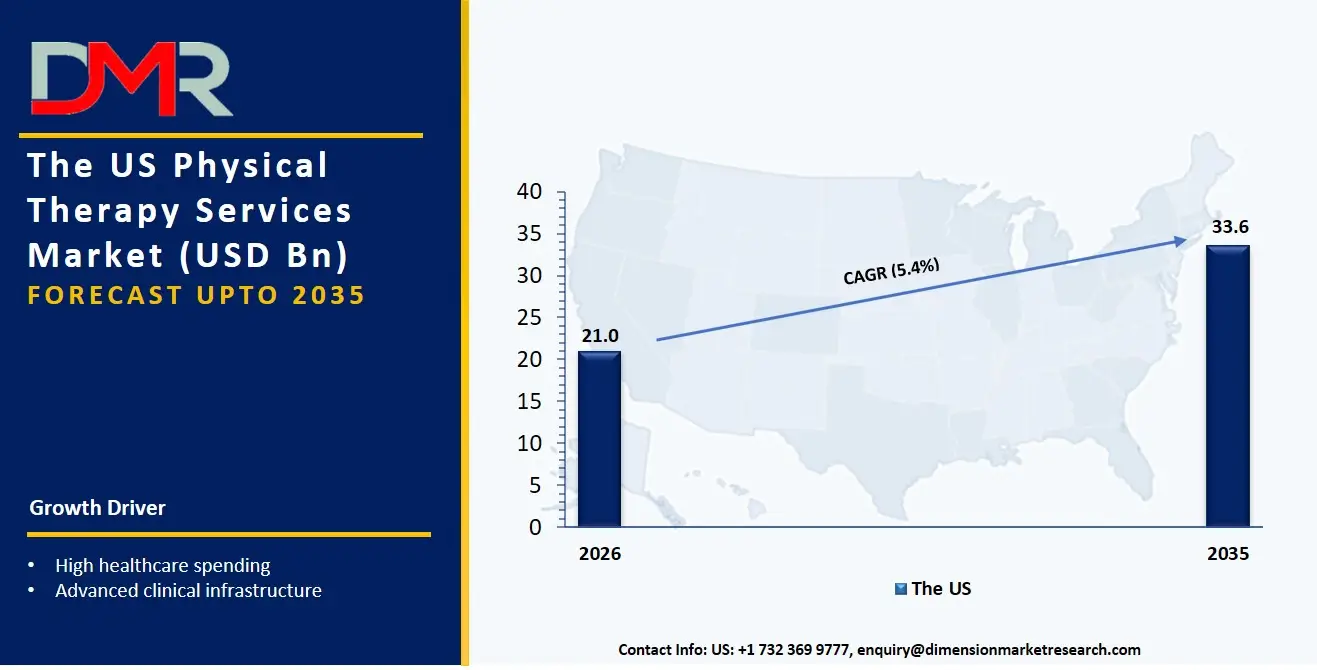
The US Physical Therapy Services Market size is estimated to be USD 21.0 billion in 2026 and is expected to increase at a CAGR of 5.4% over the forecast period.
ℹ
To learn more about this report –
Download Your Free Sample Report Here
The U.S. physical therapy services market represents one of the most developed rehabilitation ecosystems globally, supported by high healthcare spending, advanced clinical infrastructure, and strong demand from aging populations and sports-related injuries. Outpatient rehabilitation remains a major growth area due to healthcare cost optimization and preference for lower-cost alternatives to hospital-based recovery. Market consolidation is increasing through acquisitions and hospital partnerships, while regulatory support for telehealth and value-based care models is encouraging broader adoption. Major operators are expanding through clinic networks, technology integration, and specialized therapy programs. PT Solutions expanded its footprint in 2025 through the acquisition of OrthoCarolina Physical Therapy's 24 therapy clinics and collaboration with Novant Health to improve regional access to rehabilitation services.
Europe Physical Therapy Services Market
The Europe Physical Therapy Services Market size is estimated to be USD 13.1 billion in 2026 and is expected to increase at a CAGR of 5.3% over the forecast period.
Europe's physical therapy services market is driven by increasing healthcare accessibility, government-supported rehabilitation programs, and rising demand for preventive healthcare. Countries including Germany, the United Kingdom, France, and Nordic nations are investing in rehabilitation infrastructure to address aging demographics and chronic disease prevalence. Digital health initiatives and remote rehabilitation platforms are gaining momentum as healthcare systems emphasize efficiency and patient-centered care. Policies supporting healthcare modernization and reduced hospitalization costs are accelerating adoption of outpatient and home-based therapy models. The region is also witnessing greater integration of artificial intelligence, wearable devices, and remote monitoring technologies to improve treatment outcomes.
Japan Physical Therapy Services Market
The market size of Japan Physical Therapy Services will be USD 3.3 billion in 2026 and at a CAGR of 5.6% in the forecast period.
Japan's physical therapy services market is expanding rapidly due to one of the world's highest aging populations, increasing prevalence of mobility-related disorders, and government initiatives focused on elderly independence. Demand is growing for geriatric rehabilitation, home-based therapy, and robotic-assisted rehabilitation solutions. Urbanization and healthcare technology adoption are supporting advanced rehabilitation approaches, including digital monitoring and AI-supported therapy planning. Japan's focus on reducing long-term care costs and improving quality of life among older adults is encouraging investments in preventive rehabilitation services. However, challenges such as therapist shortages and regional healthcare disparities continue influencing market development.
Key Takeaways
- Market Size & Forecast: The Physical Therapy Services Market size is projected to reach USD 65.3 billion in 2026 and is anticipated to have a value of USD 107.7 billion in 2035.
- Growth Rate & Outlook: The Physical Therapy Services Market size is set to grow at a compound annual growth rate of 5.7% during the forecast period of 2026 to 2035.
- Primary Growth Drivers: Some of the major growth drivers in the market are Increasing Prevalence of Musculoskeletal and Chronic Disorders, and more.
- Key Market Trends: Some of the major trends in the market are Digital Transformation of Rehabilitation Services, and more.
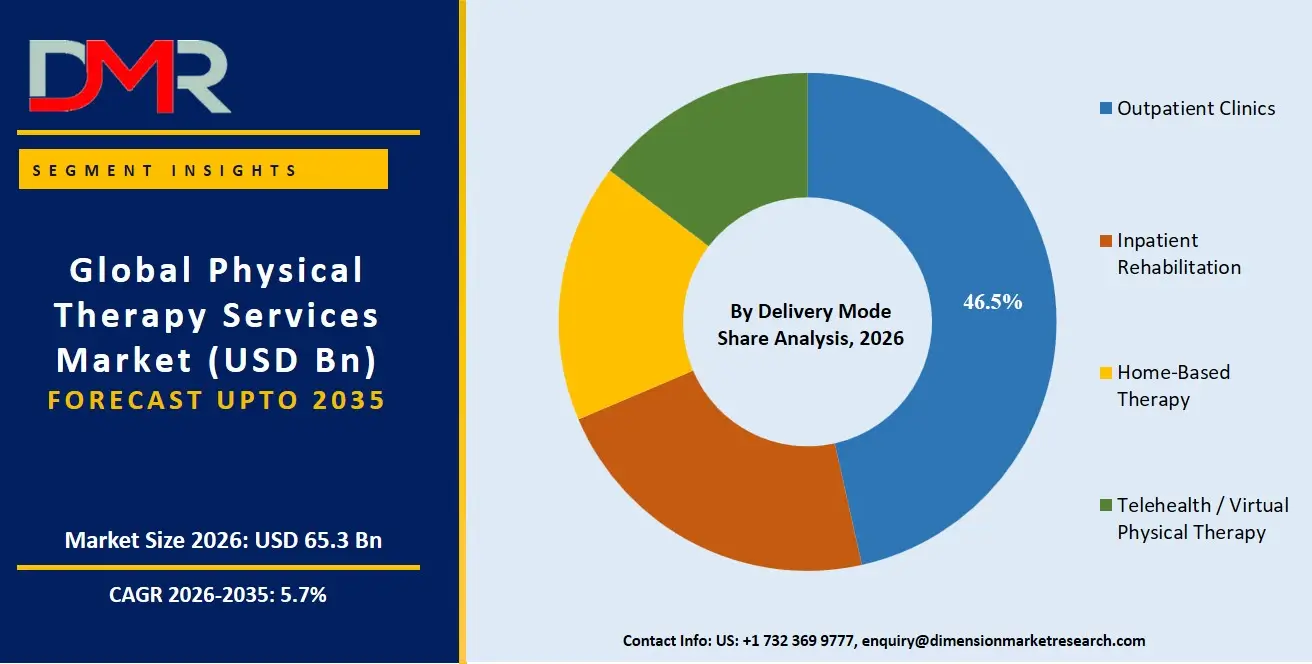
- By Delivery Mode Type: Outpatient Clinics are anticipated to get the majority share of the Physical Therapy Services Market in 2026.
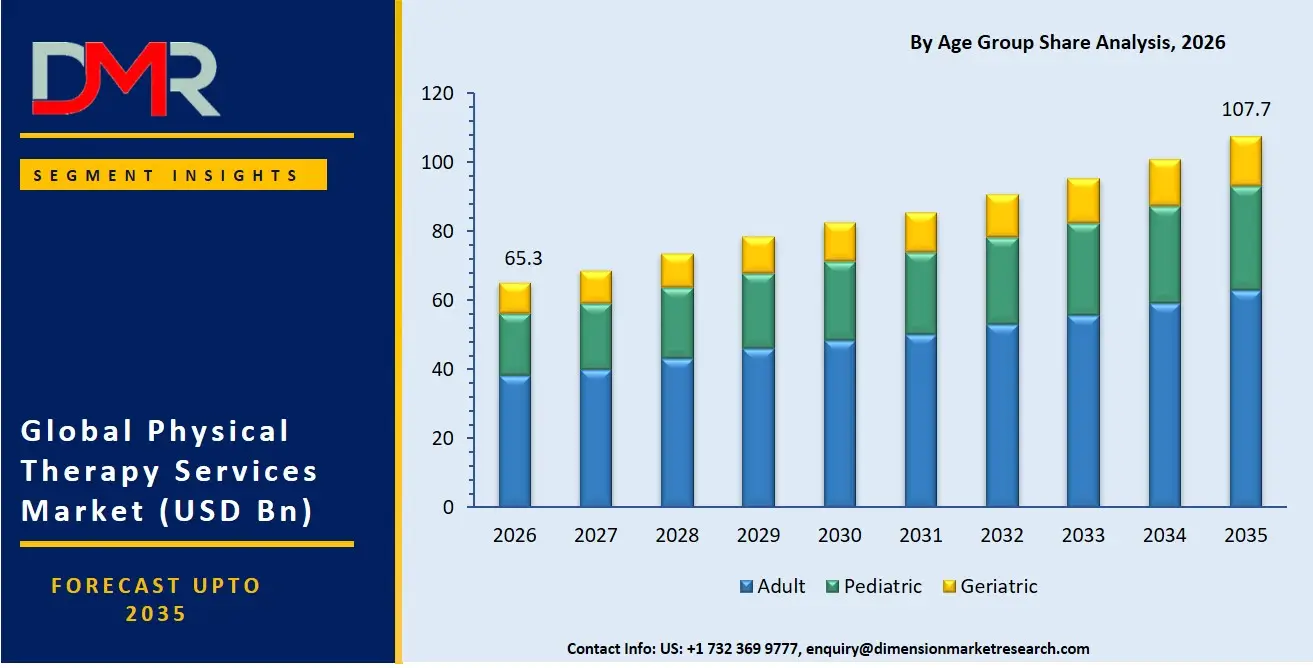
- By Age Group Type: Adults is expected to get the largest revenue share in 2026 in the Physical Therapy Services Market.
- Regional Leadership: North America is set to lead the Physical Therapy Services Market with an estimated 38.4% share in 2026.
What is the Physical Therapy Services?
Physical therapy services are healthcare interventions that use exercise programs, manual techniques, movement training, assistive technologies, and therapeutic procedures to improve physical abilities, restore functional independence, and manage conditions affecting muscles, bones, nerves, and overall mobility. These services are delivered by licensed physical therapists across hospitals, outpatient clinics, rehabilitation centers, home-care settings, and virtual platforms to support injury recovery, disease management, prevention, and long-term wellness.
Use Cases
- Orthopedic Rehabilitation: Physical therapy services are widely used for treating fractures, joint replacements, arthritis, and musculoskeletal injuries. Therapists provide customized exercise programs, mobility training, and pain management techniques to restore physical function and accelerate recovery.
- Neurological Rehabilitation: Neurological physical therapy supports patients recovering from stroke, spinal cord injuries, Parkinson's disease, and other nervous system disorders. Specialized rehabilitation improves coordination, balance, movement control, and independence in daily activities.
- Sports Injury Recovery: Sports physical therapy focuses on injury prevention, performance improvement, and recovery from athletic injuries. Programs include strength training, flexibility improvement, functional exercises, and return-to-sport rehabilitation protocols.
- Chronic Disease Management: Physical therapy assists patients with chronic conditions such as cardiovascular disease, respiratory disorders, and persistent pain. Long-term therapy programs improve endurance, mobility, and overall quality of life while reducing healthcare dependency.
How AI Is Transforming the Physical Therapy Services Market
Artificial intelligence is transforming the physical therapy services market by enabling advanced movement analysis, personalized rehabilitation planning, and improved patient monitoring. AI-powered platforms analyze patient movements through cameras, sensors, and wearable devices to identify mobility issues and recommend customized exercises. These technologies help therapists make data-driven decisions, improve diagnostic accuracy, and track recovery progress more efficiently.
AI is also improving virtual physical therapy solutions by providing automated guidance, real-time feedback, and remote patient engagement. Healthcare providers are integrating AI tools to optimize clinical workflows, reduce administrative burdens, and enhance treatment accessibility. The combination of AI, robotics, and digital rehabilitation platforms is expected to accelerate the transition toward personalized, technology-enabled therapy models.
Market Dynamic
Driving Factors in the Physical Therapy Services Market
Increasing Prevalence of Musculoskeletal and Chronic Disorders
The rising global burden of musculoskeletal disorders, sports injuries, and chronic diseases is a major factor driving demand for physical therapy services. Aging populations are experiencing increased rates of arthritis, mobility limitations, and post-surgical rehabilitation needs, creating sustained demand for professional therapy solutions. Healthcare systems are increasingly promoting rehabilitation as a cost-effective approach to reduce complications and improve patient independence. The shift toward preventive care and early intervention is encouraging more individuals to seek physical therapy services before conditions become severe.
Restraints in the Physical Therapy Services Market
High Treatment Costs and Insurance Limitations
Although physical therapy provides long-term health benefits, treatment costs and reimbursement limitations can restrict patient access. Insurance coverage differences, authorization requirements, and variations in healthcare policies create challenges for providers and patients. In some regions, limited reimbursement for extended therapy sessions may reduce treatment adherence. Smaller clinics often face financial pressure due to operational expenses, workforce costs, and investments required for advanced rehabilitation technologies.
Opportunities in the Physical Therapy Services Market
Expansion of Home-Based and Virtual Physical Therapy
Home-based rehabilitation and telehealth services represent major growth opportunities as patients increasingly prefer convenient healthcare delivery options. Remote therapy platforms allow providers to reach wider populations while reducing facility dependency. Advances in motion tracking, wearable sensors, and virtual coaching technologies are creating opportunities for personalized rehabilitation outside traditional clinics.
Trends in the Physical Therapy Services Market
Digital Transformation of Rehabilitation Services
Digitalization is becoming a major trend in physical therapy, with providers adopting electronic health records, virtual consultations, mobile applications, and remote monitoring systems. These technologies improve communication between therapists and patients while enabling data-driven treatment decisions. Digital rehabilitation platforms are expected to become increasingly integrated into mainstream healthcare delivery.
Research Scope and Analysis
The research scope of the physical therapy services market covers service types, delivery modes, indications, age groups, and end-user segments. The analysis evaluates market trends, growth drivers, challenges, regional performance, competitive strategies, technological advancements, and future opportunities influencing global rehabilitation service adoption.
ℹ
To learn more about this report –
Download Your Free Sample Report Here
By Service Type Analysis
The service type segment is dominated by orthopedic physical therapy due to the high prevalence of musculoskeletal disorders, joint replacement procedures, sports injuries, and age-related mobility challenges. Orthopedic physical therapy is estimated to account for approximately 34.8% of the global physical therapy services market share in 2026, supported by rising demand for post-surgical rehabilitation and chronic pain management. Neurological and sports physical therapy segments are also expanding steadily, driven by increasing stroke cases, neurological disorders, and professional sports participation. Sports physical therapy is expected to be among the fastest-growing segments due to rising awareness of injury prevention, athletic performance enhancement, and rehabilitation programs among amateur and professional athletes.
By Delivery Mode Analysis
The outpatient clinics segment represents the leading delivery mode in the physical therapy services market, accounting for an estimated 46.5% market share in 2026. Outpatient facilities remain preferred because they provide cost-effective rehabilitation compared with inpatient care while offering specialized treatment environments. Increasing insurance coverage, expansion of private therapy networks, and growing demand for personalized rehabilitation programs are strengthening this segment. Home-based therapy and telehealth physical therapy are emerging as the fastest-growing delivery models due to convenience, accessibility, and technological improvements. Virtual therapy platforms allow patients to continue rehabilitation remotely, especially benefiting elderly populations and individuals with mobility limitations.
By Indication Analysis
Musculoskeletal disorders represent the largest indication segment, contributing an estimated 41.2% share of the physical therapy services market in 2026. High prevalence of back pain, arthritis, sports injuries, fractures, and post-operative orthopedic recovery requirements are driving segment dominance. Increased workplace-related injuries and sedentary lifestyles are further increasing demand for rehabilitation services. Chronic pain management and post-surgical rehabilitation are also witnessing strong growth as healthcare providers emphasize recovery optimization. Neurological disorders represent one of the fastest-growing areas due to increasing stroke incidence, aging populations, and advancements in specialized neurological rehabilitation techniques.
By Age Group Analysis
The adult age group segment is expected to dominate the physical therapy services market with approximately 58.6% market share in 2026. Adults represent the largest patient base due to workplace injuries, sports-related conditions, chronic pain issues, and post-surgical rehabilitation requirements.
ℹ
To learn more about this report –
Download Your Free Sample Report Here
Growing awareness regarding preventive healthcare and physical wellness is increasing therapy adoption among working-age populations. The geriatric segment is projected to experience the fastest growth due to increasing life expectancy, rising prevalence of age-related mobility disorders, and government initiatives supporting elderly healthcare. Demand for balance training, fall prevention programs, and home-based rehabilitation is expanding significantly among older adults.
By End User Analysis
Private physical therapy clinics are projected to remain the leading end-user segment, capturing approximately 39.7% market share in 2026. These facilities benefit from specialized services, flexible treatment options, personalized patient care, and increasing consumer preference for outpatient rehabilitation. Private clinics are expanding through partnerships, acquisitions, and technology adoption to improve service quality and operational efficiency. Rehabilitation centers and home healthcare settings are among the fastest-growing segments due to increasing demand for post-acute care and aging population support. Hospitals continue integrating physical therapy departments to improve recovery outcomes and reduce patient readmissions.
The Physical Therapy Services Market Report is segmented on the basis of the following:
By Service Type
- Orthopedic Physical Therapy
- Neurological Physical Therapy
- Sports Physical Therapy
- Pediatric Physical Therapy
- Geriatric Physical Therapy
- Cardiopulmonary Physical Therapy
- Women's Health & Pelvic Floor Physical Therapy
- Vestibular & Balance Therapy
By Delivery Mode
- Outpatient Clinics
- Inpatient Rehabilitation
- Home-Based Therapy
- Telehealth / Virtual Physical Therapy
By Indication
- Musculoskeletal Disorders
- Neurological Disorders
- Sports Injuries
- Post-Surgical Rehabilitation
- Chronic Pain Management
- Cardiopulmonary Conditions
By Age Group
- Pediatric
- Adult
- Geriatric
By End User
- Hospitals
- Private Physical Therapy Clinics
- Rehabilitation Centers
- Home Healthcare Settings
- Sports & Fitness Organizations
Regional Analysis
Leading Region in the Physical Therapy Services Market
ℹ
To learn more about this report –
Download Your Free Sample Report Here
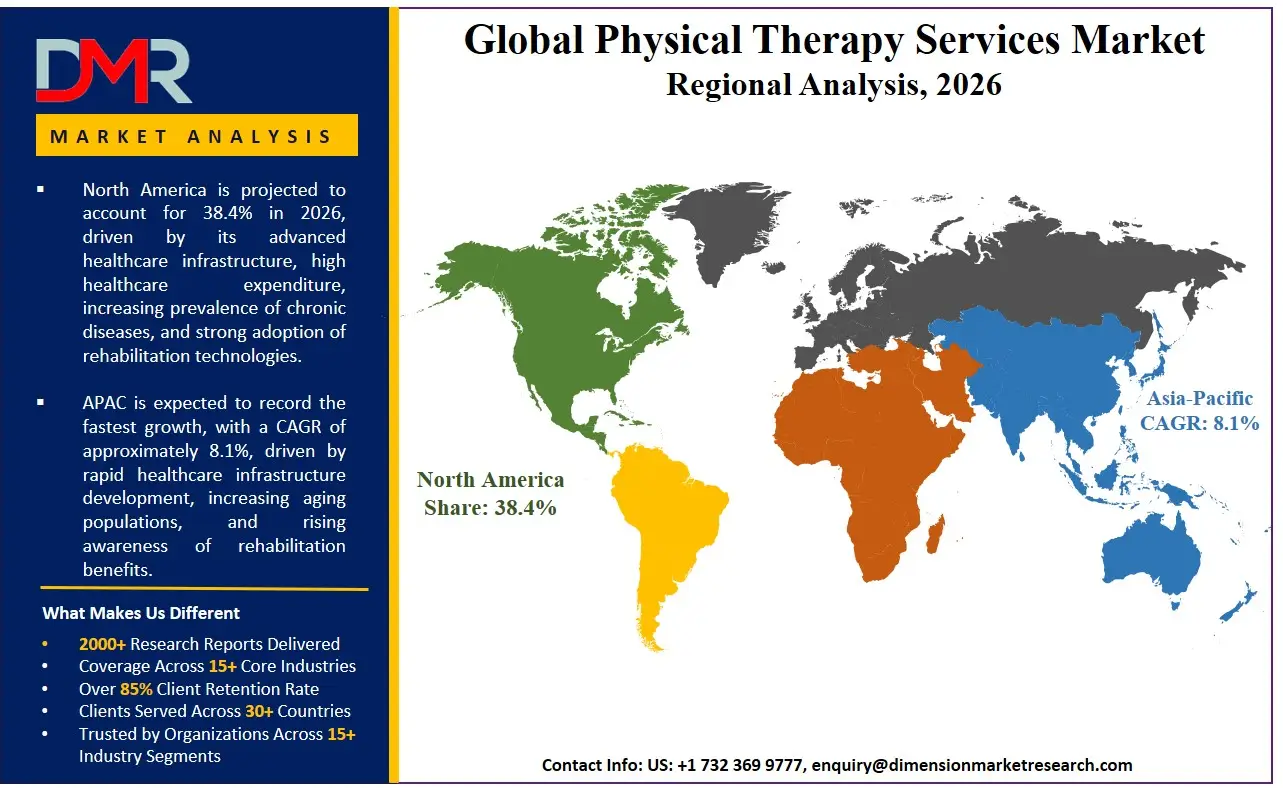
North America is expected to remain the leading region in the physical therapy services market, accounting for approximately 38.4% of the global market share in 2026. The region's dominance is supported by advanced healthcare infrastructure, high healthcare expenditure, increasing prevalence of chronic diseases, and strong adoption of rehabilitation technologies. The United States represents the largest contributor due to widespread outpatient therapy networks, favorable reimbursement structures, and growing demand for specialized rehabilitation services. Government initiatives supporting value-based healthcare, digital health adoption, and elderly care programs are further strengthening market growth. The presence of advanced medical facilities and technology-driven therapy solutions continues to reinforce North America's leadership position.
Fastest Growing Region in the Physical Therapy Services Market
Asia-Pacific is projected to be the fastest-growing region in the physical therapy services market due to rapid healthcare infrastructure development, increasing aging populations, and rising awareness of rehabilitation benefits. Countries such as Japan, China, India, and South Korea are experiencing growing demand for orthopedic, neurological, and geriatric rehabilitation services. Expanding healthcare investments, government programs improving accessibility, and adoption of digital health platforms are accelerating market expansion. Increasing urbanization, rising disposable income, and growth of private healthcare providers are creating new opportunities for therapy service providers across emerging economies. The region is also becoming an important hub for innovative rehabilitation technologies and affordable care delivery models.
By Region
North America
Europe
- Germany
- The U.K.
- France
- Italy
- Russia
- Spain
- Benelux
- Nordic
- Rest of Europe
Asia-Pacific
- China
- Japan
- South Korea
- India
- ANZ
- ASEAN
- Rest of Asia-Pacific
Latin America
- Brazil
- Mexico
- Argentina
- Colombia
- Rest of Latin America
Middle East & Africa
- Saudi Arabia
- UAE
- South Africa
- Israel
- Egypt
- Rest of MEA
Competitive Landscape
The physical therapy services market is characterized by increasing competition among healthcare providers, rehabilitation networks, technology companies, and digital therapy platforms. Market participants are focusing on geographic expansion, service specialization, strategic partnerships, and technology integration to strengthen their positions. Competitive advantages are increasingly determined by therapist expertise, patient experience, digital capabilities, and comprehensive care models. Companies are investing in artificial intelligence, remote monitoring platforms, and advanced rehabilitation equipment to differentiate their offerings. High workforce requirements, regulatory compliance, and the need for clinical expertise create moderate entry barriers, encouraging established providers to expand through acquisitions and collaborations.
Some of the prominent players in the global Physical Therapy Services are:
- ATI Physical Therapy
- Select Medical Holdings Corporation
- Encompass Health Corporation
- Upstream Rehabilitation
- Athletico Physical Therapy
- Benchmark Physical Therapy
- PT Solutions Physical Therapy
- Confluent Health
- Ivy Rehab Network
- FYZICAL Therapy & Balance Centers
- H2 Health
- Genesis Rehab Services
- Aegis Therapies
- Powerback Rehabilitation
- U.S. Physical Therapy, Inc.
- CORA Health Services
- NovaCare Rehabilitation
- Kaiser Permanente
- HCA Healthcare
- Sutter Health
- Other Key Players
Recent Developments
- In May 2025, Sword Health expanded its AI-based rehabilitation ecosystem by continuing investment in intelligent digital therapy technologies. The company focused on improving automated movement assessment, personalized exercise recommendations, and remote patient support capabilities. These developments highlight the increasing role of artificial intelligence in addressing workforce limitations and expanding access to rehabilitation services.
- In March 2025, Hinge Health continued advancing its digital physical therapy platform by expanding artificial intelligence capabilities designed to personalize musculoskeletal care. The company enhanced technology features supporting movement tracking, patient engagement, and virtual coaching for individuals managing chronic pain and mobility conditions. The development reflects growing demand for hybrid rehabilitation models combining digital tools with clinical expertise.
- In January 2025, PT Solutions announced an expansion of its physical therapy network through the acquisition of OrthoCarolina Physical Therapy's outpatient clinic operations. The transaction strengthened PT Solutions' presence in the southeastern United States and expanded access to orthopedic rehabilitation services. The acquisition included multiple therapy locations and supported PT Solutions' strategy of increasing patient access through integrated healthcare partnerships. The company continues focusing on combining clinical expertise, technology adoption, and physician collaboration to improve rehabilitation outcomes.
Report Details
| Report Characteristics |
| Market Size (2026) |
USD 65.3 Bn |
| Forecast Value (2035) |
USD 107.7 Bn |
| CAGR (2026–2035) |
5.7% |
| Historical Period |
2021 – 2025 |
| Forecast Period |
2027 – 2035 |
| Base Year |
2025 |
| Estimate Year |
2026 |
| Segments Covered |
By Service Type, By Delivery Mode, By Indication, By Age Group, By End User |
| Regional Coverage |
North America – The US and Canada; Europe – Germany, The UK, France, Russia, Spain, Italy, Benelux, Nordic, & Rest of Europe; Asia-Pacific – China, Japan, South Korea, India, ANZ, ASEAN, Rest of APAC; Latin America – Brazil, Mexico, Argentina, Colombia, Rest of Latin America; Middle East & Africa – Saudi Arabia, UAE, South Africa, Turkey, Egypt, Israel, & Rest of MEA |
Frequently Asked Questions
How big is the Physical Therapy Services Market?
▾ The Physical Therapy Services Market size is expected to reach USD 65.3 billion by 2026 and is projected to reach USD 107.7 billion by the end of 2035.
What is the CAGR of the Physical Therapy Services Market from 2026 to 2035?
▾ The market is growing at a CAGR of 5.7 percent over the forecasted period.
What factors are driving the growth of the Physical Therapy Services Market?
▾ Increasing Prevalence of Musculoskeletal and Chronic Disorders, and more are the factors driving the growth of the Physical Therapy Services Market.
What are the major trends in the Physical Therapy Services Market?
▾ Digital Transformation of Rehabilitation Services, and more are some of the major trends in the market.
Who are the key players in the Physical Therapy Services Market?
▾ Some of the key players in the Physical Therapy Services Market include H2 Health, Cora Health, ATI, more.
How is the Physical Therapy Services Market segmented?
▾ The Physical Therapy Services Market is segmented by service type, delivery mode, indication, age group, end user.
Which region held the largest share of the Physical Therapy Services Market in 2026?
▾ North America is set to lead the Physical Therapy Services Market with an estimated 38.4% share in 2026.
Which region is expected to grow the fastest in the Physical Therapy Services Market?
▾ Asia Pacific is the fastest-growing region in the Physical Therapy Services Market during the forecast period.