Indication Covered
The report covers prostate cancer as a malignant neoplastic disease of the male reproductive system, with emphasis on its clinical burden, treatment patterns, therapeutic innovation, and commercial market development across the seven major markets. Prostate cancer is primarily characterized by the uncontrolled growth of malignant cells within the prostate gland, commonly originating in the epithelial cells of the prostate. The disease is frequently associated with androgen receptor signaling and testosterone-dependent tumor growth, although molecular alterations and other biological mechanisms contribute to disease progression. The condition can range from localized, slow-growing tumors that may require active surveillance to aggressive, metastatic, and castration-resistant disease requiring systemic treatment, targeted therapies, radiotherapy, or radiopharmaceutical intervention.
The indication scope includes major clinical manifestations and associated disease conditions relevant to treatment demand, including:
- Localized prostate cancer
- Locally advanced prostate cancer
- Metastatic hormone-sensitive prostate cancer (mHSPC)
- Metastatic castration-resistant prostate cancer (mCRPC)
- Non-metastatic castration-resistant prostate cancer (nmCRPC)
- Biochemically recurrent prostate cancer
Localized prostate cancer remains the primary focus because of its substantial diagnosed population and the availability of multiple treatment approaches, including active surveillance, surgery, and radiotherapy. The report also considers metastatic castration-resistant prostate cancer because of its substantial treatment burden, progressive disease characteristics, and requirement for advanced systemic therapies. Other difficult-to-treat manifestations, complications, or advanced forms, including bone metastases, treatment-resistant tumors, biochemical recurrence, and prostate cancer associated with BRCA1/BRCA2 and other DNA repair alterations, are evaluated as areas of continuing clinical need.
The treatment landscape covers androgen deprivation therapy (ADT), androgen receptor pathway inhibitors, chemotherapy, PARP inhibitors, radiopharmaceuticals, immunotherapy, and conventional local treatment approaches. Particular attention is given to advanced therapies targeting androgen receptor signaling, DNA damage repair pathways, prostate-specific membrane antigen (PSMA), and tumor-specific molecular alterations, as well as emerging radioligand, combination, and next-generation targeted treatment approaches.
Epidemiology Parameters
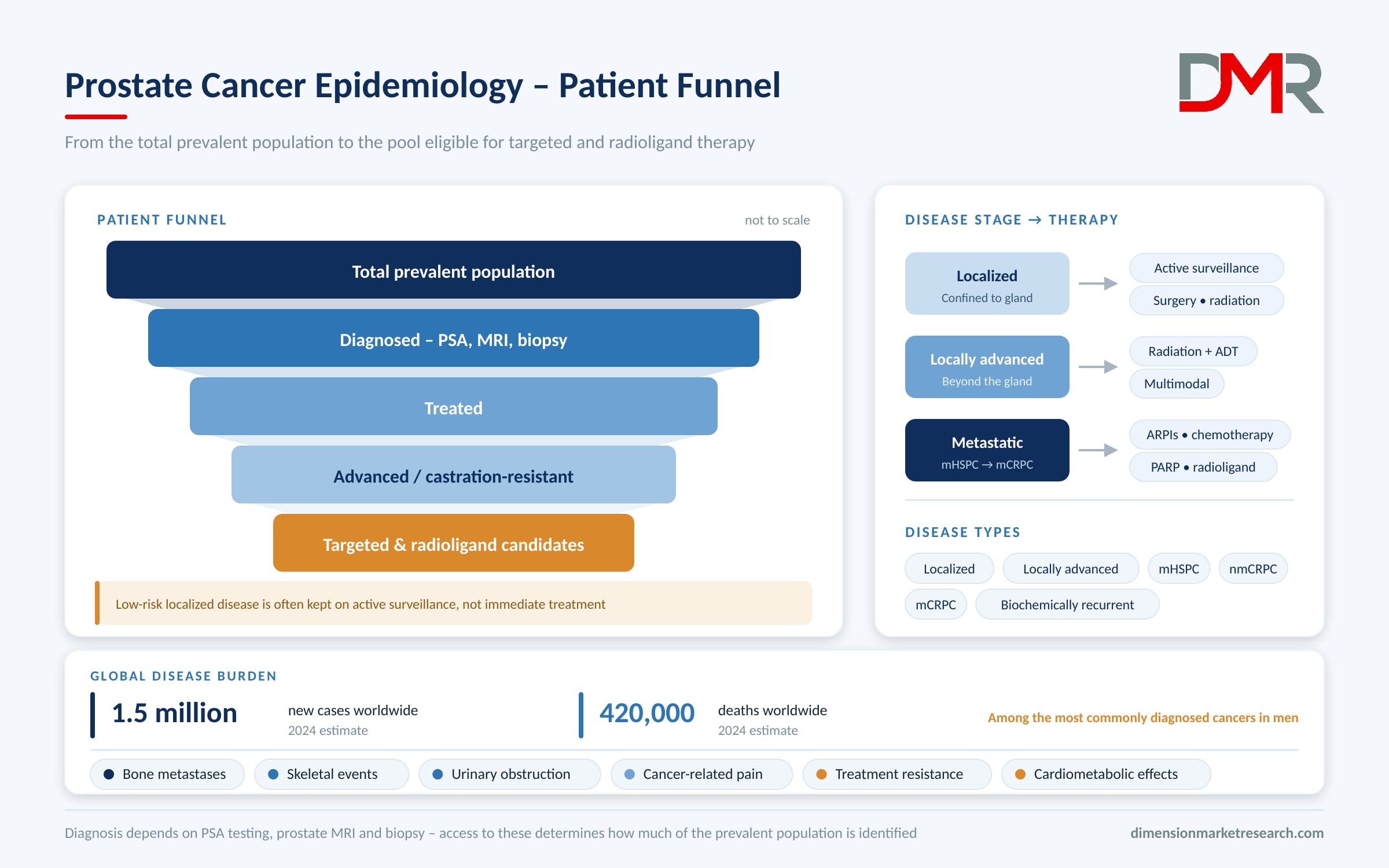
Prostate cancer represents a significant progressive cancer burden across the major healthcare markets covered in the report. It is among the most commonly diagnosed cancers in men globally, with approximately 1.5 million new cases and 420,000 deaths estimated worldwide in 2024. Epidemiological patterns vary substantially between countries because of differences in genetic susceptibility, environmental factors, population aging, healthcare access, disease awareness, PSA screening practices, diagnostic capabilities, and availability of urology and oncology services.
ℹ
To learn more about this report –
Download Your Free Sample Report Here
The epidemiology assessment provides a structured evaluation of the prostate cancer population from overall prevalence through diagnosis and treatment. Key parameters include:
- Total prostate cancer patient population
- Prevalent population
- Incidence population
- Diagnosed patient population
- Treated patient population
- Untreated patient population
- Treatment-eligible population
- Disease severity distribution
- Localized prostate cancer population
- Locally advanced prostate cancer population
- Metastatic prostate cancer population
- Castration-resistant prostate cancer population
- Hormone-sensitive prostate cancer population
- Age distribution
- Gender distribution, where available
- Diagnosis rate
- Treatment rate
- Treatment penetration
- Regional disease burden
- Epidemiological trends
The analysis distinguishes between the broader prevalent population and patients who are diagnosed and actively receiving treatment. This distinction is particularly important because a considerable proportion of patients may remain undiagnosed, particularly in populations with limited access to PSA testing, prostate MRI, biopsy, and specialist consultation. Additionally, some patients with localized low-risk disease may remain under active surveillance rather than receiving immediate pharmaceutical or surgical intervention.
The report also evaluates the increasing recognition of prostate cancer as an age-associated, progressive malignancy with substantial long-term clinical and economic consequences. Associated manifestations such as bone metastases, urinary obstruction, skeletal complications, treatment-related cardiovascular and metabolic complications, and cancer-associated pain can influence treatment decisions, disease monitoring, healthcare utilization, and long-term management strategies.
Patient Segmentation
The prostate cancer patient population is segmented according to disease severity, disease manifestation, treatment status, and therapeutic requirements. This approach provides a clearer understanding of the population eligible for different treatment categories and helps assess the potential addressable population for advanced therapies.
By Disease Severity
Localized/Early-Stage: Patients with tumors confined to the prostate gland are generally managed through active surveillance, radical prostatectomy, or radiation therapy, depending on tumor grade, PSA levels, life expectancy, and individual risk factors. Treatment decisions are influenced by Gleason score, disease stage, tumor characteristics, age, comorbidities, previous treatment response, and patient preference.
Locally Advanced: Patients with tumors extending beyond the prostate or involving nearby structures may require combined treatment approaches involving radiation therapy, androgen deprivation therapy, and selected surgical interventions. Increasing treatment expectations and considerations relating to disease recurrence, progression risk, and long-term survival can encourage movement toward more intensive multimodal treatment strategies.
Advanced/Metastatic: Patients with distant metastases, substantial tumor burden, castration-resistant disease, or inadequate response to conventional treatment are more likely to require advanced systemic therapies, including androgen receptor pathway inhibitors, chemotherapy, PARP inhibitors, and radiopharmaceuticals. This segment represents a major contributor to advanced prostate cancer treatment demand.
By Disease Type
- Localized Prostate Cancer
- Locally Advanced Prostate Cancer
- Metastatic Hormone-Sensitive Prostate Cancer
- Non-Metastatic Castration-Resistant Prostate Cancer
- Metastatic Castration-Resistant Prostate Cancer
- Biochemically Recurrent Prostate Cancer
By Treatment Status
- Diagnosed and Treated
- Diagnosed and Untreated
- Undiagnosed
The treatment-status segmentation helps identify the gap between the total disease population and the population actively participating in healthcare treatment. Improvements in disease awareness, PSA testing, diagnostic imaging, specialist availability, biopsy capabilities, and healthcare access can gradually increase the diagnosed and treated population.
By Treatment Requirement
- Active Surveillance Candidates
- Androgen Deprivation Therapy Candidates
- Radiotherapy and Surgical Treatment Candidates
- Androgen Receptor Pathway Inhibitor Candidates
- Chemotherapy Candidates
- PARP Inhibitor and Targeted Therapy Candidates
- Radiopharmaceutical Therapy Candidates
This segmentation helps evaluate how changes in treatment guidelines, physician preferences, reimbursement, molecular testing, and therapy availability can shift patients between conventional and advanced treatment categories.
Geographic Coverage
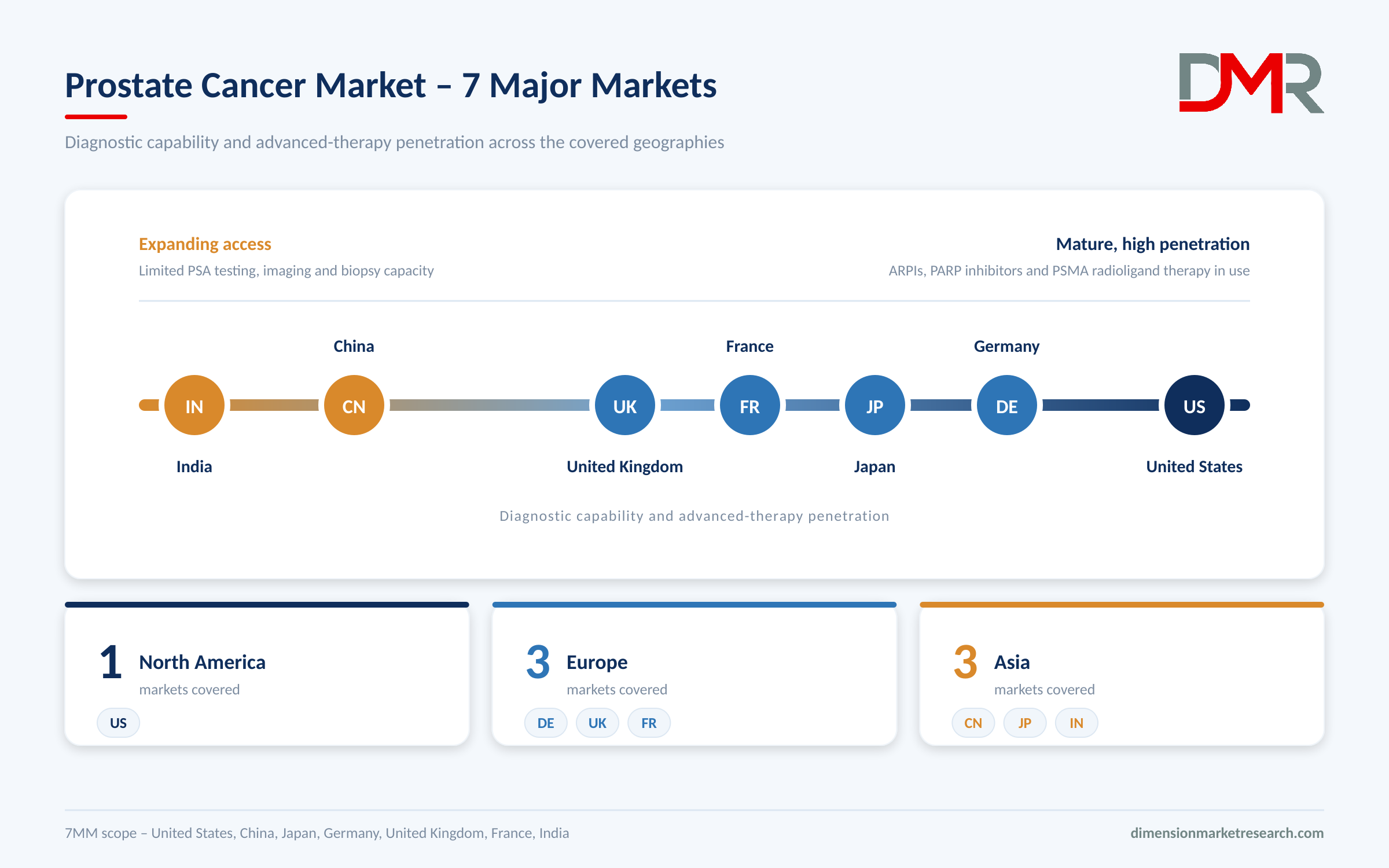
The report provides detailed market, epidemiology, treatment, and competitive analysis across 7 major markets:
- United States
- China
- Japan
- Germany
- United Kingdom
- France
- India
The geographic analysis considers differences in patient population, diagnosis rates, healthcare infrastructure, treatment accessibility, reimbursement, therapeutic penetration, regulatory environment, physician adoption, and competitive activity. These factors are particularly important because the commercial opportunity for prostate cancer therapies differs considerably between mature pharmaceutical markets and high-growth emerging markets.
ℹ
To learn more about this report –
Download Your Free Sample Report Here
United States
The United States represents one of the most important prostate cancer markets, supported by high disease awareness, established urology and oncology networks, strong pharmaceutical innovation, and broad availability of advanced therapies. Androgen receptor pathway inhibitors, PARP inhibitors, chemotherapy, and PSMA-targeted radioligand therapies have achieved substantial penetration among eligible advanced prostate cancer patients.
The market is also characterized by significant competition between established hormonal therapies and newer targeted treatments. Treatment selection is influenced by clinical efficacy, safety, molecular testing results, dosing frequency, payer restrictions, patient preference, and prior treatment history. Continued development of next-generation androgen receptor inhibitors, precision oncology combinations, and radiopharmaceutical therapies is expected to further intensify competition.
China
China represents a significant long-term growth opportunity because of its large aging male population and increasing recognition of prostate cancer as a progressive malignancy requiring sustained management. Improvements in healthcare infrastructure, PSA testing, diagnostic imaging, and specialist availability are supporting greater diagnosis and treatment access.
The market is gradually experiencing increased adoption of advanced therapies, including androgen receptor pathway inhibitors and targeted oncology treatments, although affordability, reimbursement coverage, treatment accessibility, and differences between urban and rural healthcare services remain important considerations. Expansion of innovative domestic pharmaceutical development and increasing availability of locally developed oncology products may also increase competitive intensity.
Japan
Japan represents a mature healthcare and pharmaceutical market with sophisticated medical infrastructure and established urology and oncology services. Increasing awareness of early diagnosis, molecular testing, treatment goals, and the availability of advanced prostate cancer therapies support continued demand for advanced disease management.
Treatment decisions are influenced by clinical efficacy, safety, reimbursement conditions, dosing convenience, patient age, and physician familiarity. The market also provides opportunities for innovative therapies that can demonstrate meaningful improvements in treatment durability, tolerability, survival outcomes, or administration convenience, particularly among older patients requiring long-term disease management.
Germany
Germany represents a leading European prostate cancer market with established specialist networks and strong utilization of advanced systemic and radiopharmaceutical therapies. Treatment pathways are supported by a developed healthcare system, established oncology infrastructure, and access to advanced diagnostic and treatment technologies.
The market is increasingly influenced by generic competition, reimbursement considerations, treatment optimization, and the introduction of therapies with differentiated mechanisms. Continued adoption of androgen receptor pathway inhibitors, PARP inhibitors, and PSMA-targeted radioligand therapies is expected to remain important to market development.
United Kingdom
The UK prostate cancer market benefits from established clinical guidelines, specialist urology and oncology services, and structured treatment pathways. Advanced therapies are increasingly incorporated into management strategies for patients with metastatic or castration-resistant disease and those who have inadequate response to conventional treatment.
Market development is influenced by healthcare-system treatment criteria, cost-effectiveness considerations, clinical outcomes, and access to specialist services. Increasing emphasis on early diagnosis, appropriate treatment sequencing, improved survival, and quality of life supports continued innovation in targeted treatment and radiopharmaceutical approaches.
France
France represents an important European market supported by developed healthcare infrastructure, specialist urology and oncology services, and established reimbursement mechanisms. Androgen receptor pathway inhibitors, chemotherapy, PARP inhibitors, and radioligand therapies have become important components of treatment for patients with advanced and metastatic disease.
Market growth is influenced by therapeutic innovation, treatment accessibility, reimbursement conditions, molecular testing, and increasing use of targeted therapies. Generic adoption and the introduction of newer mechanisms are expected to shape the competitive environment.
India
India represents a high-potential prostate cancer market because of its large aging population, expanding healthcare infrastructure, increasing cancer awareness, and improving access to specialty care. Diagnosis and treatment rates have significant potential for expansion as PSA testing, imaging services, biopsy facilities, and oncology services become more accessible.
Affordability remains an important factor influencing treatment selection, particularly for advanced androgen receptor pathway inhibitors, PARP inhibitors, radiopharmaceuticals, and other specialty therapies. Greater availability of generic medicines, cost-effective treatment options, increasing specialist coverage, and improving patient awareness can support future market expansion.
Market Segmentation
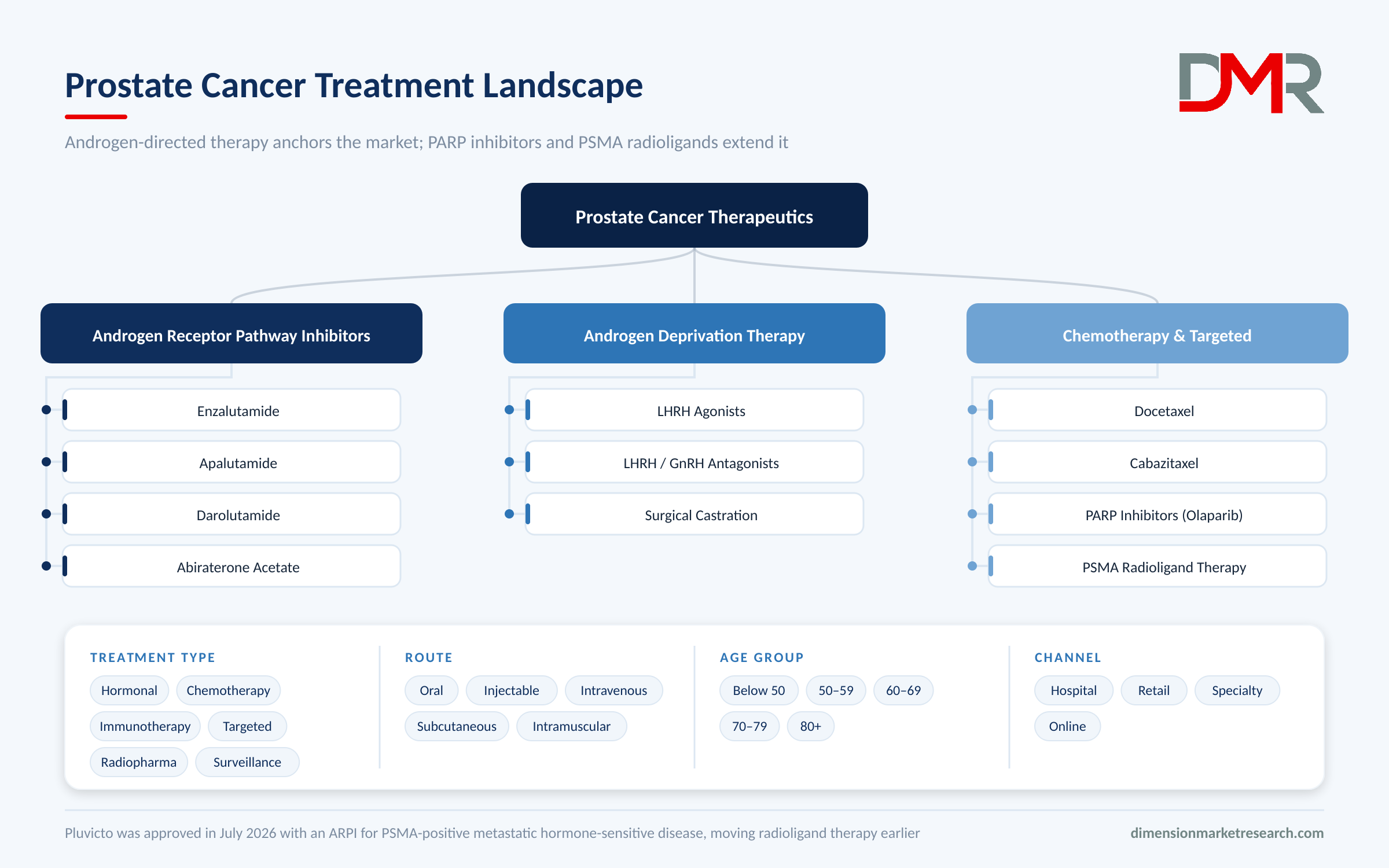
The global prostate cancer market is segmented across drug class, treatment type, route of administration, patient age group, and distribution channel. The segmentation captures both established treatment categories and emerging therapeutic approaches, including hormonal therapies, targeted oncology medicines, chemotherapy, radiopharmaceuticals, and advanced precision medicine treatments.
ℹ
To learn more about this report –
Download Your Free Sample Report Here
By Drug Class
Androgen Receptor Pathway Inhibitors
Androgen receptor pathway inhibitors represent a major segment of the prostate cancer market because of their established efficacy in hormone-sensitive and castration-resistant disease. These therapies interfere with androgen receptor signaling, which plays a central role in prostate cancer cell growth, proliferation, and disease progression.
The segment includes enzalutamide, apalutamide, darolutamide, and other androgen receptor inhibitors, as well as androgen synthesis inhibitors such as abiraterone acetate. Increasing physician familiarity, clinical evidence, expanded treatment experience, and improvements in treatment combinations continue to support utilization of this drug class.
Androgen Deprivation Therapy (ADT)
Androgen deprivation therapy represents an important segment because of its established role in reducing testosterone levels and suppressing androgen-dependent prostate cancer growth. It is frequently used as a foundational treatment for advanced prostate cancer and in combination with radiotherapy or other systemic therapies.
The segment includes luteinizing hormone-releasing hormone (LHRH) agonists, LHRH antagonists, gonadotropin-releasing hormone (GnRH) antagonists, and surgical castration. Continued use across different disease stages and combination treatment approaches supports its significant contribution to the global market.
Chemotherapy and Targeted Therapies
Chemotherapy and targeted therapies represent important segments because of their role in treating advanced, metastatic, and treatment-resistant prostate cancer. Chemotherapy provides systemic tumor control, while targeted therapies address specific molecular alterations involved in cancer development and progression.
This category includes docetaxel, cabazitaxel, PARP inhibitors such as olaparib, rucaparib, and talazoparib, as well as other targeted agents. Continued clinical development and biomarker-based treatment selection could increase the role of these therapies in patients requiring treatment beyond conventional hormonal approaches.
By Treatment Type
- Hormonal Therapy
- Chemotherapy
- Immunotherapy
- Targeted Therapy
- Radiopharmaceutical Therapy
- Radiation Therapy and Surgical Treatment
- Active Surveillance and Watchful Waiting
Hormonal therapy remains central to prostate cancer management because of the androgen-dependent nature of most prostate tumors. Androgen deprivation therapy and androgen receptor pathway inhibitors are widely incorporated into treatment strategies across different disease stages. Chemotherapy and targeted therapy continue to provide important options for patients with advanced or treatment-resistant disease, while radiopharmaceutical treatment is gaining importance in eligible PSMA-positive metastatic patients.
By Route of Administration
- Oral
- Injectable
- Intravenous
- Subcutaneous
- Intramuscular
- Other Routes
Oral administration remains important within androgen receptor pathway inhibitors and targeted small-molecule therapies, while injectable administration is widely used for androgen deprivation therapies and hormone suppression. Intravenous administration remains particularly important for chemotherapy, immunotherapy, and selected radiopharmaceutical treatments. The expansion of oral targeted therapies and longer-acting injectable formulations is expected to influence treatment convenience and administration preferences.
By Patient Age Group
- Below 50 Years
- 50–59 Years
- 60–69 Years
- 70–79 Years
- 80 Years and Above
The 60–69 and 70–79 age groups represent important segments of the prostate cancer market because disease incidence increases substantially with advancing age. Older patients, particularly those aged 80 years and above, require individualized treatment decisions based on life expectancy, comorbidities, functional status, and treatment tolerance. Increasing diagnosis among younger patients with hereditary susceptibility and high-risk genetic alterations also creates demand for appropriate early diagnosis and treatment strategies.
By Distribution Channel
- Hospital Pharmacies
- Retail Pharmacies
- Specialty Pharmacies
- Online Pharmacies
Distribution patterns vary by treatment type, country, reimbursement environment, and healthcare system. Hospital pharmacies are particularly relevant for chemotherapy, injectable hormonal therapies, radiopharmaceuticals, and other treatments administered under specialist supervision. Retail and specialty pharmacies have greater relevance for oral hormonal and targeted therapies, while online channels may contribute to the distribution of selected prescription medicines where permitted by national regulations.
Market Dynamics
Growth Drivers
Increasing Adoption of Advanced Therapies
Advanced therapies continue to be one of the strongest growth drivers in the prostate cancer market. Their ability to selectively interfere with key androgen signaling, DNA repair, and tumor-specific molecular pathways has significantly improved disease control and treatment outcomes for patients with advanced and metastatic disease.
The growing use of androgen receptor pathway inhibitors, PARP inhibitors, and PSMA-targeted radioligand therapies is particularly important as physicians increasingly consider treatment durability, depth of response, overall survival, and treatment tolerability when selecting therapies. Expanded clinical experience and improved physician familiarity are also supporting adoption.
Advancement in Disease Biology-Based Drug Development
Advances in understanding the biological mechanisms underlying prostate cancer have created opportunities for more precise therapeutic intervention. Pharmaceutical companies are increasingly investing in therapies designed to selectively target androgen receptor signaling, homologous recombination repair deficiencies, PSMA expression, PI3K/AKT pathway alterations, and other molecular mechanisms rather than relying solely on conventional hormonal and cytotoxic treatment approaches.
Development activity is focused on novel molecular targets, PARP inhibitor combinations, next-generation androgen receptor inhibitors, radioligand therapies, improved treatment durability, and biomarker-guided approaches to treatment selection. These developments are expected to increase therapeutic competition.
Increasing Healthcare Access in Emerging Markets
Improving healthcare infrastructure and rising healthcare expenditure are increasing access to prostate cancer diagnosis and treatment in emerging markets. Expansion of specialist networks, greater cancer awareness, and improved diagnostic capabilities are also helping identify patients who previously remained undiagnosed or untreated.
China and India are particularly important growth opportunities because of their large aging male populations and expanding oncology infrastructure. Increased reimbursement, wider availability of advanced therapies, and development of cost-effective treatment options could accelerate market penetration.
Growing Recognition of Prostate Cancer Clinical Burden
The increasing understanding of prostate cancer as a progressive malignancy with significant long-term clinical consequences is encouraging more comprehensive disease management. Recognition of bone metastases, skeletal-related events, urinary complications, treatment resistance, and hereditary cancer-associated risk can encourage earlier diagnosis, specialist management, and continued treatment monitoring.
This shift can increase treatment intensity and create demand for therapies capable of achieving broader and more sustained disease control, particularly among patients with metastatic and castration-resistant disease.
Market Restraints
High Cost of Advanced Therapies
Targeted therapies, PARP inhibitors, and radiopharmaceutical treatments often carry substantially higher treatment costs than conventional hormonal therapies. High costs can create affordability challenges for patients and increase pressure on healthcare payers.
In emerging markets, limited reimbursement coverage and high out-of-pocket expenditure can restrict access to advanced treatment. Cost considerations may therefore continue to influence treatment selection and delay the adoption of innovative therapies, particularly in patients requiring long-term treatment.
Treatment Accessibility Gap
Unequal access to urologists, oncologists, specialty clinics, diagnostic imaging, PSA testing, molecular testing, and advanced medicines remains a major challenge. Rural and underserved populations may experience longer diagnostic delays and fewer treatment options.
Differences in healthcare infrastructure between regions can therefore result in significant variations in diagnosis, treatment penetration, access to precision medicine, and disease outcomes.
Variable Patient Response
Although advanced therapies have significantly improved prostate cancer management, treatment response is not uniform across patients. Some individuals may experience inadequate initial response, secondary loss of efficacy, hormonal resistance, treatment intolerance, disease progression, or treatment discontinuation.
The need to switch therapies or introduce additional treatment combinations can increase healthcare utilization and creates continuing demand for treatments offering durable and predictable disease control.
Competitive Landscape
The global prostate cancer market is characterized by intense competition among pharmaceutical companies with established oncology and hormonal therapy portfolios and emerging developers focused on differentiated mechanisms and precision treatment approaches.
Leading companies covered in the competitive assessment include:
- Johnson & Johnson
- Pfizer Inc.
- Astellas Pharma Inc.
- AstraZeneca
- Bayer AG
- Novartis AG
- Sanofi
- Merck & Co., Inc.
- Bristol Myers Squibb
- Roche Holding AG
Competition is increasingly focused on demonstrating superior or differentiated clinical outcomes rather than simply introducing additional therapies within existing drug classes. Companies are investing in novel mechanisms, improved dosing schedules, oral administration, treatment durability, safety profiles, biomarker-guided treatment selection, and lifecycle expansion.
The competitive environment is also being influenced by generic availability, pricing pressure, reimbursement restrictions, and physician familiarity with established products. PARP inhibitors, next-generation androgen receptor inhibitors, PSMA-targeted radioligand therapies, and other targeted approaches are expected to remain important areas of competition.
Pipeline innovation is another major competitive factor. Companies with strong clinical-development capabilities and diversified oncology portfolios may be better positioned to respond to changing treatment preferences and emerging unmet needs, particularly in metastatic hormone-sensitive and castration-resistant prostate cancer.
Recent Developments
- October 2026 – Johnson & Johnson advances JNJ-6143 development: Johnson & Johnson reported promising Phase I clinical results involving JNJ-6143, an investigational oral Regulated Induced Proximity Targeting Chimera (RIPTAC) small molecule designed to target BRD4 and androgen receptor proteins. The study reported a 75% confirmed tumor response rate among patients with measurable disease in the 50 mg cohort. The development highlights the industry's increasing interest in novel protein-targeting mechanisms and their potential to provide additional treatment options for patients with heavily pretreated advanced prostate cancer.
- July 2026 – Novartis advances Pluvicto treatment indication: Novartis announced that the US FDA approved Pluvicto (lutetium Lu 177 vipivotide tetraxetan) in combination with an androgen receptor pathway inhibitor for eligible patients with PSMA-positive metastatic hormone-sensitive prostate cancer. The approval was supported by clinical evidence from the PSMAddition study, which demonstrated a reduction in the risk of disease progression or death when Pluvicto was combined with standard treatment. The development reflects continued investment in PSMA-targeted radioligand therapy and its potential to expand treatment opportunities into earlier stages of metastatic prostate cancer.
Report Coverage
The report provides comprehensive assessment of the global prostate cancer market across the seven specified major markets. It integrates epidemiological analysis with commercial market assessment to provide a broader understanding of the current and future treatment landscape.
The study covers:
- Indication Covered
- Epidemiology Parameters
- Patient Segmentation
- Geographic Coverage
- Market Segmentation
- Units of Measurement
- Study Period
- Data Sources
- Companies Covered
- Report Deliverables
- Out of Scope
- Customization