Market Overview
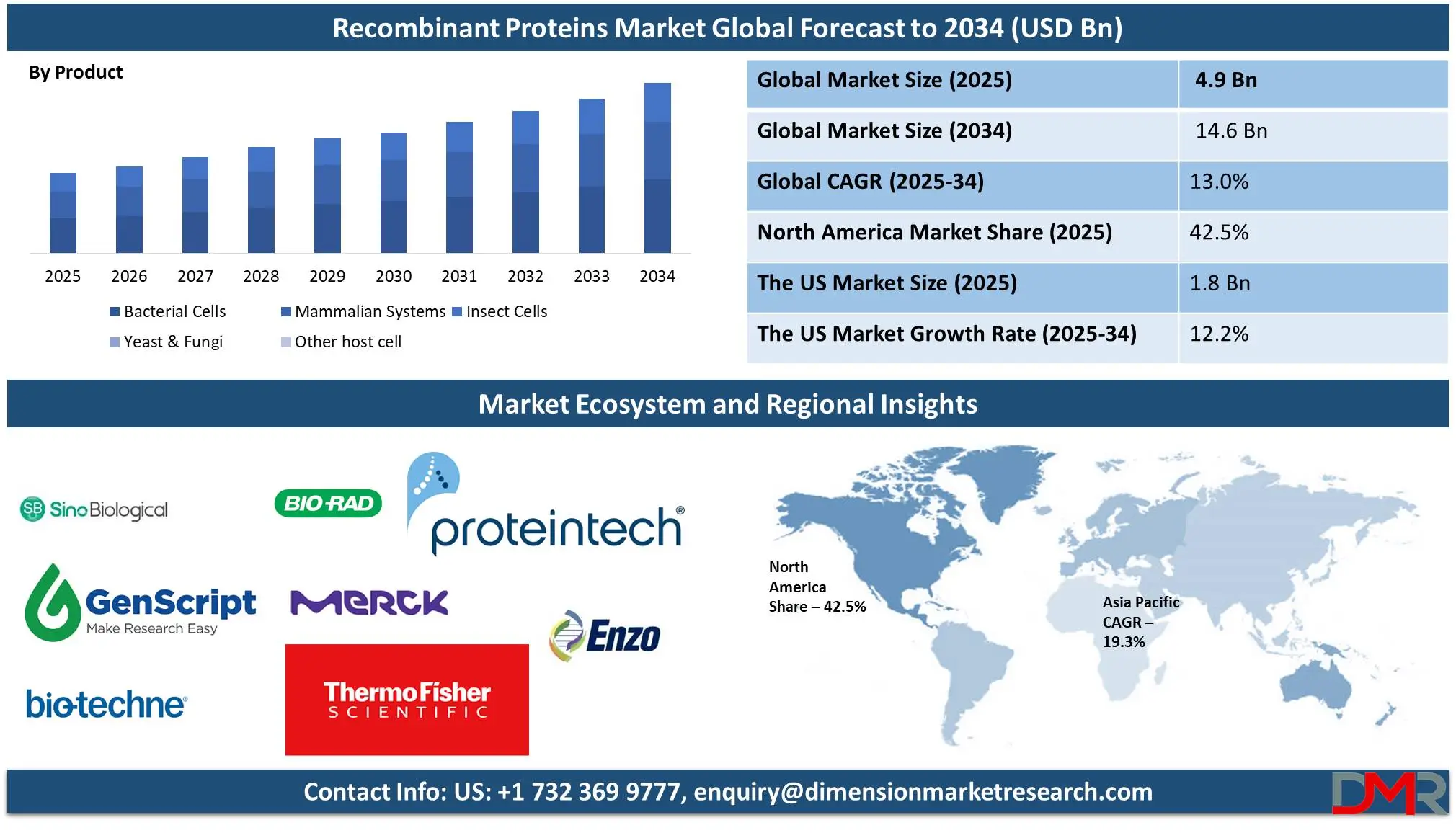
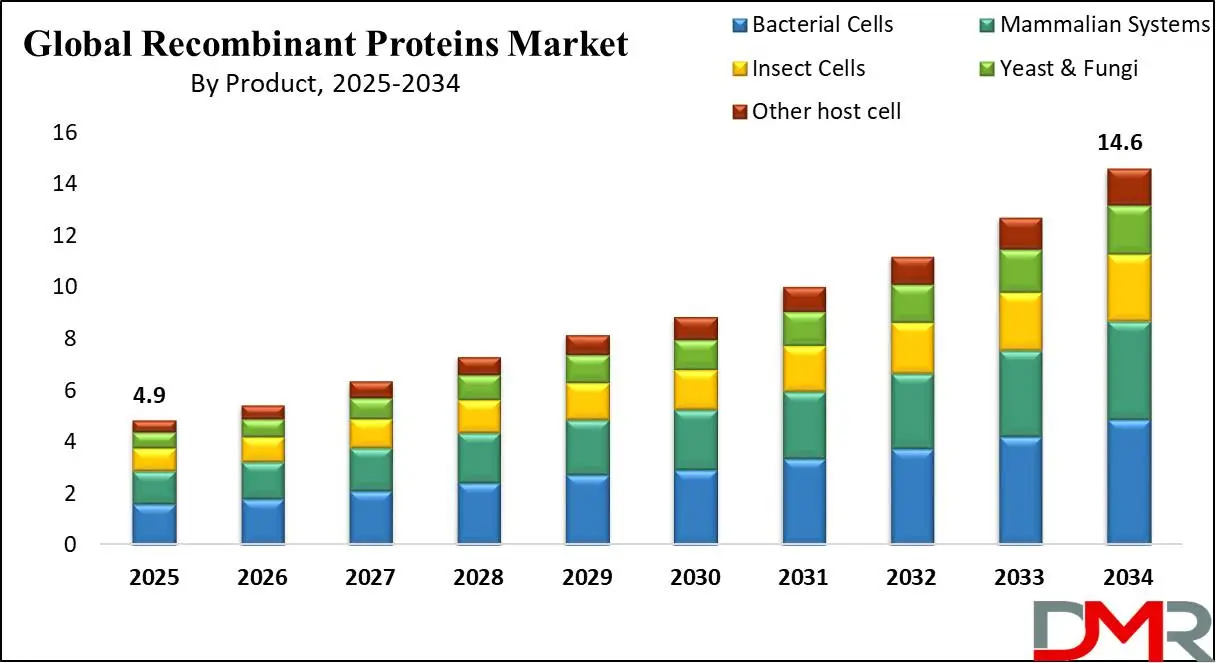
The Global Recombinant Proteins Market size is estimated at USD 4.9 billion in 2025 and is expected to reach USD 14.6 billion by 2034, at a CAGR of 13.0% during the forecast period of 2025 to 2034.
ℹ
To learn more about this report –
Download Your Free Sample Report Here
Recombinant proteins are proteins engineered through recombinant DNA technology, where specific genes encoding the desired protein are inserted into host cells, such as bacteria, yeast, or mammalian cells. These hosts are cultured to produce the target protein, which is then purified for various applications.
This technology enables the large-scale production of proteins with high purity and precision. Recombinant proteins play a crucial role in medicine, including the development of vaccines, insulin, and monoclonal antibodies. They are also widely used in research for studying protein functions and in industries like agriculture and biotechnology for enzyme production and crop improvement.
In recent news, the focus on personalized medicine has highlighted the critical role of recombinant proteins. Pharmaceutical companies are heavily investing in targeted biologics and antibody-based therapies to address complex diseases. The rise of biosimilars is also creating opportunities for affordable treatments for chronic conditions such as cancer, diabetes, and autoimmune disorders.
ℹ
To learn more about this report –
Download Your Free Sample Report Here
The demand for recombinant proteins is growing in academic and research settings due to their importance in understanding disease mechanisms, protein interactions, and drug discovery. Their pivotal role during the COVID-19 pandemic, particularly in vaccine development and diagnostic assays, has further boosted their adoption and underlined their significance in modern science.
The US Recombinant Proteins Market
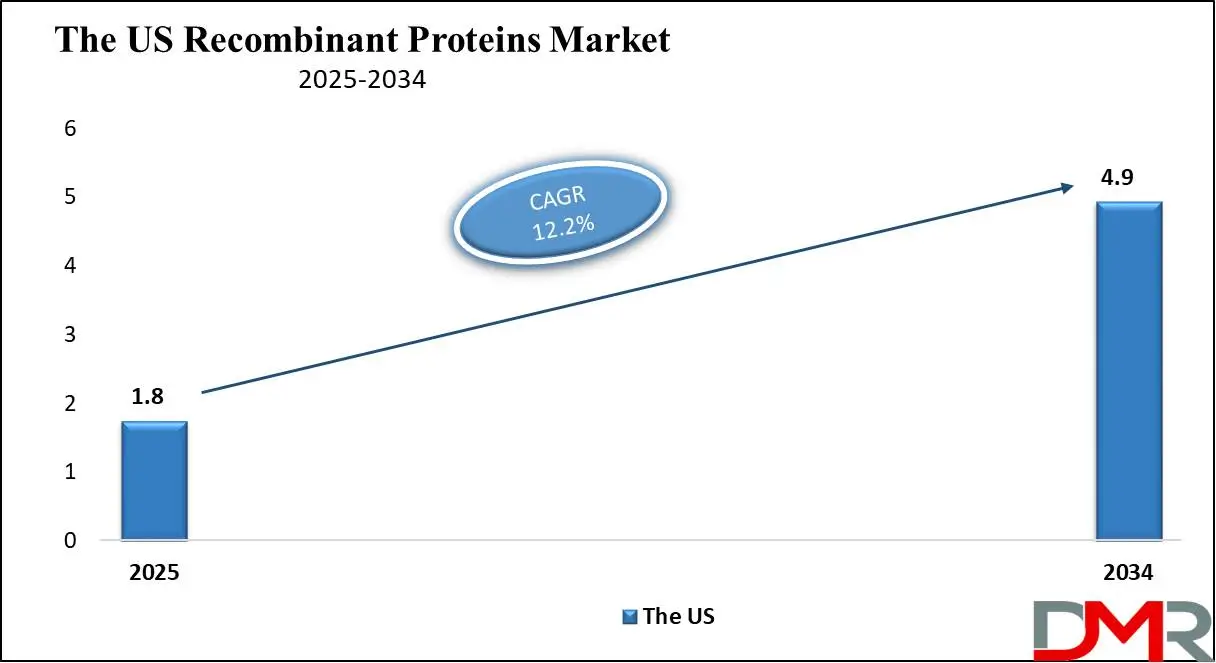
The US Recombinant Proteins market is projected to be valued at USD 1.8 billion in 2025. It is expected to witness subsequent growth in the upcoming period as it holds USD 4.9 billion in 2034 at a CAGR of 12.2%.
The US recombinant protein market is driven by increased demand in academic and research settings for studying disease mechanisms, protein interactions, and drug discovery. The COVID-19 pandemic accelerated adoption, highlighting recombinant proteins' critical role in vaccine development and diagnostic assays. Continuous advancements in biotechnology, the rising prevalence of chronic diseases, and government funding further bolster market growth.
ℹ
To learn more about this report –
Download Your Free Sample Report Here
The US recombinant protein market is experiencing a growing focus on personalized medicine and precision therapies, alongside an increasing use of cell-based assays. Innovations in production technologies are advancing the industry, while artificial intelligence is being integrated into protein design. Additionally, sustainable, plant-based protein expression systems and collaborations between academia and biotech firms are driving significant innovation.
Key Takeaways
- Market Growth: The Global Recombinant Proteins Market is anticipated to expand by USD 9.7 billion, from USD 4.9 billion in 2025 to USD 14.6 billion by 2034, at a CAGR of 13.0%.
- Product Analysis: Growth factors and chemokines are predicted to dominate the global market based on product by the end of 2025.
- Host Cell Analysis: Bacteria cells are predicted to dominate the global market based on host cells by the end of 2025.
- Application Analysis: Drug discovery and development are projected to dominate the global market with the highest revenue share by 2025 in terms of application.
- End User Analysis: Pharmaceutical and biopharmaceutical companies are likely to lead the market based on end users with the largest revenue share by 2025.
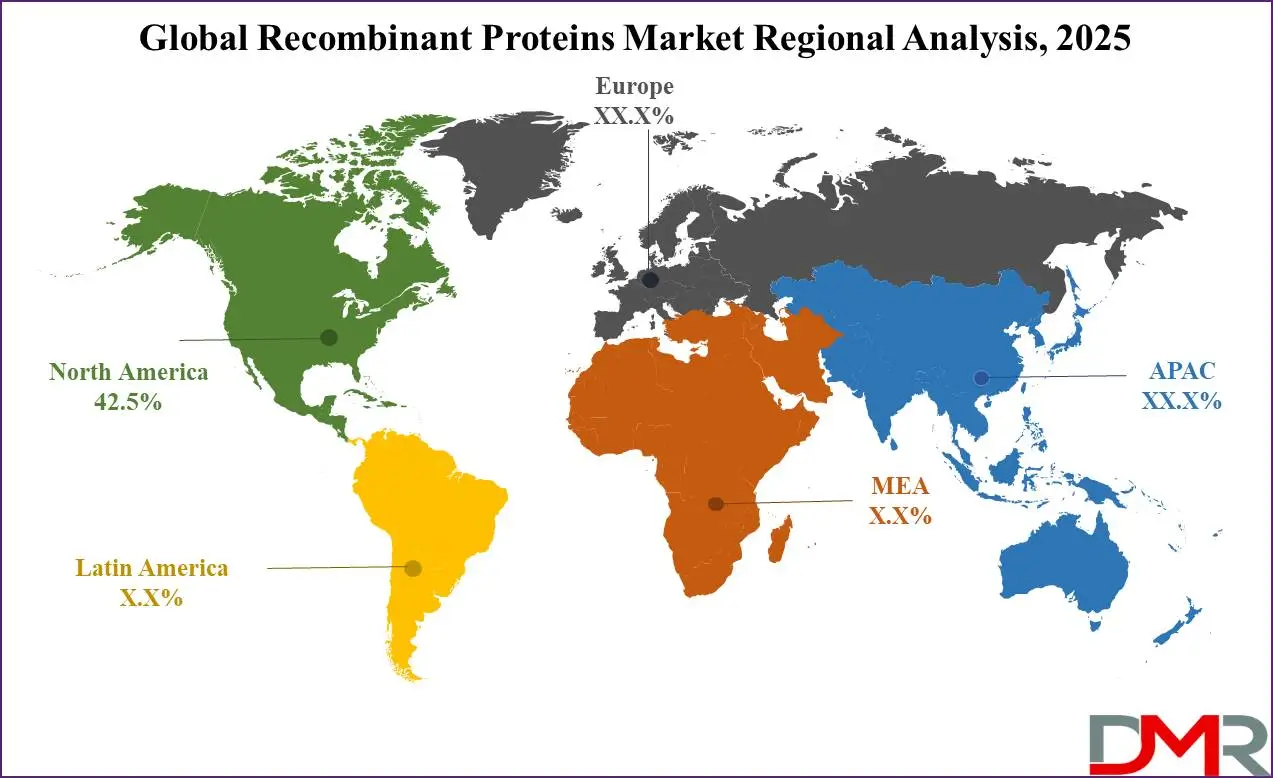
- Regional Analysis: North America is projected to dominate the global Recombinant Proteins market, holding a market share of 42.5% by 2025.
Use Cases
- Therapeutic Applications: Recombinant proteins are widely used in medicine to treat various diseases. For instance, recombinant human insulin is essential for managing diabetes. Monoclonal antibodies, such as trastuzumab and adalimumab, are used to treat cancers, autoimmune diseases, and infections.
- Research and Diagnostics: In research, recombinant proteins enable scientists to study the structure, function, and interactions of proteins. They are also employed as antigens in diagnostic tests for diseases such as COVID-19, HIV, and hepatitis.
- Industrial Biotechnology: Recombinant proteins are essential in various industrial processes. Enzymes like amylases and proteases are used in the production of detergents, food processing, and biofuels.
- Vaccine Development: Recombinant proteins are pivotal in the development of vaccines. Protein-based vaccines, such as those for hepatitis B and HPV, rely on recombinant proteins as antigens.
Stats & Facts
- Recombinant protein technology has played a major role in modern biologic medicines. According to the U.S. FDA, therapeutic biological products regulated through its biologics framework include recombinant versions of proteins such as cytokines, growth factors, enzymes, immunomodulators, and other therapeutic proteins. These products are widely used across pharmaceutical development and treatment applications.
- Recombinant DNA technology has been used in approved medicines for more than four decades. The U.S. FDA approved Humulin on October 28, 1982, making it the first biosynthetic human insulin product and the first approved medical product produced using recombinant DNA technology. The development marked an important milestone in recombinant protein-based therapeutics and subsequently supported the development of additional recombinant medicines.
- According to the International Diabetes Federation Diabetes Atlas 11th Edition, approximately 589 million adults aged 20 to 79 were living with diabetes worldwide in 2024, equivalent to around one in nine adults. The number is projected to increase to approximately 853 million by 2050, highlighting the growing long-term need for effective diabetes management, including recombinant insulin and other biologic therapies.
Market Dynamics
Driving Factors in Recombinant Proteins Market
Increased R&D Spend and Funding
Pharmaceutical and biotechnological firms' increasing R&D expenses and funding have had a direct effect on the expansion of the recombinant protein market. Companies investing more in research and development is leading to novel therapies being created quickly; such as protein-based drugs used to treat complex conditions like cancer, autoimmune disorders, and infectious disease. Through continuous investments into biopharmaceuticals, the discovery of novel recombinant proteins drives market expansion while meeting rising consumer demands for targeted, potency, and safer therapeutic options.
Rising Demand for Biopharmaceuticals
Recombinant protein therapy has emerged as a primary driver in today's biopharmaceuticals market, particularly its expansion globally. Recombinant proteins offer increased potency, specificity, and reduced side effects when compared with traditional small molecule drugs; making them highly effective in treating diseases including autoimmune conditions, bleeding disorders (hemophilia in particular), and cancer. Both healthcare providers and patients increasingly prefer them due to their higher therapeutic index and ability to target specific pathways with specific outcomes leading to improved patient outcomes which has propelled the global expansion of this segment within biopharmaceuticals overall.
Restraints in Recombinant Proteins Market
High Production Costs
The production of recombinant proteins involves complex processes such as cell-line development, fermentation or cell culture, purification, formulation, and quality testing. Therapeutic-grade proteins also require highly controlled manufacturing environments and stringent regulatory compliance. Mammalian expression systems can further increase production costs because of specialized media, longer processing times, and complex purification requirements. These factors can increase the final cost of recombinant protein products and create affordability and scalability challenges, particularly for smaller biotechnology companies and price-sensitive markets.
Bioprocessing Efficiency and Scalability Challenges
Scaling recombinant protein production while maintaining consistent yield, purity, stability, and biological activity remains a significant industry challenge. Variations in expression systems, protein folding, post-translational modifications, and purification efficiency can influence product quality and manufacturing productivity. Complex proteins may require specialized host cells and downstream processing technologies, further increasing development timelines. Continued improvements in expression platforms, bioreactor technologies, purification methods, and process monitoring are therefore important for achieving more efficient and economically viable large-scale production.
Opportunities in Recombinant Proteins Market
Growing Demand for GMP-Grade Proteins in Cell and Gene Therapy
The expanding development and commercialization of cell and gene therapies are creating significant opportunities for recombinant protein manufacturers. Cytokines, growth factors, enzymes, and other recombinant proteins are widely used across cell expansion, differentiation, activation, and manufacturing workflows. As therapies progress from research to clinical and commercial stages, demand is increasing for GMP-grade, animal-origin-free, highly consistent, and traceable recombinant proteins. Manufacturers that develop scalable production platforms and regulatory-ready protein reagents can strengthen their position within rapidly evolving cell therapy, regenerative medicine, and advanced biomanufacturing applications.
Expansion of Biosimilars and Biomanufacturing Capacity
The growing development of biologics and biosimilars is creating new opportunities for recombinant protein producers, particularly across emerging biotechnology markets. Recombinant proteins are essential for drug discovery, assay development, process development, therapeutic production, and quality-control applications. Increasing biomanufacturing capacity across Asia-Pacific is also supporting demand for reliable recombinant proteins and advanced expression systems. Companies that expand regional production capabilities, improve protein yields, and offer cost-efficient research and GMP-grade products can benefit from increasing pharmaceutical and biotechnology investment.
Trends in Recombinant Proteins Market
Growing Adoption of GMP-Grade Recombinant Proteins
Demand for GMP-grade recombinant proteins is increasing as cell and gene therapies, regenerative medicine, and advanced biologics move toward clinical and commercial manufacturing. Cytokines and growth factors play important roles in cell expansion, differentiation, and activation, making product consistency and regulatory compliance increasingly important. Manufacturers are expanding GMP-compatible portfolios with improved purity, traceability, low endotoxin levels, and animal-origin-free production processes. This trend is strengthening the role of recombinant proteins across clinical research, biopharmaceutical manufacturing, and next-generation therapeutic development.
Advances in Protein Engineering and Expression Technologies
Artificial intelligence, advanced protein engineering, gene editing, and improved microbial and mammalian expression systems are transforming recombinant protein development. These technologies allow researchers to optimize protein stability, biological activity, receptor affinity, production yield, and manufacturability. New expression platforms are also helping reduce development timelines and improve scalability for complex proteins. Continued innovation in protein design and bioprocessing is expected to expand recombinant protein applications across drug discovery, diagnostics, biologics, vaccines, and cell and gene therapy.
Research Scope and Analysis
By Product
Growth factors and chemokines are among the leading product categories in the recombinant proteins market due to their broad use in biomedical research, drug discovery, cell culture, immunology, oncology, neuroscience, and regenerative medicine. These proteins play important roles in cell proliferation, differentiation, migration, immune signaling, and tissue development, supporting their use across both academic and commercial research environments. Rising investment in cancer research, cell and gene therapy, and regenerative medicine is further strengthening demand for high-quality recombinant growth factors and chemokines.
Other product categories, including immune response proteins, regulatory proteins, metabolic enzymes, membrane proteins, structural proteins, and adhesion molecules and receptors, also support a wide range of research and biopharmaceutical applications. Their use in biomarker studies, assay development, disease modeling, protein interaction analysis, and therapeutic development is contributing to broader adoption across pharmaceutical, biotechnology, diagnostic, and academic research settings.
By Host Cell
Bacteria cells are predicted to dominate the recombinant proteins market based on host cells with the highest revenue share as they are their easily manipulateable genome and well-established genetic characteristics that allow precise manipulation for protein expression. Bacteria systems such as Escherichia coli (E. coli) offer lower costs compared to mammalian and insect cell-based production processes, making them an attractive solution for large-scale production.
Bacteria are ideal bioproduction systems due to their fast growth rates and ease of culture in simple media environments; producing large yields of recombinant proteins within short timeframes with ease of genetic modification and high scalability, thus furthering their appeal. Bacterial systems can produce an array of recombinant proteins for various applications, including enzymes, vaccines, and therapeutic proteins; making them highly versatile.
Mammalian systems represent another dominant segment within the market for recombinant protein production - though more expensive and complex compared to their bacterial counterparts they often prefer producing complex proteins requiring posttranslational modifications such as glycosylation for production purposes.
By Application
Drug discovery and development are predicted to be the top application of the recombinant proteins market with the highest revenue share in 2025 because it plays a crucial role in discovering novel compounds and pharmaceutical innovations. Recombinant proteins play an invaluable role in targeting disease-associated proteins and modulating protein-protein interactions to enable novel therapeutics such as biologics, vaccines, and cell or gene therapy to be developed.
ℹ
To learn more about this report –
Download Your Free Sample Report Here
These proteins offer exceptional specificity and efficiency during drug development processes, speeding the discovery of effective treatments for complex diseases. Biopharmaceutical production represents the second-largest segment within the recombinant proteins market.
Recombinant proteins have gained dominance due to increasing demand for biologics and biosimilars that rely on them as key manufacturing processes, with their ability to boost efficiency while upholding quality making them indispensable tools in scaling therapeutic solutions.
By End User
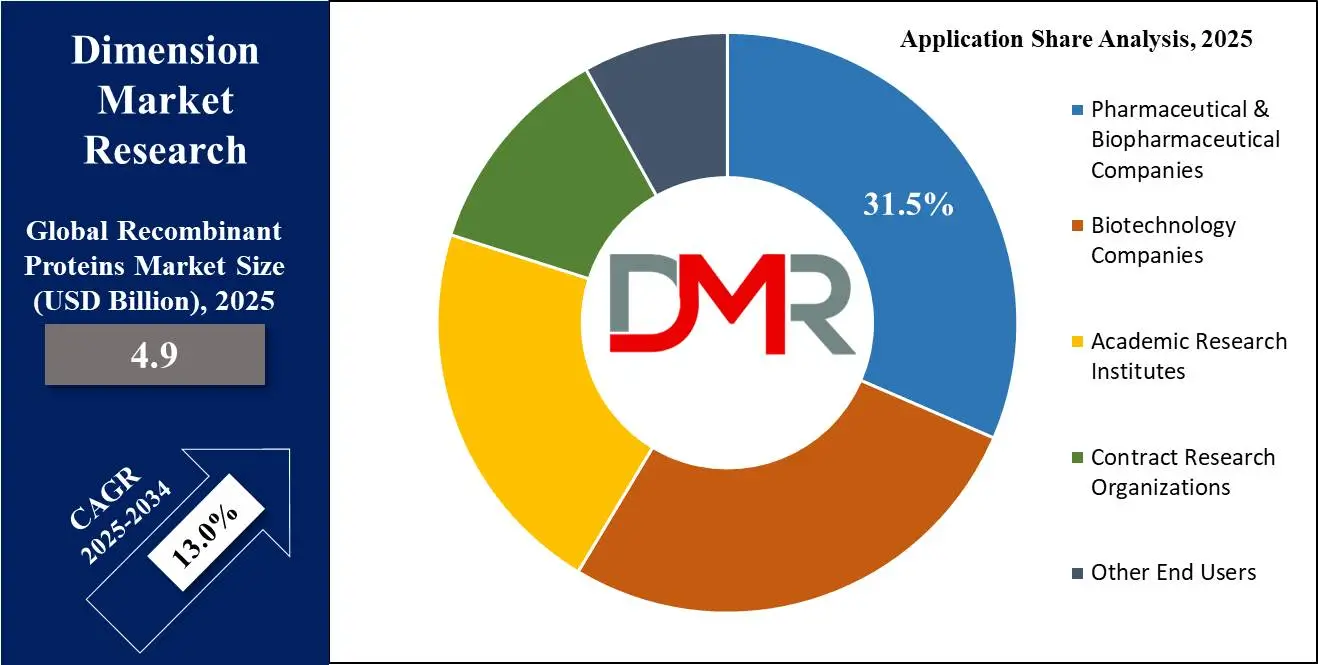
Pharmaceutical and biopharmaceutical companies are expected to dominate the recombinant proteins market with a 40.2% market share by 2025. The dominance of these companies is due to their focus on biologics & biosimilars which has led to substantial investments in research and development, creating product pipelines, innovative technologies, and bioprocessing tools designed to meet market demand for their offerings.
Rising competition, diverse applications of recombinant proteins across end-user markets as well as their capacity for commercializing production ensure they lead the industry. Biotechnology companies represent another of the key segments in the recombinant proteins market. Biotech firms play an essential part in driving early-stage research and driving innovation through expertise in molecular biology and protein engineering to produce novel recombinant protein products, thus making a critical contribution towards market expansion and driving innovation forward. Their value to innovation, as well as application, reinforces their position within this competitive field.
The Recombinant Proteins Market Report is segmented based on the following:
By Product
- Growth Factors and Chemokines
- Interferons (IFNs)
- Interleukins (ILs)
- Other growth factors & chemokines
- Immune Response Proteins
- Structural Proteins
- Membrane Proteins
- Kinase Proteins
- Regulatory Proteins
- Recombinant Metabolic Enzymes
- Adhesion Molecules and Receptors
- Other Recombinant Proteins
By Host Cell
- Bacterial Cells
- Mammalian Systems
- Insect Cells
- Yeast & Fungi
- Other host cell
By Application
- Drug Discovery & Development
- Biologics
- Vaccines
- Cell & Gene Therapy
- Biopharmaceutical Production
- Research
- Academic Research
- Biotechnology Research
- Diagnostics
- Other Applications
By End User
- Pharmaceutical & Biopharmaceutical Companies
- Biotechnology Companies
- Academic Research Institutes
- Contract Research Organizations
- Other End Users
Regional Analysis
North America is likely to dominate the recombinant protein market with a revenue share of 42.5% in 2025, driven by robust research spending, advanced healthcare infrastructure, and the presence of several significant market players. The region’s well-established healthcare systems and strong support for research and development (R&D) enable rapid advancements in proteomics and genomics, key fields underlying the recombinant protein market.
ℹ
To learn more about this report –
Download Your Free Sample Report Here
Chronic and infectious diseases are prevalent in North America, creating a high demand for effective treatments such as recombinant protein therapies. These proteins are extensively tested and proven for managing various disorders, making them a preferred choice for addressing the rising healthcare challenges. Furthermore, government funding opportunities and favorable policies support innovation and development in the biotechnology and pharmaceutical industries, ensuring continued growth and leadership in the market.
Additionally, the presence of prominent market players accelerates product development and commercialization, enhancing North America’s market dominance. The ongoing initiatives in research, particularly in proteomics and genomics, alongside growing R&D expenditure, reinforce the region’s position as a leader in the recombinant protein market.
By Region
North America
Europe
- Germany
- The U.K.
- France
- Italy
- Russia
- Spain
- Benelux
- Nordic
- Rest of Europe
Asia-Pacific
- China
- Japan
- South Korea
- India
- ANZ
- ASEAN
- Rest of Asia-Pacific
Latin America
- Brazil
- Mexico
- Argentina
- Colombia
- Rest of Latin America
Middle East & Africa
- Saudi Arabia
- UAE
- South Africa
- Israel
- Egypt
- Rest of MEA
Competitive Landscape
The leading companies in the recombinant proteins market are actively working on developing and launching innovative products, as well as implementing strategic initiatives to strengthen their market position. These key players focus on growth by prioritizing technological advancements and innovations in production methods. They make significant investments in research and development to improve expression systems and purification processes, which enhance product yield and quality.
By forming strategic alliances with biopharmaceutical firms and research organizations, they expand their product applications and enter new markets. Additionally, these companies prioritize regulatory compliance and quality assurance to establish trust and credibility within the industry. They also focus on emerging markets by adapting their products to meet local healthcare demands and making advanced therapeutic solutions more accessible.
Some of the prominent players in the global recombinant proteins market are:
- Sino Biological, Inc.
- Bio-Techne
- GenScript
- Bio-Rad Laboratories, Inc.
- Merck KGaA
- Thermo Fisher Scientific
- Proteintech Group, Inc.
- Enzo Life Sciences, Inc.
- Abnova Corporation
- RayBiotech Life Inc.
- STEMCELL Technologies Inc.
- Other Key Players
Recent Developments
- In October 2025, Lonza expanded its TheraPEAK product portfolio with the launch of AmpliCell Cytokines and TheraPEAK 293-GT Medium, strengthening its GMP solutions for cell and gene therapy manufacturing. The cytokine range supports immune-cell expansion, activation, and differentiation.
- In September 2025, WuXi Biologics launched its WuXia 4.0 TrueSite TI targeted-integration CHO cell-line platform to support faster and more stable biologics development. The platform is applicable to complex proteins, including Fc-fusion proteins, Fab fragments, and bispecific antibodies.
- In June 2025, WuXi Biologics began construction of a microbial commercial manufacturing facility in Chengdu, China. The facility will use its EffiX microbial expression platform and support production of recombinant proteins, enzymes, cytokines, peptides, antibody fragments, plasmid DNA, and other biologics.
- In April 2025, InVitria launched OptiLeukin 2, a high-purity, animal- and bacteria-free recombinant human IL-2 developed for immune-cell expansion in research, clinical, and GMP biomanufacturing applications.
- In September 2024, ScaleReady and Bio-Techne Corporation unveiled G-Rex optimized ProPak™ GMP Cytokines, designed to support efficient closed-system manufacturing for cell and gene-modified cell therapies.
- In March 2024, Proteintech announced the opening of a new facility in the UK with expanded space for research, development, production, logistics, and administrative operations.
- In August 2023, Danaher Corporation announced a definitive agreement to acquire Abcam Plc for approximately USD 5.7 billion, including debt and net of acquired cash.
Report Details
| Report Characteristics |
| Market Size (2025) |
USD 4.9 Bn |
| Forecast Value (2034) |
USD 14.6 Bn |
| CAGR (2025-2034) |
13.0% |
| Historical Data |
2018 – 2023 |
| The US Market Size (2025) |
USD 1.8 Bn |
| Forecast Data |
2025 – 2034 |
| Base Year |
2024 |
| Estimate Year |
2025 |
| Report Coverage |
Market Revenue Estimation, Market Dynamics, Competitive Landscape, Growth Factors and etc. |
| Segments Covered |
By Product (Growth Factors and Chemokines, Immune Response Proteins, Structural Proteins, Membrane Proteins, Kinase Proteins, Regulatory Proteins, Recombinant Metabolic Enzymes, Adhesion Molecules and Receptors, and Other Recombinant Proteins), By Host Cell (Bacterial Cells, Mammalian Systems, Insect Cell, Yeast & Fungi, and Other host cell), By Application (Drug Discovery & Development, Biopharmaceutical Production, Research, and Other Applications), By End User (Pharmaceutical & Biopharmaceutical Companies, Biotechnology Companies, Academic Research Institutes, Contract Research Organizations, and Other End Users) |
| Regional Coverage |
North America – The US and Canada; Europe – Germany, The UK, France, Russia, Spain, Italy, Benelux, Nordic, & Rest of Europe; Asia- Pacific– China, Japan, South Korea, India, ANZ, ASEAN, Rest of APAC; Latin America – Brazil, Mexico, Argentina, Colombia, Rest of Latin America; Middle East & Africa – Saudi Arabia, UAE, South Africa, Turkey, Egypt, Israel, & Rest of MEA |
| Prominent Players |
Sino Biological, Inc., Bio-Techne, GenScript, Bio-Rad Laboratories, Inc., Merck KGaA, Thermo Fisher Scientific, Proteintech Group, Inc., Enzo Life Sciences, Inc., Abnova Corporation, RayBiotech Life Inc., STEMCELL Technologies Inc., and Other Key Players |
Frequently Asked Questions
How big is the Global Recombinant Proteins Market?
▾ The Global Recombinant Proteins Market size is estimated to have a value of USD 4.9 billion in 2024 and is expected to reach USD 14.6 billion by the end of 2033.
Which region accounted for the largest Global Recombinant Proteins Market?
▾ North America is expected to be the largest market share for the Global Recombinant Proteins Market with a share of about 42.5% in 2024.
Who are the key players in the Global Recombinant Proteins Market?
▾ Some of the major key players in the Global Recombinant protein market are Thermo Fisher Scientific, Bio-Rad Laboratories, Inc., GenScript, and many others.
What is the growth rate in the Global Recombinant Proteins Market?
▾ The market is growing at a CAGR of 13.0 percent over the forecasted period.
How big is the US Recombinant Proteins Market?
▾ The US Recombinant Proteins Market size is estimated to have a value of USD 1.8 billion in 2024 and is expected to reach USD 4.9 billion by the end of 2033.