What is the Retinal Vein Occlusion Treatment Market Size?
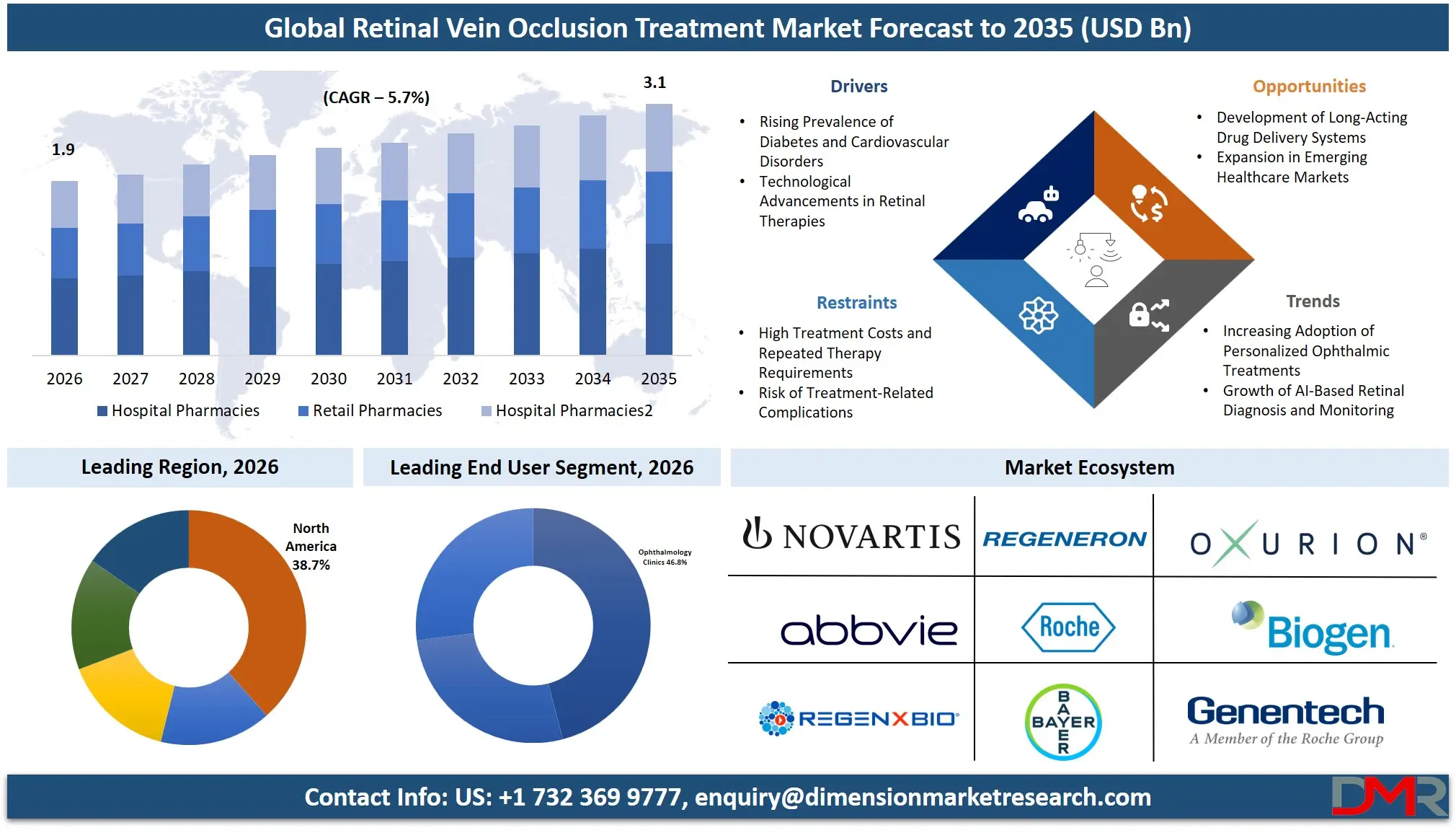
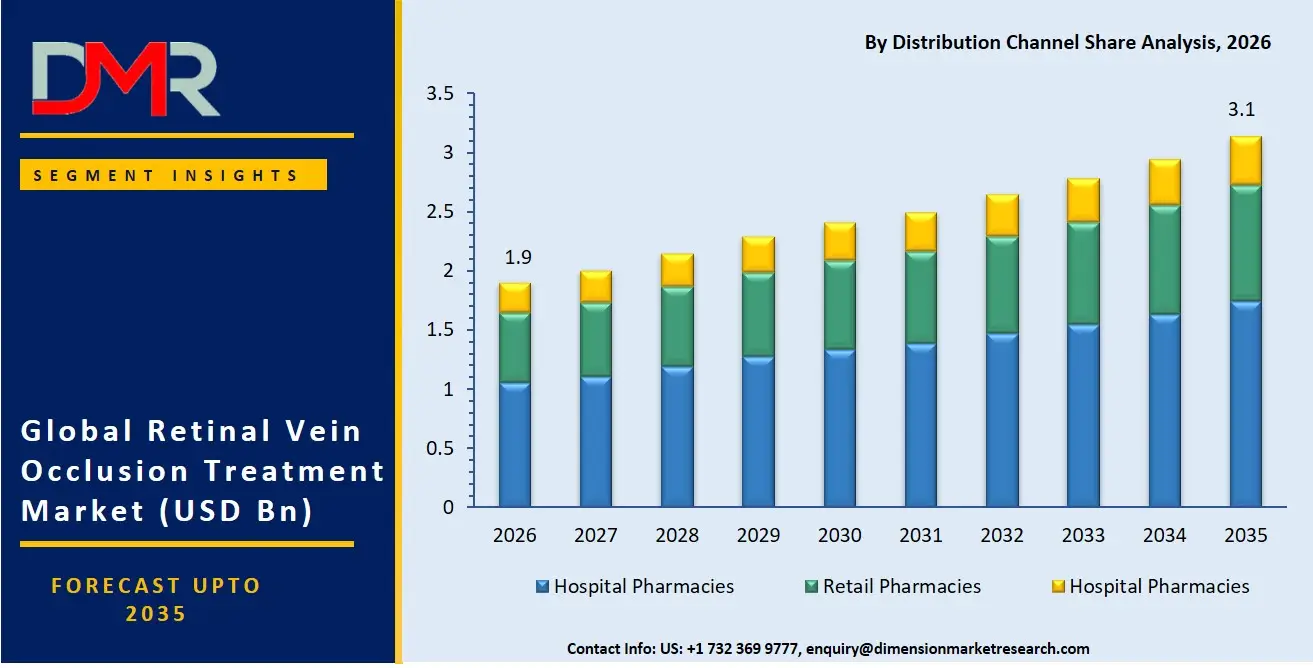
The Retinal Vein Occlusion Treatment Market size is expected to be USD 1.9 billion in 2026 and increase at a compound annual growth rate of 5.7% to USD 3.1 billion in 2035 due rising prevalence of diabetes and cardiovascular disorders.
ℹ
To learn more about this report –
Download Your Free Sample Report Here
The Retinal Vein Occlusion Treatment market encompasses therapies, procedures, and medical interventions designed to manage retinal vein blockages that impair blood circulation and can lead to vision loss. The market includes anti-VEGF drugs, corticosteroid therapies, laser treatments, combination therapies, and supportive ophthalmic services. Advancements in biologics, sustained-release drug delivery systems, and minimally invasive retinal procedures are improving treatment outcomes. Increasing prevalence of diabetes, hypertension, and aging populations is accelerating demand globally. Growing investment in ophthalmic research, expansion of specialty eye-care facilities, and adoption of innovative therapies are shaping market growth within the broader ophthalmology and healthcare industries.
The US Retinal Vein Occlusion Treatment Market
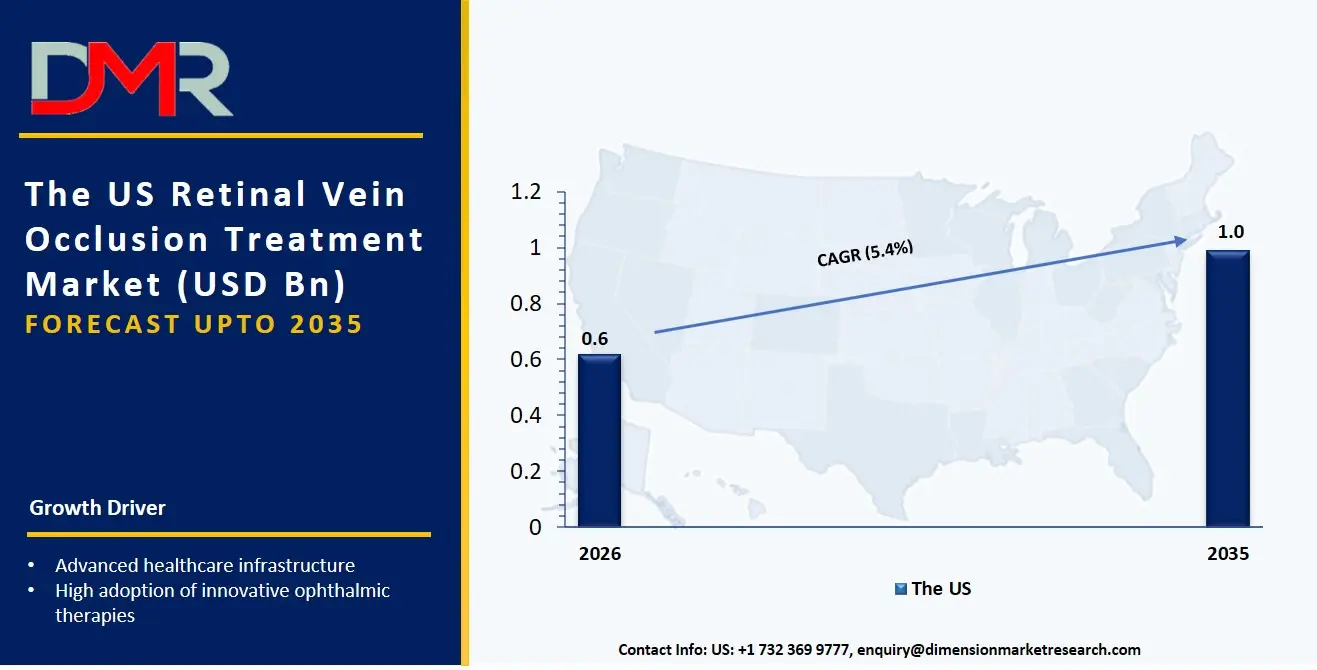
The US Retinal Vein Occlusion Treatment Market size is estimated to be USD 600 million in 2026 and is expected to increase at a CAGR of 5.4% over the forecast period.
ℹ
To learn more about this report –
Download Your Free Sample Report Here
The US Retinal Vein Occlusion Treatment market is driven by advanced healthcare infrastructure, high adoption of innovative ophthalmic therapies, and strong reimbursement frameworks. Rising cases of diabetes, hypertension, and age-related retinal disorders support market expansion. Leading pharmaceutical companies focus on anti-VEGF innovations and long-acting therapies. Government support for clinical research, favorable regulatory pathways, and increasing ophthalmology clinic networks further encourage adoption. The presence of specialized retinal care centers and high awareness among patients strengthens the country's position as a major market.
Europe Retinal Vein Occlusion Treatment Market
The Europe Retinal Vein Occlusion Treatment Market size is estimated to be USD 475 million in 2026 and is expected to increase at a CAGR of 5.5% over the forecast period.
The European Retinal Vein Occlusion Treatment market is supported by increasing demand for advanced retinal therapies, expanding healthcare access, and strong emphasis on preventing vision impairment. Regulatory approvals for innovative biologics and biosimilars are improving treatment availability. Policies supporting healthcare modernization and research initiatives encourage ophthalmic innovation. Countries with developed healthcare systems are adopting anti-VEGF therapies rapidly, while increasing awareness programs and aging demographics continue driving demand across the region.
Japan Retinal Vein Occlusion Treatment Market
The market size of Japan Retinal Vein Occlusion Treatment will be USD 114 million in 2026 and at a CAGR of 5.9% in the forecast period.
The Japan Retinal Vein Occlusion Treatment market is expanding due to rapid population aging, increasing prevalence of vascular diseases, and technological advancement in ophthalmology. Government initiatives supporting healthcare innovation and early diagnosis are strengthening treatment adoption. Japan's advanced medical infrastructure encourages the use of minimally invasive retinal procedures and next-generation biologic therapies. Growth opportunities are emerging through improved drug delivery systems, specialty eye-care centers, and increasing demand for effective vision preservation solutions.
Key Takeaways
- Market Size & Forecast: The Retinal Vein Occlusion Treatment Market size is projected to reach USD 1.9 billion in 2026 and is anticipated to have a value of USD 3.1 billion in 2035.
- Growth Rate & Outlook: The Retinal Vein Occlusion Treatment Market size is set to grow at a compound annual growth rate of 5.7% during the forecast period of 2026 to 2035.
- Primary Growth Drivers: Some of the major growth drivers in the market are Rising Prevalence of Diabetes and Cardiovascular Disorders, and more.
- Key Market Trends: Some of the major trends in the market are Growth of AI-Based Retinal Diagnosis and Monitoring, and more.
- By Distribution Channel Type: Hospital Pharmacies are anticipated to get the majority share of the Retinal Vein Occlusion Treatment Market in 2026.
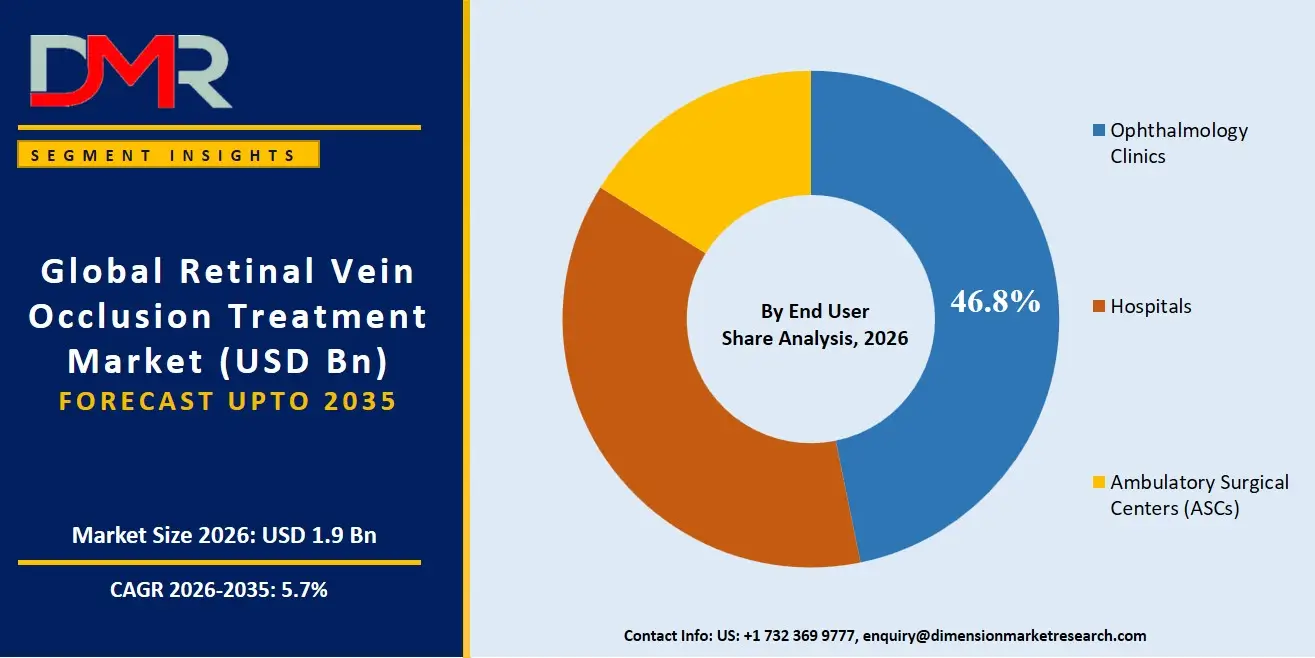
- By End User Type: Ophthalmology is expected to get the largest revenue share in 2026 in the Retinal Vein Occlusion Treatment Market.
- Regional Leadership: North America is set to lead the Retinal Vein Occlusion Treatment Market with an estimated 38.7% share in 2026.
What is the Retinal Vein Occlusion Treatment?
Retinal Vein Occlusion Treatment refers to medical therapies and procedures used to manage blockage of retinal veins that disrupt blood flow and damage vision. Treatments aim to reduce retinal swelling, control abnormal blood vessel growth, prevent complications, and preserve visual function. Common approaches include anti-VEGF injections, corticosteroid implants, laser photocoagulation, and combination therapies. Advances in targeted medicines, personalized ophthalmic care, and drug delivery technologies have improved disease management and expanded treatment options for patients affected by retinal vascular disorders.
Use Cases
- Anti-VEGF Therapy for Macular Edema Management: Anti-VEGF treatments are widely used to reduce retinal swelling caused by abnormal vascular permeability. These therapies inhibit vascular endothelial growth factor activity, improving vision outcomes in patients with retinal vein occlusion. Regular intravitreal injections help control disease progression and minimize long-term vision damage.
- Corticosteroid Therapy for Inflammation Control: Corticosteroid treatments are used to reduce inflammation and fluid accumulation in the retina. Intravitreal implants and injections provide sustained drug release, offering an alternative for patients who show inadequate response to anti-VEGF therapies. These approaches support long-term disease management.
- Laser Therapy for Retinal Damage Reduction: Laser photocoagulation remains an important treatment option for selected retinal vein occlusion cases. It helps reduce abnormal retinal changes and prevents complications associated with vascular leakage. The technique is often used alongside pharmaceutical therapies to improve patient outcomes.
- Combination Therapy for Advanced Disease Management: Combination treatment approaches integrate anti-VEGF agents, corticosteroids, and laser procedures to address complex retinal conditions. These strategies are increasingly adopted for patients requiring personalized treatment plans and improved control of chronic retinal complications.
How AI Is Transforming the Retinal Vein Occlusion Treatment Market
Artificial intelligence is transforming the Retinal Vein Occlusion Treatment market by improving disease detection, diagnosis accuracy, and treatment planning. AI-powered retinal imaging systems can analyze optical coherence tomography (OCT) scans and identify signs of macular edema, vascular abnormalities, and disease progression. These technologies assist ophthalmologists in making faster clinical decisions and selecting appropriate therapies based on individual patient conditions. AI algorithms also support predictive analysis by evaluating treatment responses and identifying patients at higher risk of complications.
AI is enhancing operational efficiency through automated screening, remote monitoring, and digital healthcare integration. Machine learning models can help optimize treatment schedules, reduce unnecessary clinical visits, and improve resource utilization in ophthalmology centers. The adoption of AI-driven platforms is expected to accelerate personalized retinal care, improve patient outcomes, and support the development of next-generation diagnostic and therapeutic solutions.
Market Dynamic
Driving Factors in the Retinal Vein Occlusion Treatment Market
Rising Prevalence of Diabetes and Cardiovascular Disorders
The increasing global burden of diabetes, hypertension, and cardiovascular diseases is a major factor driving demand for Retinal Vein Occlusion Treatment. These conditions significantly increase the risk of retinal vascular complications, creating a growing patient pool requiring specialized ophthalmic care. Aging populations further contribute to disease incidence, particularly in developed economies. Healthcare providers are increasingly emphasizing early diagnosis and intervention, boosting adoption of anti-VEGF therapies, corticosteroid treatments, and advanced retinal procedures. The expansion of screening programs and improved awareness regarding vision-related disorders are supporting sustained market growth.
Restraints in the Retinal Vein Occlusion Treatment Market
High Treatment Costs and Repeated Therapy Requirements
One of the major challenges affecting Retinal Vein Occlusion Treatment adoption is the high cost associated with repeated intravitreal injections and advanced biologic therapies. Many patients require multiple treatment sessions over extended periods, increasing financial burden on healthcare systems and individuals. Limited reimbursement coverage in some regions restricts access to expensive therapies. Additionally, treatment adherence can become difficult due to frequent clinical visits and injection requirements, affecting long-term outcomes and limiting market penetration in cost-sensitive regions.
Opportunities in the Retinal Vein Occlusion Treatment Market
Development of Long-Acting Drug Delivery Systems
The emergence of sustained-release technologies represents a significant opportunity for market expansion. Long-acting implants and extended-duration injectable therapies can reduce the frequency of clinical visits and improve patient compliance. Companies are investing in innovative delivery platforms designed to provide consistent therapeutic effects over longer periods. These advancements could transform treatment patterns by lowering patient burden and improving disease management efficiency. Increasing demand for convenient treatment solutions creates strong growth potential for advanced retinal drug delivery technologies.
Trends in the Retinal Vein Occlusion Treatment Market
Growth of AI-Based Retinal Diagnosis and Monitoring
Artificial intelligence is increasingly influencing retinal healthcare through automated image analysis, disease detection, and treatment monitoring. AI-powered diagnostic platforms help ophthalmologists identify retinal abnormalities earlier and evaluate treatment responses more accurately. Digital ophthalmology solutions are improving workflow efficiency and enabling remote patient monitoring. The growing integration of AI with retinal imaging systems is expected to support faster diagnosis, better clinical decision-making, and improved management of retinal vein occlusion cases.
Research Scope and Analysis
The research scope analyzes the Retinal Vein Occlusion Treatment market by treatment type, disease type, end user, and distribution channel. It evaluates market trends, growth drivers, competitive dynamics, regional developments, and segment performance to understand adoption patterns, technological advancements, and future growth opportunities across global healthcare markets.
ℹ
To learn more about this report –
Download Your Free Sample Report Here
By Treatment Type Analysis
Anti-VEGF therapy is expected to remain the leading segment in the Retinal Vein Occlusion Treatment market, accounting for an estimated 74.5% market share in 2026. Its dominance is attributed to strong clinical effectiveness in reducing macular edema, improving visual outcomes, and being recommended as a first-line treatment option for many patients. Within this category, aflibercept and faricimab are gaining attention due to improved durability and reduced injection frequency compared with older therapies. The fastest-growing segment is expected to be combination therapy, supported by increasing adoption of personalized treatment approaches and clinical evidence showing benefits from integrating multiple therapeutic mechanisms. Combination strategies involving anti-VEGF agents, corticosteroids, and laser procedures are expanding as physicians seek improved disease control for complex cases.
By Disease Type Analysis
Central Retinal Vein Occlusion (CRVO) is projected to be the leading disease type segment, representing an estimated 51.2% market share in 2026. CRVO generally causes more severe retinal complications and higher rates of macular edema, resulting in greater demand for advanced treatment options. Increasing prevalence among elderly populations and individuals with hypertension and diabetes continues to support segment growth. The fastest-growing segment is expected to be Hemiretinal Vein Occlusion (HRVO), driven by improved diagnostic capabilities and greater recognition of mixed retinal vascular disorders. Advancements in retinal imaging technologies are enabling earlier identification of HRVO cases, creating opportunities for timely therapeutic intervention and improved patient management.
By End User Analysis
Ophthalmology clinics are anticipated to dominate the Retinal Vein Occlusion Treatment market by end user, holding an estimated 46.8% market share in 2026. These facilities specialize in retinal disorders and provide advanced diagnostic services, intravitreal injections, and follow-up care required for chronic retinal conditions. Increasing preference for specialized eye-care centers and outpatient treatment models supports this segment's growth. The fastest-growing segment is expected to be ambulatory surgical centers (ASCs), supported by rising demand for cost-efficient outpatient procedures, shorter treatment times, and improved patient convenience. ASCs are increasingly adopting advanced ophthalmic equipment and minimally invasive treatment capabilities to manage retinal conditions effectively.
By Distribution Channel Analysis
Hospital pharmacies are expected to lead the distribution channel segment, accounting for an estimated 55.6% market share in 2026. Their dominance is supported by direct integration with healthcare facilities, availability of specialized retinal medications, and physician-controlled treatment pathways.
ℹ
To learn more about this report –
Download Your Free Sample Report Here
Hospitals often manage complex retinal cases requiring continuous monitoring and access to advanced therapies. The fastest-growing segment is expected to be online pharmacies due to increasing digital healthcare adoption, improved medication accessibility, and convenience for patients requiring long-term treatment support. Expansion of e-commerce healthcare platforms and better regulatory frameworks for online medicine distribution are expected to strengthen this segment's growth.
The Retinal Vein Occlusion Treatment Market Report is segmented on the basis of the following:
By Treatment Type
- Anti-VEGF Therapy
- Aflibercept
- Ranibizumab
- Bevacizumab
- Faricimab
- Corticosteroid Therapy
- Intravitreal Implants
- Intravitreal Injections
- Laser Therapy
- Combination Therapy
By Disease Type
- Branch Retinal Vein Occlusion (BRVO)
- Central Retinal Vein Occlusion (CRVO)
- Hemiretinal Vein Occlusion (HRVO)
By End User
- Hospitals
- Ophthalmology Clinics
- Ambulatory Surgical Centers (ASCs)
By Distribution Channel
- Hospital Pharmacies
- Retail Pharmacies
- Online Pharmacies
Regional Analysis
Leading Region in the Retinal Vein Occlusion Treatment Market
ℹ
To learn more about this report –
Download Your Free Sample Report Here
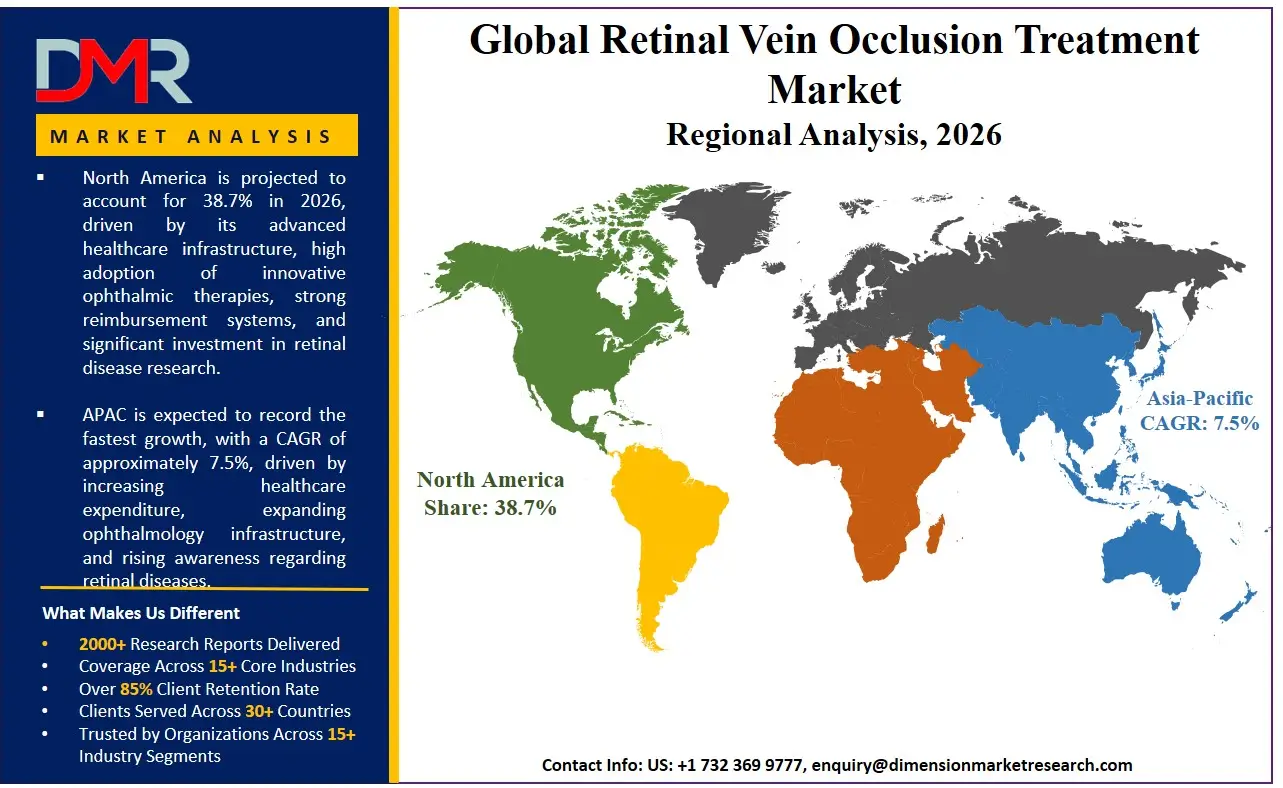
North America is expected to remain the leading region in the Retinal Vein Occlusion Treatment market, accounting for an estimated 38.7% market share in 2026. The region's dominance is supported by advanced healthcare infrastructure, high adoption of innovative ophthalmic therapies, strong reimbursement systems, and significant investment in retinal disease research. The presence of specialized eye-care facilities, early diagnosis programs, and widespread availability of anti-VEGF therapies contributes to market leadership. Increasing prevalence of diabetes and age-related retinal disorders further supports demand. Regulatory support for innovative drug approvals and continued investment in biotechnology research strengthen North America's position as the largest regional market.
Fastest Growing Region in the Retinal Vein Occlusion Treatment Market
Asia-Pacific is projected to be the fastest-growing region in the Retinal Vein Occlusion Treatment market due to increasing healthcare expenditure, expanding ophthalmology infrastructure, and rising awareness regarding retinal diseases. Countries including Japan, China, and India are experiencing growing demand due to aging populations, increasing diabetes prevalence, and improved access to advanced medical treatments. Government healthcare initiatives, investments in diagnostic technologies, and expansion of specialty eye-care centers are accelerating adoption. The region presents significant opportunities for pharmaceutical companies through affordable therapies, local manufacturing strategies, and broader distribution networks targeting underserved patient populations.
By Region
North America
Europe
- Germany
- The U.K.
- France
- Italy
- Russia
- Spain
- Benelux
- Nordic
- Rest of Europe
Asia-Pacific
- China
- Japan
- South Korea
- India
- ANZ
- ASEAN
- Rest of Asia-Pacific
Latin America
- Brazil
- Mexico
- Argentina
- Colombia
- Rest of Latin America
Middle East & Africa
- Saudi Arabia
- UAE
- South Africa
- Israel
- Egypt
- Rest of MEA
Competitive Landscape
The Retinal Vein Occlusion Treatment market is characterized by strong competition driven by pharmaceutical innovation, clinical effectiveness, and expansion of treatment portfolios. Market participants focus on developing longer-lasting therapies, improving drug delivery technologies, and conducting clinical trials to strengthen competitive positioning. Strategic collaborations, research investments, regulatory approvals, and partnerships with healthcare providers are key approaches used to maintain market presence. High development costs, strict regulatory requirements, and the need for extensive clinical validation create entry barriers. Companies are increasingly prioritizing personalized medicine, digital healthcare integration, and cost-effective solutions to improve accessibility and expand their market share.
Some of the prominent players in the global Retinal Vein Occlusion Treatment are:
- Regeneron Pharmaceuticals, Inc.
- Bayer AG
- F. Hoffmann-La Roche Ltd.
- Novartis AG
- Genentech, Inc.
- AbbVie Inc.
- Biogen Inc.
- Alimera Sciences, Inc.
- Kodiak Sciences Inc.
- Outlook Therapeutics, Inc.
- Chengdu Kanghong Pharmaceutical Group Co., Ltd.
- Ocugen, Inc.
- Ocular Therapeutix, Inc.
- Adverum Biotechnologies, Inc.
- Kiora Pharmaceuticals, Inc.
- Annexon Biosciences
- Apellis Pharmaceuticals, Inc.
- Oxurion NV
- Clearside Biomedical, Inc.
- REGENXBIO Inc.
- Other Key Players
Recent Developments
- In June 2025, Alimera Sciences expanded strategic efforts related to retinal disease management by strengthening collaborations focused on improving access to sustained-release treatment solutions. The company continued promoting ILUVIEN, an intravitreal implant designed for prolonged corticosteroid delivery in retinal conditions requiring long-term management.
- In March 2025, Regeneron Pharmaceuticals expanded initiatives supporting EYLEA HD (aflibercept 8 mg) adoption in ophthalmology practices following regulatory progress and increasing clinical utilization. The higher-dose formulation was developed to provide extended treatment intervals for retinal vascular diseases while maintaining efficacy. Regeneron focused on physician education, supply availability, and broader integration into retinal care pathways.
- In February 2025, Roche continued expanding the global presence of Vabysmo (faricimab), focusing on strengthening its position in retinal vascular disease treatment, including retinal vein occlusion-related complications. The therapy's dual-action mechanism targeting VEGF-A and Ang-2 has attracted attention due to its potential to provide longer treatment intervals compared with traditional anti-VEGF approaches.
Report Details
| Report Characteristics |
| Market Size (2026) |
USD 1.9 Bn |
| Forecast Value (2035) |
USD 3.1 Bn |
| CAGR (2026–2035) |
5.7% |
| Historical Period |
2021 – 2025 |
| Forecast Period |
2027 – 2035 |
| Base Year |
2025 |
| Estimate Year |
2026 |
| Segments Covered |
By Treatment Type, By Disease Type, By End User, By Distribution Channel |
| Regional Coverage |
North America – The US and Canada; Europe – Germany, The UK, France, Russia, Spain, Italy, Benelux, Nordic, & Rest of Europe; Asia-Pacific – China, Japan, South Korea, India, ANZ, ASEAN, Rest of APAC; Latin America – Brazil, Mexico, Argentina, Colombia, Rest of Latin America; Middle East & Africa – Saudi Arabia, UAE, South Africa, Turkey, Egypt, Israel, & Rest of MEA |
Frequently Asked Questions
How big is the Retinal Vein Occlusion Treatment Market?
▾ The Retinal Vein Occlusion Treatment Market size is expected to reach USD 1.9 billion by 2026 and is projected to reach USD 3.1 billion by the end of 2035.
What is the CAGR of the Retinal Vein Occlusion Treatment Market from 2026 to 2035?
▾ The market is growing at a CAGR of 5.7 percent over the forecasted period.
What factors are driving the growth of the Retinal Vein Occlusion Treatment Market?
▾ Rising Prevalence of Diabetes and Cardiovascular Disorders, and more are the factors driving the growth of the Retinal Vein Occlusion Treatment Market.
What are the major trends in the Retinal Vein Occlusion Treatment Market?
▾ Growth of AI-Based Retinal Diagnosis and Monitoring, and more are some of the major trends in the market.
Who are the key players in the Retinal Vein Occlusion Treatment Market?
▾ Some of the key players in the Retinal Vein Occlusion Treatment Market include Abbvie, Roche, Bayer, more
How is the Retinal Vein Occlusion Treatment Market segmented?
▾ The Retinal Vein Occlusion Treatment Market is segmented by treatment type, disease type, end user, distribution channel.
Which region held the largest share of the Retinal Vein Occlusion Treatment Market in 2026?
▾ North America is set to lead the Retinal Vein Occlusion Treatment Market with an estimated 38.7% share in 2026.
Which region is expected to grow the fastest in the Retinal Vein Occlusion Treatment Market?
▾ Asia Pacific is the fastest-growing region in the Retinal Vein Occlusion Treatment Market during the forecast period.