Market Overview
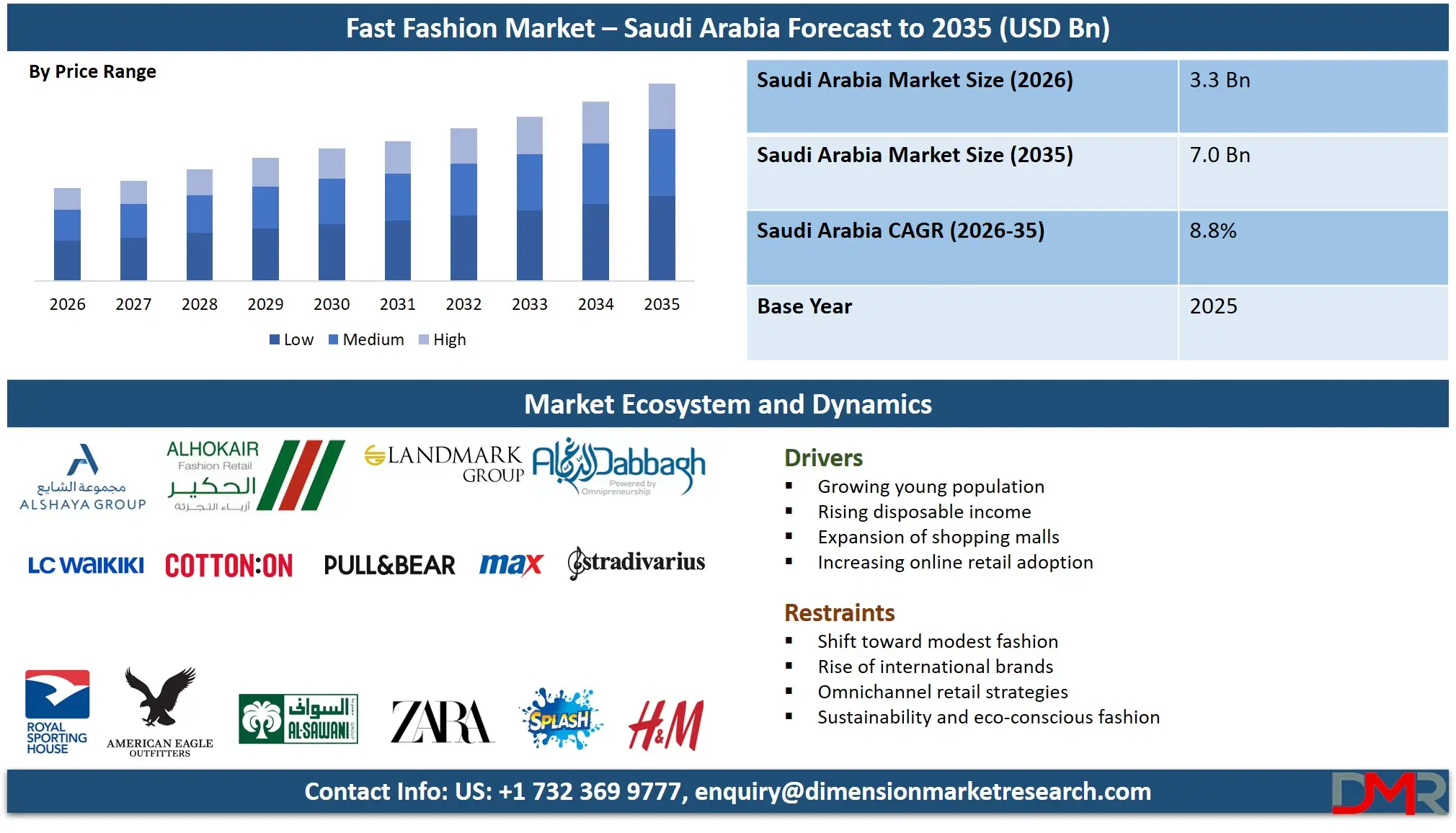
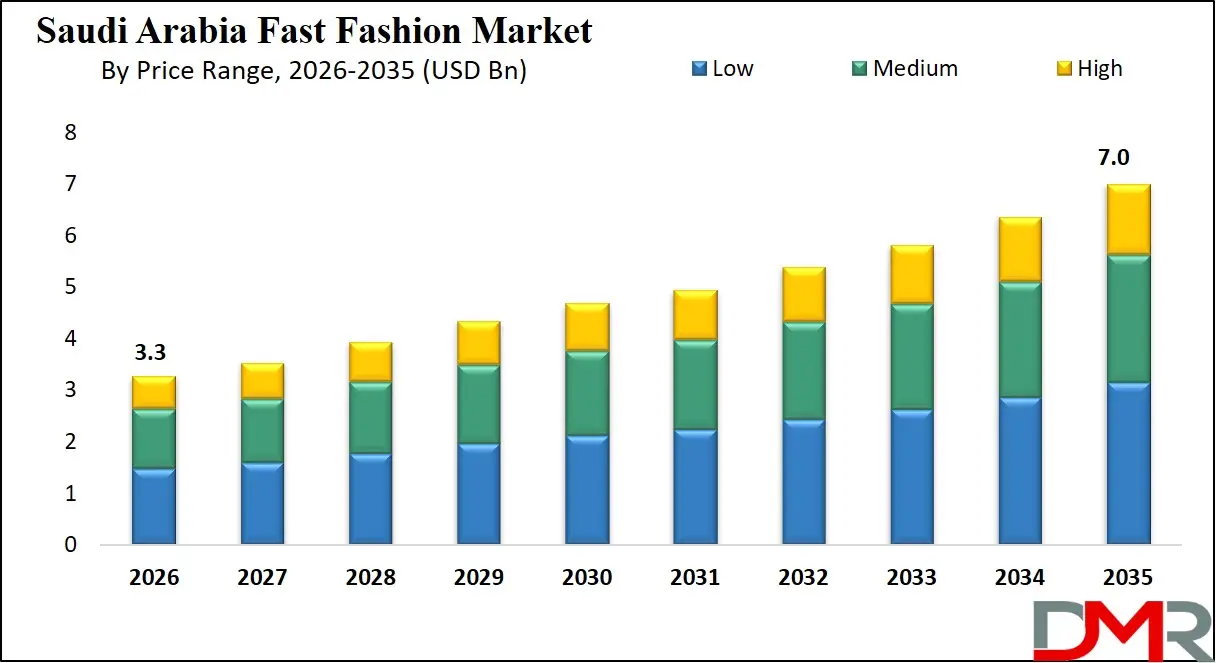
The fast fashion market in Saudi Arabia is projected to reach USD 3.3 billion in 2026 and is expected to grow further to USD 7.0 billion by 2035, registering a CAGR of approximately 8.8% during the forecast period.
ℹ
To learn more about this report –
Download Your Free Sample Report Here
The Saudi Arabian fast fashion market is in the process of a major transformation that is being underpinned by the economic diversification, increasing consumer aspirations, and the powerful support of government under the Vision 2030. The country is witnessing a rising trend of disposable income and population that is digitally connected and young enough making Saudi Arabia one of the most appealing fashion retail markets in the Middle East.
The percentage of young people age below 35 is very high, and this directly contributes to the appeal of the fashion collections that are trendy, affordable, and changed with a high frequency. By providing fast product turnover and competitive pricing models, fast fashion brands are exploiting this demographic benefit.
ℹ
To learn more about this report –
Download Your Free Sample Report Here
Saudi Arabia Fast Fashion Market: Key Takeaways and Other Influencing Factors
- Market Growth Insights: The market is projected to reach approximately USD 3.3 billion in 2026 and grow to around USD 7.0 billion by 2035, registering a CAGR of 8.8%, driven by evolving fashion preferences, digital retail expansion, and increasing consumer purchasing power.
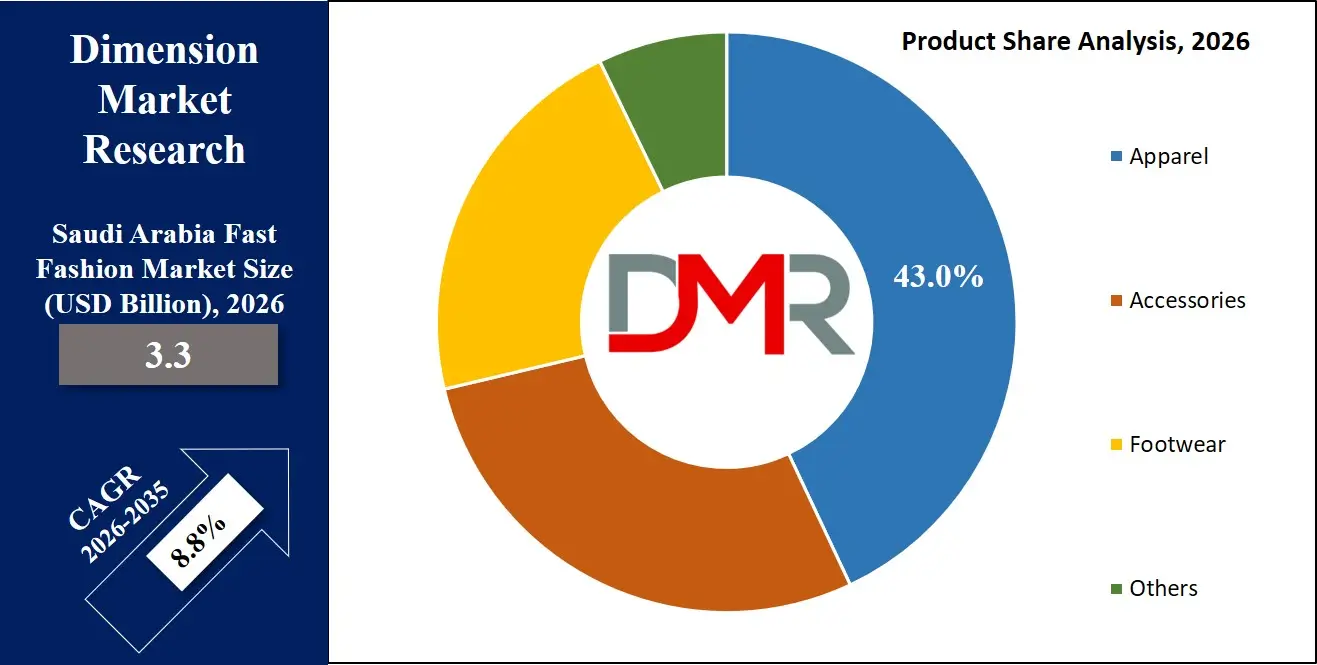
- By Product Insights: The market is poised to be dominated by apparel as modest wear, abaya, casual wear, and western wear have high demand, and accessories are gaining popularity because of impulse purchasing and the growing popularity of trends on social media among younger consumers.
- By Price Range Insights: The market is expected to be dominated by the low price segments accompanied by the high demands in the market, as the youth and middle income earners are price sensitive and are willing to wear trendy clothes at competitive prices.
- By Distribution Channel Insights: The offline retail, especially shopping malls, are still dominating because of the preference for experiential shopping, but the online channels are growing at a very fast rate, driven by the mobile commerce trend, application-based stores, and easy payment methods that are making the shopping experience more accessible to customers.
- By End User Insights: Women constitute the highest market share because of high demand of both traditional and modern fashion with the other segments, men and children, experiencing a consistent growth because of the rising fashion consciousness combined with the growing product offerings in the various categories.
- Saudi Fashion Commission / Government Reports: It is estimated that the fashion industry will add 2.6% to the GDP of Saudi Arabia by 2025, create approximately 340,000 employment opportunities, over 40% of the fashion value in the GCC, and increase to USD 40 billion by 2029.
- General Authority for Statistics (Saudi Arabia) & National Data Indicators: Around 65% of the population is under 35, with nearly 40% aged 15–24, driving strong fashion demand. Average household spending on fashion reached SAR 4,200 annually, rising 12% year-on-year, while expatriates represent about 30% of residents influencing apparel consumption patterns.
- Saudi Central Bank / Digital Economy & Payments Trends: Saudi Arabia has a smartphone penetration of more than 90.0%, which facilitates the development of mobile commerce. The use of digital payments is on the increase because of government efforts, and e-commerce is enhanced by such systems as SADAD. Mobile-first economy is hastening the retail digitalization, changing the consumer shopping habits and improving the efficiency of the market overall.
Impact of Iran Conflict on Saudi Arabia Fast Fashion Market
The Saudi fast fashion market is indirectly impacted by geopolitical tensions in the Middle East, especially the ones that target strategic trade routes like the Strait of Hormuz. These tensions usually result in oscillations in oil prices which consequently affect transportation and logistics expenses. The increased fuel prices lead to the increased cost of importation of the raw materials and finished goods thus affecting general pricing policies of the fast fashion brands. Also, the supply chains in the world can be disrupted, which can make a product less available, which impacts inventory cycles and sales performances.
Saudi Arabia however is well placed in terms of its economy which is aided by oil revenues and diversification efforts, which helps in alleviating these threats. Investments in infrastructure and logistics by the government also overpower the resilience of the supply chain, thus maintaining a consistent growth in the market despite external threats.
Saudi Arabia Fast Fashion Market: Use Cases
- Localized Modest Fashion Production: Brands are also starting to make collections based on local cultural bias, mixing modesty with global fashion trends to attract Saudi customers.
- Influencer-Led Marketing Campaigns: Partnerships with local influencers and celebrities will lead to a high rate of product adoption and brand exposure, especially on Instagram and Tik Tok.
- Omnichannel Retail Experience: Retailers combine the physical store with online services, where they provide services like click-and-collect, easy returns, and real-time inventory tracking.
- Urban Same-Day Delivery Models: Logistics companies are facilitating faster delivery in large urban areas, improving customer satisfaction and competitiveness in the fast fashion industry.
Saudi Arabia Fast Fashion Market: Market Dynamics
Driving Factors in the Saudi Arabia Fast Fashion Market
Youth Population and Urbanization
The population of Saudi Arabia is mostly young with a large number falling below the age of 35 and this presents a robust consumer market to fast fashion. This is a very trendy demographic with global fashion trends. The high rate of urbanization, especially in such cities as Riyadh and Jeddah, has made this more and more exposed to international brands and contemporary retail formats. The city ways of life promote spending habits and changing clothes regularly. Also, the growth of shopping centers and entertainment areas has facilitated access to fashion which has increased consumption and a long-term demand on low-cost, fashionable clothes.
Social Media and Influencer Culture
Instagram, Snapchat, and Tik Tok social media platforms have emerged as strong fashion consumption engines in Saudi Arabia. The preferences of consumers are formed by influencers and digital creators, who demonstrate new styles, collaborations, and limited in numbers collections. Their high involvement with followers breeds trust and compels impulse purchase. The hashtag campaign and viral trends can help increase the visibility and sales of the product in the short-term. Influencer deals and social commerce may act as more effective tactics to engage younger audiences and reduce the buying cycle, as well as provide a more direct bridge between product discovery and purchase.
Restraints in the Saudi Arabia Fast Fashion Market
Dependence on Imports
The Saudi fast fashion market is dominated by the importation of goods, with the domestic manufacturing industry still emerging. Such dependence puts the market at the risk of global supply chain, shipping delays and changing importation costs. The fluctuations in the exchange rate of currencies may also affect the pricing strategies and the profit margins of the retailers. Also, geopolitical dynamics of the trade routes may also raise the cost of transportation. These issues complicate the ability of brands to have a steady price and inventory level. Consequently, the firms are considering regional sourcing and localized manufacturing to decrease dependency and increase supply chain resilience.
Sustainability and Regulatory Pressure
The growing concern about the environment is putting stress on the fast fashion brands to become more sustainable. Regulations and programs by the government to make the environment more responsible are motivating firms to minimize waste, enhance recycling, and employ environmentally friendly products. The consumers are also increasingly aware about the environmental impact of their purchases and require transparency and ethical sourcing. Achieving sustainability standards may demand a lot of investment in restructuring the supply chain and development of innovations that may raise the cost of operations. Lack of these issues could bring about a reputational risk and loss of market share, and sustainability is not only a challenge but a necessity.
Opportunities in the Saudi Arabia Fast Fashion Market
Digital Transformation and AI Integration
The adoption of modern tech like artificial intelligence is generating enormous prospects to the Saudi fast fashion industry. Analytics based on AI are helping retailers to learn about consumer behavior, predict demand, and manage inventory. One-to-one suggestions and online styling services contribute to the shopping experience, boosting client satisfaction and loyalty. The AI can also be used in reducing the number of returns through better matching of products of size. As the use of digital infrastructure in Saudi Arabia expands rapidly, any brand investing in technology is likely to be more competitive in terms of providing a seamless, efficient, and very personalized retail experience.
Expansion of Circular Fashion Models
The popularity of circular fashion models, resale, rental and recycling programs are taking off in Saudi Arabia as people become more conscious of sustainability. These models will prolong the life of clothes, decrease the wastes produced by clothes, and generate new sources of income to brands. Consumers, and specifically, young people are becoming interested in environmentally friendly purchasing. To promote responsible consumption, retailers are finding collaboration with recycling companies and implementing take-back programs. Circular fashion is also in line with the government sustainability objectives and thus a strategic area of growth. Using these models, companies may improve brand image and contribute to environmental conservation and sustainable market in the long run.
Trends in the Saudi Arabia Fast Fashion Market
Rise of Modest Fast Fashion
Modest fashion is another trend that is becoming a characteristic of the Saudi fast fashion industry, which is a mixture of cultural values and modern global trends. People are in search of clothes that conform to the traditional taste but also portray the contemporary fashion. This has resulted in a rise in demand of stylish abayas, loose fit outfits and layered outfits. Brands are reacting by creating collections that are specifically regionally appealing with new fabrics and designs. The emergence of the humble fast fashion makes not only the local relevance stronger but also makes Saudi Arabia a powerful participant in the modest fashion world.
Growth of E-Commerce and Mobile Shopping
E-commerce and mobile shopping are changing the fast fashion world in Saudi Arabia. Consumers can now shop anywhere, anytime because of the high smart phone penetration and the popularity of the internet. Internet sites are convenient, have a large variety of products, and are priced competitively, a factor that is gaining popularity. Online shopping has also been enhanced by online payment systems and better logistics system. To attract this increased demand, retailers are investing in mobile applications, easy to use interfaces and quick delivery solutions. The trend of mobile-first shopping is projected to remain, and the online portion of the fast fashion market will grow considerably.
Saudi Arabia Fast Fashion Market: Research Scope and Analysis
By Product Analysis
In Saudi Arabia, apparel is projected to be remain as a dominant force in the fast fashion industry due to high demand of both traditional and modern attire. The major categories included in the consumer purchases are abayas, thobes, modest wear, dresses, tops, and denim because of their high replacement rate and the fact that they are in line with the changing fashion trends.
ℹ
To learn more about this report –
Download Your Free Sample Report Here
The accessories such as handbags, belts, scarves, and jewelry are complementary and are usually influenced by impulse purchasing and social media. The footwear is on the rise particularly among the younger generation who are influenced by the sneaker and casual footwear trends all over the world. Also new product lines, including activewear, loungewear, and swimwear are experiencing a consistent growth because of changing lifestyles, growing health consciousness, and growing interest in fitness and recreational activities.
By Price Range Analysis
The Saudi fast fashion market is expected to be dominated by the low price segment, which are very much accessible and acceptable to the large consumers. Consumers with high price sensitivity like Gen Z and millennials like these are attracted to cheap apparel that enables them to frequently change their wardrobes without heavy financial investment. These segments enjoy high mass sales and fast turnover rates so that brands can be profitable. The demand in these segments is further enhanced through promotional campaigns, discounts and seasonal sales. In the meantime, the premium category, albeit minor, is steadily growing as a result of an increase in the popularity of high-end fast fashion collaborations, partnerships with designers, and limited editions. Increasing disposable income and growing brand awareness among the high-income consumers are also facilitating expansion in this market.
By Distribution Channel Analysis
Offline shopping is expected to remains popular in Saudi Arabia, and it thrives mainly due to the success of the mega shopping centers in such cities as Riyadh and Jeddah. These malls have experiential shopping experiences that place retailing, dining and entertainment, which makes them the major destinations of consumers. Nonetheless, online marketing is catching up fast as more people use smartphones, become internet savvy and the option of shopping at the comfort of their own homes is becoming more popular. E-commerce websites offer more products, low prices and recommendations. Online sales are also increasing faster because of social commerce, influencer marketing, and mobile applications, making brands invest in omnichannel approaches that allow both offline and online retail experiences to be seamlessly integrated.
By End User Analysis
The Saudi fast fashion market has the highest number of women consumers who have a high purchasing rate and the large number of styles available in the market to meet both conservative and contemporary tastes. Demand of modest fashion, along with the tendencies in the world, plays a significant role in the dominance of this segment. Fashion among men is also growing consistently, and the attention to casual clothes, street, and athleisure styles among younger customers is growing. The fashion of children is also on the steady course owing to the seasonal nature of clothes and purchases concerning schooling. Also, the unisex segment is becoming increasingly popular since consumers are becoming more accommodative and less restrictive in terms of fashion choices due to the changing cultural orientation and the changing fashion preference across the kingdom.
Saudi Arabia Fast Fashion Market Report is segmented on the basis of the following:
By Product
- Apparel
- Accessories
- Footwear
- Others
By Price Range
By Distribution Channel
By End User
- Men
- Women
- Children
- Unisex
Impact of Artificial Intelligence in Saudi Arabia Fast Fashion Market
Artificial intelligence is also transforming the fast fashion sector in Saudi Arabia as it allows smarter, faster, and more efficient retail processes. Using AI-based analytics, a retailer can handle large amounts of consumer data gathered on the Internet, social media, and customer history and respond to emerging trends immediately. This allows the brands to develop and introduce products with a strong affinity to the existing consumer tastes and save a lot of time to market.
Another area that AI is transforming is inventory management since it can forecast the demand trends with great precision and reduce overproduction and stockouts. Retailers are able to streamline supply chains, cut operational expenses and enhance efficiency. Furthermore, the dynamic pricing strategies are AI-driven, which allows the brands to stay competitive in the highly price-sensitive market, as the prices are adjusted to the demand, seasonality, and competitor activity.
Saudi Arabia Fast Fashion Market: Competitive Landscape
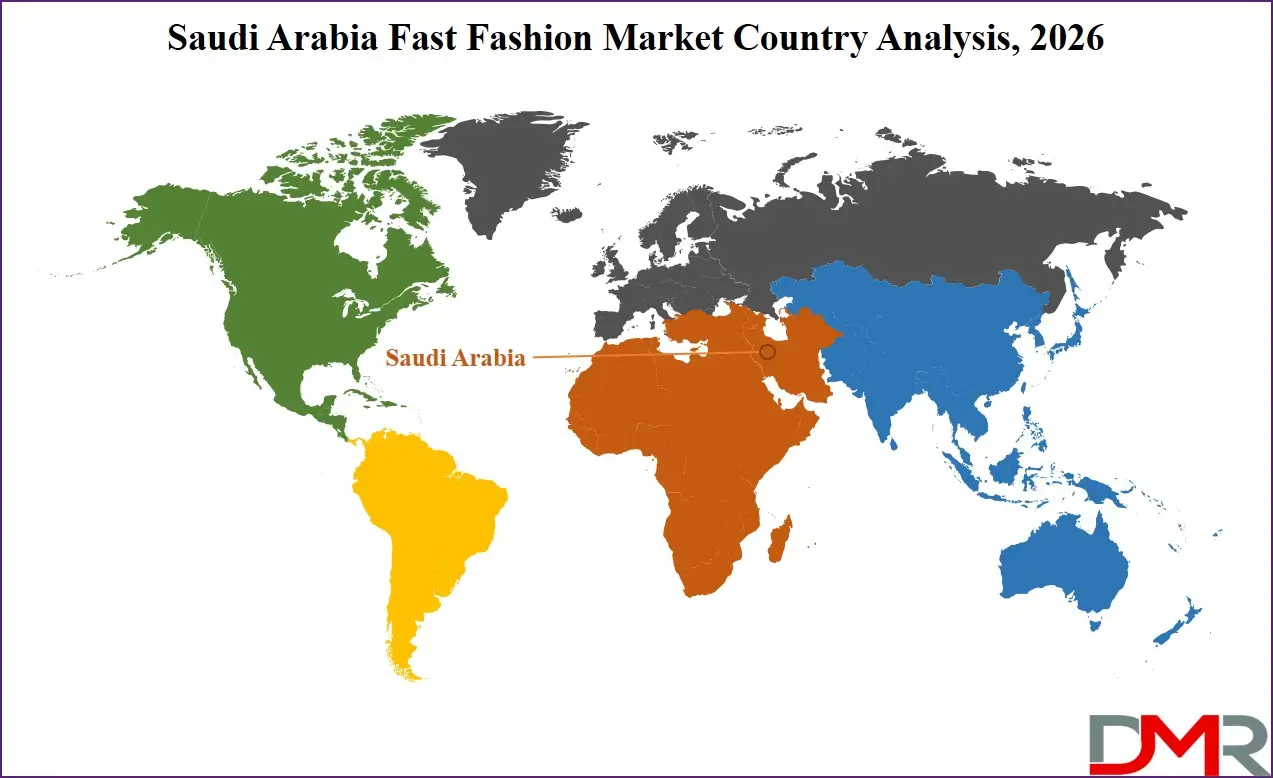
The Saudi Arabian fast fashion market is very competitive and dynamic with both international fashion players and powerful regional retail players. The market is dominated by international brands like Zara, H&M, and Shein, which have a large product base, brand awareness, and product cycle. These firms are using global supply chains and superior data analytics to sustain their competitive advantage. Simultaneously, the regional players, including Fawaz Abdulaziz Alhokair Company and Landmark Group, are instrumental in the market expansion through the franchise network, running of retail stores, and localization of the products, according to the regional tastes.
ℹ
To learn more about this report –
Download Your Free Sample Report Here
Their extensive knowledge of local consumer behavior also offers a competitive edge in collection and marketing campaigns customization. The market is also facing the challenge of competition that is enhanced by the rapid development of e-commerce and social commerce platforms. Influencer marketing, digital advertising, and mobile-first are some of the areas where brands are investing to attract younger consumers. The convergence of omnichannel retailing strategies, which involves physical outlets and internet-based platforms, is becoming a necessity to retain customer attention and loyalty.
Some of the prominent players in Saudi Arabia Fast Fashion Market are:
- Fawaz Abdulaziz Alhokair Company
- Alshaya Group
- Landmark Group
- Al Sawani Group
- Al-Dabbagh Group
- RSH (Royal Sporting House) Middle East
- Zara
- H&M
- Bershka
- Pull&Bear
- Stradivarius
- Forever 21
- American Eagle Outfitters
- Cotton On
- LC Waikiki
- Max Fashion
- Splash
- Redtag
- Centrepoint
- R&B Fashion
- Other Key Players
Recent Developments in Saudi Arabia Fast Fashion Market
- March 2026: Shein expanded its regional logistics operations within Saudi Arabia, establishing new distribution hubs to improve last-mile delivery efficiency, reduce shipping timelines, and enhance customer satisfaction across major urban centers.
- February 2026: Zara introduced advanced AI-driven personalization features on its Middle East digital platforms, enabling more accurate product recommendations, improved styling suggestions, and increased customer engagement levels.
- January 2026: H&M launched sustainability-focused initiatives, including garment collection and recycling programs across leading malls in Saudi Arabia, encouraging consumers to participate in circular fashion practices.
- December 2025: Forever 21 enhanced its digital loyalty programs by incorporating gamified experiences and social media challenges, aiming to attract younger consumers and strengthen brand interaction.
Report Details
| Report Characteristics |
| Market Size (2026) |
USD 3.3 Bn |
| Forecast Value (2035) |
USD 7.0 Bn |
| CAGR (2026–2035) |
8.8% |
| Historical Data |
2021 – 2025 |
| Forecast Data |
2027 – 2035 |
| Base Year |
2025 |
| Estimate Year |
2026 |
| Report Coverage |
Market Revenue Estimation, Market Dynamics, Competitive Landscape, Growth Factors and etc. |
| Segments Covered |
By Product (Apparel, Accessories, Footwear, and Others), By Price Range (Low, Medium, and High), By Distribution Channel (Online, Offline, and Others), By End User (Men, Women, Children, Unisex) |
| Country Coverage |
Saudi Arabia |
| Prominent Players |
Fawaz Abdulaziz Alhokair Company, Alshaya Group, Landmark Group, Al Sawani Group, Al-Dabbagh Group, RSH (Royal Sporting House) Middle East, Zara, H&M, Bershka, Pull&Bear, Stradivarius, Forever 21, American Eagle Outfitters, Cotton On, LC Waikiki, Max Fashion, Splash, Redtag, Centrepoint, R&B Fashion, and Other Key Players |
| Purchase Options |
We have three licenses to opt for: Single User License (Limited to 1 user), Multi-User License (Up to 5 Users) and Corporate Use License (Unlimited User) along with free report customization equivalent to 0 analyst working days, 3 analysts working days and 5 analysts working days respectively. |
Frequently Asked Questions
How big is Saudi Arabia Fast Fashion Market?
▾ Saudi Arabia Fast Fashion Market size is estimated to have a value of USD 3.3 billion in 2026 and is expected to reach USD 7.0 billion by the end of 2035.
What is the growth rate in Saudi Arabia Fast Fashion Market in 2026?
▾ The market is growing at a CAGR of 8.8 percent over the forecasted period of 2026.
Who are the key players in Saudi Arabia Fast Fashion Market?
▾ Some of the major key players in Saudi Arabia Fast Fashion Market are Nike, Gap Inc., Levi Strauss & Co., Ralph Lauren Corporation, PVH Corp., Tapestry Inc., VF Corporation, American Eagle Outfitters, and many others.