Indication Covered
The report covers Sickle Cell Disease (SCD) as a chronic, inherited hematological disorder, with emphasis on its clinical burden, treatment patterns, therapeutic innovation, and commercial market development across the seven major markets. Sickle Cell Disease is primarily characterized by a genetic mutation in the beta-globin gene that leads to the production of abnormal hemoglobin S, causing red blood cells to become rigid, crescent-shaped, and prone to hemolysis and vascular obstruction. The condition can range from mild disease with intermittent symptoms to severe disease characterized by recurrent vaso-occlusive crises, chronic anemia, progressive organ damage, and life-threatening complications, requiring supportive care, disease-modifying therapies, transfusion-based management, and potentially curative treatment approaches.
The indication scope includes major clinical manifestations and associated disease conditions relevant to treatment demand, including:
- Sickle Cell Anemia (HbSS)
- Hemoglobin SC Disease (HbSC)
- Sickle Beta-Zero Thalassemia (HbSβ⁰)
- Sickle Beta-Plus Thalassemia (HbSβ⁺)
- Vaso-Occlusive Crises and Recurrent Pain Episodes
- Chronic Hemolytic Anemia and Sickle Cell-Related Organ Complications
Sickle Cell Anemia (HbSS) remains the primary focus because of its substantial clinical burden, frequent vaso-occlusive crises, elevated risk of cumulative organ damage, and significant need for disease-modifying treatment. The report also considers recurrent vaso-occlusive crises and associated complications because of their clinical and commercial relevance to treatment utilization, hospitalization, and long-term disease management. Other difficult-to-treat manifestations, including acute chest syndrome, stroke, chronic kidney disease, pulmonary hypertension, and transfusion-related iron overload, are evaluated as areas of continuing clinical need.
The treatment landscape covers disease-modifying pharmacological therapies, red blood cell transfusion, iron chelation therapy, supportive and pain management, and advanced curative therapies. Particular attention is given to treatments targeting fetal hemoglobin production, hemoglobin polymerization, red blood cell function, and disease-related cellular pathways, as well as emerging gene-editing, gene-addition, and next-generation treatment approaches.
Epidemiology Parameters
Sickle Cell Disease represents a significant lifelong genetic disease burden across the major healthcare markets covered in the report. Epidemiological patterns vary substantially between countries because of differences in genetic susceptibility, ancestry, migration, newborn screening coverage, healthcare access, disease awareness, diagnostic practices, and availability of hematology specialists and comprehensive sickle cell treatment services.
ℹ
To learn more about this report –
Download Your Free Sample Report Here
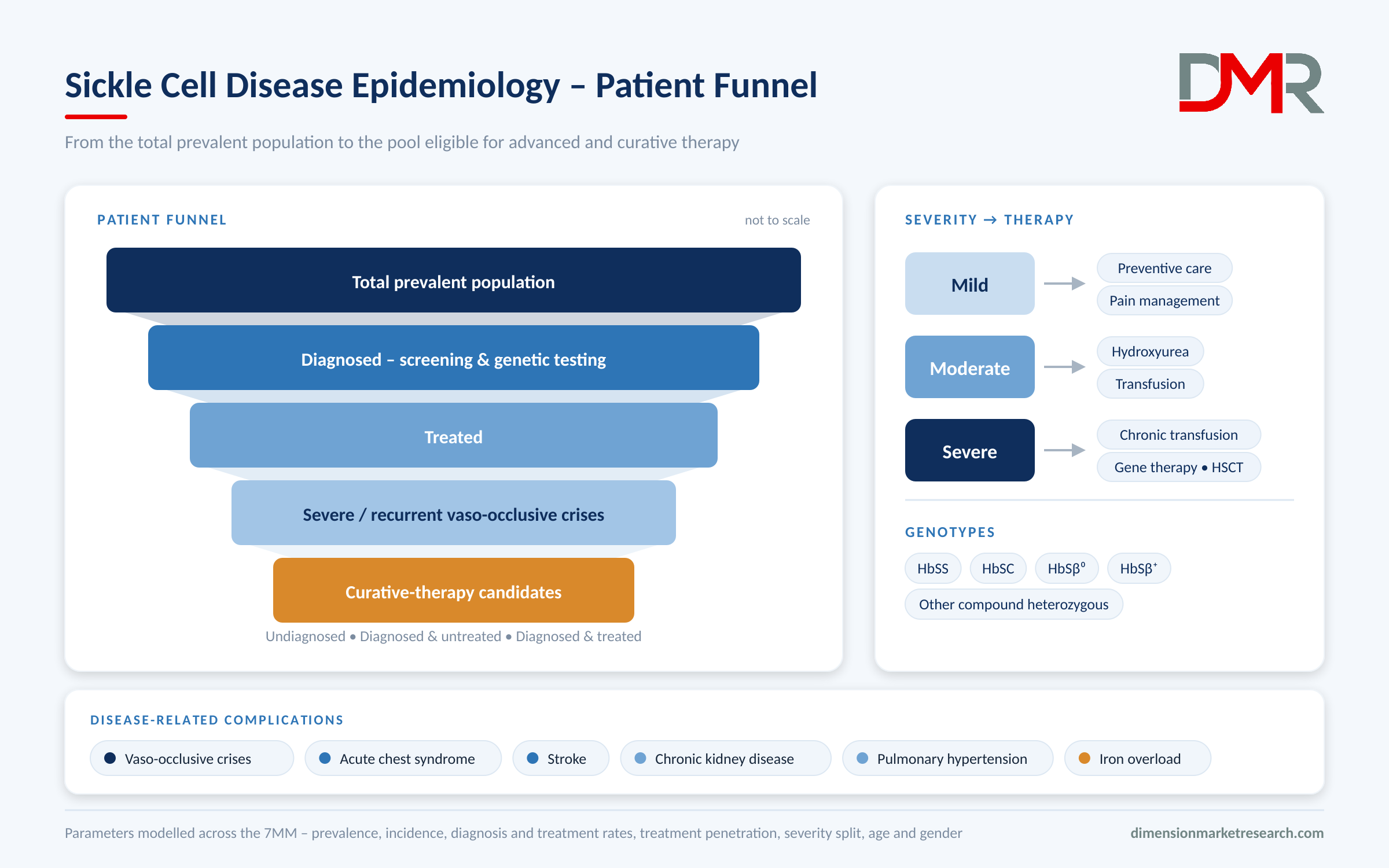
The epidemiology assessment provides a structured evaluation of the Sickle Cell Disease population from overall prevalence through diagnosis and treatment. Key parameters include:
- Total Sickle Cell Disease patient population
- Prevalent population
- Incidence population, where reliable data are available
- Diagnosed patient population
- Treated patient population
- Untreated patient population
- Treatment-eligible population
- Disease severity distribution
- Mild Sickle Cell Disease population
- Moderate Sickle Cell Disease population
- Severe Sickle Cell Disease population
- Sickle Cell Anemia (HbSS) population
- Hemoglobin SC and sickle beta-thalassemia populations
- Age distribution
- Gender distribution, where available
- Diagnosis rate
- Treatment rate
- Treatment penetration
- Regional disease burden
- Epidemiological trends
The analysis distinguishes between the broader prevalent population and patients who are diagnosed and actively receiving treatment. This distinction is particularly important because patients may remain undiagnosed, receive inconsistent specialist care, or rely primarily on episodic management of pain and acute complications rather than sustained disease-modifying treatment. The availability of newborn screening and early intervention also varies across markets, influencing the identification of affected individuals and the timing of treatment initiation.
The report also evaluates the increasing recognition of Sickle Cell Disease as a systemic, chronic, and potentially progressive disorder rather than solely an inherited anemia. Associated manifestations such as recurrent vaso-occlusive crises, acute chest syndrome, stroke, kidney impairment, retinopathy, and chronic cardiopulmonary complications can influence treatment decisions, disease monitoring, healthcare utilization, and long-term management strategies.
Patient Segmentation
The Sickle Cell Disease patient population is segmented according to disease severity, disease manifestation, treatment status, and therapeutic requirements. This approach provides a clearer understanding of the population eligible for different treatment categories and helps assess the potential addressable population for disease-modifying therapies, advanced treatments, and potentially curative interventions.
By Disease Severity
Mild: Patients with a relatively limited clinical burden and infrequent vaso-occlusive episodes are generally managed through preventive care, vaccination, pain management, and regular monitoring for complications. Treatment decisions are influenced by crisis frequency, hemoglobin levels, previous complications, age, organ function, previous treatment response, and patient preference.
Moderate: Patients with recurrent pain episodes, symptomatic anemia, increasing healthcare utilization, or early disease-related complications may require hydroxyurea, individualized transfusion strategies, and more intensive disease monitoring. Increasing expectations for improved quality of life and reduced hospitalization can encourage movement toward optimized disease-modifying treatment and specialist-directed care.
Severe: Patients with frequent vaso-occlusive crises, acute chest syndrome, stroke, substantial organ impairment, transfusion dependence, or inadequate response to conventional treatment are more likely to require advanced disease-modifying therapies, chronic transfusion programs, or evaluation for hematopoietic stem cell transplantation and gene-based therapies. This segment represents a major contributor to advanced Sickle Cell Disease treatment demand.
By Disease Type
- Sickle Cell Anemia (HbSS)
- Hemoglobin SC Disease (HbSC)
- Sickle Beta-Zero Thalassemia (HbSβ⁰)
- Sickle Beta-Plus Thalassemia (HbSβ⁺)
- Other Compound Heterozygous Sickle Hemoglobin Disorders
- Sickle Cell Disease with Severe Vaso-Occlusive or Organ Complications
By Treatment Status
- Diagnosed and Treated
- Diagnosed and Untreated
- Undiagnosed
The treatment-status segmentation helps identify the gap between the total disease population and the population actively participating in healthcare treatment. Improvements in newborn screening, genetic testing, disease awareness, hematology specialist availability, diagnostic capabilities, and healthcare access can gradually increase the diagnosed and treated population. Better access to comprehensive care may also improve adherence to disease-modifying therapies and reduce avoidable acute complications.
By Treatment Requirement
- Supportive Care and Pain Management Candidates
- Hydroxyurea and Conventional Disease-Modifying Therapy Candidates
- Transfusion and Iron Chelation Therapy Candidates
- Specialty Pharmacological Therapy Candidates
- Gene Therapy and Gene-Editing Candidates
- Hematopoietic Stem Cell Transplantation Candidates
This segmentation helps evaluate how changes in treatment guidelines, physician preferences, reimbursement, clinical eligibility criteria, and therapy availability can shift patients between conventional management, disease-modifying treatment, and advanced or potentially curative treatment categories.
Geographic Coverage
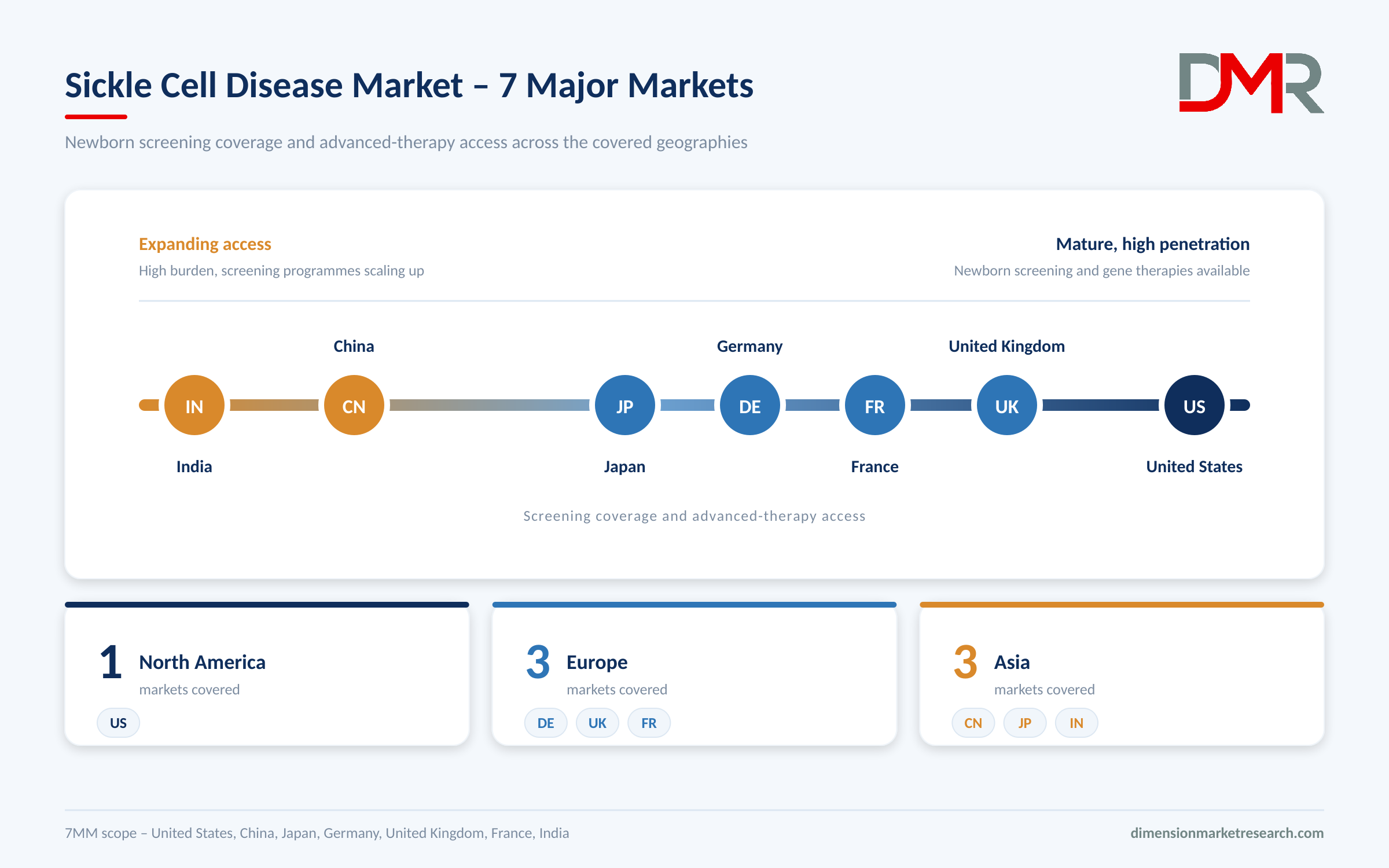
The report provides detailed market, epidemiology, treatment, and competitive analysis across 7 major markets:
- United States
- China
- Japan
- Germany
- United Kingdom
- France
- India
The geographic analysis considers differences in patient population, diagnosis rates, healthcare infrastructure, treatment accessibility, reimbursement, therapeutic penetration, regulatory environment, physician adoption, and competitive activity. These factors are particularly important because the commercial opportunity for Sickle Cell Disease therapies differs considerably between mature pharmaceutical markets and high-growth emerging markets.
ℹ
To learn more about this report –
Download Your Free Sample Report Here
United States
The United States represents one of the most important Sickle Cell Disease markets, supported by newborn screening, established hematology networks, specialist treatment centers, strong pharmaceutical innovation, and availability of advanced therapies. Disease-modifying treatments and gene therapies, including Casgevy and Lyfgenia, have expanded treatment options for eligible patients with severe disease and recurrent vaso-occlusive crises.
The market is also characterized by competition between established pharmacological therapies and newer gene-based approaches. Treatment selection is influenced by clinical efficacy, safety, conditioning chemotherapy requirements, treatment-center availability, payer restrictions, patient preference, and prior treatment history. Continued development of gene editing, gene addition, and next-generation pharmacological therapies is expected to further intensify competition.
China
China represents a significant long-term growth opportunity because of its large population and increasing recognition of Sickle Cell Disease as an inherited hematological disorder requiring sustained management. Improvements in healthcare infrastructure, genetic testing, and specialist availability can support greater diagnosis and treatment access, particularly in regions and populations where the disease is more prevalent.
The market continues to face challenges related to diagnostic coverage, affordability, reimbursement, access to advanced medicines, and differences between urban and rural healthcare services. Expansion of domestic pharmaceutical development, improved screening, and wider availability of cost-effective disease-modifying therapies may increase competitive intensity and improve treatment penetration.
Japan
Japan represents a mature healthcare and pharmaceutical market with sophisticated medical infrastructure and established hematology services. Although Sickle Cell Disease is relatively uncommon in the general population, migration and changing population demographics create a need for appropriate diagnostic and specialist treatment pathways. Increasing awareness and access to advanced therapies for eligible patients support demand for comprehensive disease management.
Treatment decisions are influenced by clinical efficacy, safety, reimbursement conditions, treatment-center capabilities, and physician familiarity. The market also provides opportunities for innovative therapies that can demonstrate meaningful improvements in disease control, treatment durability, transfusion requirements, or administration convenience.
Germany
Germany represents an important European Sickle Cell Disease market with established hematology networks, specialized treatment facilities, and access to advanced pharmaceutical and transfusion-based therapies. Treatment pathways are supported by a developed healthcare system and increasingly structured approaches to managing inherited hematological disorders.
The market is influenced by reimbursement considerations, treatment affordability, access to specialist centers, and the introduction of therapies with differentiated mechanisms. Continued utilization of disease-modifying medicines, optimized transfusion strategies, and potentially curative gene therapies is expected to remain important to market development, although the complexity and cost of advanced treatments can constrain their broader adoption.
United Kingdom
The UK Sickle Cell Disease market benefits from established newborn screening, specialist hematology services, clinical management guidelines, and structured treatment pathways. Advanced therapies are increasingly relevant for patients with severe disease and recurrent vaso-occlusive crises who have inadequate response to conventional treatment or require assessment for potentially curative interventions.
Market development is influenced by National Health Service treatment criteria, cost-effectiveness considerations, clinical outcomes, access to specialist centers, and the availability of multidisciplinary care. Increasing emphasis on reducing hospital admissions, preventing organ damage, improving quality of life, and expanding access to innovative treatments supports continued therapeutic development.
France
France represents an important European market supported by developed healthcare infrastructure, specialized hematology services, newborn screening, and established reimbursement mechanisms. Hydroxyurea, transfusion-based treatment, and advanced disease-management approaches remain important components of care, while gene-based therapies provide additional options for appropriately selected patients where regulatory authorization and access arrangements permit.
Market growth is influenced by therapeutic innovation, treatment accessibility, reimbursement conditions, and increasing recognition of the long-term complications associated with Sickle Cell Disease. Improvements in specialist capacity, access to innovative treatments, and management of chronic complications are expected to shape the competitive environment.
India
India represents a high-potential Sickle Cell Disease market because of its large population, substantial disease burden in specific tribal and regional populations, expanding healthcare infrastructure, and increasing government-led screening initiatives. Diagnosis and treatment rates have significant potential for expansion as genetic screening, public awareness, and access to hematology services improve.
Affordability remains an important factor influencing treatment selection, particularly for advanced gene therapies, specialty medicines, and long-term transfusion programs. Greater availability of cost-effective treatment options, improved community screening, expanded specialist coverage, and public health initiatives can support future market expansion. Domestic pharmaceutical manufacturing and government-supported disease-control programs may also improve access to essential medicines and comprehensive care.
Market Segmentation
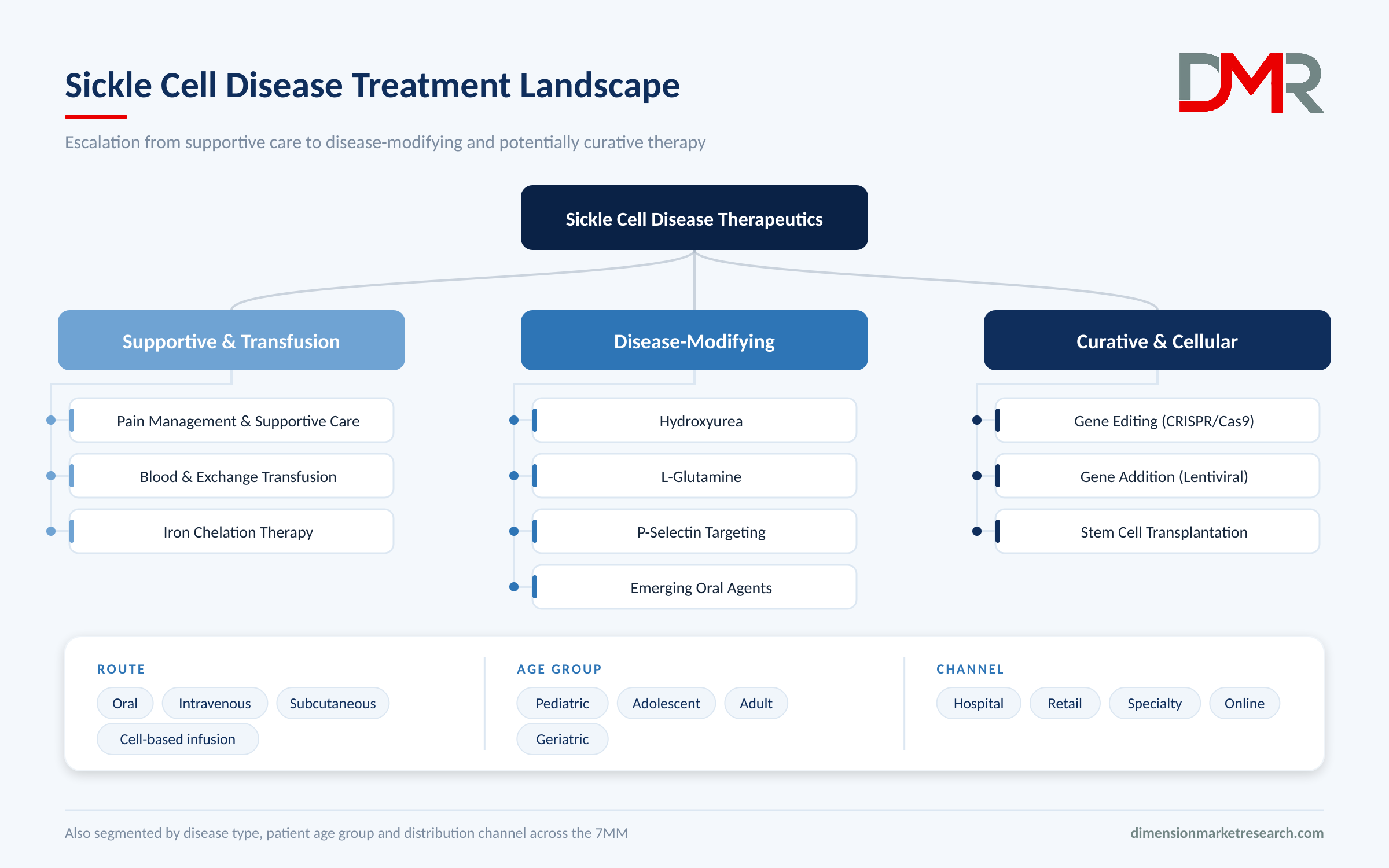
The Sickle Cell Disease market is segmented across drug class, treatment type, route of administration, patient age group, and distribution channel. The segmentation captures established pharmacological therapies, transfusion-based management, supportive treatment, and emerging gene-based and cellular approaches, while accounting for differences in treatment requirements across patient populations and healthcare systems.
ℹ
To learn more about this report –
Download Your Free Sample Report Here
By Drug Class
Hydroxyurea
Hydroxyurea represents a major segment of the Sickle Cell Disease market because of its established role in disease modification and reduction of vaso-occlusive crises. The therapy increases fetal hemoglobin production, reduces red blood cell sickling, and can lower the frequency of painful episodes and certain disease-related complications.
The segment is supported by extensive clinical experience, oral administration, and relevance across appropriate pediatric and adult patient populations. Continued physician familiarity, long-term treatment experience, and comparatively greater accessibility than gene-based therapies support hydroxyurea utilization across developed and emerging markets.
L-Glutamine
L-glutamine represents an important pharmacological segment because of its role in reducing oxidative stress in red blood cells and supporting disease management in eligible patients. The therapy provides an additional treatment option for patients who require disease-modifying pharmacological management and may be used alongside other appropriate treatment approaches.
Market utilization is influenced by clinical response, dosing requirements, patient adherence, treatment affordability, and physician preference. Continued demand for non-curative pharmacological options supports the relevance of this segment, particularly where advanced cellular therapies are inaccessible or unsuitable.
Targeted and Other Disease-Modifying Therapies
Targeted and other disease-modifying therapies represent an important area of therapeutic development because of their potential to address specific mechanisms involved in hemolysis, vascular obstruction, and red blood cell dysfunction. This category includes relevant approved specialty therapies and investigational agents, with commercial availability varying by country and regulatory status.
The segment includes P-selectin-targeting therapy and emerging small molecules designed to improve red blood cell function or reduce disease-related complications. Development of therapies with differentiated mechanisms, convenient administration, and meaningful clinical benefits may increase treatment options for patients who continue to experience substantial disease burden despite conventional management.
Gene Therapies
Gene therapies represent an emerging high-value segment because of their potential to provide durable disease control by modifying the underlying genetic or cellular mechanisms responsible for Sickle Cell Disease. These approaches include CRISPR/Cas9 gene editing and lentiviral gene addition, which aim to increase fetal hemoglobin production or introduce an anti-sickling form of hemoglobin.
The segment is influenced by clinical efficacy, long-term safety, treatment durability, manufacturing capacity, conditioning chemotherapy requirements, reimbursement, and access to specialized treatment centers. Although gene therapies may provide substantial benefits to selected patients, high upfront costs and complex treatment pathways remain important barriers to broader market penetration.
Other Drug Classes
Other drug classes include supportive pharmacological treatments, analgesics, iron chelation agents, and medicines used to manage associated complications. These treatments remain important components of comprehensive Sickle Cell Disease care, particularly for patients with chronic anemia, recurrent pain, transfusion-related iron overload, or progressive organ damage.
The segment maintains market relevance because Sickle Cell Disease frequently requires a combination of preventive, symptomatic, and complication-specific treatment approaches. Continued demand for supportive medicines is expected alongside the adoption of advanced disease-modifying and potentially curative therapies.
By Treatment Type
- Pharmacological Therapy
- Blood Transfusion and Exchange Transfusion
- Pain Management and Supportive Care
- Gene Therapy and Gene Editing
- Hematopoietic Stem Cell Transplantation
Pharmacological therapy remains central to long-term Sickle Cell Disease management because it provides ongoing disease modification and can reduce the frequency of acute complications. Blood transfusion and exchange transfusion remain important for severe anemia, selected stroke-prevention strategies, and acute complications. Gene therapy and hematopoietic stem cell transplantation represent potentially curative approaches for appropriately selected patients, while pain management and supportive care remain necessary across disease severity categories.
By Route of Administration
- Oral
- Intravenous
- Subcutaneous
- Cell-Based Infusion
- Other Routes
Oral administration remains important for hydroxyurea, L-glutamine, and other oral pharmacological treatments because of its suitability for long-term management. Intravenous administration is relevant for transfusion-related procedures and certain specialty therapies, while subcutaneous administration may apply to selected injectable treatments depending on the product and approved formulation. Cell-based infusion is central to gene therapy and stem cell transplantation, which require specialized facilities, conditioning regimens, and post-treatment monitoring.
By Patient Age Group
- Pediatric Patients
- Adolescent Patients
- Adult Patients
- Geriatric Patients
Pediatric patients represent an important segment because early diagnosis, preventive treatment, vaccination, and appropriate disease-modifying therapy can help reduce complications throughout life. Adolescents require continued monitoring and support for treatment adherence during transition to adult care, while adults represent a substantial treatment population with recurrent vaso-occlusive crises and cumulative organ damage. Geriatric patients may require individualized treatment strategies because of age-related comorbidities, organ impairment, and the long-term consequences of Sickle Cell Disease.
By Distribution Channel
- Hospital Pharmacies
- Retail Pharmacies
- Specialty Pharmacies
- Online Pharmacies
Distribution patterns vary by treatment type, country, reimbursement environment, and healthcare system. Hospital and specialty pharmacies are particularly relevant for advanced therapies, transfusion-related medicines, and high-cost specialty treatments, while retail pharmacies have greater relevance for conventional oral medicines. Online pharmacy distribution depends on local regulations, prescription requirements, and healthcare delivery practices.
Market Dynamics
Growth Drivers
Increasing Adoption of Advanced Therapies
Advanced therapies continue to be one of the most important growth drivers in the Sickle Cell Disease market. Their ability to address underlying genetic mechanisms responsible for abnormal hemoglobin production has expanded treatment possibilities for patients with severe disease and recurrent vaso-occlusive crises.
The growing use of gene-editing and gene-addition therapies is particularly important as physicians increasingly consider long-term disease control, reduction in painful episodes, treatment durability, safety, and quality of life when selecting treatment approaches. Expanded clinical experience, regulatory developments, and growing familiarity with advanced treatment pathways are supporting interest in these therapies, although access remains limited by cost and treatment complexity.
Advancement in Disease Biology-Based Drug Development
Advances in understanding the biological mechanisms underlying Sickle Cell Disease have created opportunities for more precise therapeutic intervention. Pharmaceutical companies are increasingly investing in treatments designed to increase fetal hemoglobin, reduce hemoglobin S polymerization, improve red blood cell function, and address vascular obstruction and hemolysis rather than relying solely on supportive management.
Development activity is focused on novel molecular targets, oral disease-modifying therapies, gene-editing platforms, improved treatment durability, and potentially more personalized approaches to treatment selection. These developments are expected to increase therapeutic competition and create additional options for patients who do not respond adequately to existing treatment.
Increasing Healthcare Access in Emerging Markets
Improving healthcare infrastructure, rising healthcare expenditure, and government-supported screening programs are increasing access to Sickle Cell Disease diagnosis and treatment in emerging markets. Expansion of newborn screening, genetic testing, specialist networks, and disease-awareness initiatives is also helping identify patients who previously remained undiagnosed or received limited treatment.
China and India represent important growth opportunities because of their large populations and the potential to expand diagnostic coverage and treatment access. Increased availability of essential medicines, stronger public health programs, improved reimbursement, and development of cost-effective treatment options could accelerate market penetration.
Growing Recognition of Sickle Cell Disease-Related Clinical Burden
The increasing understanding of Sickle Cell Disease as a systemic, lifelong, and potentially progressive disorder is encouraging more comprehensive disease management. Recognition of recurrent vaso-occlusive crises, acute chest syndrome, stroke, kidney impairment, and other complications can encourage earlier diagnosis, specialist management, preventive treatment, and continued disease monitoring.
This shift can increase treatment intensity and create demand for therapies capable of achieving broader and more sustained disease control. Greater emphasis on reducing hospitalizations, preventing cumulative organ damage, and improving long-term quality of life is also encouraging investment in disease-modifying and potentially curative approaches.
Market Restraints
High Cost of Advanced Therapies
Gene therapies and other advanced cellular treatments often carry substantially higher upfront costs than conventional therapies. Their administration can also require stem cell collection, conditioning chemotherapy, specialized manufacturing, hospitalization, and long-term monitoring, creating additional financial and operational burdens for patients and healthcare systems.
In emerging markets, limited reimbursement coverage and high out-of-pocket expenditure can restrict access to advanced treatment. Even in developed markets, payer requirements, treatment-center capacity, and uncertainty surrounding long-term economic outcomes may influence adoption and delay the broader utilization of innovative therapies.
Treatment Accessibility Gap
Unequal access to hematologists, specialist clinics, newborn screening, genetic testing, transfusion services, and advanced medicines remains a major challenge. Rural and underserved populations may experience longer diagnostic delays, inconsistent follow-up, and fewer opportunities to receive comprehensive preventive care.
Differences in healthcare infrastructure between regions can therefore result in significant variations in diagnosis, treatment penetration, complication management, and disease outcomes. Limited access to advanced treatment centers further restricts the number of patients who can undergo gene therapy or specialized transplantation.
Variable Patient Response
Although disease-modifying treatments and advanced therapies have significantly expanded Sickle Cell Disease management options, treatment response is not uniform across patients. Some individuals may experience inadequate initial response, persistent vaso-occlusive crises, treatment intolerance, complications, or discontinuation. Advanced cellular therapies also require careful patient selection and carry risks associated with conditioning treatment and transplantation.
The need to optimize or change treatment can increase healthcare utilization and creates continuing demand for therapies offering durable disease control, predictable clinical outcomes, and improved safety profiles. Long-term follow-up remains important for evaluating the durability and safety of newer treatment approaches.
Competitive Landscape
The global Sickle Cell Disease market is characterized by competition among pharmaceutical and biotechnology companies with established hematology portfolios, developers of disease-modifying medicines, and emerging companies focused on differentiated gene-editing, gene-addition, and cellular treatment approaches.
Leading companies covered in the competitive assessment include:
- Vertex Pharmaceuticals
- Genetix Biotherapeutics
- Novartis
- Agios Pharmaceuticals
- Emmaus Life Sciences
- Pfizer
- Bristol Myers Squibb
- Editas Medicine
- Beam Therapeutics
- Fulcrum Therapeutics
Competition is increasingly focused on demonstrating superior or differentiated clinical outcomes rather than simply introducing additional therapies within existing treatment categories. Companies are investing in novel mechanisms, improved dosing schedules, oral administration, increased fetal hemoglobin production, treatment durability, safety profiles, and approaches that reduce the frequency of vaso-occlusive crises.
The competitive environment is also influenced by treatment costs, reimbursement restrictions, regulatory requirements, physician familiarity with established products, and the operational complexity of gene-based therapies. CRISPR-based gene editing, lentiviral gene addition, and other targeted approaches are expected to remain important areas of competition. The commercial performance of these therapies will depend on clinical outcomes, treatment capacity, affordability, and the ability to establish sustainable reimbursement arrangements.
Pipeline innovation is another major competitive factor. Companies with strong clinical-development capabilities and diversified hematology portfolios may be better positioned to respond to changing treatment preferences and emerging unmet needs. At the same time, discontinuation of investigational programs, changes in trial results, and evolving regulatory decisions can reshape the competitive landscape and influence investment priorities across the Sickle Cell Disease market.
Recent Developments
- July 2026 – Vertex Pharmaceuticals expands Casgevy treatment eligibility: Vertex Pharmaceuticals announced that the US Food and Drug Administration approved expanded use of Casgevy (exagamglogene autotemcel) for patients aged 2 years and older with Sickle Cell Disease and recurrent vaso-occlusive crises. The development expands the potential eligible treatment population and highlights increasing regulatory interest in CRISPR/Cas9 gene-editing approaches for younger patients with serious inherited blood disorders. The approval also reinforces the growing role of genetic therapies in the development of potentially durable Sickle Cell Disease treatments.
- July 2026 – Agios Pharmaceuticals advances mitapivat regulatory review: Agios Pharmaceuticals reported that the US Food and Drug Administration accepted its supplemental New Drug Application for mitapivat for Sickle Cell Disease under Priority Review, with a target decision date of November 1, 2026. Mitapivat is an oral pyruvate kinase activator being evaluated as a pharmacological approach to improving red blood cell function and addressing disease-related anemia and hemolysis. The regulatory development highlights continued investment in oral disease-modifying treatments and their potential to expand options for patients who require alternatives to conventional management or advanced cellular therapies.
Report Coverage
The report provides comprehensive assessment of the Sickle Cell Disease market across the seven specified major markets. It integrates epidemiological analysis with commercial market assessment to provide a broader understanding of the current and future treatment landscape, including established pharmacological therapies, transfusion-based management, advanced cellular treatments, and emerging gene-based approaches.
The study covers:
- Indication Covered
- Epidemiology Parameters
- Patient Segmentation
- Geographic Coverage
- Market Segmentation
- Units of Measurement
- Study Period
- Data Sources
- Companies Covered
- Report Deliverables
- Out of Scope
- Customization