What is the Sleep Aids Market Size?
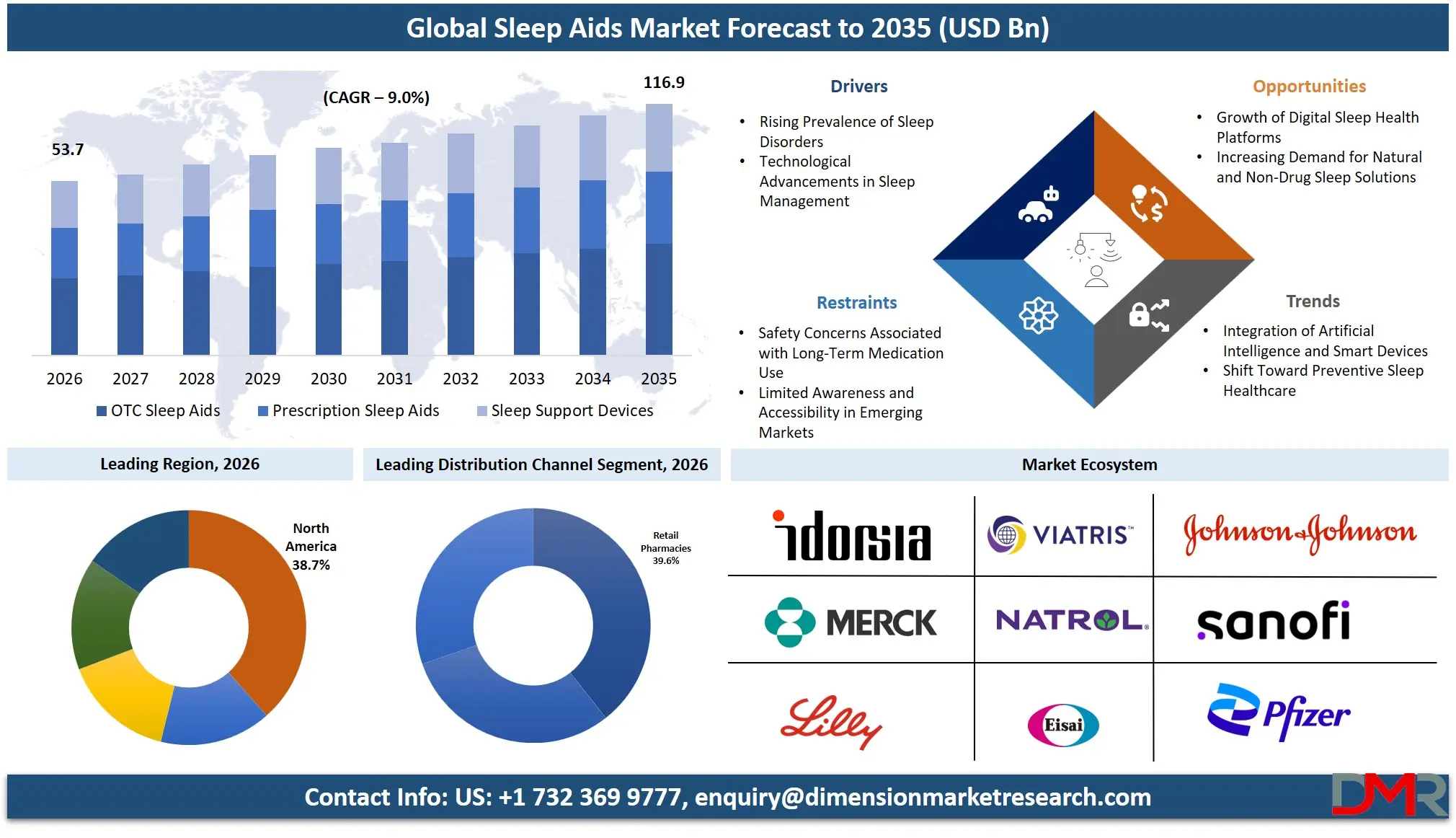
The Sleep Aids Market size is expected to be USD 53.7 billion in 2026 and increase at a compound annual growth rate of 9.0% to USD 116.9 billion in 2035 due to rising prevalence of sleep disorders.
ℹ
To learn more about this report –
Download Your Free Sample Report Here
The Sleep Aids Market encompasses pharmaceutical products, over-the-counter solutions, natural supplements, and technological devices designed to improve sleep quality and manage sleep-related disorders. The market includes prescription hypnotics, melatonin-based products, herbal formulations, CPAP-related support devices, sleep trackers, and digital sleep management solutions. Rising cases of insomnia, sleep apnea, stress-related sleep disturbances, and changing lifestyles are increasing demand across healthcare and consumer wellness sectors. Technological integration, personalized sleep monitoring, and growing awareness regarding sleep health are reshaping the industry. Increasing healthcare expenditure, aging populations, and preventive wellness trends are further supporting market expansion globally.
The US Sleep Aids Market
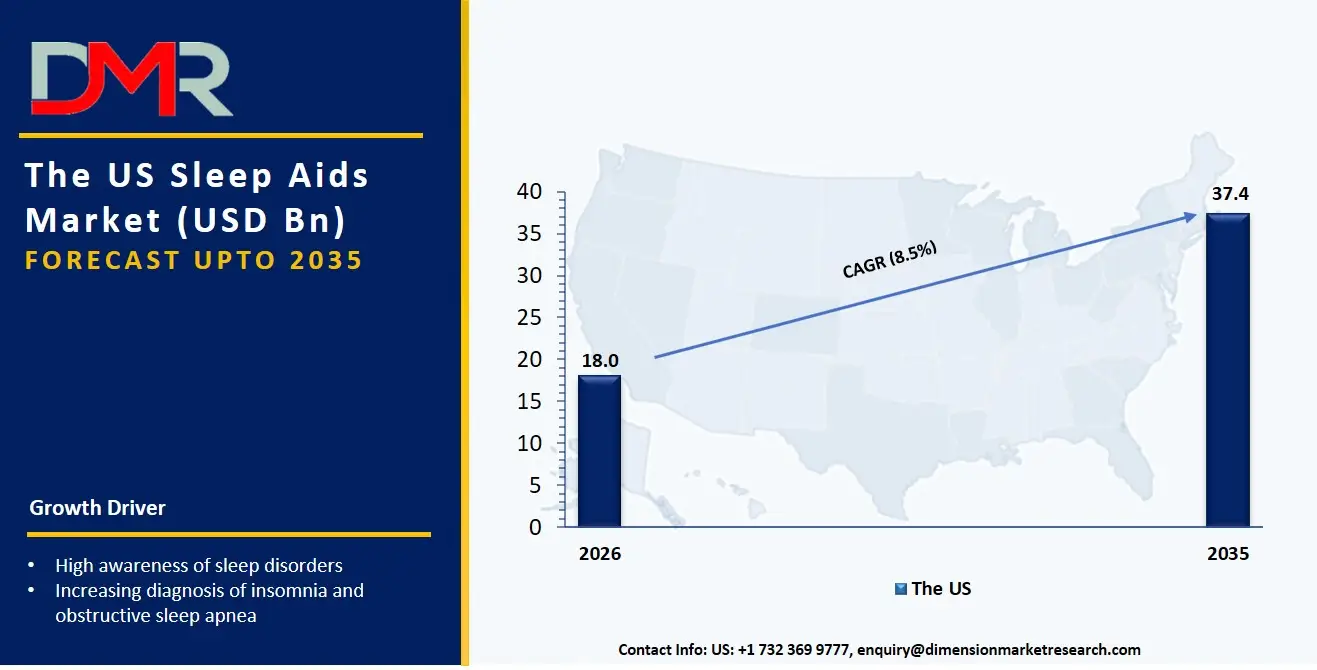
The US Sleep Aids Market size is estimated to be USD 18.0 billion in 2026 and is expected to increase at a CAGR of 8.5% over the forecast period.
ℹ
To learn more about this report –
Download Your Free Sample Report Here
The US Sleep Aids Market is among the most developed globally due to high awareness of sleep disorders, strong healthcare infrastructure, and significant consumer spending on wellness products. Increasing diagnosis of insomnia and obstructive sleep apnea is driving demand for prescription drugs, OTC supplements, and sleep-support devices. Pharmaceutical innovation, digital health adoption, and insurance coverage for sleep disorder treatments are supporting market growth. Regulatory oversight by the U.S. Food and Drug Administration encourages product safety and innovation. Leading market participants focus on advanced formulations, wearable technologies, and personalized sleep solutions to strengthen their competitive position.
Europe Sleep Aids Market
The Europe Sleep Aids Market size is estimated to be USD 13.4 billion in 2026 and is expected to increase at a CAGR of 8.7% over the forecast period.
The European Sleep Aids Market is expanding due to rising awareness of sleep health, increasing elderly populations, and growing demand for non-drug sleep solutions. Countries such as Germany, the UK, France, and Italy are witnessing increased adoption of sleep monitoring devices and clinically approved therapies. Regional healthcare policies emphasizing preventive care and digital healthcare transformation are supporting market development. The European healthcare system's focus on reducing chronic disease burden is encouraging investment in sleep disorder diagnosis and treatment. Sustainability trends, natural sleep supplements, and technology-enabled solutions are becoming important growth areas across the region.
Japan Sleep Aids Market
The market size of Japan Sleep Aids will be USD 2.7 billion in 2026 and at a CAGR of 8.8% in the forecast period.
The Japan Sleep Aids Market is growing due to an aging population, increasing workplace stress, and rising awareness of sleep-related health problems. Demand is expanding for melatonin products, sleep monitoring technologies, and advanced therapeutic devices. Japan's focus on healthcare innovation, robotics, and digital wellness solutions is creating opportunities for smart sleep technologies. Government initiatives promoting preventive healthcare and improved quality of life among elderly citizens are supporting market adoption. However, strict regulatory requirements for pharmaceutical products and cultural preferences for traditional wellness approaches influence market growth strategies.
Key Takeaways
- Market Size & Forecast: The Sleep Aids Market size is projected to reach USD 53.7 billion in 2026 and is anticipated to have a value of USD 116.9 billion in 2035.
- Growth Rate & Outlook: The Sleep Aids Market size is set to grow at a compound annual growth rate of 9.0% during the forecast period of 2026 to 2035.
- Primary Growth Drivers: Some of the major growth drivers in the market are Rising Prevalence of Sleep Disorders and more.
- Key Market Trends: Some of the major trends in the market are Integration of Artificial Intelligence and Smart Devices, and more.
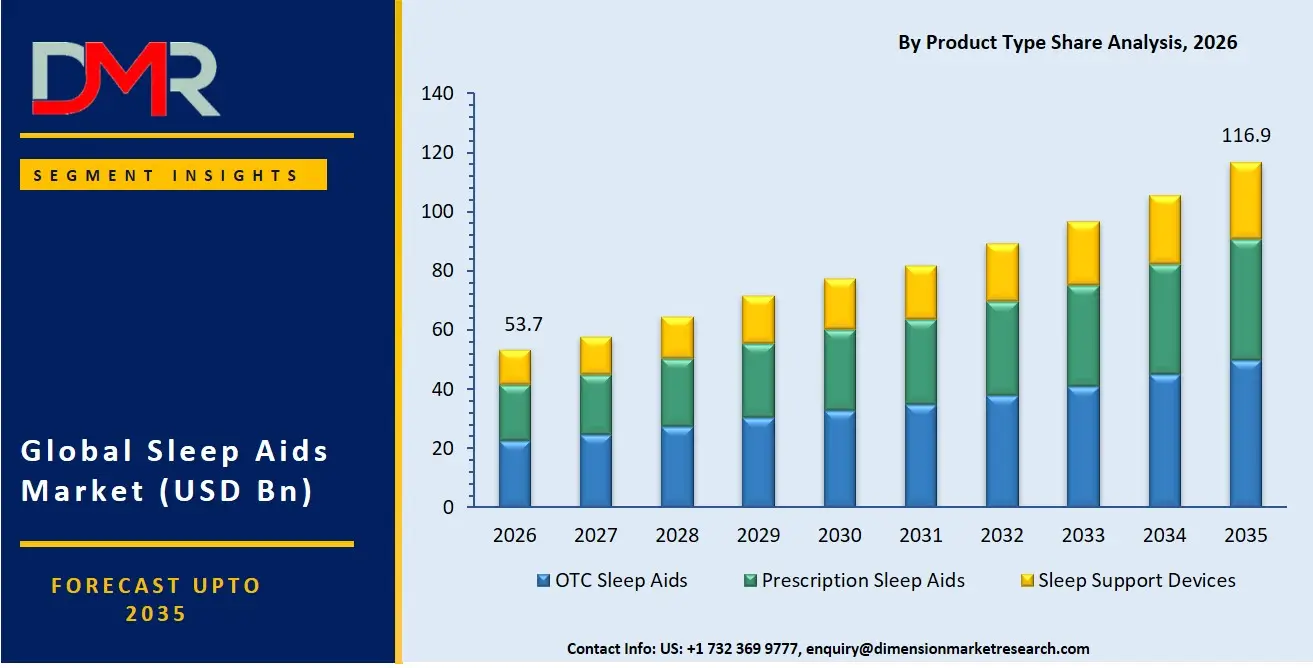
- By Product Type: OTC Sleep Aids segment is anticipated to get the majority share of the Sleep Aids Market in 2026.
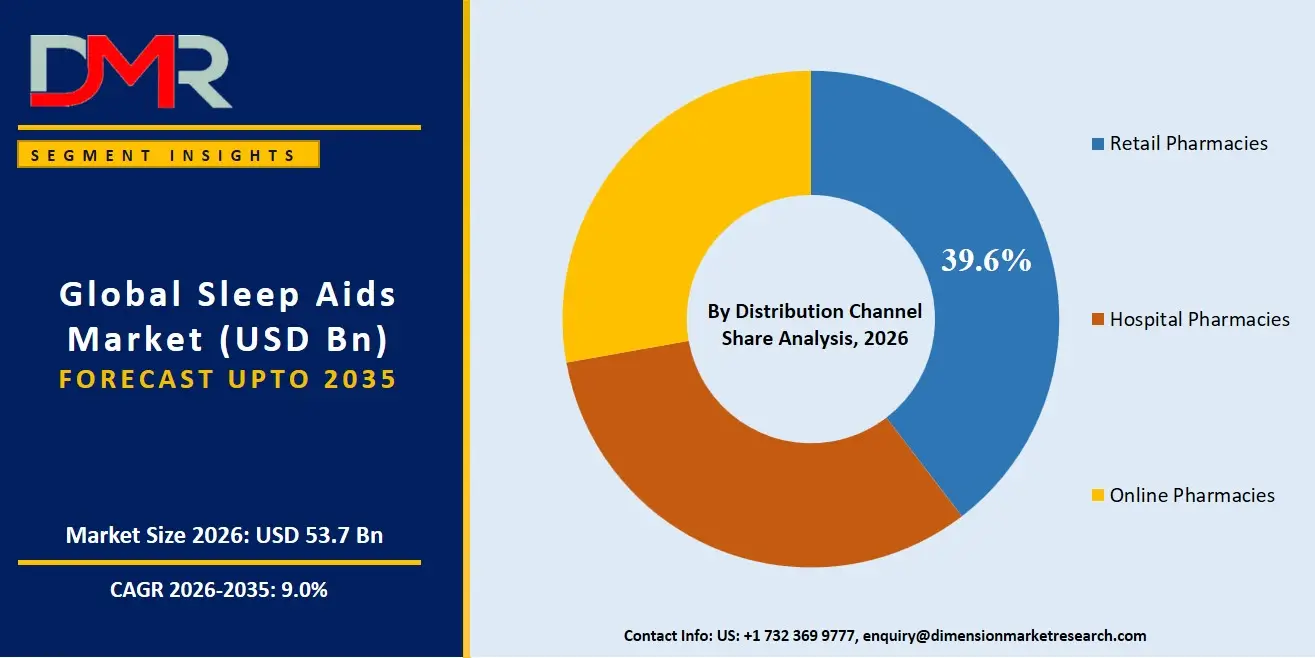
- By Distribution Channel Type: Retail Pharmacies is expected to get the largest revenue share in 2026 in the Sleep Aids Market.
- Regional Leadership: North America is set to lead the Sleep Aids Market with an estimated 38.7% share in 2026.
What is the Sleep Aids?
Sleep aids are products, medications, devices, and therapeutic solutions used to support healthy sleep patterns, reduce sleep disturbances, and improve sleep duration and quality. They include prescription medicines, non-prescription supplements, natural remedies, and advanced sleep-support technologies. Sleep aids work through mechanisms such as regulating sleep hormones, calming neurological activity, improving breathing during sleep, or monitoring sleep behavior. These solutions are widely used for treating insomnia, sleep apnea, circadian rhythm disorders, and other sleep-related conditions. Increasing consumer focus on wellness and growing recognition of sleep as a critical health factor are driving adoption across medical and personal care applications.
Use Cases
- Insomnia Management: Sleep aids are widely used for individuals experiencing difficulty falling asleep, frequent nighttime awakenings, or poor sleep quality. Prescription medications, melatonin supplements, and behavioral sleep-support solutions help regulate sleep cycles. Increasing stress levels and lifestyle changes are creating higher demand for insomnia management products.
- Sleep Apnea Treatment Support: Sleep-support devices such as CPAP and BiPAP machines are essential for managing obstructive sleep apnea. These technologies improve breathing patterns during sleep and reduce health risks associated with untreated apnea. Rising diagnosis rates and improved device comfort are increasing adoption among patients.
- Consumer Wellness and Sleep Improvement: OTC sleep aids, herbal supplements, and wearable sleep trackers are increasingly used by consumers seeking better sleep quality without clinical intervention. Growing awareness of wellness and preventive healthcare is encouraging individuals to monitor and improve their sleep habits through accessible solutions.
- Clinical Sleep Monitoring: Hospitals and sleep clinics use advanced monitoring devices to diagnose sleep disorders and customize treatment plans. Polysomnography systems, digital sleep platforms, and AI-enabled analysis tools improve diagnostic accuracy and treatment personalization, supporting growth in clinical applications.
How AI Is Transforming the Sleep Aids Market
Artificial intelligence is improving the Sleep Aids Market by enabling advanced sleep pattern analysis, predictive diagnostics, and personalized treatment recommendations. AI-powered wearable devices analyze sleep duration, movement, heart rate, and breathing patterns to identify abnormalities and suggest improvements.
AI technologies are also enhancing healthcare provider capabilities through automated sleep disorder detection and remote monitoring platforms. Pharmaceutical companies are using data analytics to improve drug development, while digital platforms provide customized sleep coaching. These innovations are increasing efficiency, improving patient experiences, and supporting more accurate sleep management strategies.
Market Dynamic
Driving Factors in the Sleep Aids Market
Rising Prevalence of Sleep Disorders
The increasing global prevalence of insomnia, sleep apnea, and other sleep-related disorders is a major factor driving the Sleep Aids Market. Modern lifestyles characterized by stress, irregular work schedules, excessive screen exposure, and reduced physical activity are negatively affecting sleep patterns. Growing healthcare awareness has encouraged more individuals to seek diagnosis and treatment. Healthcare providers are increasingly recommending pharmaceutical therapies, behavioral approaches, and digital sleep solutions. The rising recognition of sleep health as an important component of overall wellness continues to expand demand for effective sleep aid products.
Restraints in the Sleep Aids Market
Safety Concerns Associated with Long-Term Medication Use
A key challenge affecting the Sleep Aids Market is the concern regarding dependency, side effects, and long-term health impacts associated with certain prescription sleep medications. Benzodiazepines and other hypnotic drugs require careful medical supervision due to risks related to tolerance and misuse. Regulatory authorities maintain strict guidelines for approval and distribution, which can slow product commercialization. Increasing preference for natural alternatives and behavioral therapies may limit growth of certain pharmaceutical segments. Manufacturers must focus on safer formulations and improved clinical evidence to maintain consumer confidence.
Opportunities in the Sleep Aids Market
Growth of Digital Sleep Health Platforms
The expansion of digital healthcare presents significant opportunities for sleep aid manufacturers. Mobile applications, AI-powered sleep coaching platforms, and connected wearable devices are transforming how consumers manage sleep problems. These technologies enable continuous monitoring, personalized recommendations, and remote healthcare support. Increasing smartphone penetration and consumer interest in self-monitoring solutions create opportunities for companies to develop integrated digital sleep ecosystems. Collaboration between technology providers and healthcare organizations can further accelerate adoption of digital sleep management solutions.
Trends in the Sleep Aids Market
Integration of Artificial Intelligence and Smart Devices
AI integration is becoming a major trend in the Sleep Aids Market as companies develop intelligent systems capable of analyzing sleep behavior and providing personalized recommendations. Wearables, smart mattresses, and mobile applications are using machine learning algorithms to identify sleep patterns and potential disorders. This shift toward data-driven sleep management is improving consumer engagement and healthcare outcomes.
Research Scope and Analysis
The Sleep Aids Market research scope covers product types, sleep disorders, distribution channels, and end users. The analysis evaluates market trends, growth drivers, challenges, regional performance, technological advancements, competitive strategies, and emerging opportunities influencing global sleep aid adoption and industry expansion.
ℹ
To learn more about this report –
Download Your Free Sample Report Here
By Product Type Analysis
The Product Type segment of the Sleep Aids Market is led by Over-the-Counter (OTC) Sleep Aids, which are estimated to account for approximately 42.5% of the global market share in 2026. This segment maintains dominance due to easy accessibility, rising consumer preference for self-care solutions, increasing use of melatonin supplements, and growing demand for herbal and natural sleep products. OTC products are widely adopted because they do not require prescriptions and are available through pharmacies and online platforms.
ℹ
To learn more about this report –
Download Your Free Sample Report Here
Within this category, melatonin-based products are expected to remain highly popular due to increasing consumer awareness regarding natural sleep regulation. Meanwhile, the fastest-growing segment is projected to be Sleep Support Devices, driven by increasing adoption of CPAP devices, smart sleep trackers, wearable technologies, and AI-enabled monitoring solutions. Rising diagnosis of sleep apnea and demand for personalized sleep management are expected to accelerate growth of this segment.
By Sleep Disorder Analysis
The Sleep Disorder segment is dominated by Insomnia, which is estimated to hold approximately 46.8% of the global Sleep Aids Market share in 2026. Insomnia remains the leading segment due to its widespread prevalence among adults, increasing stress levels, changing work patterns, and growing mental health concerns. The availability of prescription medications, OTC solutions, and digital behavioral sleep therapies supports its strong market position. Healthcare providers increasingly focus on early diagnosis and treatment of insomnia to reduce associated health risks. The fastest-growing segment within this category is expected to be Obstructive Sleep Apnea (OSA), supported by increasing obesity rates, aging populations, improved diagnostic capabilities, and rising adoption of CPAP and BiPAP devices. Growing awareness regarding the cardiovascular risks associated with untreated sleep apnea is encouraging more patients to seek treatment.
By Distribution Channel Analysis
The Distribution Channel segment is led by Retail Pharmacies, which are expected to account for approximately 39.6% of the Sleep Aids Market share in 2026. Retail pharmacies maintain a leading position due to their widespread presence, consumer trust, and easy availability of OTC sleep aids, supplements, and prescription medications. They provide convenient access for consumers seeking immediate solutions for occasional sleep problems. However, online pharmacies represent the fastest-growing segment due to increasing digital healthcare adoption, improved logistics networks, and growing consumer preference for home delivery. Online platforms offer wider product availability, competitive pricing, and access to health information, encouraging consumers to purchase sleep aids digitally. The expansion of e-commerce infrastructure and telehealth services is expected to further accelerate online distribution growth.
By End User Analysis
The End User segment is primarily led by Home Care Settings, which are estimated to represent approximately 52.4% of the global Sleep Aids Market share in 2026. The dominance of home care settings is driven by increasing preference for self-managed healthcare, growing availability of OTC sleep solutions, and rising adoption of home-based sleep monitoring devices. Consumers are increasingly using wearable trackers, mobile sleep applications, and portable therapeutic devices without requiring frequent hospital visits. The fastest-growing segment is expected to be Hospitals & Sleep Clinics, supported by increasing diagnosis of complex sleep disorders, expanding specialized healthcare infrastructure, and adoption of advanced diagnostic technologies. Growing physician awareness and demand for accurate sleep disorder assessment are contributing to increased clinical utilization.
The Sleep Aids Market Report is segmented on the basis of the following:
By Product Type
- Prescription Sleep Aids
- Benzodiazepines
- Non-Benzodiazepine Hypnotics (Z-drugs)
- Orexin Receptor Antagonists
- Melatonin Receptor Agonists
- Others
- Over-the-Counter (OTC) Sleep Aids
- Antihistamines
- Melatonin
- Herbal & Natural Sleep Aids
- Combination Formulations
- Sleep Support Devices
- CPAP & BiPAP Devices
- Sleep Trackers & Wearables
- White Noise & Light Therapy Devices
By Sleep Disorder
- Insomnia
- Obstructive Sleep Apnea (OSA)
- Restless Legs Syndrome (RLS)
- Circadian Rhythm Sleep Disorders
- Others
By Distribution Channel
- Hospital Pharmacies
- Retail Pharmacies
- Online Pharmacies
By End User
- Hospitals & Sleep Clinics
- Home Care Settings
Regional Analysis
Leading Region in the Sleep Aids Market
ℹ
To learn more about this report –
Download Your Free Sample Report Here
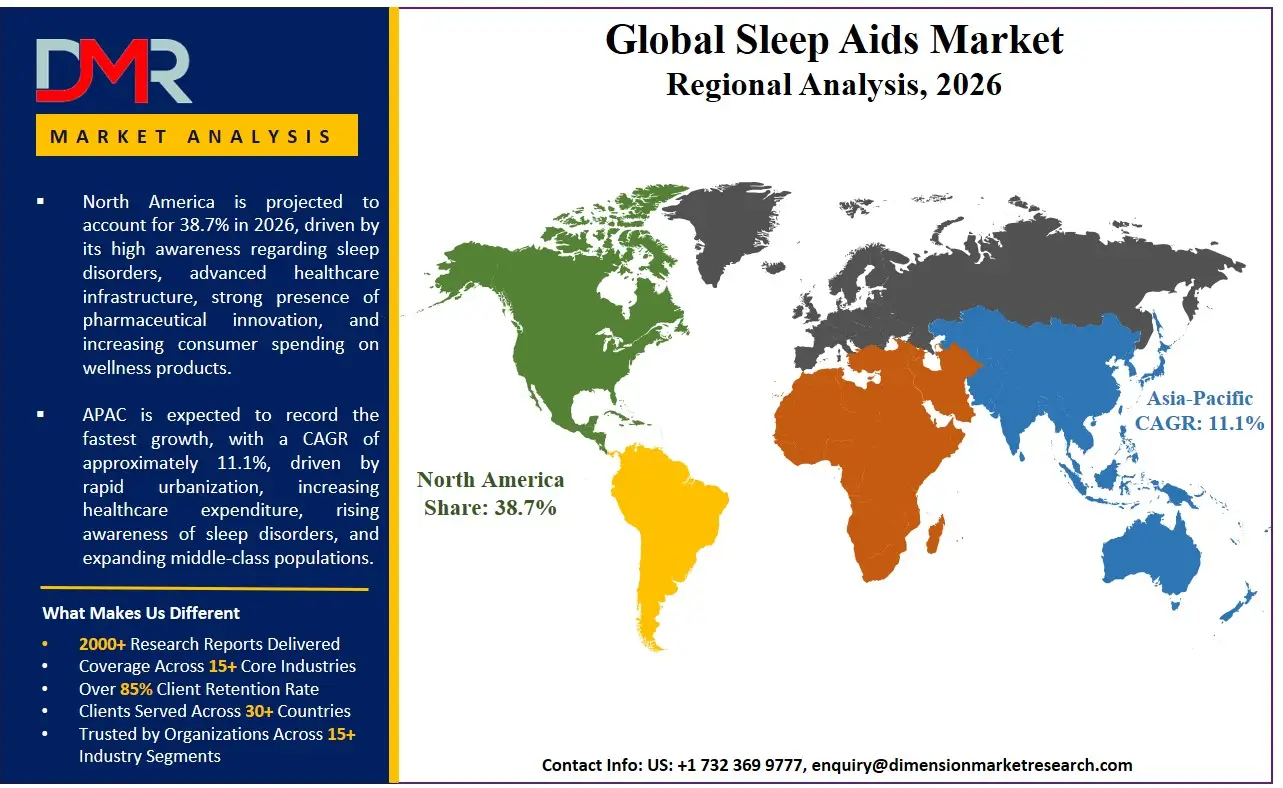
North America is expected to remain the leading region in the Sleep Aids Market, accounting for an estimated 38.7% market share in 2026. The region's dominance is supported by high awareness regarding sleep disorders, advanced healthcare infrastructure, strong presence of pharmaceutical innovation, and increasing consumer spending on wellness products. The United States contributes significantly due to rising cases of insomnia, sleep apnea, and stress-related sleep disturbances. Favorable regulatory frameworks, advanced diagnostic facilities, and increasing adoption of digital health technologies further strengthen regional growth. Additionally, growing demand for wearable sleep trackers, prescription therapies, and home-based sleep management solutions continues to support North America's leadership position.
Fastest Growing Region in the Sleep Aids Market
Asia-Pacific is projected to be the fastest-growing region in the Sleep Aids Market due to rapid urbanization, increasing healthcare expenditure, rising awareness of sleep disorders, and expanding middle-class populations. Countries including China, Japan, India, and South Korea are experiencing increased demand for pharmaceutical sleep aids, wearable sleep technologies, and digital healthcare solutions. Growing workplace stress, changing lifestyles, and increasing prevalence of sleep-related disorders are accelerating adoption. Government investments in healthcare modernization and digital health infrastructure are creating favorable conditions for market expansion. Additionally, increasing availability of online pharmacies and consumer wellness platforms is improving accessibility of sleep aid products across emerging economies.
By Region
North America
Europe
- Germany
- The U.K.
- France
- Italy
- Russia
- Spain
- Benelux
- Nordic
- Rest of Europe
Asia-Pacific
- China
- Japan
- South Korea
- India
- ANZ
- ASEAN
- Rest of Asia-Pacific
Latin America
- Brazil
- Mexico
- Argentina
- Colombia
- Rest of Latin America
Middle East & Africa
- Saudi Arabia
- UAE
- South Africa
- Israel
- Egypt
- Rest of MEA
Competitive Landscape
The Sleep Aids Market is characterized by intense competition driven by product innovation, technological integration, and expanding consumer demand for personalized sleep solutions. Market participants focus on developing safer pharmaceutical formulations, natural sleep products, advanced wearable devices, and digital platforms to strengthen their market presence. Companies are investing heavily in research and development, strategic collaborations, and technology partnerships to improve product effectiveness and customer engagement. Entry barriers include regulatory approval requirements, clinical validation processes, and strong brand recognition. Competitive advantages are increasingly determined by innovation capabilities, distribution networks, product diversification, and the ability to integrate artificial intelligence and digital health technologies into sleep management solutions.
Some of the prominent players in the global Sleep Aids are:
- Eli Lilly and Company
- Merck & Co., Inc.
- Idorsia Ltd
- Takeda Pharmaceutical Company Limited
- Pfizer Inc.
- Teva Pharmaceutical Industries Ltd.
- Viatris Inc.
- Sanofi
- Johnson & Johnson
- Astellas Pharma Inc.
- Eisai Co., Ltd.
- Perrigo Company plc
- Prestige Consumer Healthcare Inc.
- Nature's Bounty
- Natrol LLC
- Church & Dwight Co., Inc.
- Unilever PLC
- Reckitt Benckiser Group plc
- ResMed Inc.
- Koninklijke Philips N.V.
- Other Key Players
Recent Developments
- In September 2025, Oura Health enhanced its wearable technology platform by introducing improved sleep tracking features focused on personalized health insights and recovery monitoring. The company continued expanding its role in consumer sleep management by using advanced sensors and data analytics to evaluate sleep patterns, readiness, and wellness indicators. The development reflected growing consumer interest in preventive healthcare and self-monitoring solutions. Wearable technology companies are increasingly influencing the Sleep Aids Market by shifting focus from traditional treatment approaches toward continuous sleep optimization. This trend is expected to accelerate adoption of smart devices among consumers seeking proactive sleep improvement solutions.
- In June 2025, Philips continued advancing its sleep technology portfolio by focusing on innovative solutions for sleep apnea management and patient comfort. The company emphasized improvements in respiratory care technologies, digital monitoring capabilities, and personalized sleep therapy approaches. These developments aligned with increasing global demand for effective and user-friendly sleep support devices. Philips' continued investment in healthcare innovation highlighted the growing importance of combining medical devices with digital technologies to improve patient experiences. The initiative contributed to market growth by encouraging wider adoption of advanced sleep therapy solutions among patients and healthcare providers seeking improved treatment outcomes.
- In March 2025, ResMed expanded its digital sleep health ecosystem by enhancing connected care capabilities for sleep apnea management and remote patient monitoring. The company focused on improving data-driven healthcare delivery through advanced software integration with sleep therapy devices. The development supported healthcare providers in monitoring patient adherence, optimizing therapy outcomes, and improving long-term management of sleep disorders. The expansion reflects the broader industry movement toward digital transformation in sleep healthcare, where connected devices and cloud-based analytics are becoming essential components of personalized treatment strategies.
Report Details
| Report Characteristics |
| Market Size (2026) |
USD 53.7 Bn |
| Forecast Value (2035) |
USD 116.9 Bn |
| CAGR (2026–2035) |
9.0% |
| Historical Period |
2021 – 2025 |
| Forecast Period |
2027 – 2035 |
| Base Year |
2025 |
| Estimate Year |
2026 |
| Segments Covered |
By Product Type, By Sleep Disorder, By Distribution Channel, By End User |
| Regional Coverage |
North America – The US and Canada; Europe – Germany, The UK, France, Russia, Spain, Italy, Benelux, Nordic, & Rest of Europe; Asia-Pacific – China, Japan, South Korea, India, ANZ, ASEAN, Rest of APAC; Latin America – Brazil, Mexico, Argentina, Colombia, Rest of Latin America; Middle East & Africa – Saudi Arabia, UAE, South Africa, Turkey, Egypt, Israel, & Rest of MEA |
Frequently Asked Questions
How big is the Sleep Aids Market?
▾ The Sleep Aids Market size is expected to reach USD 53.7 billion by 2026 and is projected to reach USD 116.9 billion by the end of 2035.
What is the CAGR of the Sleep Aids Market from 2026 to 2035?
▾ The market is growing at a CAGR of 9.0 percent over the forecasted period.
What factors are driving the growth of the Sleep Aids Market?
▾ Rising Prevalence of Sleep Disorders, and more are the factors driving the growth of the Sleep Aids Market.
What are the major trends in the Sleep Aids Market?
▾ Integration of Artificial Intelligence and Smart Devices, and more are some of the major trends in the market.
Who are the key players in the Sleep Aids Market?
▾ Some of the key players in the Sleep Aids Market include Sanofi, Merck, Pfizer, and more
How is the Sleep Aids Market segmented?
▾ The Sleep Aids Market is segmented by product type, sleep disorder, distribution channel, end user.
Which region held the largest share of the Sleep Aids Market in 2026?
▾ North America is set to lead the Sleep Aids Market with an estimated 38.7% share in 2026.
Which region is expected to grow the fastest in the Sleep Aids Market?
▾ Asia Pacific is the fastest-growing region in the Sleep Aids Market during the forecast period.