Market Overview
The Social and Emotional Learning (SEL) market covers platforms, assessment tools, and professional services that help educational institutions and corporate organizations build student and employee competencies in self-awareness, self-management, social awareness, relationship skills, and responsible decision-making. SEL products exclude general academic content, standardized testing infrastructure, and broad learning management systems unless those systems integrate dedicated SEL modules. The market sits at the intersection of education technology, mental health support, and workforce development.
School districts across North America and Europe have moved SEL from an elective program into a mandated part of the school day, pulling vendor demand earlier in budget cycles. As reported by the Changing Perspectives 2025–26 evaluation, a March 2026 survey reached 1,448 educators across 413 schools in 47 U.S. states and 10 countries, with 156 educators across 98 schools providing evaluative responses. That geographic breadth confirms SEL adoption now operates at scale, not as a pilot.
Content providers are expanding SEL delivery beyond classroom walls. Nearpod launched interactive SEL lessons designed specifically for middle-school students in February 2024, reflecting the broader shift toward age-segmented digital content as districts demand material calibrated to developmental stages rather than grade bands alone.
Key Takeaways
- The market size is USD 7.35 Billion in 2026, and is projected to hit USD 62.32 Billion by 2035 at a CAGR of 26.8%.
- By Component: Solutions led with a 73.4% share in 2026.
- By End-use: Middle & High Schools led as the largest category in 2026.
- By Type: Web-based led with a 59.8% share in 2026.
- By Core Competencies: Self-Management led with a 31.5% share in 2026.
- By Region: North America led with the dominant regional share in 2026.
- Vendor consolidation accelerated through 2024–2026, with multiple acquisitions reshaping competitive boundaries across SEL content, analytics, and AI-enabled student support.
Market Size and Forecast
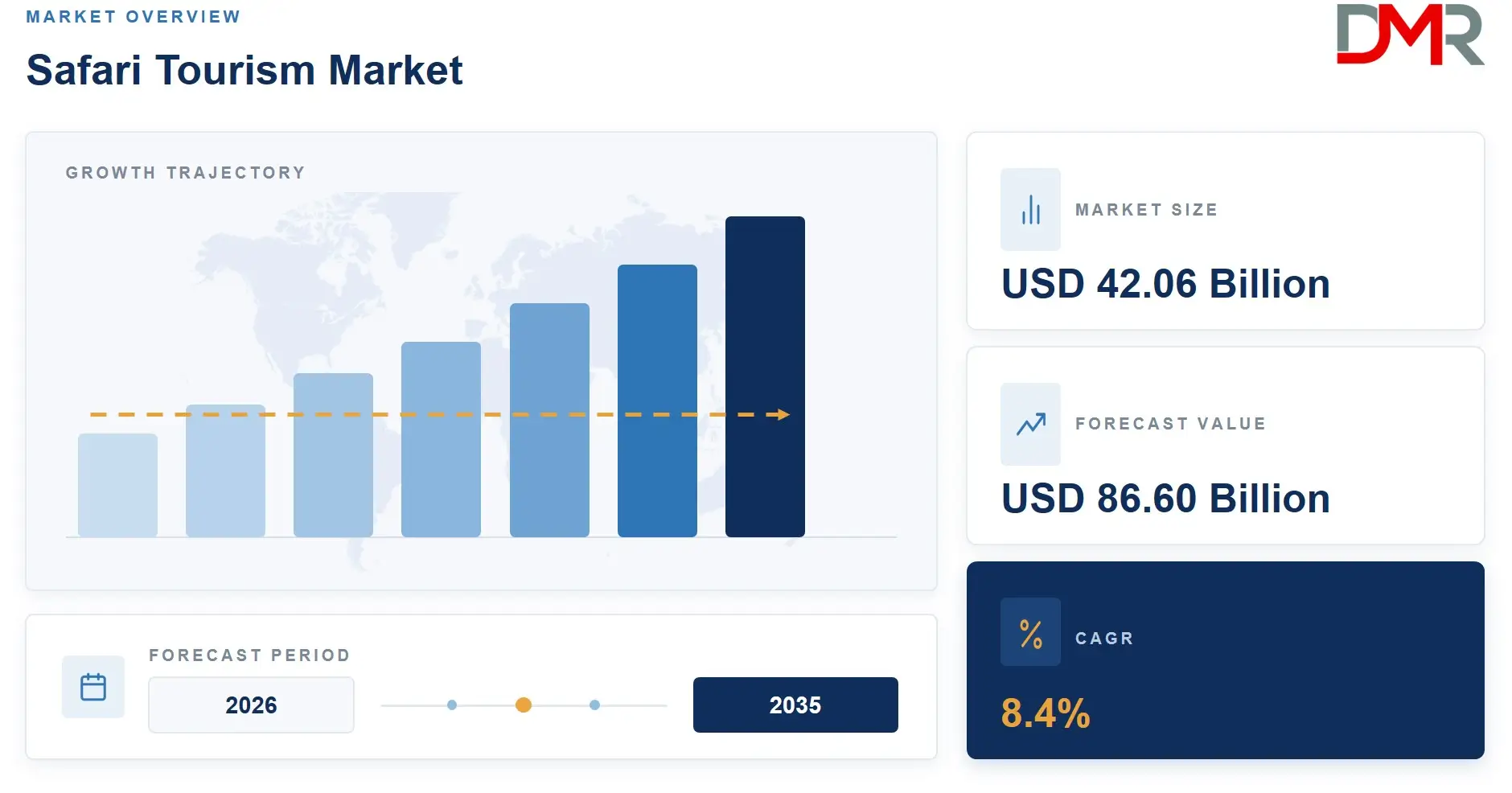
The Global Social and Emotional Learning Market size is estimated at USD 7.35 Billion in 2026, and is projected to reach USD 62.32 Billion by 2035, exhibiting a CAGR of 26.8% during the forecast period.
Newsela's acquisition of Generation Genius in February 2025, in a transaction valued at approximately $100 million, illustrates the financial scale at which strategic consolidation is now taking place. Vendors are no longer competing on single-subject depth. Buyers now expect integrated platforms covering multiple content domains and student-outcome data in one purchase decision.
ℹ
To learn more about this report –
Download Your Free Sample Report Here
Historical growth through 2020–2024 was shaped by pandemic-era mental health awareness, which elevated SEL from supplementary programming to core district budgeting. Post-pandemic, demand did not retract. School boards institutionalized SEL requirements across grade levels, compressing what would have been a slower adoption curve into a concentrated multi-year buying cycle that vendors are still servicing.
Component Analysis
Solutions led the Component segment with a 73.4% share in 2026.
Platform and assessment products command nearly three-quarters of all Component spending because districts buy software licenses before they procure consulting or integration hours. Schools enter vendor relationships through platform access, making Solutions the gateway through which Services revenue follows. Vendors that lock districts into multi-year platform contracts capture downstream services revenue without competing on price for each engagement.
Services revenue, covering consulting, end-use integration, and training and support, remains critical to net revenue per customer but operates as a secondary line. Integration and training contracts tend to follow platform renewal cycles, meaning Services revenue is partially predictable but structurally dependent on Solutions retention. Vendors that underinvest in onboarding risk higher platform churn, which collapses both revenue lines simultaneously.
End-use Analysis
Middle & High Schools led the End-use segment as the largest category in 2026.
Middle and high school demand reflects district prioritization of adolescent mental health alongside rising behavioral intervention requirements at secondary levels. Pre-K adoption is growing as early-childhood learning research tightens the link between foundational SEL competencies and long-term academic performance. Elementary schools represent the broadest addressable user base by enrollment volume.
As reported by the Changing Perspectives 2025–26 implementation report, the SEL curriculum accounted for 19.49% of selected resources for grades 3–5, the highest share across grade bands, versus 15.34% for grades K–2, 16.93% for grades 6–8, and 12.14% for high school, based on 313 curriculum-resource selections. The grades 3–5 concentration signals that upper-elementary is where teacher adoption is strongest, giving vendors a clear entry point for upsell into adjacent grade bands.
Corporate end-use is the fastest-growing category outside education. Employers are embedding SEL competency frameworks into leadership development and employee wellness programs, creating a B2B revenue channel that SEL vendors built on K–12 infrastructure can enter with relatively low product modification.
Type Analysis
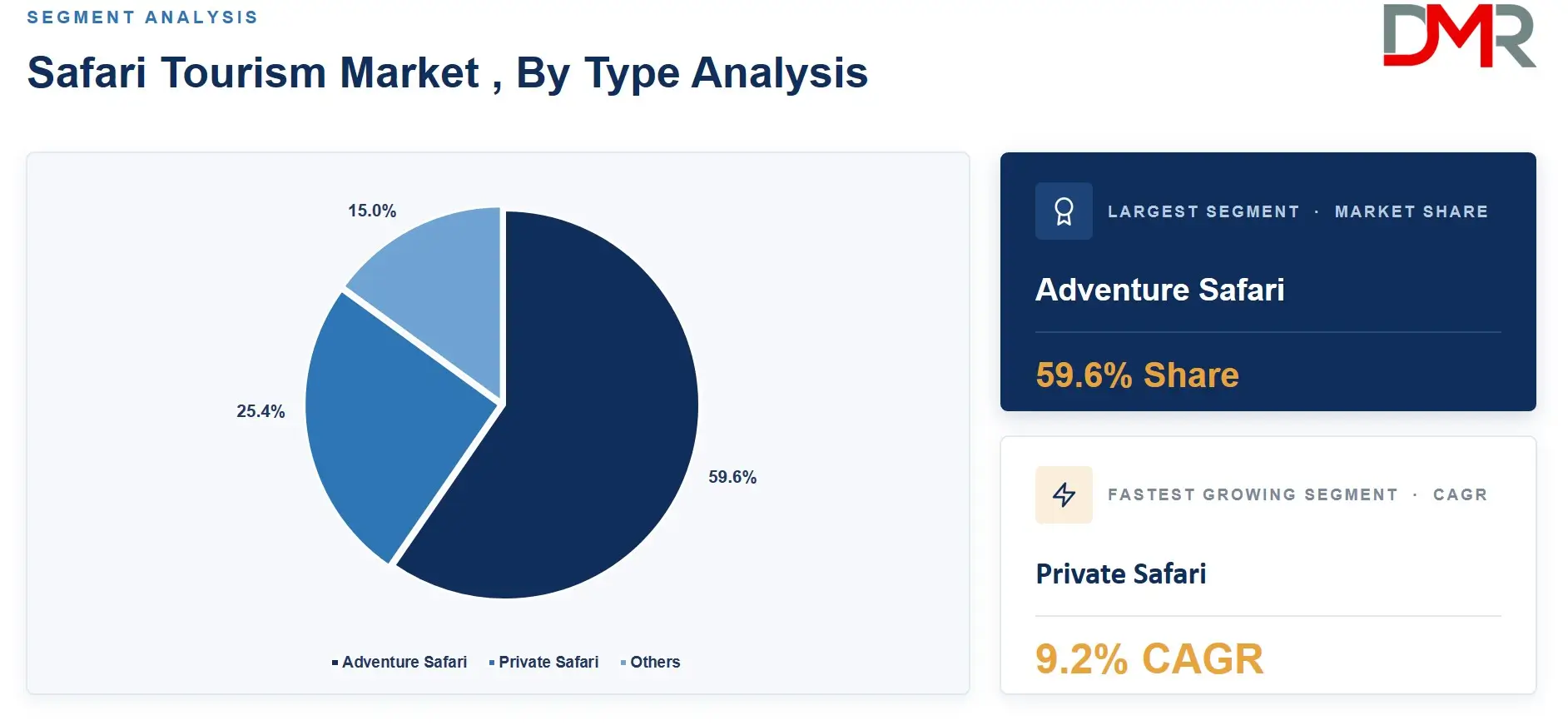
With a 59.8% share in 2026, Web-based outpaced all other Type categories.
Web-based delivery dominates because it removes device dependency and enables district-wide deployment without hardware procurement cycles. School IT departments can provision access through single sign-on, reducing implementation friction. Application-based delivery serves niche use cases where offline access or device-native functionality adds instructional value, but the category remains a secondary channel for most district buyers.
ℹ
To learn more about this report –
Download Your Free Sample Report Here
Core Competencies Analysis
Self-Management accounted for 31.5% of Core Competencies demand in 2026, the highest of any category.
Findings from Holland Public Schools' Winter 2026 SEL survey show that among grades 3–12 students who answered 20 questions across five SEL categories, the average overall SEL score was 3.31 out of 4, with self-management the lowest-scoring category at 3.19. That gap between Self-Management's market demand dominance and its lowest student score points to a concrete commercial signal. Districts are buying Self-Management content precisely because students are underperforming on that competency.
Self-Awareness, Social Awareness, Relationship Skills, and Responsible Decision-Making collectively make up the remaining share. Social Awareness is gaining ground as districts face community pressure to address empathy and bias, creating upsell opportunity for vendors whose platforms cover multiple competencies within a single assessment framework.
Key Market Segments
By Component
- Solutions
- Social and Emotional Learning Platform
- Social and Emotional Learning Assessment Platform
- Services
- Consulting
- End use and Integration
- Training and Support
By End-use
- Middle & High Schools
- Pre-K
- Elementary Schools
- Corporate
By Type
By Core Competencies
- Self-Management
- Self-Awareness
- Social Awareness
- Relationship Skills
- Responsible Decision-Making
Regional Analysis
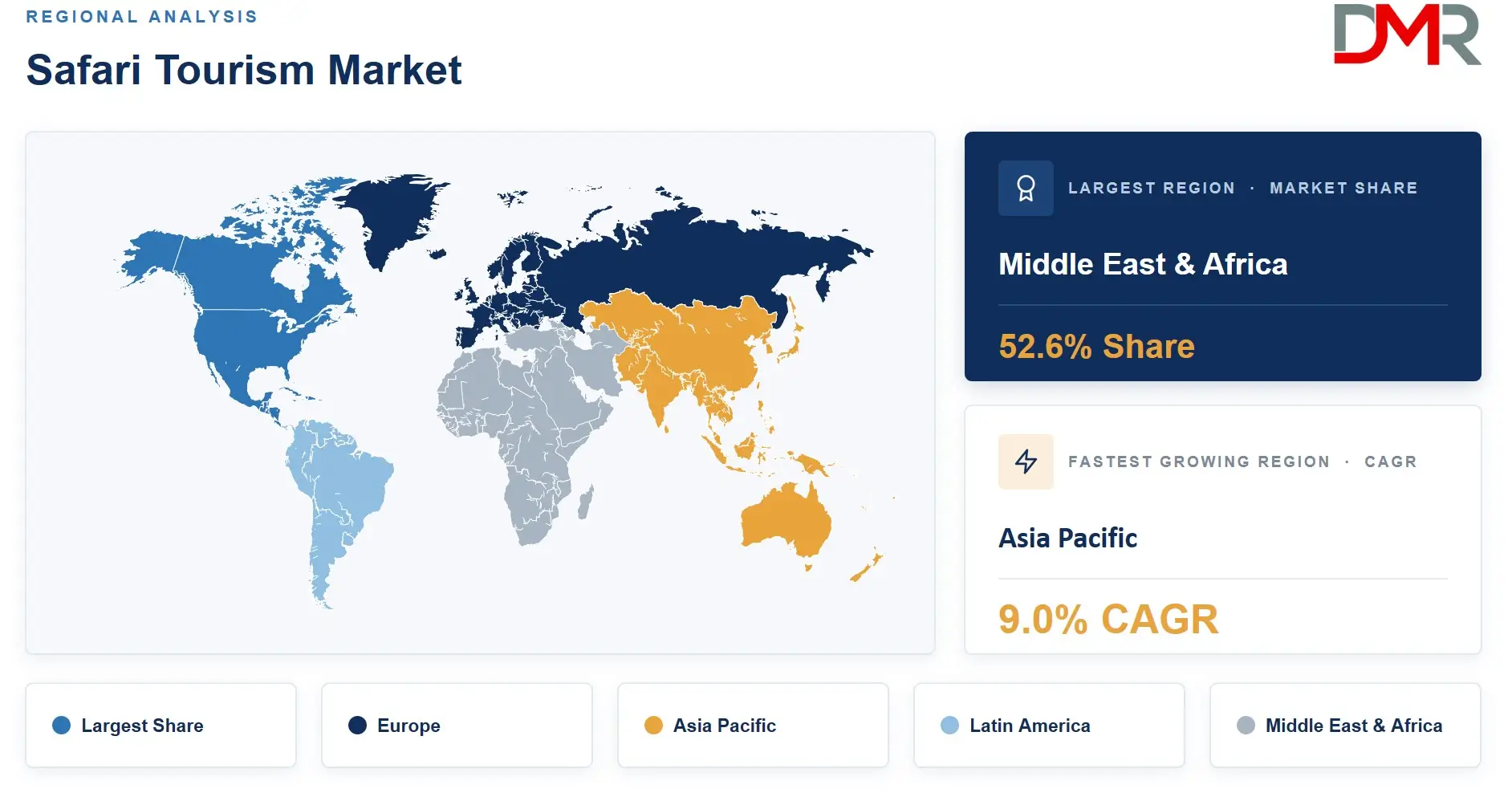
North America led the Regional segment as the dominant geography in 2026, reflecting the deepest institutional infrastructure and largest per-district technology budgets of any region.
North America
U.S. school districts operate with dedicated SEL budget lines that few other national markets match. Approximately 68% of students in Los Angeles Unified's 2026 School Experience Survey reported feeling safe at school or during online sessions, with the district also recording improvements across social-awareness, self-management, self-efficacy, and growth-mindset indicators, as reported by EdSource. Large districts like LAUSD function as reference accounts that accelerate vendor sales cycles in smaller districts nationwide.
ℹ
To learn more about this report –
Download Your Free Sample Report Here
Europe
European adoption is advancing through national curriculum reform rather than district-by-district procurement. Germany, France, and the UK are embedding wellbeing and social competency frameworks into teacher training standards, which pulls SEL platform demand through professional development budgets rather than student software lines. Procurement timelines are longer but contract sizes tend to be larger once national frameworks mandate vendor compliance.
Asia Pacific
China, South Korea, and India are at early institutional adoption stages. Parental pressure around academic achievement historically deprioritized SEL investment. National mental health policy shifts after 2022 opened new government procurement windows, particularly in South Korea and Australia, where school wellbeing frameworks now carry regulatory weight.
Latin America
Brazil and Mexico represent the largest addressable populations in the region, but budget constraints limit adoption to NGO-funded programs and a small number of private school districts. Vendor strategies that price for public sector deployment will be necessary to access volume in this region.
Middle East & Africa
GCC nations are embedding SEL into national education reform agendas tied to 2030 diversification goals. South Africa's school wellness programs represent an early government-funded entry point. Remaining MEA markets lack the institutional infrastructure for near-term commercial scale.
Key Regions and Countries
North America
Europe
- Germany
- France
- The UK
- Spain
- Italy
- Rest of Europe
Asia Pacific
- China
- Japan
- South Korea
- India
- Australia
- Rest of APAC
Latin America
- Brazil
- Mexico
- Rest of Latin America
Middle East & Africa
- GCC
- South Africa
- Rest of MEA
Macroeconomic Impact
Public education budgets in North America and Europe are funded primarily through government appropriations, making SEL vendor revenues sensitive to fiscal policy rather than consumer sentiment. When federal or state governments tighten discretionary education spending, districts delay software renewals even when administrators support SEL programs. Rising interest rates in 2023–2024 constrained state borrowing capacity and slowed capital allocation to non-mandated programs, a pressure that eased as rates stabilized entering 2025.
Currency movements create asymmetric exposure for vendors expanding from North America into Europe and Asia Pacific. Dollar strength compresses revenue realizations on international contracts priced in local currencies, reducing the return on international sales investments. Vendors with multi-currency contract structures and localized cost bases carry lower macro risk as they scale globally.
Market Dynamics
Driver: Educator-Confirmed Student Engagement Validates SEL Investment
As reported by the Changing Perspectives 2025–26 evaluation, 94% of responding educators confirmed that students were engaged during SEL and disability-awareness lessons, based on 110 valid responses. That engagement rate gives purchasing committees measurable evidence that SEL programs hold instructional attention, which is a prerequisite argument in any budget justification. Districts now have third-party data to defend SEL line items against competing academic priorities.
Holland Public Schools' Winter 2026 SEL survey recorded an average overall self-assessment of 3.43 out of 4 among K–2 students across five SEL categories. Early-grade measurability removes a long-standing objection that SEL outcomes are too qualitative for school board scrutiny. Vendors that build assessment tools producing grade-appropriate quantitative scores gain a material advantage in district procurement conversations.
FullBloom's acquisition of CharacterStrong in February 2025 reflects how demand for school-based mental health and SEL programming is large enough to support acquisition-funded growth. Buyers want providers that cover both SEL curriculum and mental health services under one vendor relationship, compressing the number of contracts a district must manage.
Restraint: Fragmented Stakeholder Consensus Slows Procurement
A nationally representative EdWeek Research Center survey conducted in December 2025 and January 2026 found that 74% of teachers and 80% of school leaders rated social awareness and empathy as critical student skills, versus only 57% of district administrators. That 23-point gap between classroom priorities and administrative recognition creates a structural procurement delay. Vendors must run parallel influence campaigns across teacher unions, principals, and district finance offices to close a single contract.
Political opposition to SEL in several U.S. states has produced curriculum review mandates that extend procurement timelines and, in some cases, force program removals. Vendors operating in contested states must maintain legal and compliance resources that add to cost structures without generating revenue. That overhead disadvantages smaller, specialized SEL providers relative to large platforms that can absorb compliance costs across a broader product portfolio.
Opportunity: Corporate End-use Opens a New Revenue Channel
Based on data from the Changing Perspectives 2025–26 evaluation, 82% of educators observed positive behavioral shifts among students after curriculum use, based on 107 valid responses. Behavioral outcome evidence collected in school settings translates directly into workforce training arguments. Employers sourcing leadership development and empathy-based communication training face the same competency gaps that school districts have been addressing for years, and SEL vendors hold the documented methodology to serve both markets.
Corporate adoption of SEL-adjacent programs, covering emotional intelligence, conflict resolution, and team communication, has expanded beyond HR departments into operations and product teams. SEL vendors that repackage K–12 curriculum frameworks into adult-learning formats can enter a market segment with higher average contract values and lower political risk than school district procurement.
Porter's Five Forces
New entrants face moderate barriers. Platform development costs are manageable for well-funded EdTech startups, but district procurement cycles favor vendors with established school references and FERPA-compliance certifications, creating a soft but real entry barrier. Supplier power is low. Content development relies on curriculum designers and licensed educational frameworks, neither of which is concentrated enough to constrain vendor margins. Buyer power is high. School districts issue RFPs, negotiate multi-year pricing, and can switch between competing platforms at renewal. That dynamic compresses pricing power for all but the most entrenched incumbents. Substitutes exist in the form of teacher-led social-emotional instruction that requires no software purchase, keeping a ceiling on how aggressively vendors can raise prices. Competitive rivalry is intense. Clark County School District's 2026 SEL survey received 48,689 student responses from 62,910 eligible students, representing approximately 77.4% participation, as sourced from district records. Survey scale at that level generates data that major platform vendors compete to capture, analyze, and sell back as insights, making data ownership a central front in vendor rivalry alongside content breadth.
AI and Gen AI Impact
Panorama Education launched Panorama Solara in October 2024, a purpose-built, FERPA-compliant AI chat tool for K–12 districts and state education departments. That launch shifted the competitive conversation from content depth to AI-enabled student support, forcing all major SEL platforms to either build comparable AI capabilities or position content quality as a differentiated counter-argument.
AI is reshaping the assessment layer of the SEL value chain most rapidly. Automated scoring of open-ended student responses, predictive flagging of at-risk students, and real-time teacher dashboards are replacing manual review cycles that previously required counselor time. Vendors that build AI into assessment workflows rather than treating it as a content overlay will produce faster intervention cycles, which is the outcome measure district buyers now prioritize above all others.
Market Trends
Survey Engagement Decline Signals Measurement Fatigue Risk
Clark County School District's 2026 SEL survey generated 3,231,668 answered questions, down from 3,535,530 in 2025, a decline of 303,862 completed question responses, based on Clark County district data. When survey completion rates fall at scale, the data quality that underpins SEL platform value propositions degrades. Vendors whose business models depend on student-response data to generate intervention insights face a structural vulnerability if fatigue-driven disengagement spreads to other large districts. Early movers building shorter, adaptive assessments will protect data quality and retain the measurement credibility that drives renewal decisions.
Market Competition Overview
The SEL market is fragmented at the content layer and consolidating at the platform layer. No single vendor commands a dominant share across all four end-use segments, all five core competency categories, and both web-based and application delivery. Blackbaud completed the sale of EVERFI in December 2024, separating the education technology company and enabling it to operate under new private ownership, as confirmed by Blackbaud's SEC filing. That transaction is consistent with a broader pattern in which non-specialist parent companies are divesting EdTech assets to operators with clearer EdTech strategy and district sales infrastructure.
Platform vendors are competing on data integration and AI capability rather than content alone. Vendors that provide student-outcome dashboards linking SEL assessment scores to academic performance metrics create switching costs that pure-content providers cannot replicate. Market leaders are also building distribution through partnerships with student information system vendors, extending their reach into procurement relationships that previously bypassed SEL-specific platforms entirely.
Pricing Analysis
SEL platform pricing typically follows per-seat or per-district license structures. Large districts negotiate volume discounts that can reduce per-student costs significantly relative to list prices paid by smaller schools. Web-based platforms command premium pricing over application-only products because they support system-wide deployment without hardware dependency, which is the delivery model most district IT departments prefer for contract simplicity.
Vendors with AI-enabled features, including automated student flagging and predictive intervention tools, are beginning to introduce tiered pricing that separates base platform access from advanced analytics modules. That pricing shift creates upsell revenue opportunity but risks alienating price-sensitive public school customers who expect full functionality at the contracted price. Challengers competing on price alone face margin compression as leading platforms bundle more capabilities without proportional price increases.
Company Profiles
Panorama Education has built its competitive position around integrated student-support infrastructure that connects SEL assessment, academic performance data, and Multi-Tiered System of Supports (MTSS) workflows within a single platform. In April 2025, Panorama acquired Class Companion, an AI-powered education tool providing students with instant feedback and automating aspects of instructional support, deepening its AI capability stack. Panorama's strategy of acquiring AI-native tools rather than building them from scratch compresses development timelines and accelerates feature delivery to existing district customers.
Newsela entered the SEL space through content adjacency rather than purpose-built SEL platform development, using its literacy and social-studies distribution relationships to introduce SEL-aligned material to an existing district customer base. Each acquisition extends Newsela's data footprint and creates cross-sell pathways without requiring new district relationships. The risk is integration complexity. Managing four distinct product lines post-acquisition demands organizational capacity that fast-growing EdTech companies frequently underestimate.
Key Players
- Evolution Labs
- Committee for Children
- EVERFI (Vector Solutions)
- Panorama Education
- Nearpod
- Imagine Learning
- Rethink Ed
- Newsela
- SchoolMint
- Illuminate Education
- Everyday Speech
- Playworks
- Emotional ABCs
- 7 Mindsets
- Peekapak
- Aperture Education
- The Social Express
- BASE Education
- Better Kids
- Kickboard
Supply Chain and Value Chain Analysis
The SEL value chain opens with curriculum research and competency framework development, where organizations such as the Collaborative for Academic, Social, and Emotional Learning (CASEL) set the standards that commercial vendors translate into products. Platform developers and content studios form the next layer, converting frameworks into digital lessons, assessment instruments, and interactive activities. Distribution flows through direct district sales teams, state-level procurement channels, and integration partnerships with student information systems. End value is realized at the classroom level, where teachers deploy content and administrators access outcome dashboards.
The highest-margin activity is platform licensing, where recurring subscription revenue carries low variable cost after initial development. The largest bottleneck sits at the implementation layer. Under-resourced districts lack the IT personnel and professional development time to fully deploy SEL platforms after purchase. Vendors that embed onboarding and ongoing training into base subscription pricing reduce churn risk and accelerate time-to-value for buyers who would otherwise underuse purchased licenses.
Regulatory Landscape
FERPA governs student data privacy across all U.S. school district deployments, requiring SEL vendors to maintain compliant data storage, access controls, and third-party sharing restrictions. Vendors that achieve FERPA-compliant certification, as Panorama Solara demonstrated at launch, can reference compliance as a procurement prerequisite that disqualifies less-prepared competitors. State-level SEL mandate legislation varies significantly. Several U.S. states have enacted affirmative SEL curriculum requirements while others have passed restrictions, creating a patchwork regulatory environment that vendors must monitor market by market.
Arlington Public Schools' Spring 2026 SEL survey administration requires families to receive opt-out forms at least 31 days before the survey, covering four measured domains across grades 3–12, as reported by Arlington Public Schools. Parental opt-out regulations of this type are becoming more common across U.S. districts. Vendors whose assessment products depend on high student-response rates must account for opt-out provisions when projecting data quality and district satisfaction outcomes at contract renewal.
Investment and White Space Analysis
Investment in the SEL market is concentrating around platform vendors with AI-enabled assessment and MTSS integration capabilities. Pure-content providers without data infrastructure are attracting lower valuations as buyers demand outcome evidence alongside curriculum quality. The Corporate end-use segment remains structurally underfunded relative to its revenue potential. SEL vendors with validated behavioral outcome data from school deployments hold a credible entry point into enterprise learning and development budgets, a market with higher contract values and longer retention cycles than district education procurement.
White space exists at the Pre-K segment level. Early childhood SEL tools are less developed than those serving elementary and secondary grades, yet research consistently links Pre-K competency building to long-term academic and social outcomes. Vendors that develop age-appropriate, measurable SEL assessments for the Pre-K cohort before the segment attracts crowded competition will establish reference accounts that are difficult for later entrants to displace.
Recent Developments
- January 2024 — Panorama Education reported third-party research showing that schools using its Student Success platform achieved higher math and reading scores, strengthening its positioning around integrated academic, behavioral, and social-emotional student support.
- July 2025 — Panorama Education partnered with Skyward to make Panorama Solara's FERPA-compliant AI capabilities and Panorama Student Success available directly to Skyward customers, expanding distribution of its AI and MTSS student-support technologies.
- July 2025 — Nearpod highlighted that its 21st Century Readiness Program contained more than 400 SEL lessons, activities, and videos aligned with CASEL's five core SEL competencies, demonstrating continued expansion of SEL content within mainstream digital instruction.
- January 2026 — Newsela acquired Schoolytics, strengthening its capabilities in district-level student data, analytics, and intervention and moving the company further toward an integrated student-outcomes platform.
- March 2026 — Newsela acquired EveryDay Labs and planned to integrate its evidence-based attendance and chronic-absenteeism solutions into Schoolytics, broadening Newsela's student-support capabilities from academic content toward attendance, engagement, and intervention.
- July 2026 — Panorama Solara was named EdTech AI Platform of the Year in the 2026 EdTech Breakthrough Awards, confirming the growing role of AI within Panorama's student-success, wellbeing, and district-support strategy.
Report Details
| Report Characteristics |
| Market Value (2026) |
USD 7.35 Billion |
| Forecast Revenue (2035) |
USD 62.32 Billion |
| CAGR (2026–2035) |
26.8% |
| Base Year for Estimation |
2025 |
| Historic Period |
2020 – 2024 |
| Forecast Period |
2026 – 2035 |
| Report Coverage |
Revenue Forecast, Market Dynamics, Competitive Landscape, Recent Developments |
| Segments Covered |
By Component (Solutions, Services), By End-use (Middle & High Schools, Pre-K, Elementary Schools, Corporate), By Type (Web-based, Application), By Core Competencies (Self-Management, Self-Awareness, Social Awareness, Relationship Skills, Responsible Decision-Making) |
| Regional Analysis |
North America – US and Canada; Europe – Germany, France, The UK, Spain, Italy, and Rest of Europe; Asia Pacific – China, Japan, South Korea, India, Australia, and Rest of APAC; Latin America – Brazil, Mexico, and Rest of Latin America; Middle East & Africa – GCC, South Africa, and Rest of MEA |
| Competitive Landscape |
Evolution Labs, Committee for Children, EVERFI (Vector Solutions), Panorama Education, Nearpod, Imagine Learning, Rethink Ed, Newsela, SchoolMint, Illuminate Education, Everyday Speech, Playworks, Emotional ABCs, 7 Mindsets, Peekapak, Aperture Education, The Social Express, BASE Education, Better Kids, Kickboard |
| Customization Scope |
Customization for segments and region or country level will be provided. Additional customization can be done based on requirements. |
| Purchase Options |
Three license options: Single User License, Multi-User License (Up to 5 Users), and Corporate Use License (Unlimited Users and Printable PDF) |
Frequently Asked Questions
What is the biggest investment opportunity in the Social and Emotional Learning market?
▾ The Corporate end-use segment represents the most underserved high-value opportunity. SEL vendors with behavioral outcome evidence from school deployments hold validated methodology that enterprise learning and development buyers will pay premium prices to access. Pre-K assessment tools are a secondary white space where early movers can build defensible reference accounts ahead of broader category competition.
Who are the top companies in the Social and Emotional Learning market?
▾ Leading companies include Panorama Education, Newsela, Nearpod, Committee for Children, EVERFI (Vector Solutions), Imagine Learning, and Aperture Education, among others. Panorama Education and Newsela have been most active in acquisition-led platform expansion through 2024–2026, reshaping competitive boundaries at the integrated platform layer.
Which segment is growing fastest companies in the Social and Emotional Learning market and why?
▾ The Corporate end-use segment is growing fastest outside traditional education. Employers now source SEL-aligned programs covering emotional intelligence and conflict resolution for workforce development, applying frameworks originally built for K–12 students to adult learning contexts with higher average contract values. Web-based delivery, holding a 59.8% type share, supports that expansion by removing deployment barriers for non-school buyers.
Which region is growing fastest companies in the Social and Emotional Learning market and why?
▾ Asia Pacific is growing fastest from a low base, as national mental health policy reforms in South Korea, Australia, and India have opened government procurement channels that were largely closed before 2022. North America retains the largest absolute share, but its growth is constrained by market maturity and policy fragmentation across U.S. states.
What is the biggest challenge holding Social and Emotional Learning Market back?
▾ Fragmented stakeholder alignment within school districts is the primary procurement barrier. As per EdWeek Research Center data, 80% of school leaders rate social awareness as a critical skill versus only 57% of district administrators, a gap that forces vendors to run multi-level influence campaigns before a single contract closes. Political opposition to SEL in several U.S. states compounds this by adding compliance overhead that raises operating costs without adding revenue.