What is the Tumor Mutational Burden Testing Market Size?
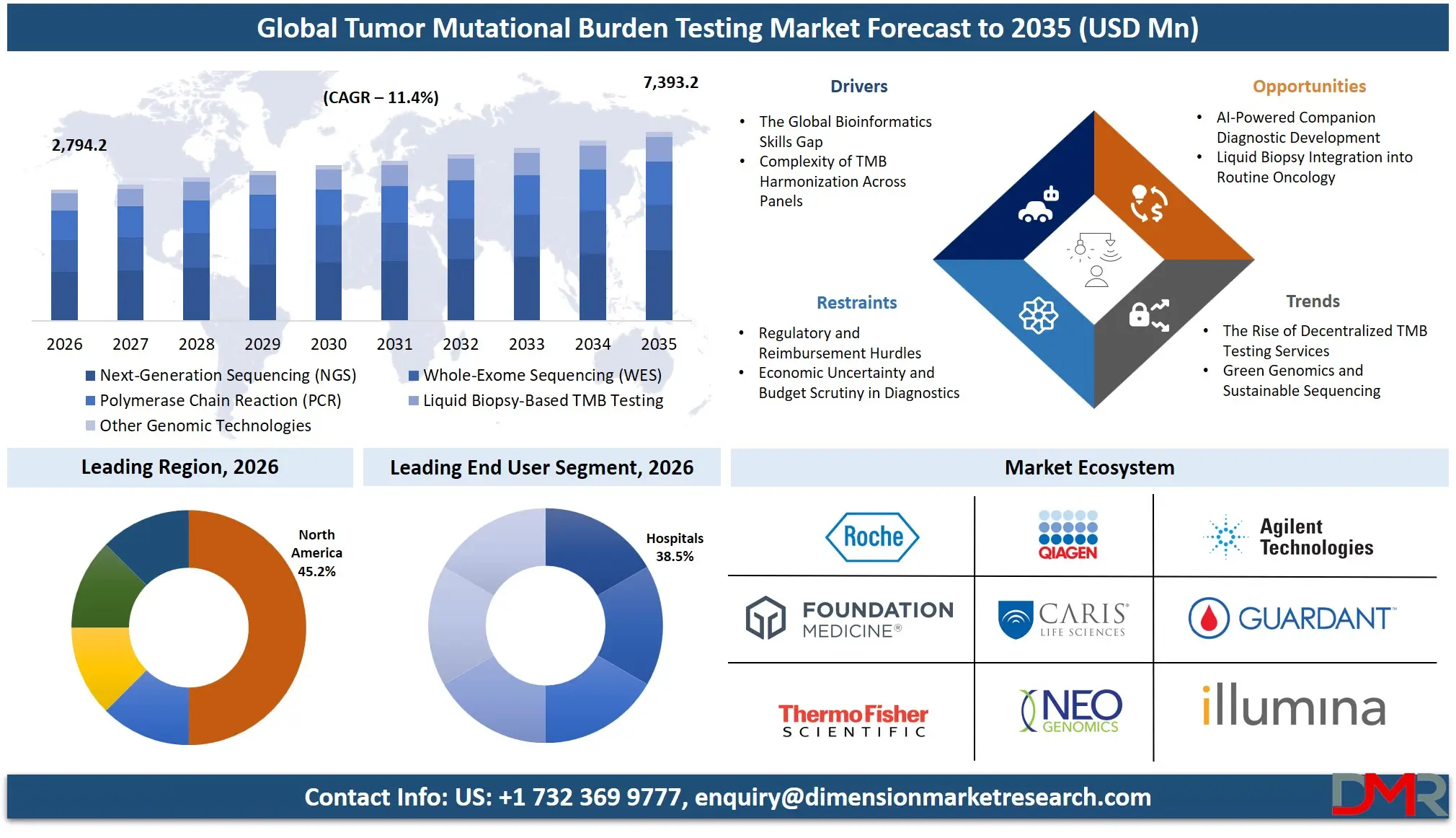
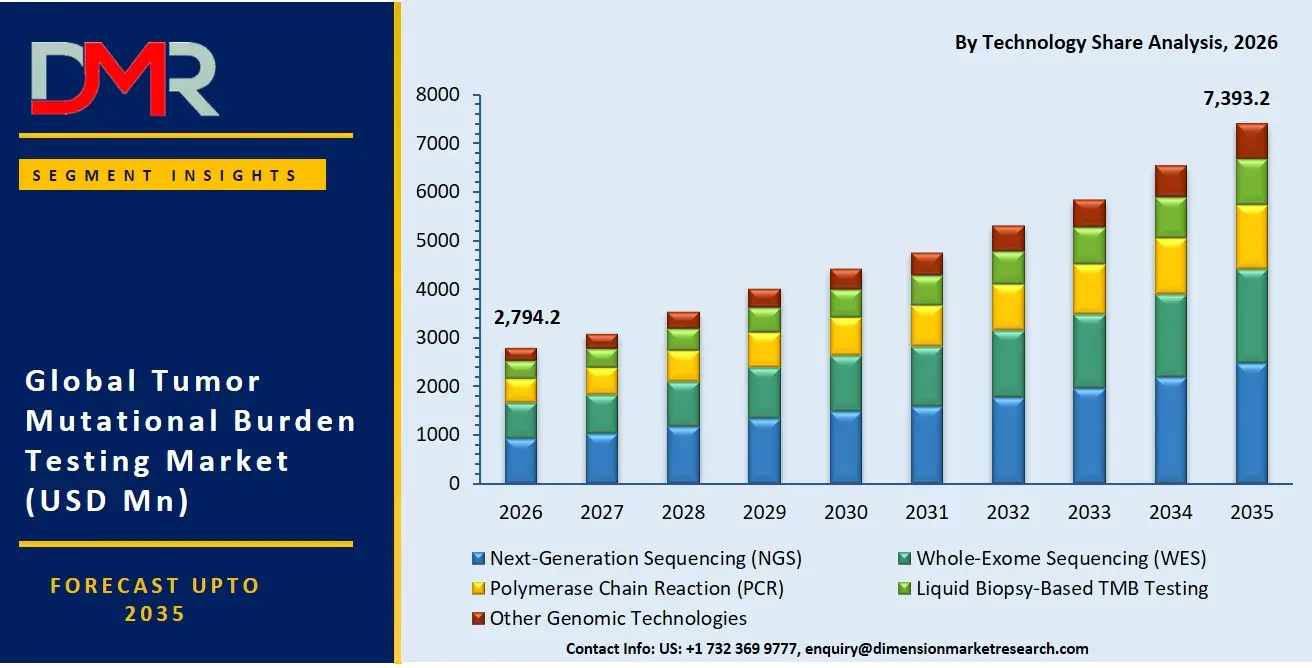
The Global Tumor Mutational Burden (TMB) Testing Market is expected to reach a value of USD 2,794.2 million in 2026, and it is further anticipated to reach USD 7,393.2 million by 2035, growing at a CAGR of 11.4% during the forecast period.
ℹ
To learn more about this report –
Download Your Free Sample Report Here
The tumor mutational burden testing market has shown a very high growth rate as there has been an increase in the use of immuno-oncology drugs, especially immune checkpoint inhibitors (ICIs). Tumor mutational burden (TMB) calculates the total number of mutations present in a patient's tumor genome, thereby providing a predictive marker for determining the patient's sensitivity to certain immunotherapy drugs, such as PD-1/PD-L1 inhibitors.
This market includes assay kits, instruments, software products, and testing services that support comprehensive genomic testing. An increased need for precision medicine, companion diagnostics development, and liquid biopsies has made it important to develop specific test platforms for TMB calculation. Next-generation sequencing continues to be the preferred technology for TMB measurement, owing to its efficiency and accuracy. Oncology, drug development, and research have become significant applications of TMB testing.
ℹ
To learn more about this report –
Download Your Free Sample Report Here
The US Tumor Mutational Burden Testing Market
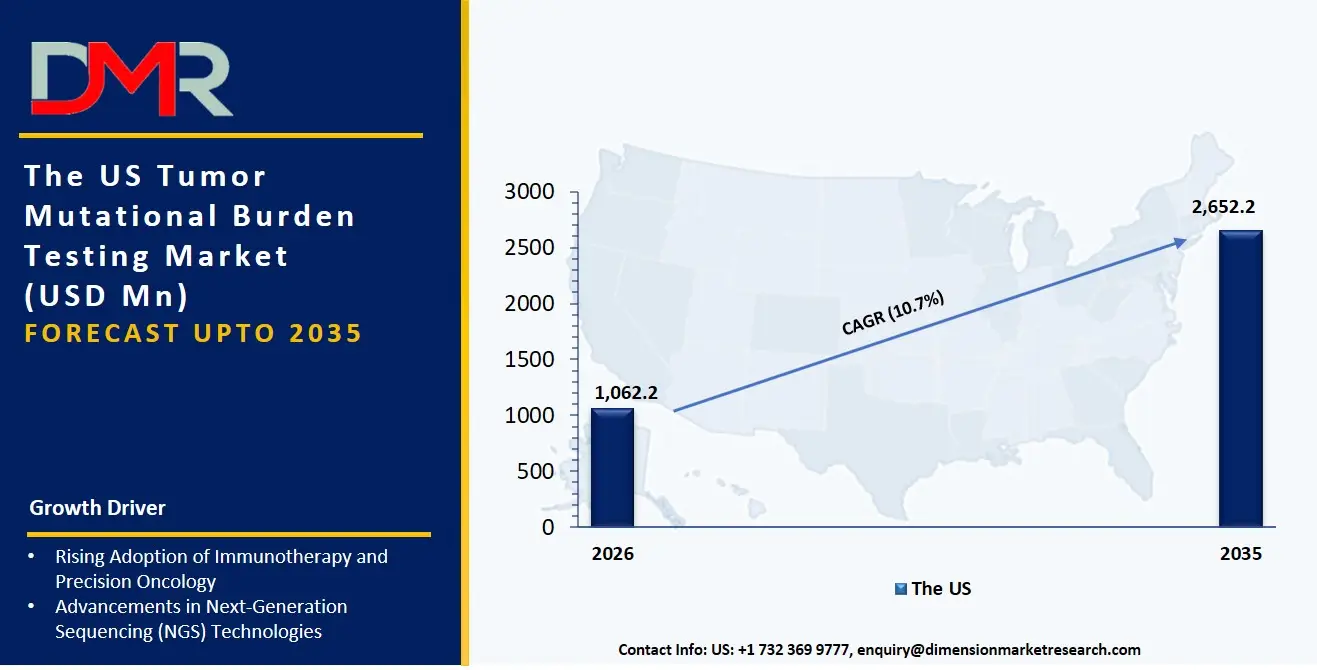
The US Tumor Mutational Burden Testing Market is projected to reach USD 1,062.2 million in 2026 at a compound annual growth rate of 10.7% over its forecast period. The USA remains the biggest and most advanced market in TMB testing due to a number of FDA-approved immuno-oncology products targeting various types of cancer and the introduction of CGP as part of the routine clinical workflow. The market has been characterized by the high demand for CGP kits that enable practitioners to derive TMB metrics, MSI, and other biomarker information in a single assay. Furthermore, the application of AI-based analytics platforms in oncology is leading to a similar demand for consulting services aimed at establishing common TMB thresholds and reporting standards.
ℹ
To learn more about this report –
Download Your Free Sample Report Here
The Europe Tumor Mutational Burden Testing Market
The Europe Tumor Mutational Burden Testing Market is estimated to be valued at USD 810.3 million in 2026 and is further anticipated to reach USD 2,083.5 million by 2035 at a CAGR of 11.0%. Regulatory guidelines such as the In Vitro Diagnostic Regulation (IVDR) and country-wise reimbursement practices affect the market significantly in Europe, giving rise to the requirement for companion diagnostics and clinical reporting and visualization software. Rapidly growing adoption of blood-based / liquid biopsy TMB tests is also observed in this market due to the attempts made by the oncology centers in Germany, France, and the United Kingdom to balance between convenience and the analytic validation of their use for selecting patients for immunotherapy. Moreover, initiatives like the creation of cancer research networks in Europe force test manufacturers to develop compatible TMB Analysis Software.
The Japan Tumor Mutational Burden Testing Market
The Japan Tumor Mutational Burden Testing Market is projected to be valued at USD 251.5 million in 2026. It is further expected to witness robust growth, holding USD 618.9 million in 2035 at a CAGR of 10.5%. Japan has an interesting market with a unique health insurance system where the reimbursement of NGS-based companion diagnostics has been in place for some time now. CGP Kits and Hospital-Based TMB Testing comprise a significant portion of the market, where large cancer centers and university hospitals have incorporated their own TMB testing systems in order to enable quick decision-making within the clinic. The need for Cloud-Based Bioinformatics Solutions has emerged as an important opportunity in the market due to gaps between the existing hospital information systems and the novel genomics reporting pipeline.
Key Takeaways
- Market Size & Forecast: The Global Tumor Mutational Burden Testing market is projected to reach USD 2,794.2 million in 2026, expanding to USD 7,393.2 million by 2035, driven by both the growing scope of immunotherapy and the requirement of using genomic biomarkers as a standard part of oncology treatment.
- Growth Rate & Outlook: The global market growth is projected to be at 11.4% CAGR over the forecast period, as there is a severe lack of in-house bioinformatics knowledge and the increasing complexity in standardizing TMB scores across various NGS panels and cancer types.
- Primary Growth Drivers: Key growth drivers are the broad acceptance of immune checkpoint inhibitors (PD-1/PD-L1) and the necessity for companion diagnostic assays to steer clear of immune-therapy related adverse occasions, as well as the adoption of AI based oncology analytics platforms which may require specialized data interpretation services.
- Key Market Trends: Major trends are the adoption of TMB testing using liquid biopsy (blood-based TMB), the availability of automated bioinformatics pipelines in variant calling platforms to auto-calculate TMB scores, and the trend toward clinical trial testing services as TMB is becoming an enrichment biomarker for pharmaceutical companies.
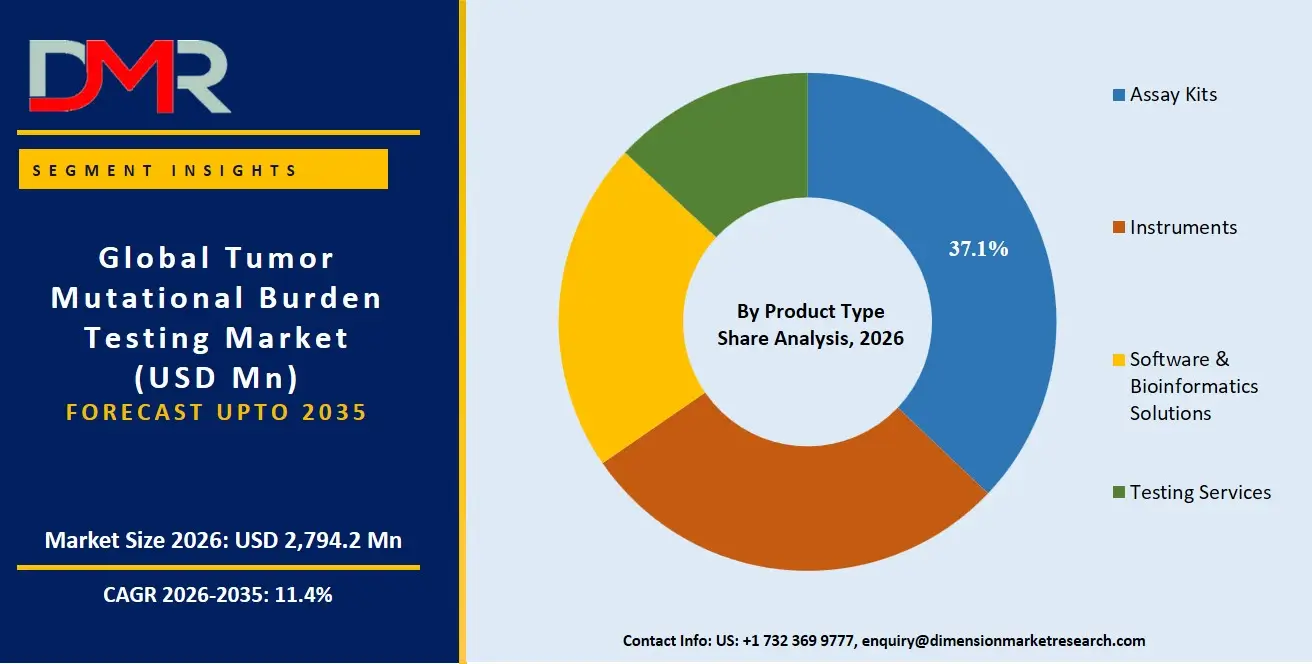
- By Product Type Analysis: Assay kits dominate the Global Tumor Mutational Burden Testing Market due to their widespread use in standardized genomic profiling workflows. Expanding adoption of companion diagnostics, recurring consumable demand, and compatibility with next-generation sequencing platforms continue strengthening their market leadership globally.
- By Sample Type Analysis: Tissue-based testing leads the Tumor Mutational Burden Testing Market because it remains the clinical gold standard for accurate mutation analysis and biomarker detection. Strong validation in companion diagnostics and extensive oncology adoption continue supporting its dominant global market position.
- Regional Leadership: North America is expected to dominate the market with 38.0% of the market share in 2026, which is due to the region's strong reimbursement landscape for genomic profiling and immunotherapy acceptance rate.
What is the Tumor Mutational Burden Testing?
Tumor Mutational Burden (TMB) Testing refers to the specialized genomic assays, instruments, software solutions, and professional testing services that quantify the total number of somatic mutations per megabase (mut/Mb) within a tumor specimen. Unlike single-gene tests, TMB is related to the genomic landscape of the tumor. This involves Assay Kits (both tissue and blood-based) to capture mutational data, Instruments (primarily NGS systems) to sequence the DNA, Software & Bioinformatics Solutions to calculate TMB scores and filter germline variants, and Testing Services (centralized labs, CROs, hospitals) to deliver clinically actionable reports. With the FDA approval of pembrolizumab for TMB-high solid tumors, professional TMB testing is needed to achieve score harmonization, cutoff determination, and regulatory compliance, making immunotherapy investments translate into tangible patient outcomes, as opposed to biological misinterpretation.
Use Cases
- First-Line Immunotherapy Selection in Lung Cancer: Oncologists use Comprehensive Genomic Profiling (CGP) Kits followed by Centralized Laboratory Testing Services to obtain TMB scores for advanced NSCLC patients, identifying those likely to respond to pembrolizumab plus chemotherapy versus targeted therapy.
- Liquid Biopsy Monitoring in Melanoma: Oncology centers utilize Blood-Based / Liquid Biopsy TMB Kits and Variant Calling Platforms to serially monitor TMB changes in melanoma patients on anti-CTLA-4 therapy, enabling early detection of resistance and treatment adaptation.
- Clinical Trial Enrichment in Bladder Cancer: In order to improve selection of bladder cancer patients for Phase II clinical trials with bispecific antibodies, pharmaceutical companies apply CRO Testing services and AI-Based Oncology Analysis platforms to assess tumor TMB levels before inclusion in trials.
- Companion Diagnostic Development in Breast Cancer: For the development of companion diagnostic tests used in new therapies with bispecific antibodies in breast cancer, diagnostics developers apply Targeted TMB panels combined with Clinical Reporting & Visualization platforms.
How AI is Transforming the Tumor Mutational Burden Testing Market
The TMB testing market is being revolutionized by AI, which speeds up the process of variant calling, normalizes the calculation of scores, and improves predictive power. VCPs can automatically identify the somatic mutations from the germline polymorphisms and sequencing errors using AI algorithms, significantly reducing manual review efforts and enhancing TMB score reproducibility. As a result, AI capabilities within TMB Analysis Software enable laboratories to more effectively manage score variability by identifying sequencing batch effects, forecasting the best cutoff values and recommending panel normalization techniques to support and strengthen score harmonization between different assays. AI is also shaping governance and clinical decision-making. AI is also influencing governance and clinical decision making. When it comes to Data Interpretation & Consulting Services, intelligent clinical decision support systems are employed that continuously incorporate TMB scores with other biomarkers (MSI, PD-L1) and patient clinical histories to suggest recommended treatments that match the NCCN or ESMO guidelines. Furthermore, generative AI assistants are complementing Genomic Data Interpretation Tools, mimicking patient responses according to the TMB levels and creating structured clinical reports for oncologists, thus relieving cognitive load and speeding up the time to report.
Market Dynamics
Key Drivers in the Global Tumor Mutational Burden Testing Market
The Global Bioinformatics Skills Gap
Oncology centers around the world are struggling to recruit experienced personnel with a background in NGS data analysis, tumor-normal subtraction, TMB calculation algorithms and genomic quality control. The skills are needed at an accelerated pace compared with the number of trained bioinformaticians, making a structural shortage in the job market. This is causing healthcare providers to increasingly shift away from self-deployment and use Centralized Laboratory Testing Services and Reference Laboratory Services for TMB testing. These service providers can help with key tasks such as executing sequence, filtering variants, quantifying TMB, and reporting clinical results. By outsourcing these capabilities, oncology practices can speed their precision oncology efforts and reduce the chance of delays caused by limited in-house computational resources.
Complexity of TMB Harmonization Across Panels
Enterprises and diagnostic developers often use several NGS panels (ranging from 300-gene targeted panels to whole-exome sequencing) to assess TMB. However, achieving TMB comparability between panels and sample types (tissue vs. blood) is extremely complex. Bioinformatics pipelines, mutation filtering thresholds, sequencing coverage and cut-off values for TMB must be harmonized across assays. The complexity can lead to conflicting TMB results, patient misclassification, and regulatory non-compliance if not managed by experts. There is a need for AI-based Oncology Analytics Platforms and Data Interpretation & Consulting Services that can help the laboratories to harmonize TMB workflows.
Restraints in the Global Tumor Mutational Burden Testing Market
Regulatory and Reimbursement Hurdles
Most health care systems are still using reimbursement models that are designed for single gene tests, which are now out of step with comprehensive TMB profiling. These are very old policies, and they are definitely a hurdle for clinical implementation, although TMB has proved to be predictive for other treatments like immunotherapies. Large CGP panels (incorporating TMB scores) can be expensive and administrative to obtain cover for. To standardise data from various laboratories requires extensive harmonisation, validation studies and proficiency testing. Oncologists are worried about rejected reimbursements, co-pays, and potential litigation for inappropriate immunotherapy treatments. It can therefore make the adoption of TMB slower and slow down or even stop large-scale clinical implementation due to reimbursement uncertainty.
Economic Uncertainty and Budget Scrutiny in Diagnostics
Unstable economies and unpredictable healthcare budgets have caused hospitals and diagnostic laboratories to be more hesitant to spend on new genomic technologies and bioinformatics infrastructure. Despite the growing acceptance of TMB testing as a biomarker standard-of-care, laboratory directors are under pressure to prove the return on investment of each piece of equipment and software acquired. The capital expenditure for NGS Systems, Automated Sample Preparation Systems, and Bioanalyzer & Quality Control Instruments is likely to come under increased scrutiny. Healthcare organizations have turned to Reference Laboratory Services or CRO Testing Services to outsource TMB testing with clinical utility of the results without initial capital investment. In-house NGS buildouts are more likely to be delayed until the patient benefit in the near term can be shown by providers. This change is forcing instrument manufacturers to provide reagent rental or result based pricing.
Growth Opportunities in the Global Tumor Mutational Burden Testing Market
AI-Powered Companion Diagnostic Development
One of the significant growth opportunities in the TMB testing market is assisting pharmaceutical companies to develop AI-native companion diagnostic assays for novel immunotherapies. Many biotech companies have employed TMB as a biomarker of exploratory interest, they now want an assay that is commercially available that fits their drug mechanisms, patient populations, and regulatory needs. The process of creating these advanced CDx assays requires specialized knowledge and expertise in the field of Companion Diagnostic Assays, Variant Calling Platforms, AI-Based Oncology Analytics Platforms, and Clinical Trial Testing Services. Testing service providers can help pharmaceutical clients create regulatory compliant, scalable TMB ecosystems, which help to facilitate the drug approval process, clinical adoption, and post-marketing surveillance. It could be a place where there's a growing need for specialized consulting and CRO testing services.
Liquid Biopsy Integration into Routine Oncology
Blood-based TMB services are increasing in interest due to the need to combine the expertise of technical skills and knowledge of clinical workflow. NGS vendors are creating liquid biopsy solutions specific to immunotherapy monitoring. They include a series of monitoring kits, blood assays (TMB), and fragmentomic analysis platforms. Lung cancer, melanoma, and colorectal cancer oncology practices must follow strict standards for clinical validation, and need to follow additional pre-analytical handling requirements. Therefore, they need partners for testing who understand both the sequencing technology and the clinical decision making processes. To provide added value, diagnostic service providers can incorporate Blood-Based / Liquid Biopsy TMB Kits with the Cloud-based Bioinformatics Solutions, to adapt to clinical workflows, and customize reporting.
Trends in the Global Tumor Mutational Burden Testing Market
The Rise of Decentralized TMB Testing Services
The decentralised testing of TMB is increasingly being used for oncology as an alternative to a send-out reference laboratory. In-house NGS capabilities are being established within hospitals that provide the clinical oncologist with rapid TMB results instead of all tests are conducted at longer turnaround time external reference labs. These internal systems facilitate clinical decision making the same day or the next day for cancer inpatients. In response, TMB service providers are providing solutions that include Automated Sample Preparation Systems, pre-validated Tissue-Based TMB Assay Kits and Laboratory Information Management Systems (LIMS) with clinical reporting modules.
Green Genomics and Sustainable Sequencing
Environmental sustainability is also a growing concern in the lab, with diagnostic firms facing the challenge of reaching their ESG goals and reducing plastic waste and reagent use. Today, laboratories are seeking TMB workflows to not only help improve the throughput and cost of their operations, but to also help minimize the impact on the environment. This has led to a need for Performance Optimization in Sequencing Workflows. Service providers help labs choose low-waste library preparation kits, optimize batch sizes, size sequencing depths, and minimize overutilized instrument capacity.
Research Scope and Analysis
The Global Tumor Mutational Burden Testing Market is driven by rising adoption of assay kits, tissue-based testing, next generation sequencing, and immunotherapy patient selection. Strong demand from lung cancer diagnostics and hospital-based precision oncology programs continues to support overall market expansion globally.
ℹ
To learn more about this report –
Download Your Free Sample Report Here
By Product Type Analysis
The assay kits are expected to be the dominant part of the Global Tumor Mutational Burden Testing Market as they are the primary consumable component of routine genomic profiling activities. Given the capability to provide rapid, standardized mutation analysis, comprehensive genomic profiling (CGP) panels and targeted TMB panels are widely used in hospitals, cancer centers and reference laboratories. Increasingly, TMB assays are being performed on tissue and liquid biopsies, particularly in the diagnosis of lung cancer and melanoma for use in immunotherapy decisions. This segment is set to benefit from the continued need for assay usage materials as well as the growing FDA approval of companion diagnostics. Major industry players are still rolling out high-sensitivity kits that can be used with next generation sequencing platforms, enabling wide clinical uptake and contributing to healthy revenues in the global market.
By Sample Type Analysis
In tumor tissue-based testing, the tumor tissue is the most optimized source for comprehensive genomic profiling and mutation analysis, making it the most dominant method of tissue-based testing in the tumor mutational burden testing market. High quality of tissue biopsies allows for precise measuring of mutational load and identification of biomarkers. Currently, tissue-derived samples are the most common sample type used to validate the majority of the FDA-approved TMB companion diagnostics, which is why tissue-based testing is preferred in the clinic. Tissue-based assays are widely employed in the diagnosis of lung, melanoma, colorectal and bladder cancer. Although new liquid biopsy technologies have emerged, tissue testing remains superior in terms of analytical sensitivity and has demonstrated clinical reliability. The oncology market is set to dominate the global market, bolstered by strong adoption rates, especially in oncology centers and reference labs.
By Technology Analysis
The technology segment is poised to be dominated by next generation sequencing, which offers detailed, scalable and very accurate genomic analysis that is crucial for the assessment of tumor mutational burden. NGS platforms are able to analyse multiple cancer-related genes and detect multiple mutations in a single test, making them suitable for precision oncology applications. NGS is being used by hospitals, diagnostic laboratories and pharmaceutical companies to increasingly target patients for immunotherapy and provide comprehensive tumor profiling. The falling cost of sequencing, along with automation improvements, has made sequencing more accessible and more efficient to work with. Furthermore, with the incorporation of bioinformatics software into NGS platforms, the interpretation of mutations and clinical reporting are improved. This benefit remains keeping NGS as the most dominant technology in the TMB testing industry.
By Cancer Type Analysis
Lung cancer is projected to be the largest cancer type segment as it is one of the biggest clinical applications for Tumor mutational burden testing and Immunotherapy selection. TMB analysis is often used in the clinic to assess eligibility for immune checkpoint inhibitor (ICI) therapy in non-small cell lung cancer (NSCLC) patients. Lung cancer remains the most prevalent form of cancer in the world and as precision medicine strategies are being embraced, demand for genomic profiling and biomarker testing remains strong. Furthermore, lung cancer is a major focus in the immuno-oncology drug development programs by pharmaceutical companies which drives TMB testing usage in clinical trials. Moreover, the growing awareness of physicians around biomarker-guided treatment decisions and the presence of FDA-approved companion diagnostics further reinforces lung cancer's leadership in the global TMB testing market.
By Application Analysis
Immunotherapy patient selection is expected to be the dominant application segment as tumor mutational burden testing is mainly employed to select patients who are most likely to respond to immune checkpoint inhibitors. Conversely, high TMB has been linked to better rates of response to immunotherapies in certain cancers, like lung, melanoma, and bladder. The use of immunotherapy is growing around the world and is becoming a stronger basis for oncologists to make treatment decisions and optimize therapeutic success, with increased reliance on TMB biomarkers. The growing adoption of TMB testing into clinical practice is further supported by regulatory approval of biomarker-driven oncology drugs.The regulatory approval of biomarker-driven oncology drugs continues to drive further TMB testing integration into routine clinical workflows. TMB analysis is also widely used by pharmaceutical companies for drug development of immuno-oncology drugs and stratification in clinical trials. The growing importance of precision oncology continues to reinforce this application's leadership within the market.
By End User Analysis
The end-user segment is projected to be dominated by hospitals as they are the main places for the diagnosis, treatment planning, and implementation of precision oncology. The use of tumor mutational burden testing is growing in large hospitals and integrated cancer centers to inform personalized approaches to immunotherapy and comprehensive genomic profiling programs. Hospital utilization of TMB diagnostics is bolstered by the presence of multidisciplinary oncology teams, advanced sequencing infrastructure and in-house pathology laboratories. The increasing uptake of targeted therapies and growing number of cancer patients continues to drive demand for genomic testing in hospitals. There are also many hospitals that have research institutes and pharmaceutical companies in their network for conducting oncology clinical trials with biomarker testing. All these factors make hospitals the dominant end users of the global TMB testing market.
The Global Tumor Mutational Burden Testing Market Report is segmented on the basis of the following:
By Product Type
- Assay Kits
- Comprehensive Genomic Profiling (CGP) Kits
- Targeted TMB Panels
- Tissue-Based TMB Assay Kits
- Blood-Based / Liquid Biopsy TMB Kits
- Companion Diagnostic Assays
- Instruments
- Next-Generation Sequencing (NGS) Systems
- PCR & qPCR Instruments
- Automated Sample Preparation Systems
- DNA Extraction Instruments
- High-Throughput Sequencing Platforms
- Bioanalyzer & Quality Control Instruments
- Software & Bioinformatics Solutions
- TMB Analysis Software
- Variant Calling Platforms
- Genomic Data Interpretation Tools
- AI-Based Oncology Analytics Platforms
- Cloud-Based Bioinformatics Solutions
- Laboratory Information Management Systems (LIMS)
- Clinical Reporting & Visualization Software
- Testing Services
- Centralized Laboratory Testing Services
- Companion Diagnostic Testing Services
- Clinical Trial Testing Services
- Hospital-Based TMB Testing
- Reference Laboratory Services
- Contract Research Organization (CRO) Testing Services
- Data Interpretation & Consulting Services
By Sample Type
- Tissue-Based Testing
- Blood-Based Testing
- Other Sample Types
By Technology
- Next-Generation Sequencing (NGS)
- Whole-Exome Sequencing (WES)
- Polymerase Chain Reaction (PCR)
- Liquid Biopsy-Based TMB Testing
- Other Genomic Technologies
By Cancer Type
- Lung Cancer
- Melanoma
- Colorectal Cancer
- Breast Cancer
- Bladder Cancer
- Head & Neck Cancer
- Other Solid Tumors
By Application
- Immunotherapy Patient Selection
- Clinical Diagnostics
- Comprehensive Tumor Profiling
- Drug Development
- Clinical Trials & Translational Research
- Therapy Response Monitoring
- Research Applications
By End User
- Hospitals
- Diagnostic Laboratories
- Reference Laboratories
- Academic & Research Institutes
- Pharmaceutical & Biotechnology Companies
- Contract Research Organizations (CROs)
Regional Analysis
Leading Region by Market Share
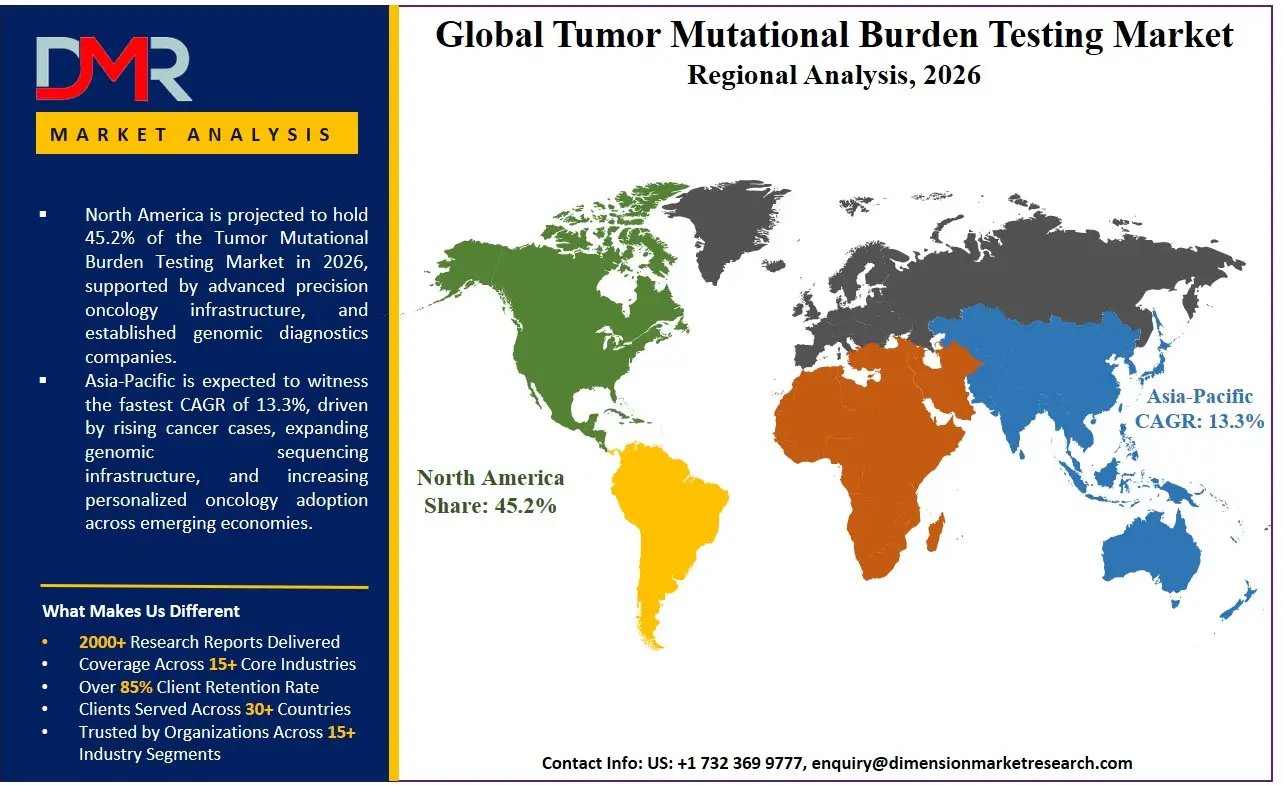
North America is poised to dominate the global TMB testing market as it is projected to hold approximately 38.0% of the market share by the end of 2026. The leading country in North America, the US, holds the largest share in the TMB testing market due to its unmatched level of high-complexity molecular laboratories certified under the CLIA regulations and highly competitive immunotherapy strategies adopted by the country's cancer centers. There already exists a stable community of reference laboratories, global diagnostics companies, and bioinformatics experts across North America. Investment in precision oncology, liquid biopsy growth, and the decline of conventional single-gene testing methods make for a constant demand for Comprehensive Genomic Profiling (CGP) kits, centralized laboratory testing services, as well as data interpretation and consulting services. What is more, the positive FDA regulatory environment for companion diagnostics continuously funds new TMB-oriented oncology companies that require professional testing services to be commercially viable.
ℹ
To learn more about this report –
Download Your Free Sample Report Here
Fastest-Growing Regional Market
Asia-Pacific is expected to be the most rapidly expanding TMB testing market, driven by the government-led sweeping precision oncology initiatives in China, Japan, India, and South Korea. The fast-paced economic growth, the rise of middle-income populations demanding advanced cancer care, and the dynamic expansion of pharmaceutical R&D are compelling established hospitals and contract research organizations to discard uninfrastructure legacy molecular testing. Clinical Trial Testing Services is in high demand to help these large oncology networks and pharma clients head in the direction of TMB-enriched immunotherapy trials. There is also a severe lack of qualified bioinformatics talent in the region, and it is necessary to outsource Data Interpretation & Consulting Services and Centralized Laboratory Testing Services to cover the skills gap and enable faster investments in TMB testing projects.
By Region
North America
Europe
- Germany
- The U.K.
- France
- Italy
- Russia
- Spain
- Benelux
- Nordic
- Rest of Europe
Asia-Pacific
- China
- Japan
- South Korea
- India
- ANZ
- ASEAN
- Rest of Asia-Pacific
Latin America
- Brazil
- Mexico
- Argentina
- Colombia
- Rest of Latin America
Middle East & Africa
- Saudi Arabia
- UAE
- South Africa
- Israel
- Egypt
- Rest of MEA
Competitive Landscape
The global TMB testing market is now highly competitive and dynamic, as it consists of a high number of heterogeneous players across countries, comprising global reference laboratories, diagnostic assay manufacturers, NGS instrument vendors, and niche bioinformatics vendors. The strategic partnerships with pharmaceutical players for companion diagnostic co-development will be the key to success as they will pave the way through the regulatory pathway and co-marketing opportunities. Traditional molecular diagnostics firms are quickly buying up AI bioinformatics startups: The consolidation wave is only just beginning to take shape, and traditional molecular diagnostics firms are fast buying out AI bioinformatics startups to survive. The combination of customized genomic databases, proven TMB thresholds, and tumor-normal filtering algorithms is now a key driver of competitive advantage, surpassing sequencing capacity and general-purpose software applications.
Some of the prominent players in the Global Tumor Mutational Burden Testing Market are:
- F. Hoffmann-La Roche Ltd.
- Thermo Fisher Scientific Inc.
- Illumina, Inc.
- QIAGEN N.V.
- Foundation Medicine, Inc.
- Guardant Health, Inc.
- NeoGenomics Laboratories, Inc.
- Caris Life Sciences
- Agilent Technologies, Inc.
- Personalis, Inc.
- Tempus Labs, Inc.
- BGI Genomics Co., Ltd.
- Invitae Corporation
- OncoDNA SA
- Genecast Biotechnology Co., Ltd.
- Genetron Holdings Limited
- Genoox Ltd.
- Helomics Corporation
- Strata Oncology, Inc.
- Personal Genome Diagnostics Inc.
- Other Key Players
Recent Developments
- January 2026: Foundation Medicine has announced a new liquid biopsy TMB assay, optimized for the lung cancer and melanoma oncology setting, for use in monitoring patients on immunotherapy treatment, as well as new AI-Based Oncology Analytics Platforms for serial score comparisons, representing a significant expansion of their Comprehensive Genomic Profiling (CGP) Kits and Centralized Laboratory Testing Services.
- November 2025: Guardant Health expanded its partnership with multiple pharmaceutical companies and launched a dedicated Clinical Trial Testing Service offering that integrates Blood-Based TMB Kits with Cloud-Based Bioinformatics Solutions designed to help support immuno-oncology drug developers worldwide in screening patients for TMB-high status.
- October 2025: Illumina acquired a clinical diagnostic TMB workflow and regulatory compliance supporting bioinformatics enterprise in Europe to continue developing its TMB Analysis Software and Variant Calling Platforms for clinical diagnostic use, with complex needs for hospital based TMB workflows and regulatory compliance under IVDR.
Report Details
| Report Characteristics |
| Market Size (2026) |
USD 2,794.2 Mn |
| Forecast Value (2035) |
USD 7,393.2 Mn |
| CAGR (2026–2035) |
11.4% |
| The US Market Size (2026) |
USD 1,062.2 Mn |
| Historical Data |
2021 – 2025 |
| Forecast Data |
2027 – 2035 |
| Base Year |
2025 |
| Estimate Year |
2026 |
| Segments Covered |
By Product Type, By Sample Type, By Technology, By Cancer Type, By Application, and By End User |
| Regional Coverage |
North America – The US and Canada; Europe – Germany, The UK, France, Russia, Spain, Italy, Benelux, Nordic, & Rest of Europe; Asia-Pacific – China, Japan, South Korea, India, ANZ, ASEAN, Rest of APAC; Latin America – Brazil, Mexico, Argentina, Colombia, Rest of Latin America; Middle East & Africa – Saudi Arabia, UAE, South Africa, Turkey, Egypt, Israel, & Rest of MEA |
Frequently Asked Questions
How big is the Global Tumor Mutational Burden Testing Market?
▾ The Global Tumor Mutational Burden Testing market is poised to be valued at USD 2,794.2 million in 2026 and is projected to reach USD 7,393.2 million by 2035, driven by the universal need for predictive biomarkers in immunotherapy patient selection and the expansion of comprehensive genomic profiling.
What is the CAGR of the Global Tumor Mutational Burden Testing Market from 2026 to 2035?
▾ The market is expected to grow at a CAGR of 11.4% from 2026 to 2035, reflecting the accelerating clinical adoption of immune checkpoint inhibitors and the persistent need for standardized TMB quantification across different cancer types.
What factors are driving the growth of the Global Tumor Mutational Burden Testing Market?
▾ Key drivers include the global bioinformatics skills gap, the imperative to replace single-gene tests with comprehensive profiling, the management complexity of harmonizing TMB scores across different NGS panels, and the surge in demand for Data Interpretation & Consulting Services amid evolving regulatory frameworks.
Which region held the largest share of the Tumor Mutational Burden Testing Market in 2026?
▾ North America, specifically the United States, is poised to be held 38.0% of the market share in 2026, driven by a mature CLIA laboratory ecosystem, aggressive immunotherapy adoption, and high-volume Centralized Laboratory Testing Services for comprehensive genomic profiling.
Which region is expected to grow the fastest in the Tumor Mutational Burden Testing Market?
▾ The Asia-Pacific region is expected to grow the fastest, fueled by rapid precision oncology initiatives in China, Japan, and India, where Clinical Trial Testing Services are critical for supporting pharmaceutical R&D in immuno-oncology drug development.
What are the major trends in the Global Tumor Mutational Burden Testing Market?
▾ Major trends include the integration of AI into variant calling and TMB analysis workflows, the rise of liquid biopsy-based TMB for serial monitoring, the demand for harmonized Clinical Reporting & Visualization Software, and the focus on decentralized Hospital-Based TMB Testing within large cancer centers.
Who are the key players in the Global Tumor Mutational Burden Testing Market?
▾ Key players include reference laboratories like Foundation Medicine and Guardant Health, NGS instrument manufacturers like Illumina and Thermo Fisher Scientific, and bioinformatics providers like Sophia Genetics, alongside comprehensive testing service providers including NeoGenomics, Caris Life Sciences, and Tempus.
How is the Global Tumor Mutational Burden Testing Market segmented?
▾ The market is segmented by Product Type (Assay Kits, Instruments, Software & Bioinformatics Solutions, Testing Services), Sample Type (Tissue-Based, Blood-Based), Technology (NGS, WES, PCR, Liquid Biopsy), Cancer Type (Lung, Melanoma, Colorectal, Breast, Bladder), Application (Immunotherapy Selection, Clinical Diagnostics, Drug Development), and End User (Hospitals, Diagnostic Labs, Pharma & Biotech, CROs).