Market Snapshot
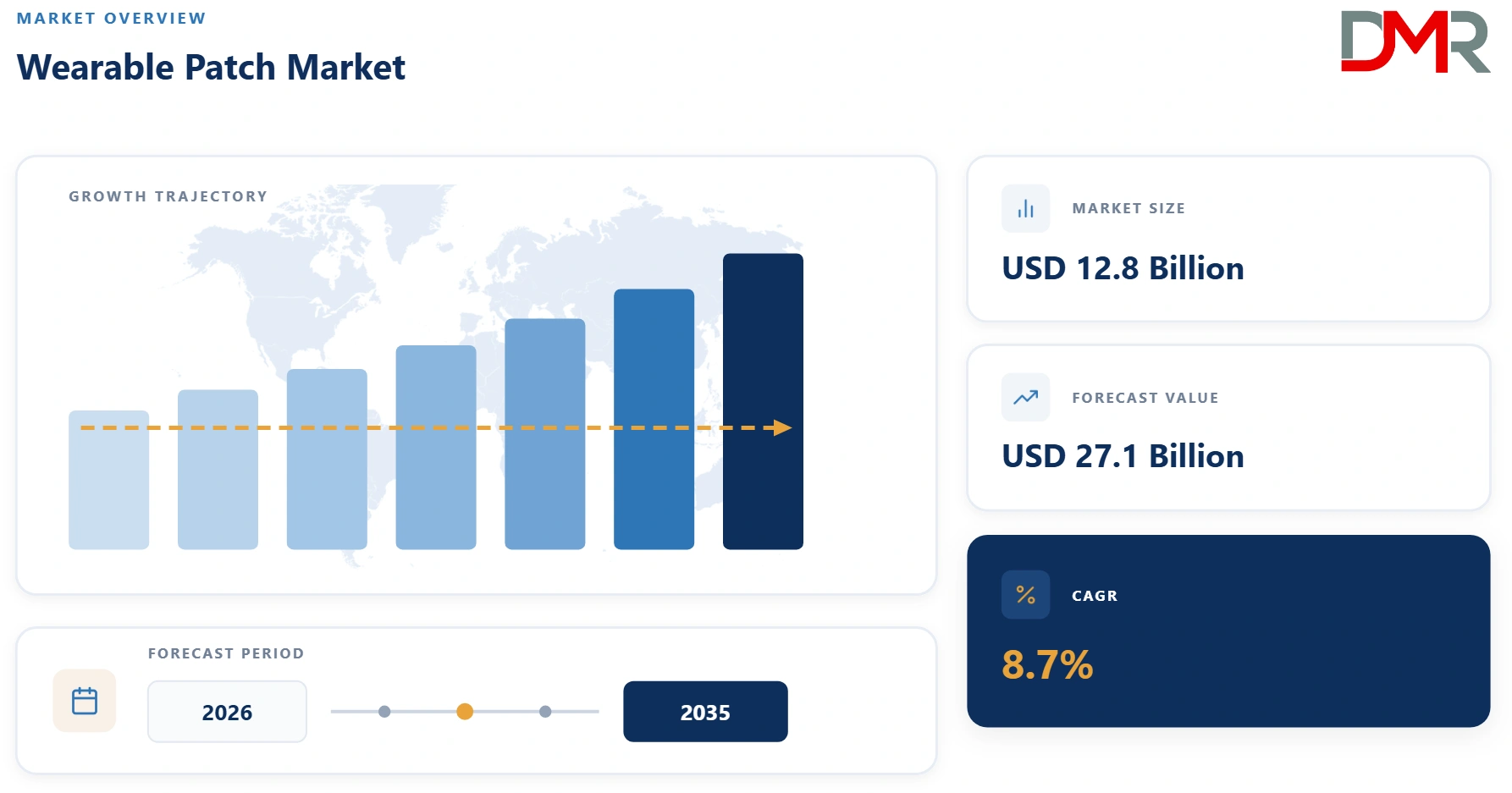
- Market Size (2026): USD 12.8 Bn
- Forecast Value (2035): USD 27.1 Bn
- CAGR (2026-2035): 8.7%
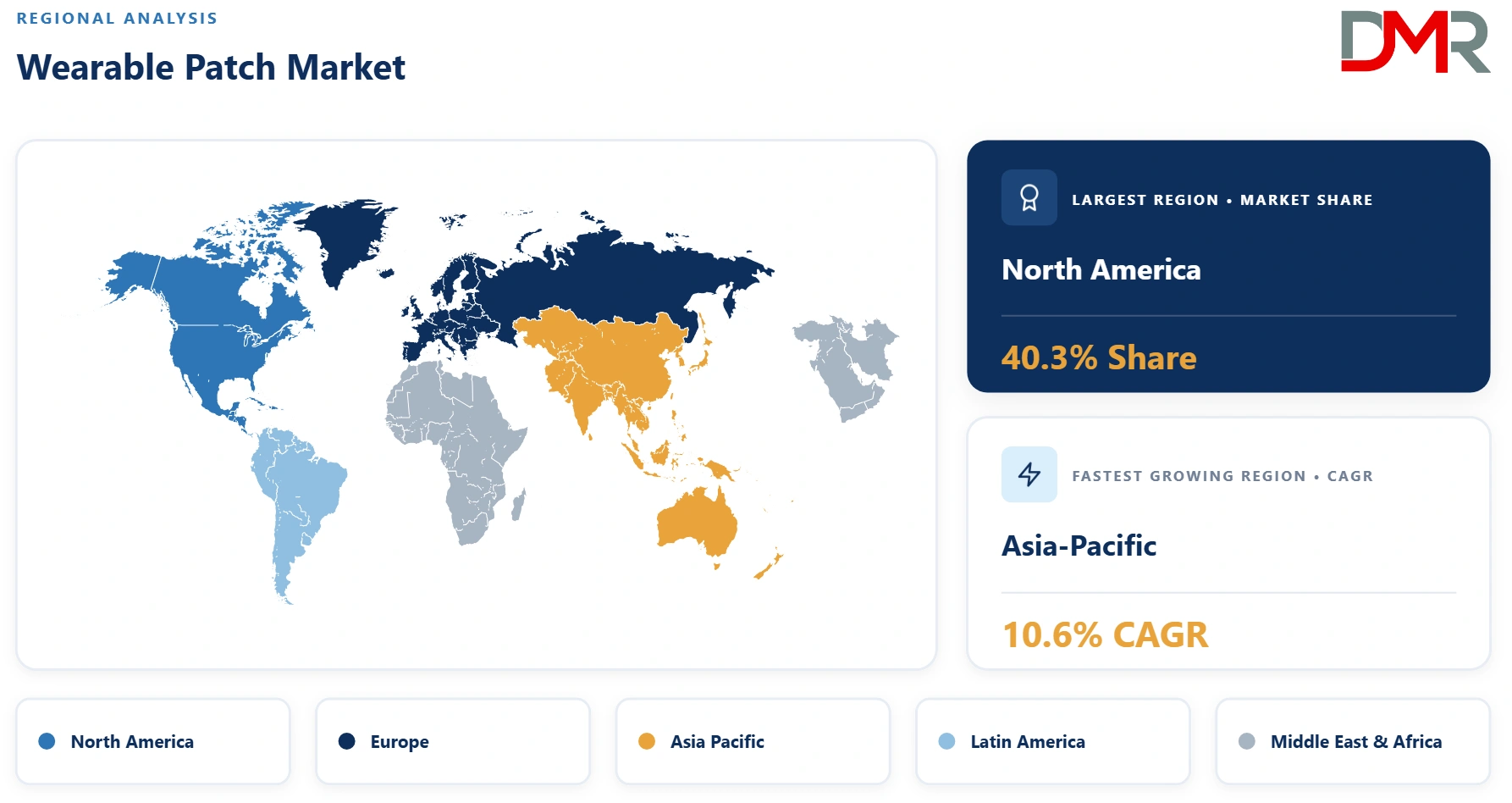
- Largest Region (2026): North America, approximately 40.3%
- Fastest-Growing Region: Asia-Pacific
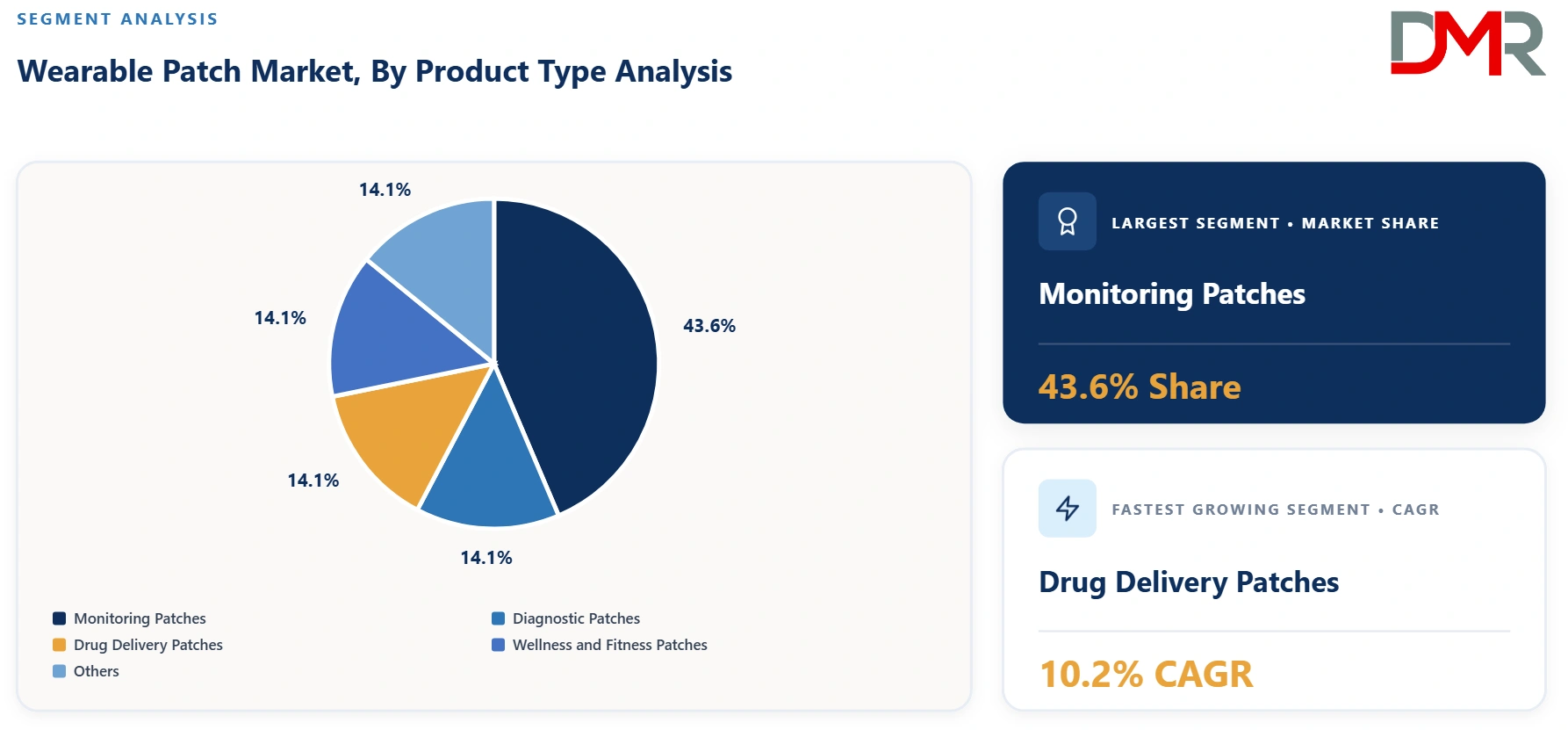
- Leading Product Type (2026): Monitoring Patches, around 43.6%
- Leading Technology (2026): Connected Electronic Patches, close to 46.8%
- Key Players: Abbott Laboratories, DexCom, Inc., iRhythm Technologies, Inc., and Others
What is Wearable Patch Market and its Market Size?
Global Wearable Patch Market size is estimated to reach USD 12.8 Bn in 2026 and is further anticipated to reach USD 27.1 Bn by 2035, at a CAGR of 8.7%.
ℹ
To learn more about this report –
Download Your Free Sample Report Here
Wearable patches are skin-conformal products designed to sense physiological signals, support diagnosis, deliver medication, or provide wellness information while allowing users to remain mobile. The market includes connected electronic patches, biosensor and microfluidic platforms, transdermal drug delivery systems, microneedle designs, adhesives, associated software, and clinical monitoring services. Conventional wound dressings without monitoring or delivery functions are excluded, while patch pumps and continuous biosensing systems are included when the body-worn patch is central to their operation.
Clinical adoption is expanding because patches can extend observation beyond hospitals and capture longitudinal data during normal daily activity. Cardiac rhythm, glucose, temperature, respiration, blood pressure proxies, hydration, sweat chemistry, medication adherence, and movement are among the measurements supported by commercial or emerging platforms. Procurement decisions depend on accuracy, wear comfort, adhesive performance, battery life, data security, workflow integration, reimbursement, and the ability to convert high-volume signals into concise clinical findings.
Demand is supported by chronic disease prevalence, decentralized care, clinician shortages, and payer interest in earlier intervention. Hospitals use patches for step-down monitoring and post-discharge surveillance, while pharmaceutical developers are exploring digital biomarkers and adherence evidence in trials. Consumer channels add demand for metabolic and fitness insight. At the same time, manufacturers must manage skin compatibility, signal artifacts, connectivity gaps, disposable electronic waste, and differing regulatory requirements for wellness, diagnostic, and therapeutic claims.
The market structure combines global medical device companies, specialized digital health vendors, transdermal system developers, adhesive and materials suppliers, and contract manufacturers. Revenue models range from disposable patch sales to recurring monitoring services and software subscriptions. Competitive advantage increasingly depends on validated algorithms, proprietary datasets, scalable manufacturing, clinical evidence, and interoperability with electronic health records and mobile devices.
Use Cases
- Ambulatory Cardiac Monitoring: Cardiologists prescribe adhesive ECG patches for multi-day recording outside the clinic, improving the likelihood of detecting intermittent arrhythmias and reducing dependence on short Holter studies while providing interpretable reports for diagnosis and treatment planning.
- Continuous Metabolic Management: People with diabetes and metabolic risk use sensor patches to track glucose trends, link readings with meals and activity, and support medication or insulin decisions, helping care teams identify patterns that isolated finger-stick measurements can miss.
- Remote Patient Surveillance: Hospitals deploy multi-parameter patches after discharge or on lower-acuity wards to monitor temperature, heart rate, respiration, activity, and posture, enabling centralized teams to recognize deterioration signals and prioritize timely follow-up.
- Transdermal Therapy and Adherence: Drug delivery patches provide controlled administration for pain, hormone therapy, smoking cessation, neurological conditions, and other indications, while connected or microneedle formats can document use and improve dosing convenience.
Key Takeaways
- Market Size & Share: The market is estimated at USD 12.8 Bn in 2026, with North America contributing about 40.3% of revenue.
- Product Type Analysis: Drug Delivery Patches are projected to be the fastest-growing product type at a CAGR of 10.2% from 2026 to 2035.
- Technology Analysis: Connected Electronic Patches are expected to lead with approximately 46.8% of 2026 revenue.
- Regional Analysis: Asia-Pacific is projected to expand at a CAGR of 10.6%, supported by diabetes burden and wider digital health access.
- Commercial Catalyst: Medium-term wear products are estimated to represent nearly 44.2% of 2026 demand because they balance data duration and user comfort.
- Competitive Dynamics: The top ten suppliers are estimated to account for around 54.7% of revenue, leaving room for biosensor and materials specialists.
How AI/Gen AI is Transforming the Wearable Patch Market?
Artificial intelligence is improving how patch-generated signals are filtered, classified, and converted into clinical actions. Machine learning can suppress motion artifacts, identify arrhythmia patterns, estimate risk trajectories, and personalize alert thresholds using longitudinal patient baselines. This reduces the review burden created by continuous data streams and helps monitoring providers route urgent cases. Edge inference is also emerging in low-power patch architectures, allowing preliminary signal processing before transmission and supporting faster alerts when connectivity is limited.
Generative AI is being evaluated as a documentation and workflow layer rather than as an autonomous diagnostic system. It can summarize multi-day recordings, draft clinician-facing narratives, translate patient instructions, and organize device-support interactions, subject to human review and validated controls. Manufacturers are pairing these capabilities with electronic health record integration and remote-care dashboards. Adoption will depend on transparent model performance, cybersecurity, bias monitoring, audit trails, and regulatory evidence that software changes do not compromise safety or intended use.
- Signal Classification: Algorithms identify ECG, glucose, temperature, respiratory, and movement patterns while reducing noise from motion and imperfect skin contact.
- Predictive Alerts: Multivariate models rank deterioration risk and help clinical teams focus on patients who require intervention.
- Automated Reporting: Generative systems organize validated findings into concise summaries for clinician review and patient communication.
- Personalized Wear Guidance: Software adapts reminders, placement instructions, and adherence support to observed device use and individual behavior.
Key Drivers in the Global Wearable Patch Market
Expansion of Remote and Ambulatory Patient Monitoring
Health systems are moving selected monitoring activities from high-cost clinical settings into homes, outpatient pathways, and lower-acuity wards. Wearable patches support this shift by collecting continuous physiological data without tethering patients to bedside equipment. Cardiac rhythm surveillance, post-discharge observation, temperature tracking, and activity monitoring are leading use cases. Patches can improve episode coverage, reduce missed intermittent events, and help centralized teams prioritize follow-up. Growth is reinforced by aging populations, chronic disease management needs, hospital capacity constraints, and expanding telehealth workflows. Vendors that demonstrate clinical accuracy, reliable connectivity, clear escalation protocols, and integration with electronic records are positioned to convert pilot programs into recurring institutional contracts.
Rising Adoption of Continuous Biosensing and Patch-based Therapy
Continuous glucose monitoring has familiarized patients and clinicians with disposable skin-worn sensors, creating a commercial pathway for additional biomarkers and delivery formats. Developers are extending patch capabilities into sweat analysis, hydration, temperature, blood pressure estimation, drug adherence, and minimally invasive microneedle sampling. Patch pumps and transdermal systems also reduce the burden of repeated injections or oral dosing for selected therapies. Improvements in flexible electronics, miniaturized sensors, low-power wireless communication, and medical adhesives make longer wear and smaller form factors possible. As evidence expands, these platforms can support chronic care, clinical trials, occupational health, and preventive wellness programs.
Restraints in the Global Wearable Patch Market
Skin Compatibility, Signal Quality, and Wear-time Limitations
Performance depends on a stable interface between the patch and the skin. Sweat, body hair, motion, humidity, and differences in skin condition can weaken adhesion or introduce artifacts. Extended wear may cause irritation, allergic reactions, discomfort, or premature detachment, particularly among older adults and users with sensitive skin. These limitations can reduce data completeness and lead to replacements, repeat tests, or discontinuation. Manufacturers must balance stronger adhesives with painless removal and breathability while validating performance across diverse skin types and real-world activities. Materials testing, placement guidance, ergonomic design, and signal-quality monitoring therefore remain material development costs and adoption considerations.
Regulatory, Reimbursement, and Data Governance Complexity
Wearable patches span wellness products, diagnostic devices, therapeutic delivery systems, and software-enabled monitoring services, each with different evidence and oversight requirements. Clinical claims may require prospective studies, biocompatibility testing, cybersecurity controls, human-factor validation, and post-market surveillance. Reimbursement varies by indication, monitoring duration, clinician involvement, and geography, which can slow commercial scaling even after authorization. Connected patches also create privacy and security obligations because they transmit sensitive longitudinal health data through mobile devices and cloud systems. Smaller vendors may struggle to fund studies, maintain quality systems, and support payer submissions, while providers may delay adoption when payment pathways or liability responsibilities are unclear.
Growth Opportunities in the Global Wearable Patch Market
Multi-parameter Patches for Hospital-at-home Programs
Hospital-at-home and virtual ward models create demand for compact devices that can capture several vital signs with minimal patient interaction. Multi-parameter patches can combine heart rate, respiration, temperature, posture, activity, oxygen-related measures, and contextual data in one workflow. This reduces device burden and can simplify remote onboarding. Commercial opportunity lies in pairing reliable hardware with clinical command-center software, configurable alerts, logistics, and patient support. Suppliers that validate performance in diverse populations and integrate with hospital records can pursue enterprise contracts rather than isolated device sales. Partnerships with monitoring service providers and home-care organizations can further extend reach.
Microneedle, Sweat, and Interstitial-fluid Sensing Platforms
Emerging patches that access sweat or interstitial fluid could expand continuous measurement beyond glucose. Potential targets include lactate, electrolytes, cortisol, therapeutic drug levels, inflammatory markers, and hydration indicators. Microneedles may also enable less painful delivery of vaccines, hormones, and biologic agents while improving dose consistency. These technologies open licensing and co-development opportunities with pharmaceutical companies, sports organizations, defense users, and clinical trial sponsors. The strongest near-term prospects will be biomarkers with clear decision pathways, stable chemistry, and a defined economic benefit. Scalable fabrication, calibration stability, and regulatory-grade evidence will determine whether promising prototypes become repeatable commercial products.
Trends in the Global Wearable Patch Market
Movement Toward Smaller, Longer-wear, and Disposable Designs
Product development is concentrating on thinner enclosures, improved breathability, longer battery life, water resistance, and simpler application. Users increasingly expect patches that remain unobtrusive during sleep, exercise, bathing, and work. Manufacturers are separating reusable electronic modules from disposable adhesive or sensing layers where this improves economics and reduces waste. Others favor fully disposable systems to simplify infection control and logistics. Longer wear can improve diagnostic yield, but it increases demands on adhesives, calibration, power management, and data storage. Competitive differentiation therefore depends on the full wear experience, including packaging, placement instructions, mobile pairing, removal, return, recycling, and report turnaround.
Integration of Patch Data with Clinical and Consumer Ecosystems
Patch suppliers are moving from standalone devices toward connected service ecosystems. Clinical products increasingly link with electronic health records, remote monitoring portals, reimbursement workflows, and centralized interpretation services. Consumer-oriented patches connect with smartphones, nutrition applications, coaching services, and activity platforms. Application programming interfaces and cloud analytics make it possible to combine patch signals with medications, symptoms, laboratory results, and contextual data. This integration increases switching costs and supports subscription revenue, but it also raises interoperability and cybersecurity requirements. Vendors are consequently investing in standardized data exchange, consent management, clinician dashboards, and partnerships with digital health platforms.
Research Scope and Analysis
The study evaluates the market across product type, technology, application, wear duration, and distribution channel, linking leading 2026 revenue positions with the sub-segments expected to record the highest growth through 2035.
ℹ
To learn more about this report –
Download Your Free Sample Report Here
By Product Type
Monitoring Patches are estimated to lead the product type category with around 43.6% of revenue in 2026. Their position reflects established use in ambulatory ECG, glucose observation, temperature monitoring, and remote-care programs, as well as recurring demand for disposable sensors and interpretation services. Clinical acceptance is supported by the ability to capture multi-day data without restricting mobility. Growth, however, is concentrated in Drug Delivery Patches, which are forecast to expand at a CAGR of 10.2% between 2026 and 2035. Expansion will be supported by patient preference for convenient administration, development of microneedle and patch-pump formats, and pharmaceutical interest in improving adherence and reducing injection burden.
By Technology
Connected Electronic Patches are expected to account for close to 46.8% of 2026 revenue, supported by established wireless ECG, glucose, temperature, and multi-parameter monitoring products. Bluetooth and cellular connectivity enable remote review, alerting, and integration with digital care platforms. Growth, however, is concentrated in Microneedle Patches, projected to expand at a CAGR of 12.4% from 2026 to 2035. Their commercial appeal comes from minimally invasive access to interstitial fluid and the potential to deliver vaccines, peptides, and other compounds through a compact skin interface. Progress in scalable molding, coating accuracy, and biocompatible materials will support adoption.
By Application
Cardiovascular Monitoring is estimated to lead with approximately 31.7% of revenue in 2026. The segment benefits from broad clinical use of extended ECG monitoring to detect intermittent arrhythmias and from mature interpretation and reimbursement workflows in key markets. Growth, however, is concentrated in Diabetes Management, forecast to advance at a CAGR of 11.5% through 2035. Expansion is driven by wider continuous glucose monitoring access, patch pumps, integration with automated insulin delivery, and growing use among people with type 2 diabetes. Consumer metabolic programs and employer health initiatives may further broaden the addressable population beyond intensive insulin users.
By Wear Duration
Medium-term Wear products, generally used for several days to two weeks, are expected to hold around 44.2% of 2026 revenue. This interval provides sufficient observation for many cardiac, metabolic, and recovery applications while limiting adhesive fatigue and battery requirements. Growth, however, is concentrated in Long-term Wear products, projected to record a CAGR of 10.8% between 2026 and 2035. Improvements in low-power electronics, sensor stability, breathable adhesives, and replaceable components are extending practical use. Longer-duration products can support chronic disease management and longitudinal trials, provided manufacturers address skin tolerance, calibration drift, maintenance, and data overload.
By Distribution Channel
Hospitals and Clinics are estimated to lead distribution with nearly 49.5% of 2026 revenue because prescription monitoring, diagnostic interpretation, and therapeutic initiation remain clinician-directed. Institutional purchasing also supports multi-parameter monitoring and post-discharge programs. Growth, however, is concentrated in Online Channels, expected to expand at a CAGR of 12.1% from 2026 to 2035. Direct-to-consumer metabolic products, digital pharmacies, remote prescription models, and subscription replenishment are improving access. Online expansion will remain strongest for products with simple onboarding, mobile support, clear eligibility pathways, and reliable fulfillment of disposable sensors or patch supplies.
The Global Wearable Patch Market Report is Segmented Based on the Following
By Product Type
- Monitoring Patches
- Diagnostic Patches
- Drug Delivery Patches
- Wellness and Fitness Patches
- Others
By Technology
- Connected Electronic Patches
- Transdermal Technology
- Microfluidic and Biosensor Patches
- Microneedle Patches
- Others
By Application
- Cardiovascular Monitoring
- Diabetes Management
- Pain Management
- Neurological Monitoring
- Fitness and Wellness
- Other Applications
By Wear Duration
- Short-term Wear
- Medium-term Wear
- Long-term Wear
- Others
By Distribution Channel
- Hospitals and Clinics
- Retail Pharmacies
- Online Channels
- Direct Institutional Sales
- Others
Regional Analysis
Demand is distributed across mature clinical monitoring markets and faster-growing healthcare systems investing in diabetes management, remote care, and localized medical device manufacturing.
Region with the Largest Revenue Share
North America is estimated to hold approximately 40.3% of global revenue in 2026. The region benefits from high penetration of continuous glucose monitoring, established ambulatory cardiac monitoring services, strong reimbursement for selected remote monitoring pathways, and substantial digital health investment. Hospitals and integrated delivery networks are testing patches for post-discharge and lower-acuity surveillance, while consumer metabolic programs widen non-hospital demand. The United States anchors regional revenue through a large chronic disease population, active venture funding, extensive clinical research, and the presence of leading patch manufacturers. Adoption remains sensitive to payer coverage, cybersecurity obligations, and evidence that alerts improve clinical outcomes without adding excessive workload.
ℹ
To learn more about this report –
Download Your Free Sample Report Here
Region with the Highest CAGR
Asia-Pacific is projected to register the highest regional CAGR of 10.6% from 2026 to 2035. Growth is supported by a large diabetes and cardiovascular disease burden, wider smartphone access, expansion of private healthcare, and government interest in connected care. Japan, South Korea, China, Australia, and India provide distinct opportunities across clinical ECG, glucose monitoring, pharmaceutical patches, and locally manufactured biosensors. International suppliers are using distribution partnerships and country-specific regulatory strategies, while regional companies compete on cost and manufacturing scale. Adoption will advance fastest where reimbursement, clinician training, reliable connectivity, and after-sales support develop alongside device availability.
By Region
- North America: The US, Canada
- Europe: Germany, France, The UK, Italy, Spain, Rest of Europe
- Asia-Pacific: China, Japan, India, Australia, South Korea, Rest of APAC
- Latin America: Mexico, Brazil, Colombia, Argentina, Rest of LATAM
- Middle East & Africa: Saudi Arabia, The UAE, South Africa, Rest of MEA
Regulatory Landscape
Regulation depends on intended use and risk. Wellness patches may face lighter oversight, while diagnostic monitors, glucose sensors, drug delivery systems, and microneedle products require device or combination-product pathways. Developers must establish analytical and clinical performance, electrical and software safety, biocompatibility, adhesive tolerance, usability, sterilization where relevant, cybersecurity, and quality-system compliance. Connected products also require controlled software updates and post-market monitoring. The United States, European Union, Japan, China, and other jurisdictions differ in classification, evidence, privacy, and local representation rules. Early regulatory planning is essential because adding predictive claims, new biomarkers, or therapeutic functions can materially change the submission pathway.
Technology Analysis
The technology stack combines flexible substrates, conductive inks, miniaturized sensors, microfluidic channels, microneedles, low-power processors, batteries or energy-harvesting components, wireless radios, medical adhesives, and cloud software. Device performance depends on accurate sensing under motion, stable calibration, low thermal load, secure transmission, and manufacturable assembly. Current innovation is focused on multi-analyte sensing, reusable electronics with disposable interfaces, edge analytics, and thinner form factors. Materials science is equally important: breathable adhesives must maintain contact without damaging skin. Commercial success will favor platforms that pair validated hardware with scalable data services, electronic health record connectivity, and supply chains capable of producing consistent high-volume disposable components.
Competitive Landscape
Competition is moderately fragmented across clinical monitoring, diabetes, transdermal delivery, biosensing, adhesives, and contract manufacturing. Large medical device companies benefit from regulatory resources, distribution reach, installed clinical relationships, and the ability to bundle patches with broader care platforms. Specialists compete through proprietary sensors, algorithms, interpretation services, and focused clinical evidence. Materials and drug-delivery companies influence performance through adhesive, liner, membrane, and formulation expertise. Partnerships are common because complete solutions require hardware, cloud infrastructure, analytics, clinical services, and reimbursement capabilities. Consolidation is expected around validated data platforms and scalable manufacturing, while licensing will remain important for microneedle and biomarker technologies. Buyers compare diagnostic yield, patient adherence, wear comfort, workflow fit, total episode cost, and cybersecurity maturity.
Some of the Prominent Players in the Global Wearable Patch Market Are:
- Abbott Laboratories
- DexCom, Inc.
- Medtronic plc
- iRhythm Technologies, Inc.
- Insulet Corporation
- Koninklijke Philips N.V.
- 3M Company
- Baxter International Inc.
- GE HealthCare Technologies Inc.
- Boston Scientific Corporation
- VitalConnect, Inc.
- BioIntelliSense, Inc.
- Nemaura Medical, Inc.
- LifeSignals, Inc.
- Biobeat Technologies Ltd.
- VivaLNK, Inc.
- Preventice Solutions, Inc.
- Bardy Diagnostics, Inc.
- Epicore Biosystems, Inc.
- G-Tech Medical, Inc.
- WearOptimo Pty Ltd.
- Sano Intelligence, Inc.
- PKvitality SAS
- Nutromics Pty Ltd.
- Gentag, Inc.
- GraphWear Technologies Inc.
- Vaxxas Pty Ltd.
- Micron Biomedical, Inc.
- Kindeva Drug Delivery
- LTS Lohmann Therapie-Systeme AG
- Nitto Denko Corporation
- Hisamitsu Pharmaceutical Co., Inc.
- Teikoku Seiyaku Co., Ltd.
- Henkel AG & Co. KGaA
- DuPont de Nemours, Inc.
- Avery Dennison Corporation
- Tegaderm Medical Solutions
- Blue Spark Technologies, Inc.
- Actofit Wearables Pvt. Ltd.
- EOFlow Co., Ltd.
- Other Key Players
Recent Developments
- In March 2026, Insulet initiated a voluntary medical device correction for specific lots of Omnipod 5 Pods in the United States after identifying a manufacturing issue through ongoing product monitoring.
- In October 2025, iRhythm reported that it had submitted its next-generation Zio mobile cardiac telemetry solution to the US FDA while advancing work in adjacent sleep diagnostics.
- In May 2025, Medtronic entered a European distribution agreement for the Corsano multi-parameter wearable, adding continuous vital-sign monitoring capability to its acute care and monitoring portfolio.
- In May 2025, iRhythm launched its Zio long-term continuous monitoring service in Japan, with the prescription patch designed for up to 14 days of uninterrupted ECG recording.
Report Details
| Report Characteristics |
| Market Size (2026) |
USD 12.8 Bn |
| Forecast Value (2035) |
USD 27.1 Bn |
| CAGR (2026–2035) |
8.7% |
| The US Market Size (2026) |
USD 4.1 Bn |
| Historical Data |
2021 – 2025 |
| Forecast Data |
2026 – 2035 |
| Base Year |
2025 |
| Segments Covered |
By Product Type, By Technology, By Application, By Wear Duration, By Distribution Channel |
| Regional Coverage |
North America, Europe, Asia-Pacific, Latin America, Middle East & Africa |
Frequently Asked Questions
How big is the Global Wearable Patch Market?
▾ Global Wearable Patch Market size is estimated to reach USD 12.8 Bn in 2026 and is projected to reach USD 27.1 Bn by 2035, growing at a CAGR of 8.7%. Growth reflects expanding remote monitoring, continuous biosensing, and patch-based drug delivery.
What is the growth rate of the Global Wearable Patch Market?
▾ The market is expanding at an estimated CAGR of 8.7% from 2026 to 2035. Growth is supported by adoption of connected monitoring, continuous glucose sensing, longer-wear electronics, and minimally invasive delivery formats across clinical and consumer settings.
Which region holds the largest share in the Global Wearable Patch Market?
▾ North America leads the market, holding approximately 40.3% of global revenue in 2026. Its position is supported by reimbursement for selected monitoring services, high continuous glucose monitoring use, established cardiac patch workflows, and strong digital health investment.
Who are the key players in the Global Wearable Patch Market?
▾ Prominent operating companies include Abbott Laboratories, DexCom, Inc., iRhythm Technologies, Inc., and Medtronic plc. The wider landscape includes diabetes device companies, remote monitoring specialists, transdermal system developers, biosensor startups, and medical adhesive suppliers.
Which segment is leading the Global Wearable Patch Market?
▾ The Monitoring Patches segment commands the highest product share, accounting for roughly 43.6% in 2026. Leadership is supported by established use in cardiac rhythm monitoring, glucose observation, temperature tracking, and remote patient surveillance.
Which segment is expanding fastest in the Global Wearable Patch Market?
▾ The Microneedle Patches technology segment is projected to record the highest growth, registering a CAGR of 12.4% through 2035. Development is supported by minimally invasive sampling, vaccine delivery, peptide administration, and potential multi-analyte sensing applications.
What are the major growth drivers in the Global Wearable Patch Market?
▾ Market expansion is primarily propelled by the shift toward remote and ambulatory monitoring and rising adoption of continuous biosensing and patch-based therapy. Flexible electronics, improved adhesives, low-power connectivity, and payer interest in earlier intervention further support adoption.