What is the Advanced Therapy Medicinal Products Market Size?
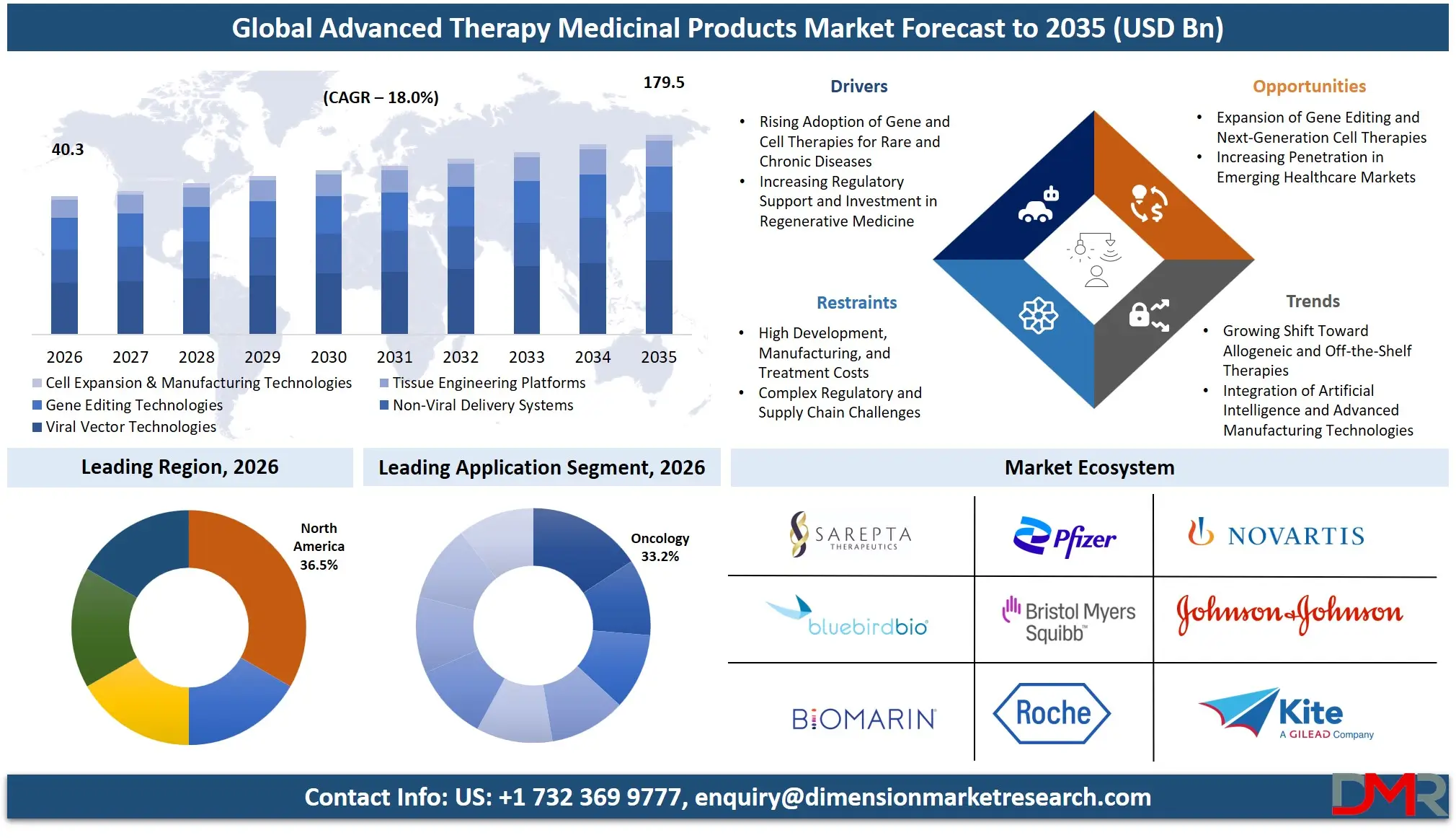
The Global Advanced Therapy Medicinal Products (ATMPs) Market is expected to reach a value of USD 40.3 billion in 2026, and is further anticipated to reach to USD 179.5 billion by 2035, growing at a CAGR of 18.0% during the forecast period.
ℹ
To learn more about this report –
Download Your Free Sample Report Here
The Global Advanced Therapy Medicinal Products (ATMP) Market is witnessing robust growth due to breakthrough technologies in regenerative medicine, gene therapy, cell therapy, and tissue engineering. ATMP provides novel solutions for complicated medical conditions such as cancer, rare genetic disorders, heart disease, and autoimmune diseases. With rising investments in biotechnology research, increased number of clinical trials, and favorable regulations, the growth of the market is accelerated. Various pharmaceutical and biotechnology organizations are engaged in developing innovative drugs which provide personalized and potentially curative solutions. Rising demand for precision medicine, increased manufacturing capability, and recent developments in gene editing and cell engineering drive market growth. In the future, advanced biologic therapies will be widely used across healthcare organizations, and therefore the ATMP market will become a critical player in the future of diseases management.
The US Advanced Therapy Medicinal Products Market
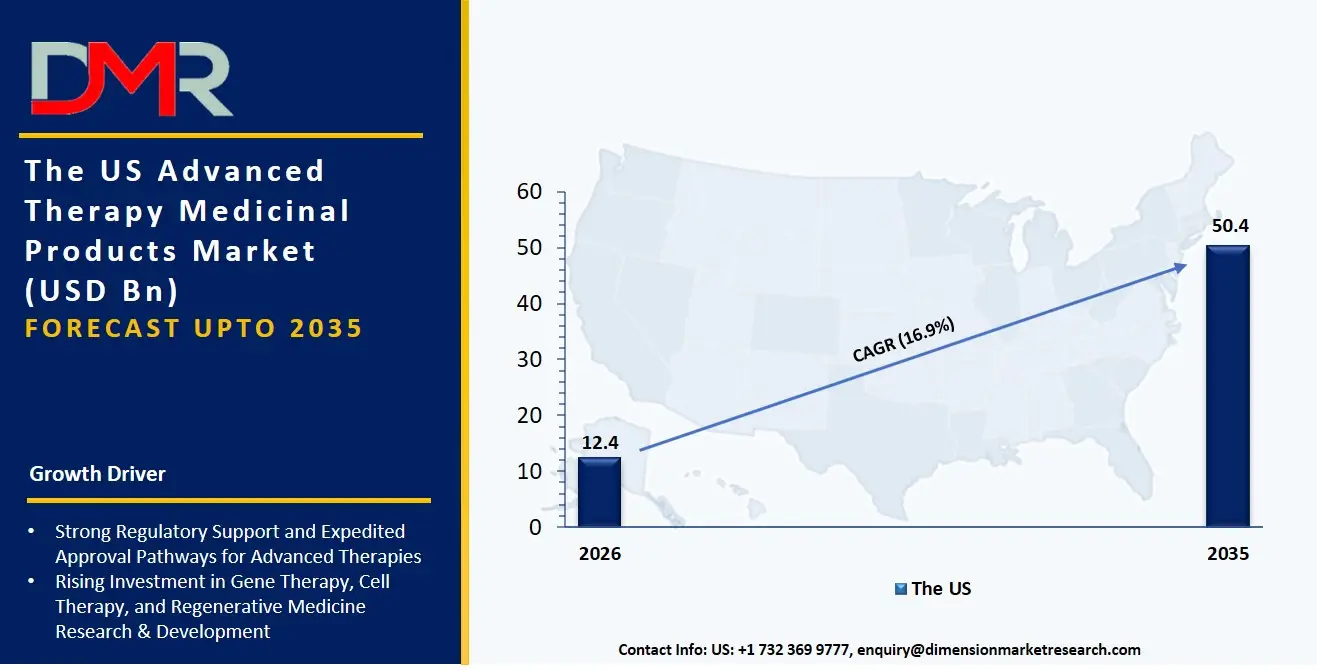
The US Advanced therapy medicinal products market is projected to reach USD 12.4 billion in 2026, growing at a compound annual growth rate of 16.9% to reach USD 50.4 billion by 2035. The U.S. remains the dominant player in this industry due to its strong ecosystem of venture capitalist investments, a flexible regulatory regime at the FDA, and an abundance of innovators in the clinical stage.
ℹ
To learn more about this report –
Download Your Free Sample Report Here
The market is marked by its concentration of CAR-T Cell Therapy approvals, as well as a growing pipeline of In Vivo Gene Therapy for rare genetic diseases. In addition, the country faces a serious shortage of GMP-quality viral vectors, rendering manufacturing technology platforms a key area for investment rather than discovery itself.
The Europe Advanced Therapy Medicinal Products Market
The Europe Advanced therapy medicinal products market is estimated to be valued at USD 11.7 billion in 2026 and is further anticipated to reach USD 51.1 billion by 2035 at a CAGR of 17.8%. The Europe Advanced Therapy Medicinal Products (ATMP) Market is regarded as one of the most advanced and innovative markets that support advanced therapeutic technology due to its advanced research structure, favorable regulation policy, and significant investment in biotechnology. Increasing use of gene therapy, cell therapy, and tissue engineered products for treating rare diseases, cancer, cardiovascular diseases, and other chronic conditions has been observed in this region. Increased collaboration among academic institutions, biotechnology organizations, and health care institutions is leading towards accelerated clinical trials and commercialization of advanced therapeutic products. Regulatory support and funding programs are encouraging the innovation of regenerative medicine and personalized healthcare.
The Japan Advanced Therapy Medicinal Products Market
The Japan Advanced therapy medicinal products market is projected to be valued at USD 4.9 billion in 2026, growing to USD 19.4 billion by 2035 at a CAGR of 16.5%. The market of Japan is uniquely driven by the strategic necessity of its country as a whole to be a world leader in regenerative medicine through enactment of the Act on the Safety of Regenerative Medicine (ASRM). ASRM has enabled a conditional pathway, thus drastically reducing the time for marketing of products such as Stem Cell Therapy for musculoskeletal and cardiovascular diseases. The market has been witnessing a rapid growth of autologous products developed by local biotech/pharmaceutical companies, helped by an extensive network of CDMOs in the field of cell expansion & manufacturing technologies, owing to a growing elderly population.
Key Takeaways
- Market Size & Forecast: The Global advanced therapy medicinal products market is projected to reach USD 40.3 billion in 2026, expanding explosively to USD 179.5 billion by 2035, due to the move from treating chronic diseases to one-time dose treatments of gene and cell-based medicines.
- Growth Rate & Outlook: Global market growth is expected at a CAGR of 18.0%, driven by an increased number of clinical trials of Gene Editing Technologies such as CRISPR Cas Systems and the lack of specialized manufacturing capabilities in biomanufacturing.
- Primary Growth Drivers: Some of the driving factors are an increase in the incidence of rare genetic diseases and drug-resistant cancers, accelerated approval processes in regulatory bodies for transformative therapies, and the advancement of viral vector technology for therapy delivery.
- Key Market Trends: Some major trends are the industrialization of off-the-shelf allogeneic cell therapy, the use of artificial intelligence in the design of non-viral delivery systems, and vertical integration by biotech firms that acquire CDMOs.
- By Technology Platform Analysis: Viral vector technologies in the form of AAV vectors for in-vivo gene therapy and Lentiviral vectors for the creation of ex-vivo CAR-T continue to be the leading platforms, however, a manufacturing challenge is pushing research and development towards more economical Non-Viral Delivery Systems.
- By Application Analysis: The oncology segment continues to be the most profitable application segment due to the success of CAR-T Cell Therapy for treating hematological cancers. The rare genetic disorders segment continues to be the most rapidly growing application due to the promise of cures for incurable genetic diseases through gene therapy.
- Regional Leadership: North America is poised to dominate this market with 36.5% of the market share in 2026, underpinned by its access to capital, clinical trial facilities, and incentives for first-of-a-kind breakthroughs in gene editing and cell engineering.
What is the Advanced Therapy Medicinal Products?
ATMPs represent an emerging type of biological drug and are quite distinct from traditional chemical drugs. Where chemical or protein drugs are man-made, ATMPs are considered to be 'living medicines' as they are assimilated into the body of the patient. The ATMPs market is categorized depending on the type of therapy offered. GTMPs provide an operational gene in place of the defective gene. sCTMPs comprise of the alteration and administration of cells into the patient, for instance, designing T-cells which are capable of targeting cancer cells. TEPS consist of the implantation of living cells into patients to treat or replace their damaged tissue. There are over a hundred different products currently under development in this market and therefore the market is characterized by the necessity of transforming genetic and cellular information into a safe and viable product.
Use Cases
- Cancer Treatment: The ATMPs, especially CAR-T cell therapy, are employed in cancer treatment where they target and eliminate cancerous cells in leukemia, lymphoma, and multiple myeloma.
- Treatment of Rare Genetic Disorders: Gene therapies have been applied in correcting genetic abnormalities and treating the associated rare diseases such as spinal muscular atrophy, hemophilia, and some retinal diseases.
- Tissue Repair and Regenerative Medicine: Tissue-engineered products and cell therapies are involved in the tissue regeneration process, and therefore, they assist in treating diseases such as severe burn injuries, cartilage injury, and cardiovascular disease.
- Autoimmune and Degenerative Diseases: Cells therapies have been applied in regulating the immune system and repairing damages done in autoimmune and degenerative diseases such as multiple sclerosis, Crohn's disease, and Parkinson's disease.
How AI is Transforming the Advanced Therapy Medicinal Products Market?
AI is fast becoming an essential enabling layer throughout the entire value chain of ATMPs, from design to delivery. In Gene Editing Technologies, AI-based algorithms have greatly enhanced the specificity of CRISPR-Cas Systems, by providing prediction on the on-target efficiency and off-target mutagenesis risks and designing guide RNAs with a degree of precision that could not be achieved with manual screening processes. This makes the rapid development of treatments for metabolic and neurological diseases possible.
AI-based machine learning solutions are being used to fine-tune the bioreactor environment in real time. By processing thousands of metabolic flux data points, AI predicts the best time for feeding and harvesting billions of therapeutic cells to achieve greater yield and lower cost of goods for autologous and allogeneic treatments.
Clinical development and logistics are also changing through predictive AI tools. Patient-specific immune response simulations help to determine the vector dose in In Vivo Gene Therapy rather than relying only on weight. AI-based orchestration platforms handle the extremely complex vein-to-vein supply chain in Ex Vivo Therapies to ensure seamless chain of identity and custody for patients' living cells traveling from hospitals to manufacturing sites and back.
Market Dynamics
Key Drivers in the Global Advanced Therapy Medicinal Products Market
Rising Adoption of Gene and Cell Therapies for Rare and Chronic Diseases
Demand for Advanced Therapy Medicinal Products (ATMPs) is being fueled by the rising incidences of genetic conditions, cancers, and other chronic degenerative diseases. Standard medicine usually deals with symptom management, but advanced therapy gives the possibility of modification or cure of diseases. Gene therapy, stem cell therapy, and cell engineering are showing great efficacy in different medical areas especially oncology and hereditary diseases. The growing awareness of healthcare professionals and consumers about tailored treatment is also adding to their rapid acceptance. Moreover, successful clinical results obtained with already approved medicines are leading to increased acceptance, whereas technological development in biotechnology allows treatment of more diseases using advanced therapy.
Increasing Regulatory Support and Investment in Regenerative Medicine
ATMPs are receiving government support, regulatory agency support, and investment from the private sector to facilitate their development and commercialization through various initiatives aimed at making this happen. Regulations that are aimed at facilitating the quick availability of new therapeutic treatments have motivated biotech firms to invest in gene and cell therapies. Venture capital investment is huge and there have been strategic partnerships between pharmaceutical firms and research institutions. Regenerative medicine holds great promise in meeting unmet medical needs and this fact has led to public health agencies to become cognizant of its importance. Also, developments in manufacturing technology and regulatory harmonization in leading markets have facilitated the development process.
Restraints in the Global Advanced Therapy Medicinal Products Market
High Development, Manufacturing, and Treatment Costs
The development and commercialization of Advanced Therapy Medicinal Products (ATMPs) entail considerable costs as a result of complicated research and development processes, unique manufacturing capabilities, and strict regulatory compliance requirements. Individualized therapies, such as those which involve autologous cells, also require unique manufacturing procedures, which greatly raise manufacturing costs. In addition, advanced therapy products tend to be expensive in view of their complexity and smaller number of patients. Reimbursement uncertainties in certain jurisdictions also hamper the use of advanced therapies. Financial limitations on the part of smaller biotechnology firms in carrying out clinical trials may hinder the availability of the product in the market.
Complex Regulatory and Supply Chain Challenges
Advanced Therapy Medicinal Products (ATMPs) are under intense regulation because of the complexities of their biology and possible safety risks associated with them. Companies will have to adhere to stringent quality controls, clinical validations, and post-market surveillance procedures, which may extend the time needed for approval. Moreover, most ATMPs are highly dependent on the proper storage and handling conditions during transport to keep them safe all the way to the patients. This calls for special logistics procedures that pose operational difficulties, especially in new markets, where there might not be sophisticated healthcare systems in place. Regulatory discrepancies among countries may present additional issues for global commercialization efforts.
Growth Opportunities in the Global Advanced Therapy Medicinal Products Market
Expansion of Gene Editing and Next-Generation Cell Therapies
Developing gene editing techniques like CRISPR platforms, TALENs, and zinc finger nucleases are presenting growth prospects for the Advanced therapy medicinal products industry. Gene editing provides for more accurate manipulations with DNA, which have a possibility to eliminate mutations causing some diseases. Nowadays, more and more scientists consider gene editing as a technique which can be useful in oncology, rare genetic diseases, and regenerative medicine. In addition to this, allogeneic CAR-T, CAR-NK, and other types of cell therapies represent another opportunity for treatment which goes beyond standard treatments. This is explained by the development of safer methods of production of these medicines.
Increasing Penetration in Emerging Healthcare Markets
There are many opportunities that are emerging economies offer in the case of ATMPs owing to the improved healthcare infrastructure, increased spending on health care, and growing knowledge about new treatments. Emerging economies such as those of Latin America, Asia-Pacific, and Middle Eastern nations have been making serious investments in biotechnology research and high-end medical facilities. Many governments have started adopting favorable policies in order to lure investments in the field of regenerative medicine and production of biopharmaceuticals. Furthermore, the prevalence of cancer, genetic diseases, and chronic conditions has created the need for advanced treatments.
Trends in the Global Advanced Therapy Medicinal Products Market
Growing Shift Toward Allogeneic and Off-the-Shelf Therapies
One of the key trends in the market of Advanced therapy medicinal products is the growing interest towards allogenic therapies that make use of donor-derived cells instead of patient-derived cells. Such therapies can ensure standardization, scalability, and lower costs compared to those offered by autologous therapies. Biotech firms are working hard on creating allogenic cell-based therapies that are easier to store and administer in comparison to autologous ones. Developments in the areas of genetic engineering and immunocompatibility will help solve the problem of rejection and therapy longevity. In an attempt to create more efficient treatment models, allogeneic platforms are becoming increasingly popular.
Integration of Artificial Intelligence and Advanced Manufacturing Technologies
With advances in artificial intelligence, automation, and digital technologies, there has been an increased trend in incorporating these in ATMPs' research, development, and manufacturing operations. There are various AI tools that have improved the identification of targets and patients as well as enhanced the optimization of trials and treatment. At the same time, sophisticated manufacturing technologies including automation of cell processing technology, digital quality control, and real-time analytics are making the manufacturing more efficient and consistent. The use of these technologies makes the manufacturing less variable. Predictive analytics is also being used to improve supply chain management and therapeutic outcomes.
Research Scope and Analysis
The Global Advanced Therapy Medicinal Products Market Report is segmented by product type into gene therapy medicinal products, somatic cell therapy medicinal products, tissue-engineered products, and combined ATMPs. It is further segmented by therapy type, delivery mode, technology platform, application, and end user, encompassing hospitals, specialty clinics, research institutes, CDMOs, and biotechnology and pharmaceutical companies.
ℹ
To learn more about this report –
Download Your Free Sample Report Here
By Product Type Analysis
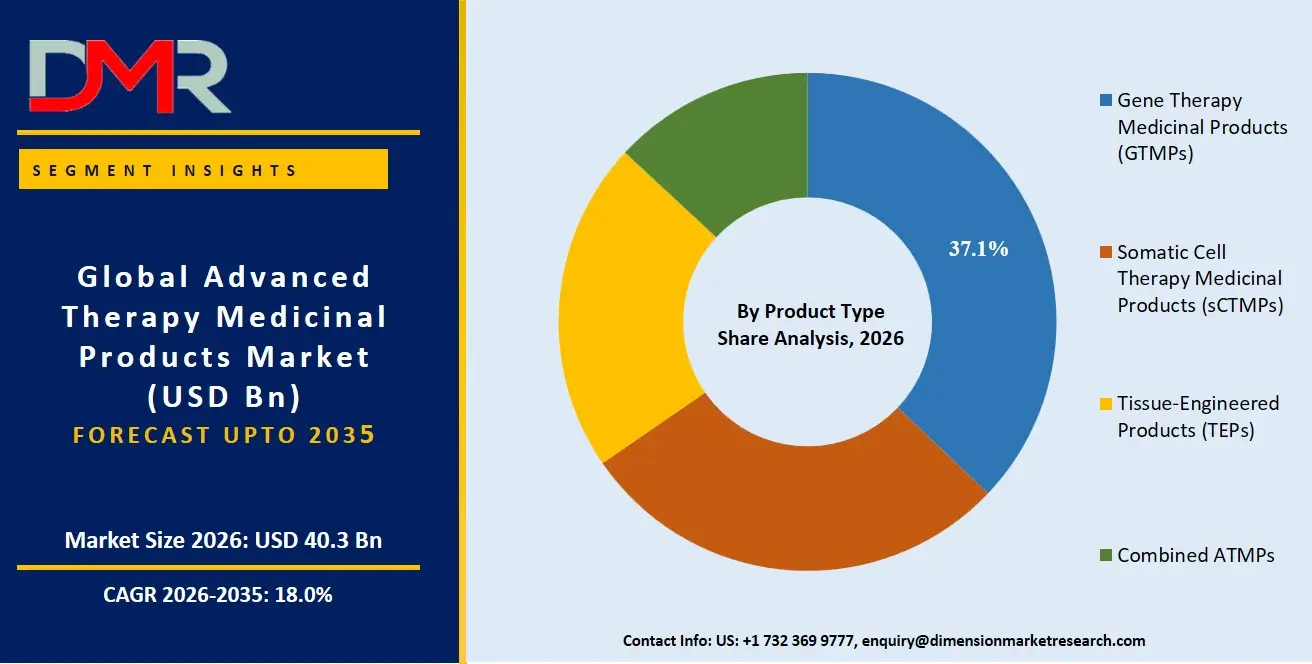
The In Vivo Gene Therapy is poised to dominate the market segment in the gene therapy medicines on account of direct introduction of therapeutic genes into a patient's body without having to go through the process of isolating cells and manipulating them within the laboratory. Adeno Associated Virus (AAV) based treatment of genetic rare diseases, eye diseases, and neuromuscular diseases has gained momentum owing to successful applications of such products. Several products for in vivo gene therapy are already approved by regulators which is boosting physicians' confidence and encouraging investments from biotech firms and pharmaceutical players. The segment is witnessing increased funding on account of curative nature of the therapy delivered through a single administration.
By Therapy Type Analysis
Autologous Therapies is projected to occupy the leading position in the therapy type category owing to their ability to use the patient's own cells and hence reduce the risk of immune reaction and avoid the necessity to take immunosuppressive drugs. This trend is especially prevalent in cell and gene therapy markets. Autologous CAR-T treatments have proven successful and helped establish the market leaders in the field. Doctors prefer autologous therapies due to the safety and personalized advantages that they provide to patients. Technological development has improved the feasibility of such therapies. With the increasing popularity of personalized medicine worldwide, autologous therapies are likely to retain their leadership in many advanced therapy applications.
By Delivery Mode Analysis
Ex Vivo Therapies is anticipated to constitute the major share of the delivery mode segment owing to the precision of controlling cell modification and assessing their quality prior to administering them to patients. In this delivery mode, cells are taken from the patient, modified or expanded in laboratory conditions, and then introduced back into the body of the patient. The domination of ex vivo therapies can be attributed primarily to the fast adoption of CAR-T cell therapies and other cell-based therapies. Ex Vivo therapies allow healthcare providers and producers to assess the quality of cells, as well as the safety and efficacy of treatment prior to introducing them into the patient's body.
By Technology Platform Analysis
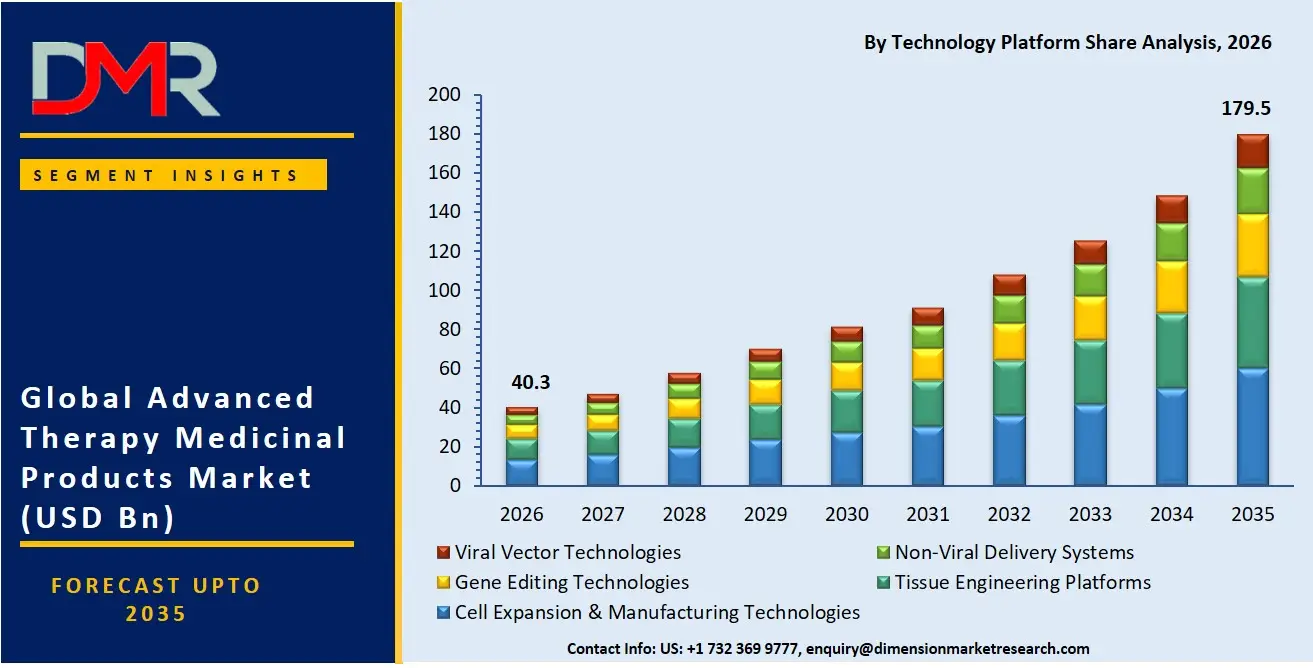
The Viral Vector Technologies is anticipated to represent the leaders in the technology platform category owing to their efficiency and clinical validation of delivery of genetic material into the cells. Adeno-associated virus, lentivirus, retroviruses, and adenoviruses are some examples of viral vectors that are being used in approved gene and cell therapies due to their superior efficiency and efficacy of treatment.
ℹ
To learn more about this report –
Download Your Free Sample Report Here
Majority of the gene therapies are dependent on the viral vectors, which makes them integral part of advanced therapy products. Advancements in vector design have further increased the accuracy of delivery, lowered the immune response and increased safety of the therapy.
By Application Analysis
Oncology is expected to be dominant application segment within the ATMPs industry owing to the fast acceptance of cell and gene therapies in cancer therapy. The emergence of CAR-T therapies and the development of a robust pipeline of engineered immune cell therapies have revolutionized cancer treatment, especially for blood cancers. Oncology remains a focal point for pharmaceutical firms and research organizations owing to the presence of considerable unmet clinical need and commercial prospects. Personalized medicine, biomarker discovery, and advancements in immunotherapies have widened the scope of therapeutic options for blood cancers and solid tumors. Clinical success, regulatory approvals, and increasing funding for cancer-related advanced therapies have been key reasons behind oncology being the largest application segment.
By End User Analysis
The Hospitals & Transplant Centers category dominates the end-users market because of the need for advanced therapy medicinal products that have very advanced infrastructure requirements, healthcare experts, and patients' monitoring mechanisms. Many gene and cell therapies require special administration processes which include harvesting cells, genetic modifications coordination, conditioning treatments, and post-conditioning aftercare services. Hospitals and transplant centers have the required expertise and regulations to administer such therapies. The growing number of accredited centers for treating conditions using CAR-T and gene therapy has boosted their dominance in the market. With the increasing availability of advanced therapies, hospitals and transplant centers will remain the major administration facilities.
The Global Advanced Therapy Medicinal Products Market Report is segmented on the basis of the following:
By Product Type
- Gene Therapy Medicinal Products (GTMPs)
- In Vivo Gene Therapy
- Ex Vivo Gene Therapy
- Viral Vector-Based Gene Therapy
- Non-Viral Gene Therapy
- Gene Editing Therapies
- Somatic Cell Therapy Medicinal Products (sCTMPs)
- Stem Cell Therapy
- CAR-T Cell Therapy
- TCR-T Cell Therapy
- Natural Killer (NK) Cell Therapy
- Dendritic Cell Therapy
- Other Cell-Based Therapies
- Tissue-Engineered Products (TEPs)
- Skin Tissue Engineering
- Cartilage Tissue Engineering
- Bone Tissue Engineering
- Cardiovascular Tissue Engineering
- Corneal Tissue Engineering
- Soft Tissue Engineering
- Combined ATMPs
- Cell-Based Medical Device Combinations
- Tissue-Engineered Medical Device Combinations
- Scaffold-Based Regenerative Products
- Bioengineered Implantable Products
By Therapy Type
- Autologous Therapies
- Allogeneic Therapies
By Delivery Mode
- In Vivo Therapies
- Ex Vivo Therapies
By Technology Platform
- Viral Vector Technologies
- AAV Vectors
- Lentiviral Vectors
- Retroviral Vectors
- Adenoviral Vectors
- Non-Viral Delivery Systems
- Gene Editing Technologies
- CRISPR-Cas Systems
- TALENs
- Zinc Finger Nucleases
- Tissue Engineering Platforms
- Cell Expansion & Manufacturing Technologies
By Application
- Oncology
- Rare Genetic Disorders
- Cardiovascular Disorders
- Neurological Disorders
- Musculoskeletal Disorders
- Ophthalmic Disorders
- Dermatological Disorders
- Immunological & Inflammatory Disorders
- Metabolic Disorders
- Other Applications
By End User
- Hospitals & Transplant Centers
- Specialty Clinics
- Academic & Research Institutes
- Contract Development and Manufacturing Organizations (CDMOs)
- Biotechnology & Pharmaceutical Companies
Regional Analysis
Leading Region by Market Share
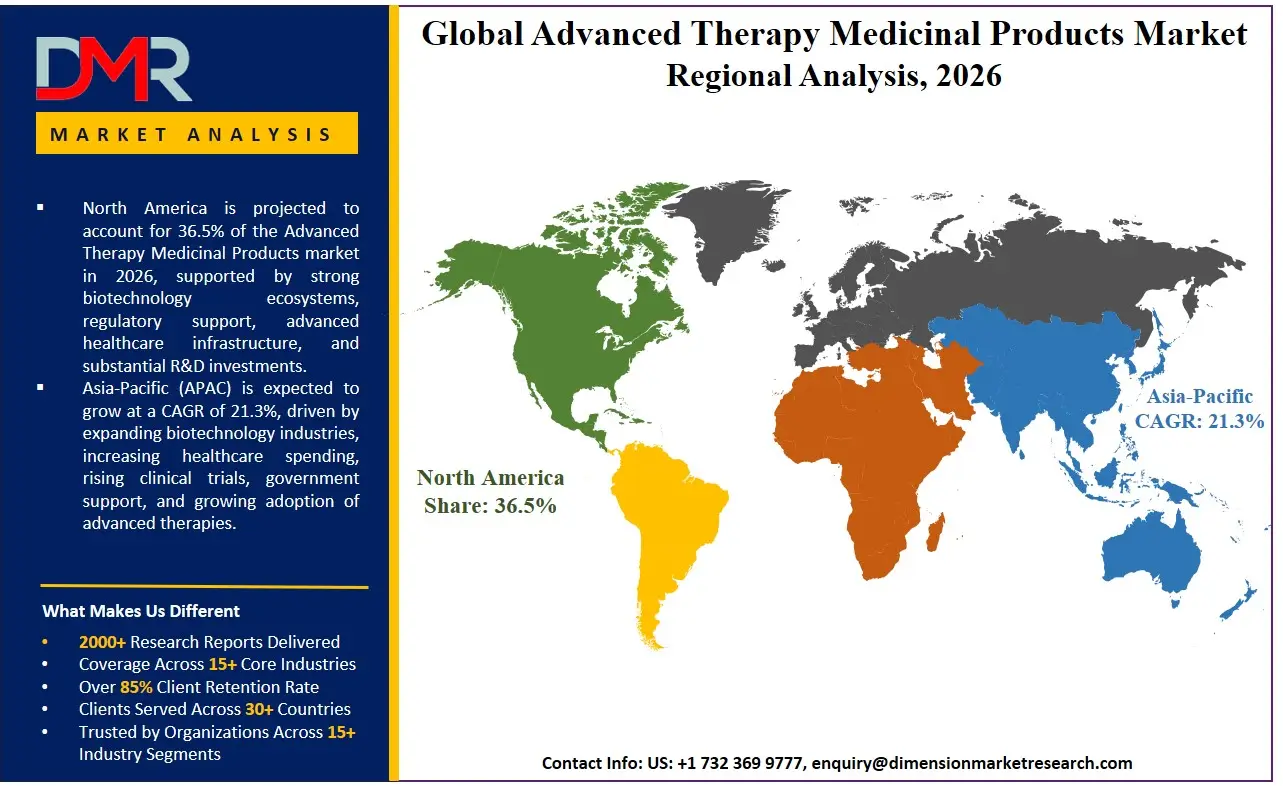
North America is poised to dominate the global advanced therapy medicinal products market, commanding a 36.5% share in 2026. This dominance is due to the combination of capital, regulatory flexibility, and clinical delivery capacity. In particular, the United States acts as the largest marketplace for oncology and rare diseases drugs due to a reimbursement structure that has gradually started accepting million-dollar drug treatments. An extensive network of cancer centers and transplant centers designated by NCI acts as the clinical delivery infrastructure, whereas a highly concentrated cluster of CDMOs and prominent biotech companies acts as the engine of innovation. The presence of a risk-taking FDA, using RMAT designations to expedite innovative gene editing and cell engineering drugs, keeps dragging global drug development pipeline towards the United States.
ℹ
To learn more about this report –
Download Your Free Sample Report Here
Fastest-Growing Regional Market
Asia-Pacific is forecasted to witness the fastest growing market for advanced therapy medicinal products due to the combination of strong governmental policies, mass production capabilities, and unmet needs of the patients. The unique conditional approval process for regenerative medicines in Japan will provide an ultra-fast route to market entry for Stem Cell Therapy. The development of the superpower status in cell therapy based on the state-driven approach is taking place in China through investing in CRISPR-Cas Systems in great volumes leading to the maximum number of clinical trials, especially in CAR-T for solid tumors. This region does not only follow but actively competes with the West in innovations while developing the technology for the mass production of cell-based therapies.
By Region
North America
Europe
- Germany
- The U.K.
- France
- Italy
- Russia
- Spain
- Benelux
- Nordic
- Rest of Europe
Asia-Pacific
- China
- Japan
- South Korea
- India
- ANZ
- ASEAN
- Rest of Asia-Pacific
Latin America
- Brazil
- Mexico
- Argentina
- Colombia
- Rest of Latin America
Middle East & Africa
- Saudi Arabia
- UAE
- South Africa
- Israel
- Egypt
- Rest of MEA
Competitive Landscape
It is a difficult environment, one of high competition that is characterized by an intricate relationship between innovative biotechnology players, big international pharmaceutical companies, and a new class of technology-oriented CDMOs. New scientific innovations come from nimble biotech players, which lead in development of novel Gene Editing Technologies and allogeneic cells; these are the drivers of discovery, yet lack funding to bring their products into mass production. They compete with big pharmaceutical companies such as Novartis, Gilead/Kite, and Bristol Myers Squibb, which have leveraged their oncology franchises and are seeking to control the commercial CAR-T Cell Therapy space. There is also a new battleground in the CDMO space, where companies specialized in manufacturing viral vectors and cell expansion become the kings of the ring, and patents on scalable low cost manufacturing platforms (AAV and Lentiviral Vectors in particular) are going to be the ultimate force to be reckoned with. The industry is on the verge of a new round of consolidation, when pharmaceutical companies will acquire not only product pipelines, but also their cell manufacturing facilities.
Some of the prominent players in the Global Advanced Therapy Medicinal Products Market are:
- Novartis
- Gilead Sciences (Kite Pharma)
- Bristol Myers Squibb
- Johnson & Johnson
- Roche
- Pfizer
- Bluebird Bio
- BioMarin Pharmaceutical
- Vertex Pharmaceuticals
- CRISPR Therapeutics
- Sarepta Therapeutics
- Legend Biotech
- Adaptimmune Therapeutics
- Mesoblast
- Astellas Pharma
- Takeda Pharmaceutical Company
- Fujifilm Holdings (Cellular Dynamics & Regenerative Medicine)
- Bayer AG
- Sanofi
- Abeona Therapeutics
- Other Key Players
Recent Developments
- March 2026: CRISPR Therapeutics received FDA approval for its ex vivo Gene-Edited Cell Therapy for sickle cell disease, marking the first commercial validation of CRISPR-Cas Systems technology for a non-oncological application and setting a regulatory precedent for a global rollout.
- December 2025: Bristol Myers Squibb announced a USD 2.5 billion investment to build out a fully integrated, digital-first cell therapy manufacturing network, specifically designed to centralize its Allogeneic CAR-T and TCR-T Cell Therapy production to achieve a 7-day vein-to-vein turnaround time for its solid tumor pipeline.
- August 2025: Lonza Group acquired a leading lipid nanoparticle (LNP) technology platform, dramatically expanding its service offering in Non-Viral Delivery Systems to provide its partnered biotechnology companies with a CDMO-based alternative to AAV Vectors for in vivo gene therapies targeting hepatic and metabolic disorders.
Report Details
| Report Characteristics |
| Market Size (2026) |
USD 40.3 Bn |
| Forecast Value (2035) |
USD 179.5 Bn |
| CAGR (2026–2035) |
18.0% |
| The US Market Size (2026) |
USD 12.4 Bn |
| Historical Data |
2021 – 2025 |
| Forecast Data |
2027 – 2035 |
| Base Year |
2025 |
| Estimate Year |
2026 |
| Segments Covered |
By Product Type, By Therapy Type, By Delivery Mode, By Technology Platform, By Application, and By End User |
| Regional Coverage |
North America – The US and Canada; Europe – Germany, The UK, France, Russia, Spain, Italy, Benelux, Nordic, & Rest of Europe; Asia-Pacific – China, Japan, South Korea, India, ANZ, ASEAN, Rest of APAC; Latin America – Brazil, Mexico, Argentina, Colombia, Rest of Latin America; Middle East & Africa – Saudi Arabia, UAE, South Africa, Turkey, Egypt, Israel, & Rest of MEA |
Frequently Asked Questions
How big is the Global Advanced Therapy Medicinal Products Market?
▾ The Global advanced therapy medicinal products market is poised to be valued at USD 40.3 billion in 2026 and is projected to reach USD 179.5 billion by 2035, driven by the fundamental shift toward curative genetic and cellular treatments that are permanently altering the management of cancer and rare genetic diseases.
What is the CAGR of the Global advanced therapy medicinal products market from 2026 to 2035?
▾ The market is expected to grow at a CAGR of 18.0% from 2026 to 2035, reflecting the rapid rate of scientific breakthroughs in Gene Editing Technologies and the industrial scaling of Cell Expansion & Manufacturing Technologies.
What factors are driving the growth of the Global advanced therapy medicinal products market?
▾ Key drivers include the maturation of a robust clinical pipeline, the establishment of accelerated regulatory pathways like RMAT, and the proven clinical success of Somatic Cell Therapy Medicinal Products like CAR-T, which is fueling investment across all therapy types and technology platforms.
Which region held the largest share of the advanced therapy medicinal products market in 2026?
▾ North America is poised to hold a 36.5% market share in 2026, a leadership position driven by its sophisticated oncology treatment infrastructure, a flexible regulatory body, and a concentrated ecosystem of innovative biotechnology & pharmaceutical companies with access to deep capital markets.
Which region is expected to grow the fastest in the Advanced therapy medicinal products market?
▾ The Asia-Pacific region is expected to grow the fastest, fueled by aggressive state-led investment in regenerative medicine in Japan and China’s massive, rapidly expanding clinical trial volume in CRISPR and CAR-T, coupled with its strategic ambition to become a global, low-cost manufacturing hub.
What are the major trends in the Global advanced therapy medicinal products market?
▾ Major trends include the convergence of gene editing and cell therapy to create multiplexed 'super-cells', the strategic vertical integration of in-house manufacturing by pharma companies, and the industry-wide pivot from personalized autologous models to scalable, allogeneic 'off-the-shelf' products.
Who are the key players in the Global advanced therapy medicinal products market?
▾ Key players include global pharmaceutical leaders like Novartis, Gilead, and Bristol Myers Squibb with their commercial CAR-T franchises, gene therapy pioneers like Spark Therapeutics (Roche), and gene-editing innovators like CRISPR Therapeutics, as well as critical manufacturing enablers like Lonza and Catalent.
How is the Global advanced therapy medicinal products market segmented?
▾ The market is segmented by Product Type, Therapy Type, Delivery Mode, Technology Platform, Application, and End User.