Global Gingivitis Market Snapshot
- Market Size (2026): USD 8.42 Billion
- Market Size (2035): USD 16.11 Billion
- CAGR (2026–2035): 7.5%
- Leading Drug Class (2026): Chlorhexidine, 24.8% Share
- Leading Route of Administration (2026): Topical, 67.3% Share
- Leading End User (2026): Retail Pharmacy, 46.5% Share
- Fastest Growing Segment: Online Pharmacy, 10.2% CAGR
- Leading Region (2026): North America, 38.4% Share
What is Gingivitis and its Market Size ?
The global gingivitis market comprises pharmaceutical products, therapeutic formulations, oral hygiene products, dental devices, and professional dental services developed to prevent, diagnose, and treat gingivitis, a common form of periodontal disease characterized by inflammation of the gingival tissues. The market encompasses prescription medications, over-the-counter oral care products, antimicrobial mouthwashes, antibiotics, analgesics, herbal formulations, topical gels, and advanced dental treatment solutions distributed through hospitals, retail pharmacies, online pharmacies, and dental clinics.
Gingivitis develops primarily due to bacterial plaque accumulation along the gumline, although systemic conditions such as diabetes, hormonal changes, smoking, poor nutrition, and certain medications significantly increase disease susceptibility. If untreated, gingivitis may progress into periodontitis, causing irreversible damage to periodontal tissues and tooth loss. Consequently, preventive oral healthcare has become an important public health priority across both developed and emerging economies.
Increasing awareness regarding oral hygiene, rising healthcare expenditure, expansion of preventive dentistry programs, growing geriatric populations, and improving accessibility to dental services continue to stimulate demand for gingivitis treatment products worldwide. In addition, technological innovations including AI-assisted diagnostics, digital dentistry, laser periodontal therapy, and tele-dentistry platforms are transforming disease detection and treatment planning, thereby enhancing clinical outcomes and expanding market opportunities.
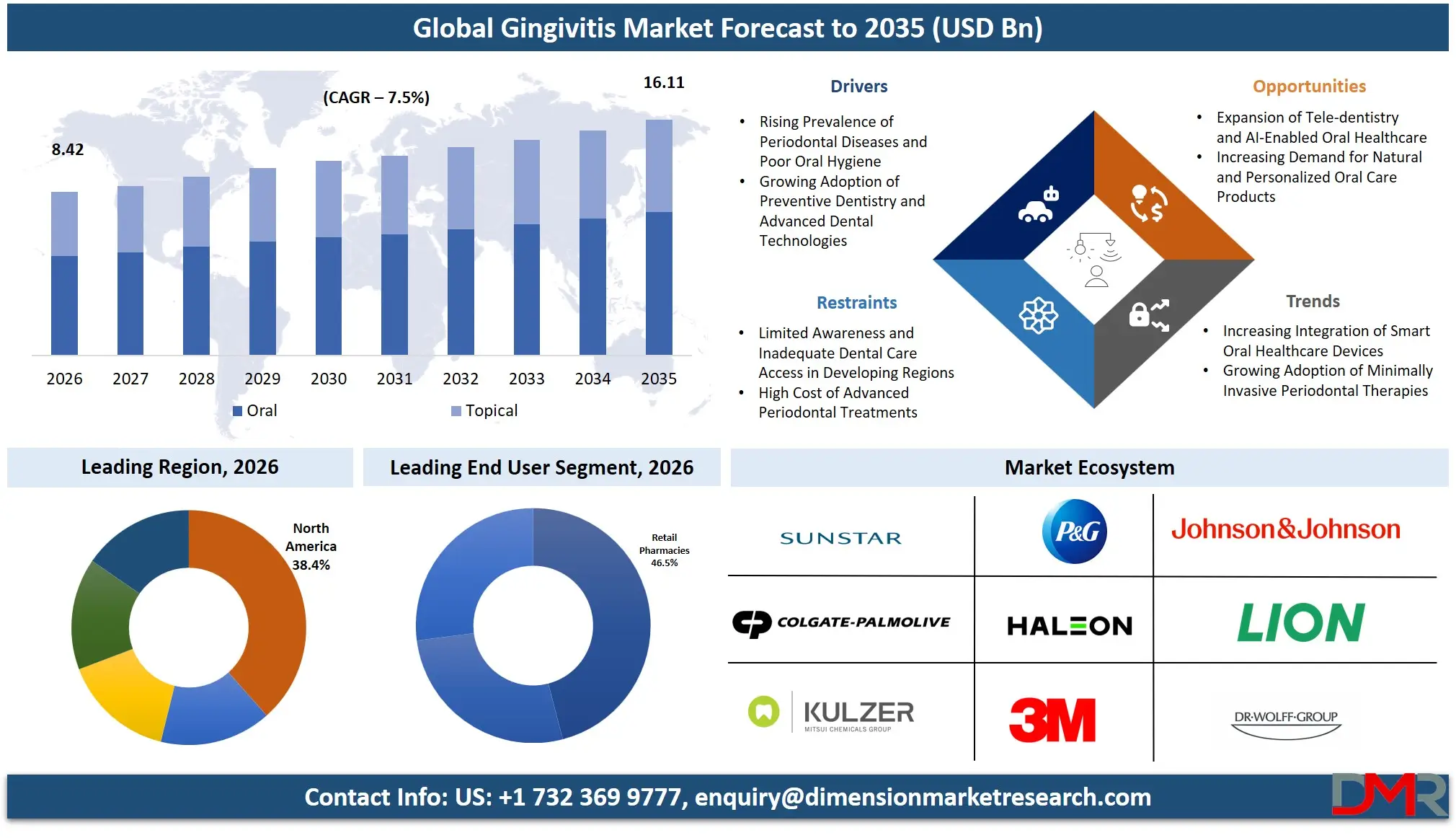
The global gingivitis market is estimated at USD 8.42 billion in 2026 and is projected to reach approximately USD 16.11 billion by 2035, registering a compound annual growth rate (CAGR) of 7.5% during the forecast period.
ℹ
To learn more about this report –
Download Your Free Sample Report Here
The market's sustained growth is driven by the increasing prevalence of periodontal diseases, rising awareness regarding preventive oral healthcare, expanding aging populations, and growing incidence of diabetes and lifestyle-related disorders that elevate the risk of gingival inflammation. Increased consumer expenditure on premium oral care products, favorable reimbursement policies in developed countries, and expanding dental insurance coverage are further supporting market expansion.
Rapid growth in e-commerce platforms, online pharmacies, digital dental consultation services, and personalized oral healthcare solutions is improving product accessibility while strengthening consumer engagement. Furthermore, continuous product innovation involving herbal formulations, probiotic therapies, sustained-release antimicrobial products, and smart oral healthcare devices is expected to create substantial growth opportunities throughout the forecast period.
Use Cases
- Preventive Oral Healthcare: Consumers increasingly utilize antimicrobial mouthwashes, fluoride toothpaste, herbal oral care products, and medicated dental floss to reduce plaque accumulation and prevent gingival inflammation before progression into severe periodontal disease.
- Clinical Gingivitis Treatment: Dental professionals prescribe chlorhexidine mouth rinses, antibiotics, topical anti-inflammatory medications, analgesics, and professional dental scaling procedures to effectively control bacterial infection and restore healthy gingival tissues.
- Diabetes-Associated Oral Disease Management: Individuals living with diabetes require specialized oral healthcare products and regular periodontal treatment because elevated blood glucose levels significantly increase susceptibility to gingival inflammation and delayed healing.
- Cosmetic and Restorative Dentistry Preparation: Healthy gingival tissues are essential before orthodontic treatment, veneers, crowns, dental implants, and cosmetic dental procedures, driving demand for professional gingivitis management therapies.
- Post-Surgical Oral Care: Following periodontal surgeries, dental implant placement, and tooth extraction procedures, antimicrobial mouth rinses, topical anesthetics, and anti-inflammatory medications help minimize infection risks and accelerate tissue healing.
- Community Preventive Healthcare Programs: Government health agencies, schools, and public health organizations promote routine oral hygiene education, preventive dental screenings, and affordable oral care products to reduce the long-term burden of periodontal diseases.
Key Takeaways
- The global gingivitis market is projected to grow from USD 8.42 billion in 2026 to USD 16.11 billion by 2035, registering a CAGR of 7.5%.
- Increasing awareness regarding preventive oral healthcare continues to be the primary growth driver worldwide.
- Chlorhexidine remains the dominant drug class owing to its broad-spectrum antimicrobial effectiveness and widespread clinical adoption.
- Topical formulations account for the largest route of administration because of targeted treatment, fewer systemic adverse effects, and high patient compliance.
- Online pharmacies are projected to witness the fastest growth due to increasing digital healthcare adoption and expanding e-commerce penetration.
- North America continues to dominate the global market because of advanced dental infrastructure, strong reimbursement systems, high oral healthcare expenditure, and widespread preventive dentistry awareness.
- Artificial intelligence, digital dentistry, and personalized oral healthcare solutions are expected to reshape diagnosis, treatment planning, and patient management throughout the forecast period.
How AI/Gen AI is Transforming the Gingivitis Market?
Artificial Intelligence (AI) is transforming the gingivitis market by enabling faster, more accurate diagnosis and personalized treatment planning. AI-powered dental imaging software analyzes intraoral photographs, digital X-rays, and three-dimensional scans to detect early signs of gingival inflammation before symptoms become clinically significant. These systems improve diagnostic accuracy, reduce human error, and support timely intervention, ultimately helping prevent disease progression into advanced periodontitis. AI is also increasingly integrated into tele-dentistry platforms, allowing remote consultations and continuous monitoring of patients, particularly in underserved regions.
Beyond diagnostics, AI enhances treatment efficiency through predictive analytics, patient risk stratification, and personalized care recommendations based on oral microbiome data, lifestyle factors, and medical history. Smart toothbrushes and connected oral healthcare devices equipped with AI algorithms provide real-time feedback on brushing techniques and oral hygiene habits, encouraging better patient compliance. For manufacturers and healthcare providers, AI supports product innovation, optimized clinical workflows, and data-driven decision-making. As digital dentistry adoption continues to rise globally, AI is expected to become a major competitive differentiator, improving treatment outcomes while reducing long-term healthcare costs.
Key Drivers in the Global Gingivitis Market
Rising Prevalence of Periodontal Diseases and Poor Oral Hygiene
One of the primary factors driving the global gingivitis market is the increasing prevalence of periodontal diseases across all age groups. Gingivitis remains one of the most common oral diseases worldwide, affecting a substantial proportion of the global population due to poor oral hygiene practices, unhealthy dietary habits, tobacco consumption, alcohol use, stress, and systemic diseases such as diabetes. The growing geriatric population further contributes to market demand, as older adults are more susceptible to gum diseases because of age-related changes in oral tissues, reduced immunity, and multiple chronic conditions.
Urbanization and changing lifestyles have increased the consumption of sugary foods and beverages, leading to greater plaque accumulation and bacterial infections. Additionally, increasing awareness campaigns by healthcare organizations, dental associations, and governments have encouraged routine dental check-ups and preventive care, resulting in earlier diagnosis and higher treatment rates.
Growing Adoption of Preventive Dentistry and Advanced Dental Technologies
Preventive dentistry has become a central focus of healthcare systems worldwide as governments and healthcare providers seek to reduce the long-term burden of oral diseases. Consumers are increasingly investing in premium oral healthcare products, including medicated mouthwashes, antimicrobial toothpaste, interdental cleaning devices, and electric toothbrushes. This shift toward preventive care has significantly boosted the demand for gingivitis prevention and treatment products.
Technological advancements are also transforming periodontal care. Digital dentistry, AI-powered diagnostic imaging, laser-assisted periodontal therapy, and intraoral scanning technologies enable dentists to identify gingival inflammation earlier and develop more personalized treatment plans. These innovations improve diagnostic accuracy, reduce treatment time, and enhance patient outcomes.
Restraints in the Global Gingivitis Market
Limited Awareness and Inadequate Dental Care Access in Developing Regions
Despite increasing global awareness, access to professional dental care remains limited in many low- and middle-income countries. Rural populations often face shortages of qualified dental professionals, inadequate healthcare infrastructure, and limited availability of affordable oral healthcare products. Consequently, many patients seek treatment only after gingivitis has progressed to advanced periodontal disease, reducing the effectiveness of preventive interventions.
Furthermore, oral health education programs remain insufficient in several emerging economies, contributing to poor oral hygiene practices and delayed diagnosis.
High Cost of Advanced Periodontal Treatments
Advanced gingivitis management involving laser therapy, digital diagnostics, regenerative periodontal procedures, and specialist consultations can be expensive, particularly in countries with limited insurance coverage. While basic oral hygiene products remain affordable, comprehensive periodontal treatment often requires multiple dental visits and ongoing maintenance, increasing the overall financial burden on patients.
In many developing economies, dental care is largely financed through out-of-pocket spending, discouraging regular preventive visits and limiting market penetration for advanced treatment technologies.
Growth Opportunities in the Global Gingivitis Market
Expansion of Tele-dentistry and AI-Enabled Oral Healthcare
The rapid growth of digital healthcare presents significant opportunities for the gingivitis market. Tele-dentistry platforms allow patients to consult dental professionals remotely, improving access to oral healthcare services in underserved and rural areas. AI-powered diagnostic tools further enhance remote screening by analyzing intraoral images and identifying early signs of gingival disease with high accuracy.
These technologies improve patient convenience, reduce healthcare costs, and support continuous monitoring of oral health, creating new revenue opportunities for technology providers and dental service organizations.
Increasing Demand for Natural and Personalized Oral Care Products
Consumer preferences are shifting toward herbal, organic, probiotic, and personalized oral healthcare solutions. Manufacturers are increasingly investing in alcohol-free mouthwashes, botanical formulations, microbiome-based therapeutics, and customized oral care products designed to meet individual patient needs.
Growing concerns regarding long-term use of synthetic chemicals have accelerated research into plant-based antimicrobial ingredients and probiotic therapies that promote healthy oral microbiota while reducing inflammation.
Trends in the Global Gingivitis Market
Increasing Integration of Smart Oral Healthcare Devices
Connected oral healthcare devices such as AI-enabled electric toothbrushes, smart water flossers, and digital oral health monitoring systems are becoming increasingly popular. These devices provide real-time feedback regarding brushing habits, gum health, and plaque removal, encouraging better oral hygiene and improving treatment adherence.
Growing Adoption of Minimally Invasive Periodontal Therapies
Patients and healthcare providers increasingly prefer minimally invasive treatment approaches that reduce pain, bleeding, and recovery time. Laser-assisted periodontal therapy, localized antimicrobial drug delivery, regenerative biomaterials, and advanced ultrasonic scaling technologies are gaining widespread acceptance because they improve clinical outcomes while enhancing patient comfort.
Research Scope and Analysis
The global gingivitis market is segmented by Drug Class, Route of Administration, End User, and Region. Each segment plays a vital role in market development, with growth influenced by disease prevalence, treatment preferences, technological advancements, patient awareness, healthcare infrastructure, and distribution channels. The increasing focus on preventive oral healthcare and expanding availability of over-the-counter (OTC) and prescription therapies continue to shape the competitive landscape across all segments.
ℹ
To learn more about this report –
Download Your Free Sample Report Here
By Drug Class Analysis
The Chlorhexidine segment dominated the global gingivitis market in 2026, accounting for approximately 24.8% of the total market revenue. Chlorhexidine remains the gold standard antimicrobial agent for gingivitis treatment due to its broad-spectrum antibacterial activity, superior plaque control, and proven clinical effectiveness in reducing gingival inflammation. It is widely recommended by dental professionals as an adjunct to mechanical plaque removal and is available in various formulations, including mouthwashes, gels, and sprays. Increasing adoption in both hospital and outpatient dental settings continues to strengthen its market leadership.
The Doxycycline segment is projected to be the fastest-growing drug class, registering a CAGR of 9.1% during the forecast period. The increasing use of doxycycline in host modulation therapy and periodontal disease management, coupled with its anti-inflammatory properties and sustained-release formulations, is expected to support robust market growth. Rising awareness regarding comprehensive periodontal treatment further contributes to its expanding adoption.
The Clindamycin segment represents the second-largest market, holding approximately 17.6% of the global market in 2026. Clindamycin is frequently prescribed for patients allergic to penicillin and is widely utilized for treating severe bacterial infections associated with advanced gingival inflammation.
By Route of Administration Analysis
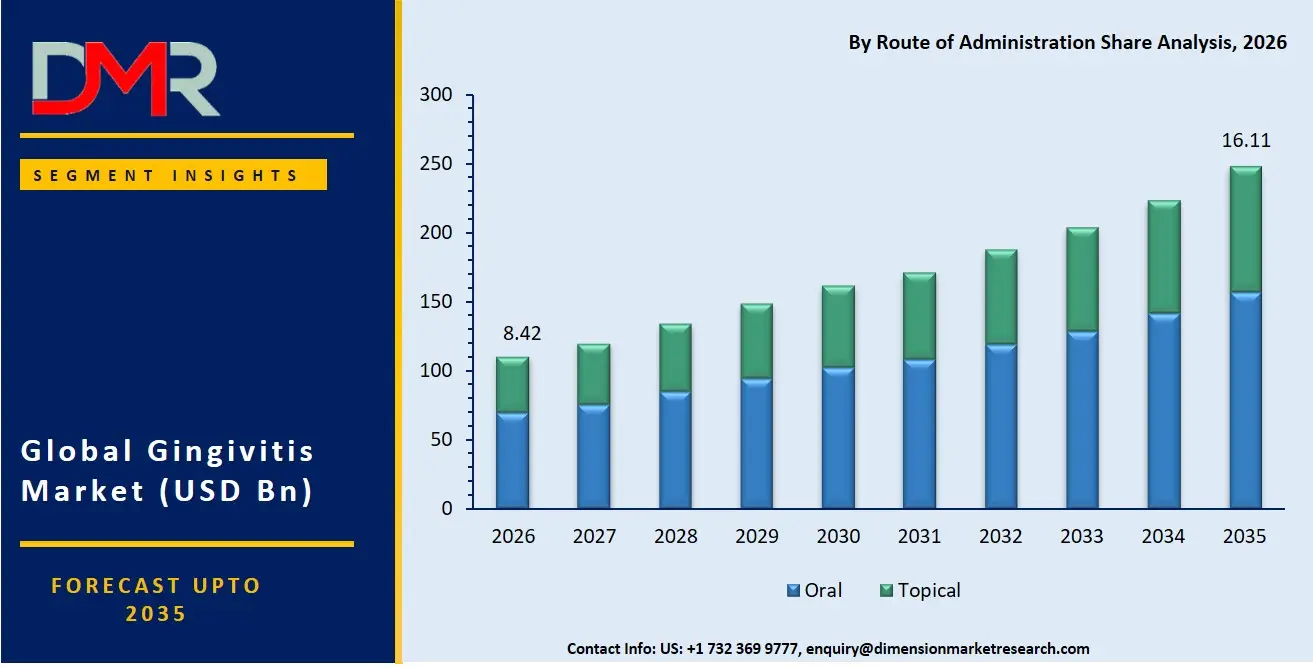
The Topical segment accounted for the largest market share of approximately 67.3% in 2026. Topical administration remains the preferred treatment approach because it delivers medication directly to the affected gingival tissues while minimizing systemic side effects. Products such as chlorhexidine mouth rinses, topical antimicrobial gels, medicated toothpaste, oral sprays, and localized drug delivery systems continue to experience strong demand due to their ease of use and high patient compliance.
ℹ
To learn more about this report –
Download Your Free Sample Report Here
The Oral segment is expected to witness the fastest growth, recording a CAGR of 8.4% through 2035. Oral antibiotics and anti-inflammatory medications are increasingly prescribed for moderate-to-severe gingivitis cases, particularly among patients with systemic diseases or extensive bacterial infections. Growing clinical emphasis on comprehensive periodontal management is expected to support this segment's expansion.
Although topical therapies dominate routine gingivitis management, oral medications continue to play an essential role in treating severe infections and managing complications associated with periodontal disease.
By End User Analysis
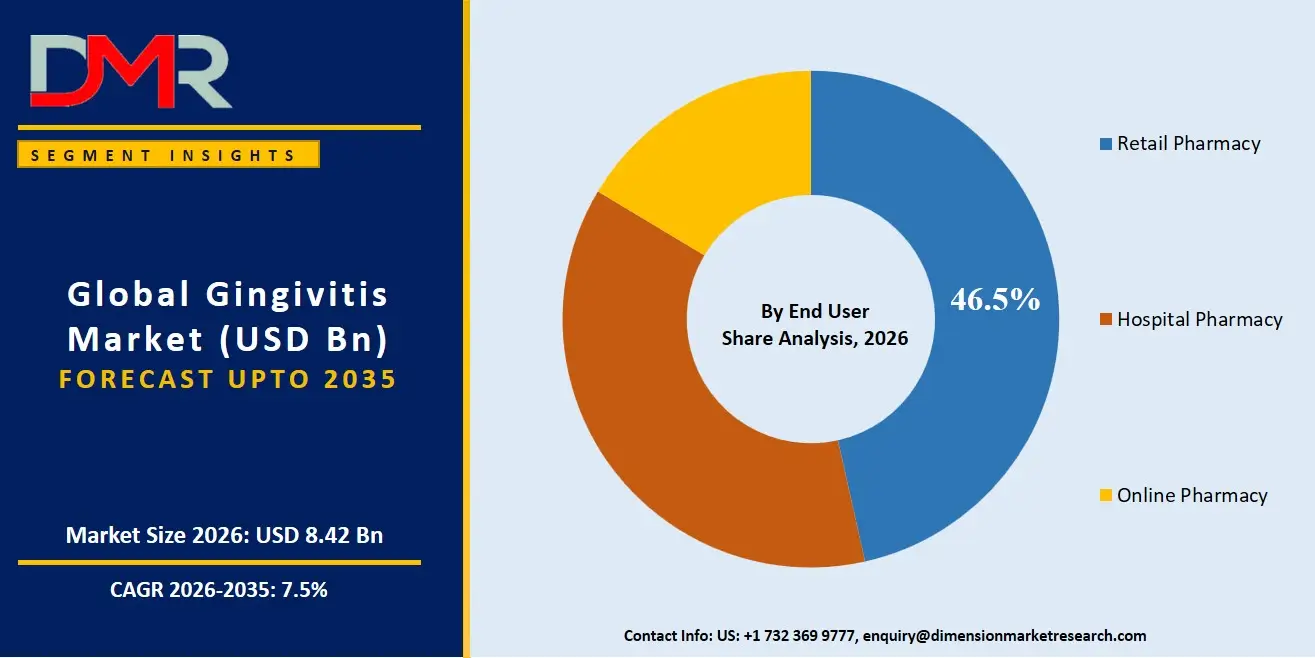
The Retail Pharmacy segment dominated the global gingivitis market with approximately 46.5% market share in 2026. Retail pharmacies remain the primary distribution channel for prescription medications, OTC oral care products, antimicrobial mouthwashes, analgesics, toothpaste, and preventive dental products. Strong consumer preference for convenient access to oral healthcare products and expanding retail pharmacy networks continue to support segment growth.
The Online Pharmacy segment is projected to register the highest CAGR of 10.2% during the forecast period. Increasing digital healthcare adoption, rapid expansion of e-commerce platforms, competitive pricing, home delivery services, and growing consumer preference for online purchasing are driving significant growth. The COVID-19 pandemic further accelerated consumer acceptance of digital pharmacy services, a trend that continues across developed and emerging economies.
The Hospital Pharmacy segment accounted for approximately 22.4% of the market in 2026 and remains an important distribution channel for prescription therapies, particularly for patients undergoing periodontal surgery or receiving specialized dental care in hospital settings.
The Global Gingivitis Market Report is segmented on the basis of the following:
By Drug Class
- Veetids
- Erythrocin
- Minocycline
- Doxycycline
- Clindamycin
- Chlorhexidine
- Acetaminophen
- Ibuprofen
- Lidocaine
By Route of Administration
By End User
- Hospital Pharmacy
- Retail Pharmacy
- Online Pharmacy
Regional Analysis
North America is the Leading Region in the Global Gingivitis Market
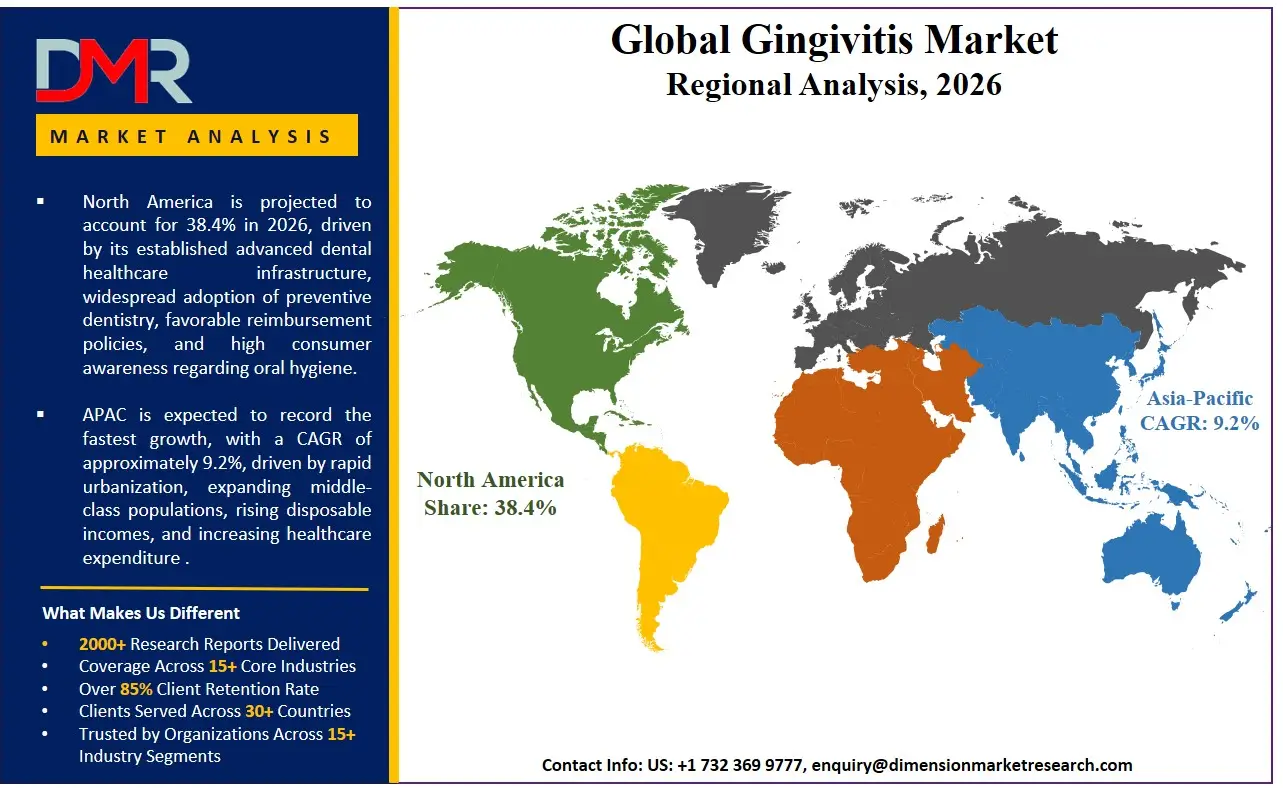
North America is expected to maintain its leadership in the global gingivitis market, accounting for 38.4% of the global market revenue in 2026. The regional market is supported by advanced dental healthcare infrastructure, widespread adoption of preventive dentistry, favorable reimbursement policies, and high consumer awareness regarding oral hygiene. The increasing prevalence of periodontal diseases among aging populations and individuals with diabetes further contributes to market demand.
ℹ
To learn more about this report –
Download Your Free Sample Report Here
The United States remains the largest contributor, supported by a high concentration of dental professionals, advanced diagnostic technologies, and strong investments in digital dentistry. Canada also contributes significantly through government-supported oral healthcare initiatives and increasing adoption of premium oral care products.
Technological innovations such as AI-assisted diagnostic imaging, laser periodontal therapy, digital intraoral scanners, and smart oral healthcare devices continue to strengthen the region's competitive position. Additionally, major pharmaceutical and oral healthcare manufacturers maintain extensive research and development activities in North America, accelerating product innovation.
Asia-Pacific is the Fastest-Growing Region in the Global Gingivitis Market
Asia-Pacific is projected to be the fastest-growing regional market, registering a CAGR of 9.2% during the forecast period. Rapid urbanization, expanding middle-class populations, rising disposable incomes, and increasing healthcare expenditure are driving substantial demand for gingivitis treatment products throughout the region.
Countries including China, India, Japan, South Korea, and Australia are investing heavily in healthcare infrastructure and preventive oral healthcare programs. Government initiatives promoting oral hygiene education, expansion of dental insurance coverage, and increasing availability of affordable oral care products are further stimulating market growth.
The growing popularity of online pharmacies and digital healthcare platforms is improving accessibility to prescription and OTC oral healthcare products, particularly in densely populated urban areas.
Europe Gingivitis Market
The Europe gingivitis market is estimated at USD 2.06 billion in 2026 and is projected to reach approximately USD 3.72 billion by 2035, expanding at a CAGR of 6.8%.
Europe continues to represent one of the most mature oral healthcare markets globally due to universal healthcare systems, favorable reimbursement structures, and strong emphasis on preventive dentistry. Countries such as Germany, the United Kingdom, France, Italy, and Spain continue to invest in digital dentistry, AI-powered diagnostics, and minimally invasive periodontal therapies. The increasing geriatric population and rising prevalence of chronic diseases including diabetes further contribute to demand for gingivitis treatment solutions. Additionally, stringent regulatory standards ensure the availability of high-quality pharmaceutical and oral healthcare products.
Latin America Gingivitis Market
The Latin America gingivitis market is valued at approximately USD 620 million in 2026 and is anticipated to reach nearly USD 1.02 billion by 2035, registering a CAGR of 5.7%.
Brazil and Mexico remain the largest regional markets due to expanding dental healthcare infrastructure, increasing healthcare expenditure, and growing consumer awareness regarding oral hygiene. Rising urbanization and improving access to OTC oral healthcare products continue to support steady market expansion. Government-sponsored public oral health campaigns and increasing private dental clinic investments are expected to create additional growth opportunities throughout the forecast period.
Middle East & Africa Gingivitis Market
The Middle East & Africa gingivitis market is estimated at USD 470 million in 2026 and is projected to reach approximately USD 760 million by 2035, growing at a CAGR of 5.5%.
Growth is supported by improving healthcare infrastructure, increasing government investments in public healthcare, and rising awareness regarding oral hygiene across Gulf Cooperation Council (GCC) countries. Saudi Arabia, the United Arab Emirates, and South Africa remain the largest contributors to regional revenue due to expanding dental care facilities and increasing adoption of preventive dentistry. However, unequal access to dental services in several African countries continues to limit overall market penetration.
Major Countries Analysis
United States Gingivitis Market
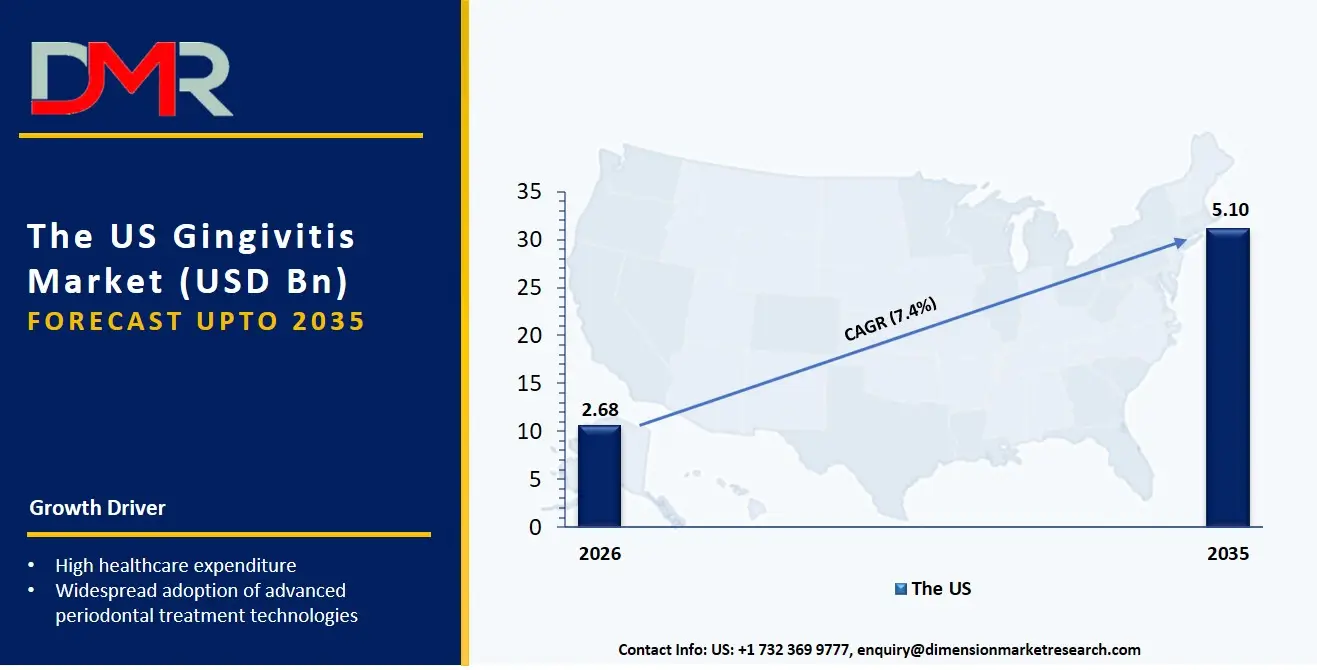
The United States gingivitis market is valued at approximately USD 2.68 billion in 2026 and is forecast to reach USD 5.10 billion by 2035, registering a CAGR of 7.4%.
ℹ
To learn more about this report –
Download Your Free Sample Report Here
The country remains the world's largest market due to high healthcare expenditure, extensive dental insurance coverage, and widespread adoption of advanced periodontal treatment technologies. Continuous innovation in AI-assisted diagnostics, digital dentistry, laser periodontal therapy, and personalized oral healthcare products continues to support long-term market growth. Strong research activities and the presence of leading pharmaceutical and oral healthcare companies further reinforce the country's dominant position.
Japan Gingivitis Market
Japan's gingivitis market is estimated at approximately USD 710 million in 2026 and is expected to reach nearly USD 1.20 billion by 2035, growing at a CAGR of 6.1%.
Japan benefits from a rapidly aging population, advanced healthcare infrastructure, and high awareness of preventive oral healthcare. Increasing adoption of smart dental technologies, minimally invasive periodontal treatments, and premium oral care products continues to drive market expansion. Government healthcare programs encouraging regular dental examinations also contribute to sustained growth.
Saudi Arabia Gingivitis Market
Saudi Arabia's gingivitis market is estimated at approximately USD 165 million in 2026 and is projected to reach around USD 295 million by 2035, expanding at a CAGR of 6.7%.
The market is driven by healthcare reforms under Vision 2030, expanding private dental clinics, rising healthcare expenditure, and increasing public awareness regarding oral hygiene. Government investments in modern healthcare infrastructure and growing demand for preventive dentistry are expected to accelerate market development. The adoption of digital dental technologies and AI-assisted diagnostics is also increasing among leading dental hospitals and specialty clinics.
Regulatory Landscape
The global gingivitis market is governed by stringent regulatory frameworks that ensure the safety, efficacy, and quality of pharmaceutical products, oral healthcare formulations, and medical devices. Regulatory agencies such as the U.S. Food and Drug Administration (FDA), the European Medicines Agency (EMA), and the Pharmaceuticals and Medical Devices Agency (PMDA) of Japan establish comprehensive guidelines for the approval, manufacturing, labeling, and post-market surveillance of gingivitis treatment products. In Europe, manufacturers must comply with the Medical Device Regulation (MDR 2017/745) for applicable dental devices and adhere to Good Manufacturing Practices (GMP) for pharmaceutical products.
Several countries have also introduced national oral health initiatives aimed at promoting preventive dentistry, early diagnosis, and public awareness regarding periodontal diseases. Regulations governing antimicrobial products and antibiotic stewardship are becoming increasingly important as healthcare authorities seek to reduce antimicrobial resistance. Additionally, manufacturers must comply with ISO quality standards, pharmacovigilance requirements, and country-specific labeling regulations before commercializing products in international markets.
Investment and White Space Analysis
The gingivitis market offers considerable investment opportunities due to increasing demand for preventive oral healthcare and continuous technological innovation. Significant investment is flowing into AI-powered dental diagnostics, digital dentistry platforms, smart oral healthcare devices, and minimally invasive periodontal treatment technologies. Venture capital firms and strategic investors are also supporting companies developing microbiome-based therapeutics, personalized oral care products, and next-generation antimicrobial formulations.
Several underserved market segments present attractive growth opportunities. Emerging economies across Asia-Pacific, Latin America, and the Middle East continue to experience relatively low penetration of preventive dental services despite rising disease prevalence. Expanding online pharmacy platforms, tele-dentistry services, and affordable OTC oral care products in these regions represents a major growth avenue. Furthermore, increasing consumer preference for herbal, alcohol-free, probiotic, and sustainable oral healthcare products creates additional white-space opportunities for product innovation and market differentiation.
By Region
North America
Europe
- Germany
- The U.K.
- France
- Italy
- Spain
- Rest of Europe
Asia-Pacific
- China
- Japan
- South Korea
- India
- ANZ
- ASEAN
- Rest of Asia-Pacific
Latin America
- Brazil
- Mexico
- Argentina
- Colombia
- Rest of Latin America
Middle East & Africa
- Saudi Arabia
- UAE
- South Africa
- Israel
- Egypt
- Rest of MEA
Competitive Landscape
The global gingivitis market is moderately fragmented, with competition among multinational pharmaceutical companies, consumer healthcare manufacturers, oral care specialists, and regional pharmaceutical firms. Market participants compete through continuous product innovation, strategic acquisitions, partnerships with dental organizations, geographic expansion, and investments in research and development. Companies are increasingly focusing on advanced antimicrobial formulations, herbal oral care products, AI-integrated dental technologies, and digital patient engagement solutions to strengthen their competitive positions.
Brand recognition, clinical efficacy, regulatory approvals, product affordability, and extensive distribution networks remain the primary competitive differentiators. Manufacturers are also expanding their online sales channels and strengthening collaborations with dental clinics, hospitals, and retail pharmacy chains to improve market penetration.
Some of the prominent players in the Global Gingivitis Market are
- Haleon
- Colgate-Palmolive
- Procter & Gamble
- Johnson & Johnson
- Sunstar Group
- Lion Corporation
- Church & Dwight
- Dentaid
- Dr. Wolff Group
- GC Corporation
- 3M
- Ultradent Products
- Ivoclar
- Kulzer
- Septodont
- VOCO GmbH
- Young Innovations
- Den-Mat Holdings
- TePe Oral Hygiene Products
- Curaden AG
- Philips Oral Healthcare
- Water Pik
- Oral-B
- Prestige Consumer Healthcare
- Perrigo
- Reckitt
- Coswell
- Oragenics
- PerioChip
- OraPharma
- DenMat
- GSK Consumer Healthcare
- Pierre Fabre Oral Care
- Dent-O-Care
- Herbadent
- Dentek
- Paro Swiss
- Tandex
- Biogaia
- EMS
- Other Key Players
Recent Developments
- March 2025: Haleon plc expanded its oral healthcare portfolio by introducing an advanced antimicrobial mouthwash formulation designed to provide prolonged plaque control and improved gingival health. The product incorporates enhanced antibacterial technology aimed at strengthening preventive oral healthcare across retail and pharmacy channels.
- January 2025: Colgate-Palmolive Company launched an AI-enabled connected electric toothbrush featuring real-time brushing analytics and personalized oral hygiene recommendations through a companion mobile application. The innovation is intended to improve patient compliance and reduce the incidence of gingivitis.
- October 2024: Procter & Gamble Co. introduced a next-generation therapeutic toothpaste under its Oral-B portfolio, formulated with advanced antibacterial ingredients to improve plaque removal and reduce gingival inflammation. The launch supports the company's strategy of expanding premium oral healthcare offerings.
- August 2024: Dentsply Sirona Inc. expanded its digital dentistry ecosystem by introducing upgraded AI-assisted diagnostic software capable of detecting early periodontal abnormalities from intraoral scans. The solution enhances clinical decision-making and supports preventive periodontal treatment.
- May 2024: Sunstar Group strengthened its presence in Asia-Pacific through the expansion of its premium GUM oral care product line, including specialized toothpaste and mouthwash products targeting consumers with early-stage gingivitis and sensitive gums.
Report Details
| Report Characteristics |
| Market Size (2026) |
USD 8.42 Bn |
| Forecast Value (2035) |
USD 16.11 Bn |
| CAGR (2026–2035) |
7.5% |
| Historical Period |
2021 – 2025 |
| Forecast Period |
2027 – 2035 |
| Base Year |
2025 |
| Estimate Year |
2026 |
| Segments Covered |
By Drug Class, By Route of Administration, By End User |
| Regional Coverage |
North America – The US and Canada; Europe – Germany, The UK, France, Russia, Spain, Italy, Benelux, Nordic, & Rest of Europe; Asia-Pacific – China, Japan, South Korea, India, ANZ, ASEAN, Rest of APAC; Latin America – Brazil, Mexico, Argentina, Colombia, Rest of Latin America; Middle East & Africa – Saudi Arabia, UAE, South Africa, Turkey, Egypt, Israel, & Rest of MEA |
Frequently Asked Questions
What is the projected market size of the global gingivitis market by 2035?
▾ The global gingivitis market is projected to grow from USD 8.42 billion in 2026 to approximately USD 16.11 billion by 2035, driven by increasing oral health awareness, technological advancements, and the rising prevalence of periodontal diseases.
What is the expected CAGR of the gingivitis market during the forecast period?
▾ The market is anticipated to register a compound annual growth rate (CAGR) of 7.5% during the forecast period from 2026 to 2035, supported by expanding preventive dentistry initiatives and increasing adoption of advanced oral healthcare products.
What are the major factors driving the growth of the gingivitis market?
▾ Key market drivers include the growing prevalence of periodontal diseases, increasing awareness regarding oral hygiene, rising healthcare expenditure, expanding geriatric populations, advancements in AI-assisted dental diagnostics, and increasing demand for preventive oral healthcare products.
Which drug class dominates the global gingivitis market?
▾ Chlorhexidine is expected to remain the leading drug class, accounting for approximately 24.8% of the global market in 2026 due to its proven antimicrobial efficacy and widespread use in professional dental care and home oral hygiene.
Which region holds the largest share of the gingivitis market?
▾ North America is expected to dominate the global gingivitis market with a 38.4% market share in 2026, supported by advanced dental infrastructure, high oral healthcare awareness, favorable reimbursement policies, and strong adoption of preventive dentistry.
Which region is projected to witness the fastest growth?
▾ Asia-Pacific is projected to register the highest growth rate throughout the forecast period due to increasing healthcare expenditure, expanding dental infrastructure, rising disposable income, growing oral health awareness, and rapid digital healthcare adoption.
Who are the major players operating in the global gingivitis market?
▾ Leading companies include Procter & Gamble Co., Colgate-Palmolive Company, Haleon plc, Johnson & Johnson, Sunstar Group, Lion Corporation, Church & Dwight Co., Dentsply Sirona Inc., Ultradent Products Inc., GC Corporation, Septodont Holding, and 3M Company, among others.
How is the global gingivitis market segmented?
▾ The report segments the market by Drug Class, Route of Administration, End User, and Region, providing detailed analysis of market size, growth opportunities, competitive landscape, and future trends across each segment.