Global Heart Failure Market Snapshot
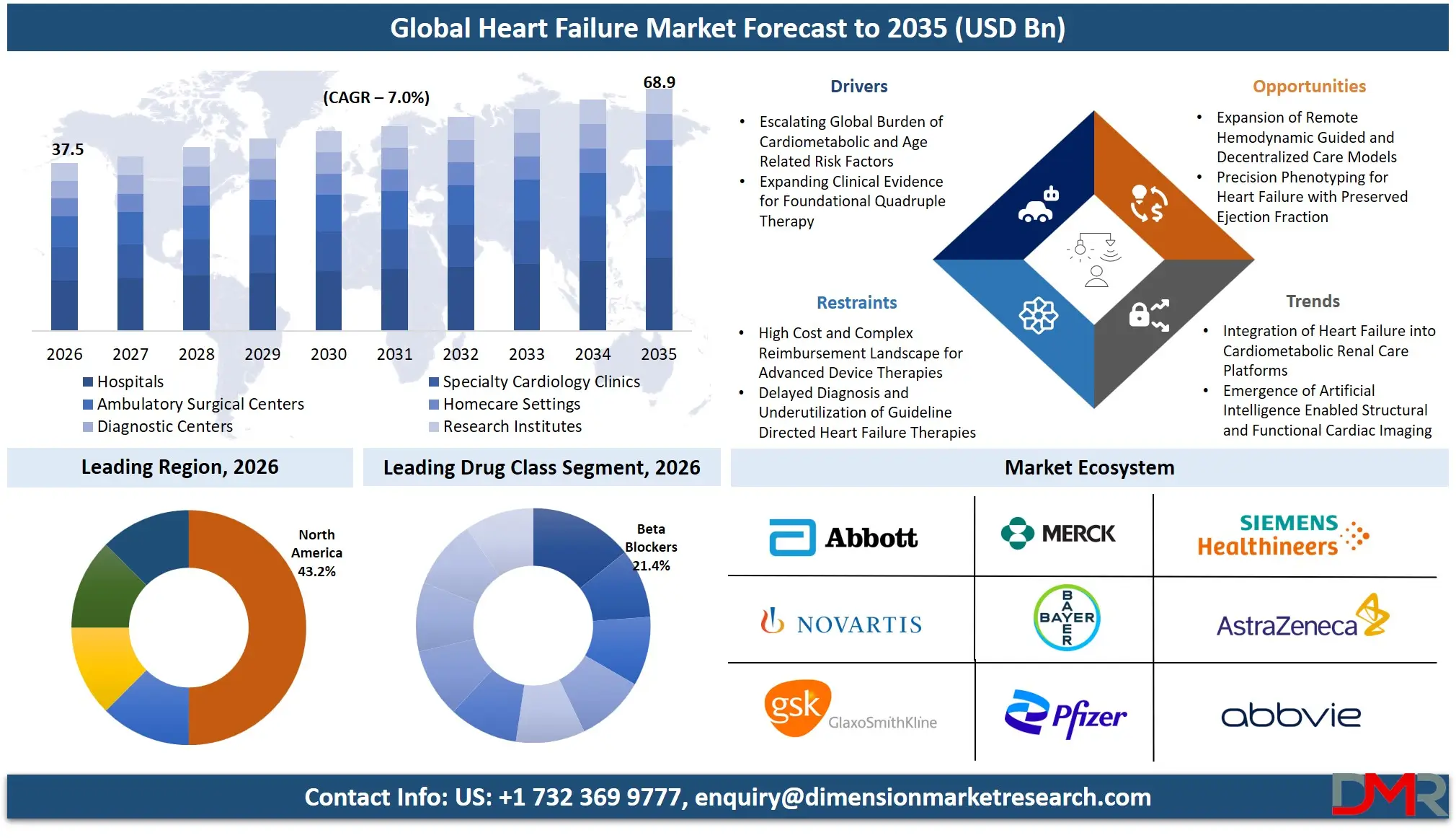
- Global Heart Failure Market Size in 2026: USD 37.5 Billion
- Global Heart Failure Market Size in 2035: USD 68.9 Billion
- Global CAGR from 2026 to 2035: 7.0%
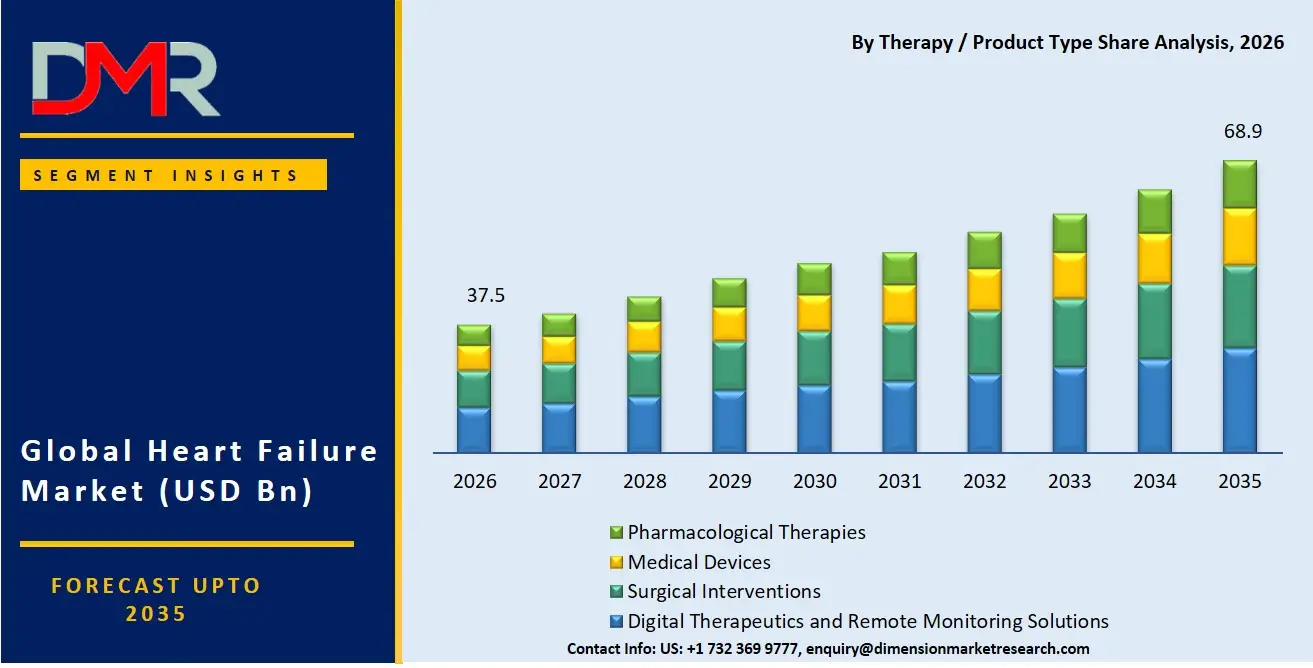
- Pharmacological Therapies is the leading therapy/product type segment in 2026: 48.6%
- Beta Blockers is the leading drug class segment in 2026: 21.4%
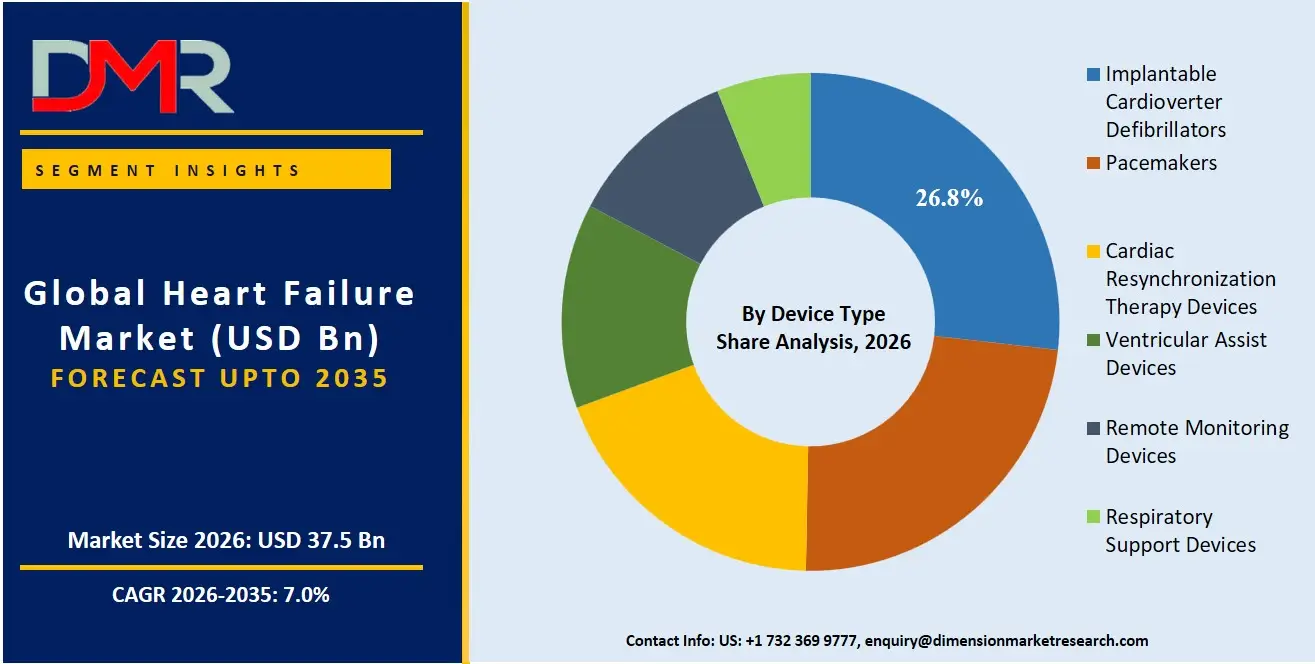
- Implantable Cardioverter Defibrillators is the leading device type segment in 2026: 26.8%
- Heart Failure with Reduced Ejection Fraction is the leading heart failure type segment in 2026: 39.7%
- Echocardiography is the leading diagnosis method segment in 2026: 34.5%
- Chronic Disease Management is the leading application segment in 2026: 42.3%
- Hospitals is the leading end user segment in 2026: 46.9%
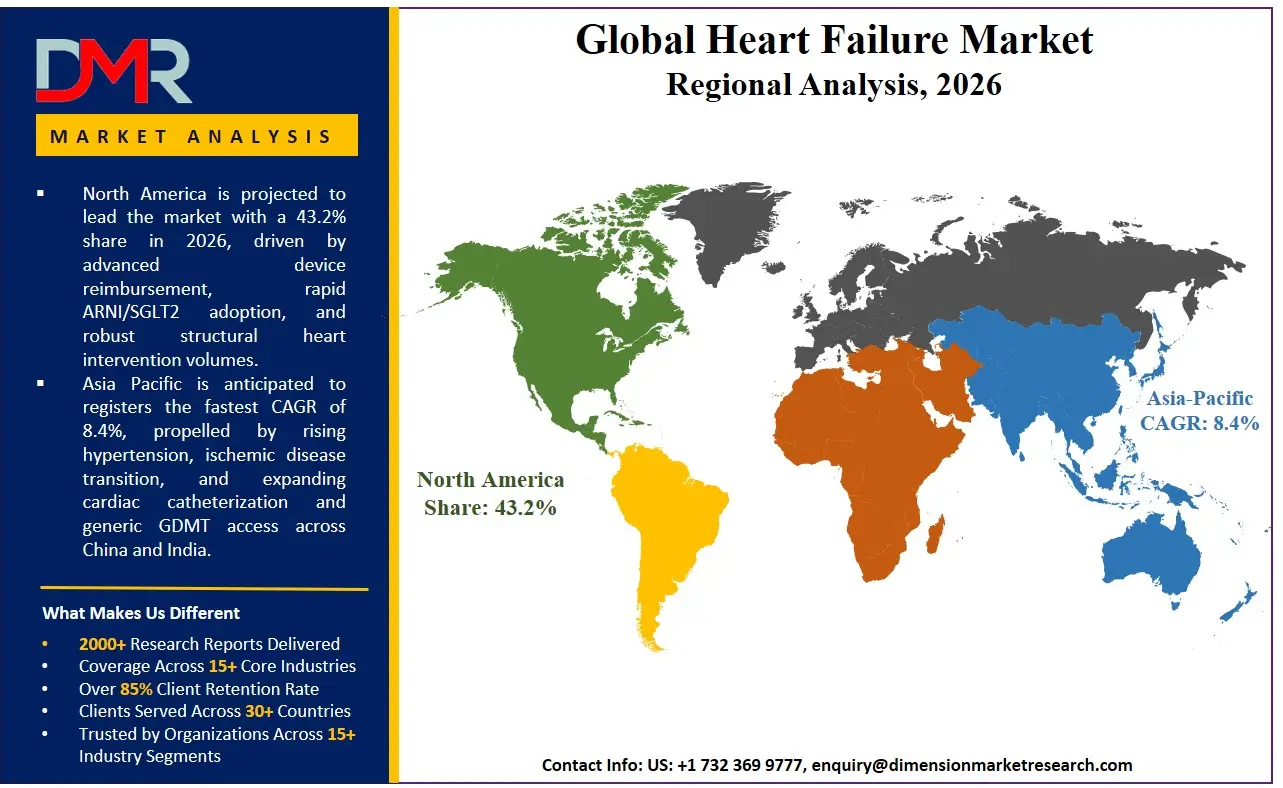
- North America is the leading region in 2026: 43.2%
What is the Global Heart Failure and its Market Size?
The Global Heart Failure Market is projected to be valued at USD 37.5 billion in 2026 and is projected to reach USD 68.9 billion by 2035, expanding at a CAGR of 7.0% during the forecast period. Growth is being propelled by the escalating global prevalence of ischemic heart disease, uncontrolled hypertension, and an aging demographic susceptible to myocardial senescence.
ℹ
To learn more about this report –
Download Your Free Sample Report Here
The paradigm shift toward quadruple therapy the concurrent use of ARNIs, beta-blockers, MRAs, and SGLT2 inhibitors is fundamentally redefining pharmacological management. Concurrently, investment is accelerating as health systems transition from episodic, volume-based care toward continuous, AI-augmented remote monitoring and value-based care models designed to predict and prevent decompensation events before costly hospitalizations occur.
Use Cases
- Pharmacological Quadruple Therapy Optimization for HFrEF: Guideline-directed medical therapy (GDMT) is deployed by cardiologists, combining ARNIs, evidence-based beta-blockers, MRAs, and SGLT2 inhibitors to significantly reduce mortality and hospitalization risk in patients with heart failure with reduced ejection fraction.
- Remote Hemodynamic Surveillance via Implantable Sensors: Advanced heart failure programs utilize implantable pulmonary artery pressure sensors that transmit daily hemodynamic data to cloud-based platforms. Care teams leverage these actionable insights to make preemptive medication adjustments, reducing fluid overload and averting acute decompensation episodes.
- Cardiac Resynchronization and Arrhythmia Prevention: Electrophysiologists implant cardiac resynchronization therapy defibrillators (CRT-Ds) in patients with dyssynchronous ventricular contraction, improving cardiac output while simultaneously providing life-saving protection against malignant ventricular arrhythmias.
- AI-Driven Post-Discharge Care Navigation: Digital therapeutic platforms employing machine learning algorithms analyze biometric data from wearables and patient-reported symptoms to stratify rehospitalization risk. This enables care navigators to trigger teleconsultations and titrate diuretics remotely, bridging the critical transition from hospital to home.
Key Takeaways
- Market Size: The Global Heart Failure Market is anticipated to be valued at USD 37.5 billion in 2026 and is forecast to reach USD 68.9 billion by 2035, expanding at a CAGR of 7.0%.
- Growth Outlook: Market expansion is sustained by the relentless rise in cardiometabolic risk factors, the global acceptance of foundational GDMT, the push toward minimally invasive structural interventions, and the integration of digital health ecosystems for longitudinal patient surveillance and early clinical intervention.
- Primary Growth Drivers: A mounting pool of patients with resistant hypertension and post-MI cardiomyopathy, landmark clinical trial evidence for SGLT2 inhibitors and ARNIs across the full ejection fraction spectrum, regulatory breakthroughs for novel device-based therapies, and global healthcare policy shifts toward preemptive chronic disease management are accelerating investment across the cardiovascular care continuum.
- By Therapy / Product Type Analysis: Pharmacological Therapies is projected to lead the segment with a dominant 48.6% share in 2026, driven by the expanding adoption of foundational quadruple therapy, the chronic nature of the condition necessitating lifelong medication adherence, and robust pipeline innovation in novel drug classes.
- By Drug Class Analysis: Beta Blockers is anticipated to hold a 21.4% share in 2026, reflecting their entrenched, decades-long role in sympathetic nervous system modulation for HFrEF, while SGLT2 Inhibitors are projected to exhibit the highest CAGR at 16.2% due to landmark cardiovascular outcome trials demonstrating robust benefits independent of diabetic status.
- By Device Type Analysis: Implantable Cardioverter Defibrillators is expected to command a 26.8% share in 2026, representing the cornerstone of sudden cardiac death prevention. Remote Monitoring Devices are projected to be the fastest-expanding segment at a 14.6% CAGR, driven by the shift toward ambulatory care and the proven efficacy of hemodynamic-guided management.
- By Heart Failure Type Analysis: Heart Failure with Reduced Ejection Fraction is poised to lead with a 39.7% share in 2026, as it encompasses the largest pool of patients with established, highly protocolized device and pharmacotherapy interventions. Heart Failure with Preserved Ejection Fraction is the fastest-growing sub-type at an 11.9% CAGR, fueled by the recent breakthrough evidence for SGLT2 inhibitors and nuanced phenotyping.
- By Diagnosis Method Analysis: Echocardiography is expected to dominate with a 34.5% share in 2026, underpinned by its non-invasive nature, portability, and role as the gold standard for assessing ejection fraction and diastolic dysfunction. Blood Tests, specifically natriuretic peptide assays, are growing rapidly at a 10.8% CAGR as triage and prognostic tools in primary and acute care settings.
- By Application Analysis: Chronic Disease Management holds the leading 42.3% share in 2026, reflecting the vast target population requiring longitudinal titration and surveillance. Remote Patient Monitoring is the highest-growth application at a 14.1% CAGR, driven by the proliferation of connected sensors and the clinical imperative to detect pre-symptomatic decompensation.
- By End User Analysis: Hospitals is expected to lead with a 46.9% share in 2026 as the central hub for acute decompensation management, advanced device implantation, and high-risk surgical interventions.
How AI/Gen AI is Transforming the Heart Failure Market?
Artificial intelligence and digital health technologies are fundamentally reshaping heart failure care by enabling earlier detection, individualized risk prediction, and decentralized disease management. Machine learning algorithms trained on vast repositories of electronic health records and cardiac imaging datasets are now dynamically predicting patient trajectories of ventricular remodeling and the 2-year risk of decompensation with high precision. These predictive models are being embedded into clinical decision support systems that flag high-risk patients for proactive intervention, bridging the gap between episodic reactive care and continuous predictive management. AI-powered image analysis of echocardiography and cardiac MRI quantifies longitudinal strain and myocardial fibrosis with greater accuracy than manual reads, facilitating earlier diagnosis of cardiomyopathy and phenotyping for precision therapy.
Key Drivers in the Global Heart Failure Market
Escalating Global Burden of Cardiometabolic and Age-Related Risk Factors
Ischemic heart disease, chronic hypertension, diabetes, and obesity remain the dominant etiological forces behind myocardial dysfunction, collectively driving the rising incidence of heart failure across all ejection fraction categories. The unabated rise in sedentary lifestyles, metabolic syndrome, and geriatric populations is expanding the pool of individuals with both HFrEF and HFpEF. As the global geriatric demographic swells, the downstream demand for chronic pharmacological management, implantable rhythm and hemodynamic devices, and structural interventions intensifies commensurately.
Expanding Clinical Evidence for Foundational Quadruple Therapy
Landmark cardiovascular outcome trials have repositioned SGLT2 inhibitors, and solidified the role of ARNIs, as cornerstone therapies that slow disease progression and reduce mortality across the entire spectrum of left ventricular ejection fraction. The robust composite endpoint benefits demonstrated in trials like DAPA-HF, EMPEROR-Reduced, EMPEROR-Preserved, and DELIVER have triggered major updates to international clinical practice guidelines, expanding the eligible treatment population to include HFmrEF and HFpEF. This evidence-driven therapeutic paradigm shift is generating sustained, high-volume demand for these branded drug classes, elevating the pharmaceutical segment's market dominance and propelling double-digit growth for sacubitril/valsartan and SGLT2 inhibitors in the cardiology arena.
Restraints in the Global Heart Failure Market
High Cost and Complex Reimbursement Landscape for Advanced Device Therapies
Despite being life-saving, advanced therapies like cardiac resynchronization therapy defibrillators (CRT-Ds) and durable left ventricular assist devices (LVADs) impose significant financial burdens on healthcare payers and systems, particularly in low- and middle-income countries where technical expertise and infrastructure are scarce. The high upfront device and implantation costs, combined with stringent coverage criteria, limit patient access even in developed markets. This economic toxicity restricts market volume growth for the device segment, diverts resources from wider preventive pharmacological adoption, and perpetuates inequitable access to standard-of-care rhythm and mechanical support a persistent restraint on the overall heart failure market's capacity to match clinical need with treated prevalence.
Growth Opportunities in the Global Heart Failure Market
Expansion of Remote Hemodynamic-Guided and Decentralized Care Models
The global shift toward ambulatory and virtual care pathways represents a high-growth opportunity for implantable sensor manufacturers, remote monitoring platform developers, and service providers. Health systems are increasingly investing in technologies that reduce the cycle of rehospitalization through early detection of congestion, rewarded by emerging value-based payment models. This creates a fertile market for diagnostic-grade wearables, cloud-based clinical analytics, and integrated telehealth services. Companies that combine AI-driven predictive alerts, non-invasive fluid status monitoring, and seamless electronic health record integration into a cohesive virtual cardiology ecosystem can capture a disproportionate share of the rapidly growing digital therapeutics and remote monitoring segment.
Precision Phenotyping for Heart Failure with Preserved Ejection Fraction (HFpEF)
HFpEF represents a heterogeneous syndrome that is rapidly growing in prevalence yet has historically lacked targeted therapies. Emerging molecular biomarkers and machine-learning-driven cluster analysis are enabling precise etiological phenotyping differentiating amyloid cardiomyopathy, metabolic stress-related HFpEF, and fibrotic subtypes. This paves the way for a precision cardiology market where therapies like tafamidis for transthyretin amyloid cardiomyopathy are matched to specific endotypes. Pharmaceutical firms are pursuing label expansions for targeted biologics, anti-inflammatory agents, and metabolic modulators in well-defined HFpEF subsets, creating high-value niche markets within a historically underserved, massive patient population.
Trends in the Global Heart Failure Market
Integration of Heart Failure into Cardiometabolic Renal Care Platforms
A defining trend is the dissolution of silos between cardiology, nephrology, and endocrinology, driven by the shared pathobiology of cardiovascular-kidney-metabolic (CKM) syndrome. Clinical practice is consolidating around holistic risk management that simultaneously addresses cardiac function, renal preservation, and metabolic health. This convergence is expanding the cross-specialty utilization of drugs with multi-organ benefits (SGLT2 inhibitors, non-steroidal MRAs, GLP-1 receptor agonists) and fostering the development of integrated digital platforms that track cardiac hemodynamics, renal biomarkers, and glycemic control on a unified dashboard. The market implications include broader prescribing across a larger pool of clinicians and the rise of CKM-focused digital therapeutic applications.
Emergence of Artificial Intelligence-Enabled Structural and Functional Cardiac Imaging
Digital imaging augmented by deep learning algorithms is transforming the interpretation of echocardiograms and cardiac MRIs. AI models trained on annotated images can now instantly quantify left ventricular ejection fraction, global longitudinal strain, and atrial volumes, reducing operator variability and improving diagnostic efficiency. This trend is commercializing as cloud-based AI imaging services that cardiology departments and core labs adopt to standardize reporting and screen for under-diagnosed conditions like cardiac amyloidosis. The increasing use of AI imaging in clinical trials for HFpEF particularly for trials requiring highly specific phenotypic entry criteria is creating a new adjacency market at the intersection of diagnostics and pharmaceuticals.
Research Scope and Analysis
The Global Heart Failure Market is segmented by therapy/product type, drug class, device type, heart failure type, diagnosis method, application, and end user. Therapy covers pharmacological, device-based, surgical, and digital interventions. Drug classes span the foundational and symptomatic pharmacological agents. Devices include rhythm management, mechanical circulatory support, and remote sensors. End users range from acute care hospitals to specialized clinics and home-based settings.
ℹ
To learn more about this report –
Download Your Free Sample Report Here
By Therapy / Product Type Analysis
Pharmacological Therapies is projected to dominate the Global Heart Failure Market, accounting for an estimated 48.6% share in 2026. Their leadership is driven by broad, lifelong utilization of guideline directed drug regimens across outpatient, hospital, and post discharge settings.
ℹ
To learn more about this report –
Download Your Free Sample Report Here
Growing adoption of SGLT2 inhibitors, ARNIs, beta blockers, mineralocorticoid receptor antagonists, and diuretics supports recurring prescription revenue. Digital Therapeutics and Remote Monitoring Solutions are anticipated to record the highest CAGR of 13.8% during 2026 to 2035, supported by remote care expansion, connected monitoring, early clinical intervention, and efforts to reduce heart failure related hospital readmissions.
By Drug Class Analysis
Beta Blockers is poised to hold the highest market share of 21.4% in 2026 within the heart failure drugs segment. Their position reflects established guideline inclusion, wide generic availability, affordability, and use across a substantial proportion of patients with heart failure with reduced ejection fraction. SGLT2 Inhibitors are expected to register the highest CAGR of 16.2% from 2026 to 2035. Their fast expansion is supported by proven cardiovascular and renal benefits, growing reimbursement acceptance, and increasing use across patients with reduced, mildly reduced, and preserved ejection fraction heart failure.
By Device Type Analysis
Implantable Cardioverter Defibrillators is expected to represent the largest device segment, with an estimated 26.8% share in 2026. Demand is supported by their important role in preventing sudden cardiac death among eligible high risk heart failure patients. Strong clinical evidence, expanded implantation programs, and greater availability of electrophysiology services reinforce segment leadership. Remote Monitoring Devices are projected to grow at the highest CAGR of 14.6% during 2026 to 2035. Adoption is rising due to implantable hemodynamic sensors, wearable monitoring devices, virtual care models, and provider focus on detecting clinical deterioration before hospitalization becomes necessary.
By Heart Failure Type Analysis
Heart Failure with Reduced Ejection Fraction is poised to account for the largest market share of approximately 39.7% in 2026. This segment has historically received extensive clinical focus and benefits from well defined pharmacological, device based, and surgical treatment pathways. It also has high treatment intensity because many patients require multiple medicines and, in selected cases, advanced cardiac devices. Heart Failure with Preserved Ejection Fraction is forecast to achieve the highest CAGR of 11.9% from 2026 to 2035. Growth is supported by aging populations, rising obesity and diabetes prevalence, improved diagnostic recognition, and increasing availability of targeted treatment options.
By Diagnosis Method Analysis
Echocardiography is anticipated to dominate the diagnosis method segment, accounting for an estimated 34.5% share in 2026. It remains the primary imaging method for evaluating ventricular function, ejection fraction, valve abnormalities, chamber size, and cardiac structure. Its noninvasive nature and wide availability across hospitals and cardiology clinics sustain demand. Blood Tests are anticipated to record the highest CAGR of 10.8% during 2026 to 2035, particularly due to increasing use of BNP and N terminal pro B type natriuretic peptide testing. These tests support early diagnosis, risk assessment, treatment monitoring, and differentiation of heart failure from other causes of breathlessness.
By Application Analysis
Chronic Disease Management is projected to hold the largest share of 42.3% in 2026. Heart failure is a long term condition requiring continuous medication management, symptom surveillance, regular follow up, lifestyle support, and prevention of disease progression. This creates sustained demand for drugs, diagnostic services, medical devices, and follow up care. Remote Patient Monitoring is expected to witness the highest CAGR of 14.1% from 2026 to 2035. Growth is driven by home based monitoring, teleconsultation services, automated alerts, connected devices, and healthcare providers seeking to lower readmission rates while improving patient engagement and care continuity.
By End User Analysis
Hospitals is poised to dominate the Global Heart Failure Market with an estimated 46.9% share in 2026. They manage acute decompensated heart failure, advanced diagnostics, device implantation, surgical procedures, intensive care, and complex treatment escalation. Hospital based cardiology departments also remain central to referral pathways for severe and high risk patients. Homecare Settings are projected to expand at the highest CAGR of 12.7% during 2026 to 2035. This growth is supported by wearable monitoring, telehealth adoption, home based rehabilitation, remote medication adherence support, and the increasing preference to manage stable chronic heart failure patients outside institutional care environments.
The Global Heart Failure Market Report is segmented on the basis of the following:
By Therapy / Product Type
- Pharmacological Therapies
- Guideline Directed Medical Therapies
- Symptom Management Therapies
- Acute Heart Failure Therapies
- Medical Devices
- Implantable Cardiac Devices
- Mechanical Circulatory Support Devices
- Monitoring Devices
- Respiratory Support Devices
- Surgical Interventions
- Coronary Artery Bypass Grafting
- Valve Repair and Replacement
- Left Ventricular Assist Device Implantation
- Heart Transplantation
- Digital Therapeutics and Remote Monitoring Solutions
- Telehealth Platforms
- Remote Patient Monitoring
- Wearable Health Monitoring
- Artificial Intelligence Based Clinical Decision Support
By Drug Class
- ACE Inhibitors
- Beta Blockers
- Angiotensin II Receptor Blockers
- Angiotensin Receptor Neprilysin Inhibitors
- Mineralocorticoid Receptor Antagonists
- SGLT2 Inhibitors
- Diuretics
- Heart Rate Modulating Drugs
- Vasodilators and Adjunct Therapies
- Others
By Device Type
- Implantable Cardioverter Defibrillators
- Pacemakers
- Single Chamber Pacemakers
- Dual Chamber Pacemakers
- Biventricular Pacemakers
- Cardiac Resynchronization Therapy Devices
- Ventricular Assist Devices
- Left Ventricular Assist Devices
- Right Ventricular Assist Devices
- Remote Monitoring Devices
- Implantable Hemodynamic Sensors
- Wearable Monitoring Devices
- Respiratory Support Devices
- Continuous Positive Airway Pressure Devices
- Bi Level Positive Airway Pressure Devices
By Heart Failure Type
- Heart Failure with Reduced Ejection Fraction
- Heart Failure with Mildly Reduced Ejection Fraction
- Heart Failure with Preserved Ejection Fraction
- Acute Heart Failure
- Chronic Heart Failure
By Diagnosis Method
- Echocardiography
- Transthoracic Echocardiography
- Transesophageal Echocardiography
- Stress Echocardiography
- Blood Tests
- B Type Natriuretic Peptide Testing
- N Terminal Pro B Type Natriuretic Peptide Testing
- Cardiac Troponin Testing
- Electrocardiography and Holter Monitoring
- Chest X Ray
- Cardiac Catheterization
- Cardiac Magnetic Resonance Imaging
- Nuclear Imaging
By Application
- Chronic Disease Management
- Medication Management
- Disease Progression Monitoring
- Post Discharge Care
- Acute Care Management
- Personalized Medicine
- Risk Stratification
- Therapy Optimization
- Preventive Healthcare
- Early Screening
- Lifestyle Management
- Remote Patient Monitoring
- Home Based Monitoring
- Teleconsultation Services
- Alerts and Care Escalation
By End User
- Hospitals
- Specialty Cardiology Clinics
- Ambulatory Surgical Centers
- Homecare Settings
- Diagnostic Centers
- Research Institutes
Regional Analysis
North America is the Leading Region in the Global Heart Failure Market
North America is poised to lead the Global Heart Failure Market with an estimated 43.2% revenue share in 2026. The region's dominance is anchored by a high prevalence of obesity, diabetes, and ischemic cardiomyopathy, a well-reimbursed system for advanced device implants, and the world's most aggressive adoption of high-cost ARNI and SGLT2 inhibitor therapies.
ℹ
To learn more about this report –
Download Your Free Sample Report Here
The United States is characterized by rapid clinical translation of evidence into practice, robust commercial coverage for remote monitoring services, and a dynamic structural heart intervention ecosystem driving volume for transcatheter valve repairs.
Asia Pacific is the Fastest-Growing Region in the Global Heart Failure Market
Asia Pacific is projected to register the fastest CAGR of 8.4% through 2035, driven by the region's immense and rapidly transitioning population with rising hypertension, an epidemiological shift toward ischemic heart disease, and significant unmet clinical need turning into treated demand. Economic expansion in China and India is enabling massive investments in cardiac catheterization labs, device implantation training, and manufacturing of generic GDMT components, making therapy accessible to millions.
The Europe Heart Failure Market
Europe represents a major regional market, characterized by universal healthcare coverage providing comprehensive access to device-based and pharmacological therapies, though with stringent health technology assessment (HTA) processes that negotiate aggressive prices. Germany and France hold the largest national shares, driven by high rates of defibrillator and CRT-D implantation and widespread adoption of quadruple therapy for HFrEF. The European Society of Cardiology's influential guidelines drive a rapid, evidence-based diagnostic cascade using natriuretic peptides, steadily improving early diagnosis rates in primary care settings across the continent.
Latin America Heart Failure Market
The Latin America Heart Failure Market is expanding as the dual burden of Chagas disease-related cardiomyopathy and a growing prevalence of ischemic heart disease drives incidence. Brazil and Mexico are the primary national markets, with Brazil's public health system funding a large volume of generic GDMT and basic device implants. Access barriers, including high out-of-pocket costs for novel therapies and geographic maldistribution of electrophysiology specialists, temper growth, but international device manufacturer patient access programs are gradually broadening the addressable market.
Middle East and Africa Heart Failure Market
The Middle East and Africa Heart Failure Market is developing against a backdrop of soaring cardiometabolic risk factor prevalence in GCC countries and a substantial burden of hypertensive heart disease and rheumatic valvular disease in sub-Saharan Africa. Saudi Arabia and the UAE are the most attractive markets, with high government healthcare spending, expansive hospital infrastructure, and early adoption of premium-priced digital therapeutics. The region is experiencing accelerating demand for generic GDMT, portable echocardiography for early detection, and remote monitoring platforms suitable for environments with limited specialist density.
Major Countries Analysis
The US Heart Failure Market
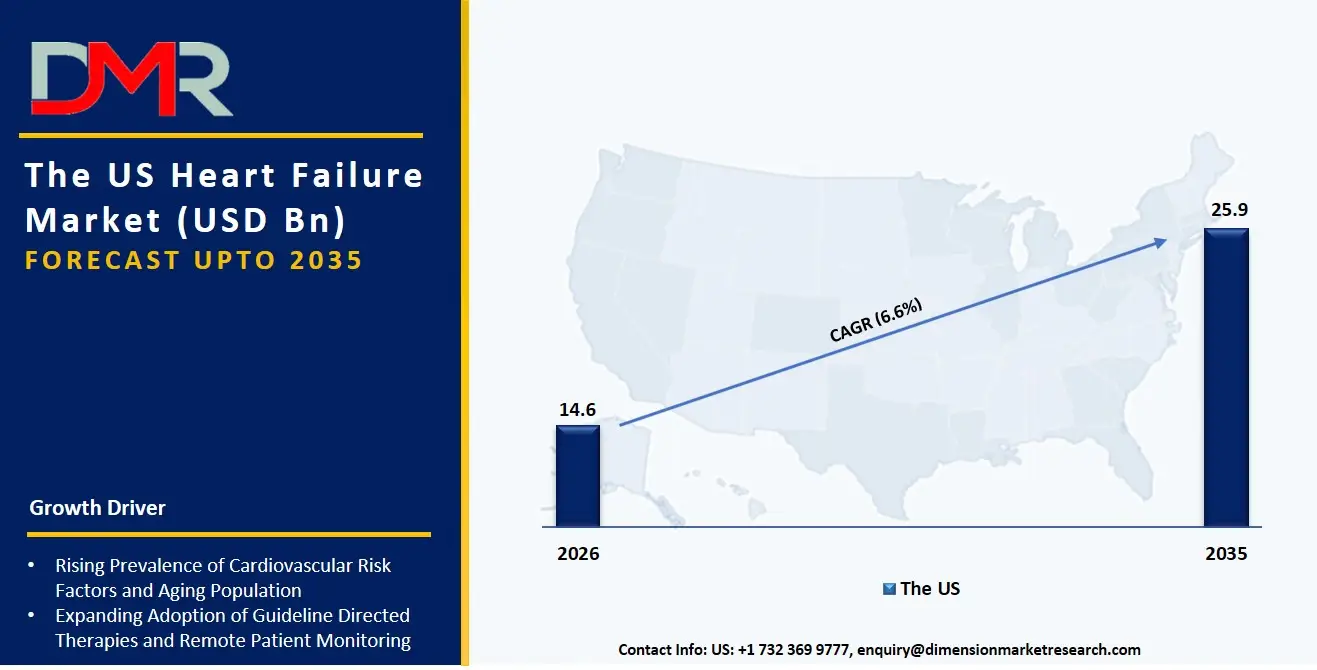
The United States Heart Failure Market is projected to be valued at USD 14.6 billion in 2026 and is expected to reach USD 25.9 billion by 2035, registering a CAGR of approximately 6.6% from 2026 to 2035. This robust trajectory reflects the U.S.'s position as the highest-value single-country cardiovascular market globally, underpinned by an estimated 6.7 million adults with heart failure.
ℹ
To learn more about this report –
Download Your Free Sample Report Here
Growth is fueled by the transformative impact of the FDA's expanded approvals for ARNIs and SGLT2 inhibitors into HFpEF, and the rapid Center for Medicare & Medicaid Services (CMS) coverage for remote hemodynamic monitoring and telehealth titration services.
Japan Heart Failure Market
Japan possesses a distinctly high prevalence of HFpEF, driven by its super-aged societal structure and high hypertension burden, supported by a near-universal health insurance system that ensures rapid access to cutting-edge diagnostic imaging. The market is distinguished by sophisticated cardiomyopathy phenotyping, high utilization of wearable Holter monitoring, and early regulatory approval of novel digital therapeutic algorithms. The Japanese Circulation Society's influential clinical practice guidelines create a unique environment for high-volume prescription of heart rate-modulating drugs and early CRT-D implantation in eligible patients.
Saudi Arabia Heart Failure Market
Market expansion is directly tied to the Kingdom's high prevalence of diabetes and metabolic syndrome, which drives a rapid increase in diabetic cardiomyopathy and HFpEF incidence. The Ministry of Health funds extensive advanced surgical and device-based therapies for citizens, while Vision 2030's healthcare transformation agenda emphasizes public-private partnerships to modernize cardiac care infrastructure. The government's commitment to expanding smart hospital capabilities and preventative cardiology across new urban developments ensures sustained, double-digit volume growth for remote monitoring and virtual cardiac rehabilitation platforms.
Regulatory Landscape
The regulatory landscape for heart failure therapeutics and devices is shaped by agencies that balance accelerated access for life-threatening conditions with rigorous safety and efficacy standards. In the United States, the FDA's Center for Drug Evaluation and Research has granted multiple Breakthrough Therapy Designations to SGLT2 inhibitors for HFpEF, recognizing the immense unmet need. For implantable cardiac devices, the FDA's premarket approval (PMA) pathway ensures high evidentiary standards, while breakthrough device designation has accelerated access for novel remote hemodynamic sensors. The CMS's national coverage determinations for remote monitoring and transcatheter mitral valve repair directly create regulatory-driven market incentives that instantly unlock vast commercial volumes.
Epidemiology Analysis
The Heart Failure Epidemiology section assesses the historical and forecast disease burden across the markets covered in the study. It evaluates prevalent cases, diagnosed patients stratified by ejection fraction, and treated populations, including those on GDMT, device therapy, and the advanced surgical funnel.
Key Findings from Heart Failure Epidemiological Analysis
- The United States had an estimated 6.7 million adults living with heart failure, with this figure projected to rise to over 8.5 million by 2035 as the population ages.
- The Global Burden of Disease data estimates that the global prevalent cases of heart failure approach 64 million, representing a significant and growing pandemic of cardiac morbidity.
- Japan has a substantial heart failure burden with a high proportion of HFpEF, directly correlated with its geriatric demographic and superior diagnostic capture through universal imaging access.
- An estimated 50% of heart failure patients present with HFrEF, driving the largest current therapeutic market, but the proportion of HFpEF is rising fastest due to aging and metabolic disease epidemics.
- Globally, a significant diagnosis gap persists in primary care, where natriuretic peptide testing is underutilized, delaying the initiation of disease-modifying GDMT in millions.
By Region
North America
Europe
- Germany
- The U.K.
- France
- Italy
- Russia
- Spain
- Rest of Europe
Asia-Pacific
- China
- Japan
- India
- Australia
- South Korea
- Rest of Asia-Pacific
Latin America
- Mexico
- Brazil
- Argentina
- Colombia
- Rest of LATAM
Middle East & Africa
- Saudi Arabia
- The UAE
- South Africa
- Rest of MEA
Competitive Landscape
The Global Heart Failure Market features a diverse competitive landscape spanning multinational pharmaceutical giants, cardiac implantable electronic device conglomerates, structural heart pioneers, and emerging digital health innovators. Novartis leads the foundational pharmacological shift with its sacubitril/valsartan franchise, while AstraZeneca and Boehringer Ingelheim/Lilly dominate the explosive SGLT2 inhibitor landscape. In the device arena, Medtronic, Abbott, and Boston Scientific control the ICD, CRT, and remote hemodynamic monitoring spaces, competing fiercely on sensor connectivity and algorithmic prediction capabilities. Bayer's finerenone carves a niche in the cardiorenal intersection. The competitive frontier is increasingly defined by software: firms like Biofourmis and Vector Remote Care are challenging traditional players with AI-driven platforms that generate actionable insights from raw biometric data, reshaping how chronic cardiac care is delivered.
Some of the prominent players in the Global Heart Failure Market are:
- Novartis AG
- AstraZeneca plc
- Bayer AG
- Boehringer Ingelheim International GmbH
- Eli Lilly and Company
- Merck & Co., Inc.
- Pfizer Inc.
- Sanofi S.A.
- Amgen Inc.
- Bristol Myers Squibb Company
- Johnson & Johnson
- AbbVie Inc.
- Teva Pharmaceutical Industries Ltd.
- Daiichi Sankyo Company, Limited
- Otsuka Pharmaceutical Co., Ltd.
- Cipla Limited
- Viatris Inc.
- Medtronic plc
- Abbott Laboratories
- Boston Scientific Corporation
- Edwards Lifesciences Corporation
- Biotronik SE & Co. KG
- MicroPort Scientific Corporation
- LivaNova PLC
- Berlin Heart GmbH
- Abiomed, Inc.
- Terumo Corporation
- Getinge AB
- Fresenius Medical Care AG
- Siemens Healthineers AG
- GE HealthCare Technologies Inc.
- Koninklijke Philips N.V.
- Masimo Corporation
- iRhythm Technologies, Inc.
- Impulse Dynamics N.V.
- HeartFlow, Inc.
- AliveCor, Inc.
- Biofourmis, Inc.
- ResMed Inc.
- Butterfly Network, Inc.
- Other Key Players
Recent Developments
- April 2026: Abbott received FDA clearance and CE Mark for Ultreon 3.0, an AI-powered optical coherence tomography platform for coronary artery imaging and stent planning. This approval was not for the CardioMEMS HF System or an AI-guided heart-failure decompensation algorithm. Abbott
- March 2026: No verified AstraZeneca announcement was identified for new Forxiga patient-reported outcome data across the full ejection-fraction range. The reported findings appear to reflect evidence generated in earlier dapagliflozin heart-failure trials and should not be presented as a March 2026 development.
- May 2026: Cytokinetics announced positive Phase III ACACIA-HCM results for aficamten in symptomatic non-obstructive hypertrophic cardiomyopathy. The trial met both primary endpoints, demonstrating significant improvements in symptom burden measured by KCCQ Clinical Summary Score and exercise capacity measured by peak oxygen uptake.
Report Details
| Report Characteristics |
| Market Size (2026) |
USD 37.5 Bn |
| Forecast Value (2035) |
USD 68.9 Bn |
| CAGR (2026–2035) |
7.0% |
| The US Market Size (2026) |
USD 14.6 Bn |
| Historical Data |
2021 – 2025 |
| Forecast Data |
2027 – 2035 |
| Base Year |
2025 |
| Estimate Year |
2026 |
| Segments Covered |
By Therapy / Product Type, By Drug Class, By Device Type, By Heart Failure Type, By Diagnosis Method, By Application, By End User |
| Regional Coverage |
North America – The U.S. and Canada; Europe – Germany, The U.K., France, Italy, Russia, Spain, and Rest of Europe; Asia Pacific – China, Japan, India, Australia, South Korea, and Rest of Asia Pacific; Latin America – Mexico, Brazil, Argentina, Colombia, and Rest of Latin America; Middle East and Africa – Saudi Arabia, The UAE, South Africa, and Rest of MEA |
Frequently Asked Questions
How big is the Global Heart Failure Market?
▾ The Global Heart Failure Market is valued at USD 37.5 billion in 2026 and is projected to reach USD 68.9 billion by 2035, reflecting strong global demand for pharmacological management, implantable devices, and digital monitoring solutions.
What is the CAGR of the Global Heart Failure Market from 2026 to 2035?
▾ The market is projected to expand at a compound annual growth rate (CAGR) of 7.0% between 2026 and 2035, supported by sustained innovation in foundational drug classes, expanding device implantation, and the integration of AI-enabled remote care.
What factors are driving the growth of the Global Heart Failure Market?
▾ Growth is driven by the escalating prevalence of hypertension and ischemic heart disease, landmark clinical trials expanding the eligible population for SGLT2 inhibitors and ARNIs into HFpEF, aging populations, and the healthcare system shift toward preemptive monitoring to reduce costly hospitalizations.
What are the major trends in the Global Heart Failure Market?
▾ Major trends include the integration of cardiorenal metabolic care, the shift to remote hemodynamic-guided and wearable-based home management, AI-driven cardiac imaging phenotyping for amyloidosis and HFpEF, and the rise of digital therapeutic applications for medication titration.
Which region held the largest share of the Global Heart Failure Market in 2026?
▾ North America is expected to lead the global market with a 43.2% share in 2026, supported by high disease awareness, aggressive adoption of premium-priced quadruple therapy, a dominant advanced device ecosystem, and value-based care policy drivers.
Which region is expected to grow the fastest in the Global Heart Failure Market?
▾ Asia Pacific is expected to record the fastest growth at an 8.4% CAGR through 2035, driven by its massive cardiometabolic patient pool, rapid expansion of cardiac catheterization and device infrastructure, and growing treatment access.
Who are the key players in the Global Heart Failure Market?
▾ Key market participants include Novartis, AstraZeneca, Boehringer Ingelheim, Eli Lilly, Bayer, Medtronic, Abbott Laboratories, Boston Scientific, Cytokinetics, and emerging digital health firms like Biofourmis.
How is the Global Heart Failure Market segmented?
▾ The market is segmented by therapy/product type, drug class, device type, heart failure type, diagnosis method, application, and end user, with regional analysis covering North America, Europe, Asia Pacific, Latin America, and the Middle East and Africa.