Global Hemophilia Market Snapshot
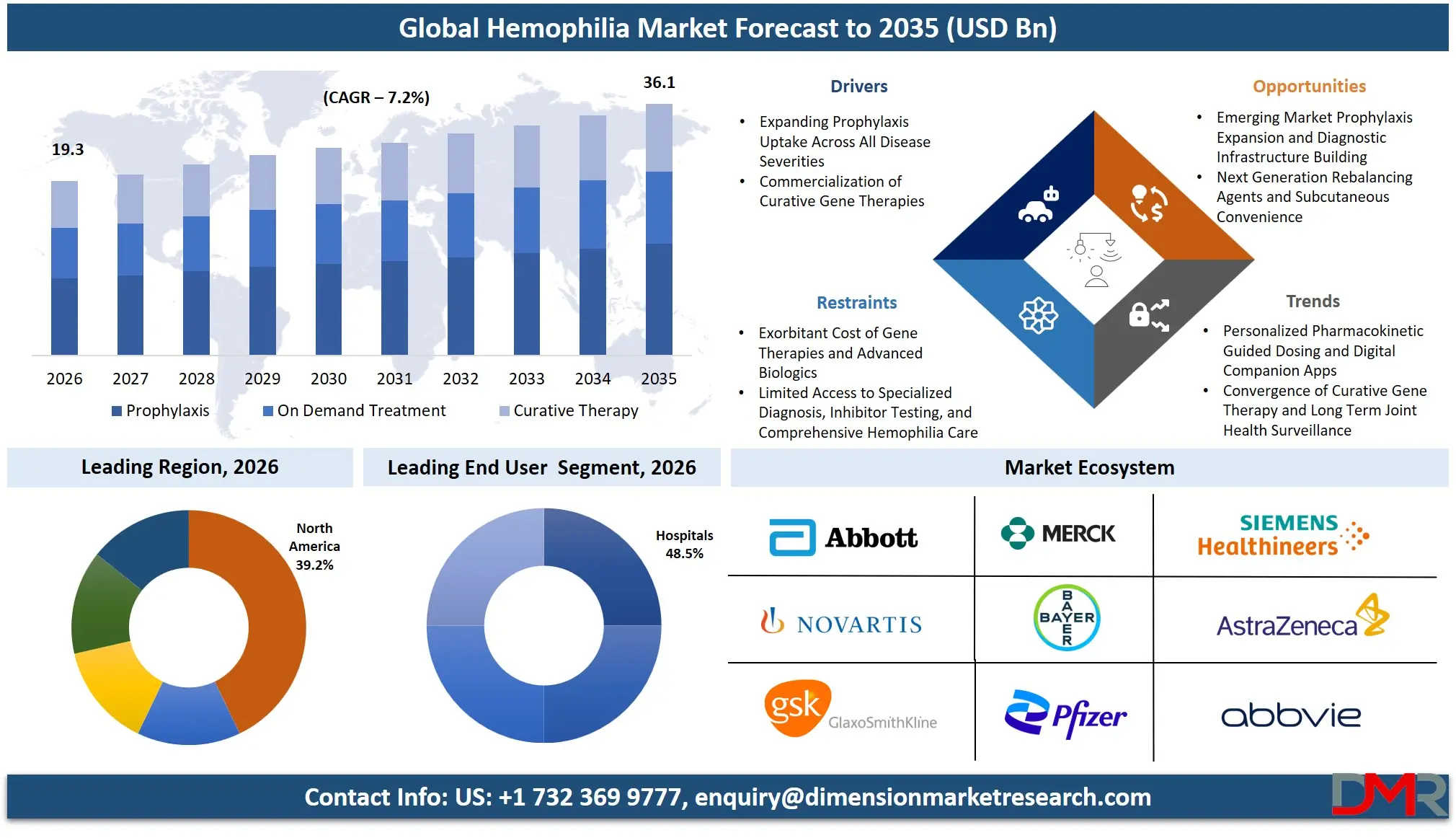
- Global Hemophilia Market Size in 2026: USD 19.3 Billion
- Global Hemophilia Market Size in 2035: USD 36.1 Billion
- Global CAGR from 2026 to 2035: 7.2%
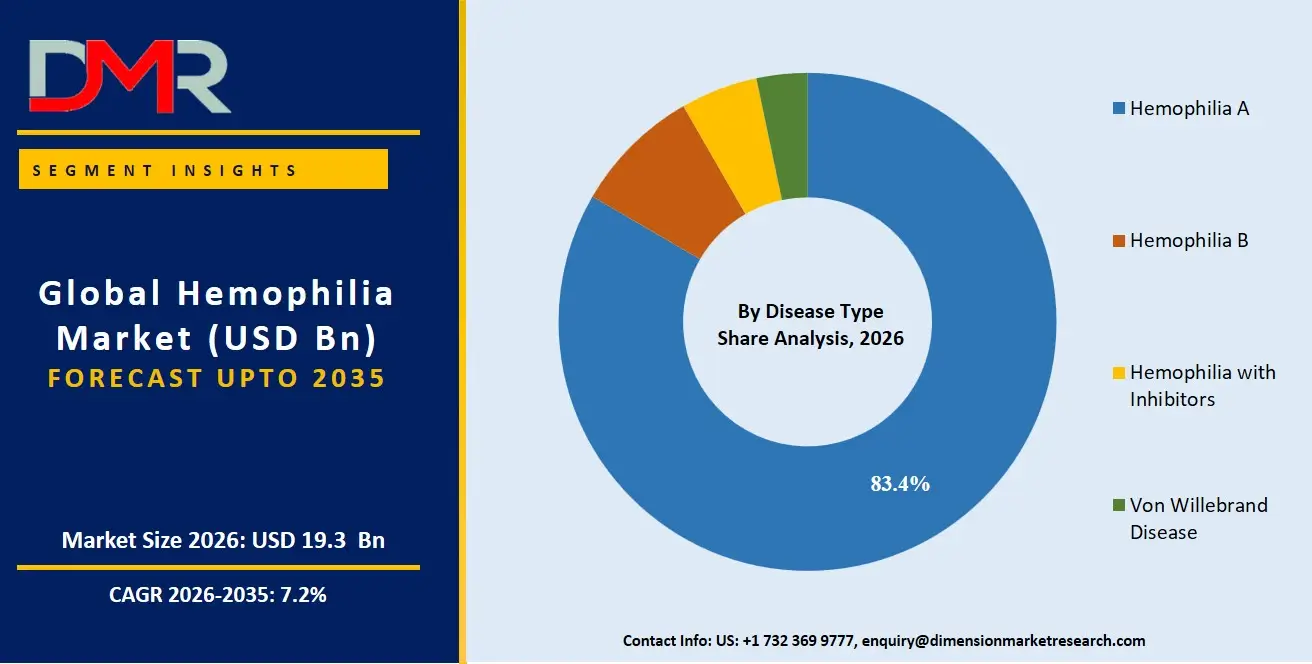
- Hemophilia A is the leading disease type segment in 2026: 83.4%
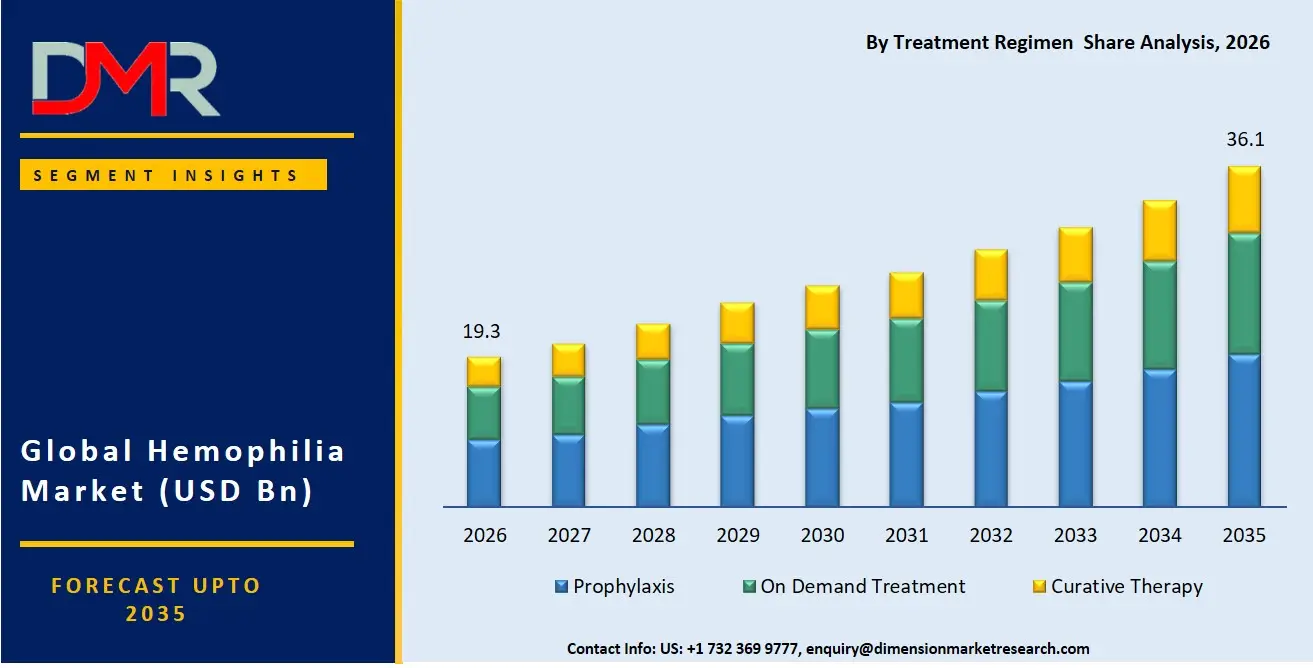
- Prophylaxis is the leading treatment regimen segment in 2026: 63.6%
- Factor Replacement Therapy is the leading therapy type segment in 2026: 68.9%
- Severe Hemophilia is the leading severity segment in 2026: 57.8%
- Hospital Pharmacies is the leading distribution channel segment in 2026: 59.7%
- Hospitals is the leading end user segment in 2026: 48.5%
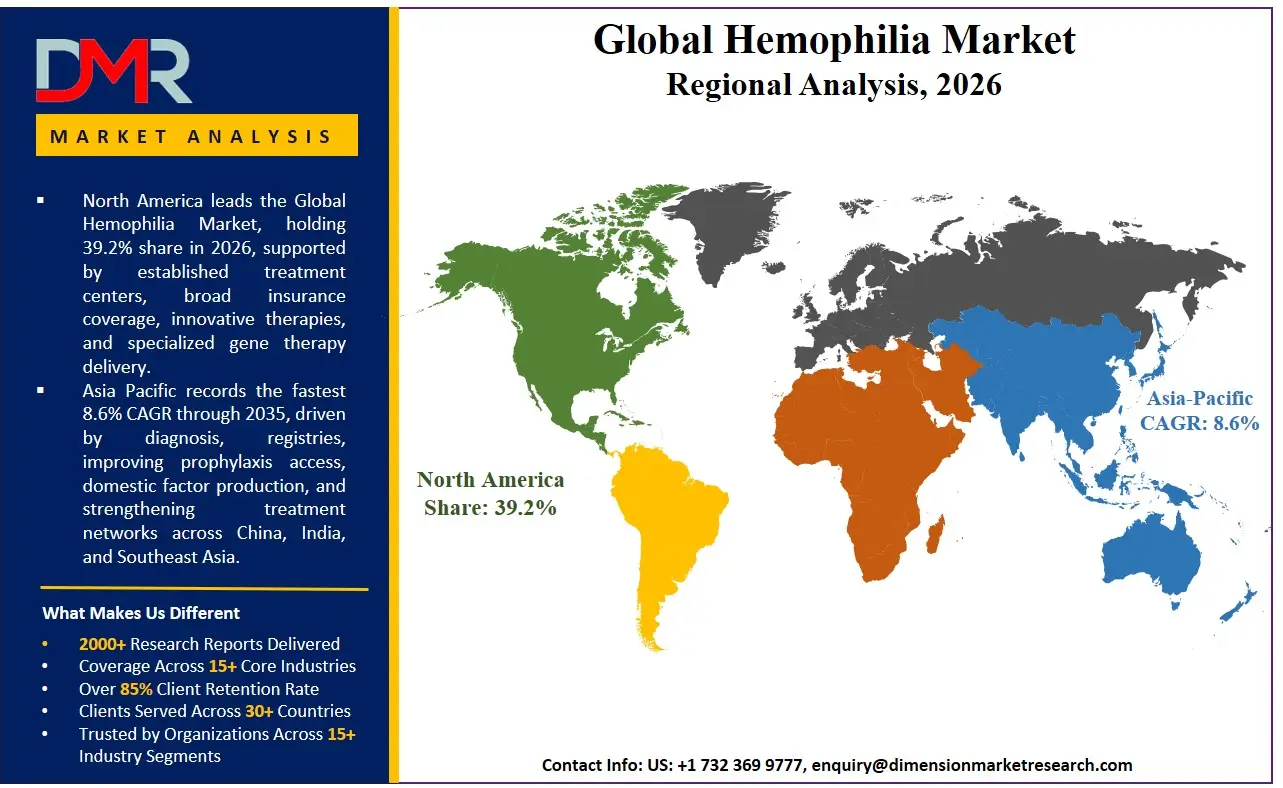
- North America is the leading region in 2026: 39.2%
- Gene Therapy is the fastest-growing therapy type segment: 26.3% CAGR
- Curative Therapy is the fastest-growing treatment regimen segment: 24.8% CAGR
What is the Global Hemophilia and its Market Size?
The Global Hemophilia Market is projected to be valued at USD 19.3 billion in 2026 and is expected to reach USD 36.1 billion by 2035, expanding at a CAGR of 7.2% during the forecast period. Growth is being propelled by the rising diagnosed prevalence of hemophilia A and B across all geographies, strengthened by newborn screening programs and improved diagnostic capabilities for mild and moderate phenotypes.
ℹ
To learn more about this report –
Download Your Free Sample Report Here
The accelerating transition from episodic on-demand therapy to continuous prophylactic regimens fuelled by the widespread adoption of extended half-life (EHL) recombinant factor VIII and IX concentrates, the bispecific monoclonal antibody emicizumab, and a slate of novel non-factor rebalancing agents is fundamentally transforming the standard of care. Simultaneously, the landmark regulatory approvals of the first gene therapies for hemophilia A (valoctocogene roxaparvovec) and hemophilia B (etranacogene dezaparvovec, fidanacogene elaparvovec) have inaugurated a curative treatment paradigm that commands premium pricing and promises lifelong bleed protection.
Use Cases
- Routine Prophylactic Infusion: Specialized hemophilia treatment centers and home care providers administer emicizumab or extended half life factor VIII therapies regularly, maintaining protective factor activity, preventing spontaneous bleeds, preserving joints, and improving long term musculoskeletal outcomes.
- Immune Tolerance Induction: Hemophilia A patients with high titer inhibitors receive intensive recombinant or plasma derived factor VIII regimens in specialized centers, aiming to eradicate inhibitors, restore factor responsiveness, and enable effective prophylactic treatment safely.
- Gene Therapy Administration: Hospital gene therapy centers deliver single dose viral vector treatments encoding functional factor VIII or IX, followed by immunosuppression, liver monitoring, factor testing, and long term surveillance to assess expression durability and safety.
- Non Factor Bypassing Therapy: Inhibitor patients receive non factor therapies, including anti TFPI agents or antithrombin lowering medicines, with bypassing agents for breakthrough bleeding, reducing infusion burden, supporting prophylaxis, and improving management of complex disease.
Key Takeaways
- Market Size: The Global Hemophilia Market is projected to reach USD 19.3 billion in 2026 and USD 36.1 billion by 2035, expanding at a CAGR of 7.2% throughout the forecast period.
- Growth Outlook: Market growth is supported by wider prophylaxis adoption, advancing gene therapies, extended half life factor products, non factor therapies, improved diagnosis, digital adherence tools, and personalized treatment approaches across global hemophilia care pathways.
- Primary Growth Drivers: Growth is driven by a rising diagnosed patient pool, expanded emerging market access, approvals for innovative treatments, supportive orphan drug reimbursement, specialized care infrastructure, and increasing investment in hemophilia treatment development globally.
- Disease Type Analysis: Hemophilia A is poised to lead with an 83.4% share in 2026, reflecting its higher prevalence and broad therapy use. Hemophilia with inhibitors records the highest CAGR of 9.1%, driven by novel specialized treatments.
- Severity Analysis: Severe hemophilia is expected to hold a 57.8% share in 2026 because of intensive prophylaxis needs. Mild hemophilia achieves the highest CAGR of 8.4%, supported by diagnosis improvements and earlier preventive treatment adoption.
- Treatment Regimen Analysis: Prophylaxis is anticipated to command a 63.6% share in 2026, supported by preventive care guidelines and simplified therapies. Curative therapy records the highest CAGR of 24.8%, fueled by expanding gene therapy commercialization and treatment capacity.
- Therapy Type Analysis: Factor replacement therapy is projected to account for a 68.9% share in 2026, remaining the established care foundation. Gene therapy posts the highest CAGR of 26.3%, driven by advancing vector technologies and regulatory expansion.
- Distribution Channel Analysis: Hospital pharmacies is expected to hold a 59.7% share in 2026, serving complex specialty treatment needs. Online pharmacies achieve the highest CAGR of 13.2%, supported by home delivery, refills, and digital prescription management.
- End User Analysis: Hospitals is poised to lead with a 48.5% share in 2026, supporting acute management and advanced treatment delivery. Home care settings record the highest CAGR of 11.8%, driven by self administration and convenient prophylaxis.
How AI/Gen AI is Transforming the Hemophilia Market?
Artificial intelligence and digital health technologies are profoundly reshaping hemophilia care by enabling personalized prophylaxis dosing, early bleed prediction, and remote adherence monitoring. Machine learning algorithms trained on individual patient pharmacokinetic profiles, activity tracking data, and historical bleed logs dynamically estimate optimal infusion schedules and predict breakthrough bleeding risk with high accuracy. These models are being embedded into mobile apps and web-based dashboards that recommend personalized factor dosing intervals and alert patients and HTC teams to imminent bleed events, shifting the paradigm from reactive treatment to preemptive prevention. AI-powered image analysis of joint MRI and ultrasound quantifies early hemophilic arthropathy markers synovial hyperplasia, cartilage loss, hemosiderin deposition supplementing clinical joint scores and enabling more timely physical therapy and orthopedic interventions.
Key Drivers in the Global Hemophilia Market
Expanding Prophylaxis Uptake Across All Disease Severities
The global paradigm shift from on-demand episodic treatment to continuous prophylactic factor replacement or non-factor prophylaxis represents the single most powerful market driver. Landmark studies demonstrating the long-term musculoskeletal benefits of early prophylaxis initiation in severe hemophilia have led to universal guideline endorsements by the World Federation of Hemophilia and national bodies, expanding prophylactic treatment into previously underserved mild and moderate patient groups. The advent of subcutaneous emicizumab, which provides steady-state hemostatic protection with once-weekly to monthly dosing, has dramatically simplified prophylaxis adherence and extended the addressable prophylactic market to infants, inhibitor patients, and those with poor venous access.
Commercialization of Curative Gene Therapies
The FDA and EMA approvals of valoctocogene roxaparvovec (Roctavian) for hemophilia A, and etranacogene dezaparvovec (Hemgenix) and fidanacogene elaparvovec (Beqvez) for hemophilia B, have inaugurated a high-value curative market segment with multi-million-dollar price points per patient. These AAV vector-based gene therapies offer the potential for durable, multi-year factor expression eliminating the need for routine prophylaxis, representing a paradigm shift in hemophilia management. Payer acceptance is growing alongside real-world evidence of sustained bleed reduction, while established HTCs are developing specialized gene therapy administration and long-term hepatotoxicity monitoring programs.
Restraints in the Global Hemophilia Market
Exorbitant Cost of Gene Therapies and Advanced Biologics
Despite their transformative clinical benefit, the one-time list prices of hemophilia gene therapies exceeding USD 2.5–3.5 million per patient pose formidable access and reimbursement challenges for health systems, particularly in low- and middle-income countries. Even in high-income markets, payers are implementing outcomes-based annuity payment models and stringent prior authorization criteria based on liver health, AAV neutralizing antibody status, and age. The high acquisition cost of EHL factor concentrates and non-factor therapies similarly burdens public healthcare budgets, leading to restrictive formularies and treatment caps. This economic toxicity creates significant disparities in access to the most advanced therapies, tempers volume growth potential, and fuels demand for biosimilar factor concentrates and low-cost plasma-derived products a persistent restraint on the premium-priced innovative hemophilia therapeutics market.
Growth Opportunities in the Global Hemophilia Market
Emerging Market Prophylaxis Expansion and Diagnostic Infrastructure Building
A massive untapped opportunity resides in low- and middle-income countries where the majority of hemophilia patients remain undiagnosed or receive only episodic, inadequate treatment. International humanitarian programs (World Federation of Hemophilia's Global Alliance for Progress, national government tenders) are investing in diagnostic laboratory capacity, HTC establishment, and sustainable factor concentrate procurement mechanisms. The transition of large undiagnosed or under-treated populations to continuous prophylaxis with affordable plasma-derived or biosimilar recombinant factor concentrates will generate substantial volume-driven revenue growth.
Next-Generation Rebalancing Agents and Subcutaneous Convenience
The clinical advancement of non-factor rebalancing therapies including anti-TFPI monoclonal antibodies (concizumab, marstacimab), siRNA-based antithrombin knockdown (fitusiran), and activated protein C inhibitors is creating a new market category of subcutaneous, infrequently dosed prophylactics that work independently of factor replacement. These agents are uniquely suited to inhibitor patients, venous access-challenged children, and non-adherent populations. As these therapies progress through Phase III trials and global regulatory approvals, they will erode traditional factor concentrate market share while creating a premium, patient-preferred segment with strong adherence and persistence.
Trends in the Global Hemophilia Market
Personalized Pharmacokinetic-Guided Dosing and Digital Companion Apps
Hemophilia care is rapidly moving from weight-based standard dosing to individualized prophylaxis regimens informed by patient-specific pharmacokinetic (PK) profiles. Cloud-based PK calculators (myPKFiT, WAPPS-Hemo) leverage sparse sampling and Bayesian forecasting to estimate factor half-life and clearance, enabling clinicians to tailor infusion frequency and dose to maintain target trough levels. This trend is commercializing as integrated digital companion apps that combine PK dosing recommendations with infusion logging, bleed diaries, inventory management, and HTC connectivity, improving adherence, reducing annualized bleeding rates, and optimizing factor utilization a powerful value proposition for payers and HTCs alike.
Convergence of Curative Gene Therapy and Long-Term Joint Health Surveillance
The long-term durability of factor expression after gene therapy is shifting the focus from bleed prevention to musculoskeletal preservation and quality of life optimization. Post-gene therapy patients are being enrolled in structured joint health monitoring programs that utilize serial MRI, ultrasound elastography, and AI-scored functional assessments. This convergence of gene therapy follow-up and lifelong joint surveillance creates an adjacency market for imaging services, orthopedic interventions, and biomarker-driven joint health management that will grow in tandem with the expanding gene therapy-treated population.
Research Scope and Analysis
The Global Hemophilia Market is segmented by disease type, severity, treatment regimen, therapy type, distribution channel, and end user. Disease types include hemophilia A, hemophilia B, hemophilia with inhibitors, and von Willebrand disease. Severity spans severe, moderate, and mild. Treatment regimens encompass prophylaxis, on-demand treatment, and curative therapy. Therapy types cover factor replacement therapy (recombinant and plasma-derived), non-factor replacement therapy (monoclonal antibodies, anti-fibrinolytics, desmopressin, fibrin sealants), gene therapy, and immune tolerance induction. End users include hospitals, clinics, home care settings, and specialized hemophilia treatment centers.
ℹ
To learn more about this report –
Download Your Free Sample Report Here
By Disease Type Analysis
Hemophilia A is poised to dominate the Global Hemophilia Market, accounting for an estimated 83.4% market share in 2026, owing to its substantially higher prevalence than Hemophilia B and the broad availability of factor VIII replacement products. Demand is supported by routine prophylaxis, inhibitor management, extended half life recombinant factors, and growing uptake of non factor therapies. Hemophilia B is expected to record the highest CAGR of 9.1% during the forecast period, supported by innovative factor IX products and increasing adoption of gene therapies designed specifically for eligible adult patients. Expanding diagnosis rates, improved access to specialized care, and favorable reimbursement for advanced therapies further support growth across both disease categories.
By Severity Analysis
The severe segment is expected to hold the largest market share, estimated at 57.8% in 2026, because these patients experience frequent spontaneous bleeding episodes and require sustained, high intensity treatment. Severe hemophilia patients are major users of prophylactic clotting factor concentrates, non factor therapies, immune tolerance induction, and specialized hospital services. Their lifetime treatment needs generate significantly higher per patient expenditure than mild or moderate cases. The moderate segment is projected to achieve the highest CAGR of 8.4% over the forecast period. Greater diagnosis of previously under identified patients, wider prophylaxis eligibility, and improved awareness of long term joint damage are encouraging earlier and more consistent treatment adoption among moderate disease populations.
By Treatment Regimen Analysis
Prophylaxis is projected to represent the largest treatment regimen segment, with an estimated 63.6% market share in 2026. Its dominance reflects the clinical shift toward preventing bleeding events, preserving joint function, reducing hospital admissions, and improving quality of life.
ℹ
To learn more about this report –
Download Your Free Sample Report Here
Regular preventive dosing is increasingly supported by international treatment guidelines, extended half life factors, and convenient subcutaneous therapies. Curative therapy is anticipated to register the highest CAGR of 24.8% during the forecast period, driven primarily by the commercialization and pipeline development of gene therapies. Although adoption remains limited by high upfront prices, eligibility criteria, durability uncertainty, and monitoring requirements, curative approaches could materially reshape long term treatment patterns for suitable patients.
By Therapy Type Analysis
Factor replacement therapy is poised to dominate the therapy type segment, accounting for an estimated 68.9% market share in 2026. Recombinant and plasma derived factor VIII and factor IX concentrates remain the established standard of care for bleeding prevention, surgical coverage, and on demand treatment. Their extensive clinical evidence base, broad patient eligibility, and entrenched reimbursement pathways sustain their market leadership. Gene therapy is expected to record the highest CAGR of 26.3% throughout the forecast period. Growth will be supported by new regulatory approvals, improved vector design, longer durability data, and a growing focus on reducing lifelong infusion burden. However, access will remain influenced by cost effectiveness reviews and specialized treatment-center capacity.
By Distribution Channel Analysis
Hospital pharmacies is projected to lead the distribution channel segment, holding an estimated 59.7% market share in 2026. Hemophilia therapies are high value, clinically complex products that often require specialist prescribing, cold chain management, payer authorization, infusion support, and monitoring for adverse events or inhibitor development. Hospitals also play a central role in dispensing treatments for surgery, acute bleeds, immune tolerance induction, and gene therapy. Online pharmacies are projected to post the highest CAGR of 13.2% during the forecast period. Their expansion is supported by home delivery models, refill management, digital prescriptions, and greater patient preference for convenient access. Growth will remain subject to regulatory compliance, temperature-controlled logistics, and reimbursement integration.
By End User Analysis
Hospitals is anticipated to account for the largest end user share, estimated at 48.5% in 2026, because they manage diagnosis, emergency bleeds, inhibitor complications, surgery, infusion initiation, and multidisciplinary care. Hospital based hemophilia treatment centers also support genetic counseling, laboratory testing, treatment selection, and post gene therapy surveillance. Their role is particularly significant for severe patients and those receiving expensive specialty biologics. Home care settings are forecast to achieve the highest CAGR of 11.8% during the forecast period. Extended half life clotting factors, subcutaneous non factor therapies, digital adherence tools, and home infusion training are enabling more treatment outside institutional settings. This shift can reduce travel burden while improving continuity of preventive care.
The Global Hemophilia Market Report is segmented on the basis of the following:
By Disease Type
- Hemophilia A
- Hemophilia B
- Hemophilia with Inhibitors
- Von Willebrand Disease
By Severity
By Treatment Regimen
- Prophylaxis
- On Demand Treatment
- Curative Therapy
By Therapy Type
- Factor Replacement Therapy
- Recombinant Coagulation Factor Concentrates
- Plasma Derived Coagulation Factor Concentrates
- Non Factor Replacement Therapy
- Monoclonal Antibodies
- Anti Fibrinolytics
- Desmopressin
- Fibrin Sealants and Adjunctive Therapies
- Gene Therapy
- Immune Tolerance Induction Therapy
By Distribution Channel
- Hospital Pharmacies
- Retail Pharmacies
- Online Pharmacies
By End User
- Hospitals
- Clinics
- Home Care Settings
- Specialized Hemophilia Treatment Centers
Regional Analysis
North America is the Leading Region in the Global Hemophilia Market
North America is poised to lead the Global Hemophilia Market with an estimated 39.2% revenue share in 2026, translating to a market size of USD 7.6 billion. The region's dominance is anchored by a high diagnosed hemophilia prevalence, a mature network of federally funded Hemophilia Treatment Centers (HTCs), comprehensive insurance coverage through the 340B drug pricing program and commercial payers, and the most rapid and complete adoption of innovative therapies worldwide.
ℹ
To learn more about this report –
Download Your Free Sample Report Here
The United States, in particular, is characterized by early and broad formulary acceptance of all major EHL factor concentrates, near-universal emicizumab prophylaxis in eligible severe hemophilia A patients, and the world's highest volume of gene therapy administrations. Robust health technology assessment and value-based agreements with manufacturers have facilitated payer coverage for premium-priced curative therapies, while the HTC infrastructure provides the multidisciplinary care coordination essential for gene therapy candidate evaluation, infusion, and long-term hepatotoxicity monitoring.
Asia Pacific is the Fastest-Growing Region in the Global Hemophilia Market
Asia Pacific is projected to register the fastest CAGR of 8.6% through 2035, driven by the region's enormous and rapidly expanding diagnosed hemophilia patient pool particularly in China, India, and Southeast Asia where improved diagnostic capabilities and government-sponsored hemophilia registries are systematically identifying thousands of previously undiagnosed individuals. China's National Hemophilia Registry and tiered hospital-based hemophilia care network, combined with growing domestic production of recombinant factor VIII concentrates (Shanghai RAAS, Sinocelltech), are dramatically expanding prophylaxis access. India's Hemophilia Federation and state-level factor procurement programs are scaling up prophylactic treatment across the country.
The Europe Hemophilia Market
Europe represents one of the largest regional markets, characterized by universal healthcare coverage models that provide comprehensive hemophilia care through national or regional HTC networks, though with significant cross-national variation in prophylaxis adoption rates and gene therapy access. Germany, the UK, France, and Italy are the primary national markets, with Germany leading in factor concentrate consumption and homecare delivery infrastructure. The European Association for Haemophilia and Allied Disorders (EAHAD) and national registries (UKHCDO, PedNet) promote evidence-based prophylaxis and ITI protocols. Stringent regulatory oversight from the European Medicines Agency (EMA) has facilitated a steady flow of innovative therapies, including the first gene therapy approvals, while health technology assessment bodies (NICE, IQWiG, HAS) engage in rigorous cost-effectiveness negotiations that can moderate revenue growth per patient but ensure long-term market access.
Latin America Hemophilia Market
The Latin America Hemophilia Market is expanding as government-funded blood product programs (Brazil's Hemobrás, Mexico's CNTS, Colombia's INS) increasingly procure recombinant factor concentrates and distribute them through public HTC networks, transitioning patients from episodic to prophylactic care. Brazil and Mexico are the primary markets, with Brazil's universal health system (SUS) providing free factor concentrates to the majority of the diagnosed hemophilia population. Argentina's well-established HTC network and national hemophilia registry drive diagnostic and treatment penetration. Access barriers, including intermittent supply chain disruptions, limited availability of EHL factors and non-factor therapies, and the prohibitive cost of gene therapies, constrain premium segment growth. However, increasing government tenders for biosimilar recombinant factors and expanding World Federation of Hemophilia humanitarian aid programs are steadily broadening the addressable market for factor replacement.
Middle East and Africa Hemophilia Market
The Middle East and Africa Hemophilia Market is developing against a backdrop of improving diagnostic infrastructure, high consanguinity rates amplifying hemophilia incidence, and growing government commitment to rare disease care in Gulf Cooperation Council (GCC) countries. Saudi Arabia and the United Arab Emirates are the most attractive markets, with high per-capita healthcare spending, well-equipped HTCs, and active procurement of EHL factor concentrates and emicizumab for citizens. South Africa leads the sub-Saharan African market with its established academic HTCs and public-sector factor provision. The region is characterized by a dual burden of severe hemophilia requiring high-volume factor support and an expanding inhibitor population in need of ITI and bypassing agents. Major growth drivers include the establishment of national hemophilia societies, expansion of diagnostic and carrier screening programs, and the entry of global plasma fractionators and recombinant factor manufacturers through tender-based supply models.
Major Countries Analysis
The US Hemophilia Market
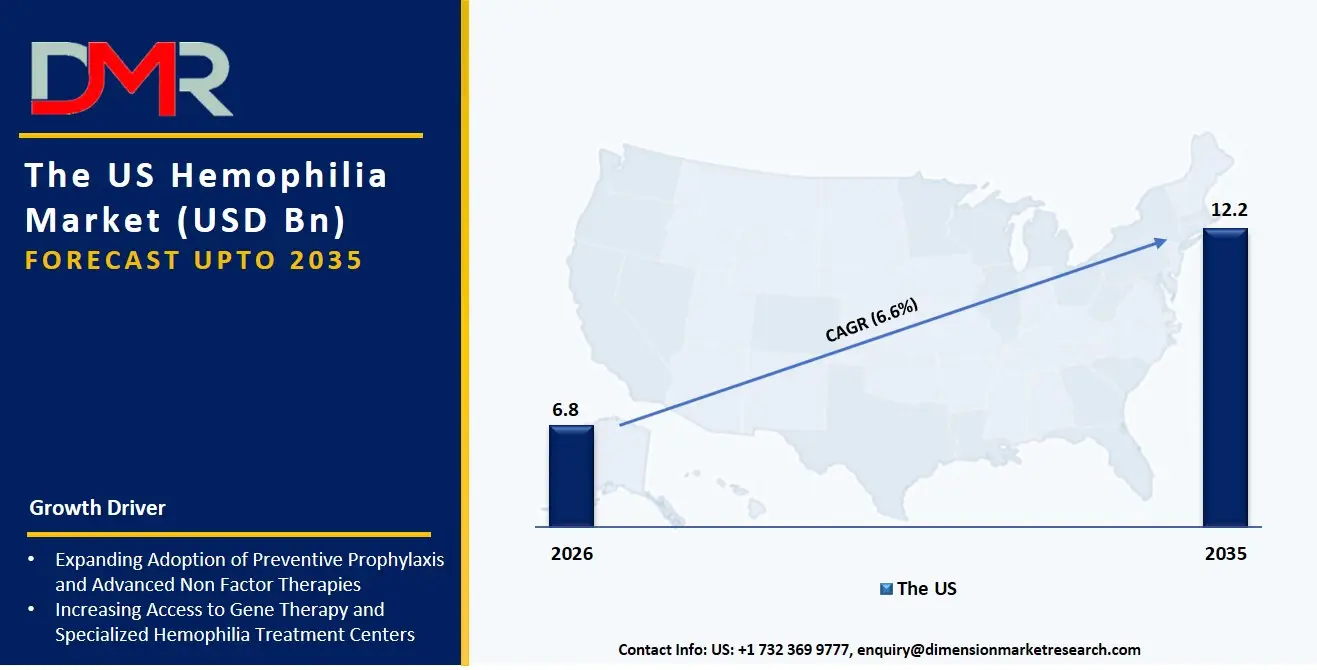
The United States Hemophilia Market is projected to be valued at USD 6.8 billion in 2026 and is expected to reach USD 12.2 billion by 2035, registering a CAGR of 6.6% from 2026 to 2035. This robust trajectory reflects the U.S.'s position as the highest-value single-country hemophilia market globally, underpinned by 33,000 people living with hemophilia and the world's highest per-capita factor concentrate consumption.
ℹ
To learn more about this report –
Download Your Free Sample Report Here
Growth is fueled by the transformative impact of the 340B Drug Pricing Program, which enables HTCs to generate margins used to fund comprehensive multidisciplinary care, and by the rapid formulary adoption of hyper-long half-life factor VIII products and gene therapies. The U.S. Food and Drug Administration's pioneering approvals of Roctavian, Hemgenix, and Beqvez have created a multi-billion-dollar gene therapy market, while the ongoing commercial uptake of emicizumab continues to displace standard half-life factor VIII for severe hemophilia A prophylaxis. Value-based agreements, including outcomes-based rebates for gene therapy durability, are shaping payer-Manufacturer dynamics and will influence long-term market access and revenue recognition.
Japan Hemophilia Market
Japan possesses a sophisticated hemophilia market underpinned by a universal health insurance system that provides comprehensive coverage for factor concentrates, non-factor therapies, and gene therapies. The country has one of the highest diagnosed hemophilia prevalence rates and a well-established network of hemophilia treatment centers. Early regulatory approvals and favorable pricing for innovative therapies, including etranacogene dezaparvovec for hemophilia B and valoctocogene roxaparvovec for hemophilia A, have positioned Japan as a lead adopter of curative gene therapy in Asia. The Japanese Ministry of Health, Labour and Welfare's proactive rare disease policy and the robust hemophilia registry facilitate rapid evidence generation and treatment protocol refinement. Home infusion training programs and homecare pharmacy networks are well developed, ensuring high adherence to prophylactic regimens. Japan's aging hemophilia population is driving demand for age-appropriate joint health management and orthopedic interventions, creating a mature, multi-dimensional market.
Saudi Arabia Hemophilia Market
Market expansion is directly tied to the Kingdom's high consanguinity rates, which elevate hemophilia incidence, and the government's strong commitment to providing free, high-quality care to all citizens through specialized HTCs. The Saudi Ministry of Health funds comprehensive prophylaxis programs with recombinant factor concentrates and is progressively introducing EHL factors and emicizumab. Vision 2030's healthcare transformation agenda emphasizes genomics, precision medicine, and public-private partnerships, opening significant opportunities for international hemophilia pharmaceutical and diagnostic companies. The Saudi Society of Hemophilia and growing research collaborations with international HTCs are strengthening clinical capacity and clinical trial participation. The government's willingness to invest in gene therapy infrastructure and outcomes-based procurement models ensures sustained, double-digit volume growth for high-value hemophilia therapies.
Regulatory Landscape
The regulatory landscape for hemophilia therapeutics is shaped by agencies that balance rapid access to transformative therapies with robust evidence of long-term safety and efficacy. In the United States, the FDA's Center for Biologics Evaluation and Research has demonstrated consistent receptivity to innovative hemophilia products, granting Breakthrough Therapy Designation and accelerated approvals to multiple EHL factors, non-factor therapies, and all currently approved gene therapies. The FDA's acceptance of annualized bleeding rate (ABR) reduction as a primary endpoint and its willingness to review gene therapy BLA packages based on sustained factor expression and ABR at 12-24 months have shortened development timelines. The European Medicines Agency's PRIME scheme and conditional marketing authorizations have similarly fast-tracked emicizumab, concizumab, and gene therapy approvals. In both jurisdictions, mandatory long-term follow-up registries for gene therapy recipients (up to 15 years) and rigorous liver function monitoring protocols are now established, creating a durable regulatory framework that reassures payers and clinicians while maintaining high safety standards.
Epidemiology Analysis
The Hemophilia Epidemiology section assesses historical and forecast hemophilia burden across the markets covered in the study, evaluating prevalent cases, diagnosed patients, treated populations, and the distribution across disease types, severities, and inhibitor status.
Key Findings from Hemophilia Epidemiological Analysis
- Globally, an estimated 1,125,000 individuals were living with hemophilia in 2023, of whom 940,000 had hemophilia A and 185,000 hemophilia B, reflecting the ~5:1 prevalence ratio.
- The United States had 33,000 diagnosed hemophilia patients, with hemophilia A accounting for roughly 27,500 and hemophilia B 5,500, representing one of the highest diagnosis rates globally due to robust newborn screening and comprehensive HTC registries.
- China's National Hemophilia Registry reported around 85,000 registered patients in 2023, a steep rise from earlier years due to intensified case-finding, though a significant undiagnosed burden persists in rural areas.
- India had an estimated 150,000–200,000 people with hemophilia, with only about 25,000 registered in the Hemophilia Federation of India database, underscoring a massive diagnosis and treatment gap.
- Inhibitor prevalence remains a critical epidemiologic metric, with high-titer inhibitors developing in 20–30% of severe hemophilia A patients and 3–5% of severe hemophilia B patients, representing a disproportionately high-cost and high-need subpopulation.
- Von Willebrand disease, a related bleeding disorder, is estimated to affect up to 1% of the global population, with symptomatic and diagnosed prevalence concentrated in specialized HTCs.
By Region
North America
Europe
- Germany
- The U.K.
- France
- Italy
- Russia
- Spain
- Rest of Europe
Asia-Pacific
- China
- Japan
- India
- Australia
- South Korea
- Rest of Asia-Pacific
Latin America
- Mexico
- Brazil
- Argentina
- Colombia
- Rest of LATAM
Middle East & Africa
- Saudi Arabia
- The UAE
- South Africa
- Rest of MEA
Competitive Landscape
The Global Hemophilia Market features a dynamic competitive landscape spanning multinational biopharmaceutical leaders, specialized plasma fractionators, gene therapy pioneers, and emerging rebalancing agent innovators. Takeda Pharmaceutical Company (following its acquisition of Shire) holds a formidable market position with its portfolio of recombinant factor VIII (Advate, Adynovate) and factor IX (Rixubis) concentrates, along with the subcutaneous subcutaneous non-factor therapy portfolio. CSL Behring markets EHL factor VIII (Afstyla), plasma-derived factor IX, and through its uniQure partnership, the gene therapy Hemgenix (etranacogene dezaparvovec) for hemophilia B. Novo Nordisk has rapidly transformed the hemophilia space with emicizumab (Hemlibra) for hemophilia A, and its pipeline includes concizumab (anti-TFPI monoclonal antibody) and fitusiran (in collaboration with Sanofi, though Sanofi has since transferred rights). Sanofi (via legacy Bioverativ) markets EHL factor VIII (Eloctate) and factor IX (Alprolix) developed through Fc fusion technology. Pfizer is an emerging force, commercializing Beqvez (fidanacogene elaparvovec) for hemophilia B gene therapy and marstacimab (anti-TFPI) in advanced clinical development, along with a standard half-life recombinant factor IX. Bayer markets EHL factor VIII (Jivi) and maintains a strong position in plasma-derived and recombinant standard half-life factors. Octapharma, Grifols, and LFB supply plasma-derived factor VIII and IX concentrates, serving critical roles in tendered emerging market supply. BioMarin Pharmaceutical pioneered the hemophilia A gene therapy market with Roctavian (valoctocogene roxaparvovec). Roche/Chugai's Hemlibra (emicizumab) remains the dominant non-factor prophylactic, profoundly altering the treatment landscape.
Some of the prominent players in the Global Hemophilia Market are:
- Roche Holding AG
- Pfizer Inc.
- Sanofi S.A.
- Novo Nordisk A/S
- Takeda Pharmaceutical Company Limited
- CSL Limited
- Bayer AG
- Biogen Inc.
- Chugai Pharmaceutical Co., Ltd.
- Grifols, S.A.
- Octapharma AG
- Kedrion S.p.A.
- LFB S.A.
- Bio Products Laboratory Limited
- Hema Biologics LLC
- Genentech, Inc.
- Spark Therapeutics, Inc.
- uniQure N.V.
- BioMarin Pharmaceutical Inc.
- Freeline Therapeutics Holdings plc
- Sangamo Therapeutics, Inc.
- Rocket Pharmaceuticals, Inc.
- Regenxbio Inc.
- Ultragenyx Pharmaceutical Inc.
- Alnylam Pharmaceuticals, Inc.
- Catalyst Biosciences, Inc.
- Ascendis Pharma A/S
- Apcintex Ltd.
- Bioverativ Inc.
- Emergent BioSolutions Inc.
- SK Plasma Co., Ltd.
- GC Biopharma Corp.
- China Resources Boya Bio Pharmaceutical Group Co., Ltd.
- Shanghai RAAS Blood Products Co., Ltd.
- PT Bio Farma
- Intas Pharmaceuticals Limited
- Dr. Reddy's Laboratories Limited
- Reliance Life Sciences Pvt. Ltd.
- Bharat Serums and Vaccines Limited
- Shire plc
- Other Key Players
Recent Developments
- March 2026: The EMA's CHMP adopted a positive opinion to expand Pfizer's Hympavzi (marstacimab) to eligible patients aged 12 years and older with hemophilia A or B with inhibitors.
- February 2026: BioMarin announced the voluntary withdrawal of Roctavian (valoctocogene roxaparvovec) from the market after it was unable to identify a qualified buyer. The gene therapy was approved for adults with severe hemophilia A.
- March 2025: The FDA approved Sanofi's Qfitlia (fitusiran) for routine prophylaxis in adults and adolescents aged 12 years and older with hemophilia A or B, with or without factor inhibitors.
- June 2025: BioMarin presented five year Phase III data for Roctavian at the ISTH Congress, reporting sustained bleed control and continued long term efficacy and safety data in adults with severe hemophilia A.
Report Details
| Report Characteristics |
| Market Size (2026) |
USD 19.3 Bn |
| Forecast Value (2035) |
USD 36.1 Bn |
| CAGR (2026–2035) |
7.2% |
| The US Market Size (2026) |
USD 6.8 Bn |
| Historical Data |
2021 – 2025 |
| Forecast Data |
2027 – 2035 |
| Base Year |
2025 |
| Estimate Year |
2026 |
| Segments Covered |
By Disease Type, By Severity, By Treatment Regimen, By Therapy Type, By Distribution Channel, By End User |
| Regional Coverage |
North America – The U.S. and Canada; Europe – Germany, The U.K., France, Italy, Russia, Spain, and Rest of Europe; Asia Pacific – China, Japan, India, Australia, South Korea, and Rest of Asia Pacific; Latin America – Mexico, Brazil, Argentina, Colombia, and Rest of Latin America; Middle East and Africa – Saudi Arabia, The UAE, South Africa, and Rest of MEA |
Frequently Asked Questions
How big is the Global Hemophilia Market?
▾ The Global Hemophilia Market is valued at USD 19.3 billion in 2026 and is projected to reach USD 36.1 billion by 2035, reflecting strong global demand for factor replacement prophylaxis, non-factor therapies, gene therapy, and immune tolerance induction.
What is the CAGR of the Global Hemophilia Market from 2026 to 2035?
▾ The market is projected to expand at a compound annual growth rate (CAGR) of 7.2% between 2026 and 2035, supported by sustained investment in prophylactic care, the rollout of curative gene therapies, and rising diagnosis rates in emerging regions.
What factors are driving the growth of the Global Hemophilia Market?
▾ Growth is driven by the global shift from on-demand to continuous prophylaxis, landmark regulatory approvals for gene therapies and extended half-life factor concentrates, rising diagnosed patient populations, and the integration of AI-enabled personalized dosing and remote monitoring tools.
What are the major trends in the Global Hemophilia Market?
▾ Major trends include personalized pharmacokinetic-guided prophylaxis, the adoption of subcutaneous non-factor rebalancing therapies, the expansion of home-based self-infusion with digital companion apps, the convergence of gene therapy and long-term joint health surveillance, and the development of CRISPR-based gene editing approaches.
Which region held the largest share of the Global Hemophilia Market in 2026?
▾ North America is expected to lead the global market with a 39.2% share in 2026, supported by high diagnosis rates, comprehensive insurance coverage, a mature HTC network, and the fastest adoption of innovative therapies.
Which region is expected to grow the fastest in the Global Hemophilia Market?
▾ Asia Pacific is expected to record the fastest growth at an 8.6% CAGR through 2035, driven by a massive undiagnosed patient pool, expanding government-funded prophylaxis programs, and increasing diagnostic and treatment capacity.
Who are the key players in the Global Hemophilia Market?
▾ Key market participants include Takeda, CSL Behring, Novo Nordisk, Roche/Chugai, Sanofi, Pfizer, Bayer, BioMarin Pharmaceutical, uniQure, Octapharma, and Grifols, among other biopharmaceutical, gene therapy, and plasma fractionation companies.
How is the Global Hemophilia Market segmented?
▾ The market is segmented by disease type, severity, treatment regimen, therapy type, distribution channel, and end user, with regional analysis covering North America, Europe, Asia Pacific, Latin America, and the Middle East & Africa.