Market Overview
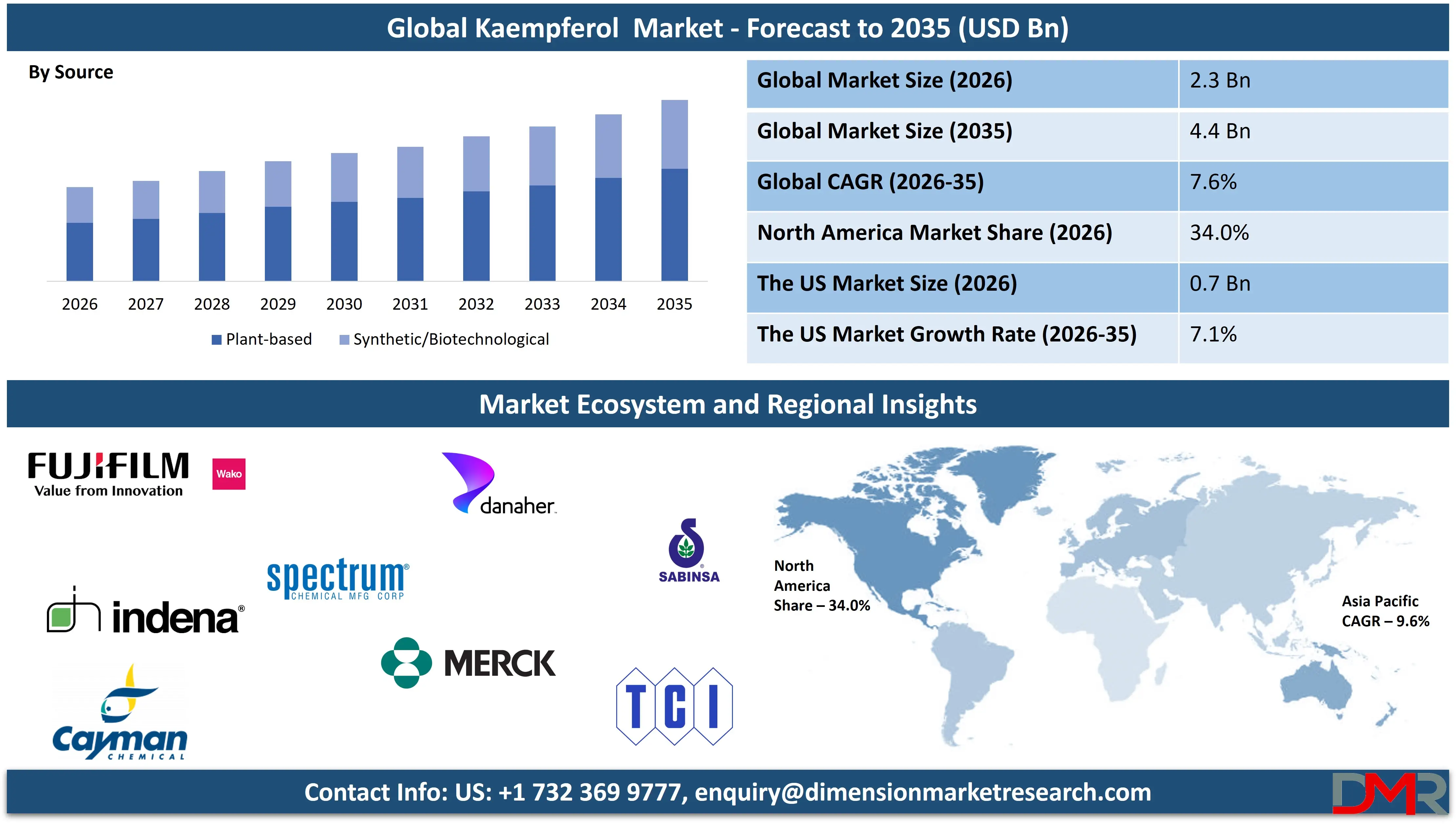
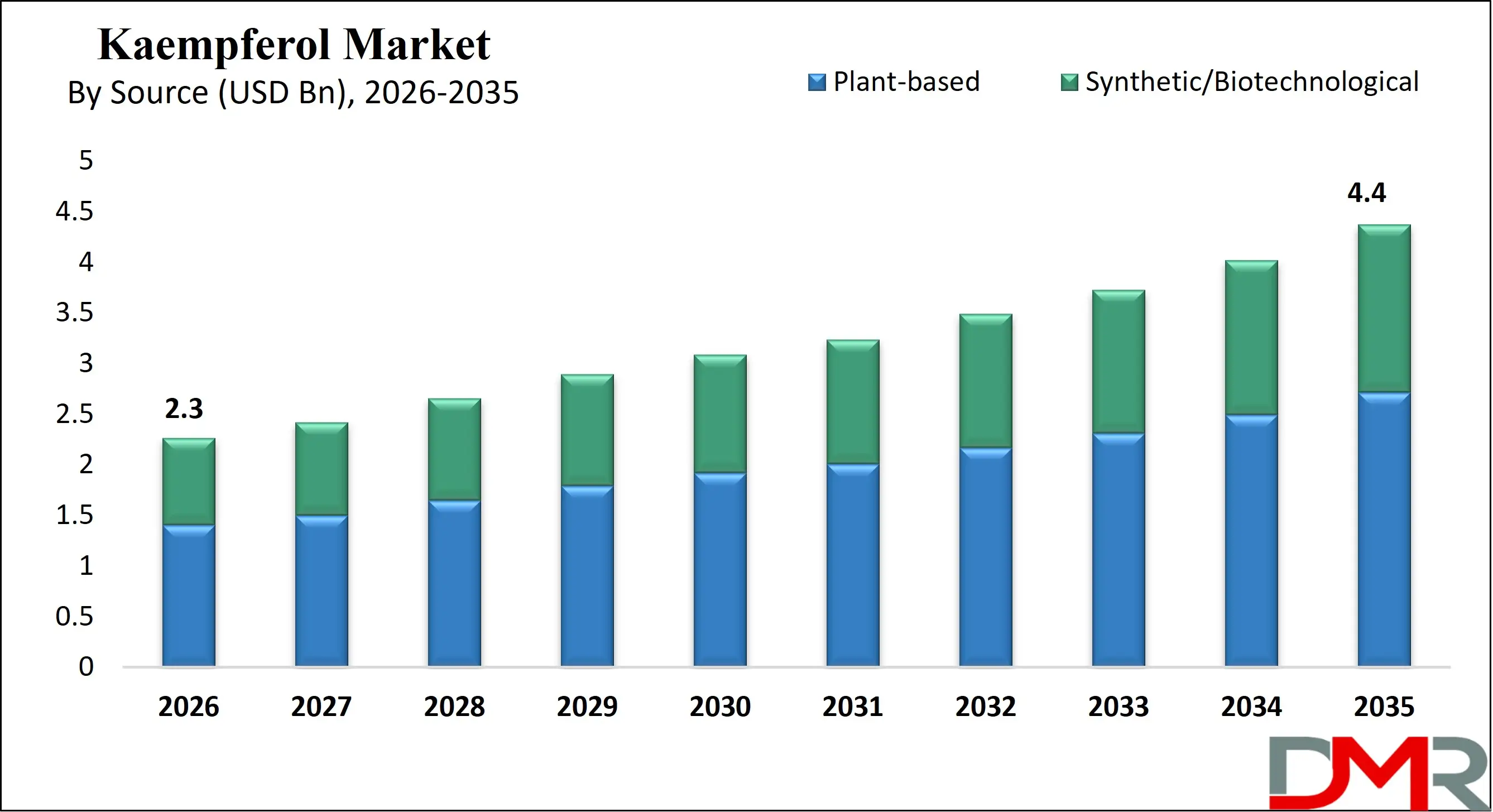
The Global Kaempferol Market size is projected to reach USD 2.3 billion in 2026 and grow at a compound annual growth rate of 7.6% to reach a value of USD 4.4 billion in 2035.
ℹ
To learn more about this report –
Download Your Free Sample Report Here
Kaempferol is a naturally occurring flavonoid belonging to the flavonol class of polyphenols, widely found in plant-based sources such as tea, fruits, vegetables, and medicinal herbs. It is recognized for its antioxidant, anti-inflammatory, antimicrobial, and anticancer properties. The compound is extracted from sources including green tea, kale, broccoli, berries, and herbal plants, and is available in powder, liquid extract, capsule, and tablet forms. It is used across pharmaceuticals, nutraceuticals, cosmetics, food and beverages, and animal nutrition industries due to its bioactive potential and multifunctional applications.
Growing scientific interest in plant-derived bioactives has significantly elevated the relevance of kaempferol within the broader phytochemical and functional ingredients industry. Advances in extraction technologies, including supercritical fluid extraction and biotechnological synthesis, have improved purity levels and scalability. Increasing consumer preference for natural antioxidants over synthetic alternatives, along with expanding research into flavonoid-based therapeutics, is accelerating product development and commercialization efforts globally.
ℹ
To learn more about this report –
Download Your Free Sample Report Here
Rising incidences of chronic diseases, increasing adoption of preventive healthcare practices, and strong demand for clean-label ingredients are reshaping the industry landscape. Regulatory support for botanical extracts in functional foods and supplements, combined with expanding clinical research, is contributing to greater product validation and market maturity.
The US Kaempferol Market
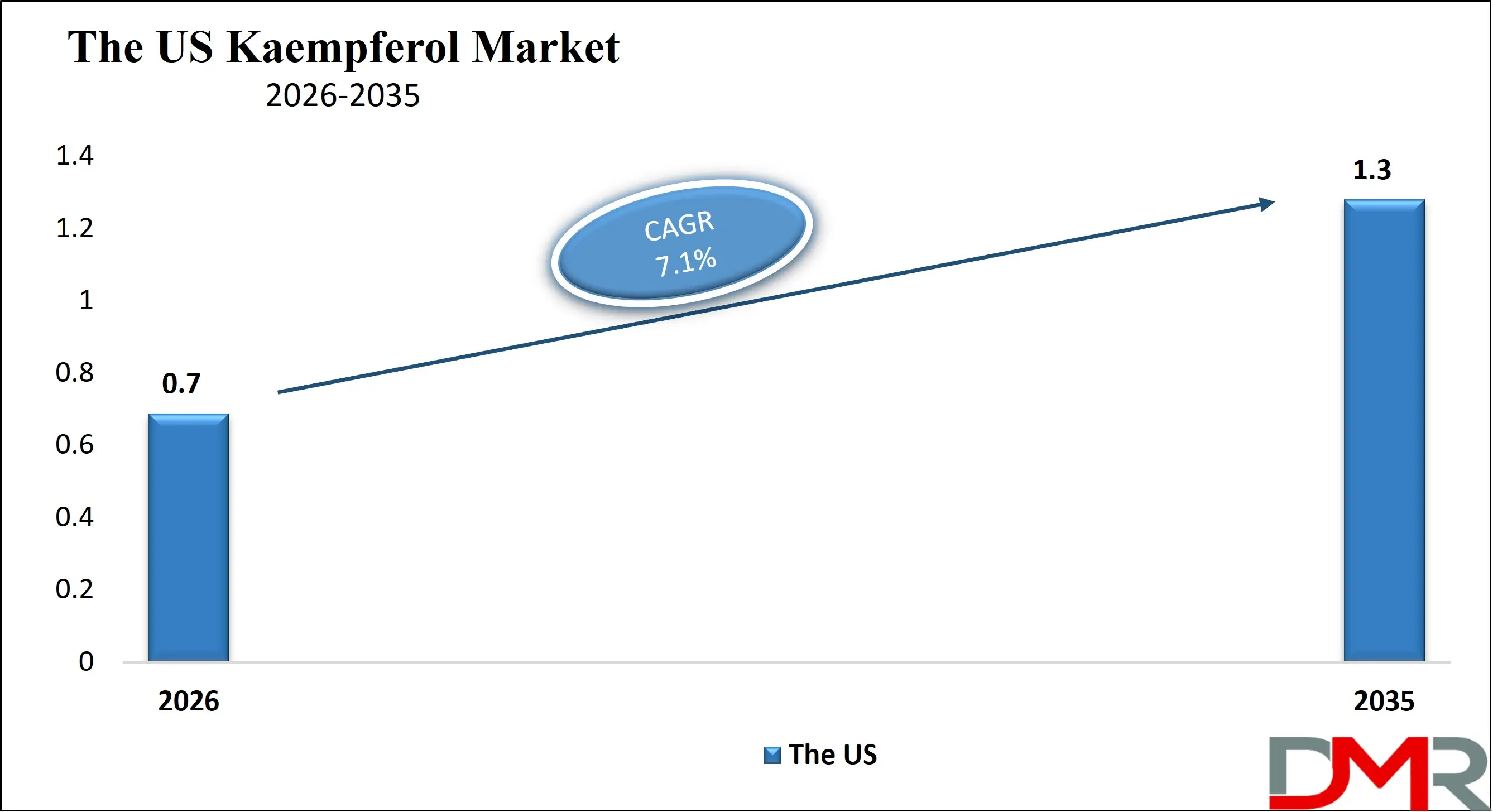
The US Kaempferol Market size is projected to reach USD 700 million in 2026 at a compound annual growth rate of 7.1% over its forecast period.
ℹ
To learn more about this report –
Download Your Free Sample Report Here
The US represents a mature yet innovation-driven landscape for kaempferol, supported by advanced nutraceutical and pharmaceutical industries. High consumer awareness regarding antioxidant supplementation and preventive healthcare drives demand for flavonoid-based products. The presence of established botanical extract manufacturers and strong distribution networks enhances accessibility. Regulatory oversight by federal authorities ensures product quality and labeling compliance, fostering consumer trust. Research institutions and biotechnology firms are actively exploring kaempferol’s potential in oncology and cardiovascular research, strengthening its pharmaceutical relevance. Additionally, rising demand for clean-label cosmetics and plant-based functional foods supports sustained expansion in the region.
Europe Kaempferol Market
Europe Kaempferol Market size is projected to reach USD 644 million in 2026 at a compound annual growth rate of 7.3% over its forecast period.
Europe demonstrates strong adoption of plant-based bioactives, supported by sustainability goals and regulatory frameworks aligned with the European Green Deal. The region emphasizes natural ingredients in cosmetics, food, and health supplements. Countries such as Germany, France, and Italy are prominent contributors due to established herbal extract industries and advanced research infrastructure. Strict quality standards and novel food regulations shape product development strategies. Increasing consumer preference for organic and botanical formulations accelerates innovation. Research collaborations between universities and industry players are further strengthening kaempferol’s therapeutic exploration across pharmaceutical and nutraceutical sectors.
Japan Kaempferol Market
Japan Kaempferol Market size is projected to reach USD 99 million in 2026 at a compound annual growth rate of 7.0% over its forecast period.
Japan’s kaempferol landscape is influenced by a strong tradition of functional foods and nutraceutical consumption. The country’s aging population drives demand for antioxidant and anti-inflammatory supplements targeting cardiovascular health and longevity. Advanced research in phytochemistry and biotechnology supports high-purity extraction and formulation innovation. Government-backed health initiatives promoting preventive care further stimulate adoption. Japanese cosmetic manufacturers are integrating botanical antioxidants into premium skincare products, enhancing application diversity. While regulatory approvals require rigorous safety validation, strong R&D capabilities and consumer acceptance of plant-based ingredients create long-term growth opportunities.
Kaempferol Market: Key Takeaways
- Market Growth: The Kaempferol Market size is expected to grow by USD 2.0 billion, at a CAGR of 7.6%, during the forecasted period of 2027 to 2035.
- By Source: The plant based segment is anticipated to get the majority share of the Kaempferol market in 2026.
- By Application: The pharmaceutical segment is expected to get the largest revenue share in 2026 in the Kaempferol market.
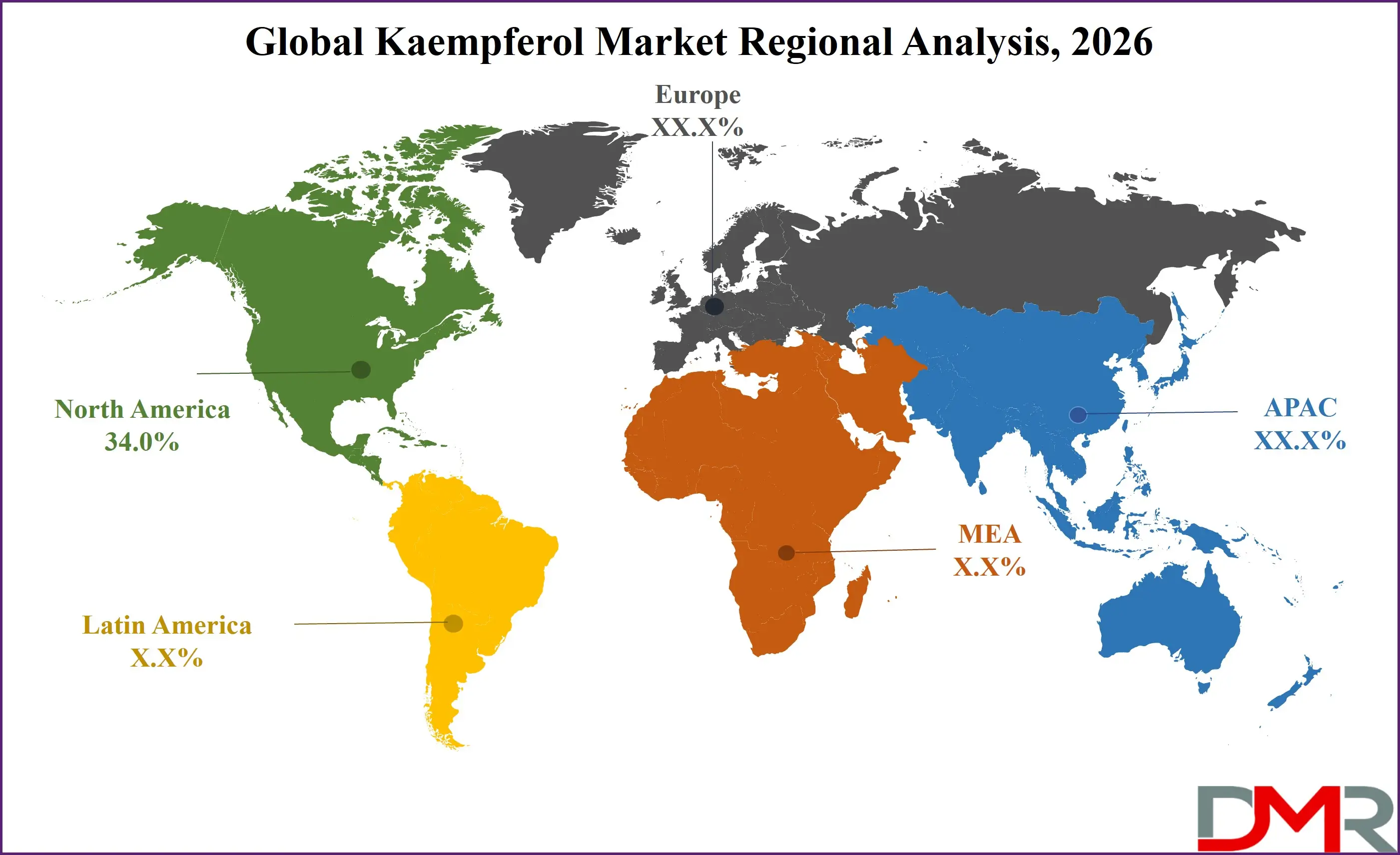
- Regional Insight: North America is expected to hold a 34.0% share of revenue in the global Kaempferol market in 2026.
- Use Cases: some of the use cases of Kaempferol include animal nutrition, cosmetic formulations, and more.
Kaempferol Market: Use Cases
- Antioxidant Supplements: Used in dietary supplements to neutralize free radicals and support cellular health, particularly in aging populations.
- Anti-inflammatory Formulations: Incorporated into pharmaceutical research targeting inflammatory disorders and autoimmune conditions.
- Cardiovascular Health Products: Utilized in formulations aimed at improving vascular function and reducing oxidative stress.
- Oncology Research Applications: Studied for its potential role in inhibiting cancer cell proliferation and supporting adjunct therapies.
- Functional Foods & Beverages: Added to fortified drinks and health foods to enhance antioxidant value.
- Cosmetic Formulations: Included in anti-aging and UV-protection skincare due to its protective bioactivity.
- Animal Nutrition: Integrated into feed supplements to enhance immunity and oxidative stability in livestock.
Stats & Facts
- U.S. Food & Drug Administration in 2024 reported over 29,000 registered dietary supplement products containing plant-derived flavonoids.
- National Institutes of Health in 2024 noted that more than 60% of U.S. adults consume dietary supplements regularly.
- European Commission in 2024 highlighted that the EU organic farming area exceeded 16 million hectares.
- World Health Organization in 2024 stated that noncommunicable diseases account for 74% of global deaths annually.
- Food and Agriculture Organization in 2024 recorded global fruit production surpassing 920 million metric tons.
- Ministry of Health, Labour and Welfare Japan in 2024 reported that over 28% of the population is aged 65 or older.
- U.S. Department of Agriculture in 2024 documented vegetable production exceeding 120 million tons annually.
- Organisation for Economic Co-operation and Development in 2024 noted rising preventive healthcare expenditure across member nations.
- European Food Safety Authority in 2024 processed over 3,000 health claim evaluations for food ingredients.
- Centers for Disease Control and Prevention in 2024 confirmed that heart disease remains the leading cause of death in the United States.
Market Dynamic
Driving Factors in the Kaempferol Market
Rising Demand for Natural Antioxidants
Increasing awareness of oxidative stress and its link to chronic diseases is significantly driving kaempferol adoption across health-focused industries. Consumers are shifting toward plant-based antioxidants, perceiving them as safer and more sustainable than synthetic alternatives. Scientific studies highlighting flavonoids’ anti-inflammatory and cardioprotective properties are strengthening product credibility. Aging populations are also prioritizing preventive healthcare, boosting supplement intake. Moreover, clean-label trends in food and cosmetics encourage manufacturers to incorporate botanical bioactives like kaempferol into diverse formulations.
Expansion of Nutraceutical and Functional Food Industries
The global expansion of nutraceuticals and functional foods is creating strong demand for bioactive compounds such as kaempferol. Its compatibility with immunity, cardiovascular, and anti-aging formulations supports widespread application. Manufacturers are improving extraction and stabilization technologies to enhance bioavailability and product consistency. Rising e-commerce penetration and direct-to-consumer supplement brands are expanding market reach. Additionally, personalized nutrition trends and plant-based dietary preferences are accelerating the inclusion of flavonoids in mainstream functional products worldwide.
Restraints in the Kaempferol Market
High Extraction and Purification Costs
Producing high-purity kaempferol requires complex extraction and purification processes that elevate operational expenses. Techniques such as chromatography and supercritical fluid extraction demand advanced equipment and technical expertise. Limited availability of concentrated botanical sources can disrupt supply stability and increase procurement costs. These challenges contribute to higher product pricing, potentially restricting affordability in price-sensitive markets. Smaller manufacturers may struggle to invest in sophisticated processing infrastructure, limiting broader commercialization and slowing competitive expansion.
Regulatory and Clinical Validation Challenges
Botanical compounds face stringent regulatory requirements concerning safety, efficacy, and health claims. Clinical validation of kaempferol-based formulations requires extensive laboratory and human trials, increasing time-to-market and development costs. Variations in regulatory standards across regions further complicate international expansion strategies. Manufacturers must allocate significant resources to compliance documentation, labeling approvals, and quality certifications. These procedural complexities may delay product launches and discourage smaller firms from entering pharmaceutical-grade applications.
Opportunities in the Kaempferol Market
Biotechnology-Based Production
Advancements in plant cell culture and microbial biosynthesis technologies offer scalable production pathways for kaempferol. Biotechnological synthesis improves yield consistency and reduces dependence on seasonal agricultural cycles. This approach enhances sustainability while lowering long-term production variability. Pharmaceutical manufacturers benefit from standardized purity levels required for clinical applications. As research into fermentation-based flavonoid production expands, cost efficiency and supply reliability are expected to improve, opening new commercialization avenues globally.
Growing Cosmetic Applications
Increasing demand for botanical anti-aging and UV-protective skincare products creates substantial growth potential for kaempferol. Its antioxidant and anti-inflammatory properties support skin-brightening and protective formulations. Premium cosmetic brands are emphasizing plant-derived ingredients to meet clean beauty expectations. Rising consumer preference for natural personal care products in Asia-Pacific and Europe further strengthens adoption. Innovation in serum and topical delivery systems enhances product effectiveness, broadening application scope within the cosmetics sector.
Trends in the Kaempferol Market
Clean-Label and Plant-Based Movement
Consumers are increasingly prioritizing transparency, sustainability, and minimally processed ingredients in food and personal care products. Kaempferol derived from botanical sources aligns well with clean-label expectations. Brands are highlighting natural sourcing and eco-friendly extraction methods to differentiate products. Regulatory encouragement for plant-based formulations further supports adoption. This trend strengthens kaempferol’s positioning as a multifunctional ingredient in supplements, functional foods, and cosmetics.
Integration with Advanced Delivery Systems
Technological innovations such as nano-encapsulation and liposomal delivery systems are enhancing kaempferol’s stability and absorption rates. Improved bioavailability increases therapeutic effectiveness, particularly in pharmaceutical and nutraceutical applications. Advanced delivery mechanisms also enable targeted release, expanding clinical research possibilities. As formulation science advances, manufacturers can develop more efficient and consumer-friendly products. These improvements support broader acceptance across high-value health and wellness segments.
Impact of Artificial Intelligence in Kaempferol Market
- AI-Driven Compound Screening: Accelerates identification of therapeutic pathways influenced by kaempferol.
- Predictive Formulation Modeling: Optimizes dosage combinations for enhanced bioavailability.
- Supply Chain Optimization: Uses predictive analytics to ensure raw material stability.
- Clinical Data Analysis: Processes large datasets to validate antioxidant efficacy trends.
- Quality Control Automation: Enhances purity testing through machine learning algorithms.
- Consumer Behavior Analytics: Identifies demand patterns for supplement personalization.
- R&D Acceleration: Simulates molecular interactions for oncology and cardiovascular research.
- Regulatory Compliance Monitoring: Automates documentation and risk assessment processes.
Research Scope and Analysis
By Source Analysis
Plant-based kaempferol is projected to account for approximately 62% of the market share in 2026, primarily driven by strong consumer inclination toward naturally derived bioactive compounds. Sources such as tea leaves, berries, broccoli, kale, and medicinal herbs benefit from established agricultural value chains and comparatively lower raw material costs. Clean-label positioning, organic certifications, and sustainability claims significantly enhance commercial appeal across nutraceutical, food, and cosmetic industries. Regulatory familiarity with botanical extracts further strengthens this segment’s leadership. Although seasonal variations may influence raw material availability, improvements in extraction efficiency, solvent optimization, and purification technologies are enhancing yield consistency and overall product quality.
Synthetic and biotechnological production is expected to be the fastest-growing segment due to its scalability, uniformity, and ability to meet stringent purity specifications. Techniques such as microbial fermentation, enzymatic bioconversion, and plant cell culture enable controlled production independent of climatic or agricultural constraints. This ensures consistent supply and standardized molecular profiles, which are especially critical for pharmaceutical-grade applications. As demand for high-purity compounds rises in clinical research and advanced formulations, manufacturers are increasingly investing in bioprocessing infrastructure. Over time, technological maturation and economies of scale are expected to reduce production costs, making biotechnological kaempferol more competitive with plant-derived alternatives.
By Form Analysis
Powdered kaempferol is anticipated to hold around 48% of the market share in 2026, supported by its superior stability and ease of handling. The powdered format offers extended shelf life, simplified logistics, and compatibility with capsules, tablets, and dry functional food blends. Manufacturers favor powders for bulk procurement due to easier storage and accurate dosing capabilities during formulation. Advances in spray drying, freeze drying, and microencapsulation technologies further enhance stability against moisture and oxidation. These attributes make powdered kaempferol particularly suitable for large-scale pharmaceutical and nutraceutical production, reinforcing its dominance across global supply chains.
Liquid and extract forms of kaempferol are emerging as the fastest-growing segment, largely due to enhanced bioavailability and rapid absorption properties. Liquid formulations are increasingly incorporated into ready-to-drink functional beverages, syrups, and cosmetic serums where faster efficacy is valued. They also enable flexible dosing and easier blending with complementary botanical extracts. Growing consumer preference for convenient health drinks and premium skincare solutions supports this segment’s expansion. Technological advancements in stabilization techniques, including emulsification and nano-dispersion, are addressing challenges related to degradation and solubility, further accelerating adoption across health and personal care industries.
By Grade Analysis
Pharmaceutical-grade kaempferol is projected to capture approximately 44% of the market share in 2026, driven by increasing research into its anti-inflammatory, anticancer, and cardioprotective properties. This segment requires stringent purity standards, validated manufacturing processes, and compliance with regulatory frameworks. Clinical investigations in oncology and cardiovascular health demand highly standardized compounds to ensure safety and reproducibility. Investments in analytical testing, documentation, and quality assurance further strengthen segment credibility. As pharmaceutical companies continue exploring flavonoid-based therapeutic pathways, demand for high-purity kaempferol is expected to remain robust, sustaining this segment’s leadership position.
Food-grade kaempferol is expanding rapidly due to rising incorporation in fortified foods, beverages, and dietary supplements. Increasing consumer awareness regarding antioxidant-rich diets is encouraging food manufacturers to enrich products with natural flavonoids. Regulatory approvals supporting functional ingredient claims are fostering product innovation in health drinks, nutrition bars, and wellness snacks. Compared to pharmaceutical-grade variants, food-grade products offer broader commercial reach and lower compliance barriers. As functional foods gain mainstream popularity, this segment is poised for accelerated growth, particularly in markets emphasizing preventive health and clean-label consumption trends.
By Application Analysis
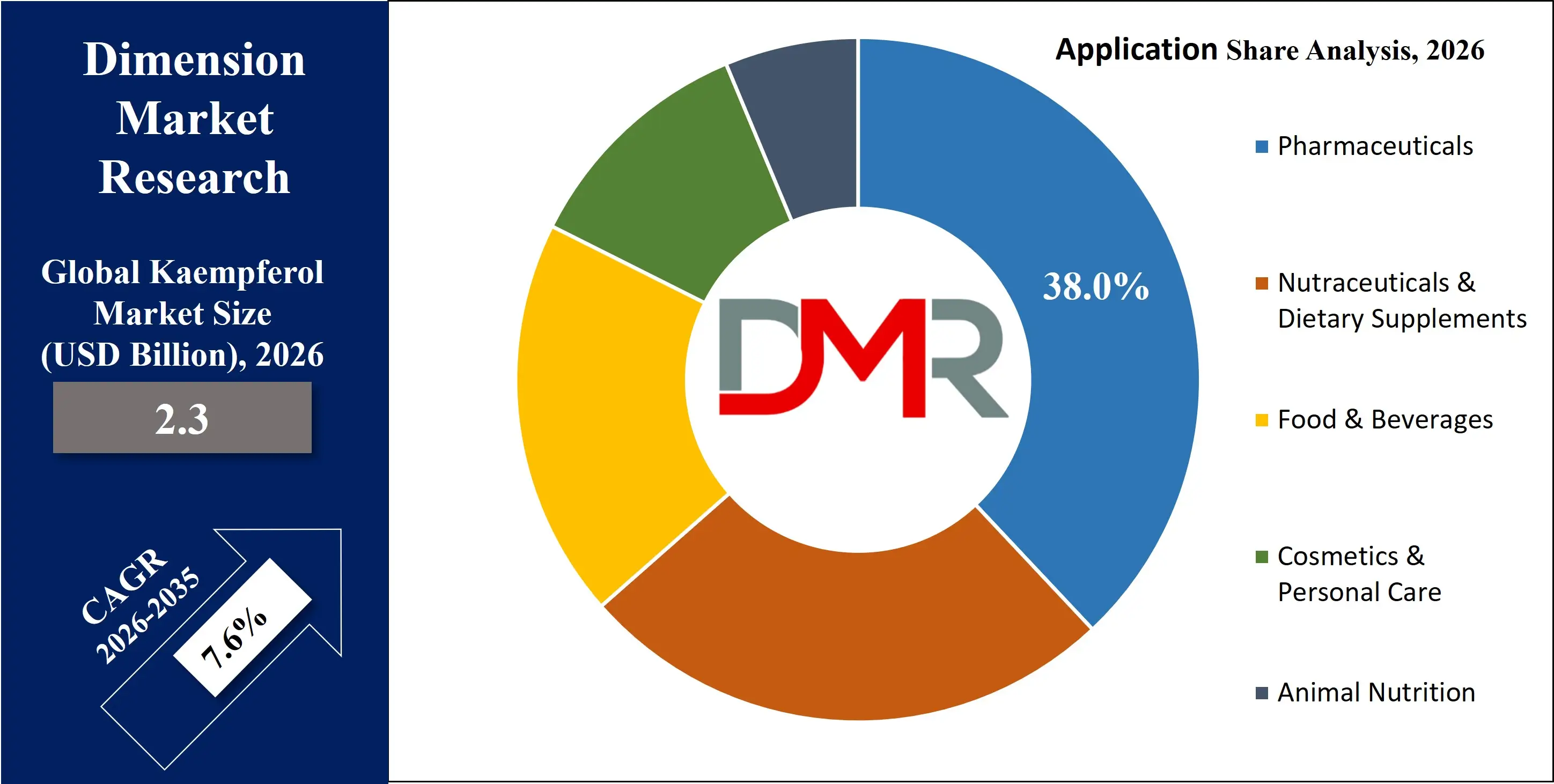
Pharmaceutical applications are expected to account for approximately 38% of the market in 2026, reflecting strong investment in clinical research and therapeutic development. Studies investigating kaempferol’s mechanisms in reducing oxidative stress, modulating inflammatory pathways, and inhibiting tumor growth are fueling adoption. Advanced drug delivery systems and formulation technologies are improving bioavailability and targeted action. Regulatory approvals and structured clinical trials further strengthen credibility within this segment. As healthcare systems increasingly prioritize innovative plant-derived compounds, pharmaceutical use is likely to maintain a substantial share of overall demand.
ℹ
To learn more about this report –
Download Your Free Sample Report Here
Nutraceuticals and dietary supplements represent the fastest-growing application segment, driven by preventive healthcare trends and expanding digital retail channels. Consumers are proactively seeking immunity-boosting, anti-aging, and heart-health supplements incorporating natural antioxidants. Personalized nutrition programs and subscription-based supplement models are further enhancing accessibility. Compared to pharmaceutical pathways, nutraceutical commercialization involves relatively shorter development cycles, enabling rapid product launches. As lifestyle-related health concerns increase globally, demand for flavonoid-enriched supplements is projected to rise steadily, supporting strong growth momentum within this segment.
By Distribution Channel Analysis
B2B and direct sales channels are projected to hold around 55% of the market share in 2026, reflecting bulk procurement by pharmaceutical, nutraceutical, and cosmetic manufacturers. Long-term supply agreements and industrial-scale production partnerships provide revenue stability for suppliers. This channel supports customized formulations, private-label manufacturing, and high-volume distribution. Established logistics networks and quality assurance systems further enhance reliability. As demand for standardized raw materials increases, B2B transactions remain the backbone of the kaempferol supply chain, reinforcing its dominant position in the market structure.
Online retail is expanding rapidly due to the rise of direct-to-consumer supplement brands and increasing digital health awareness. E-commerce platforms enable broader geographic reach and facilitate personalized marketing strategies. Subscription-based models and targeted promotions enhance customer retention and recurring revenue streams. Consumers benefit from convenient access to product information, reviews, and comparative pricing. As digital adoption continues to grow and health-conscious purchasing shifts online, this channel is expected to witness sustained expansion, particularly within nutraceutical and wellness product categories.
The Kaempferol Market Report is segmented on the basis of the following
By Source
- Plant-Based
- Tea (Green Tea, Black Tea)
- Fruits (Apples, Grapes, Berries)
- Vegetables (Broccoli, Kale, Spinach)
- Medicinal Plants & Herbal Extracts
- Synthetic / Biotechnological
By Form
- Powder
- Liquid / Extract
- Capsules & Tablets
By Grade
- Pharmaceutical Grade
- Food Grade
- Cosmetic Grade
- Research Grade
By Application
- Pharmaceuticals
- Anti-inflammatory formulations
- Oncology research
- Cardiovascular applications
- Nutraceuticals & Dietary Supplements
- Antioxidant supplements
- Immune support
- Anti-aging formulations
- Food & Beverages
- Functional foods
- Fortified beverages
- Cosmetics & Personal Care
- Anti-aging skincare
- Skin-brightening products
- UV-protection formulations
- Animal Nutrition
By Distribution Channel
- B2B / Direct Sales
- Online Retail
- Pharmacies & Specialty Stores
Regional Analysis
Leading Region in the Kaempferol Market
North America is projected to account for approximately 34% of the kaempferol market share in 2026, maintaining its leadership position due to strong demand across nutraceutical, pharmaceutical, and cosmetic industries. High consumer awareness regarding antioxidant supplementation and preventive healthcare significantly supports regional growth.
ℹ
To learn more about this report –
Download Your Free Sample Report Here
The presence of advanced pharmaceutical research infrastructure and biotechnology innovation hubs accelerates clinical exploration of flavonoid-based compounds. Clear regulatory pathways and stringent quality standards enhance product credibility and commercialization efficiency. Additionally, well-established distribution networks, strong B2B procurement systems, and expanding e-commerce channels further consolidate North America’s dominance in the global market landscape.
Fastest Growing Region in the Kaempferol Market
Asia-Pacific is expected to witness the fastest growth in the kaempferol market, driven by expanding functional food industries and increasing health-conscious consumer behavior. Rising disposable incomes and rapid urbanization are fueling demand for dietary supplements and fortified foods. The region’s deep-rooted herbal medicine traditions create a favorable environment for plant-derived bioactive compounds. Governments are actively promoting biotechnology innovation, sustainable agriculture, and nutraceutical manufacturing through supportive policies and funding initiatives. Growing investments in research infrastructure, coupled with expanding online retail penetration, are accelerating product accessibility and strengthening Asia-Pacific’s long-term growth trajectory.
By Region
North America
Europe
- Germany
- The U.K.
- France
- Italy
- Russia
- Spain
- Benelux
- Nordic
- Rest of Europe
Asia-Pacific
- China
- Japan
- South Korea
- India
- ANZ
- ASEAN
- Rest of Asia-Pacific
Latin America
- Brazil
- Mexico
- Argentina
- Colombia
- Rest of Latin America
Middle East & Africa
- Saudi Arabia
- UAE
- South Africa
- Israel
- Egypt
- Rest of MEA
Competitive Landscape
The kaempferol market is moderately fragmented with players focusing on product purity, sustainable sourcing, and technological differentiation. Companies invest heavily in R&D to enhance extraction efficiency and bioavailability. Strategic partnerships with research institutions strengthen product validation. Entry barriers include regulatory compliance requirements and capital-intensive purification technologies. Firms increasingly adopt vertical integration strategies to secure raw material supply. Expansion into e-commerce and private-label manufacturing further intensifies competition, while continuous innovation in delivery systems sustains market positioning.
Some of the prominent players in the global Kaempferol are:
- Indena S.p.A.
- Merck KGaA
- Danaher Corporation
- FUJIFILM Wako Pure Chemical Corporation
- Cayman Chemical Company
- Sabinsa Corporation
- PhytoLab GmbH & Co. KG
- Santa Cruz Biotechnology, Inc.
- Spectrum Chemical Mfg. Corp.
- TCI Chemicals Co., Ltd.
- INDOFINE Chemical Company, Inc.
- Extrasynthese SAS
- Chengdu Hawk Bio-Engineering Co., Ltd.
- Shaanxi NHK Technology Co., Ltd.
- Chengdu Biopurify Phytochemicals Ltd.
- Nutra Green Biotechnology Co., Ltd.
- Xi’an Natural Field Bio-technique Co., Ltd.
- Xi’an Risun Bio-Tech Co., Ltd.
- Shaanxi Pioneer Biotech Co., Ltd.
- Tianjin Jianfeng Natural Product R&D Co., Ltd.
- Other Key Players
Report Details
| Report Characteristics |
| Market Size (2026) |
USD 2.3 Bn |
| Forecast Value (2035) |
USD 4.4 Bn |
| CAGR (2026–2035) |
7.6% |
| The US Market Size (2026) |
USD 0.7 Bn |
| Historical Data |
2021 – 2025 |
| Forecast Data |
2027 – 2035 |
| Base Year |
2025 |
| Estimate Year |
2026 |
| Report Coverage |
Market Revenue Estimation, Market Dynamics, Competitive Landscape, Growth Factors, etc. |
| Segments Covered |
By Source (Plant-Based, Synthetic / Biotechnological), By Form (Powder, Liquid / Extract, Capsules & Tablets), By Grade (Pharmaceutical Grade, Food Grade, Cosmetic Grade, Research Grade), By Application (Pharmaceuticals, Nutraceuticals & Dietary Supplements, Food & Beverages, Cosmetics & Personal Care, Animal Nutrition), By Distribution Channel (B2B / Direct Sales, Online Retail, Pharmacies & Specialty Stores) |
| Regional Coverage |
North America – US, Canada; Europe – Germany, UK, France, Russia, Spain, Italy, Benelux, Nordic, Rest of Europe; Asia-Pacific – China, Japan, South Korea, India, ANZ, ASEAN, Rest of APAC; Latin America – Brazil, Mexico, Argentina, Colombia, Rest of Latin America; Middle East & Africa – Saudi Arabia, UAE, South Africa, Turkey, Egypt, Israel, Rest of MEA |
| Prominent Players |
Prominent Players Indena S.p.A., Merck KGaA, Danaher Corporation, FUJIFILM Wako Pure Chemical Corporation, Cayman Chemical Company, Sabinsa Corporation, PhytoLab GmbH & Co. KG, Santa Cruz Biotechnology, Inc., Spectrum Chemical Mfg. Corp., TCI Chemicals Co., Ltd., INDOFINE Chemical Company, Inc., Extrasynthese SAS, Chengdu Hawk Bio-Engineering Co., Ltd., Shaanxi NHK Technology Co., Ltd., Chengdu Biopurify Phytochemicals Ltd., Nutra Green Biotechnology Co., Ltd., Xi’an Natural Field Bio-technique Co., Ltd., Xi’an Risun Bio-Tech Co., Ltd., Shaanxi Pioneer Biotech Co., Ltd., Tianjin Jianfeng Natural Product R&D Co., Ltd., and Other Key Players |
| Purchase Options |
We have three licenses to opt for: Single User License (Limited to 1 user), Multi-User License (Up to 5 Users), and Corporate Use License (Unlimited User) along with free report customization equivalent to 0 analyst working days, 3 analysts working days, and 5 analysts working days respectively. |
Frequently Asked Questions
Kaempferol Market
▾ The Global Kaempferol Market size is expected to reach USD 2.3 billion by 2026 and is projected to reach USD 4.4 billion by the end of 2035.
Which region accounted for the largest Global Kaempferol Market?
▾ North America is expected to have the largest market share in the Global Kaempferol Market, with a share of about 34.0% in 2026.
How big is the Kaempferol Market in the US?
▾ The US Kaempferol market is expected to reach USD 0.7 billion by 2026.
Who are the key players in the Kaempferol Market?
▾ Some of the major key players in the Global Kaempferol Market include Indena, Merck, Danaher, and others
What is the growth rate in the Global Kaempferol Market?
▾ The market is growing at a CAGR of 7.6 percent over the forecasted period.