What is the Lung Cancer Treatment Market Size?
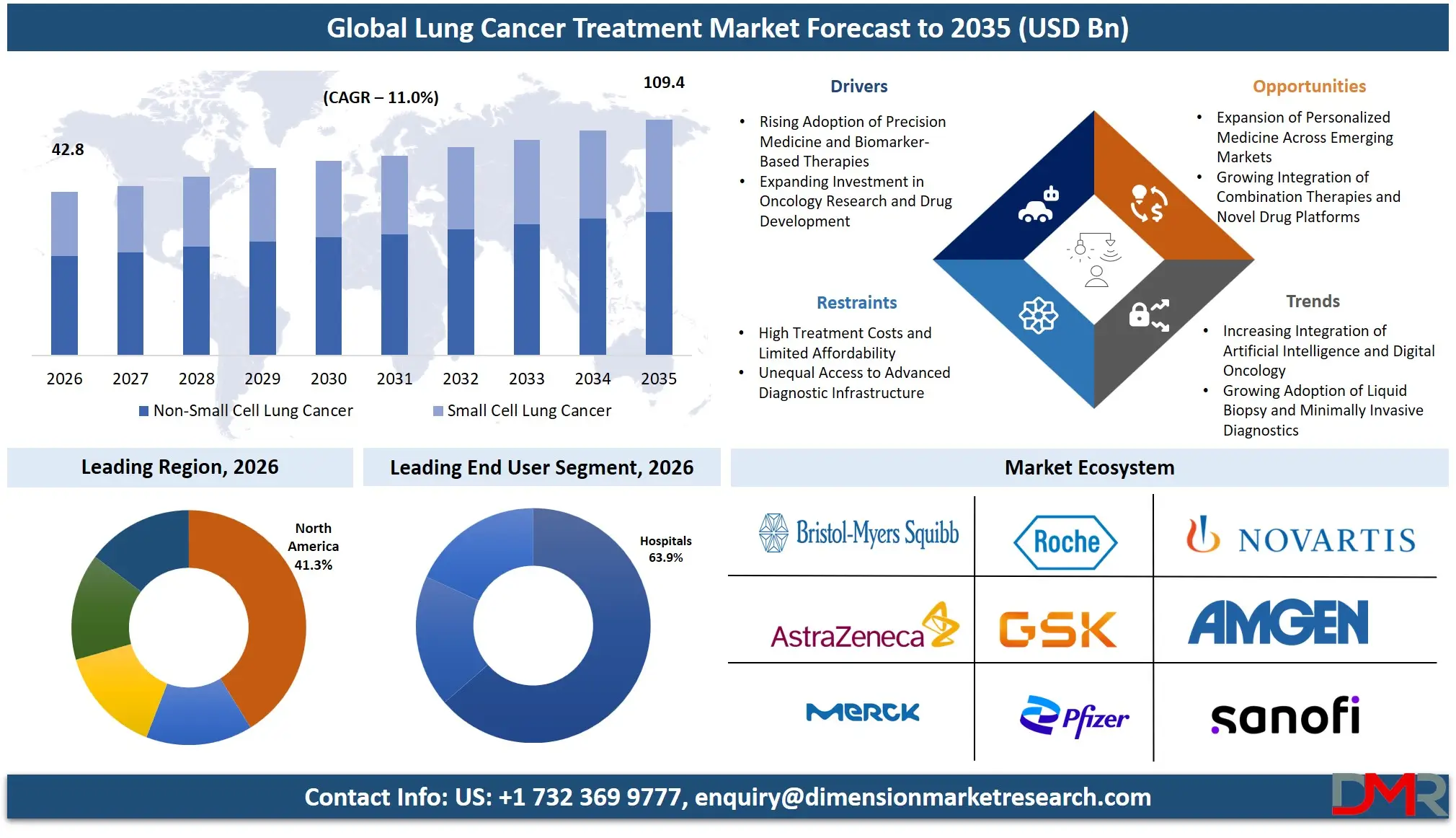
The Lung Cancer Treatment Market size is expected to be USD 42.8 billion in 2026 and increase at a compound annual growth rate of 11.0% to USD 109.4 billion in 2035 due to rising adoption of precision medicine and biomarker-based therapies.
ℹ
To learn more about this report –
Download Your Free Sample Report Here
Lung cancer treatment encompasses a broad range of therapeutic approaches, including surgery, chemotherapy, targeted therapy, immunotherapy, radiation therapy, and supportive care designed to improve patient outcomes across different stages and types of lung cancer. The market is driven by increasing cancer incidence, continuous advances in precision medicine, expanding biomarker testing, and greater adoption of personalized treatment strategies. Growing investment in oncology research, wider availability of innovative therapies, improved diagnostic technologies, and enhanced healthcare infrastructure are supporting market expansion. Emerging trends such as combination therapies, artificial intelligence-assisted diagnostics, liquid biopsy integration, and next-generation targeted medicines continue to reshape treatment pathways while improving survival rates and quality of care for patients worldwide.
The US Lung Cancer Treatment Market
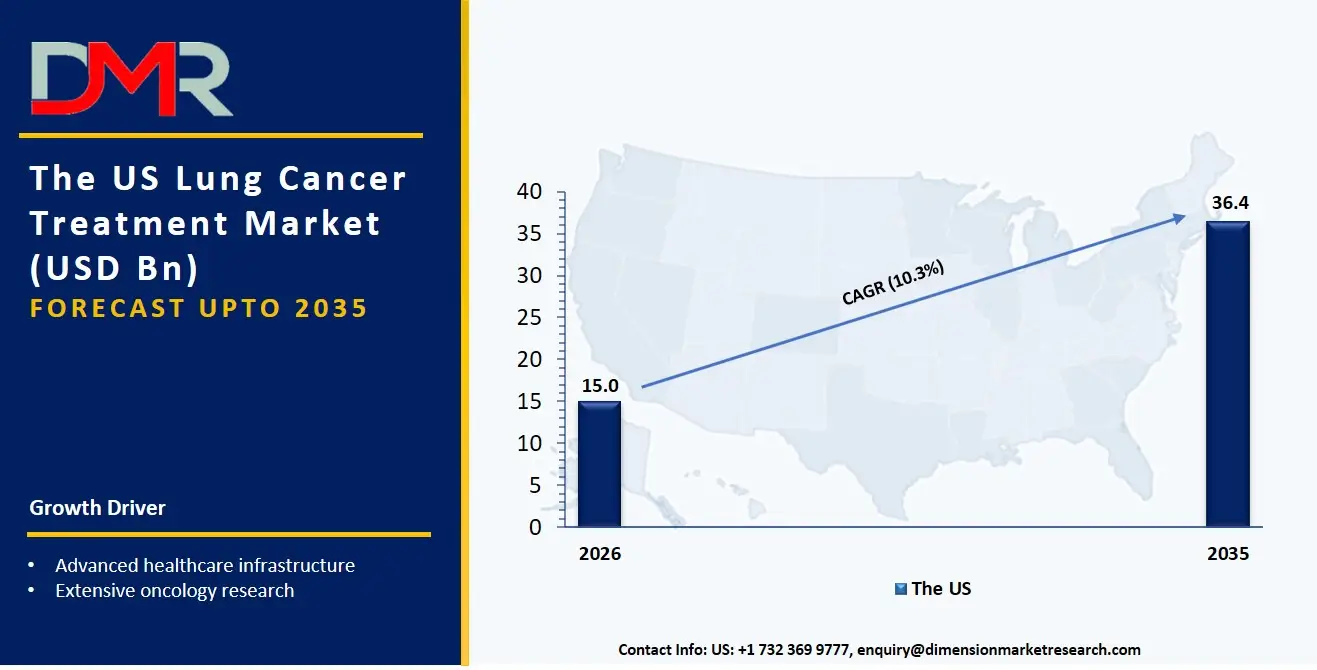
The US Lung Cancer Treatment Market size is estimated to be USD 15.0 billion in 2026 and is expected to increase at a CAGR of 10.3% over the forecast period.
ℹ
To learn more about this report –
Download Your Free Sample Report Here
The US Lung Cancer Treatment Market remains a global leader owing to advanced healthcare infrastructure, extensive oncology research, widespread adoption of precision medicine, and strong reimbursement systems. Continuous investments in biomarker testing, immunotherapy, and targeted therapies have accelerated innovation. Major pharmaceutical companies actively expand clinical trials and launch novel therapies, while regulatory support for breakthrough oncology drugs encourages rapid commercialization. High awareness regarding early diagnosis, increasing lung cancer screening programs, and growing access to personalized treatment further strengthen market growth across hospitals, specialty cancer centers, and academic institutions.
Europe Lung Cancer Treatment Market
The Europe Lung Cancer Treatment Market size is estimated to be USD 8.6 billion in 2026 and is expected to increase at a CAGR of 10.7% over the forecast period.
The Europe Lung Cancer Treatment Market benefits from comprehensive public healthcare systems, increasing investments in oncology research, and strong regulatory frameworks promoting innovative cancer therapies. Regional initiatives supporting cancer prevention, precision medicine, and sustainable healthcare delivery encourage broader treatment accessibility. The European Green Deal indirectly promotes healthier environments by supporting pollution reduction initiatives, while Europe's Beating Cancer Plan enhances screening, diagnosis, and treatment infrastructure. Expanding clinical research collaborations and increasing adoption of molecular diagnostics continue to accelerate innovation and improve patient outcomes throughout the region.
Japan Lung Cancer Treatment Market
The market size of Japan Lung Cancer Treatment will be USD 2.6 billion in 2026 and at a CAGR of 10.9% in the forecast period.
Japan represents one of the most technologically advanced lung cancer treatment markets, supported by a rapidly aging population, strong healthcare coverage, and significant government investment in oncology innovation. Increasing adoption of genomic testing, personalized therapies, robotic-assisted surgery, and advanced radiation techniques contributes to market expansion. Pharmaceutical companies actively collaborate with research institutions to accelerate precision medicine development. Despite high treatment costs and demographic challenges, continuous technological innovation, favorable reimbursement policies, and increasing clinical trial activity create substantial opportunities for long-term market growth.
Key Takeaways
- Market Size & Forecast: The Lung Cancer Treatment Market size is projected to reach USD 42.8 billion in 2026 and is anticipated to have a value of USD 109.4 billion in 2035.
- Growth Rate & Outlook: The Lung Cancer Treatment Market size is set to grow at a compound annual growth rate of 11.0% during the forecast period of 2026 to 2035.
- Primary Growth Drivers: Some of the major growth drivers in the market are Rising Adoption of Precision Medicine and Biomarker-Based Therapies, and more.
- Key Market Trends: Some of the major trends in the market are Growing Adoption of Liquid Biopsy and Minimally Invasive Diagnostics, and more.
- By Cancer Type: Non-small cell lung cancer is anticipated to get the majority share of the Lung Cancer Treatment Market in 2026.
- By End User Type: Hospitals boilers are expected to get the largest revenue share in 2026 in the Lung Cancer Treatment Market.
- Regional Leadership: North America is set to lead the Lung Cancer Treatment Market with an estimated 41.3% share in 2026.
What is the Lung Cancer Treatment?
Lung cancer treatment refers to the comprehensive medical management of malignant tumors originating in lung tissues through surgical procedures, systemic therapies, radiation, immunotherapy, targeted medicines, and supportive interventions. Treatment selection depends on cancer type, stage, genetic mutations, patient health status, and therapeutic goals. Modern approaches increasingly emphasize precision medicine, biomarker-guided therapy, multidisciplinary care, and personalized treatment plans to maximize clinical effectiveness while minimizing adverse effects.
Use Cases
- Early-Stage Surgical Management: Patients diagnosed with localized lung cancer undergo surgical procedures such as lobectomy or segmentectomy to remove cancerous tissue. Surgery is frequently combined with adjuvant chemotherapy or immunotherapy to reduce recurrence risks and improve long-term survival rates, particularly among patients diagnosed through early screening programs.
- Precision Oncology Through Targeted Therapy: Patients with actionable genetic mutations such as EGFR, ALK, ROS1, MET, KRAS, RET, or NTRK receive targeted therapies designed specifically for their molecular profiles. These treatments improve clinical outcomes, reduce unnecessary toxicity, and represent a major advancement in personalized cancer care.
- Advanced Disease Management: Individuals with metastatic lung cancer often receive immunotherapy alone or in combination with chemotherapy and targeted agents. These integrated treatment approaches improve progression-free survival, extend overall survival, and enhance quality of life while supporting long-term disease control.
- Palliative and Supportive Care: Patients with advanced or recurrent lung cancer receive radiation therapy, pain management, nutritional support, and symptom control to improve quality of life. Comprehensive supportive care helps minimize treatment-related complications while maintaining physical and psychological well-being throughout disease management.
How AI Is Transforming the Lung Cancer Treatment Market
Artificial intelligence is significantly improving lung cancer diagnosis, treatment planning, and patient monitoring by analyzing medical imaging, pathology slides, genomic information, and clinical records with greater speed and precision. AI-powered algorithms assist physicians in detecting tumors at earlier stages, identifying genetic mutations, predicting disease progression, and recommending personalized treatment strategies based on individual patient characteristics.
In addition, AI enhances operational efficiency by optimizing clinical trial recruitment, accelerating drug discovery, automating healthcare workflows, and improving hospital resource management. Predictive analytics support better treatment response assessment while machine learning models enable continuous monitoring of patient outcomes. As AI technologies become increasingly integrated into oncology practice, healthcare providers can deliver more accurate, efficient, and patient-centered lung cancer treatment while reducing diagnostic delays and improving overall clinical outcomes.
Market Dynamic
Driving Factors in the Lung Cancer Treatment Market
Rising Adoption of Precision Medicine and Biomarker-Based Therapies
Precision medicine has fundamentally transformed lung cancer treatment by enabling clinicians to select therapies based on specific genetic alterations rather than conventional treatment protocols. Increasing availability of genomic sequencing, companion diagnostics, and molecular testing has expanded the use of targeted therapies and immunotherapies across multiple patient populations. Improved clinical outcomes, reduced adverse effects, and growing regulatory approvals for personalized medicines continue encouraging healthcare providers to adopt advanced treatment strategies, making precision oncology one of the strongest drivers supporting sustained market growth.
Restraints in the Lung Cancer Treatment Market
High Treatment Costs and Limited Affordability
The increasing use of innovative immunotherapies, targeted medicines, molecular diagnostics, and combination treatment regimens has substantially increased the overall cost of lung cancer care. Many advanced therapies require prolonged treatment durations, specialized monitoring, and companion diagnostic testing, creating financial burdens for healthcare systems and patients. Limited reimbursement coverage in developing economies further restricts patient access, reducing overall treatment adoption despite proven clinical effectiveness.
Opportunities in the Lung Cancer Treatment Market
Growing Integration of Combination Therapies and Novel Drug Platforms
Combination treatment strategies integrating immunotherapy, chemotherapy, targeted therapy, and radiation are demonstrating improved survival outcomes across multiple lung cancer indications. Simultaneously, advances in antibody-drug conjugates, cell therapies, bispecific antibodies, and personalized vaccines present attractive commercial opportunities. Continued innovation in these therapeutic platforms is expected to diversify treatment options and stimulate future market expansion.
Trends in the Lung Cancer Treatment Market
Growing Adoption of Liquid Biopsy and Minimally Invasive Diagnostics
Liquid biopsy technologies are increasingly complementing conventional tissue biopsies by enabling non-invasive detection of actionable mutations and continuous monitoring of treatment response. These innovative diagnostic approaches facilitate earlier disease detection, improve therapeutic decision-making, and support personalized treatment adjustments. Their expanding clinical acceptance continues reshaping lung cancer management worldwide.
Research Scope and Analysis
The research scope analyzes the Lung Cancer Treatment Market based on treatment type, cancer type, and end user segments. It evaluates market trends, growth drivers, challenges, regional performance, technological advancements, competitive strategies, and emerging opportunities influencing global market expansion.
ℹ
To learn more about this report –
Download Your Free Sample Report Here
By Treatment Type Analysis
Among treatment types, Targeted Therapy is estimated to account for 34.8% of the global Lung Cancer Treatment Market in 2026, making it the leading segment. Its dominance is attributed to the growing adoption of precision medicine, increasing prevalence of actionable genetic mutations such as EGFR, ALK, ROS1, KRAS, RET, MET, and NTRK, and the superior clinical outcomes achieved compared to conventional chemotherapy in eligible patients. Continuous approvals of next-generation targeted drugs, expanded biomarker testing, and favorable clinical guidelines further reinforce its market leadership. Meanwhile, Immunotherapy is projected to be the fastest-growing segment during the forecast period owing to expanding indications across both early-stage and advanced lung cancer, increasing use of checkpoint inhibitors in combination regimens, and strong evidence demonstrating improved progression-free and overall survival. Rising investments in clinical trials evaluating novel immunotherapeutic combinations, together with increasing physician preference for personalized treatment strategies, are expected to accelerate adoption globally, particularly in developed healthcare systems with widespread access to molecular diagnostics and innovative oncology therapies.
By Cancer Type Analysis
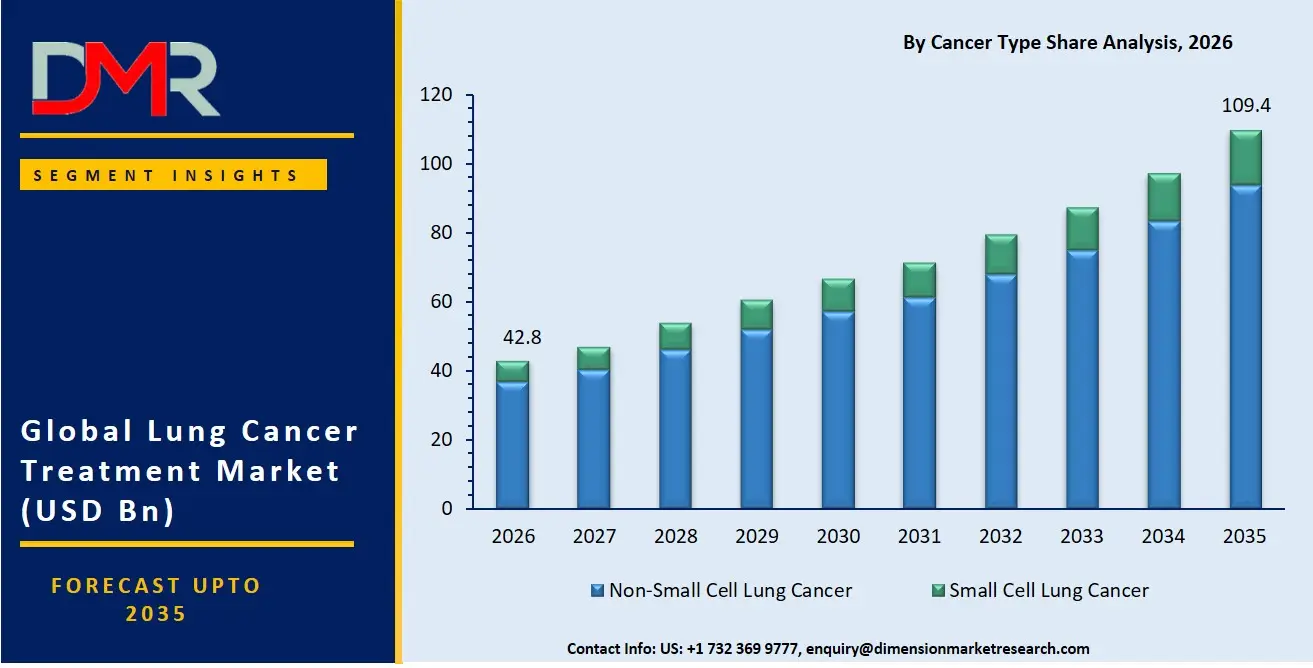
Based on cancer type, Non-Small Cell Lung Cancer (NSCLC) is expected to hold the largest share of the Lung Cancer Treatment Market, accounting for an estimated 85.6% of total revenue in 2026. NSCLC represents the overwhelming majority of diagnosed lung cancer cases worldwide, creating substantial demand for surgery, radiation therapy, chemotherapy, targeted therapies, and immunotherapy. The growing availability of biomarker-driven treatment options for adenocarcinoma and other NSCLC subtypes has significantly improved survival outcomes and expanded therapeutic opportunities.
ℹ
To learn more about this report –
Download Your Free Sample Report Here
Increasing implementation of screening programs and early diagnosis further support segment growth. In contrast, Small Cell Lung Cancer (SCLC) is anticipated to register the fastest growth rate due to expanding clinical research, introduction of novel immunotherapy combinations, and development of innovative targeted treatment approaches. Continued investments in therapies addressing historically limited treatment options are expected to improve patient outcomes while driving greater adoption of advanced treatment modalities for SCLC over the coming years.
By End User Analysis
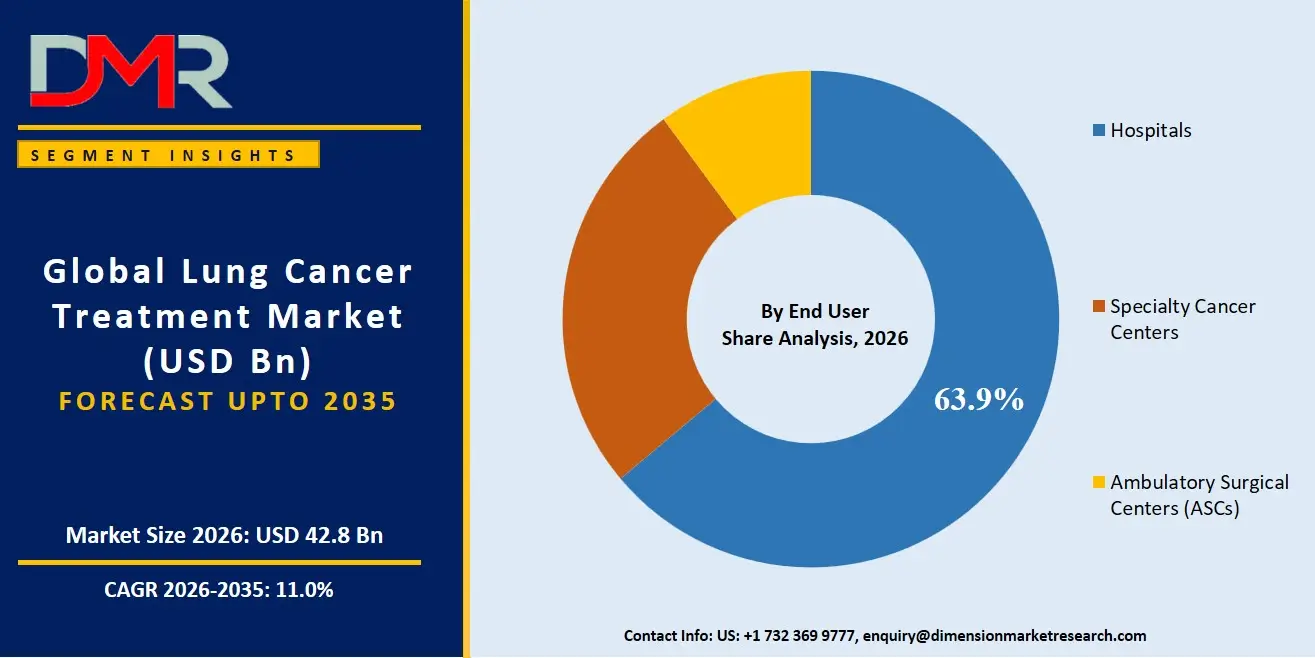
By end user, Hospitals are projected to dominate the Lung Cancer Treatment Market with an estimated 63.9% market share in 2026. Hospitals remain the primary treatment setting because they offer comprehensive oncology services, multidisciplinary cancer care teams, advanced imaging systems, molecular diagnostic laboratories, surgical facilities, radiation oncology departments, and access to complex immunotherapy and targeted treatment regimens. Strong reimbursement support, increasing patient admissions, and availability of specialized oncology professionals continue strengthening hospital-based treatment delivery. At the same time, Specialty Cancer Centers are anticipated to witness the fastest growth owing to increasing demand for personalized cancer care, access to innovative clinical trials, precision oncology expertise, and comprehensive supportive services. Growing investments in dedicated cancer institutes and the expansion of advanced oncology infrastructure are expected to enhance the role of specialty centers in delivering highly specialized lung cancer treatments across both developed and emerging healthcare markets.
The Lung Cancer Treatment Market Report is segmented on the basis of the following:
By Treatment Type
- Surgery
- Chemotherapy
- Targeted Therapy
- EGFR Inhibitors
- ALK Inhibitors
- ROS1 Inhibitors
- BRAF Inhibitors
- MET Inhibitors
- KRAS Inhibitors
- RET Inhibitors
- NTRK Inhibitors
- Immunotherapy
- PD-1 Inhibitors
- PD-L1 Inhibitors
- CTLA-4 Inhibitors
- Radiation Therapy
By Cancer Type
- Non-Small Cell Lung Cancer (NSCLC)
- Adenocarcinoma
- Squamous Cell Carcinoma
- Large Cell Carcinoma
- Small Cell Lung Cancer (SCLC)
By End User
- Hospitals
- Specialty Cancer Centers
- Ambulatory Surgical Centers (ASCs)
Regional Analysis
Leading Region in the Lung Cancer Treatment Market
ℹ
To learn more about this report –
Download Your Free Sample Report Here
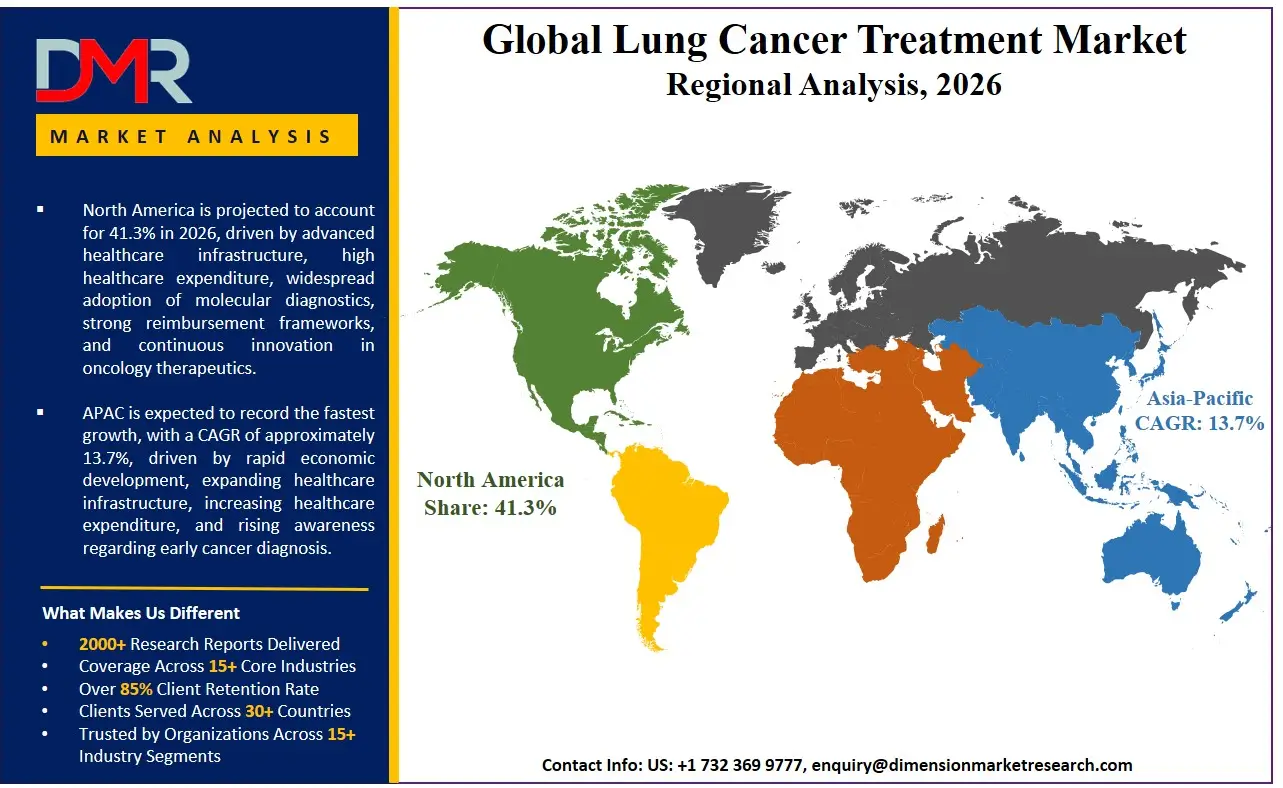
North America is anticipated to remain the leading regional market, accounting for an estimated 41.3% of the global Lung Cancer Treatment Market in 2026. The region's leadership is supported by advanced healthcare infrastructure, high healthcare expenditure, widespread adoption of molecular diagnostics, strong reimbursement frameworks, and continuous innovation in oncology therapeutics. Extensive clinical research activities, rapid regulatory approvals for novel targeted therapies and immunotherapies, and substantial investments in pharmaceutical research further strengthen regional market dominance. Increasing implementation of lung cancer screening initiatives, growing awareness regarding early diagnosis, and the presence of leading academic medical centers continue improving treatment accessibility. Additionally, favorable government initiatives promoting cancer research and precision medicine, combined with a well-established biotechnology ecosystem, enable faster commercialization of innovative therapies, ensuring North America maintains its dominant position throughout the forecast period.
Fastest Growing Region in the Lung Cancer Treatment Market
The Asia-Pacific region is projected to record the fastest growth in the Lung Cancer Treatment Market throughout the forecast period. Rapid economic development, expanding healthcare infrastructure, increasing healthcare expenditure, and rising awareness regarding early cancer diagnosis are significantly accelerating market expansion across major economies. Countries such as China, India, Japan, South Korea, and Australia continue investing heavily in oncology research, precision medicine, and advanced diagnostic capabilities. Government-supported cancer screening programs, expanding health insurance coverage, and improving access to targeted therapies and immunotherapies further strengthen regional demand. Additionally, the growing burden of lung cancer, increasing pharmaceutical manufacturing capabilities, rising clinical trial activity, and greater collaboration between international biotechnology companies and regional healthcare providers are expected to create substantial long-term growth opportunities, making Asia-Pacific the most dynamic regional market for lung cancer treatment.
By Region
North America
Europe
- Germany
- The U.K.
- France
- Italy
- Russia
- Spain
- Benelux
- Nordic
- Rest of Europe
Asia-Pacific
- China
- Japan
- South Korea
- India
- ANZ
- ASEAN
- Rest of Asia-Pacific
Latin America
- Brazil
- Mexico
- Argentina
- Colombia
- Rest of Latin America
Middle East & Africa
- Saudi Arabia
- UAE
- South Africa
- Israel
- Egypt
- Rest of MEA
Competitive Landscape
The Lung Cancer Treatment Market is characterized by strong competition driven by continuous innovation in targeted therapies, immunotherapies, diagnostic technologies, and combination treatment approaches. Market participants focus on strengthening their positions through extensive research and development activities, strategic collaborations, clinical trial expansion, and development of differentiated therapies with improved efficacy and safety profiles. High entry barriers exist due to regulatory requirements, significant investment costs, complex clinical trial processes, and the need for advanced biotechnology capabilities. Companies increasingly prioritize precision medicine platforms, biomarker discovery, companion diagnostics integration, and global commercialization strategies to maintain competitive advantages. Partnerships between pharmaceutical organizations, research institutions, and healthcare providers are becoming increasingly important for accelerating drug development and expanding access to advanced lung cancer treatments.
Some of the prominent players in the global Lung Cancer Treatment are:
- F. Hoffmann-La Roche Ltd.
- AstraZeneca PLC
- Merck & Co., Inc.
- Bristol Myers Squibb
- Pfizer Inc.
- Novartis AG
- Johnson & Johnson
- Eli Lilly and Company
- Amgen Inc.
- Sanofi
- GSK plc
- Takeda Pharmaceutical Company Limited
- Boehringer Ingelheim
- Bayer AG
- AbbVie Inc.
- Daiichi Sankyo Company, Limited
- Astellas Pharma Inc.
- BeiGene, Ltd.
- Innovent Biologics, Inc.
- Jiangsu Hengrui Pharmaceuticals Co., Ltd.
- Other Key Players
Recent Developments
- In September 2025, Merck continued expanding its oncology research activities by advancing clinical programs involving immunotherapy-based treatments for lung cancer. The company focused on evaluating treatment combinations aimed at improving therapeutic effectiveness across different stages of disease, particularly advanced non-small cell lung cancer. Increased investment in clinical research, real-world evidence generation, and innovative treatment strategies reflects the growing demand for improved cancer care solutions. Merck's continued development efforts demonstrate the importance of immunotherapy in modern lung cancer management and highlight ongoing industry efforts to improve long-term patient outcomes through advanced biological therapies and personalized treatment approaches.
- In June 2025, AstraZeneca reported continued progress in expanding its lung cancer treatment portfolio through advancements in targeted therapies and precision oncology programs. The company emphasized research initiatives focused on genetically defined lung cancer populations, including patients with specific driver mutations requiring personalized treatment approaches. AstraZeneca continued investing in clinical studies evaluating innovative treatment combinations and next-generation therapeutic strategies designed to improve survival outcomes. These developments highlight the increasing importance of molecular testing and biomarker-driven treatment selection in lung cancer care. The company's ongoing oncology investments demonstrate the industry's shift toward highly personalized therapies capable of addressing diverse patient profiles.
- In March 2025, Bristol Myers Squibb announced continued advancement of its oncology pipeline with expanded clinical evaluation of immunotherapy-based approaches for lung cancer treatment. The company focused on strengthening the role of immune checkpoint inhibitors through additional studies exploring combination strategies designed to improve outcomes for patients with advanced non-small cell lung cancer. The development reflects the broader industry movement toward personalized and combination-based oncology treatments. By investing in clinical research and next-generation immunotherapy applications, Bristol Myers Squibb aims to address unmet needs among patients with difficult-to-treat lung cancer subtypes while reinforcing its position in the rapidly evolving global oncology market.
Report Details
| Report Characteristics |
| Market Size (2026) |
USD 42.8 Bn |
| Forecast Value (2035) |
USD 109.4 Bn |
| CAGR (2026–2035) |
11.0% |
| Historical Period |
2021 – 2025 |
| Forecast Period |
2027 – 2035 |
| Base Year |
2025 |
| Estimate Year |
2026 |
| Segments Covered |
By Treatment Type, By Cancer Type, By End User |
| Regional Coverage |
North America – The US and Canada; Europe – Germany, The UK, France, Russia, Spain, Italy, Benelux, Nordic, & Rest of Europe; Asia-Pacific – China, Japan, South Korea, India, ANZ, ASEAN, Rest of APAC; Latin America – Brazil, Mexico, Argentina, Colombia, Rest of Latin America; Middle East & Africa – Saudi Arabia, UAE, South Africa, Turkey, Egypt, Israel, & Rest of MEA |
Frequently Asked Questions
How big is the Lung Cancer Treatment Market?
▾ The Lung Cancer Treatment Market size is expected to reach USD 42.8 billion by 2026 and is projected to reach USD 109.4 billion by the end of 2035.
What is the CAGR of the Lung Cancer Treatment Market from 2026 to 2035?
▾ The market is growing at a CAGR of 11.0 percent over the forecasted period.
What factors are driving the growth of the Lung Cancer Treatment Market?
▾ Rising Adoption of Precision Medicine and Biomarker-Based Therapies, and more are the factors driving the growth of the Lung Cancer Treatment Market.
What are the major trends in the Lung Cancer Treatment Market?
▾ Growing Adoption of Liquid Biopsy and Minimally Invasive Diagnostics, and more are some of the major trends in the market.
Who are the key players in the Lung Cancer Treatment Market?
▾ Some of the key players in the Lung Cancer Treatment Market include Pfizer, GSK, Roche, and more
How is the Lung Cancer Treatment Market segmented?
▾ The Lung Cancer Treatment Market is segmented by treatment type, cancer type, end user.
Which region held the largest share of the Lung Cancer Treatment Market in 2026?
▾ North America is set to lead the Lung Cancer Treatment Market with an estimated 41.3% share in 2026.
Which region is expected to grow the fastest in the Lung Cancer Treatment Market?
▾ Asia Pacific is the fastest-growing region in the Lung Cancer Treatment Market during the forecast period.