Global Medical Image Analysis Software Market Snapshot
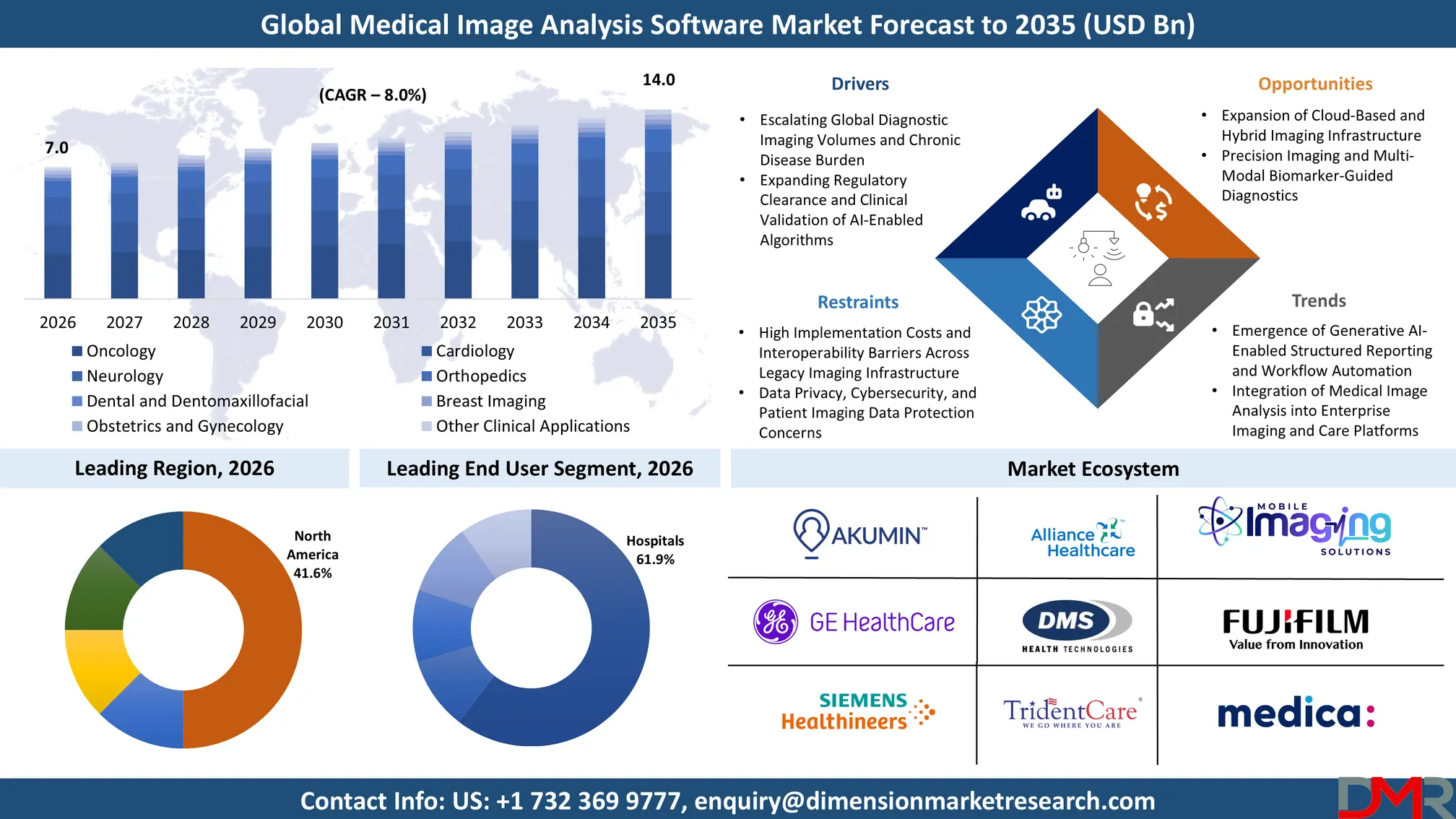
- Global Medical Image Analysis Software Market Size in 2026: USD 7.0 Billion
- Global Medical Image Analysis Software Market Size in 2035: USD 14.0 Billion
- Global CAGR from 2026 to 2035: 8.0%
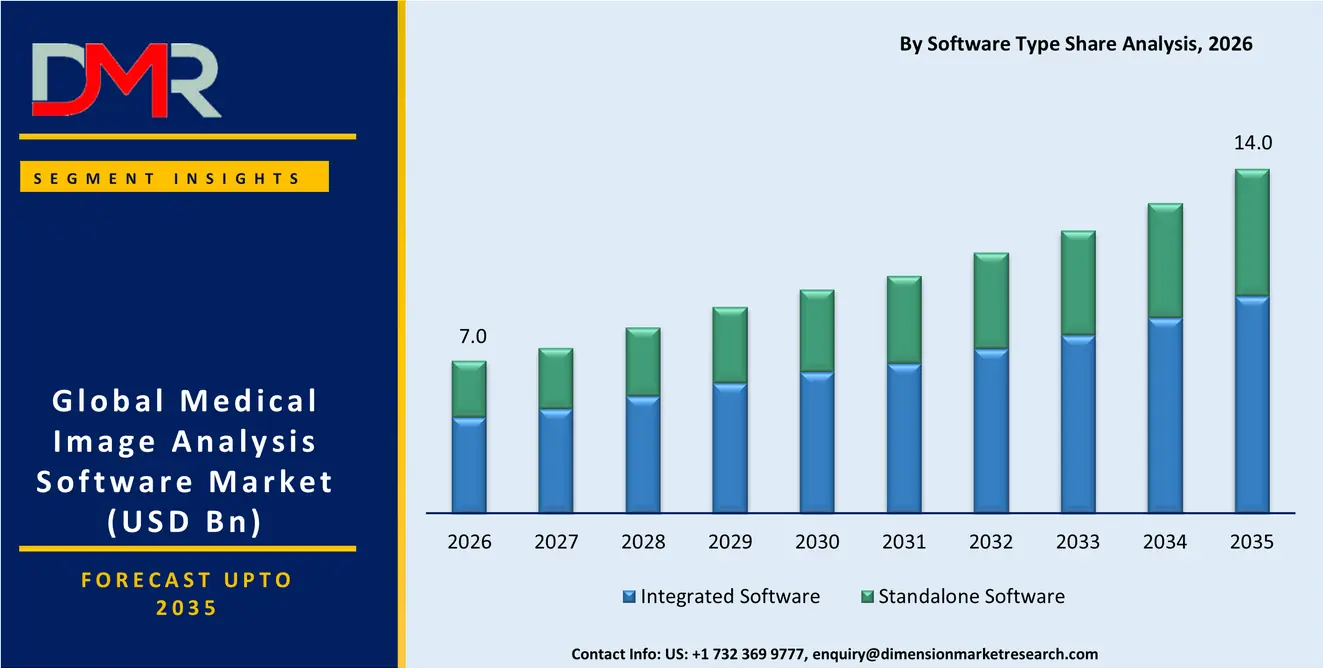
- Integrated Software is the leading software type segment in 2026: 58.4%
- Cloud-based is the leading deployment mode segment in 2026: 44.7%
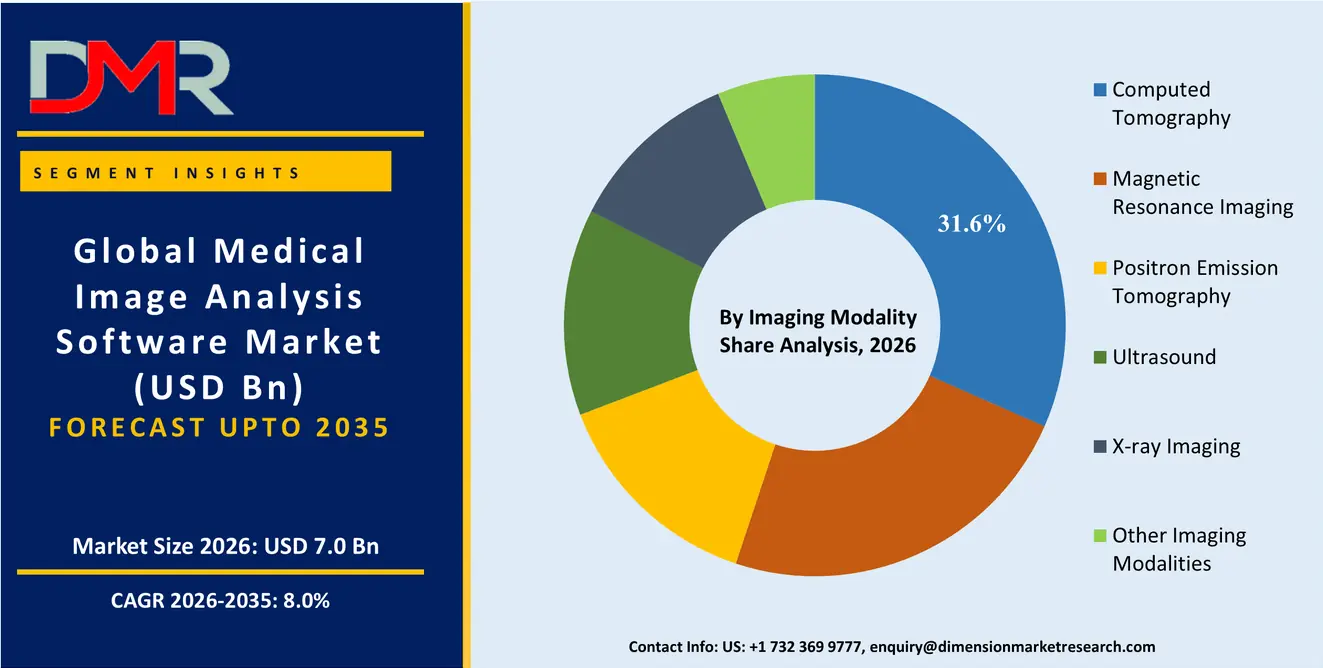
- Computed Tomography is the leading imaging modality segment in 2026: 31.6%
- 3D Imaging is the leading image type segment in 2026: 43.5%
- Oncology is the leading clinical application segment in 2026: 27.8%
- Hospitals is the leading end user segment in 2026: 61.9%
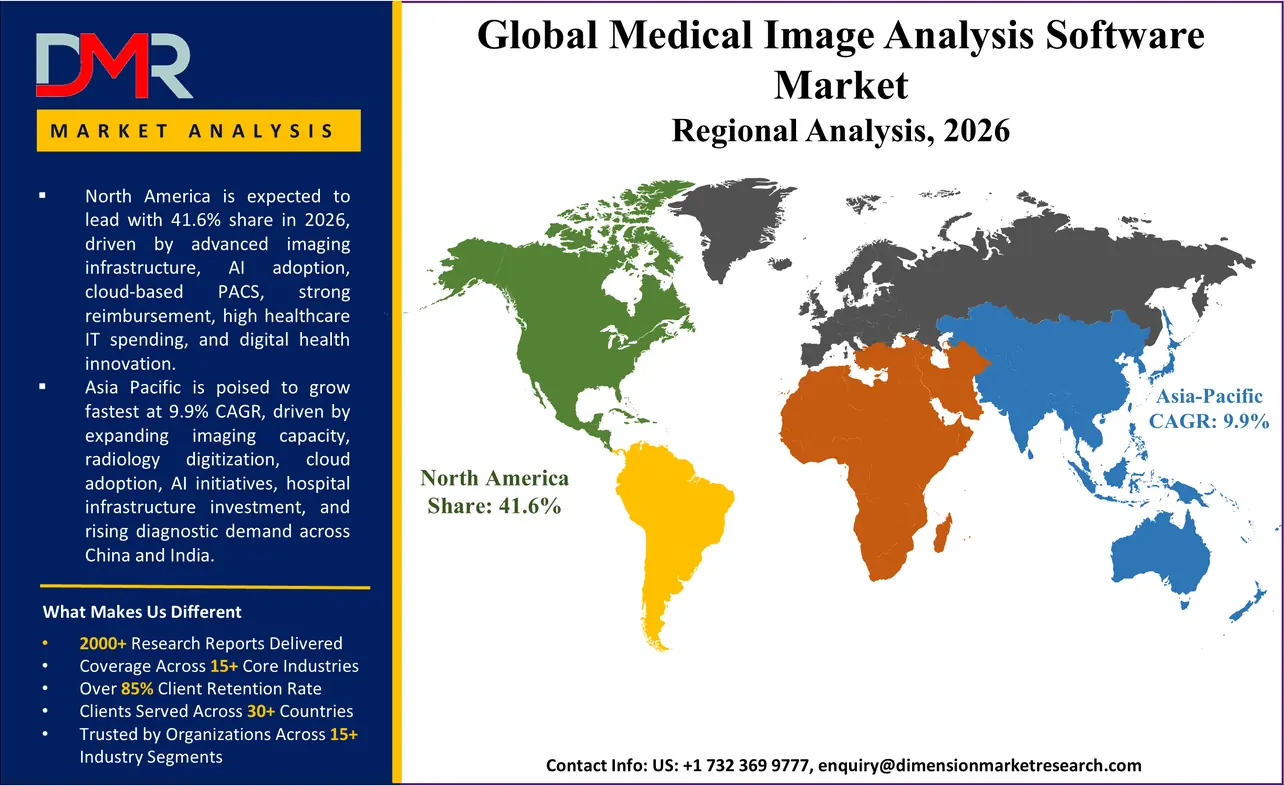
- North America is the leading region in 2026: 41.6%
What is the Global Medical Image Analysis Software and its Market Size?
The Global Medical Image Analysis Software Market is projected to be valued at USD 7.0 billion in 2026, which is further projected to reach USD 14.0 billion by 2035, expanding at a compound annual growth rate (CAGR) of 8.0% across the forecast period.
ℹ
To learn more about this report –
Download Your Free Sample Report Here
Growth is being propelled by the exponential rise in diagnostic imaging volumes across computed tomography, magnetic resonance imaging, ultrasound, and X-ray modalities, coupled with the accelerating clinical integration of artificial intelligence and deep learning algorithms that automate lesion detection, quantitative measurement, and longitudinal disease tracking. The proliferation of cloud-native picture archiving and communication system (PACS) architectures, the tightening interoperability between radiology information systems (RIS) and electronic health records (EHR), and expanding reimbursement pathways for AI-assisted image interpretation are reshaping the diagnostic imaging software landscape. Investment is intensifying as health systems pivot from manual, radiologist-dependent image review toward algorithm-augmented, workflow-integrated image analysis platforms designed to compress reporting turnaround time, elevate diagnostic consistency, and mitigate the global shortage of trained radiologists.
Use Cases
- AI-Assisted Oncologic Lesion Detection and Tumor Volumetrics: Radiology departments and cancer centers deploy deep learning-based image analysis software to automatically detect, segment, and quantify solid tumors on CT, MRI, and PET scans, enabling faster RECIST-based response assessment and reducing inter-reader variability in oncology clinical trials.
- Cardiac Imaging Quantification and Structural Heart Disease Assessment: Cardiology practices leverage automated left ventricular ejection fraction calculation, coronary artery calcium scoring, and 3D/4D cardiac chamber segmentation software integrated with PACS to accelerate structural heart disease diagnosis and procedural planning.
- Neuroimaging Analysis for Stroke Triage and Neurodegenerative Disease Monitoring: Emergency departments and neurology centers utilize automated large-vessel-occlusion detection, perfusion mismatch quantification, and brain volumetric analysis software to shorten door-to-needle stroke intervention times and track neurodegenerative disease progression.
- Breast Imaging Computer-Aided Detection and Density Assessment: Breast imaging centers employ AI-powered mammography and tomosynthesis analysis software that flags suspicious lesions, calculates breast density scores, and supports risk-stratified screening recall recommendations.
Key Takeaways
- Market Size: The Global Medical Image Analysis Software Market is anticipated to be valued at USD 7.0 billion in 2026 and is forecast to reach USD 14.0 billion by 2035, expanding at a CAGR of 8.0%.
- Growth Outlook: Market expansion is sustained by rising global diagnostic imaging volumes, broadening regulatory clearance of AI-enabled image analysis algorithms, the migration toward cloud-based and hybrid PACS/VNA infrastructure, and the deepening integration of image analytics into oncology, cardiology, and neurology care pathways.
- Primary Growth Drivers: An escalating global disease burden requiring advanced diagnostic imaging, breakthrough clinical validation of deep learning diagnostic algorithms, expanding reimbursement codes for AI-assisted radiology interpretation, and the digital transformation of hospital imaging infrastructure are accelerating investment across the medical image analysis software continuum.
- By Software Type Analysis: Integrated Software is projected to lead the software type segment with a dominant 58.4% share in 2026, driven by hospitals' preference for image analysis tools natively embedded within PACS, RIS, and EHR ecosystems, while Standalone Software is expected to post the highest CAGR at 9.1% as niche, best-of-breed AI algorithms gain independent regulatory clearances.
- By Deployment Mode Analysis: Cloud-based deployment is expected to dominate with a 44.7% share in 2026, supported by lower upfront infrastructure costs, scalable computing for AI inference, and multi-site image sharing, while Hybrid deployment is projected to exhibit the highest CAGR at 11.2% as health systems balance data residency requirements with cloud elasticity.
- By Imaging Modality Analysis: Computed Tomography is anticipated to hold a 31.6% share in 2026, reflecting its central role in oncologic, cardiovascular, and trauma imaging workflows, while Magnetic Resonance Imaging is projected to register the highest CAGR at 9.8% due to expanding neurological and musculoskeletal application development.
- By Image Type Analysis: 3D Imaging is poised to lead with a 43.5% share in 2026, underpinned by the widespread clinical adoption of volumetric reconstruction for surgical planning and tumor staging, with 4D Imaging achieving the fastest growth at 10.4% CAGR as dynamic cardiac and functional imaging applications mature.
- By Clinical Application Analysis: Oncology is projected to account for 27.8% of the market in 2026, fueled by the rising global cancer incidence and the critical role of quantitative imaging in treatment response monitoring, while Cardiology is the fastest-expanding application at 10.1% CAGR driven by automated structural heart disease analytics.
- By End User Analysis: Hospitals are expected to lead with a 61.9% share in 2026 as the primary locus of high-volume diagnostic imaging and multidisciplinary image interpretation, while Diagnostic Imaging Centers represent the fastest-growing end-user segment at 8.7% CAGR due to outpatient imaging volume growth and standalone AI software adoption.
How AI/Gen AI is Transforming the Medical Image Analysis Software Market?
Artificial intelligence and generative AI technologies are fundamentally reshaping medical image analysis by enabling automated lesion detection, quantitative disease characterization, and predictive diagnostic support at scale. Deep convolutional neural networks and transformer-based vision models trained on large, multi-institutional imaging datasets now triage studies by urgency, flag incidental findings, and generate structured, quantifiable measurements that were previously dependent on manual radiologist annotation. These algorithms are increasingly embedded directly into PACS and RIS workflows, prioritizing critical findings such as intracranial hemorrhage, pulmonary embolism, and large-vessel occlusion for immediate radiologist review, thereby compressing time-to-diagnosis in acute care settings. Generative AI is further extending into automated structured reporting, where natural language generation models draft preliminary radiology reports from image findings, and into synthetic data generation, which augments limited training datasets for rare disease detection algorithms while preserving patient privacy.
Key Drivers in the Global Medical Image Analysis Software Market
Escalating Global Diagnostic Imaging Volumes and Chronic Disease Burden
The relentless rise in cancer incidence, cardiovascular disease, and neurodegenerative conditions is driving sustained growth in diagnostic imaging procedure volumes across CT, MRI, ultrasound, and nuclear medicine modalities worldwide. The unabated expansion of aging populations, coupled with broadening population-level cancer and cardiovascular screening programs, is enlarging the pool of patients requiring repeated, longitudinal imaging assessment. As global imaging procedure counts continue their upward trajectory, the downstream demand for image analysis software capable of accelerating interpretation, reducing radiologist workload, and standardizing quantitative reporting intensifies commensurately. National and institutional radiology workflow modernization initiatives are increasingly mandating AI-assisted triage and quantification tools, directly fueling the utilization of integrated and standalone image analysis platforms, the twin pillars of market growth.
Expanding Regulatory Clearance and Clinical Validation of AI-Enabled Algorithms
A growing wave of regulatory clearances for AI- and deep learning-based image analysis algorithms across oncology, cardiology, neurology, and breast imaging applications has repositioned computer-aided detection and quantification software as a mainstream component of the diagnostic imaging workflow rather than a niche research tool. The robust diagnostic accuracy and workflow efficiency benefits demonstrated in large-scale multi-reader, multi-case validation studies have triggered major updates to radiology society clinical guidance, expanding the eligible clinical use cases to include broader screening and surveillance populations. This evidence-driven adoption curve is generating sustained, high-volume demand across integrated and standalone software categories, elevating the integrated software segment's market dominance while propelling double-digit growth for cloud-based and hybrid deployment models.
Restraints in the Global Medical Image Analysis Software Market
High Implementation Costs and Interoperability Barriers Across Legacy Imaging Infrastructure
Despite demonstrable clinical and workflow benefits, the deployment of advanced image analysis software imposes substantial financial and technical burdens on hospitals and diagnostic centers, particularly in low- and middle-income countries where legacy PACS infrastructure and constrained capital budgets limit adoption. Integrating AI-enabled analysis tools with fragmented, vendor-specific imaging archives requires significant IT investment, specialized data governance protocols, and ongoing algorithm validation, limiting reach in rural and resource-constrained healthcare settings. Even in high-income nations, enterprise-wide deployment costs and the administrative burden of algorithm monitoring and revalidation create sustained pressure on hospital IT budgets and vendor procurement cycles.
Growth Opportunities in the Global Medical Image Analysis Software Market
Expansion of Cloud-Based and Hybrid Imaging Infrastructure
The global shift toward cloud-based and hybrid PACS/VNA architectures represents a high-growth opportunity for software vendors, cloud infrastructure providers, and managed imaging service companies. Health systems are increasingly favoring subscription-based, software-as-a-service image analysis platforms that reduce capital expenditure while enabling elastic computing capacity for AI inference at scale. This creates a fertile market for multi-tenant cloud imaging platforms, federated learning architectures that preserve data sovereignty, and vendor-neutral archive solutions. Companies that integrate scalable cloud-native AI orchestration, cross-site image sharing, and enterprise-grade cybersecurity into a cohesive imaging IT ecosystem can capture a disproportionate share of the rapidly growing cloud and hybrid deployment segments.
Precision Imaging and Multi-Modal Biomarker-Guided Diagnostics
Emerging radiomic and multi-modal imaging biomarkers are enabling precise disease characterization beyond conventional qualitative image review. This paves the way for a precision imaging market where quantitative imaging phenotypes are matched to specific disease subtypes and treatment response profiles rather than generic diagnostic categories. Software developers that commercialize validated, reimbursable radiomics and quantitative imaging biomarker platforms capable of predicting individual treatment response and disease trajectory will unlock a premium-priced analytics market. Concurrently, imaging software firms are pursuing regulatory clearances for algorithms targeting genetically and molecularly defined disease subsets, creating high-value niche markets at the intersection of radiology, oncology, and precision medicine.
Trends in the Global Medical Image Analysis Software Market
Integration of Medical Image Analysis into Enterprise Imaging and Multidisciplinary Care Platforms
A defining trend is the dissolution of silos between radiology, cardiology, pathology, and oncology imaging workflows, driven by the shared demand for a unified, longitudinal patient imaging record. Clinical practice is consolidating around enterprise imaging platforms that simultaneously support diagnostic radiology, cardiac imaging, and digital pathology within a single vendor-neutral archive. This convergence is expanding the use of software with multi-departmental applicability and fostering the development of integrated care platforms that track oncologic, cardiac, and neurological imaging parameters on a single longitudinal dashboard. The market implications include broader deployment across specialties, increased image analysis frequency per patient episode, and the rise of enterprise imaging-focused digital health applications.
Emergence of Generative AI-Enabled Structured Reporting and Workflow Automation
Generative AI, augmented by large language models trained on radiology reporting corpora, is transforming the interpretation and documentation phase of the imaging workflow. AI models trained on annotated image-report pairs can now draft structured preliminary reports, auto-populate standardized measurement templates, and flag discrepancies between imaging findings and prior reports with increasing accuracy. This trend is commercializing as cloud-based generative reporting assistants that radiology practices adopt to standardize documentation, reduce reporting turnaround time, and enrich structured data capture for downstream analytics. The increasing use of generative AI in radiology workflow automation, particularly for high-volume modalities such as chest X-ray and CT, is creating a new adjacency market at the intersection of image analysis software and clinical documentation technology.
Research Scope and Analysis
The Medical Image Analysis Software Market is led by integrated software, cloud deployment, CT imaging, 3D imaging, oncology applications, and hospitals. Rising AI adoption, advanced imaging capabilities, and demand for efficient clinical workflows are supporting growth across these segments.
ℹ
To learn more about this report –
Download Your Free Sample Report Here
By Software Type Analysis
Integrated Software is projected to dominate the Medical Image Analysis Software Market with 58.4% of the market share. Its strong position is driven by seamless integration with PACS, RIS, and EHR platforms, allowing healthcare organizations to manage, analyze, retrieve, and share medical images through connected clinical workflows. Hospitals increasingly prefer integrated platforms to reduce workflow fragmentation, improve diagnostic efficiency, and enable centralized access to imaging information. Meanwhile, Standalone Software is expected to register the highest CAGR of 9.1%, driven by demand for specialized AI-powered image analysis and diagnostic applications.
ℹ
To learn more about this report –
Download Your Free Sample Report Here
By Deployment Mode Analysis
Cloud-based deployment is expected to lead the Medical Image Analysis Software Market with 44.7% of the market share. Growing adoption is supported by remote accessibility, scalability, centralized data management, reduced infrastructure requirements, and easier integration of advanced imaging algorithms. Healthcare organizations are increasingly deploying cloud solutions to enable radiologists and clinicians to access medical images across locations and collaborate more efficiently. Increasing adoption of enterprise imaging and remote diagnostic workflows further strengthens this segment. Meanwhile, Hybrid deployment is projected to grow at the highest CAGR of 11.2%, supported by flexible infrastructure requirements.
By Imaging Modality Analysis
Computed Tomography is projected to dominate the Medical Image Analysis Software Market with 31.6% of the market share. CT imaging generates extensive cross-sectional datasets that require advanced software for reconstruction, visualization, segmentation, measurement, and diagnostic interpretation. Strong utilization across oncology, cardiovascular diseases, pulmonary disorders, emergency care, and trauma assessment continues to increase demand for CT image analysis solutions. Integration of artificial intelligence is also improving automated lesion detection, organ segmentation, and quantitative imaging capabilities. Meanwhile, Magnetic Resonance Imaging is anticipated to register the highest CAGR of 9.8%, supported by advanced diagnostic applications.
By Image Type Analysis
3D Imaging is expected to dominate the Medical Image Analysis Software Market with 43.5% of the market share. The technology provides detailed anatomical visualization and enables clinicians to examine organs, tissues, tumors, bones, and vascular structures from multiple perspectives. Growing applications in surgical planning, oncology, orthopedics, cardiology, neurology, and dental procedures continue to support its widespread adoption. Improvements in image reconstruction, automated segmentation, volumetric measurement, and artificial intelligence are enhancing the clinical value of 3D imaging software. Increasing availability of high-resolution CT and MRI datasets further strengthens demand. Meanwhile, 4D Imaging is projected to record the highest CAGR of 10.4%, driven by dynamic visualization applications.
By Clinical Application Analysis
Oncology is projected to dominate the Medical Image Analysis Software Market with 27.8% of the market share. Medical image analysis solutions are extensively utilized for tumor detection, characterization, segmentation, staging, treatment planning, therapy response assessment, and continuous disease monitoring. Increasing cancer imaging volumes and greater utilization of CT, MRI, PET, and multimodal imaging are strengthening software demand across oncology departments. Increasing emphasis on precision oncology and image-guided treatment planning reinforces segment growth. Meanwhile, Cardiology is expected to register the highest CAGR of 10.1%, supported by growing cardiovascular imaging and quantitative assessment requirements.
By End User Analysis
Hospitals are projected to dominate the Medical Image Analysis Software Market with 61.9% of the market share. Their leadership is attributed to high volumes of diagnostic imaging procedures, extensive installation of CT, MRI, ultrasound, X-ray, and PET systems, and increasing adoption of advanced digital imaging infrastructure. Hospitals utilize image analysis software across radiology, oncology, cardiology, neurology, orthopedics, and surgical departments to improve diagnostic interpretation and clinical decision-making. Integration with PACS, RIS, EHR, and artificial intelligence platforms further supports efficient imaging workflows and centralized information management. Meanwhile, Diagnostic Imaging Centers are anticipated to register the highest CAGR of 8.7%, supported by growing outpatient diagnostic imaging demand.
The Global Medical Image Analysis Software Market Report is segmented based on the following:
By Software Type
- Integrated Software
- PACS Integrated
- RIS Integrated
- EHR Integrated
- Standalone Software
By Deployment Mode
- On-premises
- Cloud-based
- Hybrid
By Imaging Modality
- Computed Tomography
- Magnetic Resonance Imaging
- Positron Emission Tomography
- Ultrasound
- X-ray Imaging
- Other Imaging Modalities
By Image Type
- 2D Imaging
- 3D Imaging
- 4D Imaging
By Clinical Application
- Oncology
- Cardiology
- Neurology
- Orthopedics
- Dental and Dentomaxillofacial
- Breast Imaging
- Obstetrics and Gynecology
- Other Clinical Applications
By End User
- Hospitals
- Diagnostic Imaging Centers
- Academic and Research Institutions
- Specialty Clinics
- Other End Users
Regional Analysis
North America is the Leading Region in the Global Medical Image Analysis Software Market
North America is poised to lead the Global Medical Image Analysis Software Market with an estimated 41.6% revenue share in 2026. The region's dominance is anchored by a high-volume, well-reimbursed diagnostic imaging infrastructure, early and broad adoption of FDA-cleared AI image analysis algorithms, and the world's highest per-capita expenditure on enterprise imaging IT. The United States, in particular, is characterized by early adoption of cloud-based PACS and AI-assisted radiology workflow tools, robust commercial and public payer coverage for select AI-assisted imaging interpretation codes, and a dynamic health IT innovation ecosystem supported by federal digital health policy initiatives.
ℹ
To learn more about this report –
Download Your Free Sample Report Here
Asia Pacific is the Fastest-Growing Region in the Global Medical Image Analysis Software Market
Asia Pacific is projected to register the fastest CAGR of 9.9% through 2035, driven by the region's enormous and rapidly expanding diagnostic imaging capacity, particularly in China and India, which together are scaling hospital imaging infrastructure at an unprecedented pace. Economic development is enabling massive investments in radiology IT modernization, with both public and private hospital networks rapidly deploying cloud-based image analysis platforms to meet previously unmet diagnostic imaging demand. Additionally, governments are implementing national radiology digitization and AI adoption initiatives that are boosting enterprise imaging software penetration and structured reporting adoption.
The Europe Medical Image Analysis Software Market
Europe represents one of the largest regional markets, characterized by universal healthcare coverage models that provide comprehensive diagnostic imaging access, though with significant cross-national variation in cloud adoption and AI algorithm reimbursement. Germany holds the largest European market share, driven by its large radiology specialist workforce, high imaging equipment density, and broad reimbursement pathways for innovative diagnostic software. The European Society of Radiology's advocacy for standardized AI validation and the growing adoption of CE-marked AI algorithms are gradually improving enterprise imaging software penetration and structured reporting rates.
Latin America Medical Image Analysis Software Market
The Latin America Medical Image Analysis Software Market is expanding as rising cancer and cardiovascular disease incidence, coupled with growing private diagnostic imaging center investment, drives diagnostic imaging procedure volumes upward. Brazil and Mexico are the primary national markets, with Brazil's mixed public-private health system funding an expanding hospital imaging IT modernization program. Mexico's growing private diagnostic imaging sector and rising insurance-funded imaging volumes fuel market expansion.
Middle East and Africa Medical Image Analysis Software Market
The Middle East and Africa Medical Image Analysis Software Market is developing against a backdrop of substantial government healthcare digitization investment in Gulf Cooperation Council (GCC) countries and a growing diagnostic imaging infrastructure buildout across sub-Saharan Africa. Saudi Arabia and the United Arab Emirates are the most attractive markets, with high government healthcare IT spending, expansive hospital imaging infrastructure, and active national AI-in-healthcare programs driven by digital health transformation strategies.
Major Countries Analysis
The US Medical Image Analysis Software Market
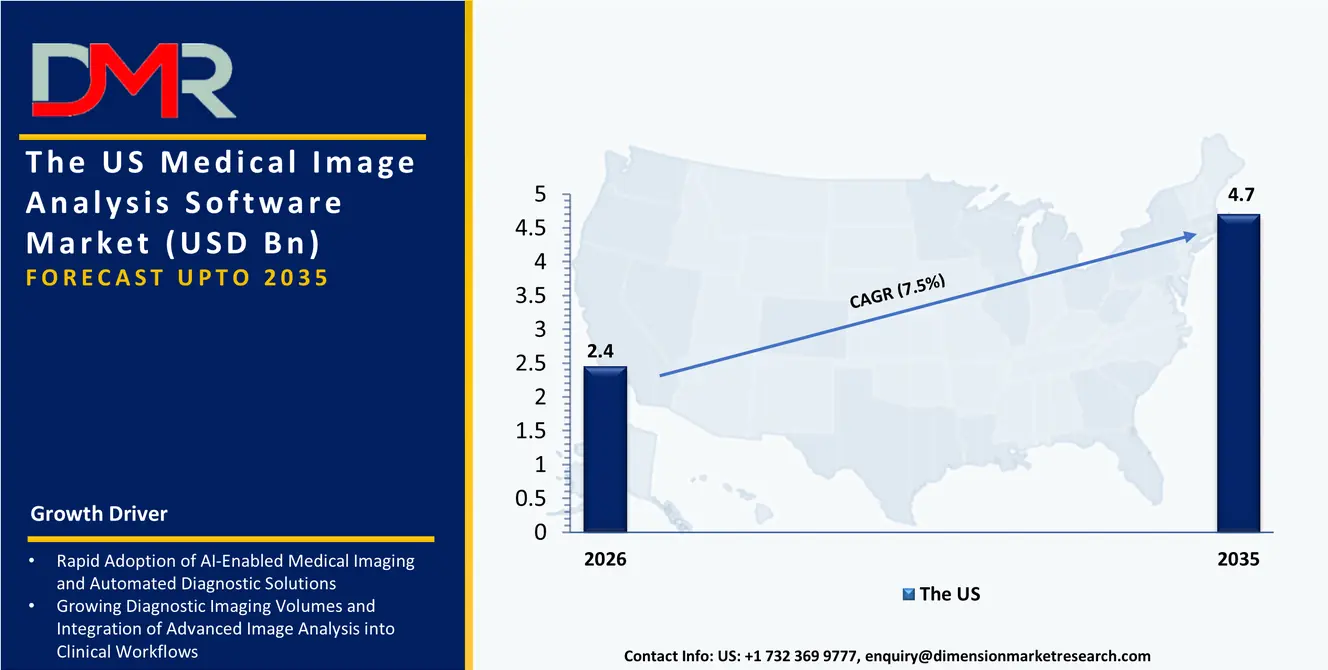
The United States Medical Image Analysis Software Market is projected to be valued at USD 2.4 billion in 2026 and is expected to reach USD 4.7 billion by 2035, registering a CAGR of 7.5% from 2026 to 2035. This robust trajectory reflects the U.S.'s position as the highest-value single-country medical image analysis software market globally, underpinned by an estimated hundreds of millions of annual diagnostic imaging procedures performed across the hospital and outpatient imaging network. Growth is fueled by the transformative impact of expanding FDA clearances for AI-based radiology algorithms, which have accelerated hospital procurement of computer-aided detection and quantification software, and by the rapid formulary adoption of cloud-based enterprise imaging platforms.
ℹ
To learn more about this report –
Download Your Free Sample Report Here
China Medical Image Analysis Software Market
China possesses one of the world's largest and fastest-scaling diagnostic imaging equipment installed bases, a consequence of its rapidly expanding hospital network and rising chronic disease burden, sustained by aggressive national health IT digitization initiatives. The market is distinguished by rapid domestic AI algorithm development, high utilization of cloud-based deployment relative to other Asian nations, and swift regulatory clearance pathways for novel image analysis software through the National Medical Products Administration.
Saudi Arabia Medical Image Analysis Software Market
Market expansion is directly tied to the Kingdom's substantial government healthcare IT investment and rapidly modernizing hospital imaging infrastructure, which together drive rising adoption of AI-enabled diagnostic imaging software. The Saudi Ministry of Health oversees an expanding radiology digitization program supported by national health IT interoperability standards, while public-private partnerships fund extensive enterprise imaging deployments. Vision 2030's healthcare transformation agenda, which emphasizes digital health and AI adoption, is opening significant opportunities for international image analysis software vendors, cloud infrastructure providers, and AI-driven diagnostic platform developers.
Regulatory Landscape
The regulatory landscape for medical image analysis software is shaped by agencies that balance accelerated access for clinically valuable AI algorithms with rigorous evidence requirements for diagnostic accuracy and safety. In the United States, the FDA's Center for Devices and Radiological Health has demonstrated receptivity to novel AI/ML-based software as a medical device (SaMD) submission, clearing a growing number of computer-aided detection and quantification algorithms through the 510(k) and De Novo pathways based on multi-reader, multi-case validation evidence.
Technology Analysis
Technology Analysis is highly relevant to the Medical Image Analysis Software Market as artificial intelligence, deep learning, computer vision, cloud computing, and advanced visualization continue to reshape diagnostic imaging workflows. AI algorithms increasingly support automated lesion detection, image segmentation, reconstruction, classification, quantification, and clinical decision support across CT, MRI, PET, ultrasound, and X-ray imaging. Opportunities are expanding in multimodal imaging, generative AI-assisted reporting, predictive analytics, 3D and 4D visualization, and cloud-based collaboration. Integration with PACS, RIS, and EHR platforms strengthens workflow efficiency and scalability. However, algorithm bias, interoperability limitations, cybersecurity vulnerabilities, data quality issues, and validation requirements create risks. Continued technological advancement will strengthen competition and accelerate software adoption globally.
By Region
North America
Europe
- Germany
- France
- The U.K.
- Italy
- Spain
- Rest of Europe
Asia-Pacific
- China
- Japan
- India
- Australia
- South Korea
- Rest of APAC
Latin America
- Mexico
- Brazil
- Rest of LATAM
Middle East & Africa
- Saudi Arabia
- The UAE
- South Africa
- Rest of MEA
Competitive Landscape
The Global Medical Image Analysis Software Market features a diverse competitive landscape spanning multinational imaging equipment and software conglomerates, dedicated AI diagnostic software innovators, enterprise imaging IT vendors, and emerging cloud-native health technology startups. GE Healthcare and Siemens Healthineers dominate the integrated PACS and enterprise imaging software market through extensive installed bases of imaging equipment bundled with native AI analysis capabilities. Philips Healthcare and Canon Medical Systems are leading providers of diagnostic imaging platforms and workflow software, competing on cloud connectivity, AI algorithm marketplaces, and vendor-neutral archive solutions.
Some of the prominent players in the Global Medical Image Analysis Software Market are:
- Siemens Healthineers AG
- GE HealthCare Technologies Inc.
- Koninklijke Philips N.V.
- Canon Medical Systems Corporation
- Fujifilm Holdings Corporation
- Agfa-Gevaert N.V.
- Carestream Health, Inc.
- Sectra AB
- Esaote S.p.A.
- MIM Software Inc.
- Aidoc Medical Ltd.
- Lunit Inc.
- INFINITT Healthcare Co., Ltd.
- AnalyzeDirect, Inc.
- AQUILAB SAS
- Circle Cardiovascular Imaging Inc.
- ContextVision AB
- Image Analysis Group Ltd.
- Kitware, Inc.
- Mach7 Technologies Ltd.
- Medis Medical Imaging Systems B.V.
- Novarad Corporation
- QMENTA
- TeraRecon, Inc.
- Visage Imaging
- Xinapse Systems Ltd.
- Ziosoft, Inc.
- Blackford Analysis Ltd.
- Mirada Medical Ltd.
- RamSoft Inc.
- Quibim
- Riverain Technologies
- Subtle Medical Inc.
- Pie Medical Imaging B.V.
- Infervision Medical Technology Co., Ltd.
- Neusoft Medical Systems Co., Ltd.
- Deepwise Medical
- Hologic, Inc.
- Butterfly Network, Inc.
- Spacelabs Healthcare
- Other Key Players
Recent Developments
- June 2026: Aidoc received expanded FDA clearance for an additional AI-based triage algorithm targeting incidental pulmonary embolism detection on non-contrast CT, broadening its enterprise-wide radiology workflow prioritization suite.
- March 2026: Siemens Healthineers announced the integration of a generative AI structured reporting assistant into its enterprise imaging platform, aimed at reducing radiologist documentation time across high-volume CT and X-ray workflows.
- February 2026: Lunit expanded its chest X-ray AI analysis software into new international markets following additional regulatory clearances, strengthening its footprint in population-level tuberculosis and lung nodule screening programs.
- November 2025: GE Healthcare launched a cloud-based AI orchestration platform enabling hospitals to deploy and manage multiple third-party image analysis algorithms within a single vendor-neutral marketplace.
Report Details
| Report Characteristics |
| Market Size (2026) |
USD 7.0 Bn |
| Forecast Value (2035) |
USD 14.0 Bn |
| CAGR (2026–2035) |
8.0% |
| The US Market Size (2026) |
USD 2.4 Bn |
| Historical Data |
2021 – 2025 |
| Forecast Data |
2027 – 2035 |
| Base Year |
2025 |
| Estimate Year |
2026 |
| Segments Covered |
By Software Type, By Deployment Mode, By Imaging Modality, By Image Type, By Clinical Application, By End User |
| Regional Coverage |
North America – The US and Canada; Europe – Germany, France, The UK, Italy, Spain, Rest of Europe; Asia-Pacific – China, Japan, India, Australia, South Korea, Rest of APAC; Latin America – Mexico, Brazil, Colombia, Argentina, Rest of LATAM; Middle East & Africa – Saudi Arabia, The UAE, South Africa, Rest of MEA |
Frequently Asked Questions
How big is the Global Medical Image Analysis Software Market?
▾ The Global Medical Image Analysis Software Market is projected to reach USD 14.0 billion by 2035, reflecting strong global demand for diagnostic imaging software, AI-assisted analysis, and enterprise imaging IT infrastructure.
What is the CAGR of the Global Medical Image Analysis Software Market from 2026 to 2035?
▾ The market is projected to expand at a compound annual growth rate (CAGR) of 8.0% between 2026 and 2035, supported by sustained investment in AI-enabled diagnostic algorithms, expanding cloud imaging infrastructure, and increasing diagnostic imaging procedure volumes.
What factors are driving the growth of the Global Medical Image Analysis Software Market?
▾ Growth is driven by escalating global diagnostic imaging volumes, landmark clinical validation studies expanding regulatory clearance for AI-based image analysis algorithms, aging populations, hospital digital transformation initiatives, and the integration of generative AI-enabled structured reporting and workflow automation tools.
What are the major trends in the Global Medical Image Analysis Software Market?
▾ Major trends include the convergence of enterprise imaging across radiology, cardiology, and pathology, the shift to cloud-based and hybrid PACS/VNA infrastructure, generative AI-enabled structured reporting, precision imaging and radiomics-based diagnostics, and the use of quantitative imaging biomarkers accelerating clinical decision support.
Which region held the largest share of the Global Medical Image Analysis Software Market in 2026?
▾ North America is expected to lead the global market with a 41.6% share in 2026, supported by high diagnostic imaging volumes, early adoption of AI-cleared algorithms, a well-funded enterprise imaging IT ecosystem, and expanding reimbursement for AI-assisted interpretation.
Which region is expected to grow the fastest in the Global Medical Image Analysis Software Market?
▾ Asia Pacific is expected to record the fastest growth at a 9.9% CAGR through 2035, driven by its massive and rapidly expanding diagnostic imaging infrastructure, rising chronic disease burden, and government-led radiology digitization programs.
Who are the key players in the Global Medical Image Analysis Software Market?
▾ Key market participants include GE Healthcare, Siemens Healthineers, Koninklijke Philips, Canon Medical Systems, Fujifilm Holdings, Aidoc, Lunit, Qure.ai, Viz.ai, and RadNet, among other imaging equipment, software, and AI diagnostic technology firms.
How is the Global Medical Image Analysis Software Market segmented?
▾ The market is segmented by software type, deployment mode, imaging modality, image type, clinical application, and end user, with regional analysis covering North America, Europe, Asia Pacific, Latin America, and the Middle East and Africa.