Market Overview
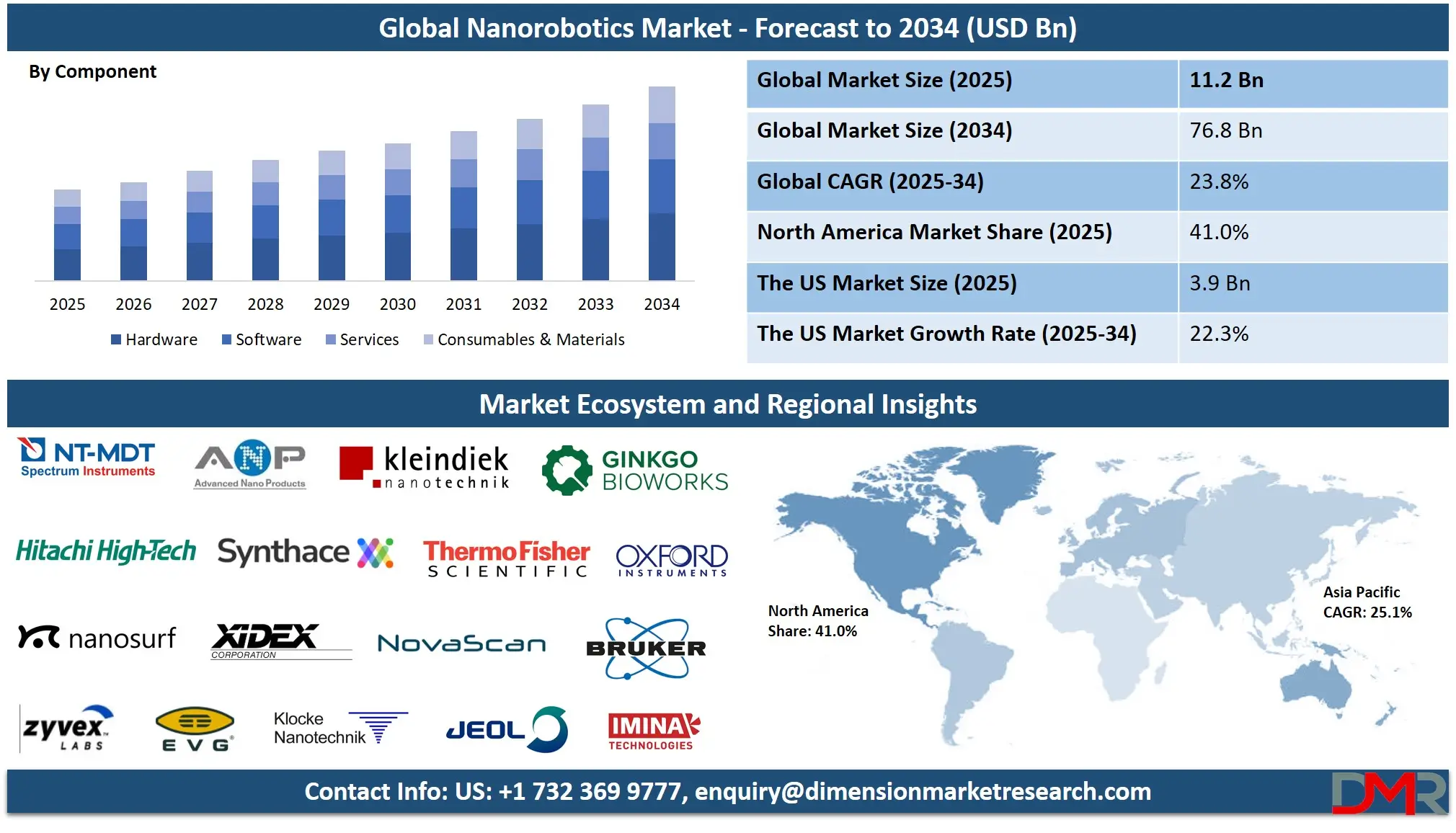
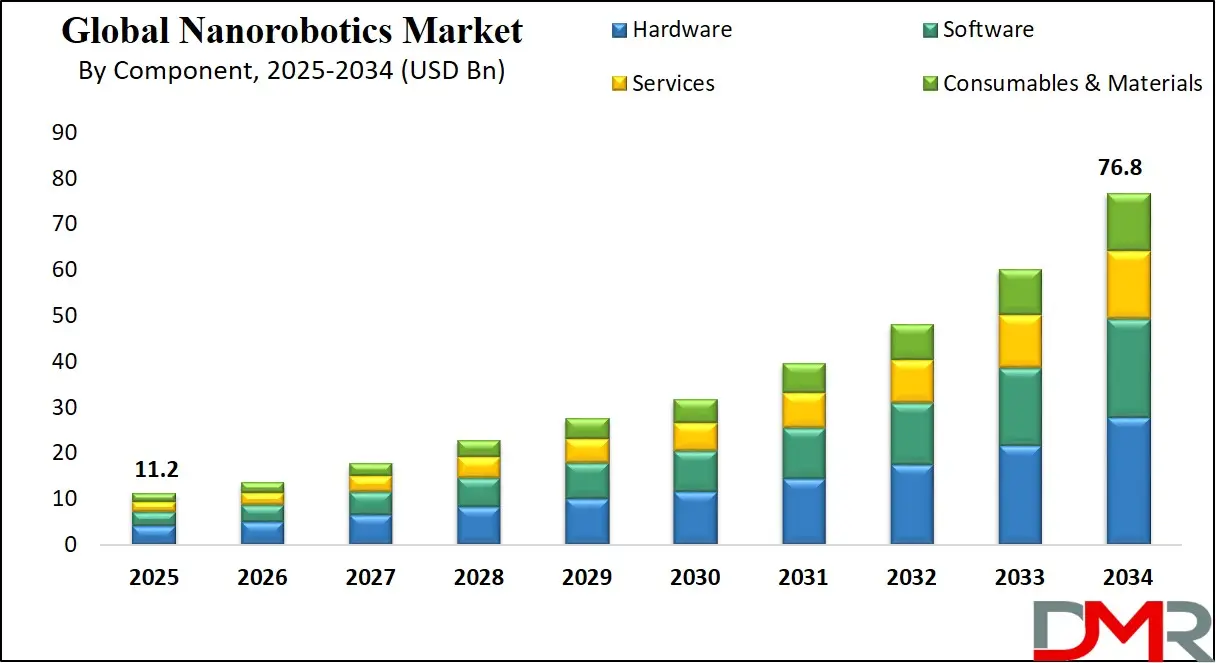
The Global Nanorobotics Market is anticipated to reach USD 11.2 billion in 2025, driven by advancements in targeted drug delivery, minimally invasive surgery, and diagnostics. The market is expected to expand at a robust compound annual growth rate (CAGR) of 23.8% from 2025 to 2034, reaching a projected value of USD 76.8 billion by 2034.
Growth is fueled by the increasing adoption of AI-enabled control and navigation systems, rising demand for precision medicine and targeted therapies, and the integration of nanorobotics in regenerative medicine and cellular repair. Additionally, expanding applications in oncology, neurology, and cardiology, coupled with the growing availability of advanced biomaterials, nanosensors, and actuation mechanisms, are expected to further accelerate market expansion globally.
ℹ
To learn more about this report –
Download Your Free Sample Report Here
The global landscape for medical nanorobotics is experiencing a profound transformation, moving beyond theoretical research into the core of targeted therapeutic intervention and diagnostic precision. A significant trend is the shift towards in-vivo diagnostic and therapeutic nanorobots, which can navigate the bloodstream to deliver drugs directly to cancer cells or clear arterial plaques. This targeted approach minimizes systemic side effects and maximizes treatment efficacy.
Concurrently, the technology is advancing into cellular-level surgery, where research focuses on using nanorobots for precise intracellular operations, though this remains largely in the developmental and regulatory phase. The integration of artificial intelligence with nanorobot control systems is also emerging, optimizing swarm behavior for coordinated tasks and automating navigation paths through complex biological environments.
The market's expansion is fueled by substantial opportunities in personalized medicine, particularly in crafting custom therapeutic protocols that offer unparalleled precision compared to standard systemic treatments. The oncology sector has become a major adopter, leveraging the technology for the targeted destruction of tumor cells with minimal impact on healthy tissue, which has revolutionized cancer treatment workflows.
ℹ
To learn more about this report –
Download Your Free Sample Report Here
Furthermore, the ongoing development of novel, biocompatible nanorobot components, including DNA-origami structures and magnetic nanoparticles, opens new avenues for creating medical devices that operate at the cellular level. These innovations are poised to address complex clinical challenges in neurodegenerative and cardiovascular diseases, providing solutions that were previously unimaginable.
The US Nanorobotics Market
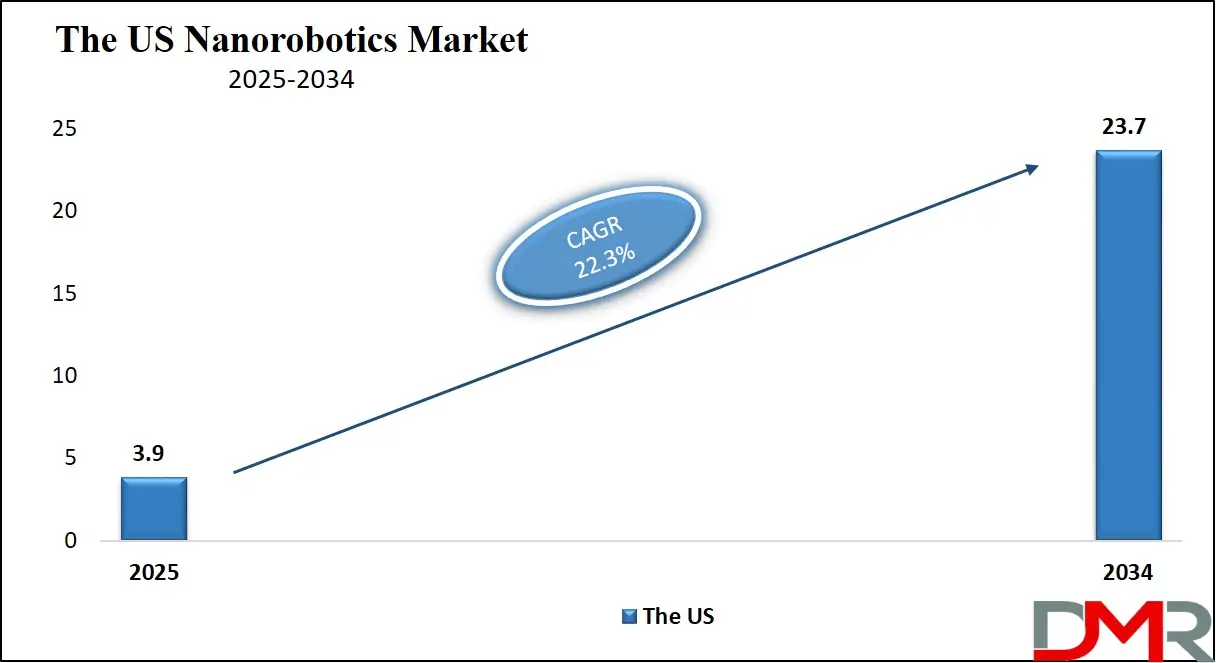
The US Nanorobotics Market is projected to reach USD 3.9 billion in 2025 at a compound annual growth rate of 22.3% over its forecast period.
The United States maintains a leadership position in the medical nanorobotics landscape, a status fortified by substantial federal investment and a robust regulatory framework. Agencies like the National Institutes of Health (NIH) and the National Science Foundation (NSF) actively foster innovation through initiatives such as the National Nanotechnology Initiative (NNI), which provides a coordinated framework for nanoscale research and development.
ℹ
To learn more about this report –
Download Your Free Sample Report Here
The U.S. Food and Drug Administration has been engaging with the scientific community to pioneer specific regulatory pathways for complex nanorobotic systems, providing clarity for developers. This proactive stance from federal bodies creates a stable environment for technological advancement and commercial investment in the sector. The presence of world-leading academic and medical institutions, including the Wyss Institute and the Cleveland Clinic, further drives clinical adoption through cutting-edge research and the establishment of translational research centers that bridge the gap between laboratory innovation and patient care.
A significant demographic advantage for the U.S. market is its large and aging population, a trend documented by the U.S. Census Bureau. This demographic shift predicts a substantial increase in the prevalence of complex conditions such as cancer and Alzheimer's disease, which in turn drives demand for highly precise medical interventions. The need for targeted drug delivery systems, non-invasive surgical nanorobots, and early disease detection platforms is rising in direct correlation.
Furthermore, the high healthcare expenditure per capita, as reported by the Centers for Medicare & Medicaid Services (CMS), indicates a system capable of adopting advanced, albeit sometimes costly, technologies. This financial capacity, combined with a growing body of pre-clinical evidence demonstrating the value of nanorobotic solutions in improving therapeutic indices and reducing collateral damage, is encouraging more pharmaceutical companies and medical centers to invest in this technology, ensuring continued market growth.
The Europe Nanorobotics Market
The Europe Nanorobotics Market is estimated to be valued at USD 1.3 billion in 2025 and is further anticipated to reach USD 6.8 billion by 2034 at a CAGR of 18.1%.
The European medical nanorobotics ecosystem is characterized by strong collaboration between public research institutions and industry, guided by a comprehensive regulatory framework. The European Medicines Agency (EMA) and the European Union Medical Device Regulation (MDR) provide a stringent set of requirements for the certification and clinical use of advanced therapeutic products, including nanorobotic systems, ensuring high standards of safety and performance across member states.
This is supported by significant funding from Horizon Europe, the EU's key research and innovation program, which has allocated resources to projects focused on nanomedicine and targeted delivery systems. National health services, such as the NHS in the United Kingdom, are exploring the potential of nanorobotics for high-cost therapeutic areas, which is critical for guiding future adoption and reimbursement policies.
Europe's demographic structure, as analyzed by Eurostat, presents a clear driver for the medical nanorobotics sector. The region has one of the world's most rapidly aging populations, leading to a higher incidence of age-related cancers and neurological disorders. This creates a pressing need for innovative, targeted treatments that can improve the quality of life for elderly citizens. The strong public healthcare systems prevalent across the continent are increasingly focused on value-based care, seeking technologies that can reduce long-term treatment costs and improve patient outcomes. The presence of a highly skilled research workforce and a dense network of specialized nanotech centers facilitates the development and application of complex nanorobotic solutions, from targeted drug delivery platforms in Switzerland to diagnostic nanorobots in Germany, positioning Europe as a critical and advanced market for medical nanorobotics innovation.
The Japan Nanorobotics Market
The Japan Nanorobotics Market is projected to be valued at USD 512 million in 2025. It is further expected to witness subsequent growth in the upcoming period, holding USD 2,655 million in 2034 at a CAGR of 19.4%.
Japan's foray into medical nanorobotics is heavily influenced by its status as the world's most aged society, a demographic reality extensively documented by the Japanese Ministry of Health, Labour and Welfare. This has created an urgent and growing demand for regenerative medicine and minimally invasive therapeutic solutions, particularly in oncology and age-related cellular repair.
In response, the Japanese government has strategically prioritized nanotechnology and robotics through national initiatives, with the Japan Agency for Medical Research and Development (AMED) funding projects that bridge the gap between academic research and clinical application. The Pharmaceuticals and Medical Devices Agency (PMDA), Japan's regulatory body, has been working to establish clear approval pathways for complex nanoscale therapeutic systems, providing a structured, though rigorous, environment for developers to bring new products to market, ensuring they meet the highest safety standards.
The demographic advantage for Japan lies in its technologically proficient society and its urgent need to maintain the quality of life for its senior citizens. This drives innovation in creating highly precise, non-invasive therapeutic nanorobots that cater to the specific physiological needs of an older patient cohort. The National Institute of Advanced Industrial Science and Technology (AIST) is actively involved in research on advanced nanomaterials and actuation mechanisms suitable for these applications.
Furthermore, the high density of advanced medical institutions in urban centers like Tokyo and Osaka serves as an early adopter and testing ground for new nanorobotics applications. This combination of demographic pressure, strong governmental support for technology, and a culture of precision engineering positions Japan as a unique and highly advanced market focused on leveraging nanorobotics to address the challenges of a super-aged society.
Global Nanorobotics Market: Key Takeaways
- Global Market Size Insights: The Global Nanorobotics Market size is estimated to have a value of USD 11.2 billion in 2025 and is expected to reach USD 76.8 billion by the end of 2034.
- The Global Market Growth Rate: The market is growing at a CAGR of 23.8 percent over the forecasted period of 2025.
- The US Market Size Insights: The US Nanorobotics Market is projected to be valued at USD 3.9 billion in 2025. It is expected to witness subsequent growth in the upcoming period as it holds USD 23.7 billion in 2034 at a CAGR of 22.3%.
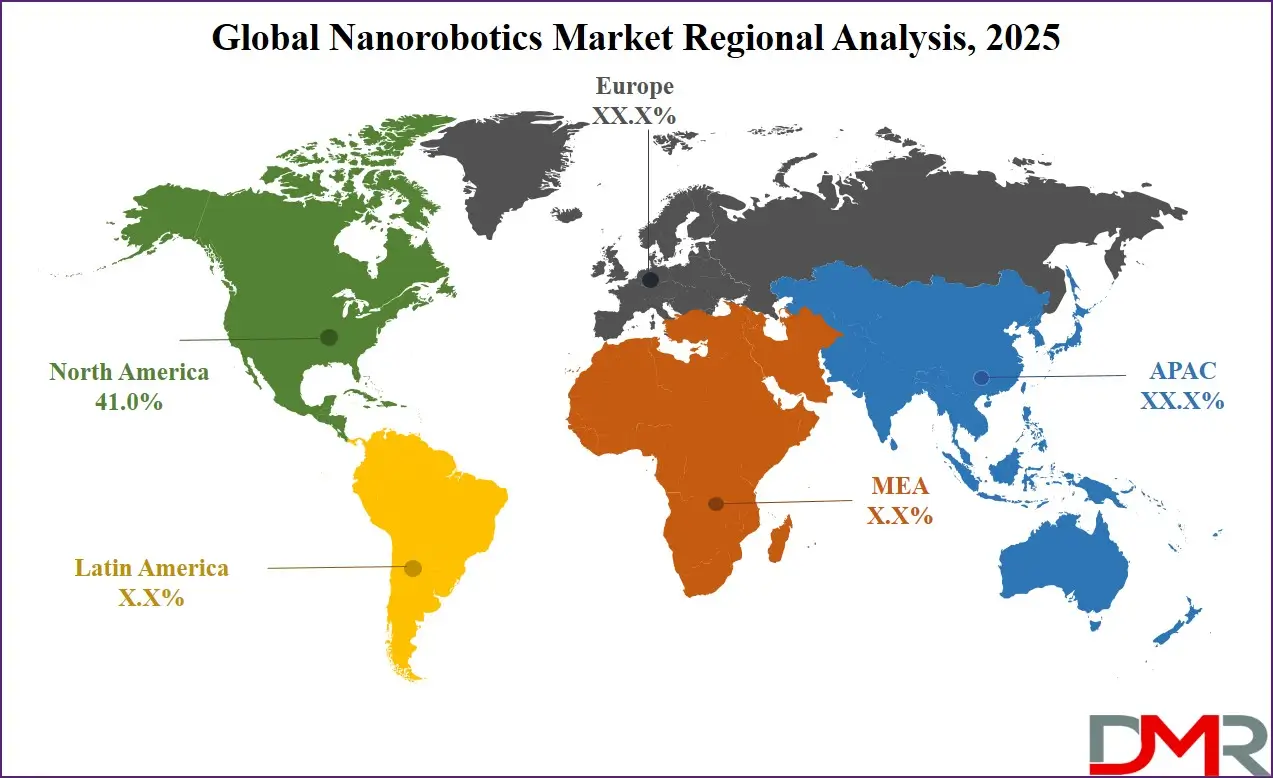
- Regional Insights: North America is expected to have the largest market share in the Global Nanorobotics Market with a share of about 41.0% in 2025.
- Key Players: Some of the major key players in the Global Nanorobotics Market are Bruker Corporation, JEOL Ltd., Thermo Fisher Scientific Inc., Ginkgo Bioworks, Oxford Instruments plc, Imina Technologies SA, Klocke Nanotechnik GmbH, Kleindiek Nanotechnik GmbH, and many others.
Global Nanorobotics Market: Use Cases
- Targeted Drug Delivery: Nanorobots are engineered to navigate the vascular system and release chemotherapeutic agents directly inside tumor cells, maximizing cancer-killing efficacy while minimizing damage to healthy tissues and reducing side effects.
- Non-Invasive Surgery: Swarms of magnetically guided nanorobots perform precise surgical tasks, such as clearing clogged arteries or repairing retinal veins, from within the body, eliminating the need for large incisions and reducing patient recovery time.
- Diagnostic Sensing: In-vivo nanorobots equipped with biosensors continuously monitor biomarkers for diseases like diabetes or early-stage cancer, transmitting real-time data to external devices for proactive health management.
- Cellular Repair: Research-stage nanorobots are designed to perform intracellular operations, such as repairing damaged DNA or removing toxic aggregates from neurons, offering potential treatments for genetic and neurodegenerative diseases.
- Medical Imaging Contrast: Engineered nanorobots act as advanced contrast agents, congregating at specific disease sites to enhance the resolution of MRI and other imaging modalities for earlier and more accurate diagnosis.
Global Nanorobotics Market: Stats & Facts
National Institutes of Health (NIH) - National Nanotechnology Initiative (NNI)
- The NNI coordinates funding of ~USD 1.8 billion annually across 20 federal agencies for nanotechnology R&D.
U.S. Food and Drug Administration (FDA)
- FDA published "Considering Whether an FDA-Regulated Product Involves the Application of Nanotechnology" guidance (initial final guidance date: June 2014).
- FDA nanotechnology page content was last marked "content current as of 15 March 2023."
- The FDA's Nanotechnology Task Force has reviewed over 50 regulatory submissions for products involving nanotechnology.
National Institute of Standards and Technology (NIST)
- NIST has developed over 25 reference materials for nanomaterial characterization to support standardization and safety testing.
Organisation for Economic Co-operation and Development (OECD)
- OECD's Working Party on Nanotechnology (WPN) reported that global public R&D investment in nanotech exceeded USD 30 billion cumulatively from 2000-2020.
International Organization for Standardization (ISO)
- ISO/TC 229 (Nanotechnologies) has published over 120 standards specifically related to nanotechnology terminology, measurement, and safety.
- The ISO catalog shows 45+ active work items under development in nanomedicine and nanorobotics standardization.
European Medicines Agency (EMA)
- EMA published a reflection paper on "Data Requirements for Injectable Nanomedicines" (published 17 February 2022).
World Health Organization (WHO)
- WHO published "Global assessment of nanotechnology and nanorobotics in health care" (publication date 12 September 2023), addressing safety, efficacy, and ethical implications.
Global Nanorobotics Market: Market Dynamic
Driving Factors in the Global Nanorobotics Market
Demographic Shift towards Aging Populations
The global demographic trend of an increasingly elderly population is a primary driver for the medical nanorobotics market. Older demographics have a higher prevalence of complex conditions such as cancer, neurodegenerative diseases, and cardiovascular disorders, which necessitate highly precise interventions. Nanorobotics technology is uniquely positioned to address these needs through targeted drug delivery, cellular repair, and minimally invasive surgery that are tailored to the individual's specific disease profile, offering superior precision and efficacy compared to standard treatments and improving the quality of life for aging patients.
Supportive Regulatory Frameworks and Government Funding
The establishment of clearer regulatory pathways by major agencies like the U.S. FDA and the EMA for nanomedicine has provided the necessary clarity and confidence for companies to invest heavily in the sector. These frameworks validate the safety and efficacy of nanorobotic systems, accelerating their translation from lab to clinic. Furthermore, substantial government and institutional funding, such as from the NNI in the U.S. and Horizon Europe in the EU, directly fuels foundational research and development in nanorobotic design, control systems, and biocompatibility. This financial and regulatory support de-risks innovation and catalyzes the transition of nanorobotics from a research field to a mainstream clinical tool.
Restraints in the Global Nanorobotics Market
High R&D and Manufacturing Costs
The significant investment required for fundamental R&D, specialized fabrication facilities (cleanrooms), and complex manufacturing processes for nanorobots presents a major barrier to entry. Beyond the hardware, the total cost includes the need for extensive preclinical testing and specialized materials. This financial hurdle can slow down commercial development, as companies and research institutions must secure substantial funding, often requiring demonstrable proof of concept and a clear path to clinical application to attract investment.
Technical and Safety Challenges
The effective implementation of medical nanorobotics faces significant technical hurdles, including precise in-vivo navigation, power supply, biocompatibility, and controlled degradation or retrieval of nanorobots post-mission. There are also unresolved safety concerns regarding long-term toxicity, immune system activation, and potential off-target effects. The lack of standardized testing protocols and long-term safety data further exacerbates this challenge. Without comprehensive solutions to these technical and safety issues, clinical translation and regulatory approval are critically hampered.
Opportunities in the Global Nanorobotics Market
Expansion in Oncology and Targeted Therapies
The oncology sector represents one of the largest and most rapidly expanding opportunities for nanorobotics adoption. The technology is ideal for delivering chemotherapeutic agents, siRNA, or radioisotopes directly to cancer cells with unprecedented precision. This targeted approach can significantly increase the therapeutic index of potent drugs, reducing systemic toxicity and improving patient outcomes. The shift from traditional chemotherapy to targeted nanorobotic systems offers a paradigm shift in cancer treatment, positioning nanorobotics as a cornerstone technology for the future of precision oncology.
Diagnostic and Theranostic Applications
A nascent but high-potential growth frontier lies in theranostics, where nanorobots combine diagnostic and therapeutic functions into a single platform. These systems can diagnose a disease state at the molecular level and then initiate a targeted treatment response automatically. This capability for real-time monitoring and intervention could revolutionize the management of chronic diseases, opening a completely new and substantial market segment for medical nanorobotics beyond standalone therapeutics or diagnostics.
Trends in the Global Nanorobotics Market
Swarm Robotics and Collective Behavior
A dominant trend is the development of nanorobot swarms that can perform complex tasks collectively. This shift enables the coordinated action of millions of nanorobots for large-scale tissue repair, targeted drug delivery to entire tumor volumes, or forming temporary scaffolding for tissue engineering. The benefits are profound, leading to more robust and effective therapeutic outcomes than possible with individual units. This model fosters a new approach to medical intervention, transforming traditional drug delivery and surgical paradigms.
Advanced Material and Actuation Development
The industry is witnessing rapid innovation in the development of novel, biocompatible materials and actuation mechanisms for nanorobots. This includes the use of DNA origami for self-assembling structures, magnetic nanoparticles for external guidance, and bio-hybrid designs incorporating biological components. Concurrently, significant research is focused on creating biodegradable nanorobots that safely dissolve after completing their task. These advancements are expanding the application horizon from simple delivery vehicles to complex, autonomous medical devices that can operate within the human body for extended periods.
Global Nanorobotics Market: Research Scope and Analysis
By Component Analysis
The Hardware segment, comprising the nanorobot structures and their core components (sensors, actuators, processors), is projected to represent the foundational and currently dominant component in terms of R&D investment and market revenue. This dominance is driven by the extreme complexity and high cost of fabricating functional nanoscale machines. Systems for producing DNA-based nanorobots, protein-assembled structures, and magnetically controlled swimmers all require significant investment. The development and prototyping of this hardware by biotechnology firms, research institutes, and pioneering medical companies constitute a major portion of the market's financial activity.
However, the Consumables & Materials segment is not only the fastest-growing but is also poised to become the most substantial in the long term. It represents a continuous, recurring revenue stream for production and deployment. The critical need for specific, high-purity, and often proprietary materials for each application creates a robust market. This includes functionalized nanoparticles, specialized lipids and polymers for encapsulation, DNA/RNA strands for programmable assembly, and advanced catalytic materials for propulsion. The performance, safety, and functionality of any medical nanorobot are intrinsically tied to the materials used, making this segment both highly profitable and critically important for technological advancement and clinical adoption.
By Technology Analysis
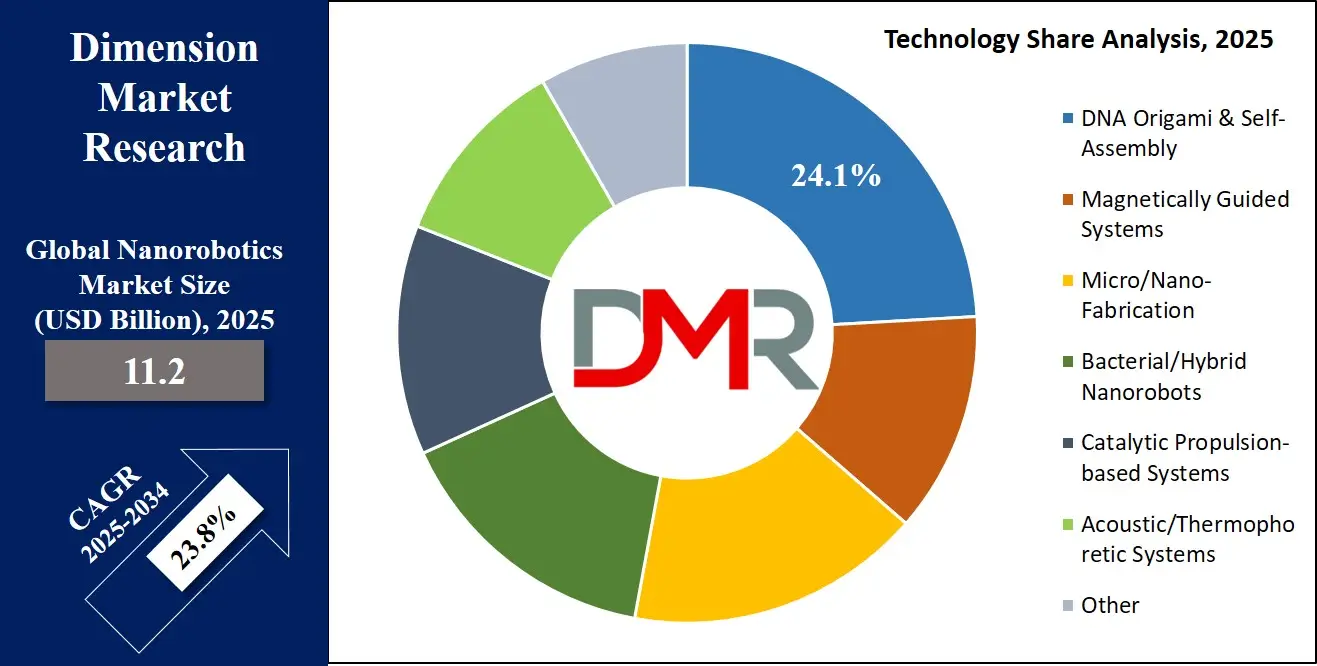
DNA Origami & Self-Assembly is anticipated to be a leading platform in the medical nanorobotics landscape due to its unparalleled programmability and biocompatibility. Its prominence stems from the ability to design complex 2D and 3D structures with atomic precision that can perform mechanical tasks like switching shape or releasing payloads. Researchers heavily utilize DNA origami for creating sophisticated drug delivery vessels and diagnostic sensors that can operate in biological environments. For applications requiring external control and propulsion, Magnetically Guided Nanorobots are the industrial workhorses. This technology dominates scenarios requiring precise navigation through bodily fluids, such as guiding nanorobots to tumor sites using externally applied magnetic fields.
ℹ
To learn more about this report –
Download Your Free Sample Report Here
Micro/Nano-Fabrication techniques (including lithography) are leaders for creating rigid or semi-rigid nanorobot components with defined structures, making them the gold standard for producing complex integrated systems that incorporate sensors, logic units, and actuators. Bacterial/Hybrid Nanorobots represent a cutting-edge segment, leveraging motile bacteria as bio-hybrid engines, offering unique potential for penetrating deep into tissues.
By Material Type Analysis
Biodegradable Polymers & Lipids are poised to be widely used materials in the medical nanorobotics space by volume and diversity of application. This segment encompasses a vast range of natural and synthetic materials that can safely break down in the body after fulfilling their function. Their dominance is fueled by the massive demands for temporary drug delivery systems and diagnostic agents that do not require retrieval. The versatility of these materials, including tunable degradation rates and surface functionalization, ensures their continued prevalence. For applications requiring structural integrity, sensing capabilities, or external control, Metals & Inorganic Materials are a dominant and critical material class. Gold nanoparticles and magnetic iron oxide cores are the gold standard, favored for their unique optical, magnetic, and electronic properties.
These materials are essential for manufacturing nanorobots used in imaging, hyperthermia treatment, and magnetically guided navigation. While DNA/RNA-based materials and Biological Components (like proteins) currently represent a more specialized segment in terms of commercial revenue, they are the focal point of the most cutting-edge research, holding the highest growth potential for revolutionary applications in programmable medicine and cellular interfacing.
By Application Analysis
The Drug Delivery application segment is expected to be the undisputed leader in terms of commercial adoption, market revenue, and near-term impact. Nanorobotics has revolutionized targeted therapy, moving from a passive nanoparticle approach to an active, directed delivery system. It dominates the development of "smart" therapeutic carriers that can navigate to specific cells, sense the local microenvironment, and release their payload on command. The precision, efficacy, and potential for reduced side effects have made nanorobotic drug delivery a central focus for the pharmaceutical industry, particularly in oncology.
The Diagnostics & Biosensing segment is a major and critically important application area, driven by the profound need for early and precise disease detection. This includes in-vivo nanorobots that continuously monitor glucose levels, detect cancer biomarkers, or identify pathogens in the bloodstream. The ability to place a sensor directly at the disease site, based on specific molecular recognition, leads to significantly earlier diagnosis and the potential for real-time health monitoring. This segment demonstrates the highest value proposition of nanorobotics in moving diagnostics from external, intermittent tests to integrated, continuous sensing.
By End-User Analysis
Pharmaceutical & Biotechnology Companies and Research Institutes & Universities are projected to be the dominant commercial and R&D end-users driving the innovation side of the market. Established pharmaceutical companies leverage nanorobotics for developing next-generation targeted therapies, aiming to enhance drug efficacy and create new intellectual property. Research institutes are at the forefront of fundamental discoveries, prototyping new nanorobot designs, and demonstrating proof-of-concept in model systems. Meanwhile, Hospitals & Diagnostic Centers are the ultimate target end-user segment for clinical deployment.
They are anticipated to be the fastest-growing segment as technologies mature, adopting nanorobotic systems for advanced diagnostic procedures and targeted therapeutic interventions. This clinical capability fundamentally changes treatment paradigms, enabling procedures that are currently impossible, thereby solidifying the hospital's role as a provider of the most advanced precision medicine available.
The Global Nanorobotics Market Report is segmented on the basis of the following:
By Component
- Hardware
- Nanorobot Structures & Chassis
- Actuation & Propulsion Systems
- Sensing & Imaging Modules
- Power & Data Storage Units
- Communication & Control Interfaces
- Software
- Design and Modeling Software
- Molecular Design & Simulation Platforms
- Swarm Behavior & Control Algorithms
- Navigation & Control Software
- In-Vivo Path Planning & Tracking Systems
- External Field Control Interfaces
- Data Analysis & Integration Platforms
- Diagnostic Data Interpretation Tools
- Treatment Efficacy Monitoring Systems
- Services
- R&D and Prototyping Services
- Custom Nanorobot Design & Fabrication
- Pre-clinical Testing & Validation
- Consulting & Integration Services
- Technology Transfer & Workflow Integration
- Regulatory Compliance Consulting
- Maintenance & Support
- Software Updates & System Calibration
- Technical Training
- Consumables & Materials
- Nanoparticles
- Biomolecules
- Functionalized Surfaces & Ligands
- Catalytic Fuels & Energy Sources
By Technology
- DNA Origami & Self-Assembly
- Magnetically Guided Systems
- Micro/Nano-Fabrication
- Bacterial/Hybrid Nanorobots
- Catalytic Propulsion-based Systems
- Acoustic/Thermophoretic Systems
- Other
By Material Type
- Biodegradable Polymers & Lipids
- PLGA
- PLA
- Chitosan
- Liposomes
- Micelles
- Metals & Inorganic Materials
- Gold
- Silver
- Silica
- Magnetic Iron Oxide
- DNA/RNA-based Materials
- Biological Components
- Composites & Hybrid Materials
- Support & Sacrificial Materials
By Application
- Drug Delivery
- Diagnostics & Biosensing
- Minimally Invasive Surgery
- Cellular Repair & Regeneration
- Medical Imaging Enhancement
- Toxicology & Environmental Monitoring
- Other specialized applications
By End-User
- Hospitals & Diagnostic Centers
- Pharmaceutical & Biotechnology Companies
- Research Institutes & Universities
- Contract Research Organizations (CROs)
- Government & Defense Agencies
- Other
Impact of Artificial Intelligence in the Global Nanorobotics Market
- Enhanced Design & Simulation: AI algorithms model and optimize nanorobot structures for specific tasks, predicting their behavior in complex biological environments and accelerating the design cycle from years to months.
- Precise Navigation & Swarm Control: AI-driven control systems process real-time sensor data to guide individual nanorobots or coordinate the collective behavior of swarms for targeted drug delivery or tissue repair.
- Predictive Maintenance & Performance Monitoring: AI-powered analytics predict the functional lifespan of nanorobots in vivo and monitor their performance, ensuring operational reliability and timely deactivation.
- Accelerated Diagnostic Analysis: AI assists in interpreting the complex data streams from diagnostic nanorobots, identifying disease signatures with high accuracy and speed for early detection.
- Data-Driven R&D Acceleration: AI analyzes vast datasets from simulations and experiments to identify promising new materials, actuation methods, and therapeutic applications, guiding R&D investment and strategy.
Global Nanorobotics Market: Regional Analysis
Region with the Largest Revenue Share
North America, led by the United States, is projected to command the largest share of the global nanorobotics market with 41.0% of market share by the end of 2025, due to a powerful confluence of technological leadership, substantial R&D funding, and a robust biotechnology ecosystem. The region is home to many of the world's leading nanotechnology research centers and innovative startups, which continuously drive innovation in both fundamental science and translational applications. This technological edge is complemented by a proactive and sophisticated regulatory framework. The U.S. Food and Drug Administration (FDA) has been actively engaging with the nanomedicine community to establish pathways for complex therapeutic systems.
ℹ
To learn more about this report –
Download Your Free Sample Report Here
This regulatory engagement de-risks investment in biotechnology and pharmaceutical companies and encourages rapid translation. Furthermore, the presence of a robust venture capital landscape and high per-capita R&D spending enables companies and research institutions to invest in this cutting-edge technology. Pioneering medical centers and research institutes, including the Wyss Institute and MIT, are at the forefront of nanorobotics research. High levels of funding from organizations like the NIH and NSF fuel foundational research. This synergy between leading research institutions, a supportive regulatory body, deep-pocketed investors, and strong R&D funding creates a virtuous cycle that solidifies North America's dominant market position.
Region with the Highest CAGR
The Asia Pacific region is projected to exhibit the highest Compound Annual Growth Rate (CAGR) in the nanorobotics market, fueled by massive government investment in nanotechnology, a rapidly growing biotechnology sector, and compelling demographic and healthcare needs. Countries like China, Japan, and South Korea are making substantial public investments in nanotech as a core part of their national science and technology strategies. Initiatives such as China's "Made in China 2025" and Japan's "Society 5.0" explicitly prioritize the development of nanotechnology and robotics, creating a powerful tailwind for the domestic industry. This is coupled with a rapidly expanding base of skilled researchers and engineers.
The region also faces a pronounced demographic challenge with a swiftly aging population, particularly in Japan and South Korea, which is driving demand for advanced medical solutions that nanorobotics is uniquely suited to provide. To address the needs of this large population base, there is a strong focus on developing next-generation medical technologies, and nanorobotics offers a path to leapfrog existing treatment paradigms. The growing number of scientific publications and patents from the region indicates a rising innovation capacity. This combination of strong governmental support, urgent healthcare needs, a growing talent pool, and increasing research output creates an explosive growth environment, positioning the Asia Pacific as the fastest-growing market globally.
By Region
North America
Europe
- Germany
- The U.K.
- France
- Italy
- Russia
- Spain
- Benelux
- Nordic
- Rest of Europe
Asia-Pacific
- China
- Japan
- South Korea
- India
- ANZ
- ASEAN
- Rest of Asia-Pacific
Latin America
- Brazil
- Mexico
- Argentina
- Colombia
- Rest of Latin America
Middle East & Africa
- Saudi Arabia
- UAE
- South Africa
- Israel
- Egypt
- Rest of MEA
Global Nanorobotics Market: Competitive Landscape
The competitive landscape of the global nanorobotics market is highly specialized and research-intensive, characterized by a mix of established scientific instrument companies, specialized nanotechnology firms, and a vibrant ecosystem of university spin-offs and startups. Dominant players like Bruker Corporation, JEOL Ltd., and Thermo Fisher Scientific Inc. leverage their expertise in nanoscale imaging, manipulation, and fabrication to provide the essential tools for R&D. These companies compete on the precision and capability of their instrumentation platforms.
A significant trend is the foray of biotechnology giants, such as Ginkgo Bioworks and Moderna, which are investing in programmable nanoscale systems for therapeutic and diagnostic applications. This convergence of biology and engineering allows them to create novel platforms for medicine. Simultaneously, the market sees intense competition from specialized nanotech pioneers, including Imina Technologies SA in precise nanomanipulation and Klocke Nanotechnik in automation. The landscape is further energized by academic spin-offs focusing on disruptive platforms like DNA nanorobotics and magnetic swarm control, ensuring continuous innovation and intensifying competition across all segments.
Some of the prominent players in the Global Nanorobotics Market are:
- Bruker Corporation
- JEOL Ltd.
- Thermo Fisher Scientific Inc.
- Ginkgo Bioworks
- Oxford Instruments plc
- Imina Technologies SA
- Klocke Nanotechnik GmbH
- Kleindiek Nanotechnik GmbH
- Novascan Technologies Inc.
- Xidex Corporation
- Synthace Ltd.
- Advanced Nano Products Co., Ltd.
- EV Group (EVG)
- Zyvex Labs
- Nanosurf AG
- Park Systems
- Hitachi High-Tech Corporation
- Smaract GmbH
- NT-MDT Spectrum Instruments
- Cytosurge AG
- Other Key Players
Recent Developments in the Global Nanorobotics Market
- May 2024: The American Chemical Society (ACS) announces a new division focused on Nanorobotics and Molecular Machines, highlighting the field's growing importance.
- April 2024: A research consortium led by ETH Zurich and MIT publishes a breakthrough in Science on a DNA-based nanorobot capable of performing logic-gated drug release in response to multiple cancer cell surface markers.
- March 2024: DARPA announces a new program, "In-Vivo Nanoplatforms" (IVN), funding the development of nanorobotic systems for continuous health monitoring and targeted countermeasure delivery for military personnel.
- February 2024: Ginkgo Bioworks announces a strategic partnership with a major pharmaceutical company to develop programmable protein-based nanorobots for autoimmune disease treatment.
- January 2024: The "International Conference on Nanorobotics and Nanomanipulation" (ICNN 2024) is held in Tokyo, Japan, featuring keynotes on the translation of nanorobotics from bench to bedside.
- November 2023: Thermo Fisher Scientific launches a new Cryo-EM suite with enhanced software capabilities specifically for analyzing the 3D structure of complex synthetic nanorobots.
- October 2023: A team from the University of California, San Diego, announces in Nature Communications the development of ultrasound-powered nanorobots that can penetrate thick mucus barriers in the lungs for drug delivery.
- September 2023: The World Economic Forum's Global Future Council on Biotechnology identifies nanorobotics for targeted drug delivery as one of the top 10 emerging technologies of the year.
Report Details
| Report Characteristics |
| Market Size (2025) |
USD 11.2 Bn |
| Forecast Value (2034) |
USD 76.8 Bn |
| CAGR (2025–2034) |
23.8% |
| The US Market Size (2025) |
USD 3.9 Bn |
| Historical Data |
2019 – 2024 |
| Forecast Data |
2026 – 2034 |
| Base Year |
2024 |
| Estimate Year |
2025 |
| Report Coverage |
Market Revenue Estimation, Market Dynamics, Competitive Landscape, Growth Factors and etc. |
| Segments Covered |
By Component (Hardware, Software, Services, Consumables & Materials) By Technology (DNA Origami & Self-Assembly, Magnetically Guided Systems, Micro/Nano-Fabrication, Bacterial/Hybrid Nanorobots, Catalytic Propulsion-based Systems, Acoustic/Thermophoretic Systems, Other), By Material Type (Biodegradable Polymers & Lipids, Metals & Inorganic Materials, DNA/RNA-based Materials, Biological Components (Proteins, Enzymes), Composites & Hybrid Materials, Support & Sacrificial Materials), By Application (Drug Delivery, Diagnostics & Biosensing, Minimally Invasive Surgery, Cellular Repair & Regeneration, Medical Imaging Enhancement, Toxicology & Environmental Monitoring, Other specialized applications), By End-User (Hospitals & Diagnostic Centers, Pharmaceutical & Biotechnology Companies, Research Institutes & Universities, Contract Research Organizations (CROs), Government & Defense Agencies, Other) |
| Regional Coverage |
North America – The US and Canada; Europe – Germany, The UK, France, Russia, Spain, Italy, Benelux, Nordic, & Rest of Europe; Asia-Pacific – China, Japan, South Korea, India, ANZ, ASEAN, Rest of APAC; Latin America – Brazil, Mexico, Argentina, Colombia, Rest of Latin America; Middle East & Africa – Saudi Arabia, UAE, South Africa, Turkey, Egypt, Israel, & Rest of MEA |
| Prominent Players |
Bruker Corporation, JEOL Ltd., Thermo Fisher Scientific Inc., Ginkgo Bioworks, Oxford Instruments plc, Imina Technologies SA, Klocke Nanotechnik GmbH, Kleindiek Nanotechnik GmbH, Novascan Technologies Inc., Xidex Corporation, Synthace Ltd., Advanced Nano Products Co., Ltd., EV Group (EVG), Zyvex Labs, Nanosurf AG, Park Systems, Hitachi High-Tech Corporation, Smaract GmbH, NT-MDT Spectrum Instruments, and Cytosurge AG., and Other Key Players |
| Purchase Options |
We have three licenses to opt for: Single User License (Limited to 1 user), Multi-User License (Up to 5 Users) and Corporate Use License (Unlimited User) along with free report customization equivalent to 0 analyst working days, 3 analysts working days and 5 analysts working days respectively. |
Frequently Asked Questions
How big is the Global Nanorobotics Market?
▾ The Global Nanorobotics Market size is estimated to have a value of USD 11.2 billion in 2025 and is expected to reach USD 76.8 billion by the end of 2034.
What is the growth rate in the Global Nanorobotics Market in the forecast period?
▾ The market is growing at a CAGR of 23.8 percent over the forecasted period of 2025 to 2034.
What is the size of the US Nanorobotics Market?
▾ The US Nanorobotics Market is projected to be valued at USD 3.9 billion in 2025. It is expected to witness subsequent growth in the upcoming period as it holds USD 23.7 billion in 2034 at a CAGR of 22.3%.
Which region accounted for the largest Global Nanorobotics Market?
▾ North America is expected to have the largest market share in the Global Nanorobotics Market with a share of about 41.0% in 2025.
Who are the key players in the Global Nanorobotics Market?
▾ Some of the major key players in the Global Nanorobotics Market are Bruker Corporation, JEOL Ltd., Thermo Fisher Scientific Inc., Ginkgo Bioworks, Oxford Instruments plc, Imina Technologies SA, Klocke Nanotechnik GmbH, Kleindiek Nanotechnik GmbH, and many others.