Global Parkinson’s Disease Treatment Market Snapshot
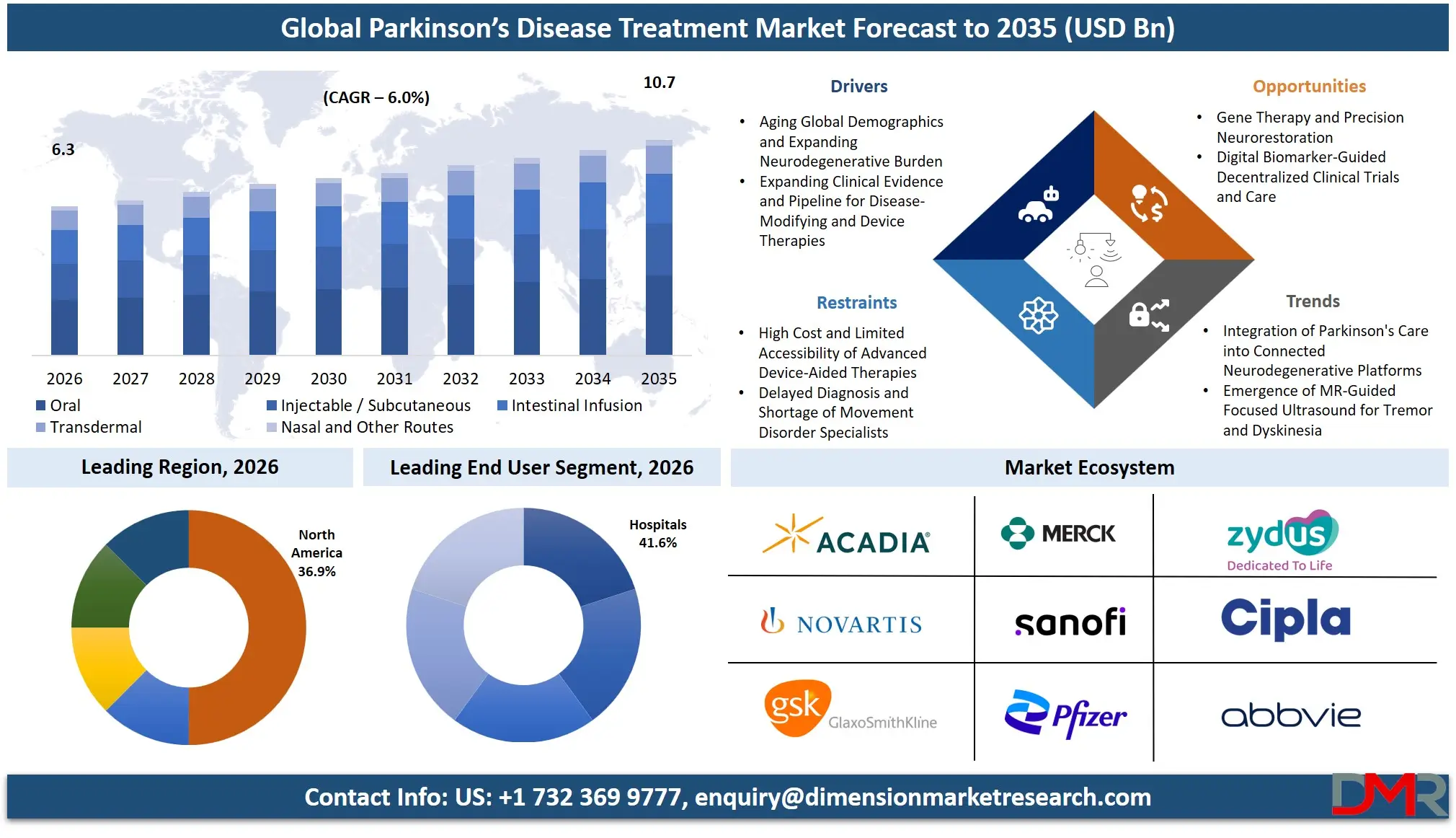
- Global Parkinson’s Disease Treatment Market Size in 2026: USD 6.3 Billion
- Global Parkinson’s Disease Treatment Market Size in 2035: USD 10.7 Billion
- Global CAGR from 2026 to 2035: 6.0%
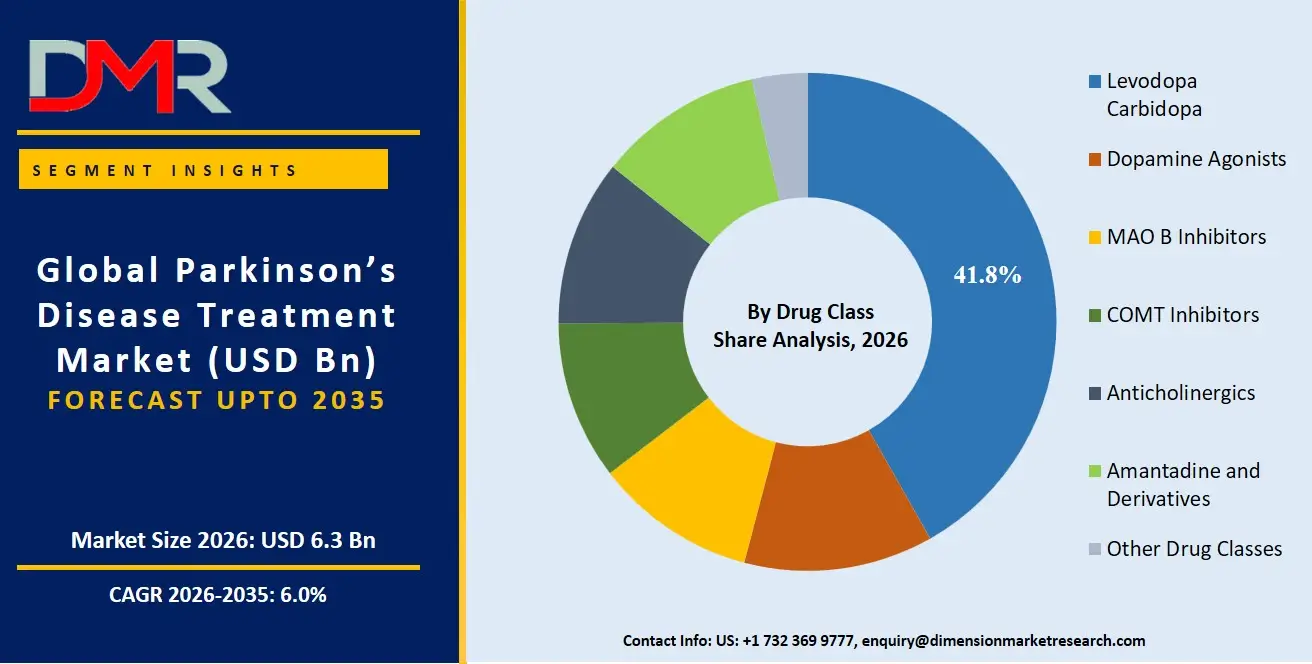
- Levodopa/Carbidopa is the leading drug class segment in 2026: 41.8%
- Medication is the leading treatment type segment in 2026: 69.4%
- Moderate Stage is the leading disease stage segment in 2026: 45.7%
- Adult is the leading patient type segment in 2026: 97.8%
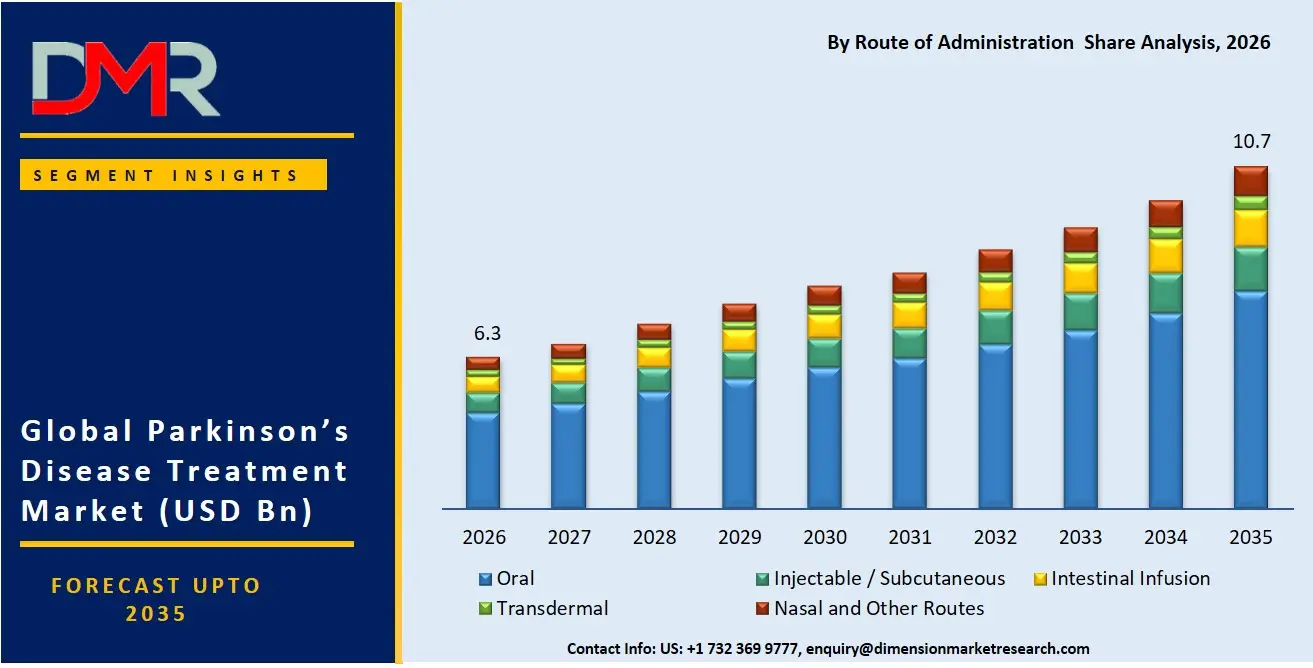
- Oral is the leading route of administration segment in 2026: 63.8%
- Retail Pharmacies is the leading distribution channel segment in 2026: 45.1%
- Hospitals is the leading end user segment in 2026: 41.6%
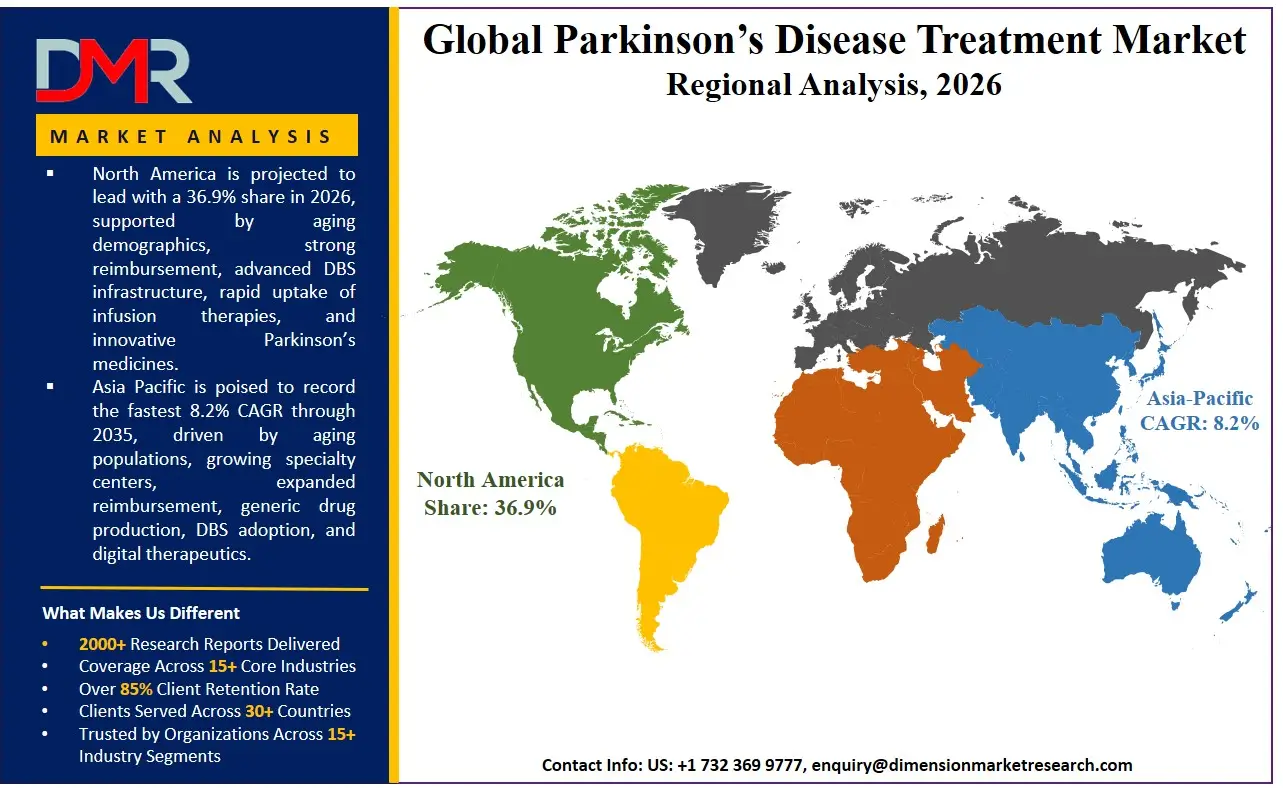
- North America is the leading region in 2026: 36.9%
What is the Global Parkinson’s Disease Treatment and its Market Size?
The Global Parkinson's Disease Treatment Market is projected to be valued at USD 6.3 billion in 2026 and is projected to reach USD 10.7 billion by 2035, expanding at a CAGR of 6.0% during the forecast period. Growth is being propelled by the accelerating global prevalence of Parkinson's disease (PD) driven by an aging demographic, increased exposure to environmental neurotoxins, and rising life expectancy which together expand the pool of individuals with progressive dopaminergic neuron degeneration.
ℹ
To learn more about this report –
Download Your Free Sample Report Here
The paradigm is shifting from purely symptomatic control with levodopa-based regimens toward integrated multimodal care: disease-modifying candidates targeting alpha-synuclein aggregation, neuroinflammation, and mitochondrial dysfunction are advancing through late-stage pipelines. Concurrently, the adoption of wearable sensor arrays for objective motor-fluctuation monitoring, AI-assisted deep brain stimulation (DBS) programming, and expanded reimbursement for continuous intestinal gel infusion are reshaping treatment frameworks. Investment is accelerating as health systems pivot from reactive management of advanced fluctuations and dyskinesias toward early biomarker-driven intervention and personalized, home-based therapeutic ecosystems designed to preserve quality-adjusted life years.
Use Cases
- Early Diagnosis and Dopaminergic Initiation: General neurologists and movement disorder specialists employ clinical rating scales (MDS-UPDRS), DaTscan imaging, and emerging seed amplification assays to confirm nigrostriatal pathway dysfunction and initiate titrated levodopa/carbidopa or dopamine agonist therapy, aiming to restore motor function while delaying long-term motor complications.
- Advanced Fluctuation Management with Device-Aided Therapies: Patients experiencing "on-off" phenomena and disabling dyskinesias are transitioned to continuous jejunal levodopa-carbidopa intestinal gel infusion or subcutaneous apomorphine pump therapy, smoothing striatal dopamine receptor stimulation and dramatically reducing OFF time.
- Precision Deep Brain Stimulation Programming: Movement disorder centers utilize AI-driven electrophysiological mapping and directional current-steering DBS leads, tailoring subthalamic nucleus or globus pallidus internus neuromodulation to individual tremor, rigidity, and bradykinesia profiles, while minimizing cognitive and mood side effects.
- Multidisciplinary Home-Based Rehabilitation: Physiotherapists deploy digital therapeutic applications and telehealth platforms to deliver cueing strategies, LSVT BIG® exercises, and speech therapy (LSVT LOUD®) remotely, maintaining adherence and functional independence in home healthcare settings.
Key Takeaways
- Market Size: The Global Parkinson's Disease Treatment Market is anticipated to be valued at USD 6.3 billion in 2026 and is forecast to reach USD 10.7 billion by 2035, expanding at a CAGR of 6.0%.
- Growth Outlook: Market expansion is sustained by the inexorable rise in neurodegenerative disease prevalence with societal aging, the broadening therapeutic arsenal spanning novel long-acting oral formulations, gene therapies, and neuromodulation, the push toward integrated tele-neurology for rural populations, and the integration of digital biomarkers and remote therapeutic monitoring.
- Primary Growth Drivers: A mounting burden of motor complications and non-motor symptoms necessitating polypharmacy and device-aided interventions, breakthrough clinical trials for disease-modifying monoclonal antibodies and GLP-1 receptor agonists repurposed for neuroprotection, regulatory incentives for orphan and accelerated approvals, and shifting payment models toward bundled, value-based PD care are accelerating investment across the neurotherapeutics continuum.
- By Drug Class Analysis: Levodopa/Carbidopa is projected to lead the drug class segment with a dominant 41.8% share in 2026, driven by its unmatched efficacy as the gold-standard dopamine replacement, expanded by a portfolio of immediate-release, controlled-release, extended-release, and intestinal gel formulations that address every disease milestone.
- By Treatment Type Analysis: Medication is expected to dominate with a 69.4% share in 2026, supported by the universal dependence on pharmacotherapy for both motor symptom control and non-motor symptom management (dementia, psychosis, autonomic failure) across all Hoehn & Yahr stages.
- By Disease Stage Analysis: Moderate Stage is poised to lead with a 45.7% share in 2026, representing the largest prevalent population where treatment intensification with polypharmacy COMT inhibitors, MAO-B inhibitors, and adjunctive dopamine agonists is essential to manage emergent motor complications while preserving function.
- By Route of Administration Analysis: Oral is expected to command a 63.8% share in 2026, underpinned by the overwhelming oral drug armamentarium; injectable/subcutaneous therapies are projected to exhibit the fastest CAGR at 7.6%, fueled by apomorphine rescue pens and continuous subcutaneous infusion for advanced fluctuations.
- By Distribution Channel Analysis: Retail Pharmacies is projected to account for 45.1% in 2026, serving as the primary point of maintenance prescription dispensing, while Online Pharmacies are anticipated to grow fastest at a 9.1% CAGR, driven by telemedicine integration, digital prescription services, and patient convenience.
- By End User Analysis: Hospitals is expected to lead with a 41.6% share in 2026 as the central hub for DBS implantation, infusion therapy initiation, and acute decompensation management, while Home Healthcare is the fastest-growing end-user segment at an 8.2% CAGR due to the decentralization of PD care, enabling long-term infusion, physiotherapy, and remote neuromonitoring in the patient's dwelling.
How AI/Gen AI is Transforming the Parkinson’s Disease Treatment Market?
Artificial intelligence and digital health technologies are fundamentally reshaping Parkinson's disease care by enabling earlier detection, personalized motor-fluctuation prediction, and continuous remote disease management. Machine learning algorithms trained on large-scale voice, gait, and keystroke datasets dynamically quantify bradykinesia, tremor amplitude, and freezing-of-gait episodes from wearable inertial measurement units. These predictive models are embedded into smartphone applications that notify patients and clinicians of impending OFF periods hours before subjective perception, enabling proactive rescue dosing. AI-powered video analysis of facial expressivity and saccadic eye movements quantifies previously elusive non-motor signs, providing a more holistic digital motor exam.
Key Drivers in the Global Parkinson’s Disease Treatment Market
Aging Global Demographics and Expanding Neurodegenerative Burden
The epidemiological transition toward an older population structure is the single greatest driver of Parkinson's disease incidence. As life expectancy surpasses 75 years in most developed nations and rapidly increases across emerging economies, the age-related progressive loss of substantia nigra dopaminergic neurons translates into a ballooning prevalent population. Projections indicate the global PD patient pool will double within a generation, intensifying demand for diagnostics, chronic symptomatic pharmacotherapy, device-aided interventions for advanced disease, and rehabilitation services. National brain health initiatives are increasingly prioritizing movement disorders, stimulating government-funded drug discovery and subsidized DBS access.
Expanding Clinical Evidence and Pipeline for Disease-Modifying and Device Therapies
A prolific therapeutic pipeline targeting the molecular underpinnings of PD alpha-synuclein aggregation (prasinezumab, cinpanemab), LRRK2 kinase inhibition, GBA gene therapy, and repurposed incretin mimetics (exenatide, lixisenatide) is generating robust clinical evidence. Concurrently, refinements in DBS electrode design, directional current steering, and MR-guided focused ultrasound pallidotomy are expanding the eligible surgical population while reducing adverse effects. As disease-modifying therapies gain first regulatory approvals, the market structure will be transformed from chronic symptomatic sales to high-value, time-limited treatment courses, vastly expanding the addressable pharmaceutical market and accelerating investment.
Restraints in the Global Parkinson’s Disease Treatment Market
High Cost and Limited Accessibility of Advanced Device-Aided Therapies
Deep brain stimulation surgery, continuous levodopa-carbidopa intestinal gel pumps, and apomorphine infusion systems impose substantial financial burdens, frequently exceeding USD 60,000 for initial DBS implantation and hardware in high-income healthcare systems. In low- and middle-income countries, where a majority of future PD cases will reside, the scarcity of functional neurosurgical infrastructure, trained movement disorder neurologists, and capital equipment severely restricts access to standard-of-care advanced therapies. Even in developed nations, disparities in DBS utilization by race, socioeconomic status, and rurality persist. This economic toxicity limits the treated prevalence for device segments, perpetuating inequities and restraining overall market volume growth potential in the most therapeutically intensive advanced-disease categories.
Growth Opportunities in the Global Parkinson’s Disease Treatment Market
Gene Therapy and Precision Neurorestoration
The emergence of adeno-associated viral vector-mediated gene therapies delivering glutamic acid decarboxylase (GAD), aromatic L-amino acid decarboxylase, or trophic factors directly to the striatum promises to restore local dopamine production or recalibrate pathological basal ganglia circuitry. Companies pioneering one-time, minimally invasive neurosurgical gene transfer procedures for moderately advanced PD can unlock a transformative, curative-adjacent market segment. Complementary approaches harnessing autologous induced pluripotent stem cell-derived dopaminergic neuron transplantation are entering first-in-human trials, offering the potential for true disease reversal and commanding premium pricing in the neurorestoration market.
Digital Biomarker-Guided Decentralized Clinical Trials and Care
The validation of smartphone-based motor tests, smartwatch-derived actigraphy, and continuous speech analytics as FDA-qualified digital biomarkers opens a massive opportunity for remote therapeutic monitoring and decentralized clinical trial execution. Platform-as-a-service companies that aggregate, analyze, and report validated digital motor function outcomes can reduce Phase III trial costs and enable continuous real-world evidence generation for regulatory submissions. This infrastructure simultaneously serves as a clinical decision-support layer, enabling neurologists to remotely titrate medications and assess DBS candidacy, creating a recurring SaaS-revenue model interwoven with the broader treatment ecosystem.
Trends in the Global Parkinson’s Disease Treatment Market
Integration of Parkinson’s Care into Connected Neurodegenerative Platforms
A defining trend is the dissolution of silos between movement disorders, cognitive neurology, and psychiatry, driven by the shared proteinopathy and circuit-level dysfunction across alpha-synucleinopathies (PD, dementia with Lewy bodies, multiple system atrophy). Clinical practice is converging on comprehensive brain health platforms that simultaneously track motor, cognitive, autonomic, and behavioral metrics on a unified dashboard. This convergence expands the prescribing of neuropsychiatric adjuncts (pimavanserin, rivastigmine) alongside motor therapies and fosters the development of disease-agnostic digital therapeutic applications for synucleinopathies.
Emergence of MR-Guided Focused Ultrasound for Tremor and Dyskinesia
Incised-less, MR-guided high-intensity focused ultrasound (MRgFUS) is commercializing as an outpatient therapeutic option for medication-refractory essential tremor and tremor-dominant Parkinson's. Unilateral pallidotomy or subthalamotomy performed via transcranial sonication avoids hardware implantation and offers an attractive option for elderly or anticoagulated patients ineligible for DBS. The trend toward staged bilateral procedures and expansion of indications to include levodopa-induced dyskinesias is creating a new, high-growth device market adjacency with radiology and neurosurgery partnership models.
Research Scope and Analysis
The Global Parkinson's Disease Treatment Market is segmented by drug class, treatment type, disease stage, patient type, route of administration, distribution channel, and end user. Drug classes span dopaminergic and adjunctive pharmacotherapies. Treatment types range from oral medications to neuromodulation and rehabilitation. Disease stages cover the full Hoehn & Yahr spectrum. Distribution channels include both traditional and digital pharmacy avenues.
ℹ
To learn more about this report –
Download Your Free Sample Report Here
By Drug Class Analysis
Levodopa Carbidopa is projected to dominate the Parkinson's disease treatment market, accounting for a 41.8% share in 2026. Its position reflects its status as the foundational symptomatic therapy for managing bradykinesia, rigidity, and tremor across early, moderate, and advanced disease stages. Immediate release formulations remain widely prescribed due to affordability, established physician familiarity, and rapid symptom control. Extended release products and intestinal gel therapies further strengthen value generation in patients experiencing motor fluctuations. Dopamine agonists are expected to record the highest CAGR of 6.8% during 2026–2035, supported by their use in early disease management and as adjunctive therapies to delay levodopa related complications.
By Treatment Type Analysis
Medication is poised to represent the dominant treatment type, holding a 69.4% market share in 2026. Pharmacological therapies remain the primary management option because they are broadly accessible, clinically established, and suitable for long term symptom control across diverse patient populations. Levodopa based therapies, dopamine agonists, enzyme inhibitors, and amantadine products collectively support recurring prescription demand. Deep brain stimulation maintains importance for patients with advanced motor complications but serves a smaller, procedure dependent patient pool. Emerging therapies are projected to achieve the highest CAGR of 8.5% during 2026–2035, driven by advancing gene therapies, cell replacement approaches, neuroprotective candidates, and precision medicine research targeting disease modifying outcomes.
By Disease Stage Analysis
Moderate stage Parkinson's disease is expected to dominate the market with a 45.7% share in 2026. Patients in this stage generally require consistent pharmacological therapy, dose optimization, adjunctive medicines, rehabilitation support, and more frequent specialist monitoring, creating substantial treatment expenditure. Motor fluctuations, dyskinesia, balance limitations, and nonmotor symptoms become increasingly evident, encouraging the use of combination therapy and advanced care solutions. Early stage disease remains important due to growing diagnosis rates, while advanced stage patients require higher intensity interventions. Advanced stage Parkinson's disease is anticipated to register the highest CAGR of 7.3% during 2026–2035, supported by population aging, improved patient survival, and rising adoption of device assisted therapies.
By Patient Type Analysis
Adults are projected to dominate the Parkinson's disease treatment market, representing a 97.8% share in 2026. Parkinson's disease occurs predominantly among older adults, and rising global life expectancy is steadily expanding the adult patient pool requiring chronic neurological care. Adult patients generate continuous demand for medicines, specialist consultations, deep brain stimulation, rehabilitation, home based assistance, and symptom monitoring technologies. Young onset Parkinson's disease also contributes to long treatment duration and lifetime therapy spending. The pediatric segment is expected to grow at the highest CAGR of 7.9% during 2026–2035, although from a smaller base, due to improved recognition of pediatric parkinsonism, genetic testing availability, and expanding research into rare movement disorders.
By Route of Administration Analysis
Oral administration is poised to dominate the market, accounting for a 63.8% share in 2026. Tablets, capsules, and oral dispersible products remain preferred due to convenience, broad availability, lower administration costs, and suitability for long term outpatient treatment.
ℹ
To learn more about this report –
Download Your Free Sample Report Here
Oral levodopa carbidopa, dopamine agonists, MAO B inhibitors, COMT inhibitors, and amantadine products form the backbone of routine Parkinson's disease management. Injectable and subcutaneous administration is projected to record the highest CAGR of 7.6% during 2026–2035. Growth is driven by apomorphine rescue therapies, continuous infusion systems, and the need for rapid management of off episodes among patients with advanced disease and unpredictable motor fluctuations.
By Distribution Channel Analysis
Retail pharmacies are projected to dominate the distribution channel segment with a 45.1% share in 2026. Most Parkinson's medicines are used on a long term outpatient basis, making retail pharmacies the most accessible and convenient source for recurring prescription refills. Their extensive geographic presence, established payer relationships, and ability to supply generic formulations reinforce their leading position. Hospital and specialty pharmacies remain essential for complex therapies, surgical procedures, infusion products, and high cost branded medicines. Online pharmacies are expected to register the highest CAGR of 9.1% during 2026–2035, supported by digital prescription services, doorstep delivery, medication adherence programs, and increasing demand for convenient chronic care access among elderly patients and caregivers.
By End User Analysis
Hospitals are anticipated to dominate the end user segment, holding a 41.6% market share in 2026. Hospitals serve as major centers for diagnosis, neurologist consultations, treatment initiation, medication adjustment, deep brain stimulation procedures, and management of advanced Parkinson's complications. Their multidisciplinary infrastructure supports coordinated care involving neurologists, surgeons, physiotherapists, speech therapists, occupational therapists, and mental health professionals. Specialty clinics also contribute significantly through outpatient neurological management. Home healthcare is projected to achieve the highest CAGR of 8.2% during 2026–2035, driven by rising elderly populations, caregiver preference for home based support, remote patient monitoring, rehabilitation services, and the need to reduce repeated hospital visits for chronic Parkinson's disease management.
The Global Parkinson’s Disease Treatment Market Report is segmented on the basis of the following:
By Drug Class
- Levodopa Carbidopa
- Immediate Release
- Controlled Release
- Extended Release
- Levodopa Carbidopa Intestinal Gel
- Dopamine Agonists
- Pramipexole
- Ropinirole
- Rotigotine
- Apomorphine
- MAO B Inhibitors
- Selegiline
- Rasagiline
- Safinamide
- COMT Inhibitors
- Entacapone
- Opicapone
- Tolcapone
- Anticholinergics
- Amantadine and Derivatives
- Other Drug Classes
By Treatment Type
- Medication
- Deep Brain Stimulation
- Physical Therapy
- Speech Therapy
- Occupational Therapy
- Emerging Therapies
By Disease Stage
- Early Stage
- Moderate Stage
- Advanced Stage
By Patient Type
By Route of Administration
- Oral
- Injectable / Subcutaneous
- Intestinal Infusion
- Transdermal
- Nasal and Other Routes
By Distribution Channel
- Hospital Pharmacies
- Retail Pharmacies
- Online Pharmacies
- Specialty Pharmacies
By End User
- Hospitals
- Clinics and Specialty Clinics
- Home Healthcare
- Ambulatory Care Centers
- Rehabilitation Centers
Regional Analysis
North America is the Leading Region in the Global Parkinson’s Disease Treatment Market
North America is poised to lead the global PD treatment market with an estimated 36.9% revenue share in 2026, translating to a market size of USD 2.35 billion. The region's dominance is anchored by a high prevalence of Parkinson's disease in the aging baby-boomer cohort, a mature and well-reimbursed DBS implant infrastructure led by major academic medical centers, and the fastest adoption of continuous infusion therapies.
ℹ
To learn more about this report –
Download Your Free Sample Report Here
The United States, in particular, is characterized by early and broad access to innovative, premium-priced product classes like once-daily extended-release levodopa formulations (IPX066, IPX203), apomorphine sublingual film, and closed-loop DBS systems under investigational device exemption. Strong patient advocacy networks, FDA accelerated-approval pathways for disease-modifying agents, and Medicare coverage for MRgFUS pallidotomy further consolidate North America's premier position.
Asia Pacific is the Fastest-Growing Region in the Global Parkinson’s Disease Treatment Market
Asia Pacific is projected to register the fastest CAGR of 8.2% through 2035, driven by the region's rapidly aging demographic structure, particularly in Japan, China, and South Korea, which together harbor the world's largest geriatric populations. Economic development is enabling massive investments in movement disorder specialty centers, stereotactic neurosurgery capabilities, and domestic manufacturing of DBS systems. China's increasing regulatory receptiveness to innovative neurology drugs and the inclusion of DBS in national reimbursement schemes are dramatically expanding the treated advanced PD population. India's rising PD prevalence and expanding generic levodopa manufacturing base support broad pharmacological coverage. Japan, already a high-value DBS and continuous infusion market, continues to pioneer wearable sensor technology and digital therapeutic adoption, reinforcing the region's dual engine of volume and innovation.
The Europe Parkinson’s Disease Treatment Market
Europe represents one of the largest regional markets, characterized by universal healthcare coverage models that provide equitable access to comprehensive PD care, though with cross-national variation in DBS implant rates and advanced infusion therapy utilization. Germany holds the largest European market share, driven by its dense network of university-based movement disorder units, broad reimbursement for innovative drug delivery systems, and strong health technology assessment tradition. The European Parkinson's Disease Association's advocacy and the adoption of European Academy of Neurology guidelines are gradually improving diagnosis rates in Eastern member states. Stringent EMA regulatory frameworks ensure high-quality therapeutics, while joint procurement initiatives for advanced therapies moderate per-unit costs, fostering volume-based growth.
Latin America Parkinson’s Disease Treatment Market
The Latin America PD treatment market is expanding as aging populations and improved neurology training drive diagnosis rates upward. Brazil and Mexico are the primary national markets, with Brazil's Unified Health System (SUS) providing access to generic levodopa, anticholinergics, and a growing number of DBS centers concentrated in metropolitan regions. Argentina and Colombia are witnessing private-sector investment in movement disorder clinics. Access barriers, including high out-of-pocket costs for extended-release preparations and limited public reimbursement for continuous infusion therapies, temper growth potential, but international pharmaceutical patient assistance programs and the proliferation of tele-neurology across the Andes region are steadily broadening the addressable market.
Middle East and Africa Parkinson’s Disease Treatment Market
The Middle East and Africa market is developing against a backdrop of increasing neurodegenerative disease recognition amid rapid population aging in Gulf Cooperation Council (GCC) states and a dual burden of genetic Parkinsonism in North African populations. Saudi Arabia and the United Arab Emirates are the most attractive markets, with high government healthcare spending, state-of-the-art neurosurgery centers offering DBS and MRgFUS, and active pharmaceutical tendering for novel neurotherapeutics. South Africa leads the sub-Saharan African market with its well-established private neurology sector and academic DBS programs. The region is experiencing accelerating demand for affordable generic levodopa, long-acting dopamine agonist transdermal patches suited to non-adherent populations, and mobile health tools that bridge the specialist neurologist shortage with community health worker-deployed motor screening.
Major Countries Analysis
The US Parkinson’s Disease Treatment Market
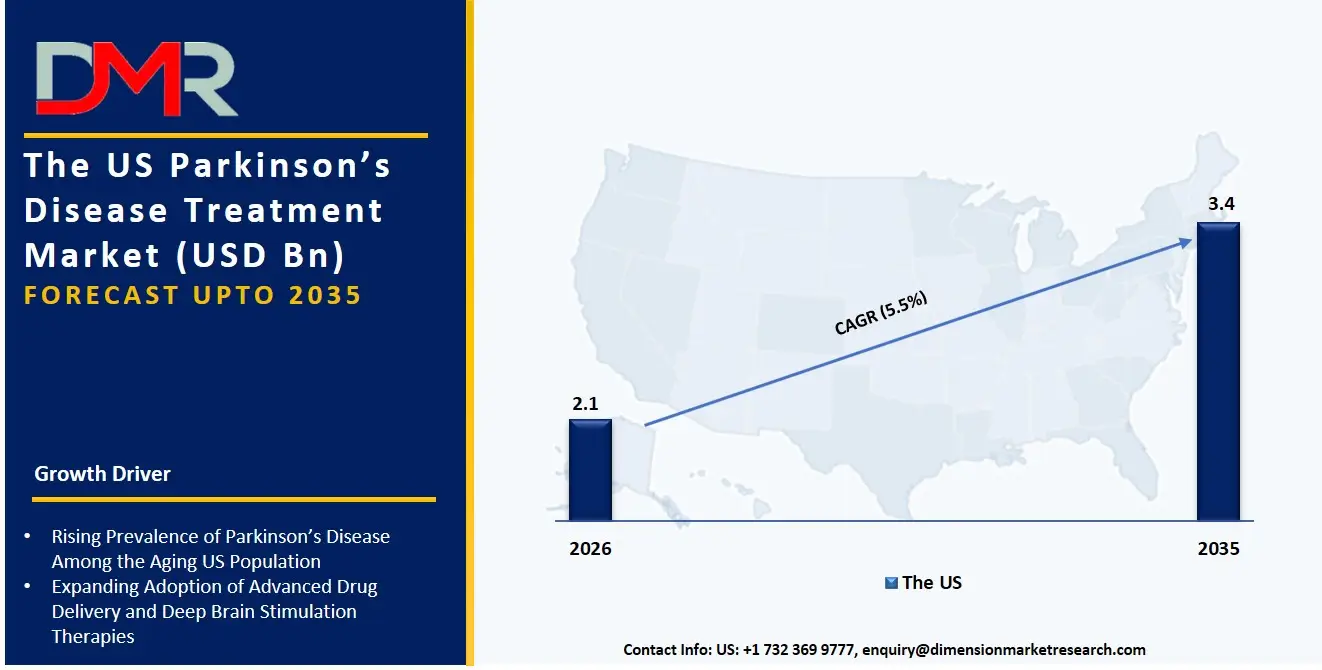
The United States PD treatment market is projected to be valued at USD 2.1 billion in 2026 and is expected to reach USD 3.4 billion by 2035, registering a CAGR of 5.5%. This robust trajectory reflects the U.S.'s position as the highest-value single-country neurotherapeutics market globally, underpinned by an estimated 1 million individuals diagnosed with PD and 60,000 new cases annually.
ℹ
To learn more about this report –
Download Your Free Sample Report Here
Growth is fueled by the transformative impact of the National Plan to End Parkinson's Act, which has increased NIH funding for translational research and disease-modifying clinical networks, and by Medicare's expansion of coverage for MR-guided focused ultrasound and continuous infusion therapies. The FDA's receptiveness to novel surrogate endpoints (e.g., striatal binding ratios on PET imaging) is accelerating drug approvals.
Japan Parkinson’s Disease Treatment Market
Japan possesses one of the world's highest age-adjusted PD prevalence rates, a consequence of its super-aged society, sustaining a sophisticated ecosystem of movement disorder neurologists, DBS implant centers, and early adoption of continuous intrajejunal levodopa infusion. The market is distinguished by universal health insurance coverage with generous reimbursement for advanced device-aided therapies, high per-capita use of istradefylline, and extensive deployment of wearable PD monitors. The Japanese Ministry of Health, Labour and Welfare's Sakigake Designation System for innovative neurotherapies further accelerates patient access to novel agents. Japan is also a lead market for regenerative medicine, hosting first-in-human induced pluripotent stem cell-derived dopaminergic neuron transplantation trials.
Saudi Arabia Parkinson’s Disease Treatment Market
Market expansion is tied to the Kingdom's improving neurology subspecialty infrastructure under Vision 2030, which has funded comprehensive neuroscience centers in Riyadh, Jeddah, and Dammam, equipped with stereotactic DBS and MRgFUS capabilities. The high consanguinity rate contributes to a significant burden of early-onset genetic Parkinsonism (PARK2, PINK1), creating a unique demand for genetic counseling and targeted interventions. The Saudi Food and Drug Authority's harmonization with international regulatory standards accelerates novel drug approvals, while the government's commitment to public-private partnerships is opening opportunities for international DBS and infusion pump vendors.
Regulatory Landscape
The regulatory landscape for Parkinson's disease therapeutics and devices is shaped by agencies that balance accelerated access for neurodegenerative conditions with rigorous evidence requirements. In the United States, the FDA's Center for Drug Evaluation and Research has demonstrated receptiveness to novel clinical endpoints, granting Breakthrough Therapy Designation to multiple alpha-synuclein-targeting monoclonal antibodies and GLP-1 receptor agonists based on positive DaTscan imaging changes and UPDRS motor score slopes. For DBS systems, the FDA's premarket approval pathway incorporates post-market registry requirements, while the Center for Medicare & Medicaid Innovation's coverage with evidence development framework enables reimbursement for next-generation adaptive DBS. In the EU, the EMA's PRIME scheme fast-tracks promising disease-modifying therapies, while the Medical Device Regulation governs closed-loop neuromodulation hardware.
Epidemiology Analysis
The Parkinson's Disease Epidemiology section assesses historical and forecast PD burden across the markets covered in the study. It evaluates prevalent cases, diagnosed and treated populations, and those receiving advanced device-aided therapies.
Key Findings from PD Epidemiological Analysis
- The United States had an estimated 1 million individuals living with diagnosed Parkinson's disease in 2025, with age-adjusted prevalence expected to rise significantly by 2035.
- Globally, the prevalence of PD has doubled over the past two decades. In 2023, an estimated 10 million people worldwide were living with Parkinson's disease, with China, India, and the U.S. accounting for the largest national patient populations.
- Japan has a notable PD burden, with one of the highest age-standardized prevalence rates globally, reflecting its super-aged demographic structure.
- An estimated 15-20% of PD patients are candidates for advanced device-aided therapies (DBS, continuous infusion) during their disease course, though current penetration is below 5%, indicating a substantial treatment gap and latent market demand.
By Region
North America
Europe
- Germany
- The U.K.
- France
- Italy
- Russia
- Spain
- Rest of Europe
Asia-Pacific
- China
- Japan
- India
- Australia
- South Korea
- Rest of Asia-Pacific
Latin America
- Mexico
- Brazil
- Argentina
- Colombia
- Rest of LATAM
Middle East & Africa
- Saudi Arabia
- The UAE
- South Africa
- Rest of MEA
Competitive Landscape
The Global Parkinson's Disease Treatment Market features a diverse competitive landscape spanning multinational pharmaceutical giants, neuromodulation device conglomerates, emerging gene therapy pioneers, and digital health innovators. AbbVie Inc. dominates the advanced pharmacotherapy segment with Duopa/Duodopa (levodopa-carbidopa intestinal gel) and a pipeline of extended-release oral formulations. Medtronic plc, Boston Scientific Corporation, and Abbott Laboratories form the DBS triumvirate, competing on directional lead technology, closed-loop sensing capabilities, and MR-conditional systems. In the pharmacotherapy arena, Roche/Genentech and Prothena are advancing prasinezumab for alpha-synuclein, while Biogen and Denali Therapeutics are developing LRRK2 inhibitors. UCB S.A., Neurocrine Biosciences, and Lundbeck A/S are expanding adjunctive and non-dopaminergic portfolios (opicapone, istradefylline, amantadine DR/ER). Novartis, Sanofi, and Voyager Therapeutics pursue gene therapy platforms.
Some of the prominent players in the Global Parkinson’s Disease Treatment Market are:
- AbbVie Inc.
- Amneal Pharmaceuticals Inc.
- Acorda Therapeutics Inc.
- Acadia Pharmaceuticals Inc.
- Adamas Pharmaceuticals Inc.
- Alexza Pharmaceuticals Inc.
- Apic Bio Inc.
- Biogen Inc.
- BIAL Group
- Britannia Pharmaceuticals Ltd.
- Cerevel Therapeutics
- Cipla Ltd.
- Denali Therapeutics Inc.
- Eisai Co. Ltd.
- Gain Therapeutics Inc.
- GlaxoSmithKline plc
- Intec Pharma Ltd.
- Ipsen S.A.
- Kyowa Kirin Co. Ltd.
- Lundbeck A S
- Merck KGaA
- Mitsubishi Tanabe Pharma Corporation
- Neurocrine Biosciences Inc.
- Neuraly Inc.
- Novartis AG
- Ono Pharmaceutical Co. Ltd.
- Orion Corporation
- Pfizer Inc.
- Pharma Two B Ltd.
- Prilenia Therapeutics B.V.
- Prothena Corporation plc
- Revance Therapeutics Inc.
- Roche Holding AG
- Sanofi S.A.
- Sun Pharmaceutical Industries Ltd.
- Supernus Pharmaceuticals Inc.
- Teva Pharmaceutical Industries Ltd.
- UCB S.A.
- Voyager Therapeutics Inc.
- Zydus Lifesciences Ltd.
- Other Key Players
Recent Developments
- May 2026: Biogen and Denali Therapeutics reported that the Phase IIb LUMA study of BIIB122, or DNL151, did not meet its primary or secondary endpoints in early stage Parkinson's disease. The companies discontinued development for idiopathic Parkinson's disease, while Denali continued the Phase IIa BEACON study in patients carrying pathogenic LRRK2 variants.
- June 2025: Roche announced its decision to advance prasinezumab into Phase III development for early stage Parkinson's disease. Phase IIb PADOVA findings showed potential clinical benefit, although the primary endpoint did not achieve statistical significance.
- February 2025: Supernus Pharmaceuticals received U.S. FDA approval for Onapgo, a continuous subcutaneous apomorphine infusion device and drug combination for adults with advanced Parkinson's disease experiencing motor fluctuations. Clinical evidence demonstrated a significant reduction in daily OFF time.
Report Details
| Report Characteristics |
| Market Size (2026) |
USD 6.3 Bn |
| Forecast Value (2035) |
USD 10.7 Bn |
| CAGR (2026–2035) |
6.0% |
| The US Market Size (2026) |
USD 2.1 Bn |
| Historical Data |
2021 – 2025 |
| Forecast Data |
2027 – 2035 |
| Base Year |
2025 |
| Estimate Year |
2026 |
| Segments Covered |
By Drug Class, By Treatment Type, By Disease Stage, By Patient Type, By Route of Administration, By Distribution Channel, By End User |
| Regional Coverage |
North America – The U.S. and Canada; Europe – Germany, The U.K., France, Italy, Russia, Spain, and Rest of Europe; Asia Pacific – China, Japan, India, Australia, South Korea, and Rest of Asia Pacific; Latin America – Mexico, Brazil, Argentina, Colombia, and Rest of Latin America; Middle East and Africa – Saudi Arabia, The UAE, South Africa, and Rest of MEA |
Frequently Asked Questions
What is the CAGR of the Global PD Treatment Market from 2026 to 2035?
▾ The market is projected to expand at a compound annual growth rate (CAGR) of 6.0% between 2026 and 2035, supported by aging demographics, novel disease-modifying pipeline progress, and expanding access to DBS and continuous infusion technologies.
How big is the Global Parkinson’s Disease Treatment Market?
▾ The Global Parkinson’s Disease Treatment Market is valued at USD 6.3 billion in 2026 and is projected to reach USD 10.7 billion by 2035, reflecting sustained global demand for dopaminergic pharmacotherapy, device-aided interventions, and rehabilitation services.
What factors are driving the growth of the Global PD Treatment Market?
▾ Growth is driven by the escalating prevalence of Parkinson’s disease in aging societies, landmark clinical trials advancing disease-modifying monoclonal antibodies and gene therapies, expanded regulatory approvals for closed-loop DBS and MR-guided focused ultrasound, and the integration of digital biomarkers and tele-neurology for remote monitoring.
What are the major trends in the Global PD Treatment Market?
▾ Major trends include the shift to closed-loop adaptive DBS, the rise of subcutaneous levodopa infusion as a non-surgical advanced therapy, AI-powered motor-fluctuation prediction, the development of alpha-synuclein PET tracers for diagnosis, and the convergence of Parkinson’s, dementia, and psychiatric care under integrated neurodigital platforms.
Which region held the largest share of the Global PD Treatment Market in 2026?
▾ North America is expected to lead the global market with a 36.9% share in 2026, supported by robust DBS implantation rates, early adoption of novel therapeutics, strong Medicare and commercial coverage, and federal funding for Parkinson’s research.
Which region is expected to grow the fastest in the Global PD Treatment Market?
▾ Asia Pacific is expected to record the fastest growth at an 8.2% CAGR through 2035, driven by rapidly aging populations, expanding neurosurgical infrastructure, and inclusion of advanced therapies in national reimbursement schemes.
Who are the key players in the Global PD Treatment Market?
▾ Key market participants include AbbVie, Medtronic, Boston Scientific, Abbott, Roche, UCB, Neurocrine Biosciences, Amneal, Teva, Biogen, Denali Therapeutics, and Voyager Therapeutics, among other pharmaceutical, device, and digital health firms.
How is the Global PD Treatment Market segmented?
▾ The market is segmented by drug class, treatment type, disease stage, patient type, route of administration, distribution channel, and end user, with regional analysis covering North America, Europe, Asia Pacific, Latin America, and the Middle East and Africa.