What is the Real-World Evidence Market Size?
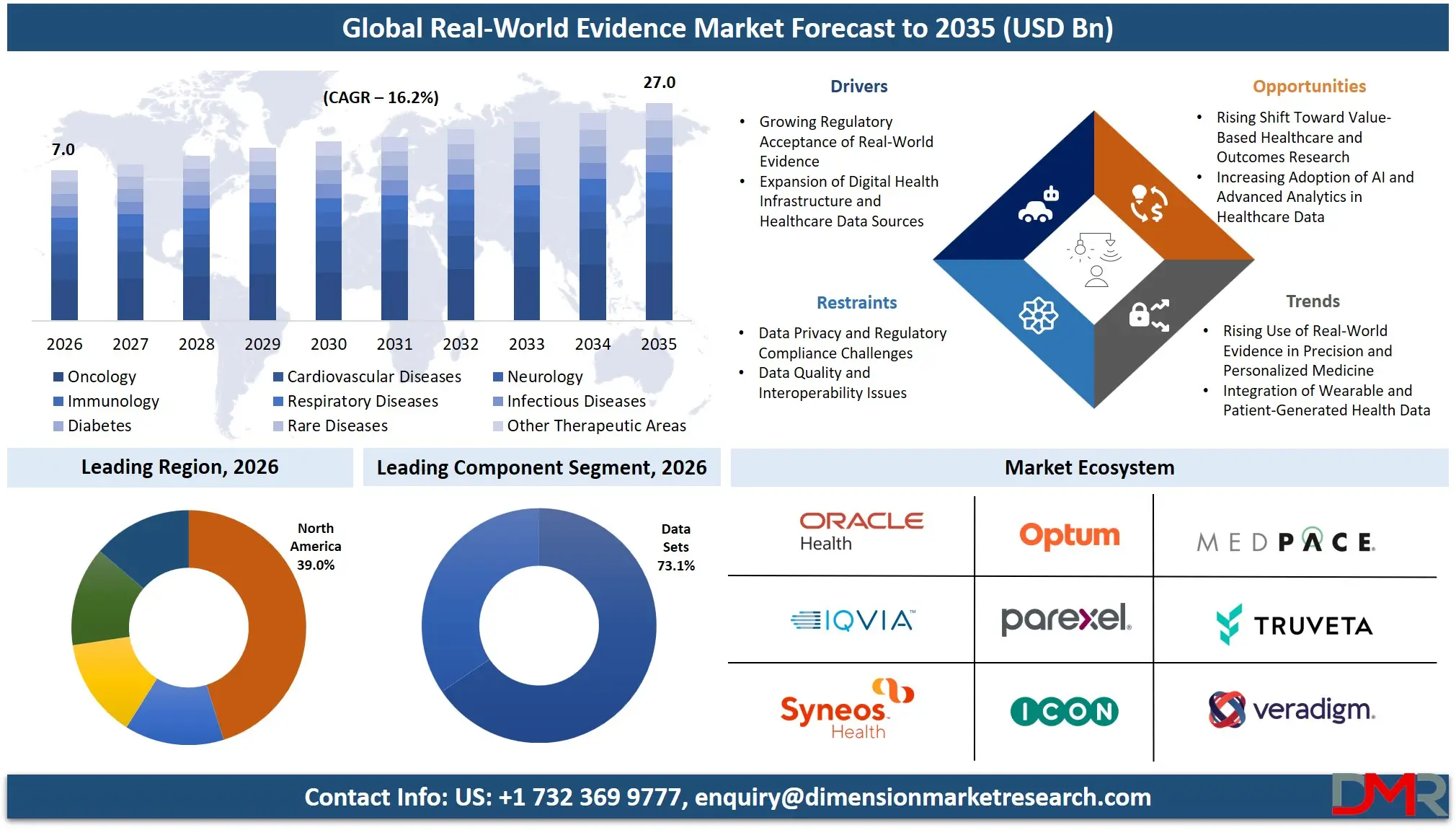
The Global Real-World Evidence Market is expected to reach a value of USD 7.0 billion in 2026, and it is further anticipated to reach USD 27.0 billion by 2035, growing at a CAGR of 16.2% during the forecast period.
ℹ
To learn more about this report –
Download Your Free Sample Report Here
The Real-World Evidence (RWE) market has been growing at a very fast pace as life science entities have moved from using traditional approaches of clinical trials to new evidence generation approaches which use real world data (RWD). The market consists of a wide array of different clinical, claims and patient data sources and also includes advanced analytical solutions that turn the raw data into regulatory, clinical and commercial insights. Increasing demand for patient-centered drug development, accelerated regulatory processes, and need for post-market safety surveillance are the drivers behind the need for RWE services. The largest users of RWE are pharma, biotech and medical devices firms while oncology and rare diseases continue to be the heaviest therapeutic categories because of the complexities involved in treatment and need for long-term outcomes follow up.
The US Real-World Evidence Market
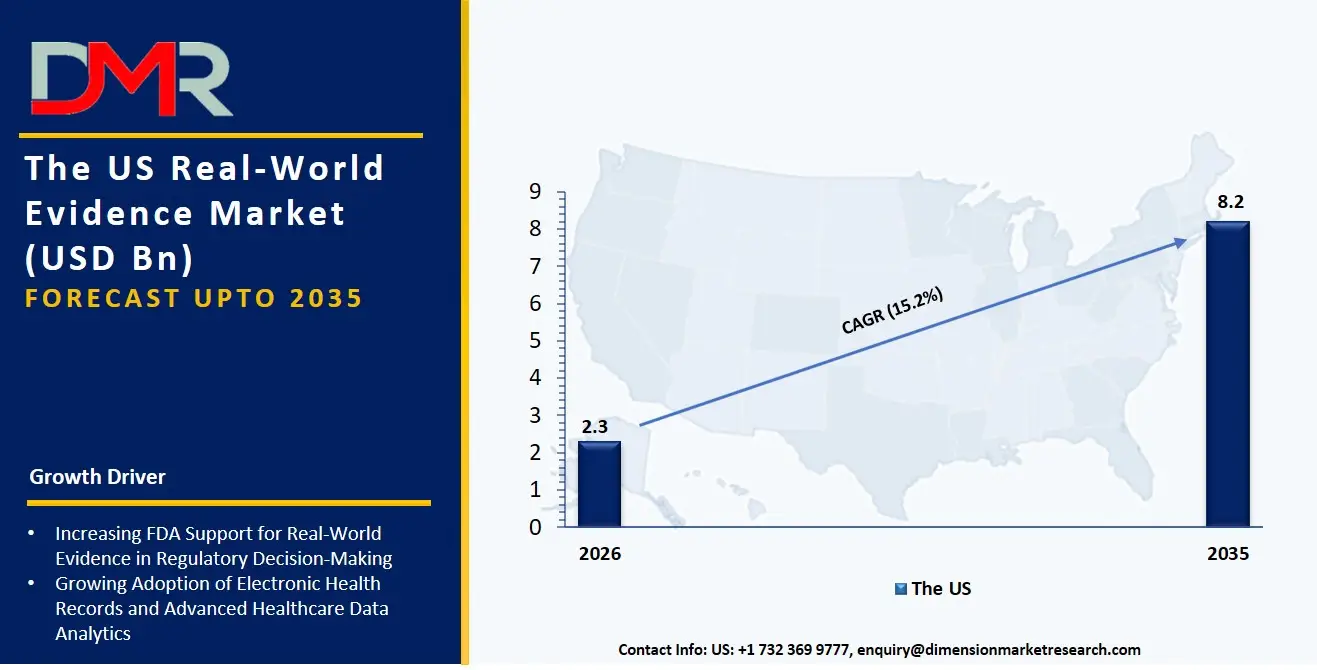
The US Real-World Evidence Market is projected to reach USD 2.3 billion in 2026 at a compound annual growth rate of 15.2% over its forecast period, culminating in a value of USD 8.2 billion by 2035.
ℹ
To learn more about this report –
Download Your Free Sample Report Here
It is evident that the US remains the biggest and most advanced RWE market in the world as it is characterized by a well-developed health care data ecosystem, the passage of the 21st Century Cures Act as the base, and proactive RWE generation tactics from innovative biopharmaceutical companies. The market has been characterized by a very high demand for integrated datasets that combine de-identified claims data and electronic health records (EHRs) to form 360-degree patient journeys. In addition, the FDA's ongoing RWE guidance with regards to its inclusion in drug and biological approval process is creating a need for prospective hybrid studies and regulatory services.
The Europe Real-World Evidence Market
The Europe Real-World Evidence Market is estimated to be valued at USD 2.1 billion in 2026 and is further anticipated to reach USD 7.6 billion by 2035 at a CAGR of 15.4%. The European market is greatly influenced by the regulatory guidelines of the European Medicines Agency (EMA), along with the increasing efforts being made towards the interoperability of health data across borders using the European Health Data Space (EHDS). There is an increase in the number of registry-based studies and retrospective database studies, owing to the requirement of real-world comparative effectiveness research by national HTA agencies of Germany, France, and the UK for pricing and reimbursement decision-making processes. Moreover, the variety of single-payer systems in Europe makes it necessary for service providers to develop dedicated data harmonization and integration tools to ensure data consistency and interoperability across fragmented national registries.
The Japan Real-World Evidence Market
The Japan Real-World Evidence Market is projected to be valued at USD 722.2 million in 2026 at a CAGR of 13.5%. The Japanese market is a special case in which there is an emphasis from corporate and government quarters to use RWE in resolving the issues of being a super aging society, and in making sure the healthcare expenditure is made most effectively towards innovative drugs. Post market surveillance trials and site-based trials make up a large part of the budget in that pharmaceutical companies have to carry out mandatory post marketing surveillance for novel drugs, something that is becoming increasingly RWE-focused. There is also an enormous requirement for market penetration at the local level in order to make the link between hospital-based electronic health records and national claims databases.
Key Takeaways
- Market Size & Forecast: The Global Real-World Evidence market is projected to reach USD 7.0 billion in 2026, expanding dramatically to USD 27.0 billion by 2035, due to the influence of two main factors like regulation modernization and the necessity of the biopharmaceutical industry to prove their value beyond randomized controlled trials.
- Growth Rate & Outlook: Global market growth is expected at a CAGR of 16.2%, due to an urgent need to de-risk clinical development, increase patients' enrollment through real-world evidence and the increasing complexity of creating multidimensional evidence packages.
- Primary Growth Drivers: These factors are the global trend toward personalized and precision medicine, which requires real-world data on genomic analysis and outcomes, the requirement for external control arms in single-arm trials for rare diseases, and the use of sophisticated analytics techniques on longitudinal data for identifying sub-populations.
- Key Market Trends: These trends are the use of AI/ML techniques for analyzing unstructured data in the form of clinical notes from EHRs, the emergence of federated networks of data to collaborate without transferring any data, and the shift to prospective observational studies with embedded data capture in clinical workflow.
- By Therapeutic Area Analysis: The most dominant areas in this segment will be oncology due to the speedy approval process and requirement of survival and quality-of-life data. The fast-growing areas are immunology and rare diseases because of the complex pathway in which registry-based and patient powered data are required to support long-term safety and efficacy.
- By Application Analysis: The most established application areas are market access & reimbursement decision-making and drug development & approvals while the most dynamic is post-market surveillance application due to the regulatory requirement worldwide for the lifecycle evidence generation process that involves pharmacovigilance data stream.
- Regional Leadership: North America is predicted to lead this market in terms of market share with 39.0% in 2026 due to advanced data vendor ecosystem and well-established regulatory pathway combined with high spending on pharmaceutical R&D.
What is the Real-World Evidence?
RWE Services refer to the sophisticated data management capabilities and analytics tools that CROs, technology companies, and consulting firms provide to help life sciences companies cope with all stages of the RWE lifecycle. Such services, which differ from access to data (data itself), concern the process of evidence creation. They include Data Collection & Integration for curating and harmonizing different types of longitudinal data from claims, EHRs, and registries; Study Design & Execution for creating scientific and regulatory compliant prospective and retrospective studies; and Regulatory & Market Access for writing white papers, value dossiers, and RWE submissions. With 80% of drug approvals utilizing RWD in one way or another today, professional services are required to ensure the rigor of methods used, data provenance, and analytical validity of RWE investments translating into regulatory and market success rather than mere data collection.
Use Cases
- Oncology Indication Expansion: Biotech organizations contract RWE service providers to perform retrospective database analysis using de-identified oncology EHR and claims data in order to determine sub-population of patients with unmet needs and successfully file label expansion.
- Rare Diseases External Control Arm: Pharmaceutical organizations utilize combined registry-based data sets and prospective-observational study services to develop natural history of disease cohort that can be used as synthetic control arm for single-arm Phase II gene therapy trial.
- Hip and Knee Replacement Performance: Medical device organizations use site-centric studies and patient-powered data sets to collect long-term patient-reported outcomes (PROMs) from novel implants in order to showcase their real-world survivorship and effectiveness to national joint registries.
- Cardiovascular Risk Management: Healthcare payers use evidence network services to integrate pharmacy and medical claims data to generate comparative effectiveness research report benchmarking real-world safety of novel anticoagulant against current standard of care.
How AI is Transforming the Real-World Evidence Market
The advent of AI is transforming the field of RWE by increasing the speed of unstructured data extraction and boosting the predictive value of observational studies. Under Data Collection and Integration, the advanced capabilities of AI-enabled NLP solutions can be applied to automatically code complicated clinical parameters such as disease stage and biomarker status from the unstructured data contained in the radiology and physician reports, thus eliminating the high cost of manual chart review and providing researchers with a ready-to-analyze dataset. At the same time, the use of AI-enabled analytics features allows scientists to better control for confounders, detect concealed clusters of patients with the same disease course and predict treatment non-responders, thus adding credibility to the retrospective database analysis. Clinical and regulatory decision-making is now revolving around the use of AI technology. Under Pharmacovigilance, intelligent algorithms are employed to mine information on adverse events from the reports and social media listening channels much faster than it is done by other means.
Market Dynamics
Key Drivers in the Global Real-World Evidence Market
Growing Acceptance of Real-World Evidence by Regulatory Authorities
There is a rising recognition among the key regulatory bodies within the healthcare industry for the value of real-world evidence as an additional source of information. Agencies like the FDA and EMA have been pushing for the application of real-world evidence to be used for approval, labeling extension, and post-marketing activities of drugs. In this way, it will help the pharmaceutical and biotech companies gather more evidence on the performance of their drugs in the real world. The more that the regulatory framework adopts the use of evidence gathered from outside the clinic environment, the more there will be increased demand for real-world evidence solutions.
Expansion of Healthcare Data Sources and Digital Health Infrastructure
Digitization of the healthcare sector has led to the increase in the number of real-world data sources such as electronic medical records, claims databases, pharmacy records, wearables, and patient registries. These sources allow collecting comprehensive information on patient outcomes, care practices, and healthcare resource utilization. Cloud computing, artificial intelligence, and big data technologies allow processing large amounts of information and analyzing it effectively. The growth in investments made by healthcare stakeholders in digital transformation programs leads to better data sources and more real-world data available. This growing data environment is a key factor influencing the expansion of the real-world evidence market.
Restraints in the Global Real-World Evidence Market
Data Privacy and Regulatory Compliance Challenges
Information related to the healthcare of patients, its collection, integration, and use have certain regulations associated with them. Different organizations have to follow several sets of regional regulations pertaining to access to information, storing of such information, transferring the information, and obtaining consent from patients. Compliance in multiple jurisdictions makes the task of handling information difficult and costly for real world evidence companies. The problem of patient confidentiality and cybersecurity adds to the issues of sharing information between different healthcare partners. Differences in regulations in different countries make it difficult to conduct multinational studies for gathering real-world evidence.
Data Quality and Interoperability Limitations
Data gathered from real-world settings usually come from many different sources and, as such, can vary in terms of format, code, and documentation system used. Incomplete, inaccurate, or inconsistent data can have an impact on the quality of evidence produced through such data. Inconsistent documentation, incomplete data sets, and even duplications of patient records represent some of the challenges that arise when dealing with this kind of data. The limited ability of the health care infrastructure to share data can pose another problem. Real-world evidence solutions can become more expensive due to these issues.
Growth Opportunities in the Global Real-World Evidence Market
Rising Demand for Value-Based Healthcare and Outcomes Research
Healthcare organizations around the world are adopting value-based healthcare approaches that prioritize patient outcomes, effectiveness of treatment, and efficiency. Real-world evidence becomes very important in order to prove the value of treatments from clinical and economical perspectives in everyday practice of healthcare organizations. Payors and decision-makers become more demanding to the evidence base, which needs to be used in order to make reimbursement or coverage decisions. Such trends create many opportunities for companies in the field of real-world evidence in order to offer innovative solutions in terms of data analytics and evidence generation.
Increasing Adoption of Artificial Intelligence and Advanced Analytics
AI and Machine Learning, together with Predictive Analytics, are revolutionizing the manner of analyzing and interpreting healthcare data. The use of these tools allows scientists to detect complicated patterns, make predictions, and derive valuable conclusions from big datasets more effectively than conventional means allow. Real-world evidence platforms equipped with powerful analytical tools can offer better clinical and operational insights for pharmaceutical companies, healthcare providers, and payers. With the need for advanced ways to make sense of ever-increasing amounts of data on the rise among healthcare providers, there are great prospects for evidence-generating solutions from vendors utilizing AI technology.
Trends in the Global Real-World Evidence Market
Increasing Use of Real-World Evidence in Precision Medicine
Precision medicine has emerged as one of the key trends in healthcare, which demands extensive understanding of patients' characteristics and response to therapy, as well as the course of their illness. The growing practice of using real-world evidence enables the assessment of effectiveness of therapies that use targeted drugs and personalized approaches to treatment of different types of patients. With the help of clinical, genomic and outcomes data, scientists will be able to gain a better understanding of how certain groups of patients react to therapy. As the practice of precision medicine develops further in oncology and other specialties, there will be an increasing need for real-world evidence solutions.
Growing Integration of Wearable and Patient-Generated Health Data
Wearable technology, mobile apps, and remote monitoring tools have found increasing use in healthcare organizations as sources of real-world evidence for research purposes. Such innovations help collect relevant information on patient activity, therapy compliance, and health outcomes outside clinical settings. Patient-derived health data helps add value to the quality and usefulness of collected evidence due to real-time information gathering from large populations of patients. Increasing availability of connected health solutions makes it possible to track disease development and assess treatment effectiveness. The growing global adoption of digital health solutions is creating a new trend in the real-world evidence market.
Research Scope and Analysis
The Global Real-World Evidence Market is segmented by component, deployment mode, revenue model, therapeutic area, application, and end user. The market encompasses healthcare datasets, evidence-generation services, regulatory support, and analytics solutions used to improve clinical development, safety monitoring, reimbursement decisions, outcomes research, and healthcare decision-making across stakeholders.
ℹ
To learn more about this report –
Download Your Free Sample Report Here
By Component Analysis
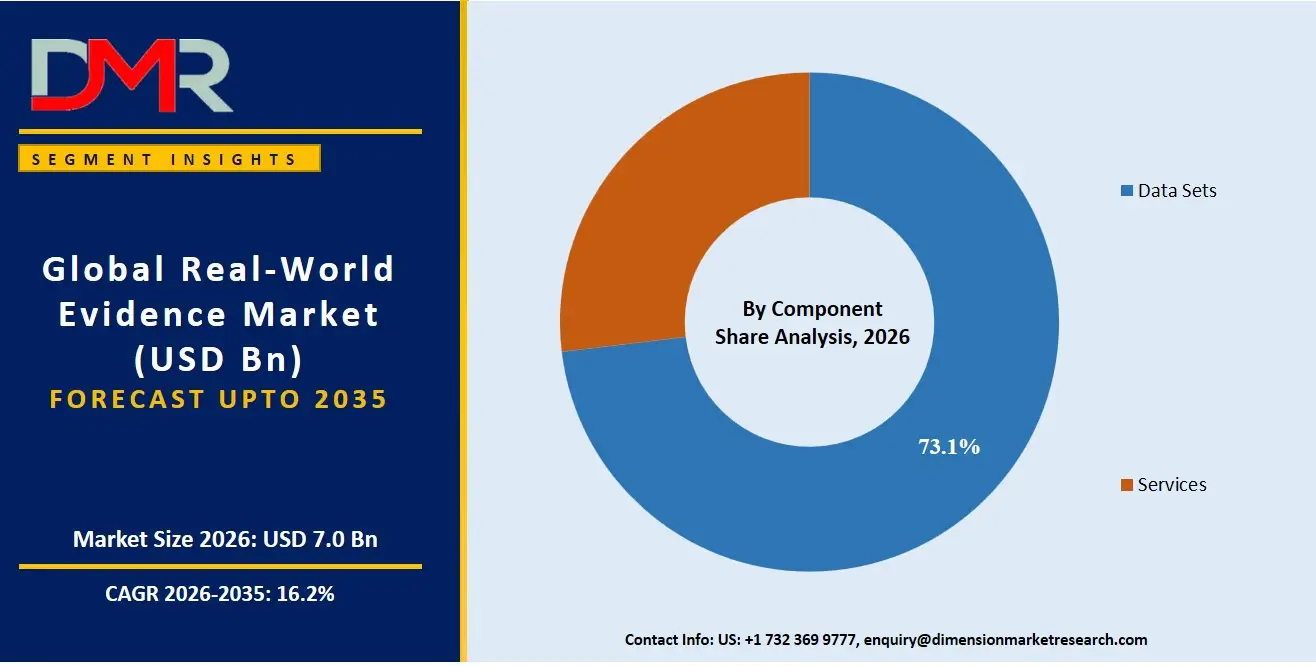
Integrated Data Sets is poised to dominate the Global Real-World Evidence Market because they combine information from multiple healthcare sources, including electronic health records, claims databases, pharmacy records, patient registries, and wearable devices into a unified dataset. Pharmaceutical companies, regulatory agencies, and healthcare providers increasingly prefer integrated datasets as they provide a comprehensive patient journey view, enabling more accurate evidence generation and improved clinical decision-making. These datasets support advanced analytics, artificial intelligence, and predictive modeling, which are becoming essential in drug development and market access strategies. Their ability to reduce data silos, improve research efficiency, and generate high-quality real-world insights has made them the preferred choice across most large-scale evidence-generation projects.
By Deployment Mode Analysis
Cloud-based deployment is anticipated to dominate the Real-World Evidence Market due to its scalability, flexibility, and ability to manage vast volumes of healthcare data from multiple sources. Organizations increasingly adopt cloud platforms because they facilitate real-time data integration, remote collaboration, and advanced analytics while reducing infrastructure costs. Pharmaceutical companies and healthcare institutions can rapidly deploy evidence-generation projects without significant investments in on-premises systems. Cloud solutions also support artificial intelligence, machine learning, and large-scale population health studies that require substantial computing power. As healthcare organizations continue digital transformation initiatives and seek efficient methods to process complex datasets, cloud-based deployments remain the preferred infrastructure model for real-world evidence generation and analysis.
By Revenue Model Analysis
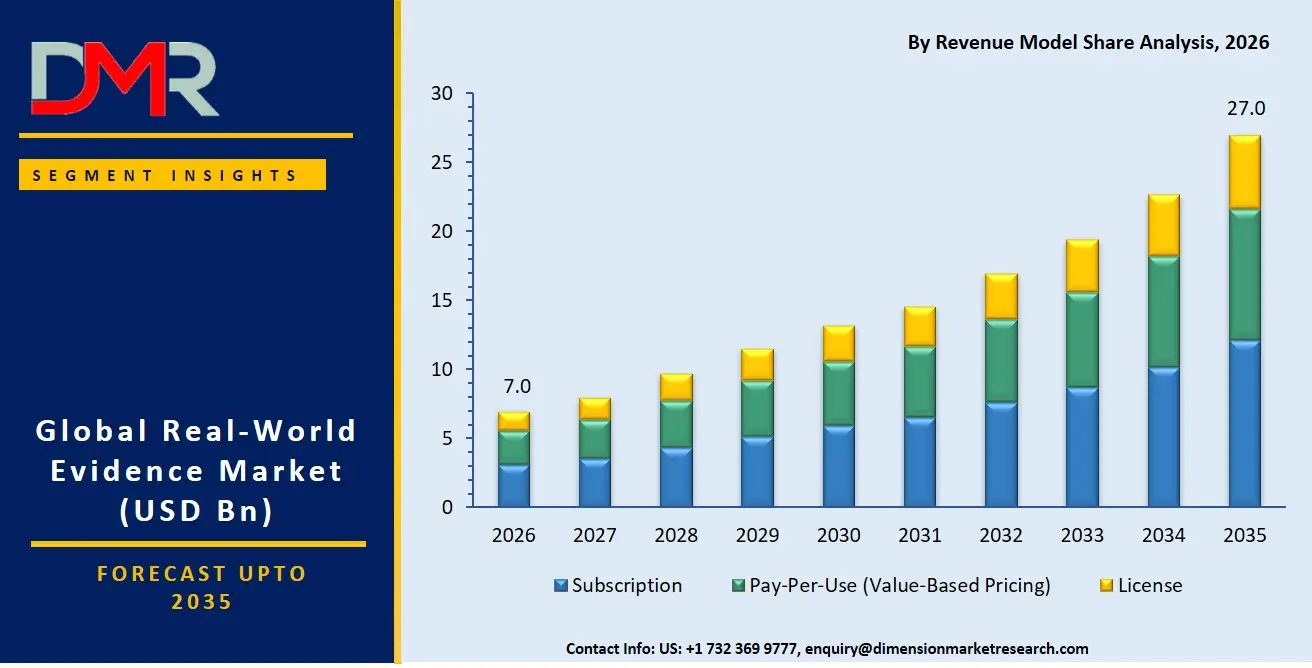
The subscription revenue model is poised to lead the market because it provides predictable recurring revenue for vendors and continuous access to data, analytics platforms, and evidence-generation tools for customers. Pharmaceutical companies, healthcare providers, and payers increasingly prefer subscription-based services because they offer ongoing access to updated datasets and analytical capabilities without large upfront expenditures.
ℹ
To learn more about this report –
Download Your Free Sample Report Here
This model supports long-term research initiatives, pharmacovigilance activities, and regulatory compliance programs that require continuous monitoring and evidence collection. Vendors also benefit by maintaining stronger customer relationships and regularly delivering new features and datasets. The growing shift toward cloud-based platforms and software-as-a-service solutions further reinforces the dominance of subscription-based pricing across the real-world evidence ecosystem.
By Therapeutic Area Analysis
Oncology is expected to represents the dominant therapeutic area in the Global Real-World Evidence Market due to the rapid pace of cancer drug development and the need for continuous evaluation of treatment effectiveness. Cancer therapies often receive accelerated approvals, creating a significant requirement for post-approval evidence generation and long-term outcome monitoring. Real-world evidence helps assess survival outcomes, treatment patterns, safety profiles, and quality-of-life measures across diverse patient populations. The increasing adoption of precision medicine and biomarker-driven therapies has further expanded the need for large-scale oncology datasets. Additionally, the high economic burden of cancer encourages payers and regulators to utilize real-world evidence to evaluate treatment value, reimbursement decisions, and comparative effectiveness among competing therapies.
By Application Analysis
Drug Development and Approvals is projected to dominate the application segment because pharmaceutical companies increasingly use real-world evidence throughout the drug lifecycle. RWE supports clinical trial design, patient recruitment, regulatory submissions, label expansions, and post-approval studies. Regulatory agencies worldwide have become more receptive to incorporating real-world data into decision-making processes, encouraging broader adoption among manufacturers. The rising costs and complexity of traditional clinical trials have also increased reliance on real-world evidence to complement clinical findings and accelerate development timelines. Furthermore, growing demand for personalized medicine and rare disease treatments requires additional evidence beyond conventional trials, strengthening the importance of real-world evidence in drug development and regulatory approval activities.
By End User Analysis
Pharmaceutical and biotechnology companies poised to be the largest end users of real-world evidence solutions because they utilize RWE across nearly every stage of product development and commercialization. These organizations invest heavily in evidence generation to support regulatory approvals, market access strategies, pharmacovigilance programs, and lifecycle management initiatives. Real-world evidence enables manufacturers to demonstrate treatment effectiveness, safety, and economic value in broader patient populations beyond clinical trials. The increasing focus on personalized medicine, value-based healthcare, and regulatory transparency has further increased demand for robust real-world insights. As competition intensifies across therapeutic areas, pharmaceutical and biotechnology companies continue to be the primary drivers of investment, innovation, and adoption within the global real-world evidence market.
The Global Real-World Evidence Market Report is segmented on the basis of the following:
By Component
- Data Sets
- Disparate Data Sets
- Clinical Settings Data Sets
- Claims Data Sets
- Pharmacy Data Sets
- Patient-Powered Data Sets
- Registry-Based Data Sets
- Integrated Data Sets
- Services
- Data Collection and Integration
- Study Design and Execution
- Prospective Observational Studies
- Retrospective Database Studies
- Site-Centric Studies
- Registry-Based Studies
- Hybrid Studies
- Regulatory and Market Access Support
- Evidence Network
- Other Services
By Deployment Mode
By Revenue Model
- Subscription
- Pay-Per-Use (Value-Based Pricing)
- License
By Therapeutic Area
- Oncology
- Cardiovascular Diseases
- Neurology
- Immunology
- Respiratory Diseases
- Infectious Diseases
- Diabetes
- Rare Diseases
- Other Therapeutic Areas
By Application
- Drug Development & Approvals
- Medical Device Development & Approvals
- Post-Market Surveillance
- Market Access & Reimbursement Decision-Making
- Clinical & Regulatory Decision-Making
- Pharmacovigilance & Safety Monitoring
- Outcomes Research
- Comparative Effectiveness Research
By End User
- Pharmaceutical & Biotechnology Companies
- Medical Device Companies
- Healthcare Providers
- Healthcare Payers
- Contract Research Organizations (CROs)
- Academic & Research Institutes
- Government & Regulatory Agencies
Regional Analysis
Leading Region by Market Share
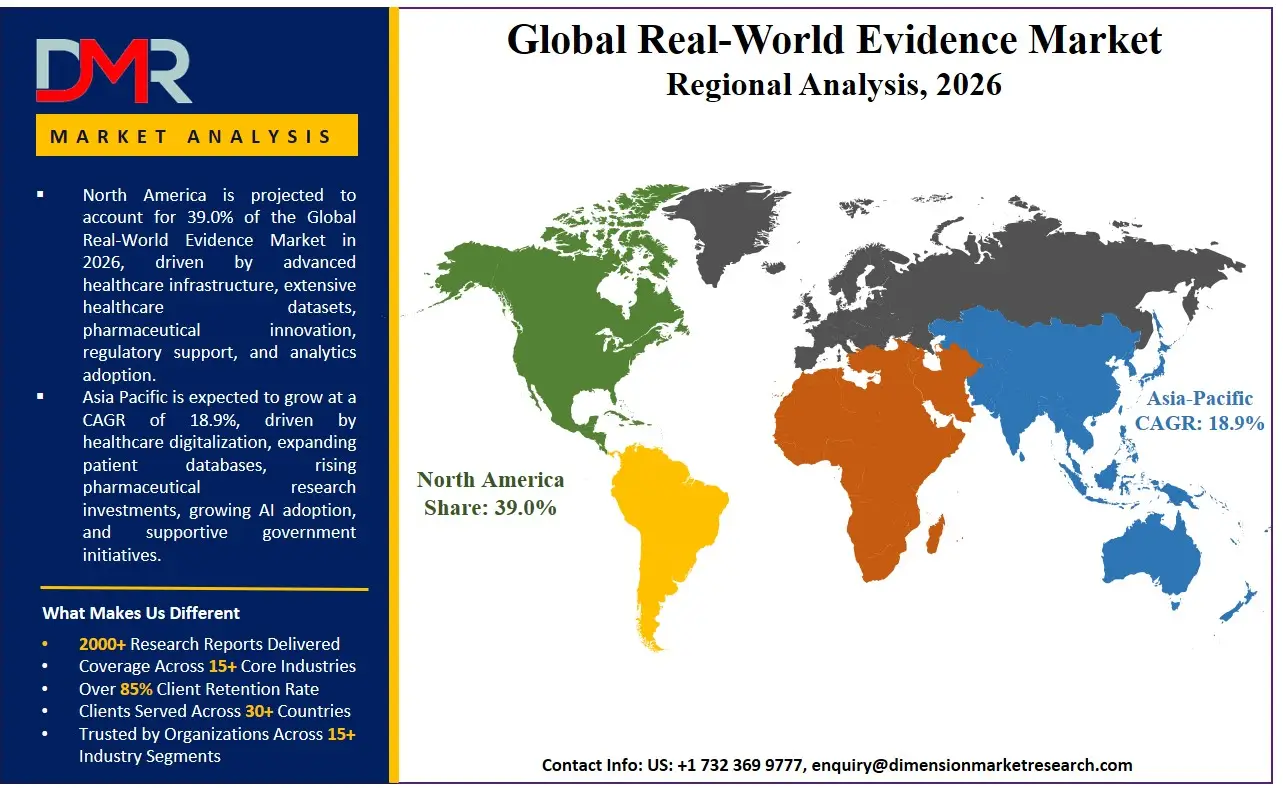
North America is poised to dominate the global Real-World Evidence market as it is projected to hold 39.0% of the market share by the end of 2026. The United States, which dominates North America, has the highest share in the RWE market due to the unparalleled presence of integrated delivery networks, pharmacy benefit managers, and vendor ecosystem with regulatory-grade data assets. There is a well-established ecosystem in North America, where there are highly sophisticated CROs with capabilities in epidemiology, consultancy firms that focus on HTA submission, and there is abundant talent of health economists and data scientists. Investments made in the integration of genomics with real world clinical data, patient journey analysis, and retirement of site-based surveillance legacy system account for continued need for integrated data and prospective observational study services. In addition to that, there is a pragmatic regulatory environment at the FDA, which provides formal routes for RWE-supported label expansion that finance the design of new external control arm studies.
ℹ
To learn more about this report –
Download Your Free Sample Report Here
Fastest-Growing Regional Market
Asia-Pacific Region is poised to be one of the fastest-growing markets for RWE due to the government initiative to digitize national health care systems and growing investments into R&D activities in the biopharmaceutical industry in China, Japan, and South Korea. The need to expedite the introduction of innovative treatments to the patients, together with the large populations not previously exposed to therapies, forces both MNCs and local sponsors to use RWE for their commercial goals. There is a strong demand for registry-based and site-centered studies that will help to identify disease epidemiology and natural history in the region – this epidemiology is different from that in the West. In addition, there is a need for Data Collection and Integration services, due to fragmentation of hospital IT systems and emerging claims databases on the national level.
By Region
North America
Europe
- Germany
- The U.K.
- France
- Italy
- Russia
- Spain
- Benelux
- Nordic
- Rest of Europe
Asia-Pacific
- China
- Japan
- South Korea
- India
- ANZ
- ASEAN
- Rest of Asia-Pacific
Latin America
- Brazil
- Mexico
- Argentina
- Colombia
- Rest of Latin America
Middle East & Africa
- Saudi Arabia
- UAE
- South Africa
- Israel
- Egypt
- Rest of MEA
Competitive Landscape
Competition in the global market of real-world evidence has become increasingly dynamic due to the diversity of multinational Clinical Research Organizations (CROs), firms focused on collecting health data and analytics, as well as the professional services division of major technology companies. The crucial factor that will define the winner is going to be strategic alliance development with EHR systems providers, health systems data consolidators, and patient advocates, since through these partnerships it will be possible to gain unique access to longitudinal and high-quality data as well as co-development opportunities for new digital endpoints.
Market consolidation is developing quite fast, and CROs acquire specialized boutique analytical firms that have significant experience in causal inference, health economics, and AI-driven phenotyping in order to create differentiated RWE solutions on an end-to-end level. Proprietary intellectual property, which includes specific analytical accelerators for diseases, federated evidence network technologies, and platforms for patients' engagement, is becoming much more important in terms of competitive advantage compared to simple data reselling and description analytics.
Some of the prominent players in the Global Real-World Evidence Market are:
- IQVIA
- Oracle Health
- Optum
- ICON plc
- Syneos Health
- Parexel
- Medpace
- Truveta
- Veradigm
- Flatiron Health
- Clarivate
- Aetion
- TriNetX
- Komodo Health
- Cegedim Health Data
- EVERSANA
- Cytel
- IBM Watson Health Merative
- Tempus AI
- Datavant
- Other Key Players
Recent Developments
- January 2026: IQVIA announced the expansion of its Real-World Evidence practice to support biotechnology clients in oncology and rare diseases through decentralized hybrid studies integrating wearable-derived patient-powered data and advanced evidence-generation platforms.
- November 2025: Tempus AI strengthened collaborations with leading academic medical centers to leverage natural language processing (NLP) for extracting insights from unstructured clinical data and supporting external control arm development in oncology and hematological malignancy research.
- October 2025: Red Nucleus expanded its health economics and outcomes research capabilities through the acquisition of Bridge Medical Consulting, strengthening regulatory and market access support for pharmaceutical clients navigating evolving European health-data and reimbursement requirements.
Report Details
| Report Characteristics |
| Market Size (2026) |
USD 7.0 Bn |
| Forecast Value (2035) |
USD 27.0 Bn |
| CAGR (2026–2035) |
16.2% |
| The US Market Size (2026) |
USD 2.3 Bn |
| Historical Data |
2021 – 2025 |
| Forecast Data |
2027 – 2035 |
| Base Year |
2025 |
| Estimate Year |
2026 |
| Segments Covered |
By Component, By Deployment Mode, By Revenue Model, By Therapeutic Area, By Application, By End User |
| Regional Coverage |
North America – The US and Canada; Europe – Germany, The UK, France, Russia, Spain, Italy, Benelux, Nordic, & Rest of Europe; Asia-Pacific – China, Japan, South Korea, India, ANZ, ASEAN, Rest of APAC; Latin America – Brazil, Mexico, Argentina, Colombia, Rest of Latin America; Middle East & Africa – Saudi Arabia, UAE, South Africa, Turkey, Egypt, Israel, & Rest of MEA |
Frequently Asked Questions
How big is the Global Real-World Evidence Market?
▾ The Global Real-World Evidence market is poised to be valued at USD 7.0 billion in 2026 and is projected to reach USD 27.0 billion by 2035, driven by the universal need for robust, real-world data to navigate regulatory, clinical, and payer decision-making across the product lifecycle.
What is the CAGR of the Global Real-World Evidence Market from 2026 to 2035?
▾ The market is expected to grow at a CAGR of 16.2% from 2026 to 2035, reflecting the accelerating complexity of evidence requirements for personalized medicine and the persistent shift from volume-based to value-based healthcare globally.
What factors are driving the growth of the Global Real-World Evidence Market?
▾ Key drivers include the regulatory imperative for post-market lifecycle evidence, the pharmaceutical industry's need for external control arms in rare disease and oncology trials, and the demand from payers for real-world comparative effectiveness data to inform formulary decisions.
Which region held the largest share of the Real-World Evidence Market in 2026?
▾ North America, specifically the United States, held 39.0% of the market share in 2026, driven by a mature healthcare data infrastructure, pragmatic FDA regulatory frameworks, and aggressive biopharma investment in integrated data sets and analytical services.
Which region is expected to grow the fastest in the Real-World Evidence Market?
▾ The Asia-Pacific region is expected to grow the fastest, fueled by massive healthcare digitization initiatives in China, Japan, and India, where clinical studies and registry-based data collection are critical for characterizing large, diverse patient populations for market entry.
What are the major trends in the Global Real-World Evidence Market?
▾ Major trends include the rise of federated evidence networks for privacy-preserving multi-stakeholder research, the integration of AI for mining unstructured clinical data, and the shift towards patient-powered, prospective-observational studies that capture the holistic lived experience of disease.
Who are the key players in the Global Real-World Evidence Market?
▾ Key players include global CROs like IQVIA, ICON, and Syneos Health, specialized data and analytics firms like Flatiron Health, Optum, and Aetion, as well as tech-enabled life sciences platforms from Oracle and Tempus, alongside specialized consultancy firms.
How is the Global Real-World Evidence Market segmented?
▾ The market is segmented by Component, Deployment Mode, Revenue Model, Therapeutic Area, Application, and End User.