What is the Targeted Therapy Market Size?
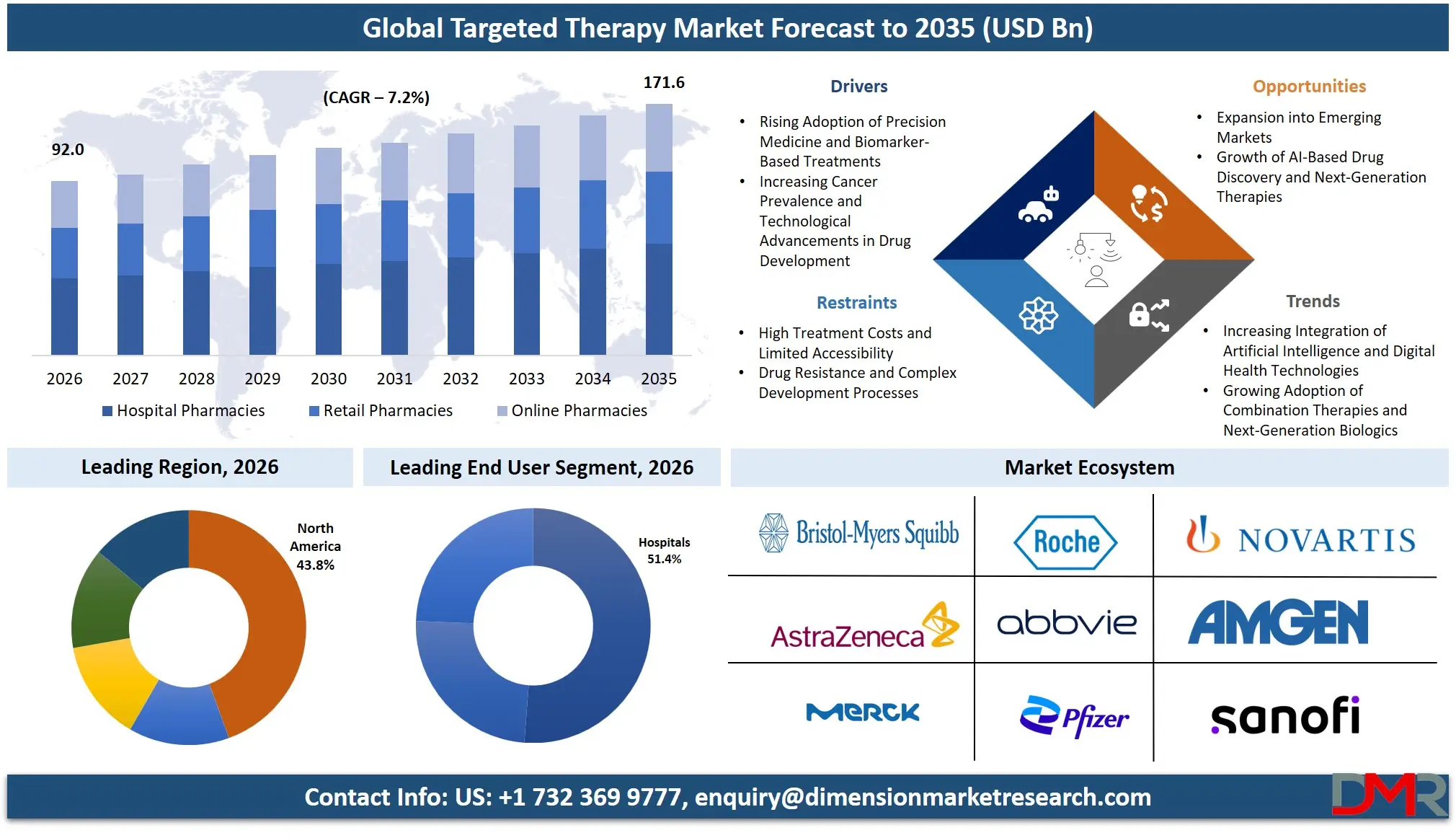
The Targeted Therapy Market size is expected to be USD 92.0 billion in 2026 and increase at a compound annual growth rate of 7.2% to USD 171.6 billion in 2035 due to rising adoption of precision medicine and biomarker-based treatments.
ℹ
To learn more about this report –
Download Your Free Sample Report Here
The targeted therapy market refers to the global healthcare sector focused on the development, production, and commercialization of therapies designed to selectively attack specific molecular targets involved in disease progression, particularly cancer. The market includes monoclonal antibodies, small molecule inhibitors, antibody-drug conjugates, bispecific antibodies, and other precision medicines. These therapies leverage genomic profiling, biomarker identification, and advanced diagnostic technologies to provide personalized treatment approaches. The market is gaining importance within the pharmaceutical and biotechnology industries due to rising cancer prevalence, increasing demand for precision medicine, advancements in molecular biology, and growing adoption of companion diagnostics that improve treatment outcomes.
The US Targeted Therapy Market
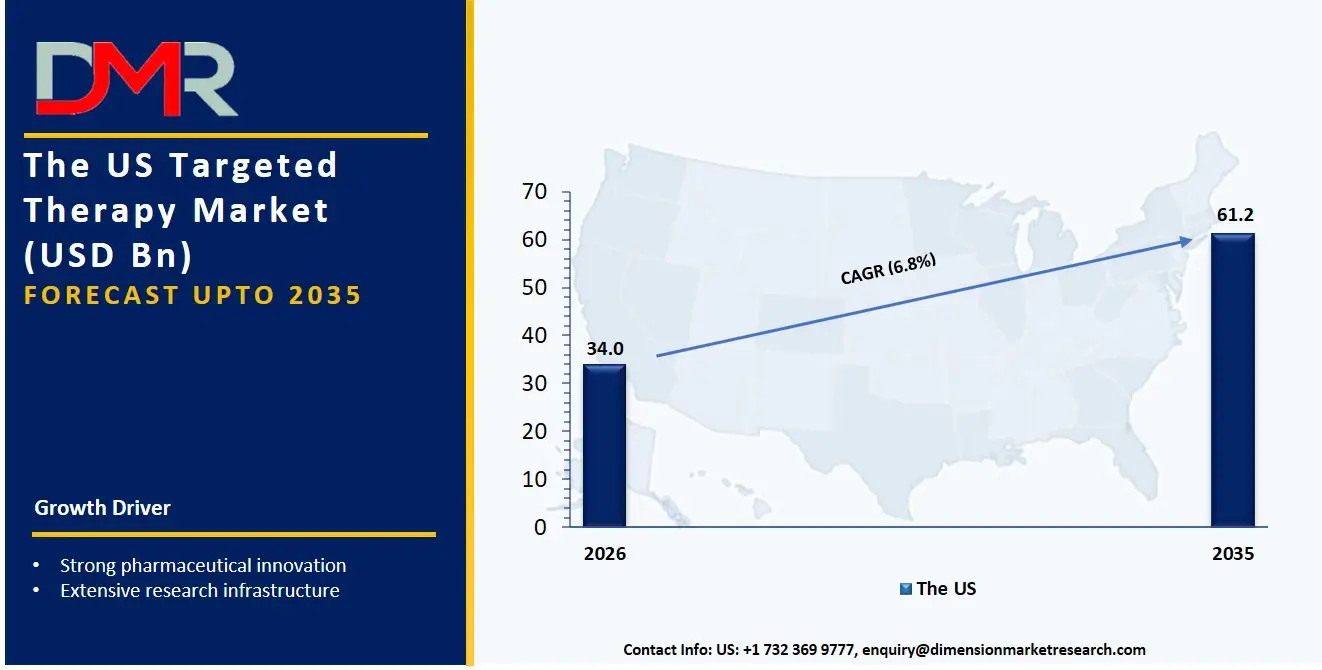
The US Targeted Therapy Market size is estimated to be USD 34.0 billion in 2026 and is expected to increase at a CAGR of 6.8% over the forecast period.
ℹ
To learn more about this report –
Download Your Free Sample Report Here
The US targeted therapy market represents one of the most advanced and mature markets globally due to strong pharmaceutical innovation, extensive research infrastructure, and high adoption of precision medicine. Growth is supported by increasing cancer incidence, favorable reimbursement frameworks, advanced diagnostic capabilities, and substantial investment in biotechnology research. The presence of leading pharmaceutical and biotechnology companies strengthens market competitiveness through continuous drug development and clinical trials. Government initiatives supporting genomic research and personalized medicine adoption further accelerate growth. Regulatory approvals for innovative targeted therapies and expanding healthcare expenditure continue to drive market penetration across oncology treatment centers and specialty healthcare facilities.
Europe Targeted Therapy Market
The Europe Targeted Therapy Market size is estimated to be USD 20.2 billion in 2026 and is expected to increase at a CAGR of 6.7% over the forecast period.
The European targeted therapy market is expanding due to strong government support for precision healthcare, increasing cancer research activities, and favorable regulatory initiatives promoting innovative medicines. Policies focused on healthcare modernization, including sustainability-driven healthcare strategies and investments in advanced diagnostics, are encouraging adoption across European countries. The region demonstrates strong demand for monoclonal antibodies, molecular inhibitors, and personalized oncology treatments. Countries such as Germany, France, the United Kingdom, and Switzerland are leading adoption due to advanced healthcare infrastructure and biotechnology capabilities. Increasing collaboration between academic institutions, research organizations, and pharmaceutical companies is accelerating clinical development and commercialization of targeted therapies.
Japan Targeted Therapy Market
The market size of Japan Targeted Therapy will be USD 4.6 Billion in 2026 and at a CAGR of 7.0% in the forecast period.
The Japan targeted therapy market is witnessing significant growth due to rising cancer prevalence, an aging population, and government initiatives supporting advanced healthcare technologies. Japan's strong pharmaceutical sector, high healthcare spending, and emphasis on precision medicine are contributing to increased adoption of targeted treatments. Oncology remains the fastest-growing application area, particularly for breast cancer, lung cancer, and hematological malignancies. Government support for genomic medicine programs and improved molecular diagnostic capabilities is enhancing treatment personalization. However, challenges such as high therapy costs and complex regulatory processes influence market expansion. Growing investment in biotechnology and personalized medicine creates significant opportunities for future growth.
Key Takeaways
- Market Size & Forecast: The Targeted Therapy Market size is projected to reach USD 92.0 billion in 2026 and is anticipated to have a value of USD 171.6 billion in 2035.
- Growth Rate & Outlook: The Targeted Therapy Market size is set to grow at a compound annual growth rate of 7.2% during the forecast period of 2026 to 2035.
- Primary Growth Drivers: Some of the major growth drivers in the market are Rising Adoption of Precision Medicine and Biomarker-Based Treatments, and more.
- Key Market Trends: Some of the major trends in the market are Integration with Growing Adoption of Combination Therapies and Next-Generation Biologics, and more.
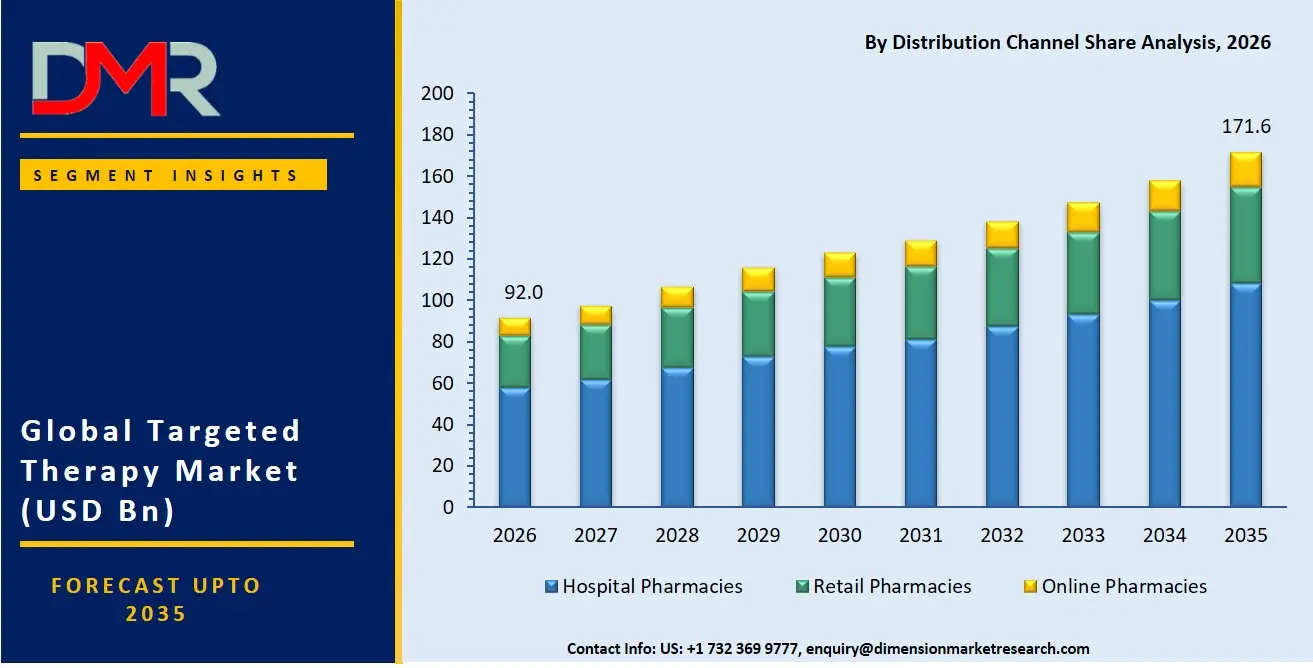
- By Distribution Channel Type: Hospital Pharmacies are anticipated to get the majority share of the Targeted Therapy Market in 2026.
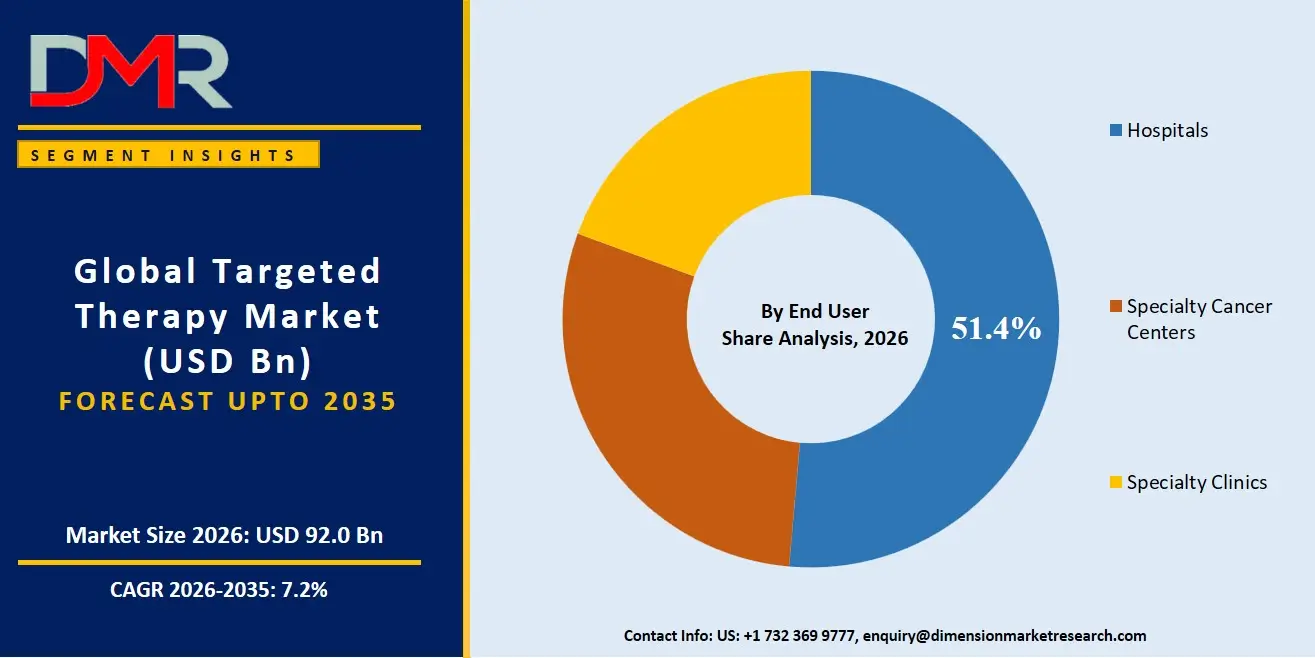
- By End User Type: Hospitals are expected to get the largest revenue share in 2026 in the Targeted Therapy Market.
- Regional Leadership: North America is set to lead the Targeted Therapy Market with an estimated 43.8% share in 2026.
What is the Targeted Therapy?
Targeted therapy is an advanced medical treatment approach that uses drugs or biological agents designed to identify and attack specific molecules, proteins, genes, or cellular pathways responsible for disease development. Unlike conventional therapies that affect both healthy and diseased cells, targeted treatments aim to provide selective action with improved efficacy and reduced toxicity. These therapies include monoclonal antibodies, kinase inhibitors, antibody-drug conjugates, and other precision-based medicines. Targeted therapy is widely used in oncology, especially for cancers with identifiable genetic mutations or biomarkers, enabling personalized treatment strategies based on individual patient characteristics and molecular disease profiles.
Use Cases
- Cancer Treatment: Targeted therapy is primarily used in oncology to treat cancers with specific genetic mutations or molecular abnormalities. These therapies block disease-driving pathways, inhibit tumor growth, and improve patient outcomes compared with traditional chemotherapy approaches. They are increasingly used for breast cancer, lung cancer, leukemia, lymphoma, and other malignancies.
- Personalized Medicine: Targeted therapies enable personalized treatment strategies by analyzing patient-specific biomarkers and genetic profiles. Healthcare providers use molecular testing to identify suitable therapies, improving treatment accuracy and reducing unnecessary exposure to ineffective drugs. This approach supports the broader adoption of precision medicine across healthcare systems.
- Combination Therapy Approaches: Targeted therapies are increasingly combined with immunotherapies, chemotherapy, and radiation treatments to improve therapeutic effectiveness. Combination strategies help overcome drug resistance, enhance immune response, and provide better disease management. Pharmaceutical companies are actively developing combination-based treatment protocols through clinical research.
- Rare Disease Management: Targeted therapies are expanding into rare diseases by addressing specific genetic mutations and biological pathways. Advances in genomic sequencing and molecular research are enabling the development of specialized treatments for previously difficult-to-treat conditions, creating new opportunities beyond oncology applications.
How AI Is Transforming the Targeted Therapy Market
Artificial intelligence is transforming the targeted therapy market by improving drug discovery, molecular target identification, and patient selection processes. AI algorithms analyze large genomic, proteomic, and clinical datasets to identify disease pathways and predict therapeutic effectiveness. This enables researchers to develop targeted medicines faster and with greater accuracy.
AI-powered platforms are enhancing clinical trial recruitment by identifying suitable patient populations based on biomarkers and genetic profiles. These technologies also support treatment monitoring, adverse event prediction, and personalized dosing strategies. Integration of AI with precision medicine is improving operational efficiency, reducing research timelines, and supporting the development of next-generation targeted therapies.
Market Dynamic
Driving Factors in the Targeted Therapy Market
Rising Adoption of Precision Medicine and Biomarker-Based Treatments
The increasing adoption of precision medicine is a major factor driving the targeted therapy market. Advances in genomic sequencing, molecular diagnostics, and biomarker identification allow physicians to select therapies based on individual patient characteristics. This personalized approach improves treatment effectiveness, minimizes adverse effects, and supports better clinical outcomes. Growing awareness among healthcare providers and patients regarding customized treatment options is accelerating demand. Pharmaceutical companies are also increasing investments in research and development of targeted therapies that address specific molecular pathways, contributing significantly to market expansion.
Restraints in the Targeted Therapy Market
High Treatment Costs and Limited Accessibility
High costs associated with targeted therapy development, manufacturing, and treatment administration remain major challenges affecting market growth. Advanced biologic therapies and personalized medicines often require expensive research processes and specialized diagnostic testing, resulting in higher treatment costs for patients and healthcare systems. Limited reimbursement coverage in certain regions restricts accessibility, particularly in developing economies. Healthcare providers also face challenges related to affordability and resource allocation. These cost-related barriers can slow adoption despite the clinical advantages offered by targeted therapies.
Opportunities in the Targeted Therapy Market
Growth of AI-Based Drug Discovery and Next-Generation Therapies
Artificial intelligence and machine learning technologies are creating new opportunities in targeted therapy development. AI platforms help identify molecular targets, optimize drug candidates, predict treatment responses, and reduce research timelines. The integration of AI with genomics and clinical data analysis is accelerating the discovery of innovative therapies. Additionally, next-generation approaches such as antibody-drug conjugates and bispecific antibodies are expanding treatment possibilities. Increasing investment in digital healthcare technologies is expected to support the development of more effective and personalized targeted therapies.
Trends in the Targeted Therapy Market
Growing Adoption of Combination Therapies and Next-Generation Biologics
The targeted therapy market is witnessing increased adoption of combination treatment strategies involving targeted drugs, immunotherapies, chemotherapy, and other advanced modalities. Combination approaches are being developed to overcome resistance mechanisms and improve therapeutic effectiveness. At the same time, next-generation biologics such as antibody-drug conjugates, bispecific antibodies, and engineered protein therapies are gaining attention due to their ability to deliver precise and powerful treatment effects. Increasing clinical success of these therapies is encouraging pharmaceutical companies to invest in innovative platforms. The shift toward multi-modal cancer treatment approaches is expected to reshape oncology care and expand targeted therapy applications.
Research Scope and Analysis
The research scope analyzes the targeted therapy market across therapy type, indication, end user, distribution channel, molecule type, and route of administration. It evaluates market trends, growth drivers, competitive dynamics, technological advancements, regional performance, and future opportunities while assessing segment-wise demand, adoption patterns, and projected market development.
ℹ
To learn more about this report –
Download Your Free Sample Report Here
By Therapy Type Analysis
The therapy type segment represents one of the most important categories in the targeted therapy market, with monoclonal antibodies expected to remain the leading segment with an estimated 42.5% market share in 2026. Their dominance is attributed to extensive clinical validation, broad application across multiple cancer indications, and strong adoption in hospitals and specialty cancer centers. Monoclonal antibodies offer high specificity and improved treatment outcomes, particularly in breast cancer, lymphoma, and colorectal cancer. Meanwhile, antibody-drug conjugates (ADCs) are projected to be the fastest-growing segment due to their ability to combine targeted delivery with potent cytotoxic agents. Increasing approvals of ADC-based therapies, technological advancements in antibody engineering, and growing investment in next-generation biologics are expected to accelerate segment expansion.
By Indication Analysis
The indication segment is led by breast cancer, which is expected to account for approximately 28.7% market share in 2026 due to the widespread availability of biomarker-based targeted treatments such as HER2-directed therapies and hormone pathway inhibitors. Rising global breast cancer incidence, improved screening programs, and increasing adoption of personalized treatment approaches are supporting segment growth. Lung cancer is anticipated to be the fastest-growing indication segment due to increasing identification of actionable mutations, including EGFR, ALK, and other molecular targets. Advancements in companion diagnostics and increasing use of genomic testing are enabling more effective patient selection. Expanding clinical research in precision oncology is further driving adoption across various cancer indications.
By End User Analysis
Hospitals are projected to dominate the end-user segment with an estimated 51.4% market share in 2026 due to their advanced infrastructure, availability of oncology specialists, and ability to provide comprehensive cancer treatment services. Hospitals remain the primary settings for administering complex targeted therapies, particularly biologic treatments requiring specialized monitoring. Specialty cancer centers are expected to experience the fastest growth as demand increases for dedicated oncology care and personalized treatment programs. These centers provide advanced diagnostics, clinical trial access, and multidisciplinary treatment approaches. Increasing investments in oncology facilities and growing patient preference for specialized care are supporting the expansion of specialty cancer centers globally.
By Distribution Channel Analysis
Hospital pharmacies are expected to lead the distribution channel segment, holding an estimated 63.2% market share in 2026 due to the complexity of targeted therapy administration and the need for specialized storage, handling, and monitoring. Many targeted therapies require healthcare supervision, making hospital-based distribution the preferred channel.
ℹ
To learn more about this report –
Download Your Free Sample Report Here
However, online pharmacies are anticipated to be the fastest-growing segment due to increasing digital healthcare adoption, improved pharmaceutical delivery infrastructure, and rising patient convenience preferences. Retail pharmacies are also expanding their role for selected oral targeted therapies, particularly small molecule inhibitors. The growing acceptance of digital healthcare platforms is expected to gradually transform targeted therapy distribution models.
The Targeted Therapy Market Report is segmented on the basis of the following:
By Therapy Type
- Monoclonal Antibodies
- Small Molecule Inhibitors
- Antibody-Drug Conjugates (ADCs)
- Bispecific Antibodies
- Others
By Indication
- Breast Cancer
- Lung Cancer
- Colorectal Cancer
- Hematologic Malignancies
- Leukemia
- Lymphoma
- Multiple Myeloma
- Melanoma
- Ovarian Cancer
- Prostate Cancer
- Others
By End User
- Hospitals
- Specialty Cancer Centers
- Specialty Clinics
By Distribution Channel
- Hospital Pharmacies
- Retail Pharmacies
- Online Pharmacies
Regional Analysis
Leading Region in the Targeted Therapy Market
ℹ
To learn more about this report –
Download Your Free Sample Report Here
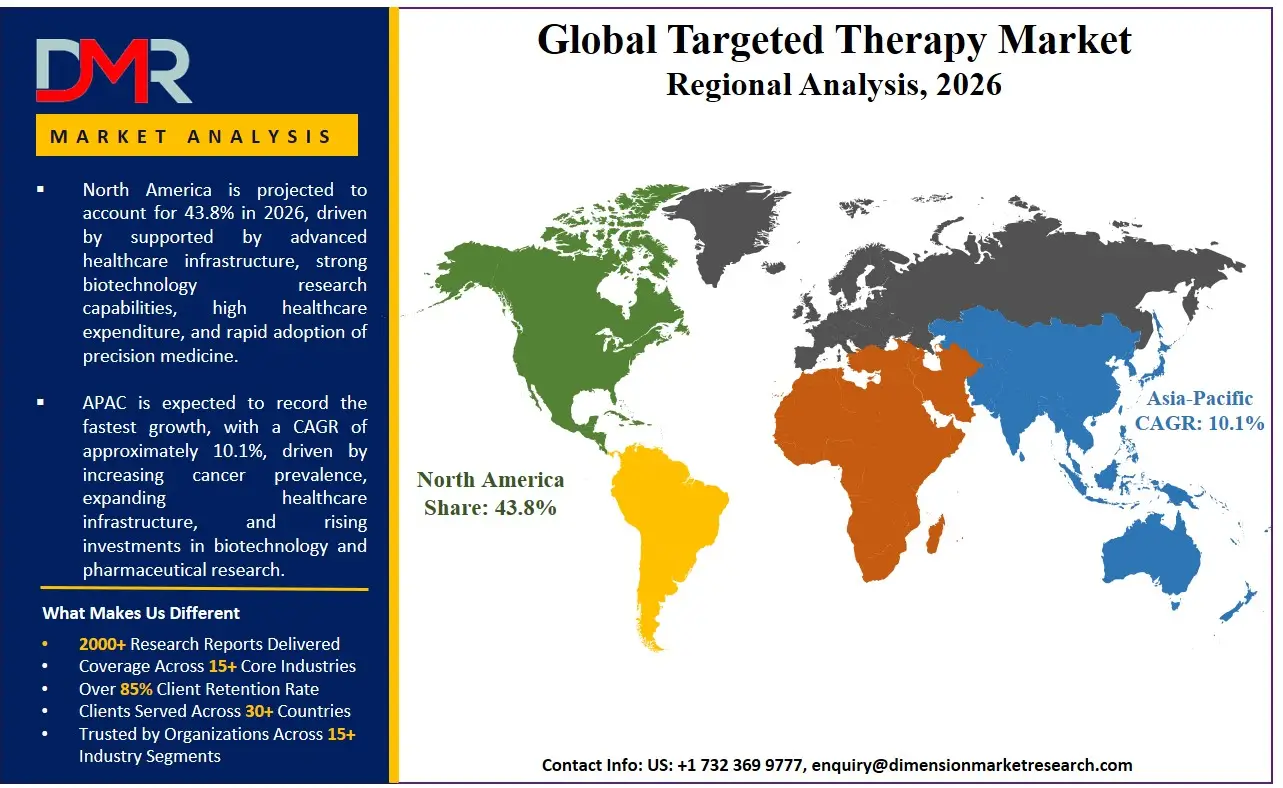
North America is expected to remain the leading region in the targeted therapy market, accounting for an estimated 43.8% market share in 2026. The region's dominance is supported by advanced healthcare infrastructure, strong biotechnology research capabilities, high healthcare expenditure, and rapid adoption of precision medicine. The United States contributes significantly due to extensive clinical trial activity, favorable regulatory pathways for innovative therapies, and strong investment in oncology research. Government support for genomic medicine initiatives and increasing reimbursement availability for advanced cancer treatments are further strengthening market adoption. Additionally, the presence of specialized cancer centers, advanced diagnostic laboratories, and strong collaboration between pharmaceutical companies and research institutions enables faster development and commercialization of targeted therapies.
Fastest Growing Region in the Targeted Therapy Market
Asia-Pacific is projected to be the fastest-growing region in the targeted therapy market due to increasing cancer prevalence, expanding healthcare infrastructure, and rising investments in biotechnology and pharmaceutical research. Countries such as China, India, Japan, and South Korea are experiencing rapid adoption of precision medicine technologies supported by government healthcare modernization programs. Improving access to genomic testing, increasing healthcare expenditure, and growing awareness of advanced cancer treatments are accelerating demand. The region also benefits from expanding clinical trial activities, increasing local drug development capabilities, and strategic partnerships between domestic and international pharmaceutical companies. Rising patient populations and improved healthcare accessibility create substantial growth opportunities for targeted therapy adoption.
By Region
North America
Europe
- Germany
- The U.K.
- France
- Italy
- Russia
- Spain
- Benelux
- Nordic
- Rest of Europe
Asia-Pacific
- China
- Japan
- South Korea
- India
- ANZ
- ASEAN
- Rest of Asia-Pacific
Latin America
- Brazil
- Mexico
- Argentina
- Colombia
- Rest of Latin America
Middle East & Africa
- Saudi Arabia
- UAE
- South Africa
- Israel
- Egypt
- Rest of MEA
Competitive Landscape
The targeted therapy market is characterized by intense competition driven by continuous innovation, research investments, and advancements in precision medicine technologies. Market participants focus on strengthening their positions through product innovation, development of next-generation biologics, strategic collaborations, and expansion of clinical pipelines. High entry barriers exist due to complex regulatory requirements, significant research and development costs, and the need for advanced biotechnology capabilities. Companies are increasingly investing in biomarker discovery, artificial intelligence-based drug development, and combination therapy approaches to maintain competitive advantages. Strategic partnerships, licensing agreements, and expansion into emerging markets are also key approaches used to enhance market presence and accelerate commercialization.
Some of the prominent players in the global Targeted Therapy are:
- Roche Holding AG
- Novartis AG
- Pfizer Inc.
- Merck & Co., Inc.
- AstraZeneca PLC
- Bristol Myers Squibb
- Johnson & Johnson
- AbbVie Inc.
- Amgen Inc.
- Eli Lilly and Company
- Gilead Sciences, Inc.
- Bayer AG
- Sanofi
- Takeda Pharmaceutical Company Limited
- BeiGene, Ltd.
- Regeneron Pharmaceuticals, Inc.
- Exelixis, Inc.
- Incyte Corporation
- Seagen Inc.
- Daiichi Sankyo Company, Limited
- Other Key Players
Recent Developments
- In June 2025, Roche announced continued advancements in its personalized healthcare strategy through investments in targeted therapy development and precision diagnostics. The company focused on improving cancer treatment approaches by combining molecular testing capabilities with targeted therapeutic solutions. Roche's initiatives highlighted the growing importance of companion diagnostics in identifying suitable patients for advanced therapies.
- In March 2025, AstraZeneca reported progress in its targeted therapy research initiatives, focusing on expanding precision oncology solutions through innovative drug candidates and biomarker-driven approaches. The company continued investing in targeted treatments designed to address specific cancer mechanisms, including molecular alterations associated with tumor growth and progression.
- In January 2025, Johnson & Johnson announced continued expansion of its oncology pipeline through investments in targeted therapy research and development programs focused on precision cancer treatment. The company emphasized advancing therapies designed around specific molecular pathways and biomarker-driven patient selection strategies. These initiatives included continued development of targeted agents and combination approaches aimed at improving treatment outcomes across multiple cancer indications.
Report Details
| Report Characteristics |
| Market Size (2026) |
USD 92.0 Bn |
| Forecast Value (2035) |
USD 171.6 Bn |
| CAGR (2026–2035) |
7.2% |
| Historical Period |
2021 – 2025 |
| Forecast Period |
2027 – 2035 |
| Base Year |
2025 |
| Estimate Year |
2026 |
| Segments Covered |
By Therapy Type, By Indication, By End User, By Distribution Channel |
| Regional Coverage |
North America – The US and Canada; Europe – Germany, The UK, France, Russia, Spain, Italy, Benelux, Nordic, & Rest of Europe; Asia-Pacific – China, Japan, South Korea, India, ANZ, ASEAN, Rest of APAC; Latin America – Brazil, Mexico, Argentina, Colombia, Rest of Latin America; Middle East & Africa – Saudi Arabia, UAE, South Africa, Turkey, Egypt, Israel, & Rest of MEA |
Frequently Asked Questions
How big is the Targeted Therapy Market?
▾ The Targeted Therapy Market size is expected to reach USD 92.0 billion by 2026 and is projected to reach USD 171.6 billion by the end of 2035.
What is the CAGR of the Targeted Therapy Market from 2026 to 2035?
▾ The market is growing at a CAGR of 7.2 percent over the forecasted period.
What factors are driving the growth of the Targeted Therapy Market?
▾ Rising Adoption of Precision Medicine and Biomarker-Based Treatments, and more are the factors driving the growth of the Targeted Therapy Market.
What are the major trends in the Targeted Therapy Market?
▾ Growing Adoption of Combination Therapies and Next-Generation Biologics, and more are some of the major trends in the market.
Who are the key players in the Targeted Therapy Market?
▾ Some of the key players in the Targeted Therapy Market include Pfizer, Merck, Roche, and more
How is the Targeted Therapy Market segmented?
▾ The Targeted Therapy Market is segmented by therapy type, indication, end user, distribution channel.
Which region held the largest share of the Targeted Therapy Market in 2026?
▾ North America is set to lead the Targeted Therapy Market with an estimated 43.8% share in 2026.
Which region is expected to grow the fastest in the Targeted Therapy Market?
▾ Asia Pacific is the fastest-growing region in the Targeted Therapy Market during the forecast period.