Global Thyroid Eye Disease Treatment Market Snapshot
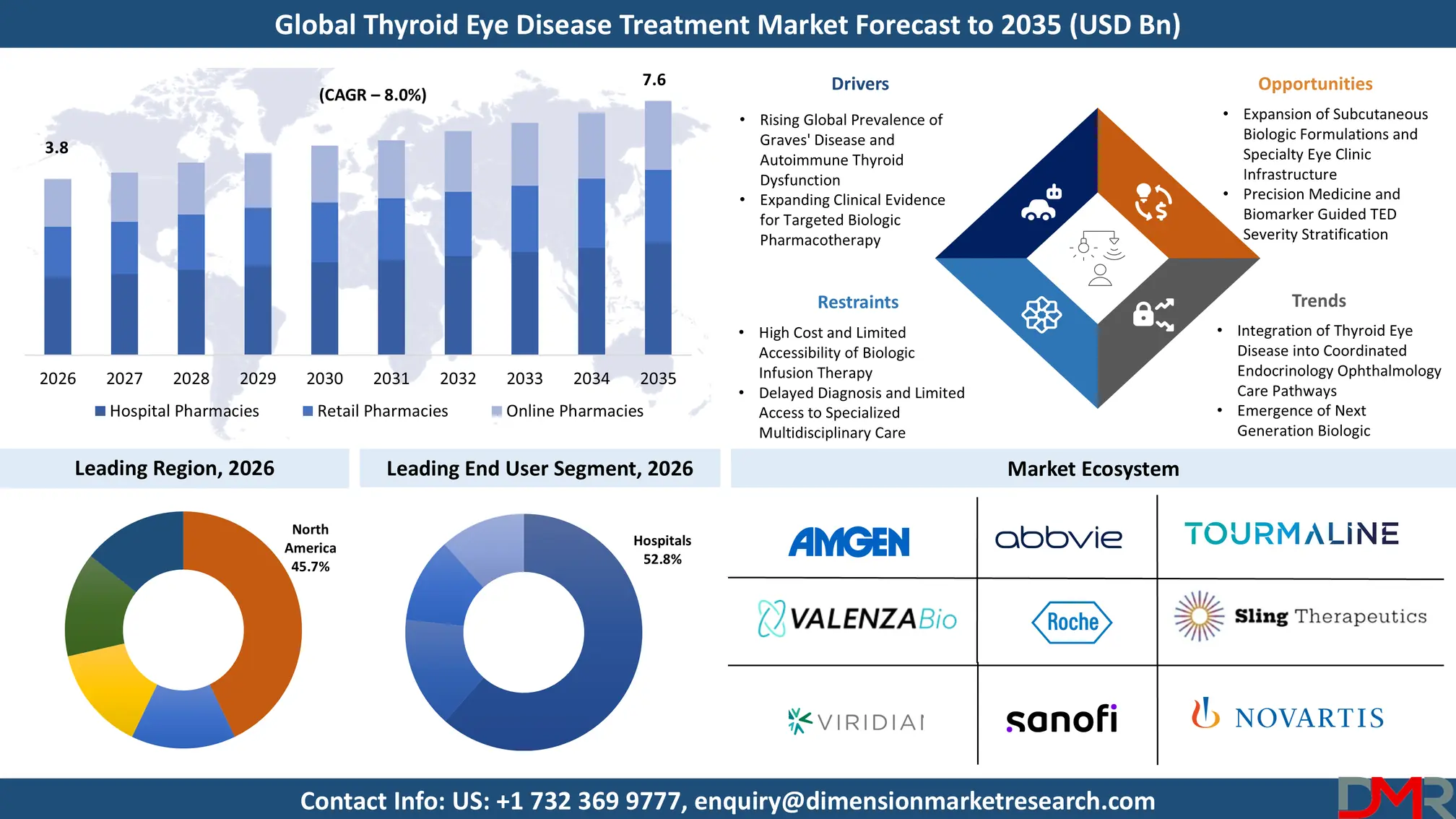
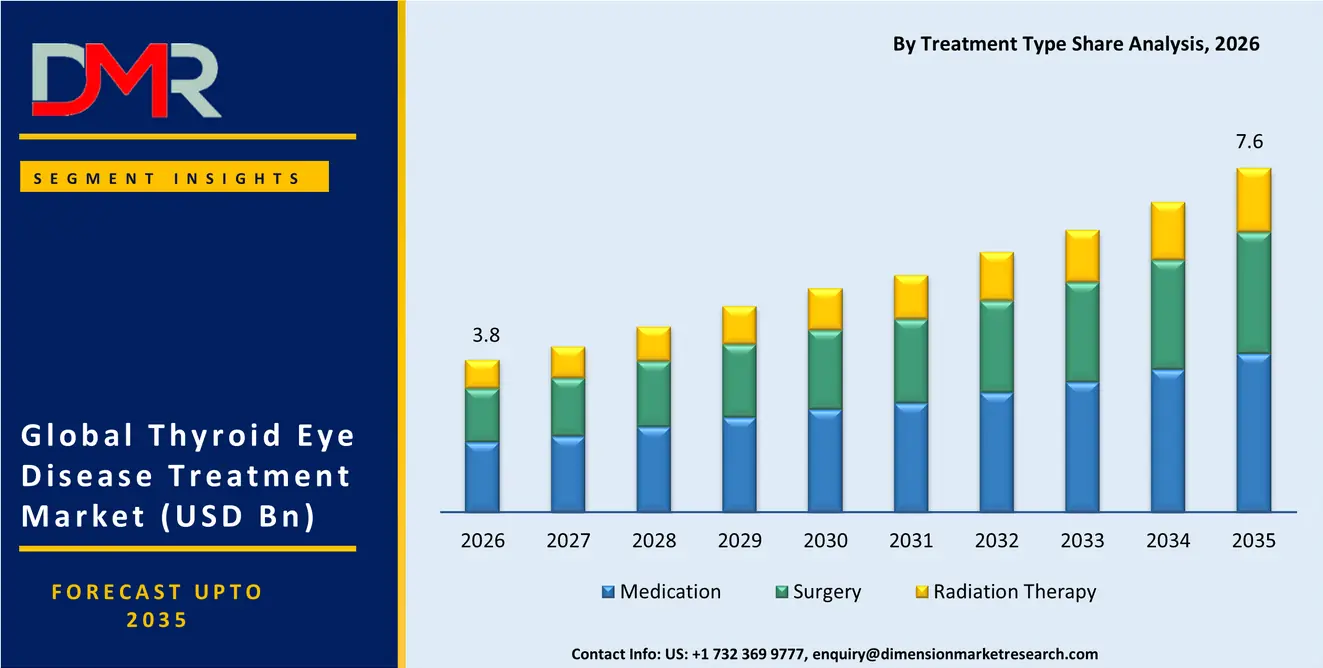
- Global Thyroid Eye Disease Treatment Market Size in 2026: USD 3.8 Billion
- Global Thyroid Eye Disease Treatment Market Size in 2035: USD 7.6 Billion
- Global CAGR from 2026 to 2035: 8.0%
- Monoclonal Antibodies is the leading treatment type segment in 2026: 46.0%
- Active Thyroid Eye Disease is the leading disease phase segment in 2026: 64.8%
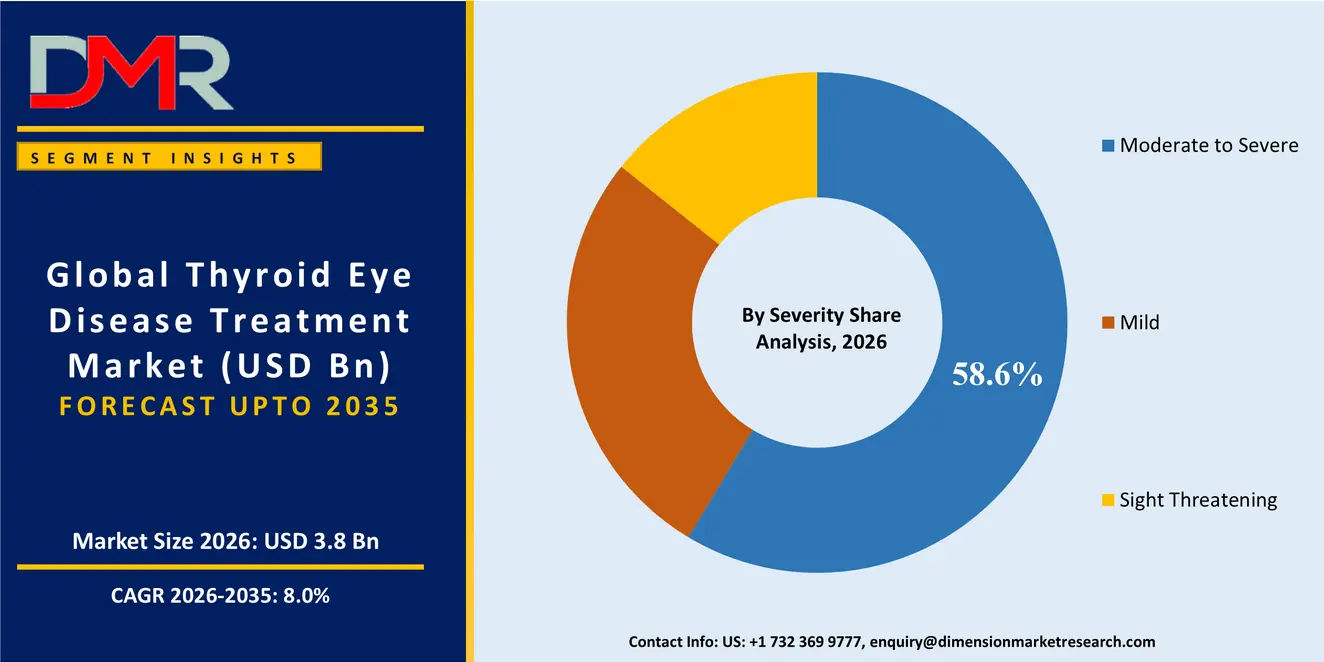
- Moderate to Severe is the leading severity segment in 2026: 58.6%
- Intravenous Route is the leading route of administration segment in 2026: 61.3%
- Hospital Pharmacies is the leading distribution channel segment in 2026: 57.5%
- Hospitals is the leading end user segment in 2026: 52.8%
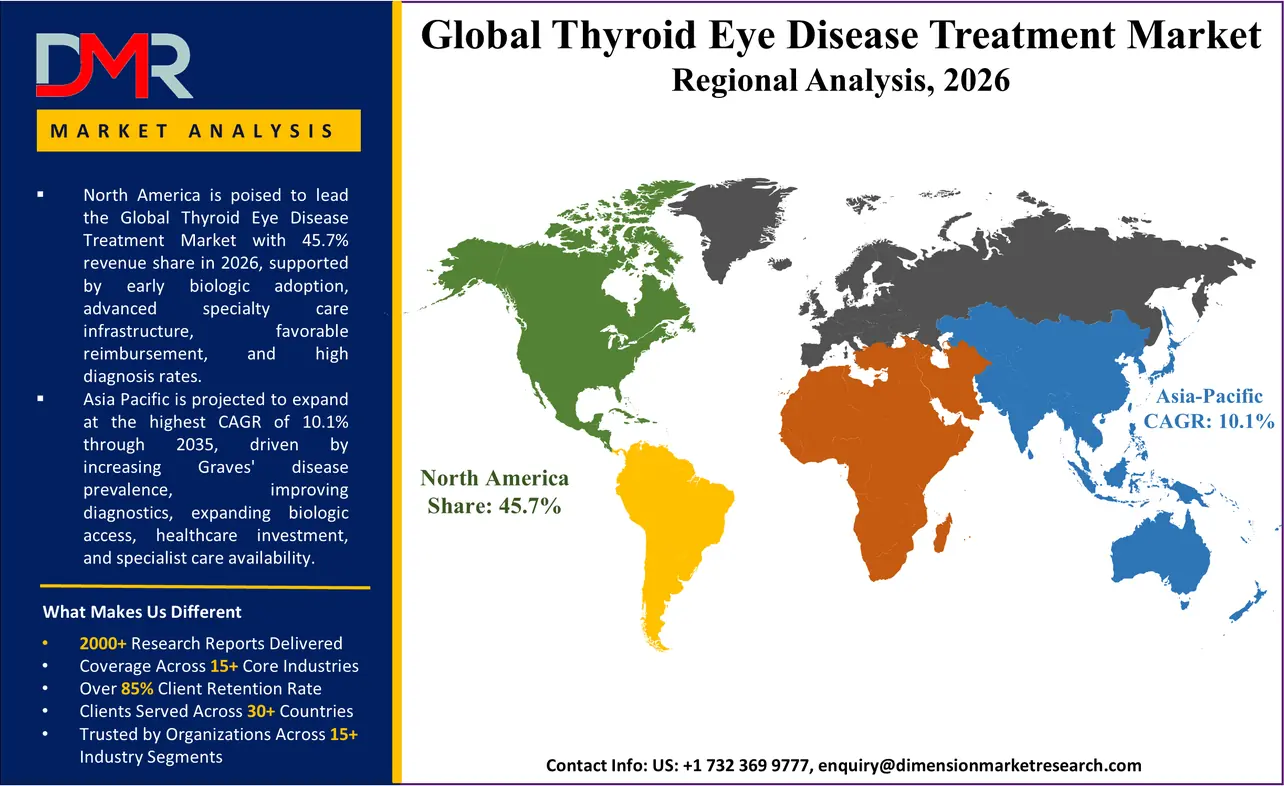
- North America is the leading region in 2026: 45.7%
What is the Global Thyroid Eye Disease Treatment and its Market Size?
The Global Thyroid Eye Disease Treatment Market is projected to be valued at USD 3.8 billion in 2026 and is projected to reach USD 7.6 billion by 2035, expanding at a CAGR of 8.0% during the forecast period.
ℹ
To learn more about this report –
Download Your Free Sample Report Here
Growth is being propelled by the rising global incidence of Graves' orbitopathy and autoimmune thyroid dysfunction, coupled with expanding clinical recognition of thyroid eye disease (TED) as a distinct, treatable autoimmune orbital condition rather than a self-limiting complication of thyroid disease. The adoption of targeted insulin-like growth factor-1 receptor (IGF-1R) inhibiting monoclonal antibody therapy with proven proptosis and diplopia reduction, rising clinical implementation of standardized clinical activity score (CAS)-based severity grading, and expanding payer reimbursement frameworks for biologic TED therapy are reshaping care paradigms. Investment is accelerating as health systems and ophthalmology networks pivot from reactive, surgery-dependent TED management toward proactive, biologic-driven early intervention designed to arrest active-phase inflammation before irreversible orbital tissue remodeling occurs.
Use Cases
- Early Active-Phase Disease Identification and Biologic Intervention: Endocrinology and ophthalmology practices utilize clinical activity score assessment and orbital imaging to identify patients with active thyroid eye disease eligible for monoclonal antibody therapy before fibrotic, sight-threatening changes develop.
- Proptosis and Diplopia Reduction with Targeted Biologic Therapy: Specialty eye clinics and infusion centers administer IGF-1R inhibiting monoclonal antibodies via intravenous infusion protocols to reduce proptosis, orbital inflammation, and double vision in moderate to severe TED patients.
- Surgical Rehabilitation of Inactive Thyroid Eye Disease: Oculoplastic and orbital surgeons perform orbital decompression, strabismus correction, and eyelid surgery in a staged sequence to restore visual function, ocular alignment, and cosmetic appearance once disease activity has quiesced.
- Sight-Threatening Compressive Optic Neuropathy Management: Hospitals and ambulatory surgical centers combine high-dose corticosteroid therapy, urgent orbital decompression, and close visual field monitoring to preserve vision in patients presenting with dysthyroid optic neuropathy.
Key Takeaways
- Market Size: The Global Thyroid Eye Disease Treatment Market is anticipated to be valued at USD 3.8 billion in 2026 and is forecast to reach USD 7.6 billion by 2035, expanding at a CAGR of 8.0%.
- Growth Outlook: Market expansion is sustained by the rising diagnosed prevalence of Graves' orbitopathy, the global uptake of targeted biologic pharmacotherapy, growing endocrinology-ophthalmology co-management pathways, and expanding reimbursement for infusion-based monoclonal antibody treatment.
- Primary Growth Drivers: A mounting diagnosed active TED population eligible for biologic intervention, breakthrough clinical trial evidence for IGF-1R inhibitor therapy, regulatory incentives supporting novel orbital autoimmune disease treatments, and shifting clinical practice toward earlier biologic-first intervention are accelerating investment across the TED treatment continuum.
- By Treatment Type Analysis: Monoclonal Antibodies is projected to lead the treatment type segment with a dominant 46.0% share in 2026 and is also expected to register the highest CAGR at 8.9%, driven by strong clinical evidence for proptosis and diplopia reduction and rapid formulary adoption of IGF-1R inhibiting biologic therapy across specialized infusion settings.
- By Disease Phase Analysis: Active Thyroid Eye Disease is poised to lead with a 64.8% share in 2026 and is also anticipated to post the highest CAGR at 8.2%, reflecting the large population of patients presenting during the inflammatory active phase where biologic and immunosuppressive therapy can meaningfully alter disease trajectory.
- By Severity Analysis: Moderate to Severe TED is expected to command a 58.6% share in 2026 and the highest CAGR at 8.6%, underpinned by the substantial patient population presenting with clinically significant proptosis, diplopia, and orbital inflammation warranting active pharmacologic or surgical intervention.
- By Route of Administration Analysis: Intravenous administration is expected to hold a 61.3% share in 2026, reflecting the infusion-based delivery of leading monoclonal antibody therapies, while Subcutaneous administration is projected to achieve the fastest growth at 9.4% CAGR as next-generation self-administered biologic formulations advance through clinical development.
- By Distribution Channel Analysis: Hospital Pharmacies are projected to account for 57.5% of the market in 2026, supported by the infusion-center-based administration of biologic therapy, while Online Pharmacies are the fastest-expanding channel at 8.8% CAGR as oral immunosuppressant and corticosteroid prescriptions increasingly shift toward digital fulfillment.
- By End User Analysis: Hospitals are expected to lead with a 52.8% share in 2026 as the central hub for biologic infusion, orbital surgery, and management of sight-threatening presentations, while Specialty Eye Clinics are the fastest-growing end-user segment at 9.1% CAGR due to expanding dedicated TED care pathways and outpatient infusion capacity.
How AI/Gen AI is Transforming the Thyroid Eye Disease Treatment Market?
Artificial intelligence and digital imaging technologies are fundamentally reshaping thyroid eye disease care by enabling earlier detection, objective severity grading, and personalized treatment response prediction. Machine learning algorithms trained on orbital imaging and periocular photography datasets are increasingly used to automate proptosis measurement, eyelid retraction quantification, and clinical activity score estimation, reducing inter-observer variability in disease staging. These predictive models are being embedded into ophthalmology and endocrinology workflow tools that flag patients with subtle early orbital changes and prompt guideline-concordant referral for biologic evaluation. AI-powered analysis of orbital CT and MRI scans is also quantifying extraocular muscle volume and orbital fat expansion as objective surrogates of disease activity, supplementing clinical activity scoring for a more comprehensive treatment-response assessment during and after monoclonal antibody therapy.
Key Drivers in the Global Thyroid Eye Disease Treatment Market
Rising Global Prevalence of Graves' Disease and Autoimmune Thyroid Dysfunction
Graves' disease remains the dominant etiological driver behind thyroid eye disease, with a substantial proportion of affected patients developing clinically significant orbital involvement. The unabated rise in autoimmune thyroid disorder diagnosis, improved endocrinology screening protocols, and growing clinical awareness of TED as a distinct treatable condition are expanding the pool of patients identified during the active inflammatory phase. As global endocrinology referral networks mature, the downstream demand for TED-specific diagnostics, biologic pharmacotherapy, and orbital surgical rehabilitation intensifies commensurately.
Expanding Clinical Evidence for Targeted Biologic Pharmacotherapy
Landmark clinical trials demonstrating IGF-1R inhibiting monoclonal antibody efficacy in reducing proptosis, diplopia, and orbital inflammation have repositioned biologic therapy as a first-line intervention for active, moderate to severe thyroid eye disease, moving treatment paradigms away from reliance on corticosteroids and delayed surgical correction alone. The robust proptosis-response and clinical activity score improvement demonstrated in pivotal biologic trials have triggered major updates to ophthalmology and endocrinology clinical practice guidelines, expanding the eligible treatment population to include earlier and less severe presentations.
Restraints in the Global Thyroid Eye Disease Treatment Market
High Cost and Limited Accessibility of Biologic Infusion Therapy
Despite demonstrated clinical efficacy, monoclonal antibody therapy for thyroid eye disease imposes substantial financial burdens on patients and health systems, particularly in markets with limited biologic reimbursement infrastructure or out-of-pocket-dominant payment models. Infusion-based administration requires specialized infusion center capacity, trained nursing staff, and careful monitoring for infusion-related adverse events, limiting reach in rural and underserved regions. Even in high-income nations, a full course of biologic TED therapy frequently represents a substantial per-patient expenditure, creating sustained pressure on public and private payers and constraining broader formulary access.
Growth Opportunities in the Global Thyroid Eye Disease Treatment Market
Expansion of Subcutaneous Biologic Formulations and Specialty Eye Clinic Infrastructure
The emerging shift toward subcutaneously administered biologic therapy represents a high-growth opportunity for pharmaceutical developers, specialty infusion providers, and outpatient eye clinic networks. Health systems and ophthalmology groups are increasingly investing in dedicated TED care pathways that combine endocrinology co-management, structured severity grading, and streamlined biologic administration outside traditional hospital infusion settings. This creates a fertile market for self-administered or reduced-frequency subcutaneous formulations, specialty eye clinic infusion capacity, and coordinated patient support services.
Precision Medicine and Biomarker-Guided TED Severity Stratification
Emerging biomarkers and standardized orbital imaging metrics are enabling more precise risk stratification beyond traditional clinical activity scoring alone. This paves the way for a precision ophthalmology market where biologic and surgical treatment decisions are matched to individual disease trajectory and treatment-response likelihood rather than generic severity categories. Diagnostic and pharmaceutical companies that develop and commercialize validated, reimbursable biomarker-guided treatment-selection tools capable of predicting biologic responsiveness will unlock a premium-priced complementary diagnostics market alongside continued biologic pharmacotherapy expansion.
Trends in the Global Thyroid Eye Disease Treatment Market
Integration of Thyroid Eye Disease into Coordinated Endocrinology-Ophthalmology Care Pathways
A defining trend is the dissolution of silos between endocrinology and ophthalmology, driven by growing recognition that early cross-specialty referral materially improves TED treatment outcomes. Clinical practice is consolidating around coordinated care pathways that simultaneously address thyroid function control and orbital disease activity monitoring. This convergence is expanding structured referral protocols and fostering the development of integrated care programs that track thyroid, orbital imaging, and clinical activity parameters on a single care pathway. The market implications include broader biologic prescribing across specialty networks, increased diagnostic imaging frequency, and the rise of TED-focused multidisciplinary clinics.
Emergence of Next-Generation Biologic and Oral Small-Molecule Candidates
Pharmaceutical pipeline activity is increasingly focused on next-generation biologic agents, including alternative targeted antibody mechanisms and neonatal Fc receptor (FcRn) inhibitor candidates, alongside early-stage oral small-molecule approaches designed to reduce infusion burden. This trend is commercializing as specialty pharmaceutical developers advance differentiated candidates through late-stage clinical trials, aiming to expand treatment options beyond the currently dominant IGF-1R inhibitor class. The increasing breadth of the TED biologic pipeline is creating a competitive dynamic expected to sustain premium pricing while gradually broadening patient access across severity categories.
Research Scope and Analysis
The Global Thyroid Eye Disease Treatment Market is segmented by treatment type, disease phase, severity, route of administration, distribution channel, and end user. Treatment type spans medication, surgery, and radiation therapy. Disease phase covers active and inactive TED. End users include hospitals, specialty eye clinics, ambulatory surgical centers, and other care settings.
ℹ
To learn more about this report –
Download Your Free Sample Report Here
By Treatment Type Analysis
Monoclonal Antibodies is poised to be dominate the Global Thyroid Eye Disease Treatment Market, accounting for an estimated 46.0% share in 2026. Targeted IGF-1R inhibiting biologic therapy has become central to active, moderate to severe TED management across hospitals, specialty eye clinics, and infusion centers given its demonstrated ability to reduce proptosis, diplopia, and orbital inflammation. Growing formulary inclusion, expanding reimbursement coverage, and strong clinical trial evidence sustain high treatment volumes globally. Monoclonal Antibodies are also anticipated to register the highest CAGR of 8.9% during 2026-2035.
ℹ
To learn more about this report –
Download Your Free Sample Report Here
By Disease Phase Analysis
Active Thyroid Eye Disease is expected to dominate the disease phase segment, accounting for an estimated 64.8% share in 2026. Patients presenting during the active inflammatory phase require regular clinical activity score monitoring, biologic or immunosuppressive therapy, and specialist consultation to arrest progression before irreversible fibrotic changes occur. The large diagnosed active-phase patient pool and the availability of disease-modifying biologic therapy make this phase a major source of treatment expenditure. Active Thyroid Eye Disease is also expected to post the highest CAGR of 8.2% from 2026 to 2035.
By Severity Analysis
Moderate to Severe TED is projected to lead the severity segment, holding an estimated 58.6% share in 2026. Patients in this category typically present with clinically significant proptosis, diplopia, and orbital inflammation warranting active biologic, immunosuppressive, or surgical intervention. Growing clinical recognition and structured severity grading are improving identification of moderate to severe cases eligible for targeted therapy. Moderate to Severe TED is also projected to register the highest CAGR of 8.6% during 2026-2035.
By Route of Administration Analysis
Intravenous administration is anticipated to lead the route of administration segment, holding an estimated 61.3% share in 2026. Intravenous infusion remains the standard delivery method for leading monoclonal antibody therapies, requiring administration in hospital or specialty infusion settings under clinical supervision. Established treatment protocols and strong efficacy data support the segment's continued leadership. Subcutaneous administration is projected to register the highest CAGR of 9.4% during 2026-2035.
By Distribution Channel Analysis
Hospital Pharmacies is expected to dominate the distribution channel segment, accounting for an estimated 57.5% share in 2026, reflecting the concentration of biologic infusion therapy within hospital-based and hospital-affiliated infusion settings. Online Pharmacies are anticipated to achieve the highest CAGR of 8.8% during 2026-2035, driven by increasing digital fulfillment of oral corticosteroid and immunosuppressant prescriptions supporting adjunctive TED management.
By End User Analysis
Hospitals are poised to dominate the end user segment, accounting for an estimated 52.8% share in 2026. They provide integrated TED diagnosis, endocrinology and ophthalmology co-management, biologic infusion capacity, orbital surgery, and management of sight-threatening presentations. Their established infrastructure and ability to treat complex, sight-threatening cases sustain their leading position. Specialty Eye Clinics are expected to grow at the highest CAGR of 9.1% during 2026-2035.
The Global Thyroid Eye Disease Treatment Market Report is segmented based on the following:
By Treatment Type
- Medication
- Corticosteroids
- Monoclonal Antibodies
- Immunosuppressants
- Others
- Surgery
- Orbital Decompression Surgery
- Strabismus Surgery
- Eyelid Surgery
- Radiation Therapy
By Disease Phase
- Active Thyroid Eye Disease
- Inactive Thyroid Eye Disease
By Severity
- Moderate to Severe
- Mild
- Sight Threatening
By Route of Administration
- Intravenous
- Oral
- Subcutaneous
By Distribution Channel
- Hospital Pharmacies
- Retail Pharmacies
- Online Pharmacies
By End User
- Hospitals
- Specialty Eye Clinics
- Ambulatory Surgical Centers
- Others
Regional Analysis
North America is the Leading Region in the Global Thyroid Eye Disease Treatment Market
North America is poised to lead the Global Thyroid Eye Disease Treatment Market with an estimated 45.7% revenue share in 2026. The region's dominance is anchored by early and broad regulatory approval and formulary adoption of biologic TED therapy, a mature endocrinology-ophthalmology referral infrastructure, and the world's highest per-capita expenditure on specialty biologic pharmaceuticals. The United States, in particular, is characterized by rapid clinical uptake of IGF-1R inhibitor therapy, robust commercial and public insurance coverage for infusion-based biologic treatment, and a dynamic specialty eye clinic ecosystem supported by expanding ambulatory infusion capacity.
ℹ
To learn more about this report –
Download Your Free Sample Report Here
Asia Pacific is the Fastest-Growing Region in the Global Thyroid Eye Disease Treatment Market
Asia Pacific is projected to register the fastest CAGR through 2035, driven by the region's substantial and growing population of individuals with Graves' disease, particularly in China, Japan, and India, alongside improving endocrinology and ophthalmology diagnostic capacity. Economic development is enabling expanding investment in specialty biologic treatment infrastructure, with both public and private providers gradually broadening access to advanced TED pharmacotherapy. Additionally, governments and specialty societies across the region are strengthening thyroid disease screening and referral programs that are boosting TED diagnosis rates and specialist engagement.
The Europe Thyroid Eye Disease Treatment Market
Europe represents one of the largest regional markets, characterized by universal healthcare coverage models that provide broad access to specialist ophthalmology and endocrinology care, though with significant cross-national variation in biologic therapy reimbursement and infusion infrastructure. Germany holds a leading European market position, driven by its large ophthalmology and endocrinology specialist workforce, high biologic treatment capacity, and broad reimbursement for innovative pharmaceuticals. Growing regional advocacy for early TED detection and increasing alignment with standardized severity grading guidelines are gradually improving disease awareness and diagnosis rates.
Latin America Thyroid Eye Disease Treatment Market
The Latin America Thyroid Eye Disease Treatment Market is expanding as growing endocrinology and ophthalmology specialist capacity improves diagnosis of Graves'-associated orbital disease across the region. Brazil and Mexico are the primary national markets, with Brazil's public health system supporting a substantial share of the region's specialist ophthalmology and endocrinology treatment volume. Mexico's growing private specialty clinic investment and rising biologic therapy awareness fuel market expansion.
Middle East and Africa Thyroid Eye Disease Treatment Market
The Middle East and Africa Thyroid Eye Disease Treatment Market is developing against a backdrop of rising thyroid disorder prevalence in Gulf Cooperation Council (GCC) countries and gradually improving specialist ophthalmology infrastructure across parts of sub-Saharan Africa. Saudi Arabia and the United Arab Emirates are the most attractive markets, with high government healthcare spending, expanding specialty eye clinic infrastructure, and active investment in advanced biologic treatment access driven by national health transformation initiatives.
Major Countries Analysis
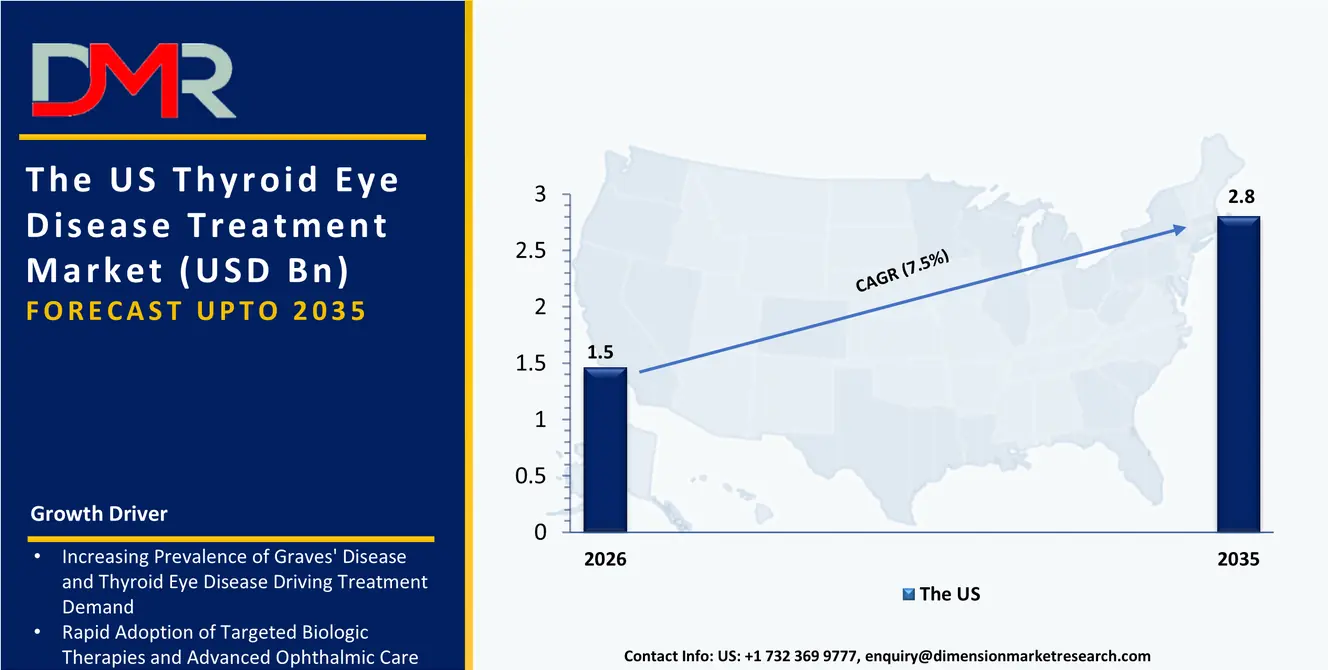
The US Thyroid Eye Disease Treatment Market
The United States Thyroid Eye Disease Treatment Market represents the highest-value single-country market globally, underpinned by early regulatory approval and broad commercial adoption of biologic TED therapy. Growth is fueled by expanding endocrinology-ophthalmology co-management pathways, rapid formulary adoption of monoclonal antibody therapy, robust specialty pharmacy and infusion center infrastructure, and continued clinical trial activity supporting next-generation biologic candidates.
ℹ
To learn more about this report –
Download Your Free Sample Report Here
Japan Thyroid Eye Disease Treatment Market
Japan possesses a well-established endocrinology and ophthalmology specialist infrastructure supporting structured Graves' disease and TED management, sustained by strong national clinical practice guidelines. The market is distinguished by sophisticated orbital imaging capacity, high utilization of coordinated specialist referral pathways relative to other Asian nations, and progressive regulatory evaluation of novel biologic TED therapeutics.
Saudi Arabia Thyroid Eye Disease Treatment Market
Market expansion is directly tied to the Kingdom's rising prevalence of thyroid disorders and growing endocrinology and ophthalmology specialist capacity. The Ministry of Health continues to expand access to advanced specialty pharmaceutical therapy for citizens, while Vision 2030's healthcare transformation agenda, which emphasizes public-private partnerships and digital health, is opening significant opportunities for international biologic therapy manufacturers, specialty infusion providers, and advanced ophthalmic diagnostic platforms.
Regulatory Landscape
The regulatory landscape for thyroid eye disease therapeutics is shaped by agencies that balance accelerated access for serious, vision-threatening autoimmune conditions with rigorous evidence requirements. In the United States, the FDA has demonstrated receptivity to novel orbital autoimmune disease endpoints, supporting expedited review pathways for biologic therapies demonstrating meaningful proptosis and clinical activity score improvement. Across Europe, evolving medical product regulations continue to shape biologic approval and post-market surveillance requirements for TED therapeutics, while national health authorities across Asia Pacific and the Middle East are increasingly aligning specialty biologic reimbursement frameworks with international clinical evidence standards.
Epidemiology Analysis
- A substantial proportion of patients diagnosed with Graves' disease go on to develop clinically apparent thyroid eye disease, with a smaller subset progressing to moderate to severe or sight-threatening presentations requiring active intervention.
- Biologic monoclonal antibody treatment initiation rates continue to rise in markets with established reimbursement pathways, gradually shifting first-line management away from corticosteroid-predominant regimens for eligible active-phase patients.
- Surgical rehabilitation volumes, spanning orbital decompression, strabismus correction, and eyelid surgery, remain concentrated in the inactive disease phase once inflammatory activity has stabilized following medical therapy.
- Specialty eye clinic-based TED care pathways are expanding steadily as dedicated multidisciplinary programs improve coordination between endocrinology and ophthalmology specialists.
By Region
North America
Europe
- Germany
- France
- The U.K.
- Italy
- Spain
- Rest of Europe
Asia-Pacific
- China
- Japan
- India
- Australia
- South Korea
- Rest of APAC
Latin America
- Mexico
- Brazil
- Rest of LATAM
Middle East & Africa
- Saudi Arabia
- The UAE
- South Africa
- Rest of MEA
Competitive Landscape
The Global Thyroid Eye Disease Treatment Market features a diverse competitive landscape spanning large biopharmaceutical innovators, specialty biologic developers, generic corticosteroid and immunosuppressant manufacturers, and ophthalmic surgical technology providers. Amgen Inc. holds a leading position in the biologic monoclonal antibody segment through its approved IGF-1R inhibitor therapy, while a growing cohort of clinical-stage biotechnology companies is advancing next-generation antibody and FcRn inhibitor candidates targeting broader severity categories and reduced infusion burden.
Some of the prominent players in the Global Thyroid Eye Disease Treatment Market are:
- Amgen Inc.
- Viridian Therapeutics Inc.
- Tourmaline Bio Inc.
- Sling Therapeutics Inc.
- ValenzaBio Inc.
- Hoffmann La Roche Ltd.
- Novartis AG
- AbbVie Inc.
- Sanofi SA
- Johnson & Johnson
- Pfizer Inc.
- Merck & Co. Inc.
- AstraZeneca PLC
- Bristol Myers Squibb
- Regeneron Pharmaceuticals Inc.
- Biogen Inc.
- Horizon Therapeutics (Amgen)
- Almirall S.A.
- Kissei Pharmaceutical Co. Ltd.
- HanAll Biopharma Co. Ltd.
- Immunovant Inc.
- Cartesian Therapeutics Inc.
- ACELYRIN Inc.
- Biohaven Ltd.
- Apellis Pharmaceuticals Inc.
- Ocular Therapeutix Inc.
- EyePoint Pharmaceuticals Inc.
- Genmab A S
- Argenx SE
- UCB S.A.
- Takeda Pharmaceutical Company Limited
- Eisai Co. Ltd.
- Chugai Pharmaceutical Co. Ltd.
- Kyowa Kirin Co. Ltd.
- Mitsubishi Tanabe Pharma Corporation
- CSL Limited
- Eli Lilly and Company
- Bayer AG
- GSK plc
- Boehringer Ingelheim International GmbH
- Other Key Players
Recent Developments
- June 2026: Viridian Therapeutics received U.S. FDA approval for Lumvoa™ (veligrotug-vvze), becoming the second approved IGF-1R targeted therapy for thyroid eye disease and the first approved treatment with labeling covering both active and chronic TED.
- April 2026: Amgen announced positive Phase III topline results for the subcutaneous formulation of TEPEZZA® (teprotumumab), demonstrating a 77% proptosis response rate and supporting a more convenient on-body injector delivery option.
- May 2025: Amgen received UK MHRA marketing authorization for TEPEZZA®, making it the first targeted therapy specifically approved for adults with moderate-to-severe Thyroid Eye Disease in the United Kingdom.
- May 2026: Viridian Therapeutics reported positive Phase III results for elegrobart, its subcutaneous anti-IGF-1R therapy, demonstrating significant improvements in proptosis and diplopia in patients with chronic thyroid eye disease, supporting further regulatory expansion.
Report Details
| Report Characteristics |
| Market Size (2026) |
USD 3.8 Bn |
| Forecast Value (2035) |
USD 7.6 Bn |
| CAGR (2026–2035) |
8.0% |
| The US Market Size (2026) |
USD 1.5 Bn |
| Historical Data |
2021 – 2025 |
| Forecast Data |
2027 – 2035 |
| Base Year |
2025 |
| Estimate Year |
2026 |
| Segments Covered |
By Treatment Type, By Disease Phase, By Severity, By Route of Administration, By Distribution Channel, and By End User |
| Regional Coverage |
North America – The US and Canada; Europe – Germany, France, The UK, Italy, Spain, Rest of Europe; Asia-Pacific – China, Japan, India, Australia, South Korea, Rest of APAC; Latin America – Mexico, Brazil, Colombia, Argentina, Rest of LATAM; Middle East & Africa – Saudi Arabia, The UAE, South Africa, Rest of MEA |
Frequently Asked Questions
How big is the Global Thyroid Eye Disease Treatment Market?
▾ The Global Thyroid Eye Disease Treatment Market is valued at USD 3.8 billion in 2026 and is projected to reach USD 7.6 billion by 2035, reflecting strong global demand for biologic pharmacotherapy, corticosteroid and immunosuppressant treatment, orbital surgery, and radiation therapy.
What is the CAGR of the Global Thyroid Eye Disease Treatment Market from 2026 to 2035?
▾ The market is projected to expand at a compound annual growth rate (CAGR) of 8.0% between 2026 and 2035, supported by sustained investment in monoclonal antibody therapy, expanding specialty eye clinic infrastructure, and rising active-phase disease diagnosis rates.
What factors are driving the growth of the Global Thyroid Eye Disease Treatment Market?
▾ Growth is driven by the rising prevalence of Graves' disease and associated orbital autoimmune involvement, landmark clinical trials expanding the eligible population for biologic monoclonal antibody therapy, growing endocrinology-ophthalmology co-management pathways, and expanding reimbursement for infusion-based treatment.
What are the major trends in the Global Thyroid Eye Disease Treatment Market?
▾ Major trends include the convergence of endocrinology and ophthalmology care pathways, the shift toward subcutaneous and reduced-infusion-burden biologic formulations, emergence of next-generation antibody and FcRn inhibitor candidates, and increasing use of AI-assisted orbital imaging for objective severity grading.
Which region held the largest share of the Global Thyroid Eye Disease Treatment Market in 2026?
▾ North America is expected to lead the global market with a 45.7% share in 2026, supported by early biologic therapy approval, high disease awareness, a well-funded specialty infusion ecosystem, and robust reimbursement infrastructure.
Which region is expected to grow the fastest in the Global Thyroid Eye Disease Treatment Market?
▾ Asia Pacific is expected to record the fastest growth through 2035, driven by its large Graves' disease-affected population, improving endocrinology and ophthalmology diagnostic capacity, and expanding access to advanced biologic therapy.
Who are the key players in the Global Thyroid Eye Disease Treatment Market?
▾ Key market participants include Amgen, Viridian Therapeutics, Immunovant, argenx, Roche (Genentech), Novartis, Sanofi, Regeneron, Santen Pharmaceutical, and Bausch + Lomb, among other biopharmaceutical, generic pharmaceutical, and ophthalmic surgical technology firms.
How is the Global Thyroid Eye Disease Treatment Market segmented?
▾ The market is segmented by treatment type, disease phase, severity, route of administration, distribution channel, and end user, with regional analysis covering North America, Europe, Asia Pacific, Latin America, and the Middle East and Africa.