Market Overview
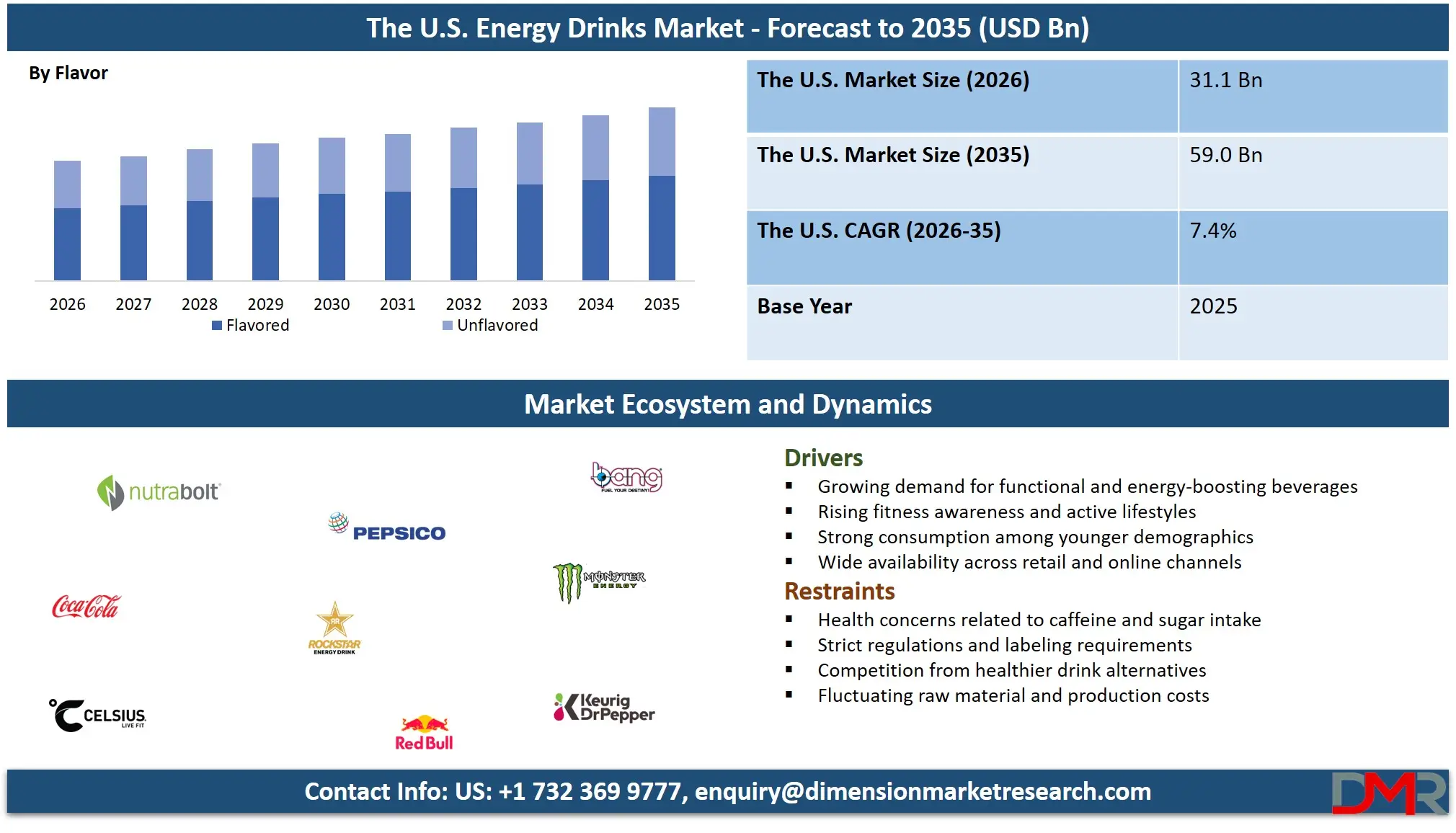
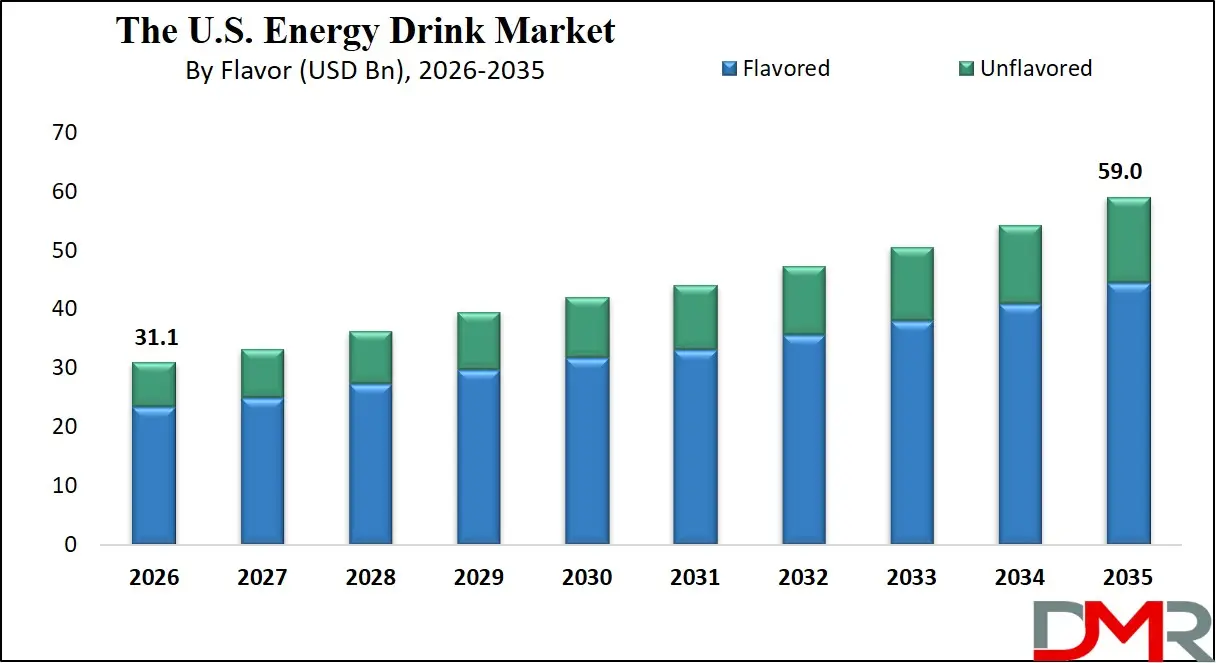
The U.S. Energy Drinks Market size is projected to reach USD 31.1 billion in 2026 and grow at a compound annual growth rate of 7.4% to reach a value of USD 59.0 billion in 2035.
ℹ
To learn more about this report –
Download Your Free Sample Report Here
Energy drinks refer to a category of functional beverages formulated to enhance physical endurance, mental alertness, and overall energy levels through ingredients such as caffeine, taurine, vitamins, amino acids, herbal extracts, and alternative sweeteners. These beverages are available in multiple formats including ready-to-drink cans, concentrated shots, and powdered mixes, allowing flexibility in consumption. They form a vital part of the broader non-alcoholic beverage industry, particularly within performance-oriented and lifestyle-driven segments, catering to athletes, professionals, and younger consumers seeking convenient energy solutions.
The U.S energy drinks market has evolved significantly beyond traditional high-caffeine products toward more health-conscious offerings such as sugar-free, organic, and plant-based variants. Continuous innovation in flavor profiles, ingredient sourcing, and functional benefits such as cognitive enhancement and hydration support is reshaping consumer expectations. The convergence of sports drinks, wellness beverages, and functional nutrition is expanding the category’s scope, positioning it as a hybrid segment that appeals to a wider demographic base.
ℹ
To learn more about this report –
Download Your Free Sample Report Here
Growth is being driven by increasing demand for convenience, performance optimization, and lifestyle-focused consumption. The U.S energy drinks market is further supported by strong digital marketing strategies, influencer collaborations, and rising fitness culture. At the same time, regulatory scrutiny regarding caffeine levels and labeling transparency is encouraging manufacturers to adopt cleaner labels and sustainable packaging. This shift toward health-conscious and environmentally responsible products is reinforcing long-term market relevance and competitiveness.
The U.S. Energy Drinks Market: Key Takeaways
- Market Growth: The U.S. Energy Drinks Market size is expected to grow by USD 25.9 billion, at a CAGR of 7.4%, during the forecasted period of 2027 to 2035.
- By Flavor: Flavored are anticipated to get the majority share of the U.S. Energy Drinks market in 2026.
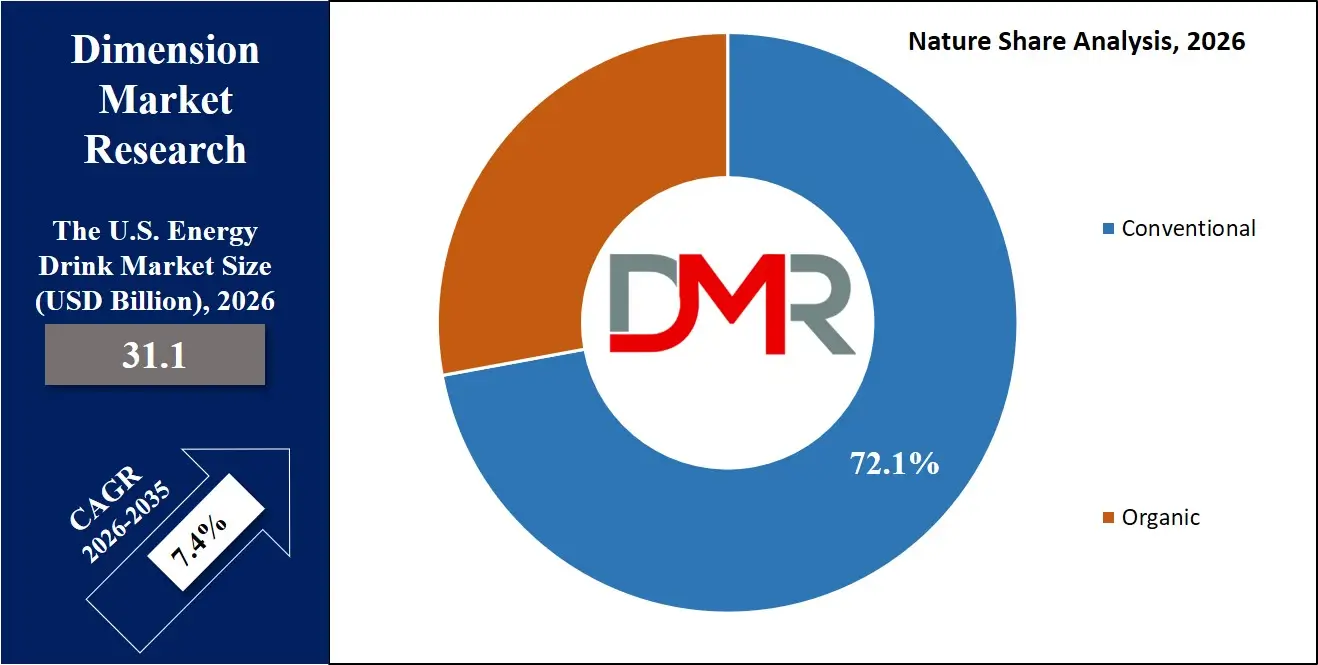
- By Nature: The conventional segment is expected to get the largest revenue share in 2026 in the U.S. Energy Drinks market.
- Use Cases: Some of the use cases of Energy Drinks include on-the-go energy solution, workplace productivity boost, and more.
The U.S. Energy Drinks Market: Use Cases
- Athletic Performance Enhancement: Energy drinks are widely used by athletes and fitness enthusiasts to improve endurance, reduce fatigue, and enhance physical performance during workouts and competitions.
- Workplace Productivity Boost: Professionals consume these beverages to maintain alertness, especially during long working hours or high-pressure tasks requiring sustained concentration.
- Gaming and E-sports Engagement: Gamers rely on energy drinks for improved reaction times, focus, and prolonged gaming sessions, making this a rapidly growing use case.
- On-the-Go Energy Solution: Busy consumers use energy drinks as a convenient alternative to traditional beverages for quick energy during travel or hectic schedules.
- Academic and Study Support: Students utilize energy drinks to stay awake and focused during exams, study sessions, and academic activities.
- Social and Lifestyle Consumption: Energy drinks are increasingly consumed in social settings, often mixed with other beverages or used as lifestyle products.
- Weight Management and Fitness Trends: Low-calorie and sugar-free variants are used by health-conscious consumers as part of weight management and fitness routines.
Stats & Facts
- U.S. Food and Drug Administration states that up to 400 mg of caffeine per day is generally considered safe for healthy adults as of 2024.
- U.S. Department of Agriculture reported that beverage consumption expenditure increased by over 6% in 2024 compared to the previous year.
- Centers for Disease Control and Prevention noted in 2025 that nearly 30% of U.S. adults consume energy drinks regularly.
- U.S. Bureau of Labor Statistics recorded a 5.2% rise in non-alcoholic beverage prices in 2024.
- U.S. Energy Information Administration highlighted that aluminum can production grew by approximately 4% in 2024.
- National Institutes of Health reported in 2025 that energy drink consumption among young adults aged 18–35 exceeds 35%.
- U.S. Census Bureau indicated that online beverage sales grew by 12% in 2024.
- Environmental Protection Agency noted in 2024 that recycling rates for aluminum cans reached nearly 50% in the U.S.
- U.S. Department of Commerce reported a 7% increase in functional beverage exports in 2025.
- Federal Trade Commission highlighted increasing scrutiny on marketing claims for energy drinks in 2025.
- U.S. Department of Health and Human Services reported in 2024 that sugar-free beverage consumption rose by 9%.
- U.S. Small Business Administration noted a 10% rise in new beverage startups in 2025.
Market Dynamic
Driving Factors in the U.S. Energy Drinks Market
Rising Demand for Functional and Performance Beverages
The growing consumer inclination toward functional beverages that offer more than basic hydration is a major growth driver. Energy drinks are increasingly positioned as performance enhancers that support physical endurance, mental clarity, and overall productivity. With rising health awareness, consumers are seeking beverages that align with active lifestyles, leading to demand for sugar-free, organic, and fortified variants. Additionally, the expansion of fitness culture, gym memberships, and sports participation is fueling consumption. The integration of ingredients like vitamins, electrolytes, and adaptogens further enhances product appeal, making energy drinks a preferred choice across diverse consumer segments.
Expansion of Distribution Channels and Digital Marketing
The rapid growth of e-commerce and online retail platforms has significantly improved product accessibility. Brands are leveraging digital marketing strategies, influencer partnerships, and targeted advertising to reach younger audiences. Convenience stores, supermarkets, and fitness centers also play a critical role in expanding market penetration. Subscription-based models and direct-to-consumer sales channels are enabling brands to build stronger customer relationships. This omnichannel presence ensures consistent availability and enhances brand visibility, thereby driving overall market growth and consumer engagement.
Restraints in the U.S. Energy Drinks Market
Health Concerns and Regulatory Scrutiny
Concerns regarding excessive caffeine intake, sugar content, and potential health risks are limiting market expansion. Regulatory bodies are imposing stricter guidelines on labeling, ingredient transparency, and marketing practices. Negative perceptions related to adverse health effects, particularly among younger consumers, are impacting brand image. Companies must invest in reformulation and compliance measures, which can increase production costs and reduce profit margins. These challenges create barriers for new entrants and slow down innovation in certain product categories.
Market Saturation and Intense Competition
The U.S energy drinks market is highly saturated with numerous brands competing for market share. Established players dominate shelf space, making it difficult for new entrants to gain visibility. Price competition and promotional activities further pressure profit margins. Additionally, the presence of substitute products such as coffee, tea, and other functional beverages intensifies competition. This fragmented landscape requires continuous innovation and strong branding strategies, which can be resource-intensive for companies.
Opportunities in the U.S. Energy Drinks Market
Growth of Health-Oriented and Natural Products
There is significant potential in developing natural, organic, and clean-label energy drinks. Consumers are increasingly avoiding artificial ingredients and seeking healthier alternatives. This shift opens opportunities for brands to innovate with plant-based caffeine sources, herbal extracts, and low-calorie formulations. Companies that align their offerings with wellness trends can tap into a growing consumer base and differentiate themselves in a competitive market.
Expansion into Emerging Consumer Segments
Untapped segments such as older adults, women, and casual consumers present new growth opportunities. Tailored products addressing specific needs like hydration, cognitive support, or relaxation can broaden market reach. Additionally, innovations in packaging and portion sizes can attract new users. Geographic expansion within underserved regions and increased focus on personalized nutrition further enhance growth potential.
Trends in the U.S. Energy Drinks Market
Shift Toward Clean Label and Sustainable Products
Consumers are demanding transparency in ingredients and environmentally friendly packaging. Brands are adopting clean-label formulations with natural sweeteners and minimal additives. Sustainable packaging solutions such as recyclable cans and biodegradable materials are gaining traction. This trend reflects a broader shift toward ethical consumption and environmental responsibility, influencing purchasing decisions.
Integration of Functional Benefits Beyond Energy
Energy drinks are evolving into multifunctional beverages offering benefits such as hydration, immunity support, and cognitive enhancement. Ingredients like nootropics, electrolytes, and adaptogens are becoming increasingly common. This diversification is helping brands cater to a wider audience and create new consumption occasions, thereby driving market growth and innovation.
Impact of Artificial Intelligence in the U.S. Energy Drinks Market
- AI-driven Product Development: AI helps analyze consumer preferences and develop customized flavors and formulations, improving product-market fit.
- Demand Forecasting Optimization: Machine learning models predict demand patterns, reducing inventory costs and improving supply chain efficiency.
- Personalized Marketing Campaigns: AI enables targeted advertising based on consumer behavior, increasing engagement and conversion rates.
- Quality Control Automation: AI-powered systems ensure consistent product quality by detecting anomalies during production.
- Customer Insights and Analytics: Advanced analytics provide deep insights into consumption trends, helping brands refine strategies.
- Supply Chain Efficiency: AI optimizes logistics, reducing delays and improving distribution accuracy.
- Chatbots and Customer Service: AI-driven chatbots enhance customer interaction and provide instant support.
- Dynamic Pricing Strategies: AI tools help companies adjust pricing based on demand, competition, and market conditions.
- Sustainability Optimization: AI assists in reducing waste and improving resource utilization in production processes.
Impact of Iran War on the U.S. Energy Drinks Market
The Iran war is indirectly impacting the U.S. energy drinks market by increasing production and distribution costs rather than reducing demand. Rising oil prices are pushing up transportation expenses and the cost of key packaging materials like aluminum cans and plastics, putting pressure on manufacturers’ margins. At the same time, inflation in raw materials such as sugar, caffeine, and other imported ingredients is further elevating overall production costs. These factors may lead companies to increase product prices, which could slightly affect consumption among price-sensitive consumers. However, strong brand loyalty and consistent demand for energy drinks in the U.S. are helping the market remain resilient, making the overall impact more cost-driven than demand-driven.
Research Scope and Analysis
By Format Analysis
Drinks dominate the U.S energy drinks market and are projected to hold approximately 68.4% market share in 2026. Their strong position is driven by unmatched convenience, widespread retail availability, and high consumer familiarity with ready-to-drink formats. These beverages are ideal for on-the-go consumption, making them a preferred choice among busy professionals, students, and athletes. Continuous innovation in flavors, sugar-free options, and functional ingredients such as vitamins and electrolytes has enhanced their appeal. Additionally, the shift toward healthier lifestyles has encouraged the introduction of low-calorie and organic variants. Strong branding, promotional campaigns, and extensive distribution networks further reinforce their leadership.
Energy shots are the fastest-growing segment in the U.S energy drinks market, gaining traction due to their compact size and concentrated formulation. These products deliver a quick and efficient energy boost without requiring consumers to consume large volumes of liquid. Their portability makes them highly convenient for individuals with busy schedules, including professionals, travelers, and fitness enthusiasts. Energy shots are also increasingly popular among consumers looking for discreet and rapid consumption options. Targeted marketing strategies and growing awareness about their effectiveness are accelerating adoption. As consumers prioritize convenience and efficiency, this segment is expected to witness sustained growth momentum.
By Nature Analysis
Conventional energy drinks are expected to hold around 72.1% market share in 2026, maintaining their dominance due to affordability and widespread availability. These products are easily accessible across supermarkets, convenience stores, and vending machines, making them a staple choice for a large consumer base. Price-sensitive consumers often prefer conventional options due to their cost-effectiveness compared to premium or organic variants. Established brands with strong distribution networks and brand recognition further support this segment’s leadership. Despite the increasing popularity of healthier alternatives, conventional energy drinks continue to perform strongly due to consistent demand and familiarity among consumers.
ℹ
To learn more about this report –
Download Your Free Sample Report Here
Organic energy drinks are experiencing rapid growth as consumers increasingly prioritize health and wellness. These beverages are formulated using natural ingredients, free from synthetic additives, preservatives, and artificial sweeteners, making them attractive to health-conscious individuals. Rising awareness about the potential side effects of artificial ingredients has further fueled demand for clean-label products. Additionally, organic certifications and transparent labeling enhance consumer trust and brand credibility. Manufacturers are investing in innovative formulations that incorporate plant-based caffeine sources and herbal extracts. As the clean-label movement gains momentum, the organic segment is expected to expand significantly in the coming years.
By Packaging Analysis
Cans are projected to account for 64.7% market share in 2026, making them the leading packaging format in the U.S energy drinks market. Their popularity is driven by factors such as portability, durability, and ease of storage. Aluminum cans are lightweight and highly recyclable, aligning with growing sustainability concerns among consumers. They also offer excellent branding opportunities through vibrant designs and labeling. Cans are widely used across retail channels, including convenience stores and supermarkets, ensuring high visibility and accessibility. Continuous innovations in can design, including resealable lids and eco-friendly materials, are further strengthening their dominance in the market.
Bottles are emerging as a fast-growing packaging segment, primarily due to their resealable feature and suitability for larger serving sizes. They provide added convenience for consumers who prefer to consume energy drinks over an extended period rather than in one sitting. Bottled formats are particularly popular among fitness enthusiasts and outdoor consumers who require hydration alongside energy. Additionally, bottles offer versatility in packaging design and material options, including plastic and glass. As consumer preferences shift toward convenience and sustainability, manufacturers are introducing recyclable and eco-friendly bottle options, further driving growth in this segment.
By Product Type Analysis
Caffeinated beverages dominate the U.S energy drinks market with an estimated 81.5% market share in 2026, as caffeine remains the primary ingredient responsible for energy enhancement. These products are widely accepted due to their effectiveness in improving alertness, focus, and physical performance. The strong consumer reliance on caffeine-based stimulation ensures consistent demand across various demographics. Continuous innovation in caffeine sources, including natural and sustained-release formulations, is enhancing product differentiation. Additionally, the integration of complementary ingredients such as taurine and B vitamins further boosts product appeal, reinforcing the segment’s leadership in the market.
De-caffeinated energy drinks are gaining traction among consumers seeking alternatives to traditional caffeine-based products. These beverages cater to individuals who are sensitive to caffeine or prefer to avoid stimulants while still benefiting from energy-enhancing ingredients. Manufacturers are incorporating alternative components such as vitamins, amino acids, and herbal extracts to deliver functional benefits without caffeine. Growing awareness of caffeine-related health concerns, including sleep disruption and anxiety, is driving demand for such products. As the market evolves to accommodate diverse consumer needs, de-caffeinated variants are expected to witness steady growth and increased adoption.
By Flavor Analysis
Flavored energy drinks are expected to hold 75.2% market share in 2026, driven by strong consumer preference for diverse and appealing taste profiles. The availability of a wide range of flavors, including fruit-based, exotic, and seasonal options, enhances product attractiveness and encourages repeat purchases. Flavor innovation plays a critical role in differentiating brands and capturing consumer interest in a competitive market. Additionally, the incorporation of natural flavoring agents aligns with the growing demand for clean-label products. As consumers seek both functionality and enjoyable taste experiences, flavored energy drinks continue to dominate the segment.
Unflavored energy drinks are gaining popularity among niche consumer groups who prioritize simplicity and minimalism in their beverage choices. These products are often associated with health-conscious individuals who prefer formulations without added flavors or sweeteners. Unflavored variants are also appealing to those who wish to avoid artificial ingredients and focus on core functional benefits. While this segment remains relatively small compared to flavored options, its growth is supported by increasing awareness of clean-label and natural products. Manufacturers are exploring innovative ways to enhance the appeal of unflavored offerings without compromising their simplicity.
By Categories Analysis
The non-alcoholic beverage segment dominates the U.S energy drinks market, accounting for 69.8% market share in 2026. Energy drinks are primarily positioned within this category, catering to a wide range of consumers seeking functional and refreshing beverages. Strong demand across demographics, including young adults, professionals, and athletes, supports this segment’s leadership. The growing trend of replacing sugary sodas with functional drinks further drives adoption. Additionally, continuous innovation in product formulations and packaging enhances consumer appeal. As the demand for healthier and more functional non-alcoholic beverages increases, this segment is expected to maintain its dominance.
Functional beverages represent the fastest-growing category within the U.S energy drinks market, driven by increasing consumer demand for added health benefits. These products go beyond basic energy enhancement by incorporating ingredients such as vitamins, minerals, electrolytes, and cognitive enhancers. Consumers are increasingly seeking beverages that support overall well-being, including hydration, immunity, and mental performance. This shift in preference is encouraging manufacturers to innovate and expand their product portfolios. As health and wellness trends continue to gain traction, the functional beverages segment is expected to grow robustly and play a key role in market evolution.
By Distribution Channel Analysis
Offline channels are projected to hold 61.3% market share in 2026, making them the dominant distribution channel for energy drinks in the U.S. Supermarkets, convenience stores, and specialty outlets provide immediate product availability, encouraging impulse purchases. Strong retail presence and strategic shelf placement significantly influence consumer buying behavior. Additionally, offline channels offer opportunities for in-store promotions and brand visibility. Despite the growth of digital platforms, traditional retail remains a crucial sales driver due to its accessibility and established infrastructure. As a result, offline distribution continues to play a central role in market expansion.
Online distribution channels are expanding rapidly, driven by the increasing adoption of e-commerce and digital shopping platforms. Consumers benefit from convenience, a wider range of product options, and the ability to compare prices and reviews before purchasing. Subscription-based models and direct-to-consumer strategies are gaining popularity, enabling brands to build stronger relationships with customers. Additionally, online platforms facilitate targeted marketing and personalized recommendations. The growing reliance on digital channels, particularly among younger consumers, is expected to drive significant growth in this segment, making it an important component of the overall market landscape.
The U.S. Energy Drinks Market Report is segmented on the basis of the following:
By Format
By Nature
By Packaging
By Product Type
- Caffeinated Beverage
- De-caffeinated Beverage
By Flavor
By Categories
- Natural Energy Drink
- Sports Drink
- Non-Alcoholic Beverage
- Functional beverages
- Non-carbonated packaged drinks
By Distribution Channel
Competitive Landscape
The U.S energy drinks market is characterized by intense competition, high entry barriers, and continuous innovation. Companies focus on product differentiation through unique formulations, flavors, and functional benefits to capture consumer attention. Strong branding, strategic partnerships, and aggressive marketing campaigns are essential for maintaining market share.
ℹ
To learn more about this report –
Download Your Free Sample Report Here
Investment in research and development is a key strategy to introduce new ingredients and improve product performance. Distribution network expansion and digital presence also play crucial roles. Additionally, sustainability initiatives and clean-label offerings are becoming important competitive factors, influencing consumer loyalty and brand positioning.
Some of the prominent players in the U.S. Energy Drinks are:
- Red Bull GmbH
- Monster Beverage Corporation
- PepsiCo Inc.
- Coca-Cola Company
- Keurig Dr Pepper
- Celsius Holdings Inc.
- Rockstar Energy
- Bang Energy
- GHOST Lifestyle LLC
- Living Essentials
- National Beverage Corp.
- AriZona Beverages USA
- Amway Corporation
- Suntory Holdings Limited
- Campbell Soup Company
- Nutrabolt
- Alani Nutrition LLC
- ZOA Energy LLC
- Congo Brands
- Other Key Players
Recent Developments
- In June 2025, Coca-Cola acquired a minority stake in a fast-growing U.S-based energy drink startup specializing in organic and low-sugar beverages. This strategic investment aimed to strengthen Coca-Cola’s position in the premium functional beverage segment. The partnership included distribution support, product development collaboration, and access to advanced research facilities.
- In February 2025, PepsiCo launched a new line of plant-based energy drinks under its functional beverage portfolio. The product features natural caffeine sources such as green tea extract and incorporates adaptogens aimed at stress reduction and cognitive enhancement. The launch targeted health-conscious consumers and expanded the company’s presence in the clean-label segment.
Report Details
| Report Characteristics |
| Market Size (2026) |
USD 31.1 Bn |
| Forecast Value (2035) |
USD 59.0 Bn |
| CAGR (2026–2035) |
7.4% |
| Historical Data |
2021 – 2025 |
| Forecast Data |
2027 – 2035 |
| Base Year |
2025 |
| Estimate Year |
2026 |
| Report Coverage |
Market Revenue Estimation, Market Dynamics, Competitive Landscape, Growth Factors and etc. |
| Segments Covered |
By Format (Drinks, Shots, Mixer), By Nature (Conventional, Organic), By Packaging (Cans, Bottles, Others), By Product Type (Caffeinated Beverage, De-caffeinated Beverage), By Flavor (Unflavored, Flavored), By Categories (Natural Energy Drink, Sports Drink, Non-Alcoholic Beverage, Functional beverages, Non-carbonated packaged drinks), By Distribution Channel (Offline, Online) |
| Country Coverage |
The U.S. |
| Prominent Players |
Red Bull GmbH, Monster Beverage Corporation, PepsiCo Inc., Coca-Cola Company, Keurig Dr Pepper, Celsius Holdings Inc., Rockstar Energy, Bang Energy, GHOST Lifestyle LLC, Living Essentials, National Beverage Corp., AriZona Beverages USA, Amway Corporation, Suntory Holdings Limited, Campbell Soup Company, Nutrabolt, Alani Nutrition LLC, ZOA Energy LLC, Congo Brands, and Other Key Players |
| Purchase Options |
We have three licenses to opt for: Single User License (Limited to 1 user), Multi-User License (Up to 5 Users) and Corporate Use License (Unlimited User) along with free report customization equivalent to 0 analyst working days, 3 analysts working days and 5 analysts working days respectively. |
Frequently Asked Questions
How big is the U.S. Energy Drinks Market?
▾ The U.S. Energy Drinks Market size is expected to reach USD 36.6 billion by 2026 and is projected to reach USD 98.5 billion by the end of 2035.
Who are the key players in the U.S. Energy Drinks Market?
▾ Some of the major key players in the U.S. Energy Drinks Market include Red bull, Pepsico, Monster and others.
What is the growth rate in the U.S. Energy Drinks Market?
▾ The market is growing at a CAGR of 7.4 percent over the forecasted period.