What is the Immunotherapy Drugs Market Size?
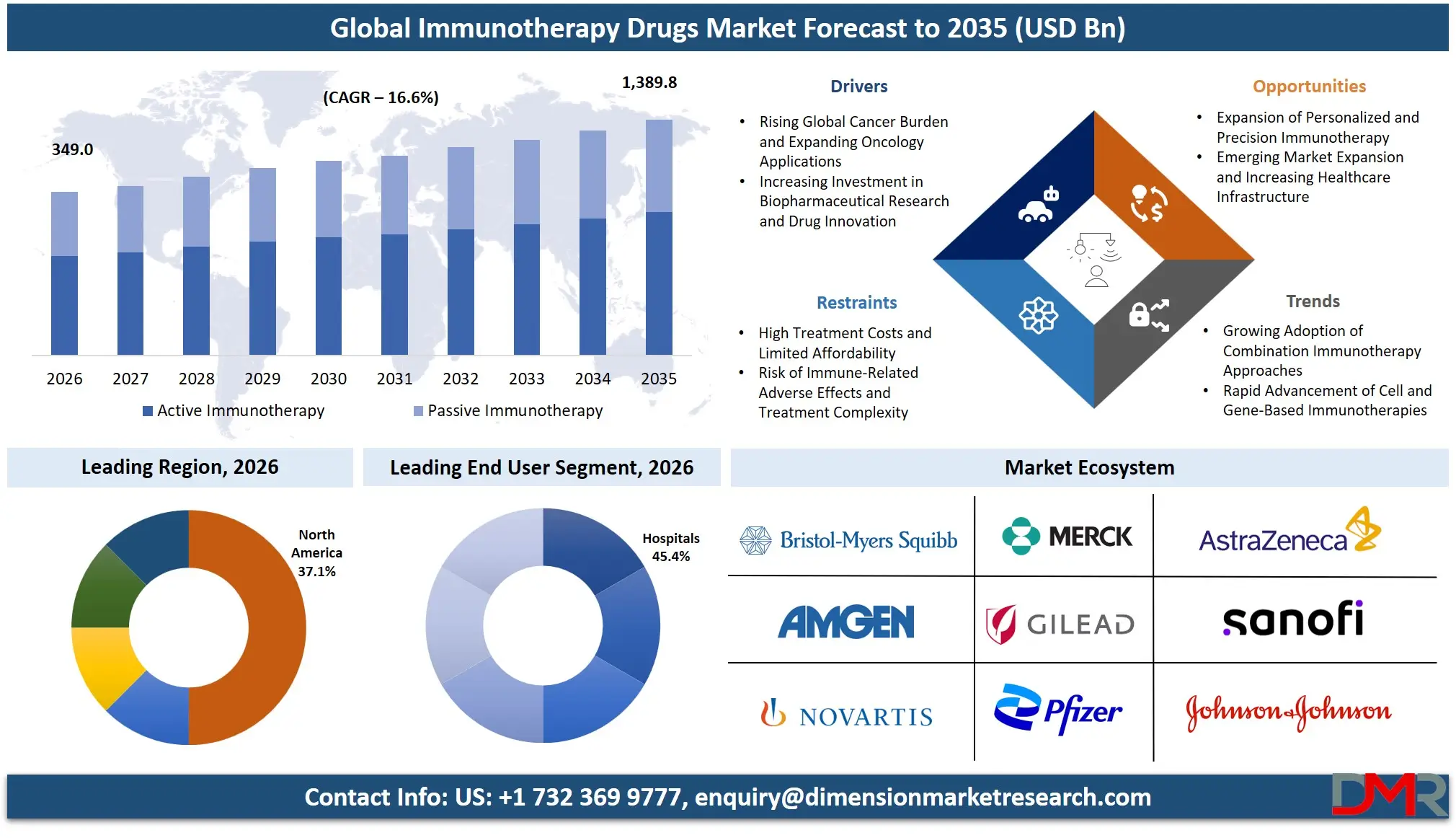
The Global Immunotherapy Drugs Market is expected to reach a value of USD 349.0 billion in 2026, and it is further anticipated to reach USD 1,389.8 billion by 2035, growing at a CAGR of 16.6% during the forecast period.
ℹ
To learn more about this report –
Download Your Free Sample Report Here
There is exponential growth within the immunotherapy drugs market because of the move from conventional drug delivery methods such as broad-spectrum chemotherapy into targeting the body's immune response. Within the field, the drugs used and indicated are all important in the fight against various forms of cancer, autoimmune diseases and infections, such as monoclonal antibodies, immune checkpoint inhibitors, CAR-T cell therapy, vaccines and immunomodulators. Research and advancements within the study of tumor microenvironments and identification of new biomarkers, as well as personalized medicine, has led to a greater demand for such drugs. The most prominent commercial products are monoclonal antibodies and PD-1/PD-L1 inhibitors, which are effective and are continually being approved on the drug labels.
ℹ
To learn more about this report –
Download Your Free Sample Report Here
The US Immunotherapy Drugs Market
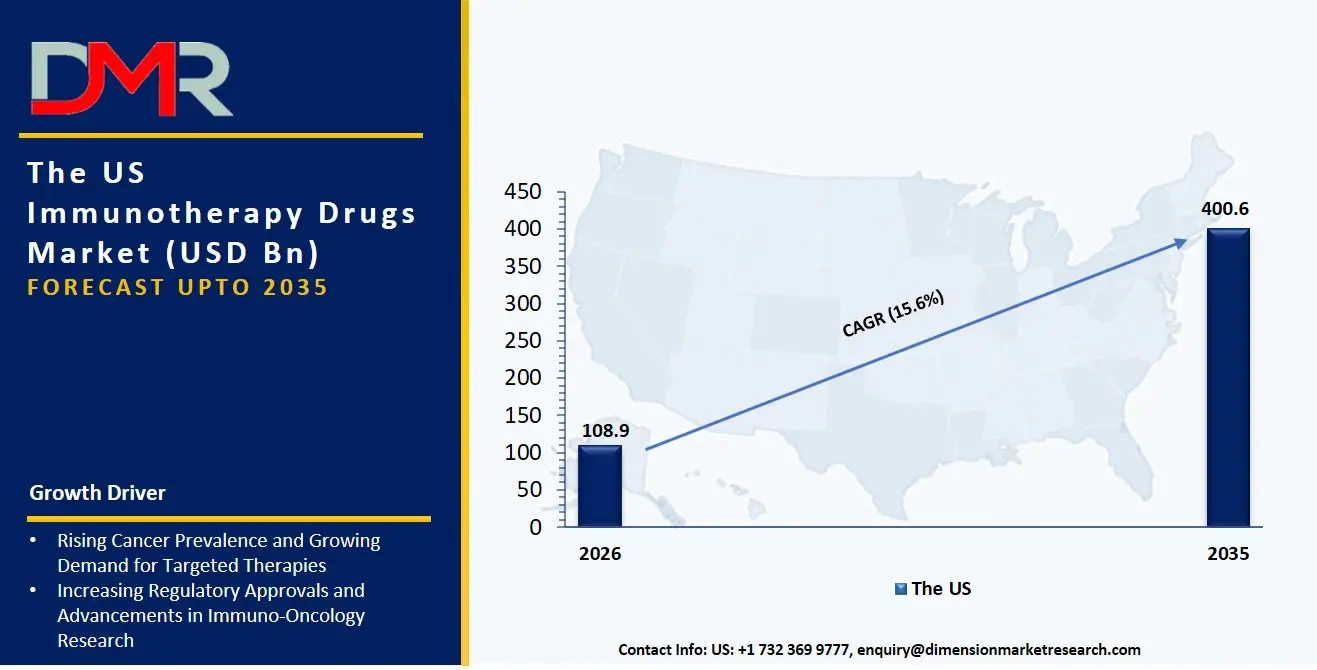
The US Immunotherapy Drugs Market is projected to reach USD 108.9 billion in 2026 at a compound annual growth rate of 15.6% over its forecast period, which is further anticipated to reach USD 400.6 billion by 2035. The US will continue to be the most developed and large market for immunotherapy drugs due to the rapid approval of the FDA as well as the research and development of pharmaceutical giants and new emerging biotech companies. The current market can be characterized by the huge interest in Immune Checkpoint Inhibitors where PD-1 inhibitors have gained traction as an integral part of therapy for various solid tumors. Additionally, the recent approval of new generation CAR-T Cell Therapy will create the same needs in targeted cancer centres and hospitals.
ℹ
To learn more about this report –
Download Your Free Sample Report Here
The Europe Immunotherapy Drugs Market
The Europe Immunotherapy Drugs Market is estimated to be valued at USD 100.7 billion in 2026 and is further anticipated to reach USD 389.2 billion by 2035 at a CAGR of 16.2%. The strictness of the regulation, coupled with the ATMP regulations from EMA and others, becomes key in influencing the European market such that real world and pharmacoeconomics data is mandatory in novel immuno therapy. Monoclonal antibodies are experiencing rapid growth in Europe due to the uptake of biosimilar products in the German and French autoimmune and inflammatory disease market, helping to drive innovations in biologics. Moreover, the academic-based CAR-T therapy network is driving the pharmaceutical industry to decentralize production of autologous cell therapies.
The Japan Immunotherapy Drugs Market
The Japan Immunotherapy Drugs Market is projected to be valued at USD 36.7 billion at a CAGR of 15.3%. Strict regulations contribute to shaping the European market, including those of EMA for advanced therapy medicinal products (ATMP), and therefore the need for real-world evidence and pharmacoeconomics in the development of new immunotherapies. There has been rapid growth of monoclonal antibodies in the European market, where the introduction of biosimilars for the treatment of autoimmune and inflammatory disorders in Germany and France has led to their adoption and advancement of biological medicines.
Key Takeaways
- Market Size & Forecast: The Global Immunotherapy Drugs market will reach a valuation of USD 349.0 billion by 2026 and further expand significantly to USD 1,389.8 billion by 2035, powered by two factors: unparalleled clinical response rates and the adoption of non-chemotherapy-based immunotherapy treatment approaches.
- Growth Rate & Outlook: Growth for the global market will continue at a CAGR of 16.6%, aided by the growing list of bispecific antibodies and advanced cell therapy products, as well as an increasing complexity in handling new immune-related adverse effects.
- Primary Growth Drivers: Key factors that will drive market growth include increasing uses of Immune Checkpoint Inhibitors in the diagnosis of early-stage cancers and as part of adjuvant cancer treatments, CAR-T Cell Therapies as cure options for autoimmune diseases, and predictive markers in the diagnosis process.
- Key Market Trends: Key market trends include combination immunotherapy strategies (such as PD-1 and CTLA-4 inhibitors), AI technologies used to identify novel neoantigens in developing Cancer Vaccines, and regulatory changes that favor approval based on response rates.
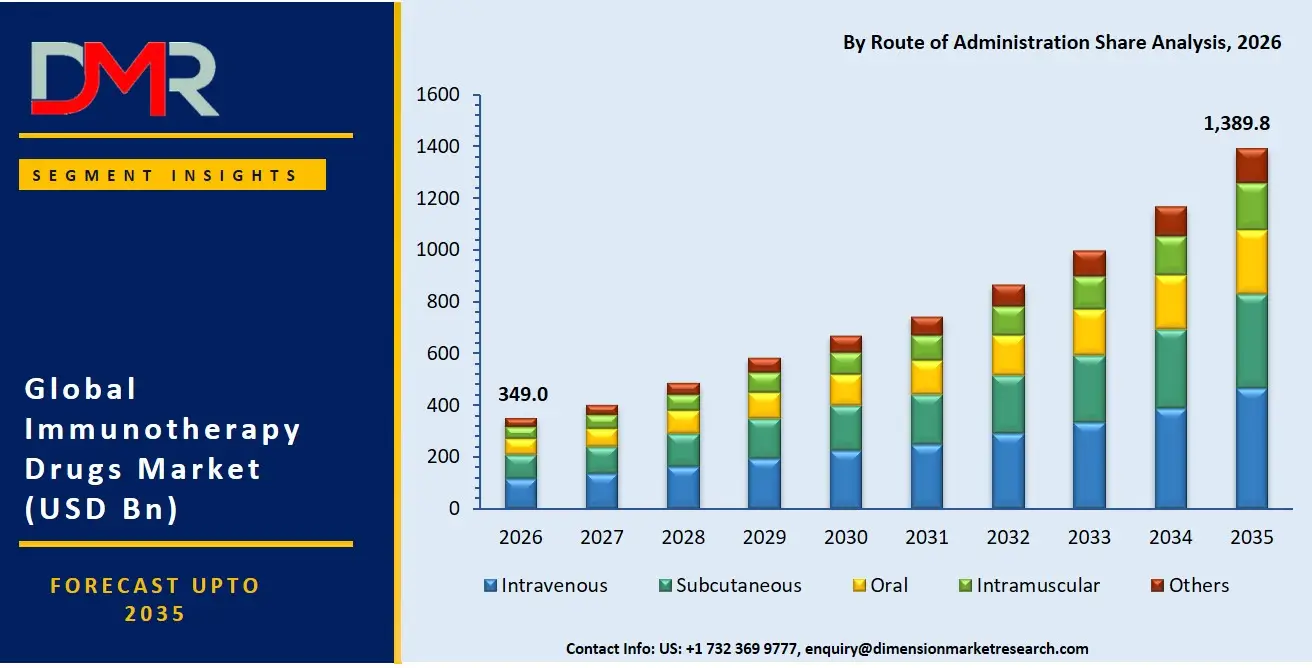
- By Route of Administration Analysis: Intravenous drug delivery methods will likely lead the market owing to familiarity among physicians and the requirement for controlled infusion of the drug. It will become mandatory for professional and pharma firms to design new subcutaneous formulations to allow self-administration outside hospitals.
- By Therapy Area Analysis: Cancer and Autoimmune & Inflammatory Diseases will be the most profitable therapy areas in terms of revenue generated because of high prevalence rates and significant medical requirements. Rare Diseases will emerge as the leading therapy area in the forecast period due to cost-effective nature of gene modified-cell therapies.
- Regional Leadership: The dominance of North America in this market is expected, as the continent accounts for 37.1% of the market share in 2026 because of the strong presence of venture capital networks, a positive regulatory climate for advanced therapeutics, and the payer environment valuing the benefits of cures.
What is the Immunotherapy Drugs?
Immunotherapy Drugs are a type of biological or small molecule drugs that are used to activate or inhibit the immune system to treat diseases, particularly cancer. Immunotherapy drugs are different from traditional chemotherapy drugs, which kill rapidly dividing cells, because they teach and activate the immune system to find and destroy cancer cells including drugs based on Monoclonal Antibodies that label cancer cells for destruction, Immune Checkpoint Inhibitors that unlock the brakes from the immune system, and adoptive cell therapies like CAR-T, which genetically modify a person's T-cells to fight tumor cells. The market dynamics are changing because of the high volume of clinical trials that are in progress with more than 5,000 across the globe for only PD-1 inhibitors. What is needed for this market is to address extended immune responses, toxicities, and logistical issues related to personalized medicines.
Use Cases
- Immuno Adjuvants for Lung Cancer: Physicians prescribe PD-1 Inhibitors to patients with resectable non-small cell lung cancer post-surgery to sensitize the immune system to kill residual micrometastases, leading to substantial improvement in event-free survival.
- CAR-T Therapy for Cure in Lymphoma: Physicians use CD19-targeted CAR-T cell therapies on patients with diffuse large B-cell lymphomas having previously undergone two unsuccessful regimens to achieve complete durable remissions.
- T-cell Redirectors in Multiple Myeloma: Cancer centers use bispecific T-cell engaging monoclonal antibodies to target an antigen on the surface of the myeloma cell and a T-cell receptor to redirect a patient's immune system against malignant plasma cells in heavily pre-treated patients.
- Self-Injectable Checkpoint Blockade for Maintenance: As a result of poor quality of life and inconvenience associated with repeated infusion center visits, patients on maintenance therapies are switched from intravenous to subcutaneous PD-L1 inhibitor therapies.
How AI is Transforming the Immunotherapy Drugs Market?
Artificial intelligence has revolutionized the development of new therapeutic targets and personalization of individual treatment regimens in the field of immunotherapy. For instance, when using Cancer Vaccines, AI tools that predict neoantigens will be able to automatically mine patient's tumor genome data and discover the mutations that show the most promise of activating an immune response. In doing so, it can significantly shorten the time required to create a personalized vaccine and increase its chances of triggering a T cell response. On the other hand, pathology and radiology images analyzed through AI-based algorithms enable clinicians to more accurately predict how the body will respond to Immune Checkpoint Inhibitors and differentiate pseudoprogression from actual disease progression.
Drug safety testing and drug target discovery projects are now being driven by artificial intelligence. For example, within Immunomodulators, intelligent deep learning models are constantly monitoring huge databases of chemical compounds looking for candidates that may become small-molecule drugs able to inhibit intracellular immune checkpoints.
Market Dynamics
Key Drivers in the Global Immunotherapy Drugs Market
Rising Global Cancer Burden and Expanding Oncology Applications
Rise in the occurrence of cancer patients around the world is one of the most important causes that is propelling the global immunotherapy drug market. Increasing cases of lung cancer, breast cancer, melanoma, colorectal cancer, and hematological cancers have made the use of new technologies for treating these cancers increasingly common. With better survival rate as well as more specific action, immunotherapy is gradually becoming an alternative for chemotherapy in many instances. The increase in cancer cases caused by aging populations, unhealthy lifestyle habits, and hazardous environments is yet another reason behind market growth.
Increasing Investment in Biopharmaceutical Research and Drug Innovation
A significant impetus behind the expansion of the market includes substantial investments by pharmaceutical and biotechnological companies in immunotherapy R&D. Next generation biologics, personalized treatments, bispecific antibodies, and combination immunotherapy are among the key focus areas of biopharma organizations, which aim to enhance the efficacy of their medications and reduce any adverse reactions associated with them. Moreover, government backing, increased clinical trials, and growing partnerships between academic institutes and biopharma companies are also contributing to this trend. Innovations in technology have enabled researchers to identify new biomarkers and use advanced genomics techniques, leading to the greater success of targeted immunotherapy treatments.
Restraints in the Global Immunotherapy Drugs Market
High Treatment Costs and Limited Affordability
High prices of immunotherapy medicines represent a crucial barrier preventing further market expansion, especially within less developed and developing nations. Novel solutions like CAR-T cells, mAbs, and checkpoint inhibitors require complex production processes, high costs of R&D efforts, and special ways of delivering these drugs to patients, which greatly increases expenses associated with such treatments. It is difficult for many people to afford such long-term treatment, especially since not all countries have universal health care coverage and do not reimburse their citizens. High expenses related to the rising popularity of costly biologicals is a burden for healthcare systems in other countries. In addition, hospitals and medical centers require high-level infrastructures to deliver immunotherapy safely to patients.
Risk of Immune-Related Adverse Effects and Treatment Complexity
Immunotherapy can cause serious immune-related adverse reactions which can impact various organs and create difficulties for both doctors and patients. Cytokine release syndrome, autoimmunity, inflammation, and neurotoxicity are among the complications that can occur because of the use of modern immunotherapies like CAR-T cell therapy and checkpoint inhibitors. These adverse reactions need thorough monitoring as well as hospital admission and other measures, making the treatment process more complex and costly. Some patients receiving immunotherapy can experience an unpredictable response to treatment because of the heterogeneity of the tumors and the mechanisms developed by the immune system against cancer cells.
Growth Opportunities in the Global Immunotherapy Drugs Market
Expansion of Personalized and Precision Immunotherapy
There are ample opportunities available for the immunotherapy drugs market due to increased interest in personalized medicine. Genomic advancements, biomarkers, and molecular diagnostics make it possible to design immunotherapies that can treat patients based on their unique genetic profiles and tumors. Personalized immunotherapy not only increases efficacy but minimizes any wasteful side effects as well, thus making personalized therapies particularly appealing in oncology treatments. Many pharmaceutical companies are developing precision medicine platforms, neoantigen cancer vaccines, and customized cell therapies. The growing use of artificial intelligence and genomic sequencing tools also helps in identifying targeted medicines. There will be an increase in personalized medicine demand across the globe due to the use of precision approaches in healthcare facilities.
Emerging Market Expansion and Increasing Healthcare Infrastructure
Due to the rapid advancements in healthcare infrastructure in emerging markets, there exist several growth prospects in the field of cancer immunotherapy drugs. There is increased spending on healthcare in the Asia-Pacific region, Latin America, and the Middle East. Also, there has been a steady increase in cancer diagnosis and accessibility of specialized care in these regions. There are favorable healthcare reforms being instituted by governments and increased investment in oncology care centers and biotech laboratories. Increased awareness about cancer treatment among doctors and patients has made the products more accessible. Multinational drug makers are also forming strategic alliances in such emerging markets.
Trends in the Global Immunotherapy Drugs Market
Growing Adoption of Combination Immunotherapy Approaches
The combination approach towards immunotherapy is taking over the market due to its potential success and the need to address drug resistance issues. There has been increased combination of the use of checkpoint inhibitors with the use of chemo and radiotherapy as well as other forms of immunotherapy in order to increase the chances of achieving better results. The use of combinations has proved to be more effective and has led to higher survival rates among patients suffering from diseases such as lung cancer, melanoma, and renal cell carcinoma. Biotechnology companies are now working on developing new forms of combination therapies which will not only activate the immune system but will also reduce toxicity issues.
Rapid Advancement of Cell and Gene-Based Immunotherapies
Emerging trends in the world immunotherapy drugs market include cell and gene therapies that are anticipated to revolutionize the market. Advancements in cell technologies like chimeric antigen receptor T-cell therapy, T cell receptors, and genetically modified immune cells are attracting increasing amounts of attention due to their capacity to produce precise treatment results. Ongoing developments in gene editing technology, including those involving the use of CRISPR methods, are making immunotherapy more precise and scalable than ever before. Major pharmaceutical firms, along with numerous research organizations, are heavily focusing on developing the next generation of cellular immunotherapy for treating cancer and rare disorders.
Research Scope and Analysis
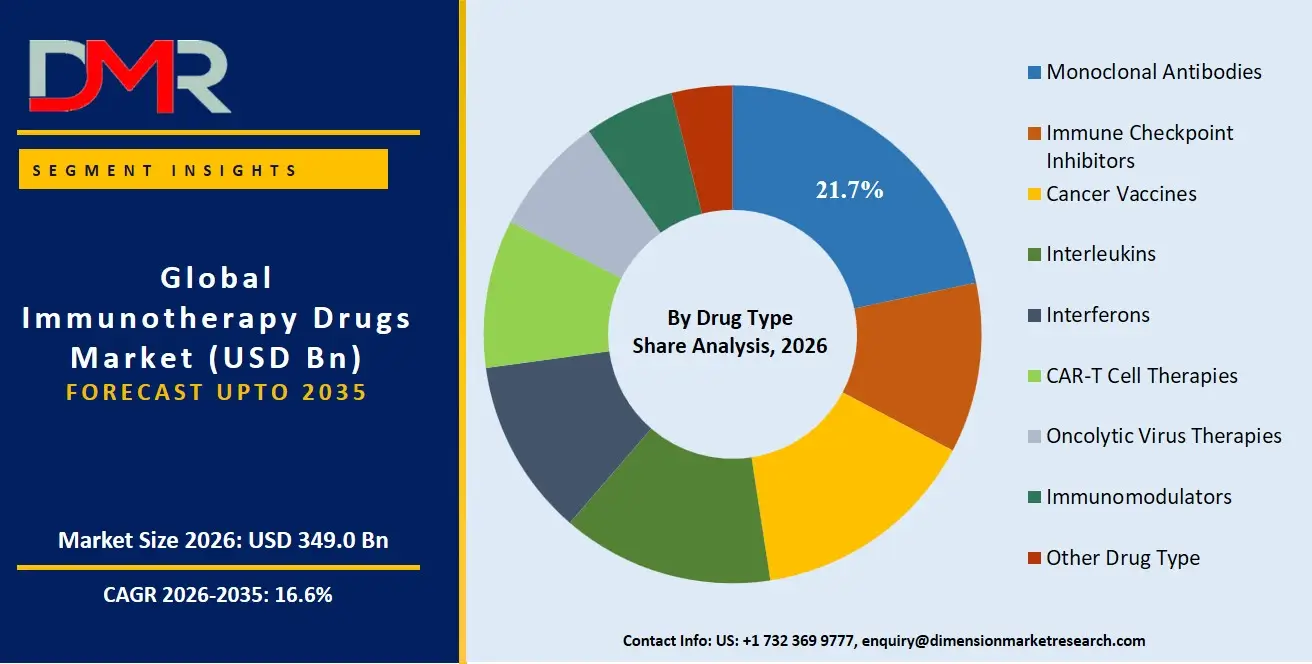
The Global Immunotherapy Drugs Market is segmented by drug type, mechanism of action, route of administration, therapy area, distribution channel, and end user. Key segments include monoclonal antibodies, checkpoint inhibitors, cancer therapies, active and passive immunotherapy, intravenous administration, oncology applications, hospital pharmacies, specialty clinics, and research institutes worldwide.
ℹ
To learn more about this report –
Download Your Free Sample Report Here
By Drug Type Analysis
The immunotherapy drugs market is projected to be dominated by monoclonal antibodies owing to the widespread application of this drug class in the treatment of various conditions, including cancer, autoimmune diseases, and chronic inflammation disorders. Monoclonal antibodies have a higher degree of specificity and safety; therefore, they are the first choice in treatment by healthcare providers. The successful commercialization of several blockbuster therapies has driven their widespread acceptance and use in oncology and autoimmune diseases. Significant investments in the research of newer generation antibodies, bispecific antibodies, and combination therapy drugs are expected to reinforce the dominance of the monoclonal antibodies segment. In addition, favorable reimbursement structures in developed regions and approval of additional indications will ensure their continued growth in the market.
By Mechanism of Action Analysis
Passive immunotherapy is poised to be dominating the market due to the fast acting nature, wide application, and proven track record of effectively managing cancers and autoimmune diseases through this approach. Passive immunotherapy entails the administration of artificially generated immune factors like monoclonal antibodies or immune proteins and cells, making it possible for healthcare professionals to manage diseases by not activating the immune system within the body. The prominence of checkpoint inhibitors and monoclonal antibodies in immunotherapy greatly propels this segment. Drug manufacturing companies favor passive immunotherapy due to its scalability and business potential. In addition, more approvals for conjugated antibody drugs and CAR-T therapy further enhance the prominence of passive immunotherapy in the market.
By Route of Administration Analysis
This segment is anticipated to be dominated by the intravenous route of administration can be attributed to the fact that most biological and antibody drugs as well as cellular therapy need controlled administration directly into the bloodstream. It guarantees rapid bioavailability, precise dosage, and better handling of complicated therapies in areas such as oncology and immunology treatments. Hospitals and medical centers use intravenous delivery of treatments such as checkpoint inhibitors, CAR-T therapy, and advanced biologic treatments owing to the requirement for monitoring. Moreover, there is still a significant number of high-value biologics that are being developed through the intravenous route of delivery.
By Therapy Area Analysis
The therapeutic area segment is led by the immunotherapy drugs is cancer owing to the increasing use of immunotherapies in treating solid and hematological malignancies. Checkpoint inhibitors, CAR T-cell therapies, monoclonal antibodies, and cancer vaccines have revolutionized oncology treatment with improved patient outcomes and reduced progression of numerous late-stage malignancies. Increased global incidence of cancer, regulatory approvals, and clinical efficacy of immuno-oncology therapies are some of the factors that fuel the demand for immuno-oncology drugs. The focus of pharmaceutical companies on the development of cancer treatments is driven by the revenue potential of cancer therapies and the regulatory expedited pathway in many countries.
By Distribution Channel Analysis
Hospital pharmacies form the largest segment of distribution channels since most of the immunotherapy drugs have a specific requirement for their storage, handling, administration, and patient monitoring within the hospital setting itself. Modern drugs and therapies may need special cold chain logistics management as well as physician supervision, resulting in hospitals being a key distribution channel. Immunotherapy patients who receive treatments such as checkpoint inhibitors, CAR T-cell therapy, and other forms of biological infusions are more likely to take treatment at hospitals or associated cancer treatment centers. Another major reason is that healthcare payment systems in several nations are also very much linked to hospitals' procurement channels for specialty drugs.
By End User Analysis
Hospital pharmacies constitute the biggest portion of the distribution channels because the majority of the immunotherapy drugs come with some requirement regarding storage, handling, dispensing, and patient monitoring in the hospital itself. The advanced medicine and treatment can involve cold-chain logistics and physician management, which makes hospital pharmacies an important distribution channel. Patients undergoing therapies such as immune checkpoint inhibitors, CAR T-cell therapy, and other biological infusions are more inclined towards getting treated in the hospital. An additional major reason behind it is that the health care reimbursement system in many countries is also heavily dependent on the procurement process of specialty drugs by hospitals.
The Global Immunotherapy Drugs Market Report is segmented on the basis of the following:
By Drug Type
- Monoclonal Antibodies
- Immune Checkpoint Inhibitors
- PD-1 Inhibitors
- PD-L1 Inhibitors
- CTLA-4 Inhibitors
- Cancer Vaccines
- Interleukins
- Interferons
- CAR-T Cell Therapies
- Oncolytic Virus Therapies
- Immunomodulators
- Other Drug Type
By Mechanism of Action
- Active Immunotherapy
- Passive Immunotherapy
By Route of Administration
- Intravenous
- Subcutaneous
- Oral
- Intramuscular
- Others
By Therapy Area
- Cancer
- Autoimmune & Inflammatory Diseases
- Infectious Diseases
- Cardiovascular Diseases
- Neurological Disorders
- Respiratory Diseases
- Rare Diseases
- Others
By Distribution Channel
- Hospital Pharmacies
- Retail Pharmacies
- Online Pharmacies
By End User
- Hospitals
- Specialty Clinics
- Cancer Treatment Centers
- Ambulatory Surgical Centers
- Research Institutes
- Others
Regional Analysis
Leading Region by Market Share
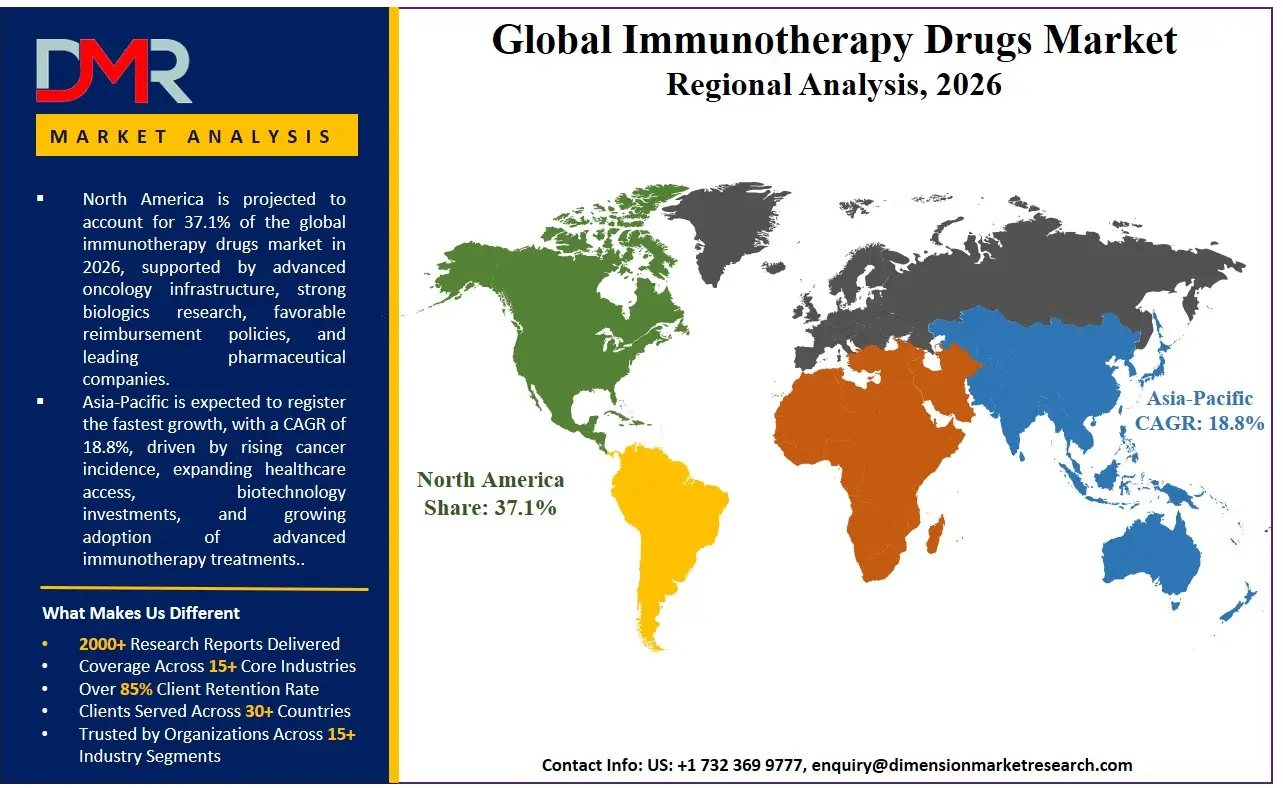
North America is poised to dominate the global immunotherapy drugs market as it is projected to hold 37.1% of the market share by the end of 2026. The US, which leads the North America region, boasts the largest market share of the immunotherapy drug market, thanks to the unparalleled clustering of cancer centers designated by the National Cancer Institute, along with the premium pricing strategies adopted by the novel drugs produced by innovative pharmaceuticals. There is an existing environment comprising world-class biopharmaceutical companies, highly respected academic research institutions and hospitals, and a wealth of talents in the fields of immuno-oncology research and clinical trials. Clinical investments in advanced CAR-T treatments, bispecific antibodies, and the general move towards pembrolizumab treatment are all contributing factors towards the ongoing demand for specialist cancer care centers and hospitals with oncology pharmacy specialists. Additionally, the favorable FDA approval process ensures steady financial backing of up-and-coming biotech firms that require clinical expertise for rapid approvals.
ℹ
To learn more about this report –
Download Your Free Sample Report Here
Fastest-Growing Regional Market
The Asia-Pacific immunotherapy drug market will likely see the fastest growth due to precision medicine campaigns initiated and led by governments in China, Japan, South Korea, and Australia. The quick economic growth, presence of an emerging middle-income class, and dynamic build-up of oncology infrastructures are reasons enough for multinational and domestic big pharmaceutical companies to introduce checkpoint inhibitors and CAR-T therapies. Biosimilar Monoclonal Antibody drugs are highly in demand to ensure that the huge number of patients gets access to affordable biological medicines. In addition, there is a scarcity of skilled immuno-oncology experts, which makes it mandatory to collaborate with foreign companies for clinical research, education, and sophisticated CAR-T logistics.
By Region
North America
Europe
- Germany
- The U.K.
- France
- Italy
- Russia
- Spain
- Benelux
- Nordic
- Rest of Europe
Asia-Pacific
- China
- Japan
- South Korea
- India
- ANZ
- ASEAN
- Rest of Asia-Pacific
Latin America
- Brazil
- Mexico
- Argentina
- Colombia
- Rest of Latin America
Middle East & Africa
- Saudi Arabia
- UAE
- South Africa
- Israel
- Egypt
- Rest of MEA
Competitive Landscape
The market environment for immunotherapy drugs around the world is now quite dynamic in the presence of a diverse range of multinationals in pharma, innovative biotech startups, and increasingly, pure play firms involved in cell therapy and gene therapies. The key to success will lie in the strong partnerships that the company forms with medical schools and academic research institutions, as well as the community cancer clinics because these firms will help the drug firm gain access to the patients for new indications. The trend toward consolidation within the market environment is gaining momentum rapidly as traditional cancer drug companies are acquiring the latest technology and capabilities offered by cell therapy firms and neoantigen vaccines companies.
Some of the prominent players in the Global Immunotherapy Drugs Market are:
- Roche
- Merck & Co.
- Bristol Myers Squibb
- Johnson & Johnson
- Pfizer
- Novartis
- AstraZeneca
- Gilead Sciences
- Amgen
- Sanofi
- AbbVie
- Eli Lilly and Company
- Regeneron Pharmaceuticals
- Biogen
- GlaxoSmithKline
- BeiGene
- Moderna
- BioNTech
- Incyte Corporation
- Fate Therapeutics
- Other Key Players
Recent Developments
- January 2026: Merck & Co., Inc. declared that they would conduct a significant Phase III trial extension of its neoantigen Cancer Vaccine program in clinical trials that would aid early-stage Melanoma and Non-Small Cell Lung Cancer patients to build long-lasting immunity by combining their PD-1 Inhibitor backbone.
- November 2025: Novartis AG reinforced its partnership with a leading CAR-T manufacturing technology company and developed a particular technique known as rapid-manufacturing platform for allogeneic CAR-T Cell Therapies for helping patients with autoimmune diseases gain drug-free remission with "off-the-shelf" cell therapies.
- October 2025: AstraZeneca purchased a global bispecific antibody platform for extending its immunomodulators and Subcutaneous checkpoint inhibitors solutions for Community Cancer Centers for addressing the demanding needs of an older oncology patient population.
Report Details
| Report Characteristics |
| Market Size (2026) |
USD 349.0 Bn |
| Forecast Value (2035) |
USD 1,389.8 Bn |
| CAGR (2026–2035) |
16.6% |
| The US Market Size (2026) |
USD 108.9 Bn |
| Historical Data |
2021 – 2025 |
| Forecast Data |
2027 – 2035 |
| Base Year |
2025 |
| Estimate Year |
2026 |
| Segments Covered |
By Drug Type, By Mechanism of Action, By Route of Administration, By Therapy Area, By Distribution Channel, By End User |
| Regional Coverage |
North America – The US and Canada; Europe – Germany, The UK, France, Russia, Spain, Italy, Benelux, Nordic, & Rest of Europe; Asia-Pacific – China, Japan, South Korea, India, ANZ, ASEAN, Rest of APAC; Latin America – Brazil, Mexico, Argentina, Colombia, Rest of Latin America; Middle East & Africa – Saudi Arabia, UAE, South Africa, Turkey, Egypt, Israel, & Rest of MEA |
Frequently Asked Questions
How big is the Global Immunotherapy Drugs Market?
▾ The Global Immunotherapy Drugs market is poised to be valued at USD 349.0 billion in 2026 and is projected to reach USD 1,389.8 billion by 2035, driven by the universal need for more effective, less toxic treatments in cancer and autoimmune disease.
What is the CAGR of the Global Immunotherapy Drugs Market from 2026 to 2035?
▾ The market is expected to grow at a CAGR of 16.6% from 2026 to 2035, reflecting the accelerating clinical adoption of combination regimens and the persistent unmet need for therapies that deliver durable survival benefits.
What factors are driving the growth of the Global Immunotherapy Drugs Market?
▾ Key drivers include the superior clinical efficacy of Immune Checkpoint Inhibitors, the curative potential of CAR-T Cell Therapies in hematologic malignancies, the expansion into autoimmune diseases, and the surge in demand for personalized Cancer Vaccines amid advancements in genomic profiling.
Which region held the largest share of the Immunotherapy Drugs Market in 2026?
▾ North America, specifically the United States, is projected to hold 37.1% of the market share in 2026, driven by a mature biopharmaceutical innovation ecosystem and aggressive clinical adoption of high-cost, novel CAR-T Cell Therapies and bispecific antibodies.
Which region is expected to grow the fastest in the Immunotherapy Drugs Market?
▾ The Asia-Pacific region is expected to grow the fastest, fueled by rapid drug approvals and expanding healthcare infrastructure in China and India, where PD-1 Inhibitors and biosimilar Monoclonal Antibodies are critical for treating massive, previously undertreated patient populations.
What are the major trends in the Global Immunotherapy Drugs Market?
▾ Major trends include the integration of AI into neoantigen discovery, the rise of "off-the-shelf" allogeneic cell therapies, the demand for subcutaneous checkpoint inhibitor formulations, and a focus on managing immune-related adverse events within complex bispecific antibody regimens.
Who are the key players in the Global Immunotherapy Drugs Market?
▾ Key players include global oncology leaders like Merck & Co., Bristol-Myers Squibb, and Roche, as well as cell therapy pioneers like Gilead Sciences and Legend Biotech, alongside biotechs specializing in immunomodulation and vaccines like BioNTech and Moderna.
How is the Global Immunotherapy Drugs Market segmented?
▾ The market is segmented by Drug Type, Mechanism of Action, Route of Administration, Therapy Area, Distribution Channel, and End User.